



























Why Halal Food Matters for Health

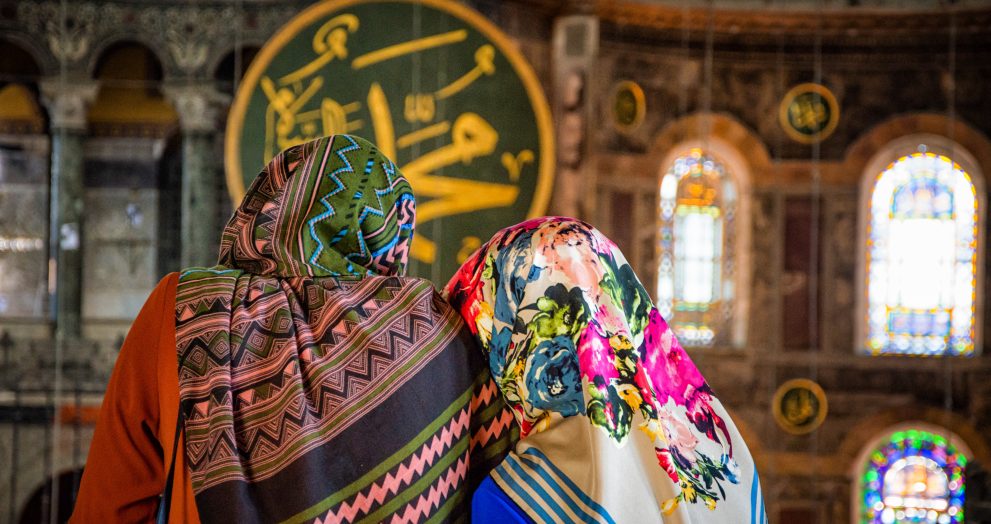
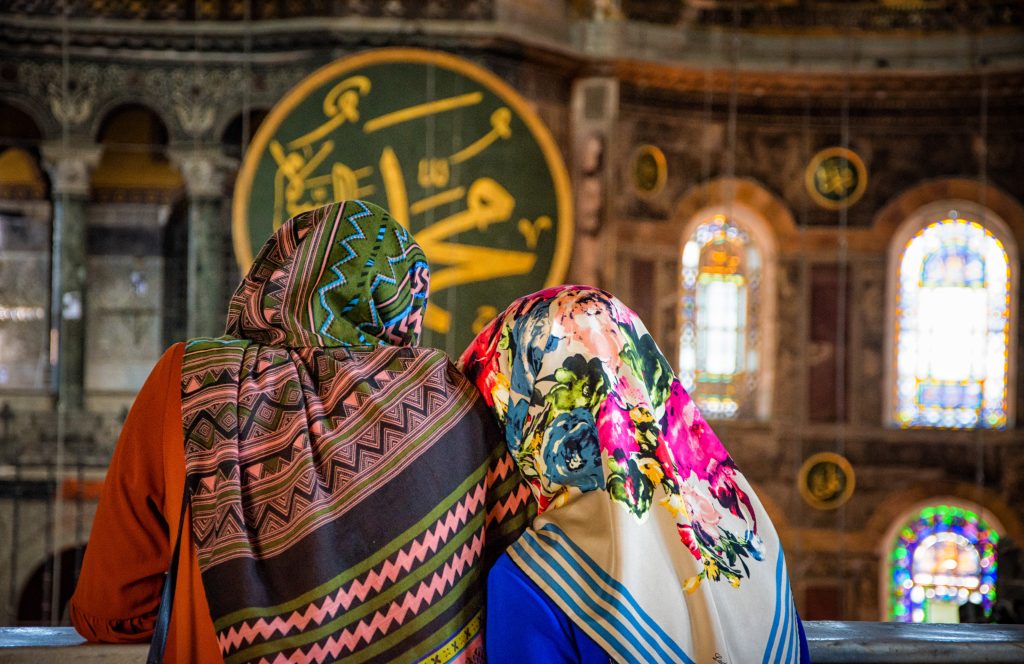
Halal food is much more than just a dietary requirement for Muslims; it is a lifestyle choice that promotes physical, mental, and spiritual well-being. The term “halal” means “permissible” in Arabic, and it applies to all aspects of life, including food. In the context of diet, halal food follows specific guidelines outlined in the Quran and Hadith, ensuring that the food is prepared, processed, and consumed in a way that is both ethically and hygienically responsible. While halal practices are rooted in religious obligations, they also have significant health benefits, making halal food a smart choice for everyone, regardless of faith.


Halal Food and Spiritual Well-being

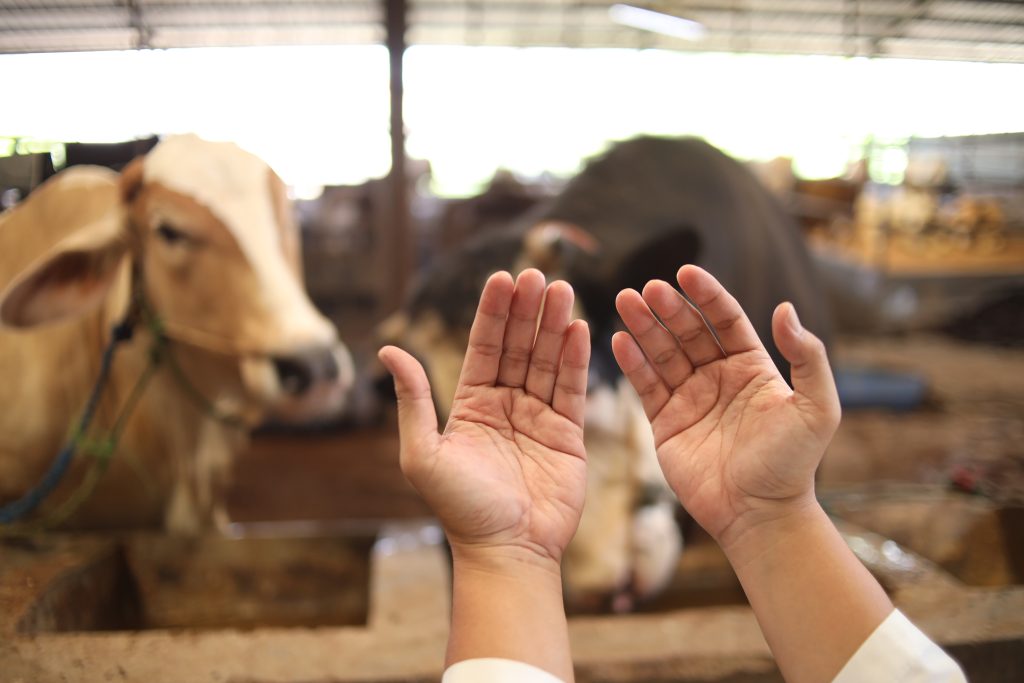
In Islam, the concept of health extends far beyond the physical body—it encompasses the mind, soul, and overall spiritual well-being. One of the key ways to achieve this holistic health is through the food we consume. Halal food, which means “permissible” in Arabic, is not only a dietary requirement but also a spiritual practice that aligns daily life with ethical, moral, and religious principles. Eating halal food is an act of mindfulness and obedience to God, fostering both physical health and spiritual balance.

Global Halal Food Trends: What’s Shaping the Future of Halal Consumption

The halal food market is no longer a niche category limited to Muslim consumers — it has become a global powerhouse, reshaping food production, retail, technology, and consumer behavior around the world. With the halal sector projected to grow significantly over the next decade, trends in consumer demand, innovation, sustainability, and inclusivity are driving major transformations across the food industry. In this blog, we explore the key global halal food trends that are defining the present and future of halal consumption. Market Growth Reports+1

Key Differences Between Zabiha and Non-Zabiha Meat

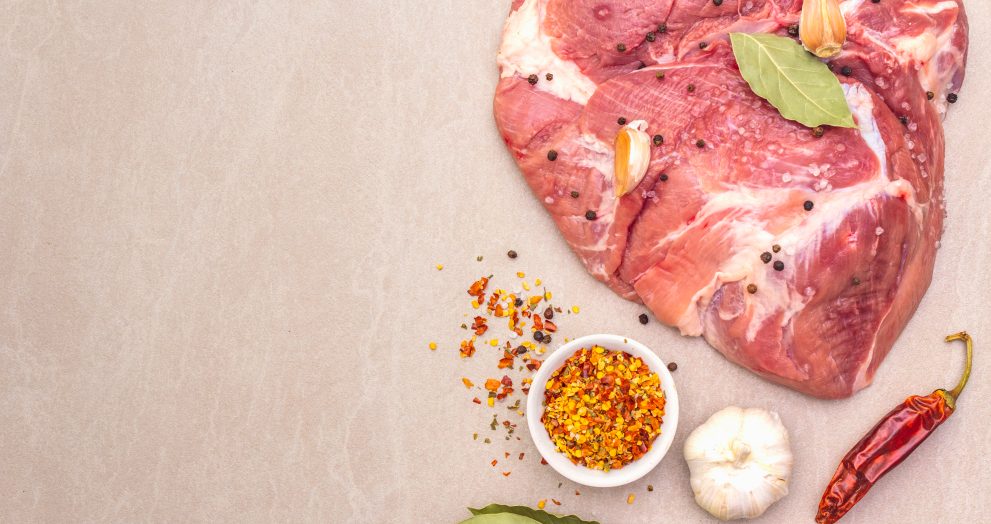
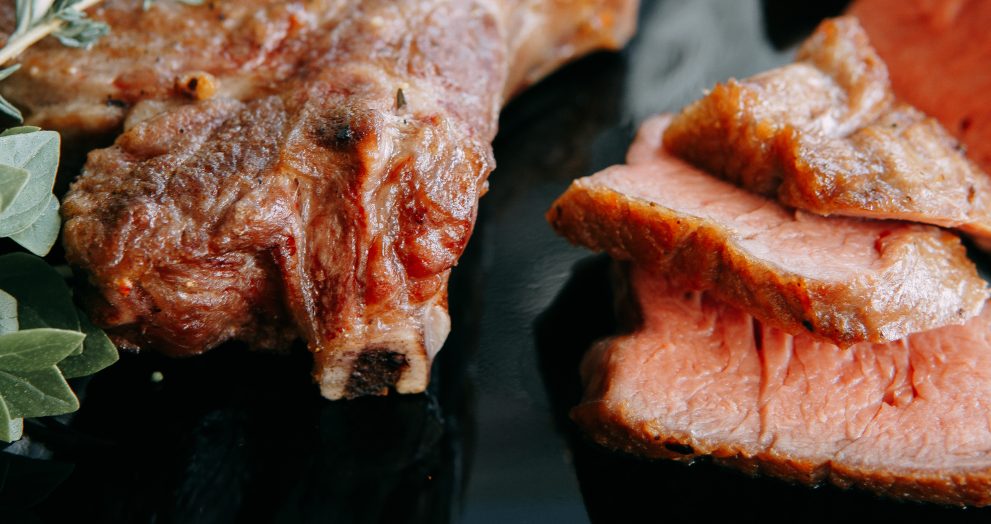
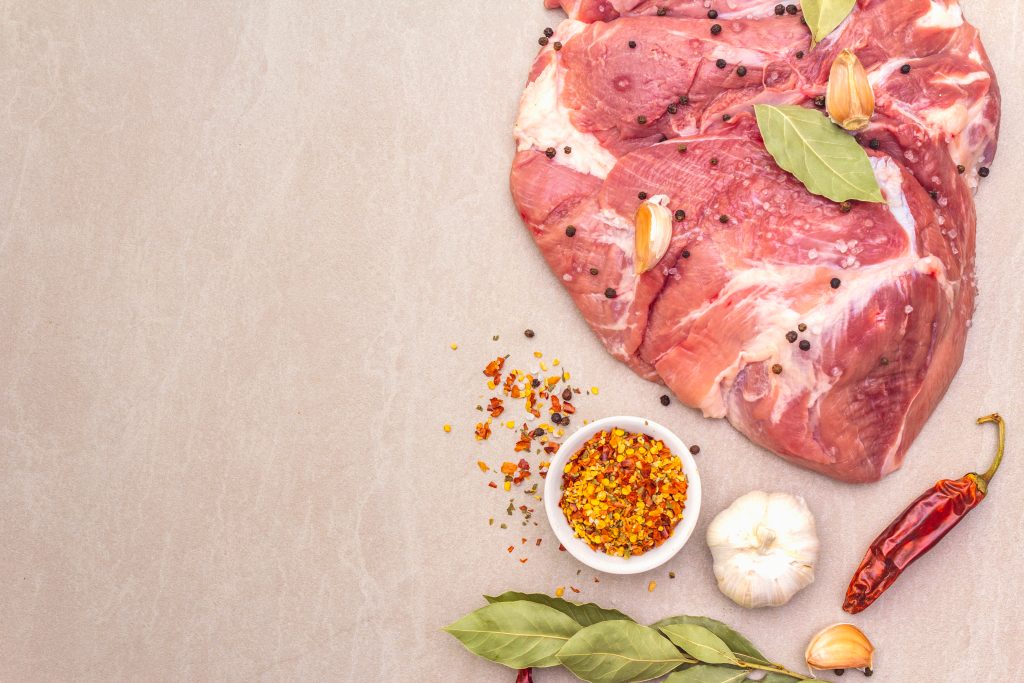
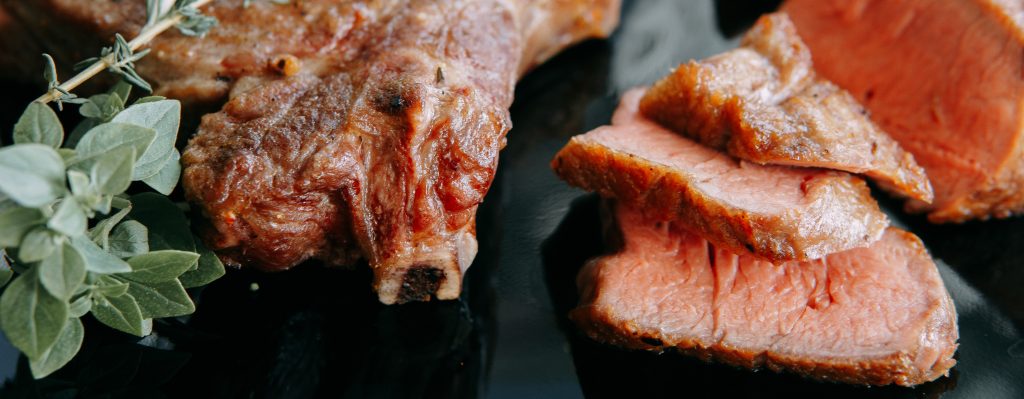
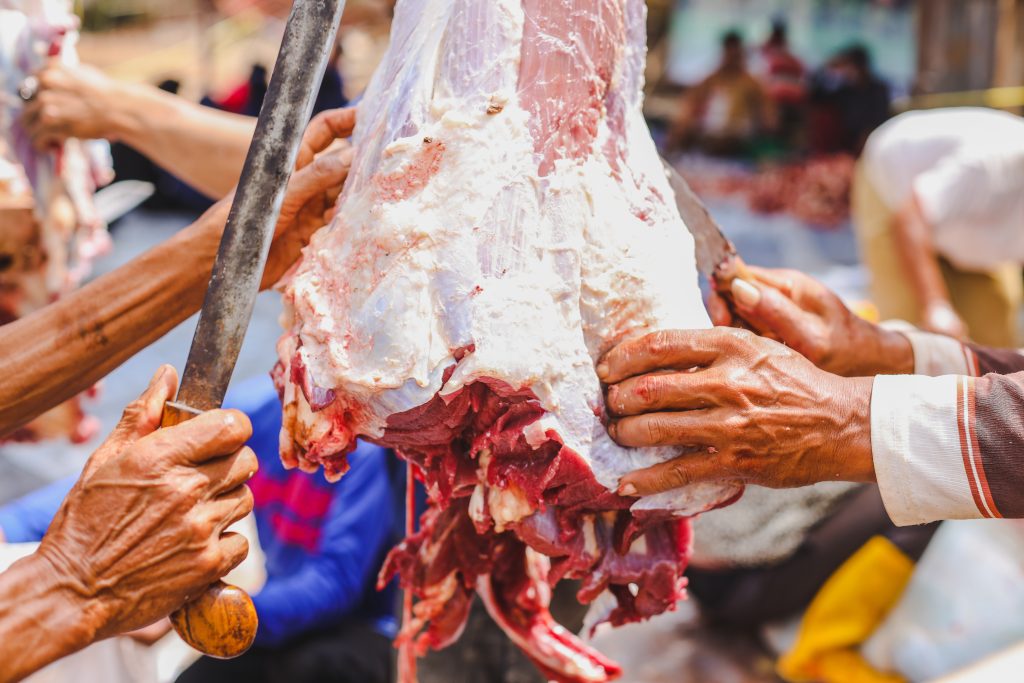
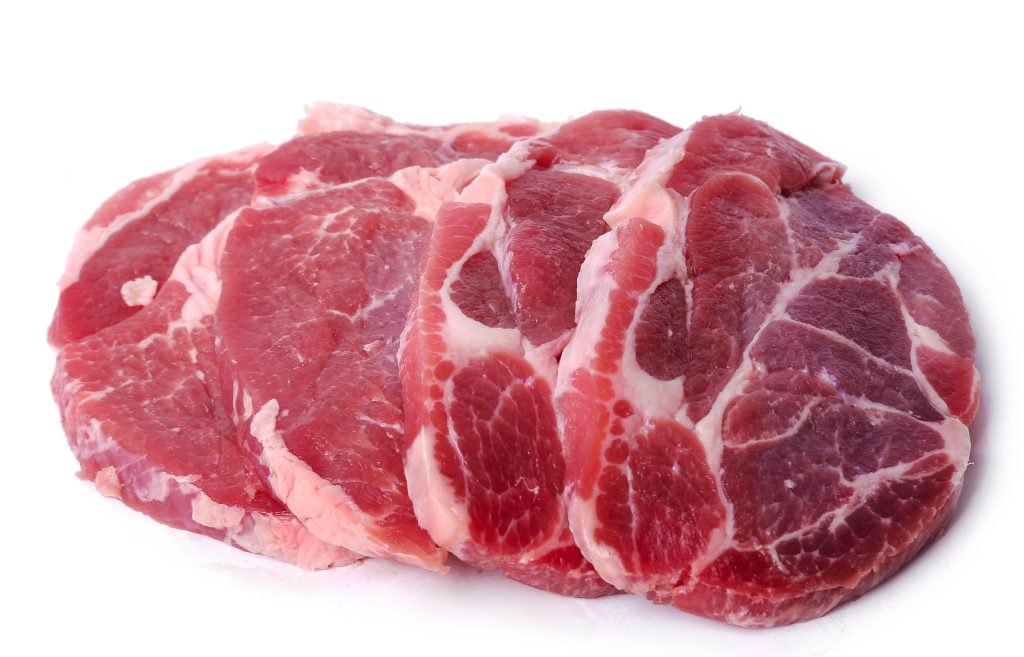
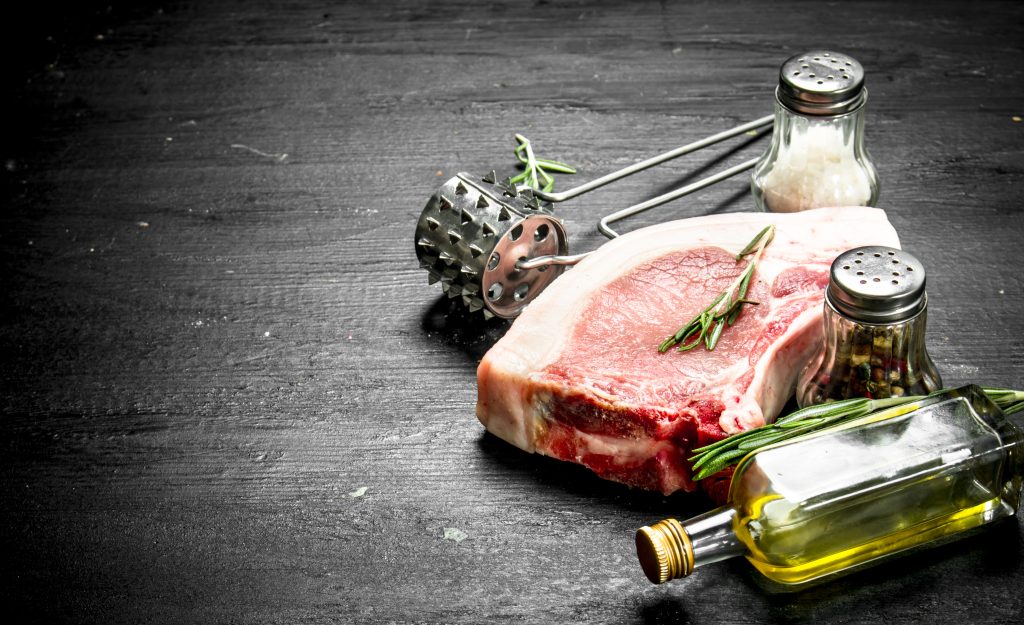
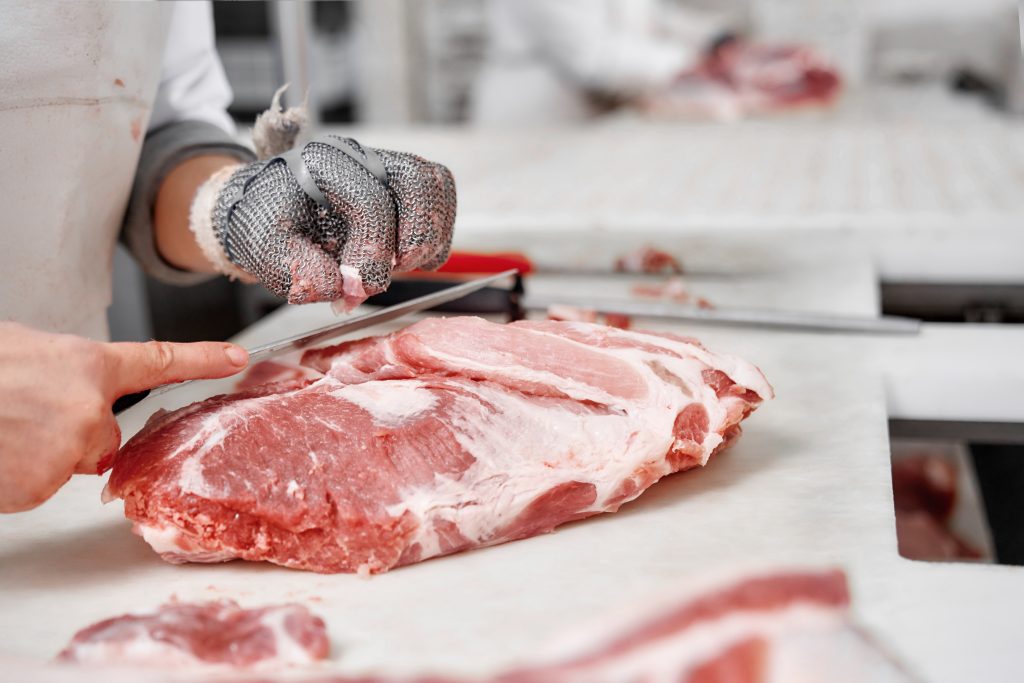
As awareness around halal food continues to grow globally, more consumers are asking an important question: What is the real difference between Zabiha and non-Zabiha meat? While the distinction is deeply rooted in Islamic teachings, it also extends to ethics, hygiene, health, and food quality. Understanding these differences helps consumers make informed choices—not only for religious reasons but also for physical and ethical well-being.

How to Identify Proper Zabiha Meat

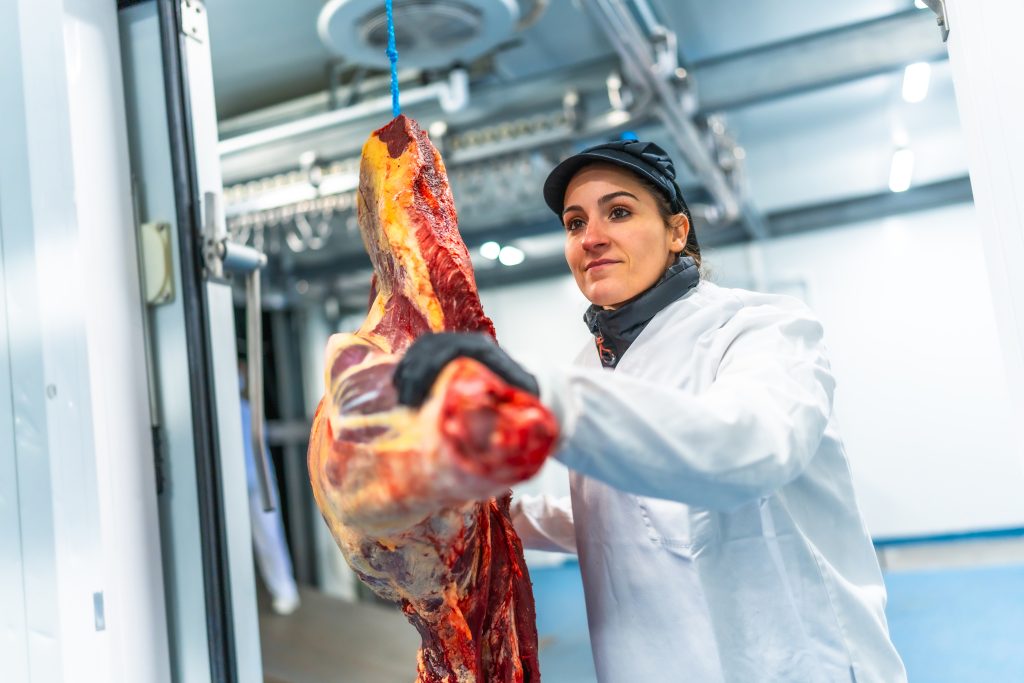
With the growing availability of halal-labeled products in markets worldwide, many consumers assume that all “halal” meat is the same. However, this is not always true. Proper Zabiha meat follows strict Islamic guidelines that go beyond labels and packaging. Understanding how to identify authentic Zabiha meat is essential for Muslims who want to ensure religious compliance, as well as for consumers who value ethical, clean, and high-quality food.

Common Myths About Zabiha

As halal food becomes more widely available across the world, discussions around Zabiha meat have also increased. Unfortunately, along with awareness, many misconceptions and myths have spread—some due to lack of knowledge, others due to misinformation. These myths often create confusion not only among non-Muslims but also within Muslim communities trying to make informed halal choices.

Daily Halal Eating Habits

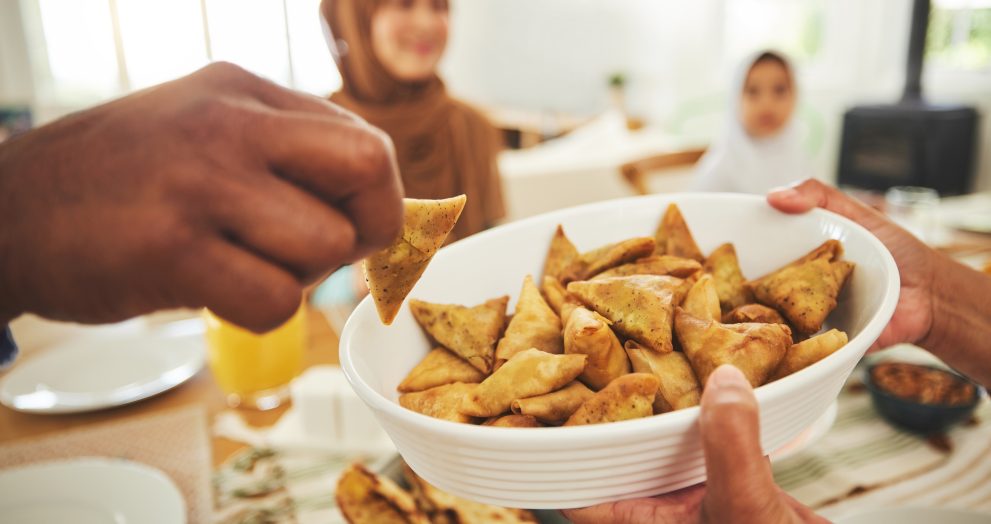
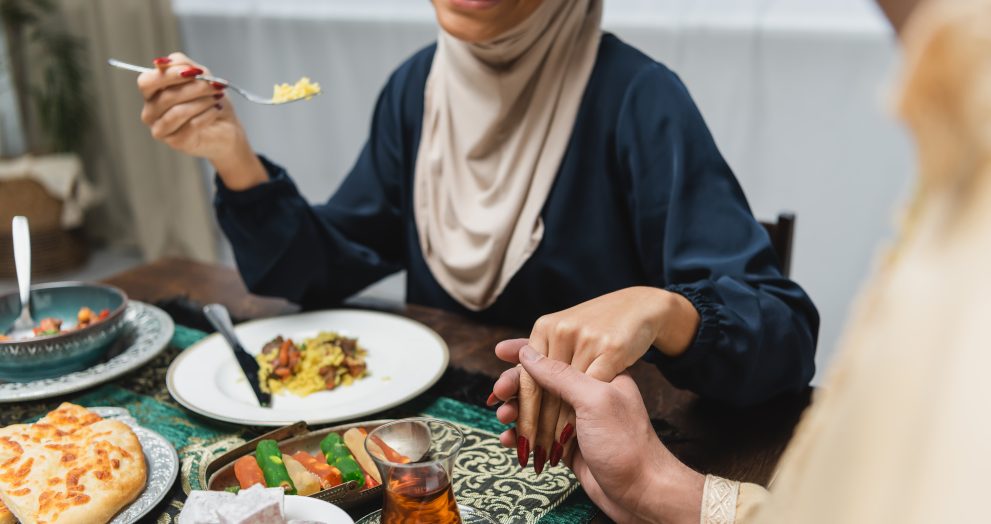
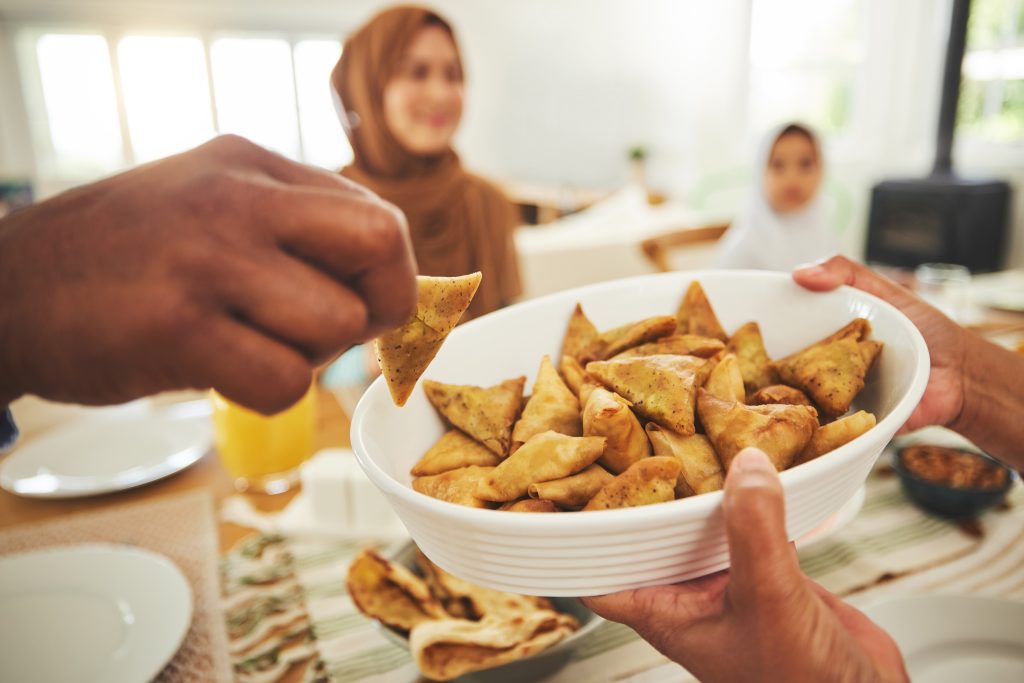
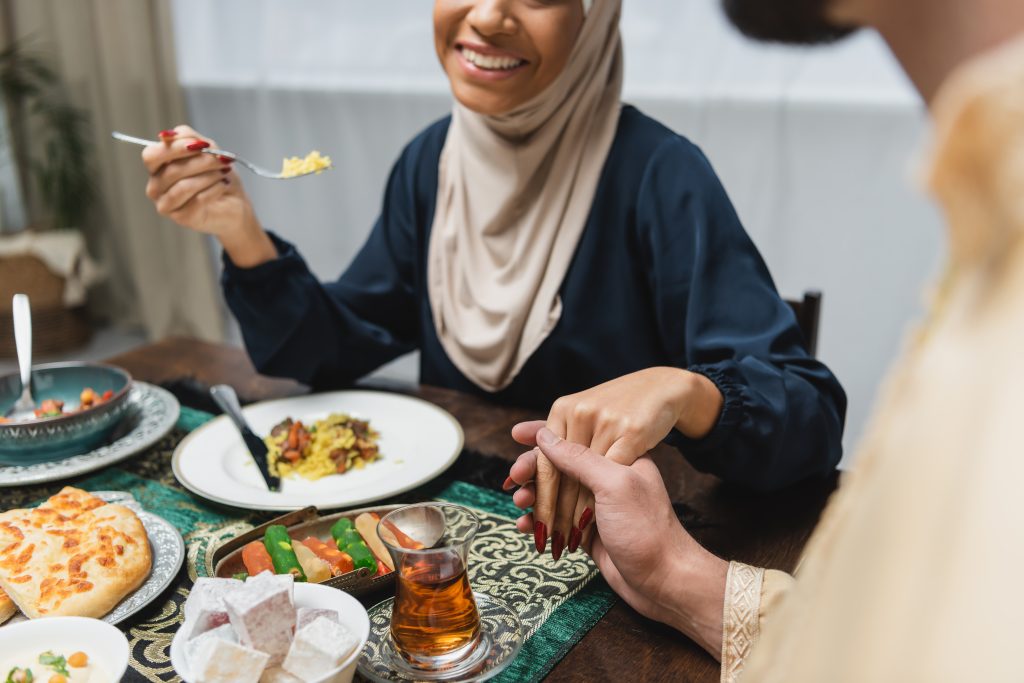
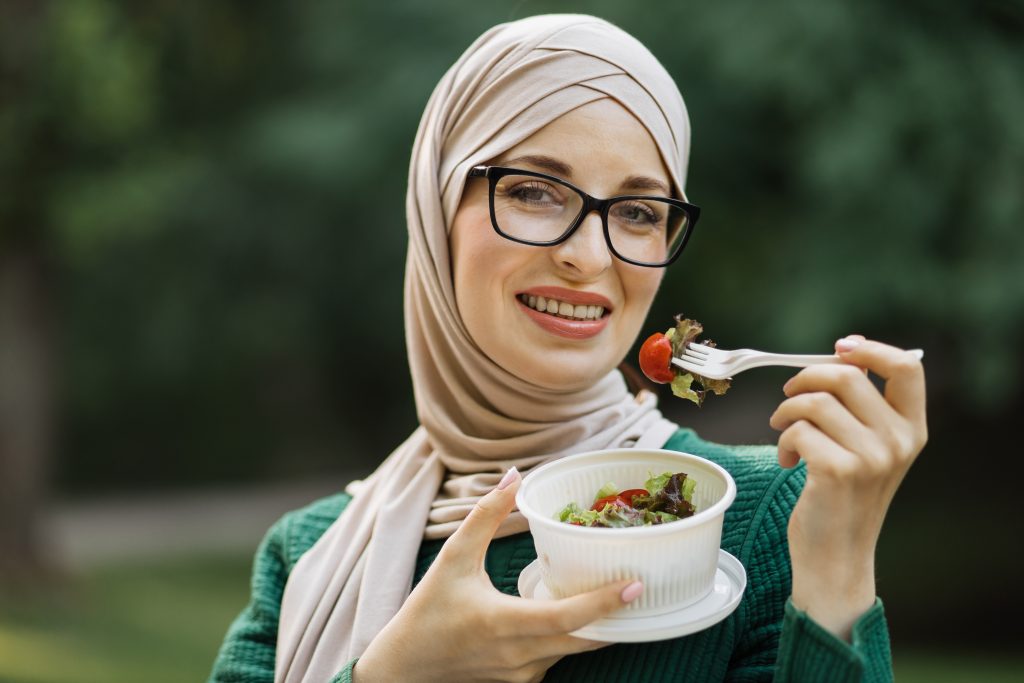
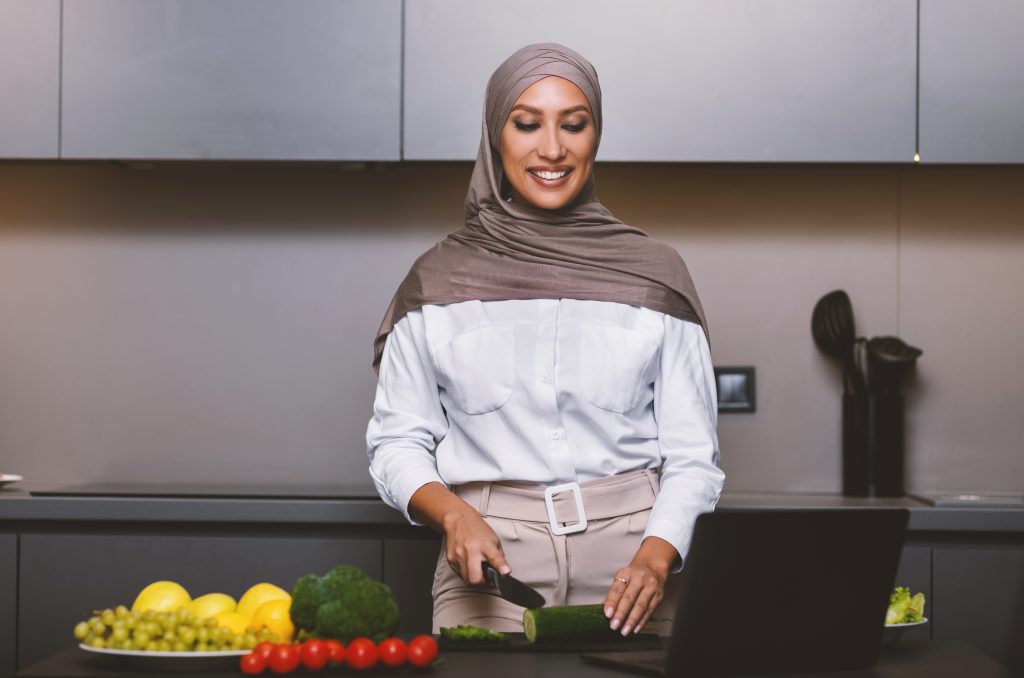
Halal eating is not limited to choosing permissible food—it is a daily lifestyle practice rooted in mindfulness, moderation, cleanliness, and gratitude. In Islam, what we eat and how we eat plays a vital role in shaping our physical health, spiritual well-being, and moral character. Developing daily halal eating habits helps individuals align their diet with Islamic principles while also supporting a healthier and more conscious way of living.

Halal Snacks and Meal Planning: A Guide for Healthy Eating

Maintaining a balanced diet while following halal dietary guidelines can be challenging, especially with busy schedules and the abundance of processed foods. However, with thoughtful meal planning and smart snack choices, it is possible to eat healthily, stay energized, and adhere to halal principles. Halal snacks and meal planning not only support physical health but also reflect Islamic values of mindfulness, moderation, and gratitude.

Eating Out the Halal Way: A Practical Guide

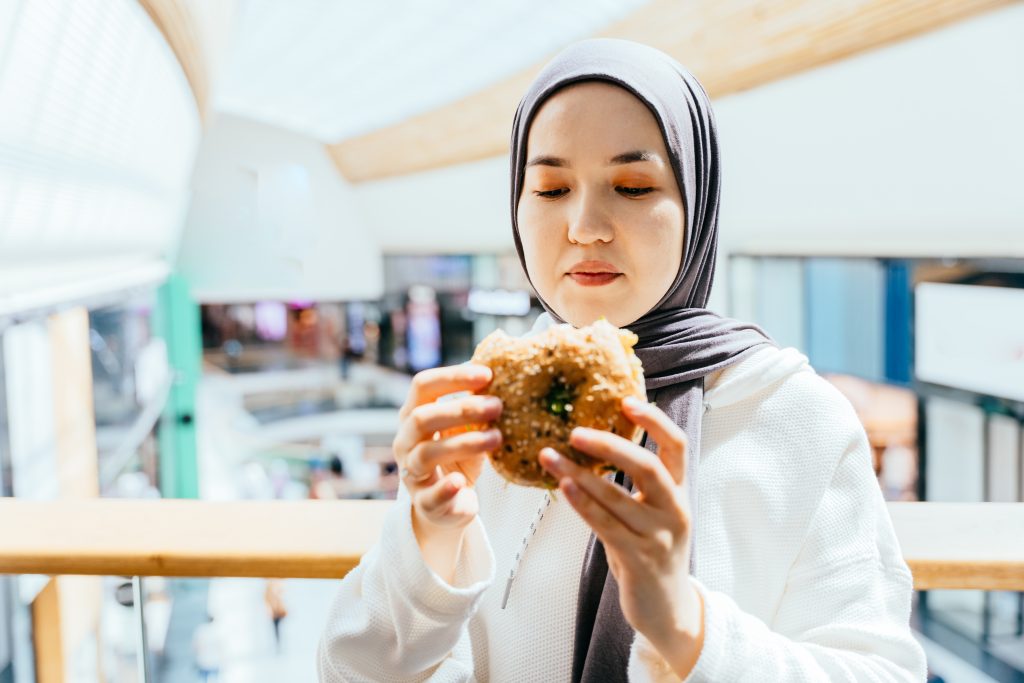
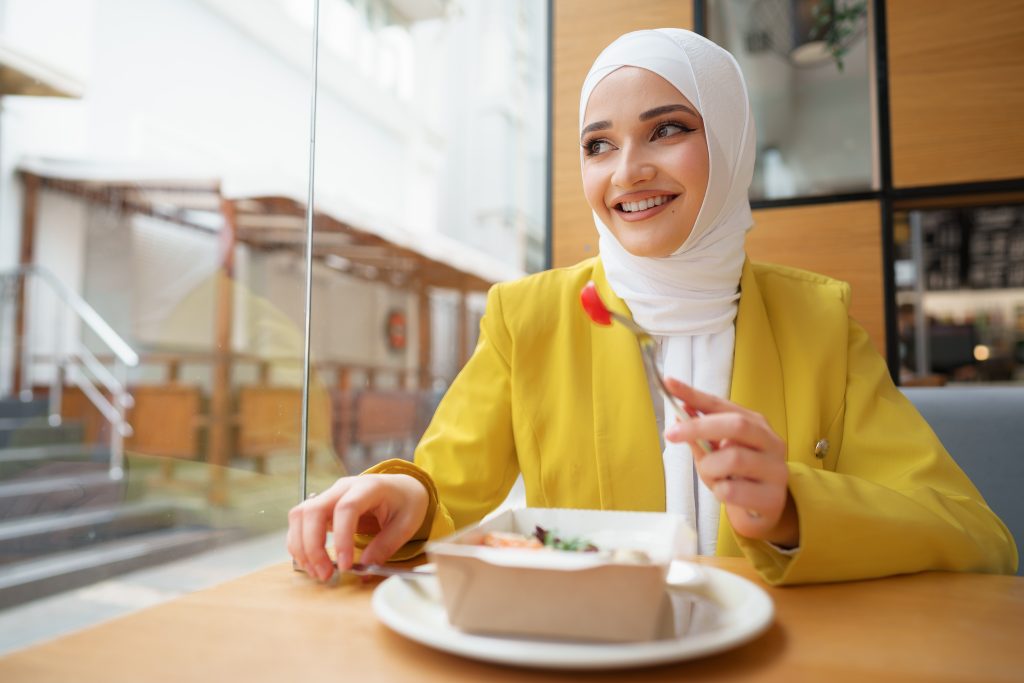
Eating out can be challenging for Muslims who wish to maintain halal dietary standards. While restaurants and fast-food chains offer convenience, not all meat or ingredients comply with halal guidelines. However, with the right knowledge and preparation, it is entirely possible to eat out the halal way without compromising faith, ethics, or health.

History and Meaning of Zabiha

Zabiha is more than a method of slaughter—it is a cornerstone of Islamic dietary law, ethics, and spirituality. For centuries, Muslims around the world have adhered to Zabiha as part of their faith, ensuring that the food they consume is not only permissible but also wholesome, ethical, and pure. Understanding the history and meaning of Zabiha provides insight into its importance in daily life, religious observance, and contemporary halal practices.