


















































Water Conservation in Farms: Sustainable Practices for Halal Meat Production

Water is a precious resource, essential for human life, agriculture, and livestock farming. With increasing global demand and climate change, efficient water use has become critical. For halal-conscious consumers, farms that prioritize water conservation not only uphold environmental responsibility but also ensure that meat is lawful (halal) and wholesome (tayyib).
This blog explores why water conservation is important in farming, the techniques used, and how Zabiha Farms implements sustainable practices.
1. Why Water Conservation Matters in Farming
-
Livestock Water Needs: Animals require significant amounts of water for drinking, feed production, and cleaning.
-
Feed Crop Irrigation: Producing feed like grains, hay, or forage uses large quantities of water.
-
Environmental Impact: Overuse of water leads to depletion of rivers, lakes, and aquifers, affecting ecosystems.
-
Economic Efficiency: Conserving water reduces farm costs and ensures long-term sustainability.
Conserving water aligns with Islamic principles of stewardship (Khilafah), promoting care for natural resources.
2. Water Challenges in Livestock Farming
-
High Consumption: On average, producing 1 kg of beef can require over 15,000 liters of water, including feed irrigation.
-
Pollution Risk: Runoff from manure and chemicals can contaminate water bodies.
-
Climate Change: Droughts and water scarcity affect feed production and livestock health.
-
Inefficient Practices: Traditional irrigation or uncontrolled drinking water can lead to waste.
Addressing these challenges is essential for eco-friendly and halal-compliant farming.
3. Principles of Water Conservation on Farms
3.1 Efficient Drinking Water Management
-
Provide animals with clean, fresh water using automatic waterers or controlled troughs.
-
Prevent leakage and spillage to save significant amounts of water.
-
Regularly clean and maintain water systems to ensure hygiene and reduce waste.
3.2 Sustainable Irrigation for Feed Crops
-
Drip Irrigation: Delivers water directly to plant roots, reducing evaporation and runoff.
-
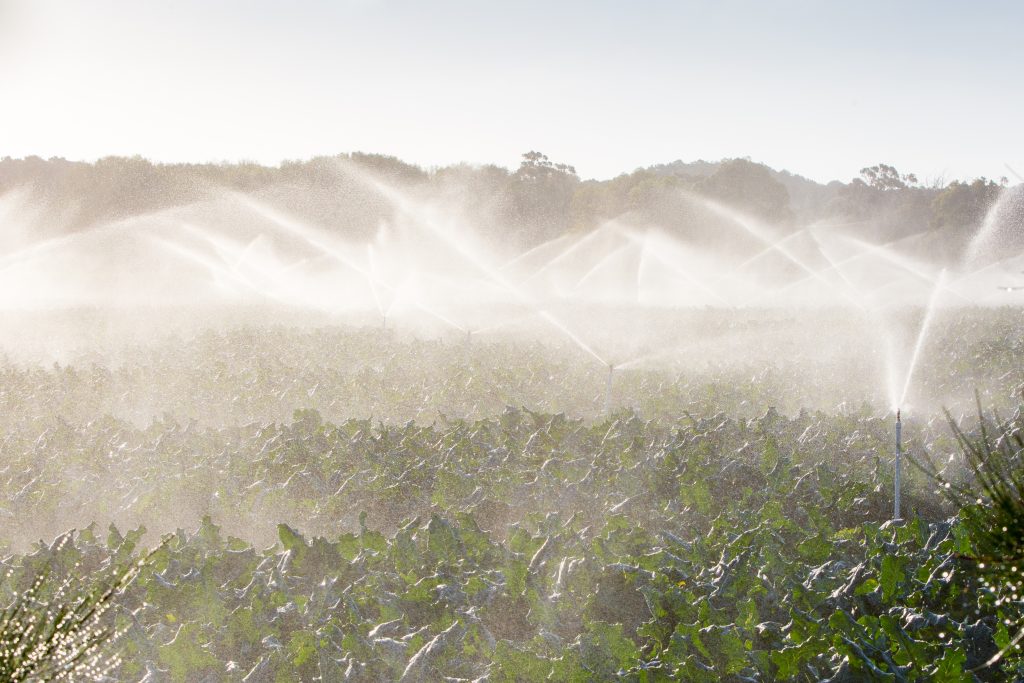
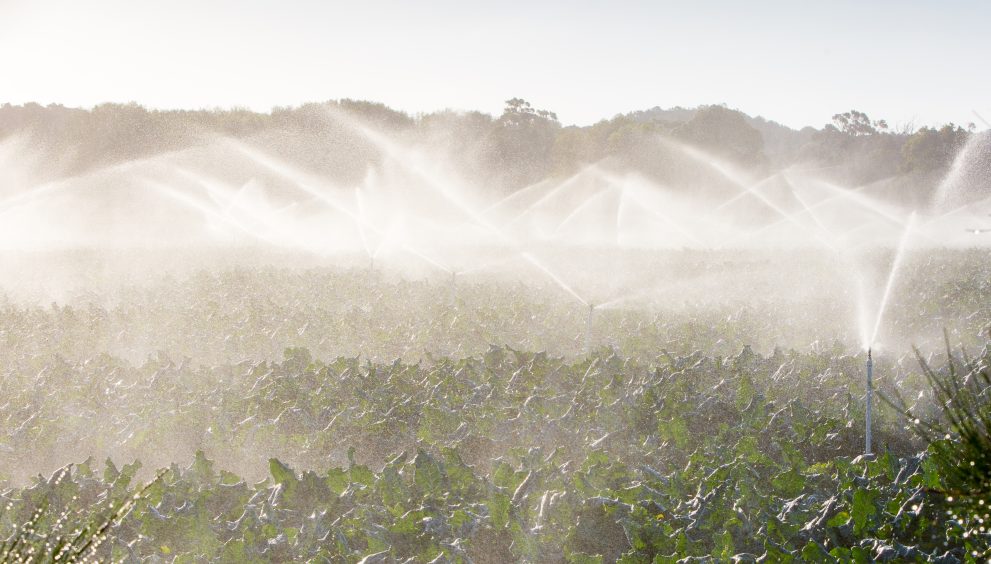
Sprinkler Systems: Use uniform water distribution to optimize irrigation efficiency.
-
Soil Moisture Monitoring: Helps determine precise watering needs, avoiding over-irrigation.
3.3 Rainwater Harvesting
-
Collect and store rainwater to supplement livestock and crop needs.
-
Reduces reliance on groundwater or municipal water sources.
-
Promotes self-sufficiency and sustainability on the farm.
3.4 Reusing and Recycling Water
-
Treat and reuse wastewater for irrigation or cleaning purposes.
-
Use compost tea or nutrient-rich water from composting for crop fertilization.
-
Ensures minimal wastage and environmental protection.
4. Halal and Eco-Friendly Water Practices
Water conservation complements Islamic dietary ethics:
-
Tayyib Food: Ensures meat and feed are grown using clean and responsibly managed water.
-
Ethical Farming: Reduces environmental harm and supports sustainable ecosystems.
-
Spiritual Responsibility: Protects natural resources as mandated in the Quran: “Do not waste” (Al-An’am 6:141).
Zabiha Farms integrates halal practices with environmentally responsible water management, producing meat that is both lawful and sustainable.
5. Benefits of Water Conservation in Farms
5.1 Environmental Benefits
-
Reduces water stress on rivers, lakes, and aquifers.
-
Prevents soil erosion and water pollution.
-
Supports biodiversity by maintaining healthy ecosystems.
5.2 Economic Benefits
-
Lowers water bills and operational costs.
-
Increases crop and livestock efficiency by using water effectively.
-
Enhances long-term farm sustainability.
5.3 Health and Quality Benefits
-
Ensures animals have clean drinking water, improving health and meat quality.
-
Crops irrigated efficiently produce nutrient-rich feed, resulting in healthier, tayyib meat.
5.4 Ethical and Spiritual Benefits
-
Aligns with Islamic stewardship principles.
-
Promotes mindful use of resources, reducing waste and environmental harm.
6. Zabiha Farms’ Approach to Water Conservation
6.1 Efficient Drinking Systems
-
Automatic waterers and controlled troughs prevent spillage.
-
Regular maintenance ensures water remains clean and hygienic.
6.2 Sustainable Feed Irrigation
-
Uses drip and sprinkler irrigation for feed crops.
-
Monitors soil moisture to optimize water usage.
-
Minimizes water waste while ensuring feed crops thrive.
6.3 Rainwater Harvesting and Storage
-
Collects and stores rainwater for livestock and irrigation.
-
Reduces dependency on external water sources.
6.4 Wastewater Reuse
-
Treated water from cleaning and composting is recycled for crop irrigation.
-
Reduces environmental impact while maintaining food safety.
6.5 Halal Compliance
-
All meat is Zabiha-certified, ensuring ethical and lawful practices.
-
Water conservation supports tayyib standards, producing wholesome and pure meat.
7. Practical Tips for Supporting Water-Conscious Farming
-
Choose Halal Farms That Practice Sustainability: Support farms like Zabiha Farms.
-
Reduce Meat Waste: Plan meals to minimize leftover meat, indirectly saving water.
-
Buy Locally Produced Meat: Reduces water footprint associated with transportation.
-
Educate Yourself: Learn about water-efficient practices in halal meat production.
-
Spread Awareness: Encourage others to adopt responsible water use and sustainable consumption.
8. Global Importance of Water Conservation
-
Reduces pressure on freshwater resources worldwide.
-
Helps mitigate effects of climate change and droughts.
-
Promotes ethical and sustainable food systems for future generations.
By supporting water-efficient farms, consumers contribute to a healthy planet, ethical food production, and faith-aligned consumption.
9. Conclusion
Water conservation in farms is essential for sustainability, ethical responsibility, and halal food production. Key takeaways:
-
Efficient drinking systems and irrigation reduce water waste.
-
Rainwater harvesting and wastewater reuse promote sustainable farming.
-
Halal farms like Zabiha Farms ensure water is managed ethically, producing lawful, wholesome, and environmentally responsible meat.
-
Consumers play a role by choosing eco-conscious halal meat, reducing waste, and supporting sustainable practices.
By prioritizing water conservation, farmers and consumers together uphold Islamic principles of stewardship, protect the environment, and enjoy healthy, tayyib, and halal meat. Sustainable water management ensures that halal farming is ethical, efficient, and future-ready.