






























Eco-Friendly Meat Production: Sustainable Practices for a Better Future

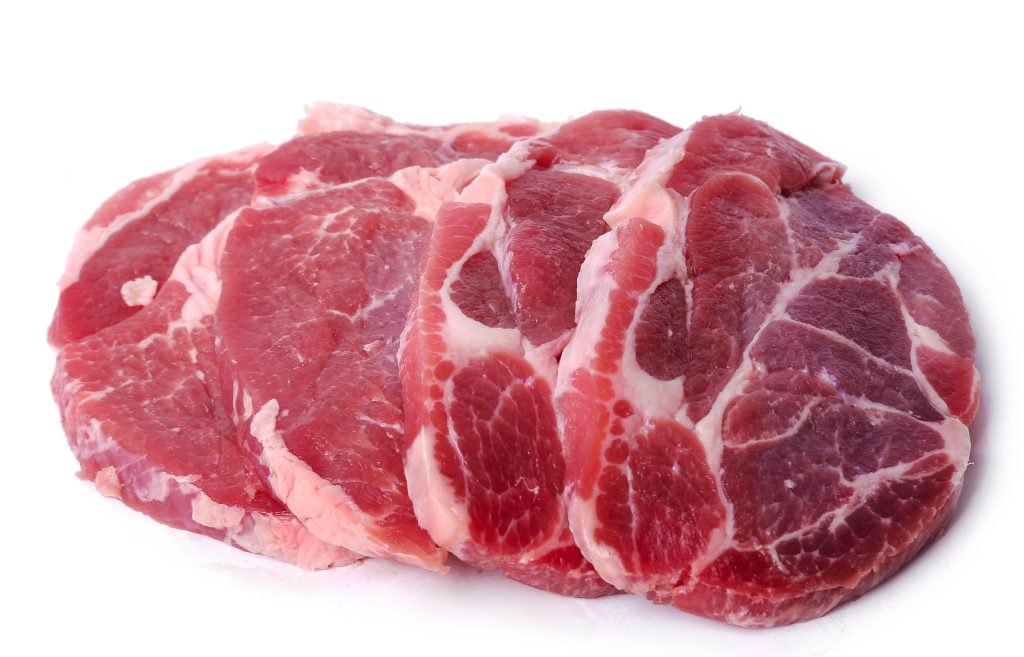
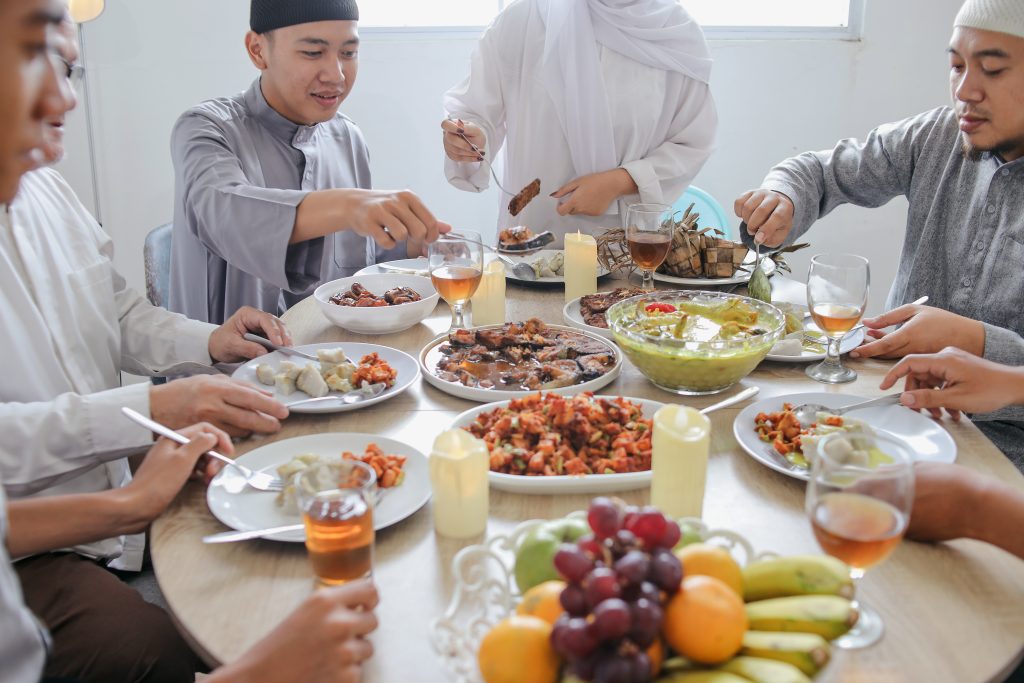
In today’s world, the demand for meat is growing rapidly, but so are concerns about environmental impact, sustainability, and ethical practices. For Muslims, eco-friendly meat production aligns with the principles of halal and tayyib, ensuring food is not only lawful but also pure, wholesome, and responsibly sourced.
This blog explores what eco-friendly meat production means, its benefits, and how Zabiha Farms implements sustainable practices.
1. Understanding Eco-Friendly Meat Production
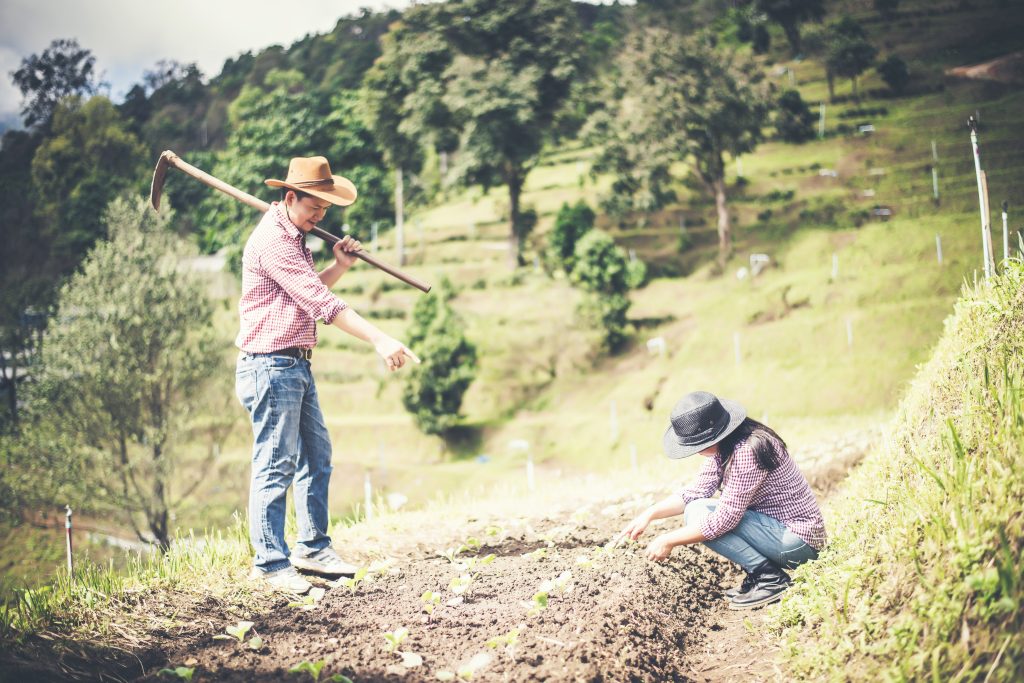
Eco-friendly meat production is a method of raising livestock that minimizes environmental impact, promotes animal welfare, and supports sustainable agriculture. Key aspects include:
-
Sustainable Farming Practices: Reducing greenhouse gas emissions, soil degradation, and water usage.
-
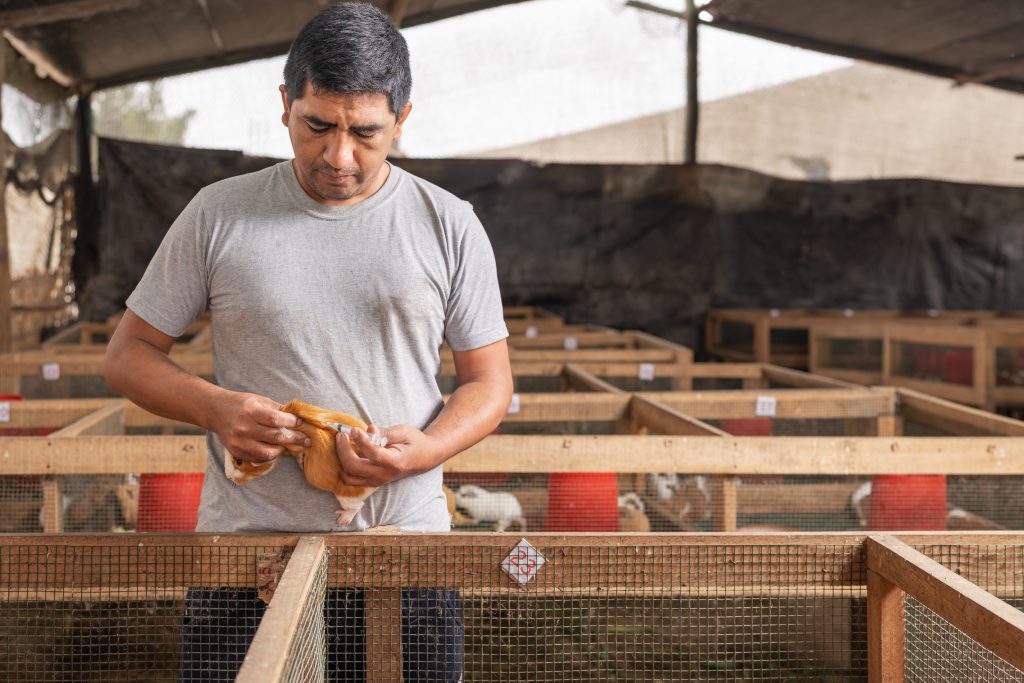
Humane Animal Care: Ensuring livestock is treated ethically and respectfully.
-
Responsible Resource Use: Optimizing feed, energy, and water to reduce waste.
-
Halal Compliance: Following Islamic dietary laws while being environmentally conscious.
In essence, eco-friendly meat production ensures that meat is good for humans, animals, and the planet.
2. The Environmental Impact of Traditional Meat Production
Conventional meat production often contributes to:
-
Deforestation: Clearing land for grazing or feed crops.
-
Greenhouse Gas Emissions: Methane from cattle contributes to climate change.
-
Water Pollution: Runoff from fertilizers, manure, and chemicals.
-
Resource Inefficiency: High water and feed consumption per kilogram of meat.
These challenges highlight the importance of sustainable and eco-friendly practices in modern meat production.
3. Principles of Eco-Friendly Meat Production
3.1 Ethical Animal Husbandry
-
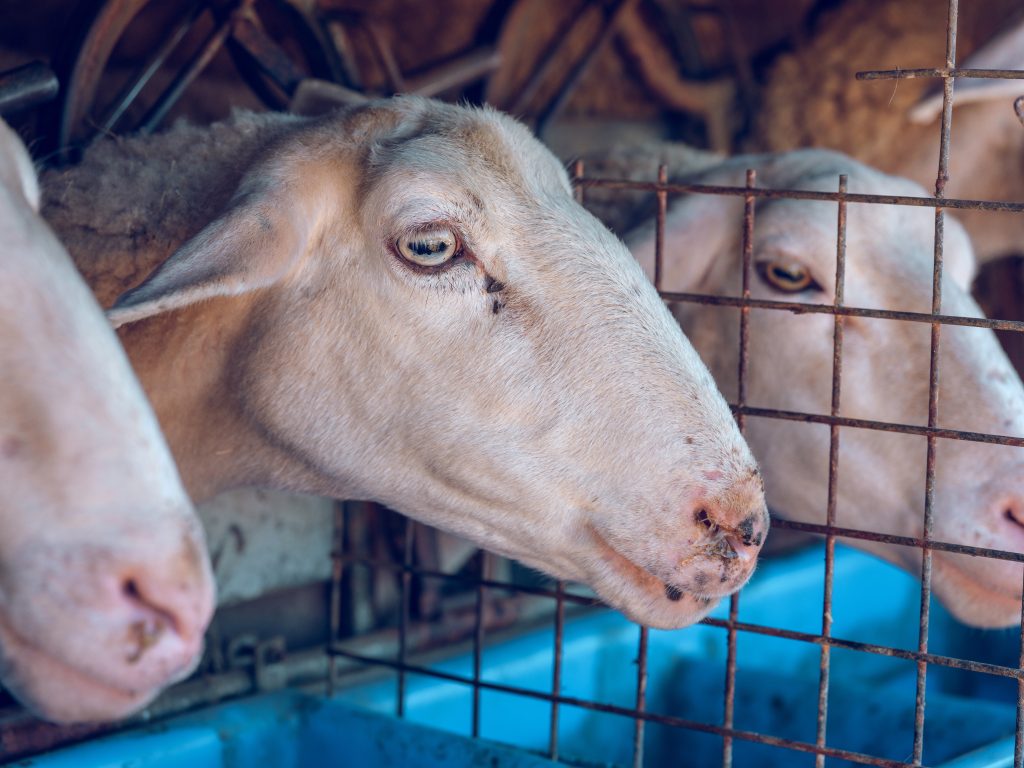
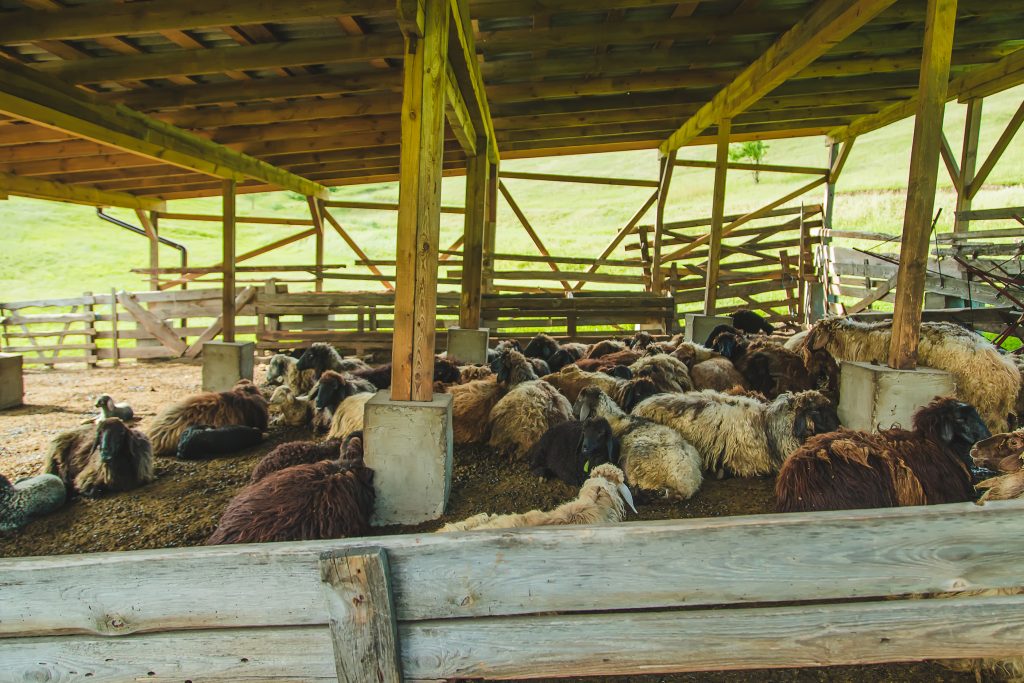
Provide spacious and clean environments for animals.
-
Ensure proper diet, healthcare, and humane handling.
-
Aligns with Islamic principles of compassion and responsibility toward animals.
3.2 Sustainable Grazing and Feed
-
Rotate pastures to prevent overgrazing and soil erosion.
-
Use organic or locally sourced feed to reduce environmental footprint.
-
Reduce reliance on chemical fertilizers and pesticides.
3.3 Waste Management
-
Properly manage manure and farm waste to prevent water and soil contamination.
-
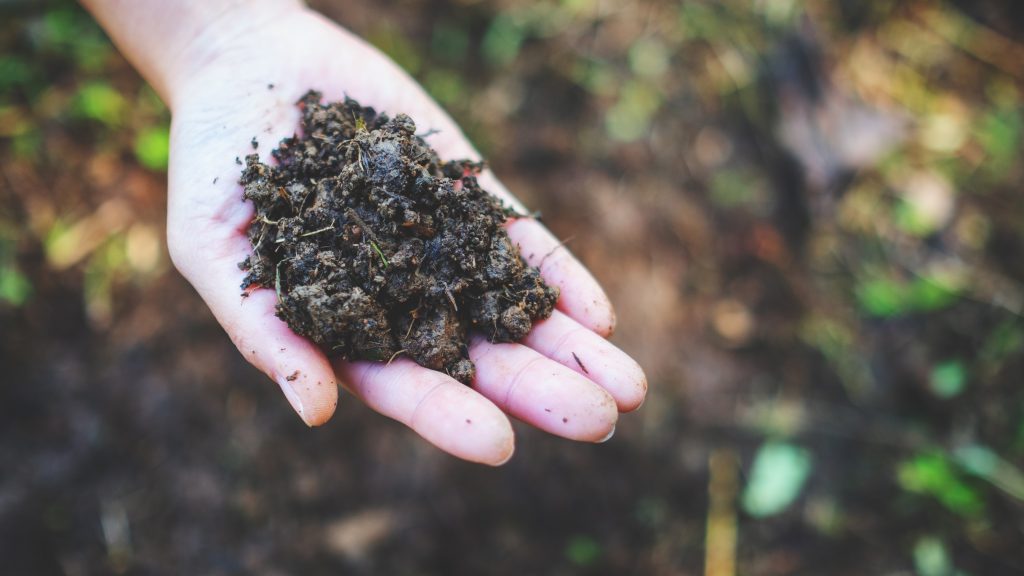
Compost waste to enrich soil naturally, closing the nutrient loop.
3.4 Energy and Resource Efficiency
-
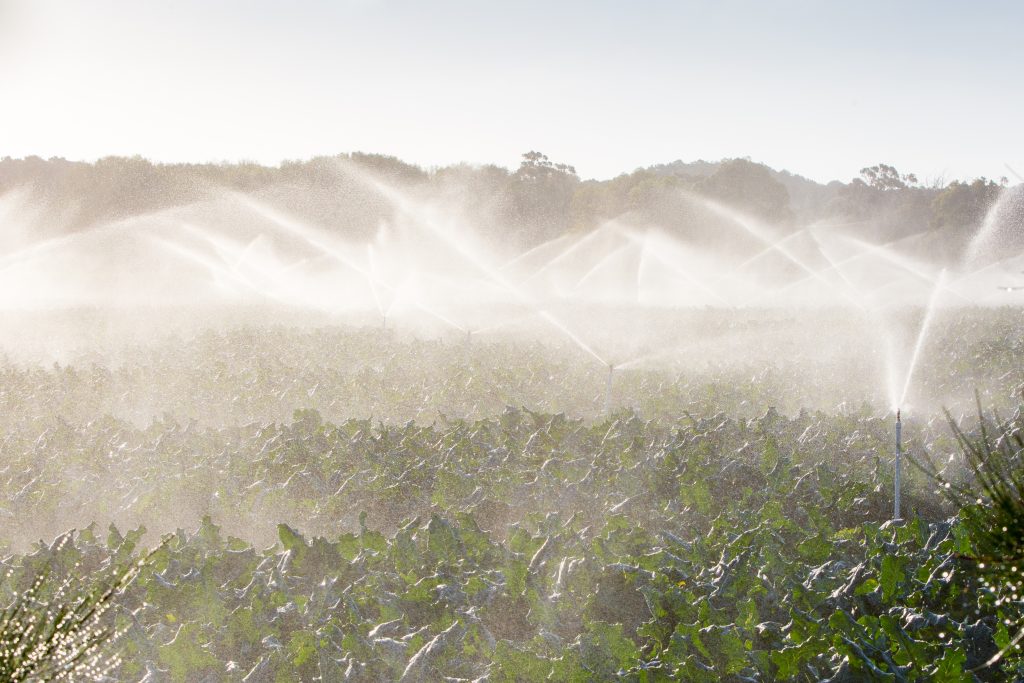
Optimize water usage with rainwater harvesting and efficient irrigation.
-
Use renewable energy sources such as solar or wind power where possible.
-
Minimize fuel use in farm operations.
4. Halal and Eco-Friendly Practices
Eco-friendly meat production complements halal standards:
-
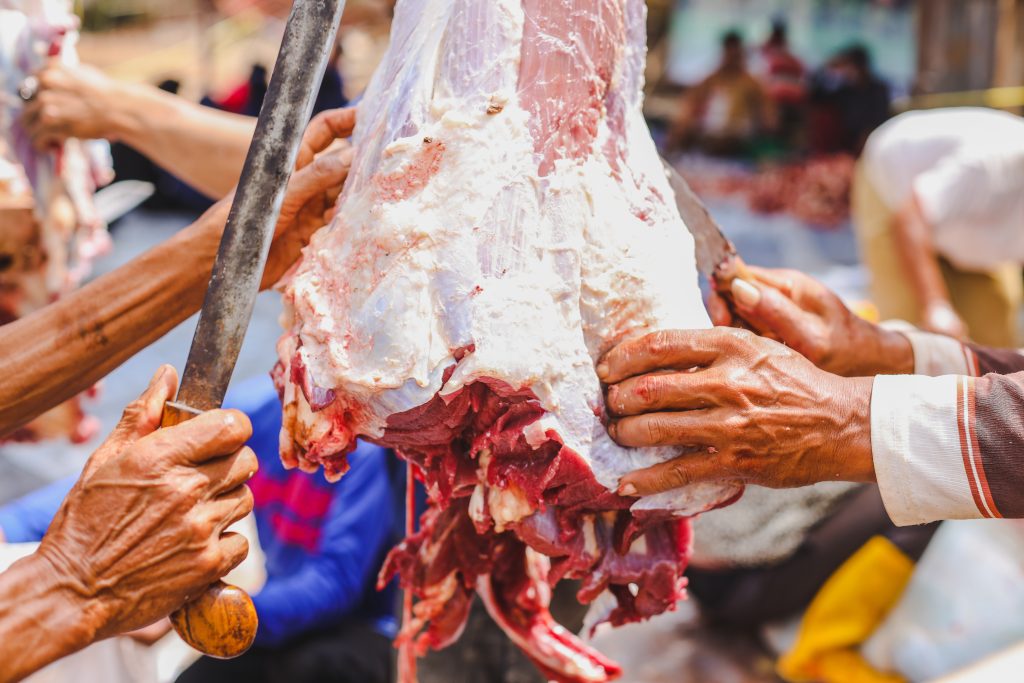
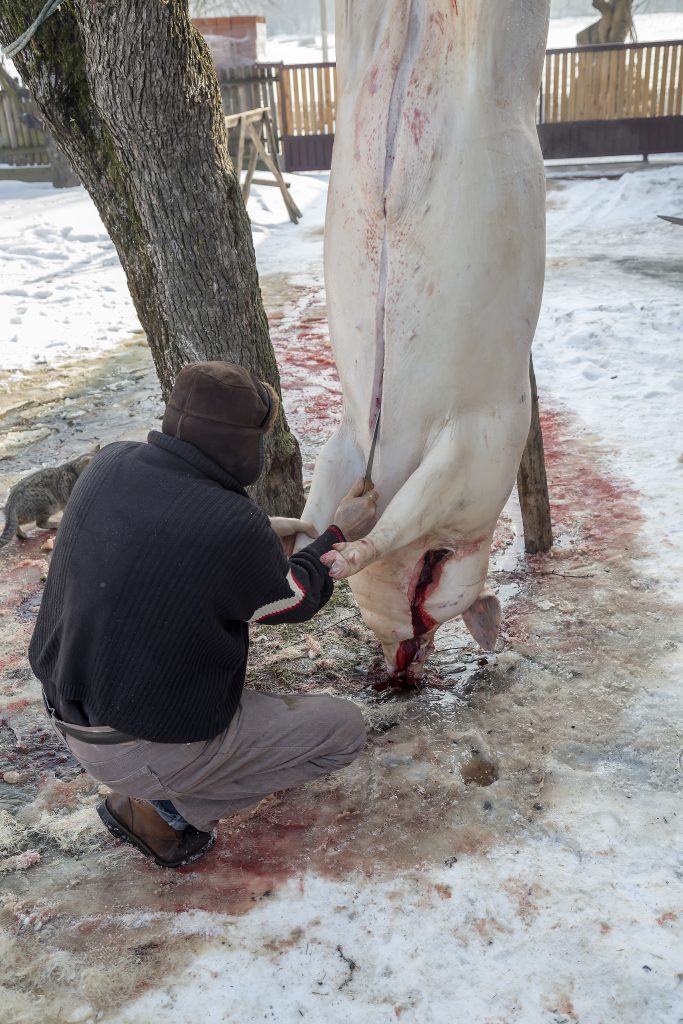
Humane Slaughter (Zabiha): Animals are treated ethically before and during slaughter.
-
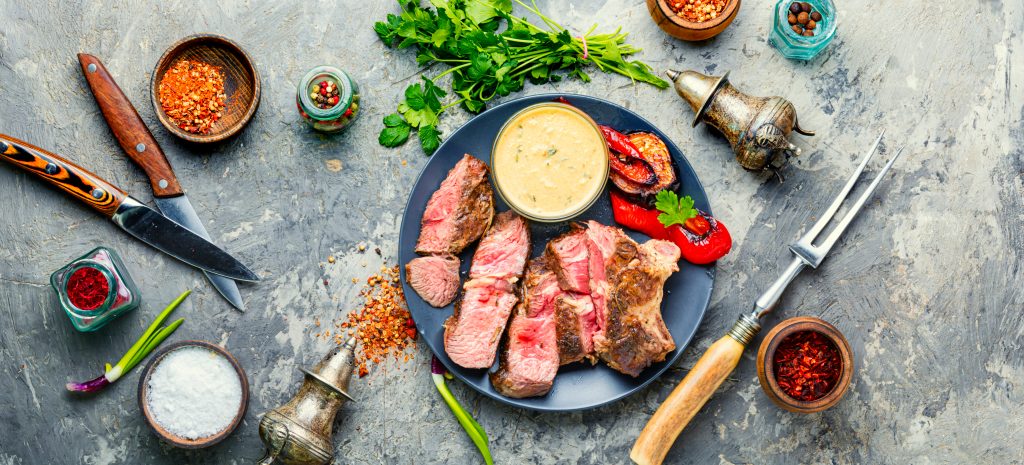
Clean and Wholesome Meat (Tayyib): Ensures meat is healthy, uncontaminated, and nutritious.
-
Ethical Sourcing: Farms prioritize both faithful and responsible practices, reducing harm to the environment.
Zabiha Farms combines halal principles with sustainability, ensuring food is both lawful and eco-conscious.
5. Benefits of Eco-Friendly Meat Production
5.1 Environmental Benefits
-
Reduces carbon footprint and greenhouse gas emissions.
-
Preserves biodiversity and soil health.
-
Decreases water and energy consumption.
5.2 Health and Nutrition
-
Animals fed natural, chemical-free feed produce cleaner and healthier meat.
-
Less exposure to antibiotics and harmful chemicals.
5.3 Ethical and Spiritual Satisfaction
-
Aligns with Islamic teachings of stewardship (Khilafah) and compassion.
-
Provides peace of mind that consumption does not harm animals or the environment.
5.4 Economic Sustainability
-
Supports local communities, small farmers, and responsible suppliers.
-
Promotes long-term food security and sustainable farming practices.
6. Zabiha Farms’ Approach to Eco-Friendly Meat Production
At Zabiha Farms, eco-friendly practices are integrated at every stage:
6.1 Sustainable Farming
-
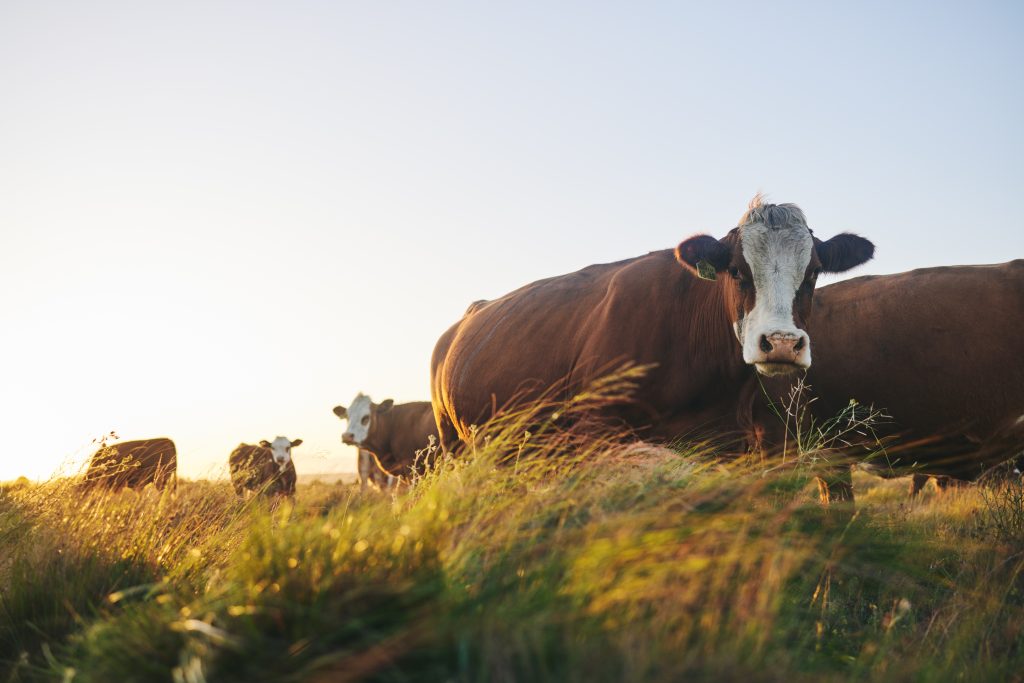
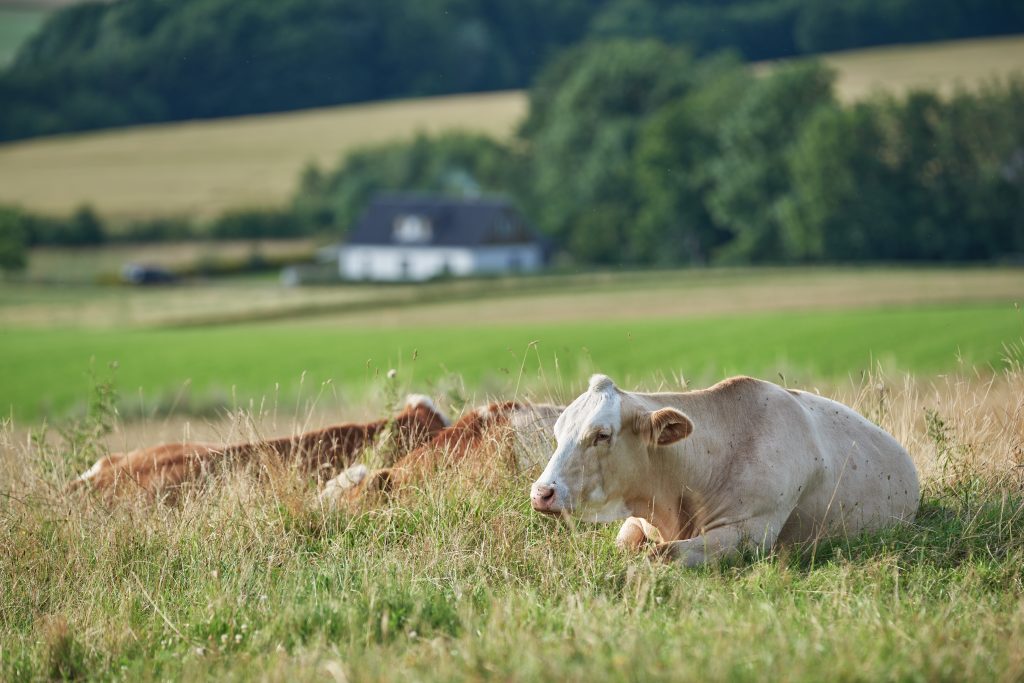
Livestock are raised on open pastures with rotational grazing.
-
Feed is sourced ethically and locally, minimizing environmental impact.
6.2 Humane Animal Care
-
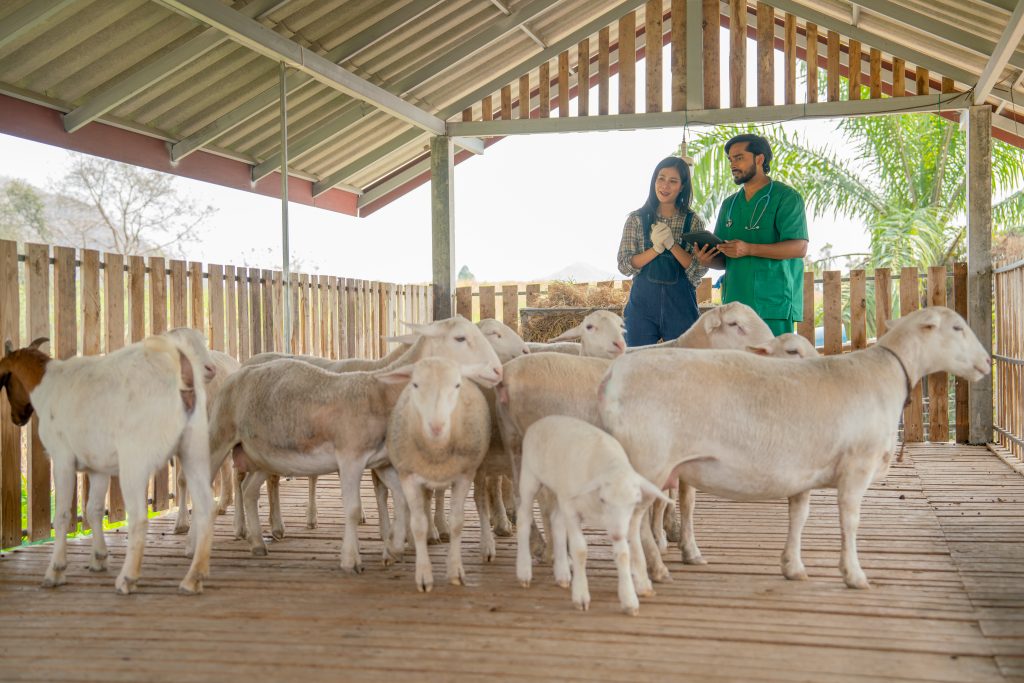
Animals are treated with compassion, proper nutrition, and veterinary care.
-
Slaughter is performed according to Zabiha standards, reducing stress and ensuring cleanliness.
6.3 Waste and Resource Management
-
Manure is composted to fertilize pastures naturally.
-
Water and energy are conserved using modern, sustainable farm technologies.
6.4 Quality Assurance
-
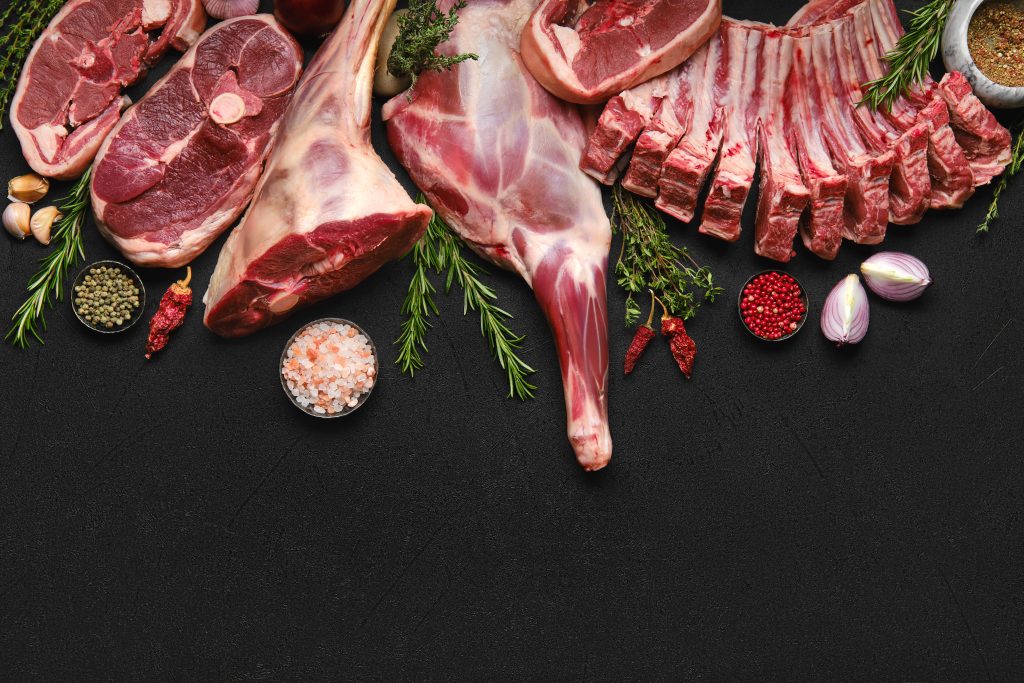
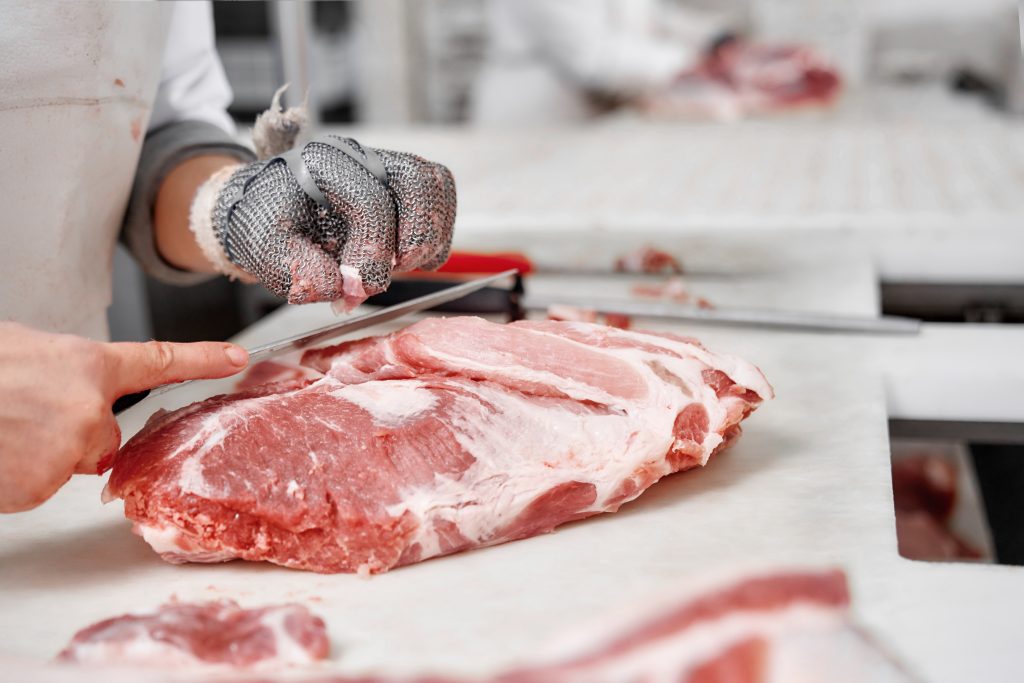
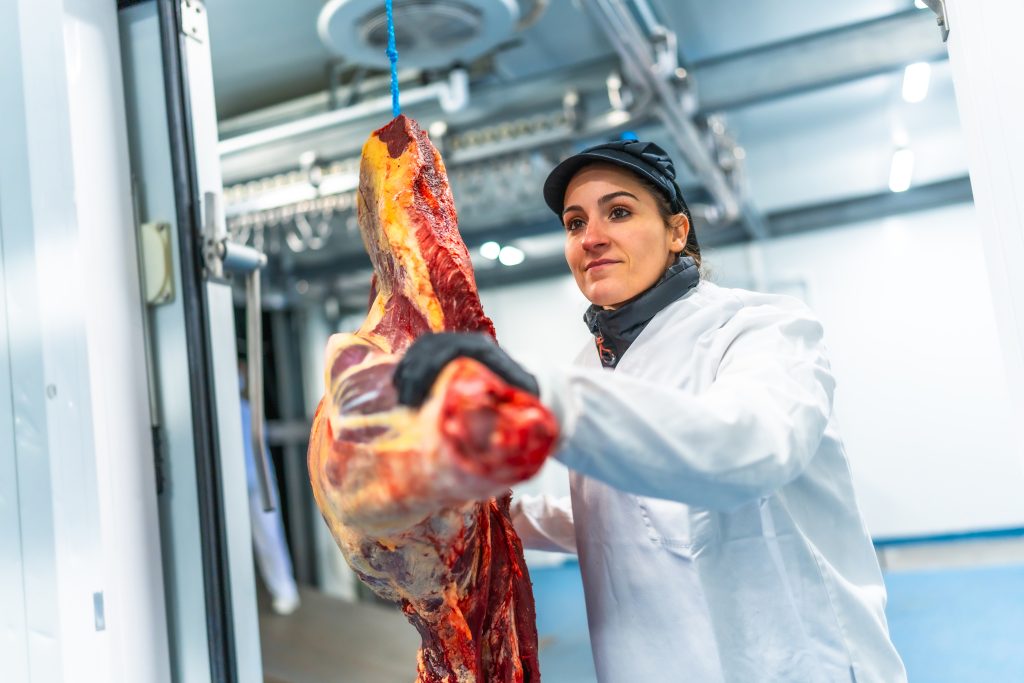
Meat is inspected for freshness, hygiene, and nutritional quality.
-
Certification ensures halal and eco-friendly compliance.
7. How Consumers Can Support Eco-Friendly Meat
-
Choose Halal-Certified and Sustainable Meat: Look for farms like Zabiha Farms that practice both.
-
Prioritize Locally Sourced Meat: Reduces transportation emissions and supports local communities.
-
Avoid Waste: Plan meals to reduce meat waste and compost leftovers when possible.
-
Educate Yourself: Learn about sustainable meat production practices.
-
Encourage Ethical Restaurants: Support eateries that source halal and eco-friendly meat.
8. Eco-Friendly Meat and Global Impact
Sustainable meat production has far-reaching benefits:
-
Reduces pressure on natural resources and ecosystems.
-
Supports global food security and climate action.
-
Encourages responsible consumption in line with Islamic ethics.
By choosing eco-friendly halal meat, consumers contribute to a healthier planet and ethical food system.
9. Conclusion
Eco-friendly meat production is a holistic approach that balances ethics, health, and environmental responsibility. Key takeaways include:
-
Sustainable practices reduce environmental impact and conserve resources.
-
Humane treatment of animals aligns with Zabiha principles and Islamic ethics.
-
Consumers benefit from healthier, cleaner, and spiritually compliant meat.
-
Choosing eco-friendly meat supports long-term sustainability and responsible consumption.
Zabiha Farms exemplifies the integration of halal, tayyib, and eco-conscious practices, offering consumers meat that is not only lawful but also environmentally responsible.
By prioritizing eco-friendly meat production, Muslims can fulfill their faith, nourish their bodies, and contribute positively to the planet, ensuring a sustainable and ethical future for generations to come.