

































Ensuring Ethical Treatment in Slaughter: Halal and Humane Practices

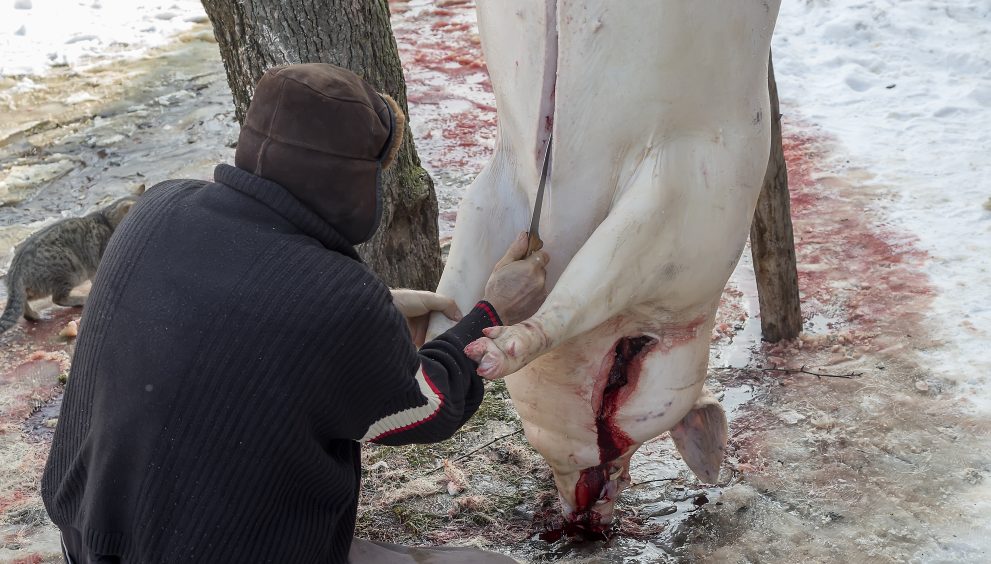
The process of slaughter is one of the most critical aspects of halal meat production, not only for compliance with Islamic law but also for ensuring humane and ethical treatment of animals. Ethical slaughter aligns with the principles of tayyib (wholesome) meat, environmental responsibility, and compassionate farming. Zabiha Farms prioritizes ethical slaughter practices to ensure that every animal is treated with respect, care, and dignity from farm to plate.
This blog explores Islamic guidance, humane slaughter techniques, and practical implementations at Zabiha Farms.
1. Islamic Principles of Slaughter
1.1 Zabiha Requirements
Islamic law prescribes specific rules to ensure the slaughter is lawful (halal):
-
The animal must be healthy and alive at the time of slaughter.
-
Slaughter must be done by a Muslim, Jew, or Christian with knowledge of proper procedure.
-
The name of God (Bismillah, Allahu Akbar) must be invoked at the time of slaughter.
-
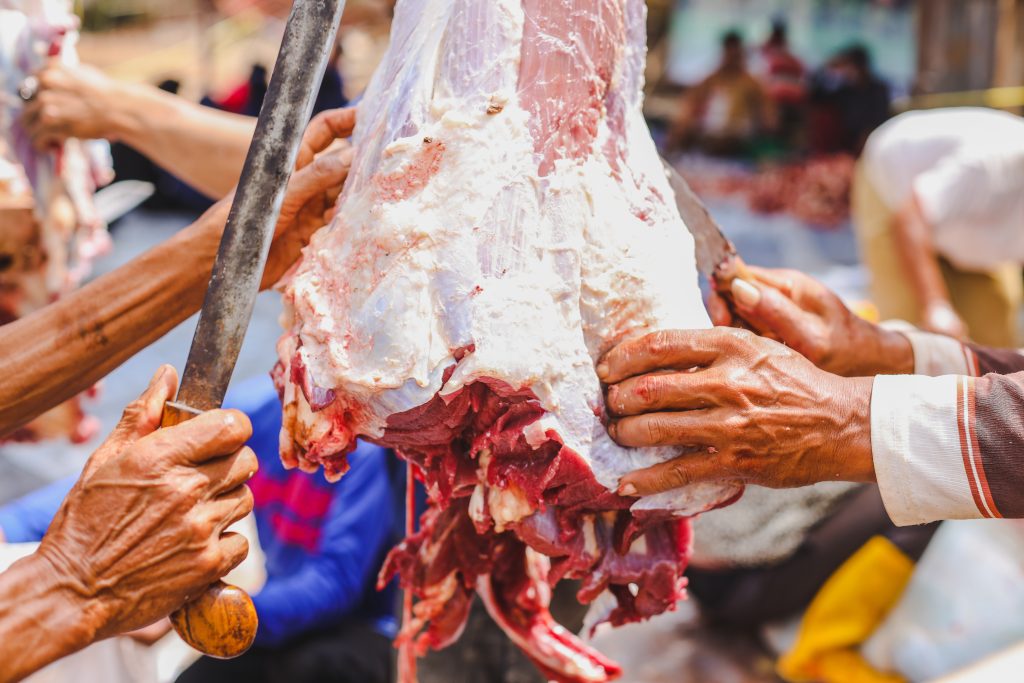
The throat, windpipe, and major blood vessels are cut swiftly with a sharp instrument to minimize pain.
-
Blood must be drained completely, producing clean, wholesome meat.
1.2 Ethical Foundation in Islam
The Quran and Hadith emphasize compassion and mercy toward animals:
-
“Do not cause harm to any living creature”
-
The Prophet Muhammad (peace be upon him) said: “A good deed done to an animal is rewarded”
These teachings form the basis of ethical slaughter, ensuring that animals are treated humanely throughout the process.
2. Principles of Ethical Slaughter
2.1 Minimizing Pain and Stress
-
Animals should be calm and not frightened prior to slaughter.
-
Proper handling reduces stress, improving meat quality and animal welfare.
-
Restraining should be gentle, avoiding unnecessary force.
2.2 Quick and Efficient Procedure
-
Slaughter should be performed swiftly and skillfully with a sharp knife.
-
A clean cut ensures rapid blood loss and minimizes suffering.
2.3 Maintaining Cleanliness and Hygiene
-
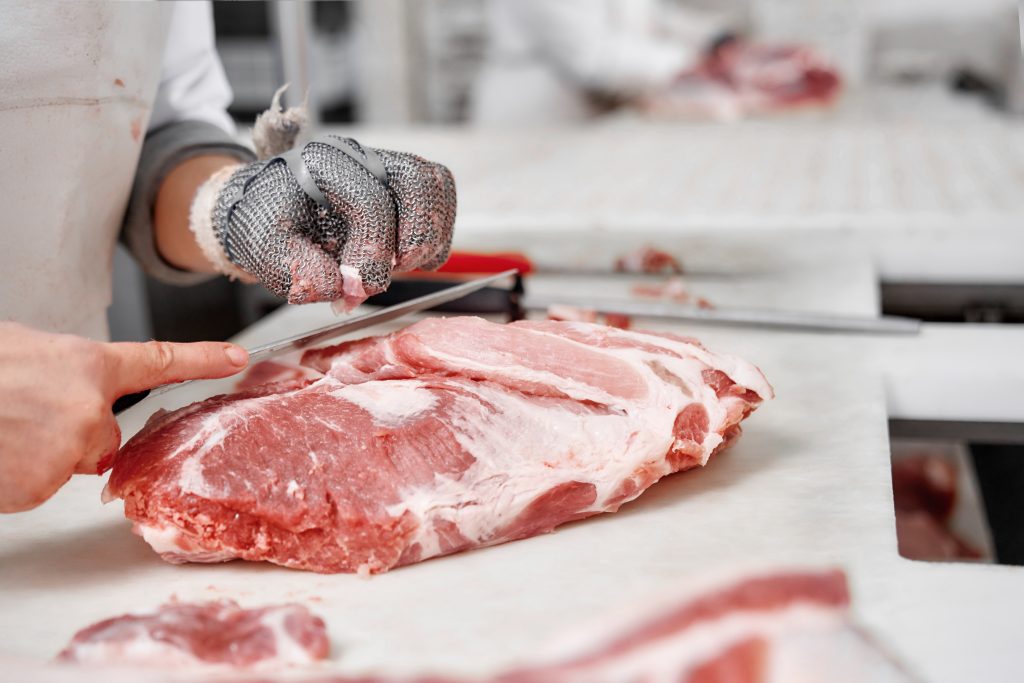
Slaughtering areas must be sanitary to prevent contamination.
-
Tools should be clean and disinfected before use.
-
Blood drainage should be complete for safe and pure meat.
2.4 Humane Handling Before Slaughter
-
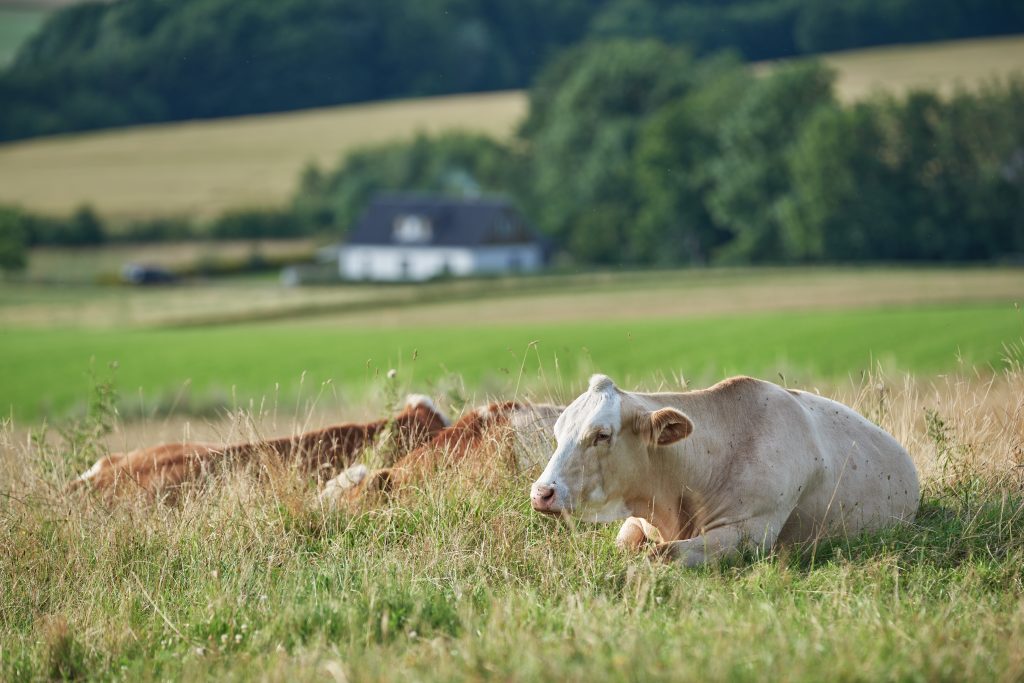
Proper housing, feeding, and care prior to slaughter reduce stress.
-
Animals should not be overworked or transported excessively.
-
Calm environments and gentle handling are essential for ethical treatment.
3. Zabiha Farms’ Approach to Ethical Slaughter
Zabiha Farms integrates Islamic guidelines and modern humane practices:
3.1 Pre-Slaughter Animal Care
-
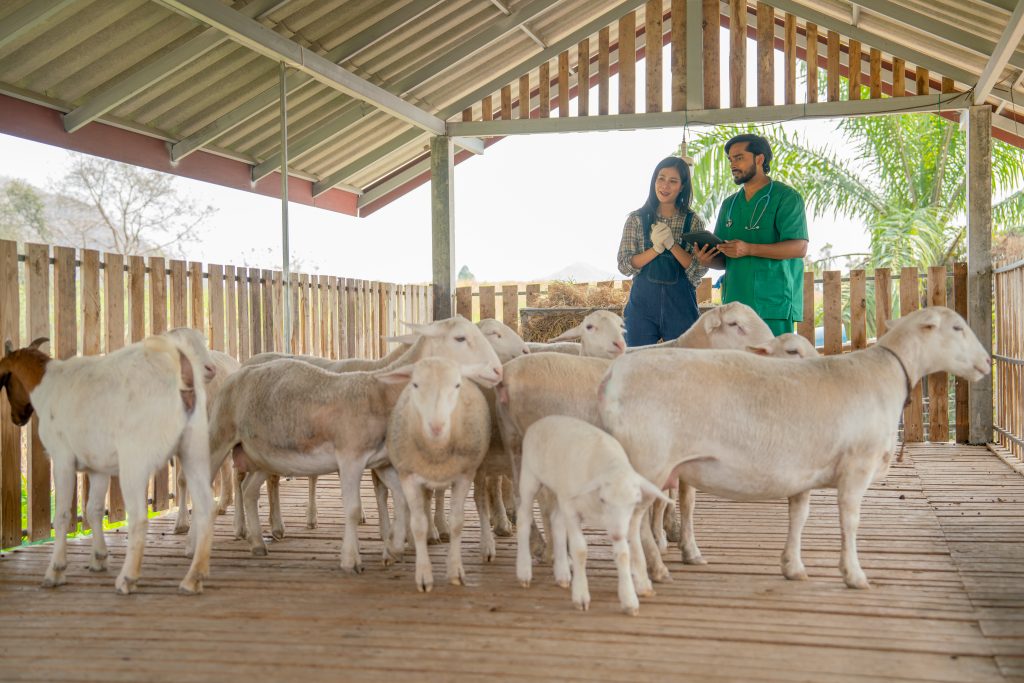
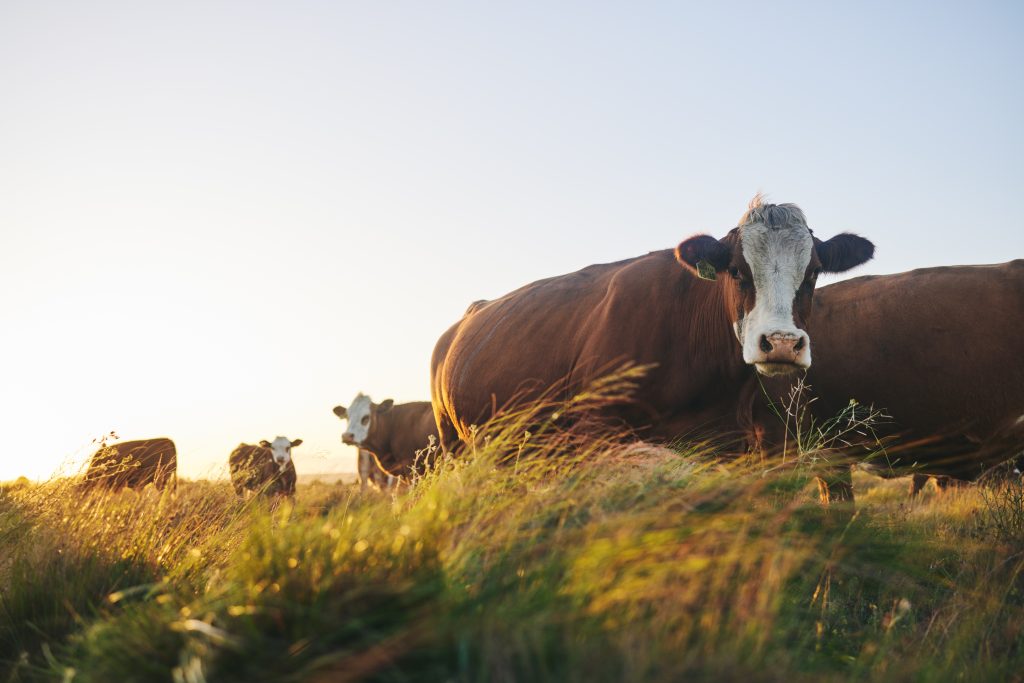
Livestock are healthy, well-fed, and stress-free before slaughter.
-
Animals are provided with clean water, space, and comfortable environments.
3.2 Skilled Slaughter Personnel
-
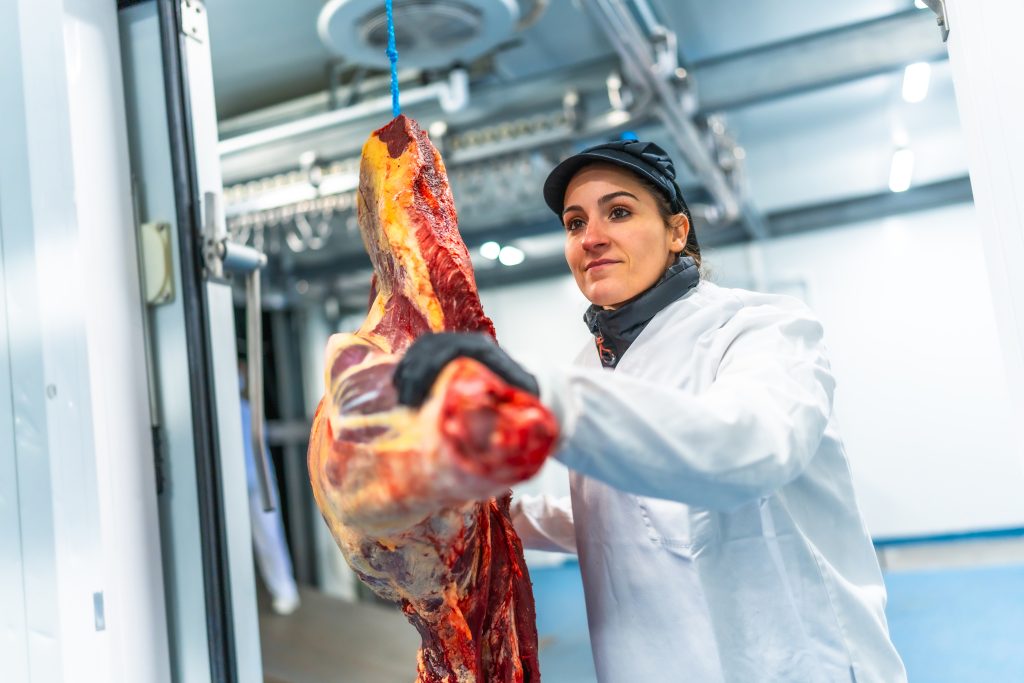
Trained professionals perform swift, precise cuts.
-
Staff understand both halal requirements and humane handling techniques.
3.3 Minimal Stress Environments
-
Animals are moved calmly to the slaughter area.
-
Use of quiet, non-slip floors and low-stress handling methods ensures animals are not frightened.
3.4 Hygiene and Safety
-
Slaughtering is conducted in clean, sanitized areas.
-
Tools and equipment are disinfected regularly.
-
Meat is immediately processed and stored to maintain freshness and quality.
3.5 Continuous Monitoring
-
Supervisors ensure adherence to halal and ethical standards.
-
Animals are observed for signs of stress or discomfort, and practices are adjusted accordingly.
4. Benefits of Ethical Slaughter
4.1 Ethical and Spiritual Benefits
-
Aligns with Islamic principles of mercy and stewardship.
-
Provides peace of mind to consumers that their food is lawful and ethically sourced.
4.2 Health and Quality Benefits
-
Stress-free animals produce better quality meat with improved texture and taste.
-
Proper blood drainage ensures clean, hygienic, and nutrient-rich meat.
4.3 Environmental and Operational Benefits
-
Ethical handling reduces wastage and contamination.
-
Promotes sustainable operations by integrating humane care with productivity.
4.4 Consumer Trust and Satisfaction
-
Transparency and ethical practices build consumer confidence.
-
Supports a farm-to-table system that is ethical, halal, and sustainable.
5. Practical Tips for Consumers
-
Buy Halal-Certified Meat: Look for trusted farms like Zabiha Farms.
-
Educate Yourself on Zabiha Standards: Understanding the process ensures conscious consumption.
-
Support Humane Practices: Prioritize meat from farms that implement ethical handling and slaughter.
-
Spread Awareness: Encourage others to recognize the importance of ethical and halal slaughter.
6. Global Importance of Ethical Slaughter
-
Ensures animal welfare on farms worldwide.
-
Promotes sustainable and responsible food production.
-
Builds a reputation for halal meat as ethical, wholesome, and trustworthy.
-
Aligns with global standards for humane treatment of animals, complementing Islamic teachings.
7. Conclusion
Ethical treatment in slaughter is essential for halal, wholesome, and spiritually aligned meat production. Key takeaways include:
-
Animals must be treated with compassion, respect, and care before and during slaughter.
-
Swift, skillful, and hygienic procedures ensure minimal suffering and maximum meat quality.
-
Zabiha Farms integrates Islamic guidance, humane handling, and modern practices to provide ethical meat.
-
Consumers play a role by choosing halal farms that prioritize ethical slaughter, supporting animal welfare and sustainability.
By prioritizing ethical slaughter, Zabiha Farms demonstrates that halal meat can be lawful, humane, and environmentally responsible, providing consumers with meat that is nutritious, ethical, and spiritually wholesome (tayyib).