






























How to Choose Quality Cuts of Halal Meat at the Store


Halal meat is not just about being lawful (halal); it is also about being wholesome (tayyib), fresh, and nutritious. Selecting quality cuts at the store ensures that your meals are safe, flavorful, and healthful. Knowing how to identify the best cuts, evaluate freshness, and make informed choices can greatly improve both your cooking experience and the nutritional value of your meals.
This guide will walk you through how to choose quality cuts of halal meat, covering aspects like type of cut, freshness indicators, packaging, and trusted sources.
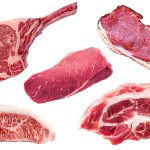
1. Understanding Different Cuts of Halal Meat
1.1 Beef Cuts
-
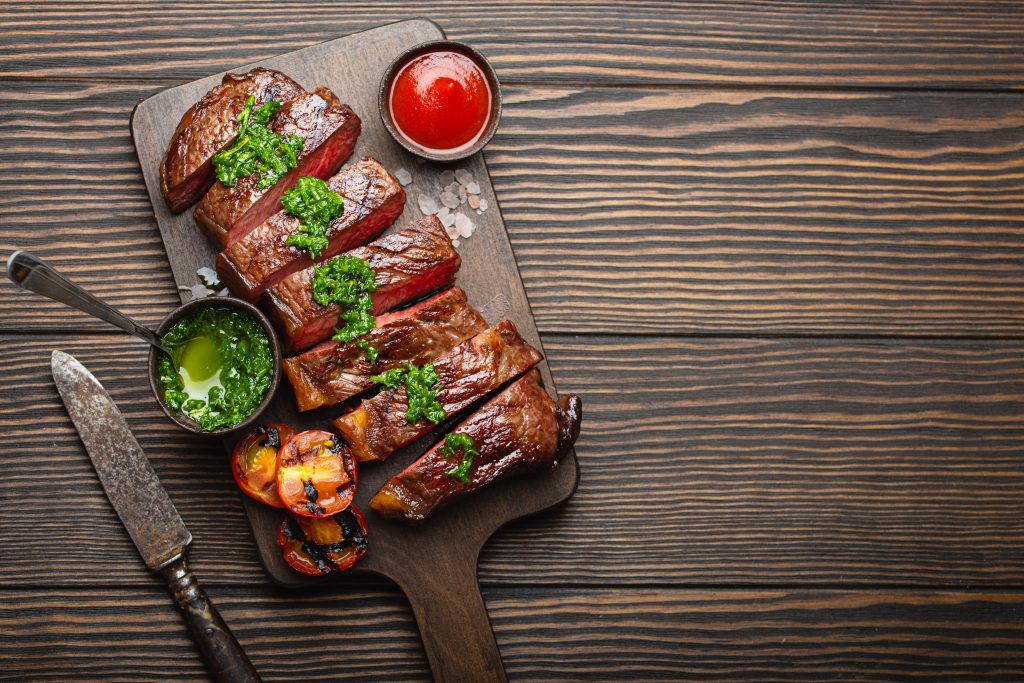
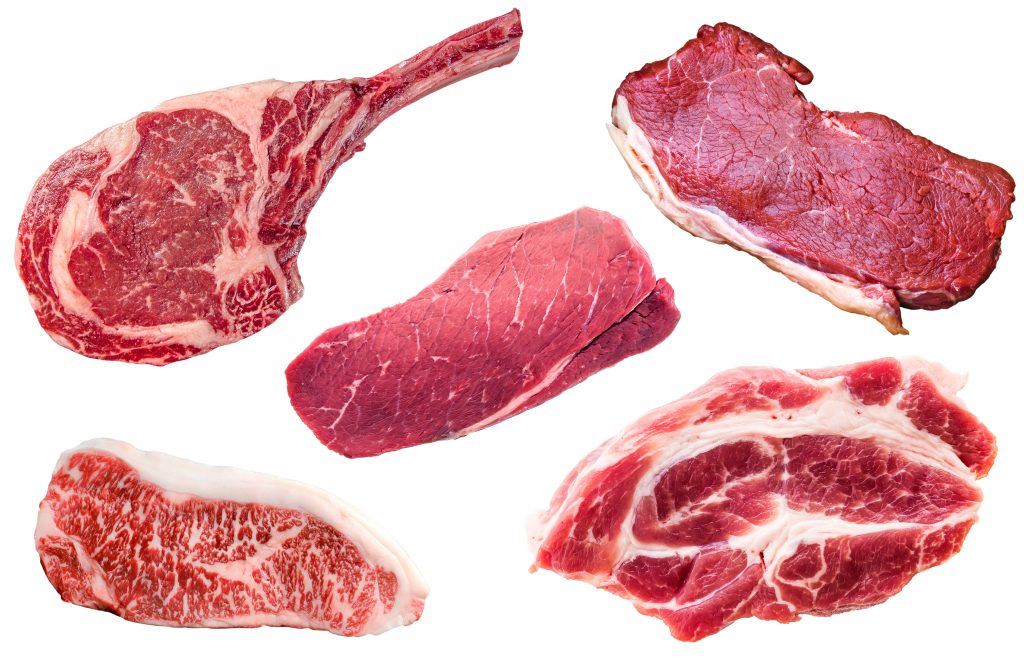
Ribeye: Rich in marbling, tender, ideal for grilling or pan-frying.
-
Sirloin: Lean, slightly firmer, good for roasting or stir-frying.
-
Shank: Best for slow cooking or stews, flavorful and gelatin-rich.
-
Tenderloin: Extremely tender, perfect for roasting or special dishes.
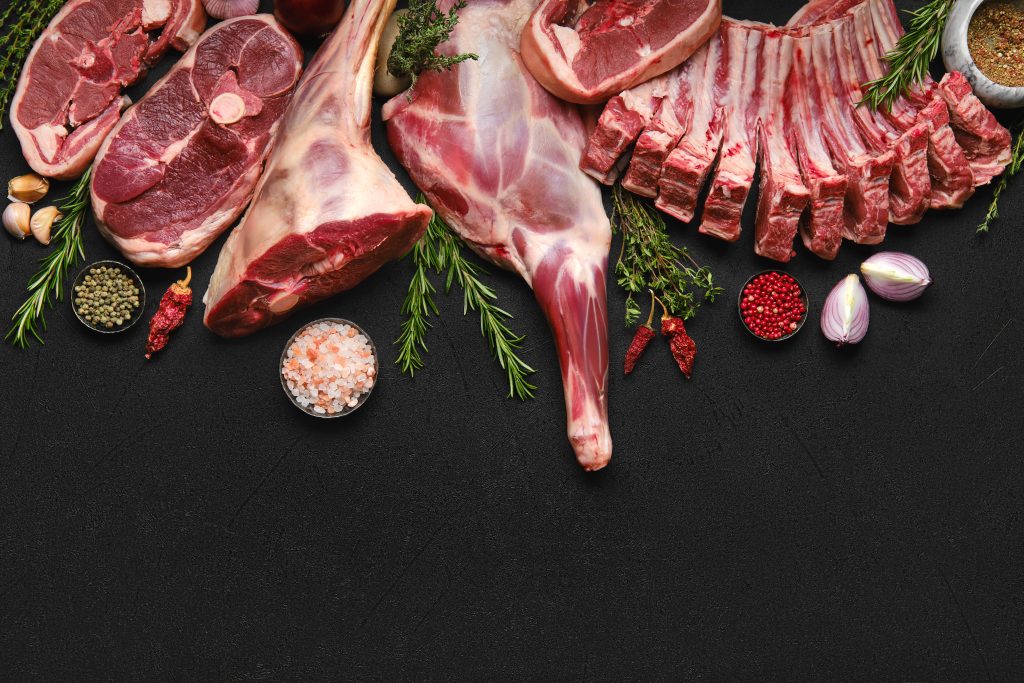
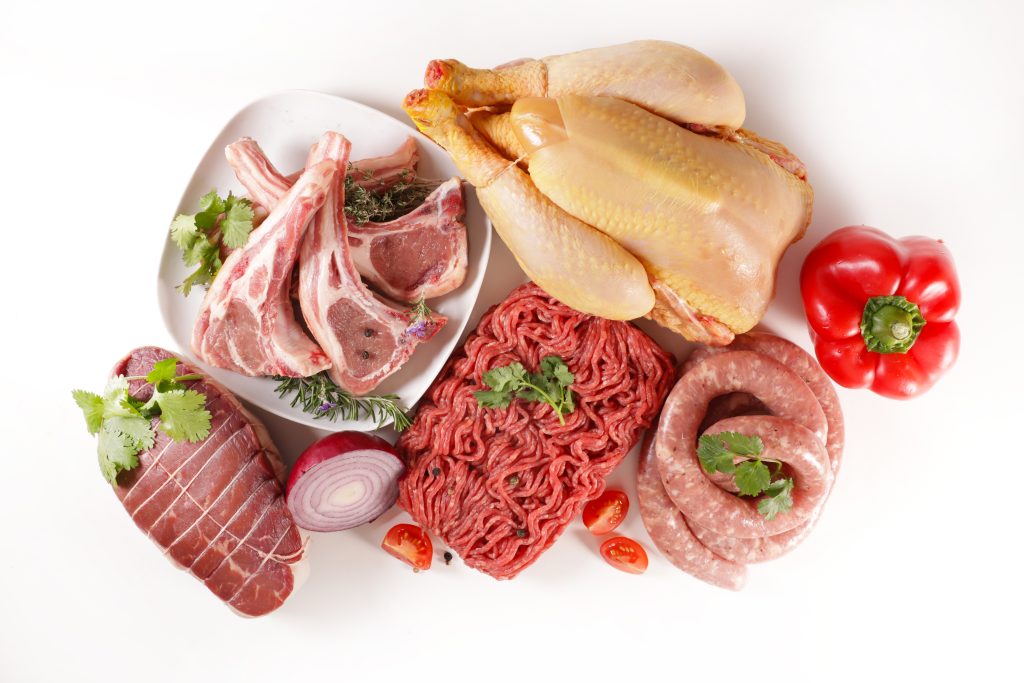
1.2 Lamb Cuts
-
Chops: Tender and juicy, great for grilling or roasting.
-
Leg: Large cut suitable for roasting or braising.
-
Shoulder: Flavorful for slow cooking or stews.
1.3 Poultry Cuts
-
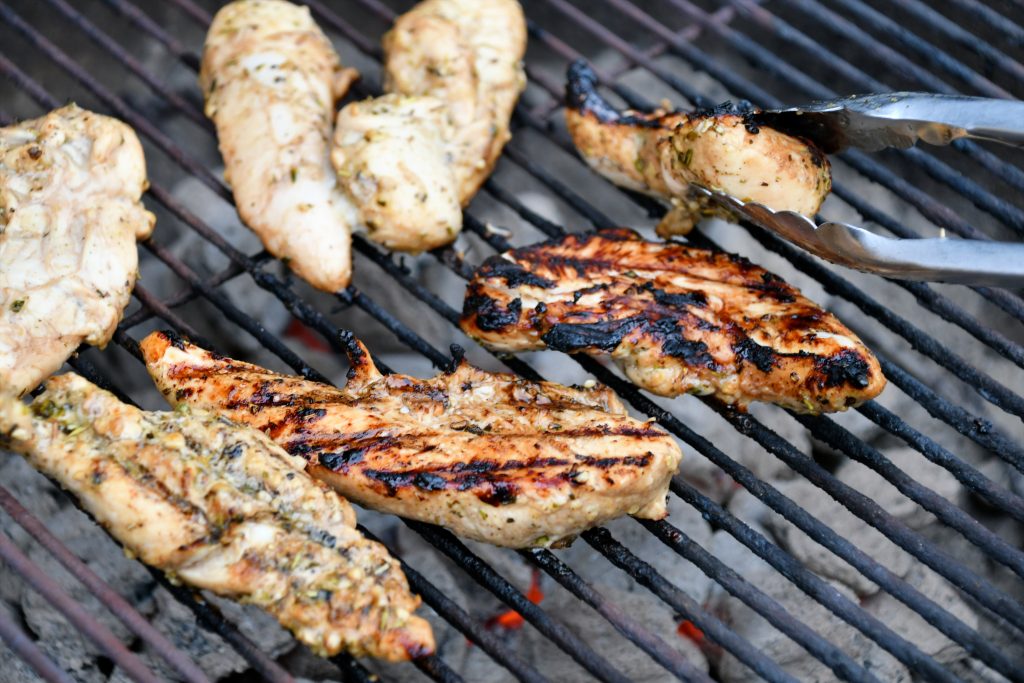
Breast: Lean and high-protein, ideal for quick cooking and grilling.
-
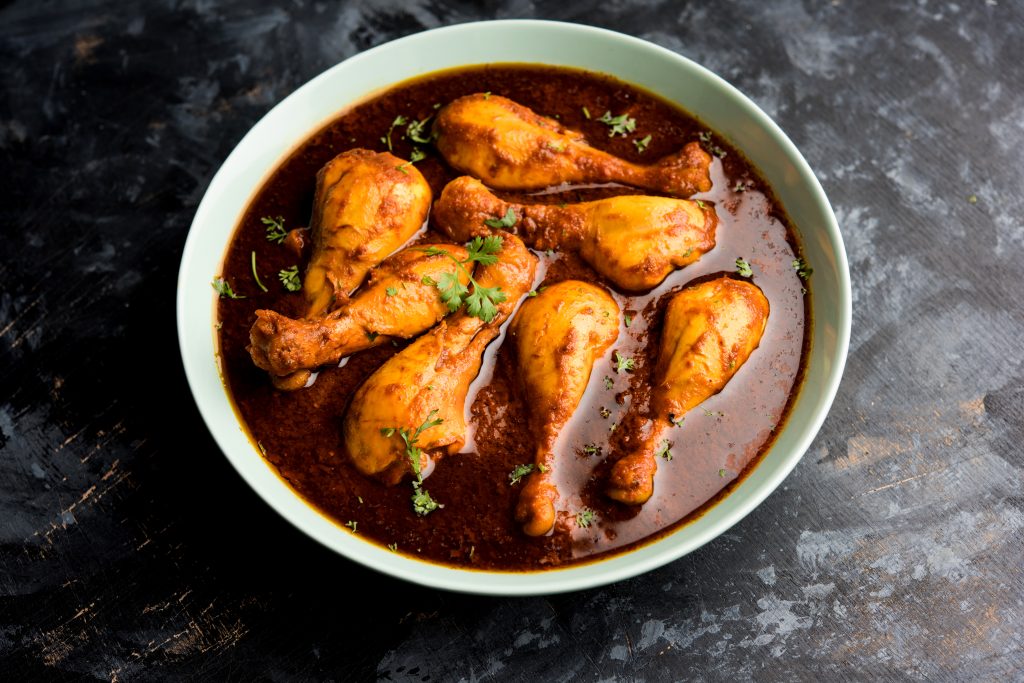
Thighs & Drumsticks: Juicy, flavorful, perfect for curries or roasting.
-
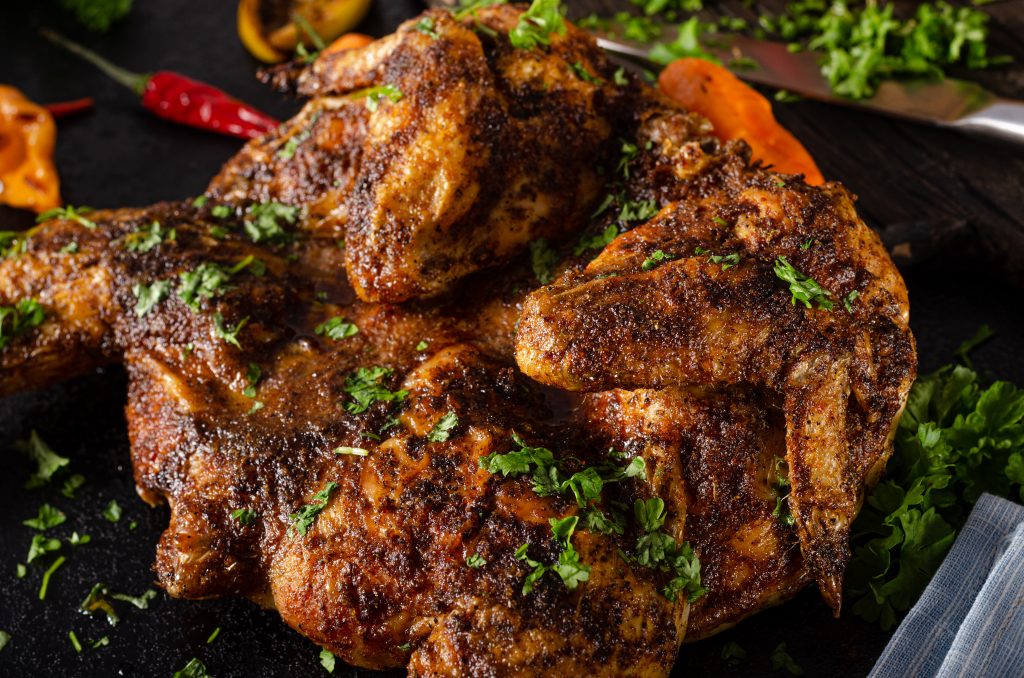
Whole Chicken: Versatile; can be roasted, grilled, or slow-cooked.
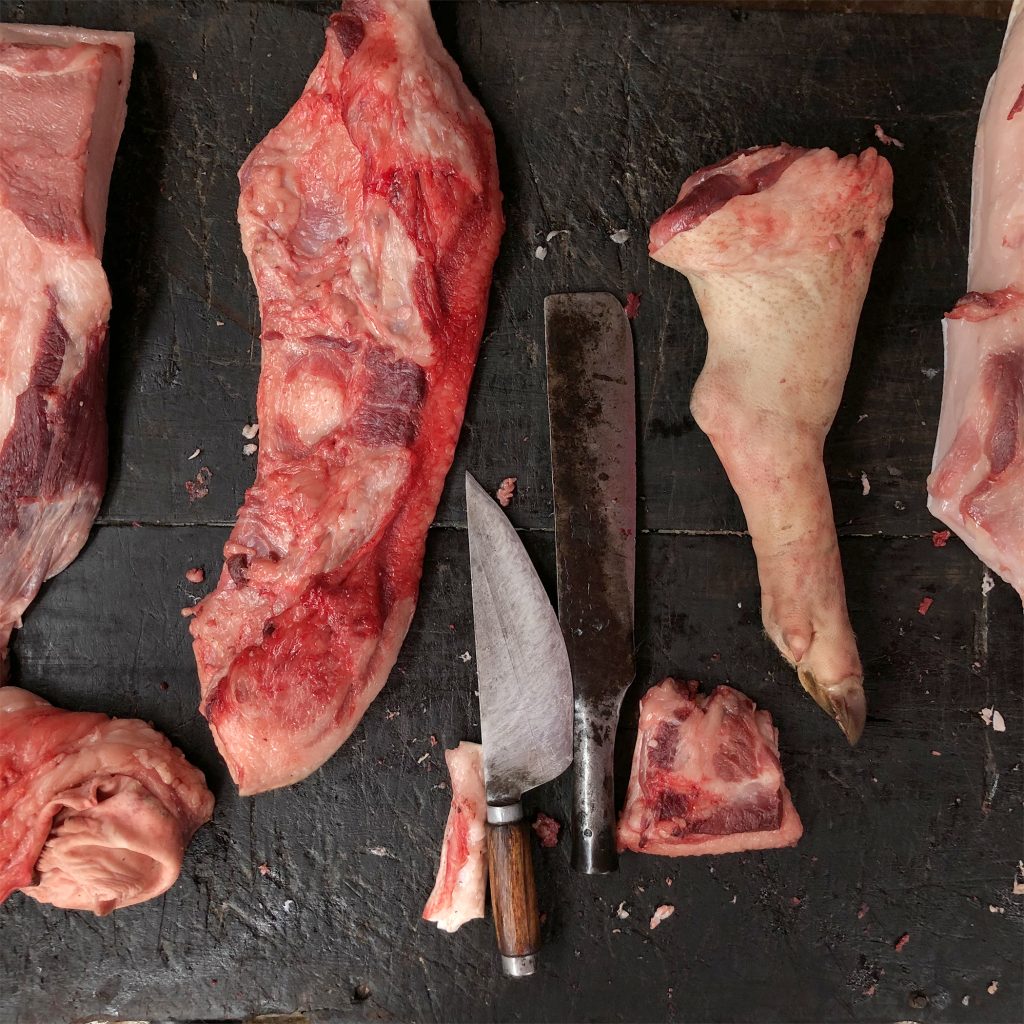
Knowing the different cuts helps you match meat with the right cooking method and ensures maximum flavor and texture.
2. Freshness Indicators
Before selecting a cut, check for freshness:
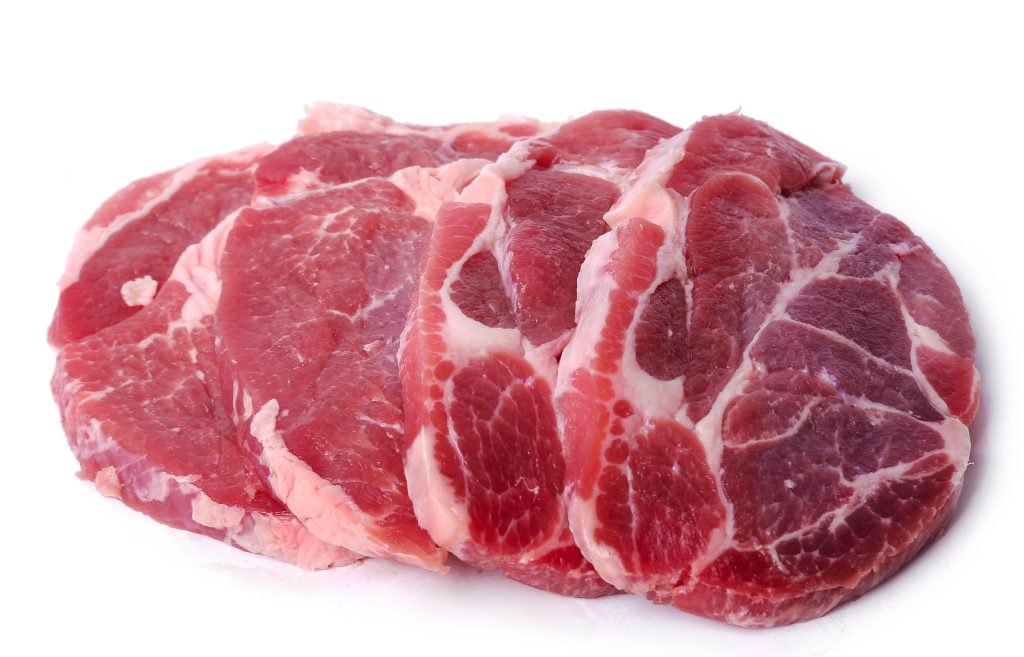
2.1 Color
-
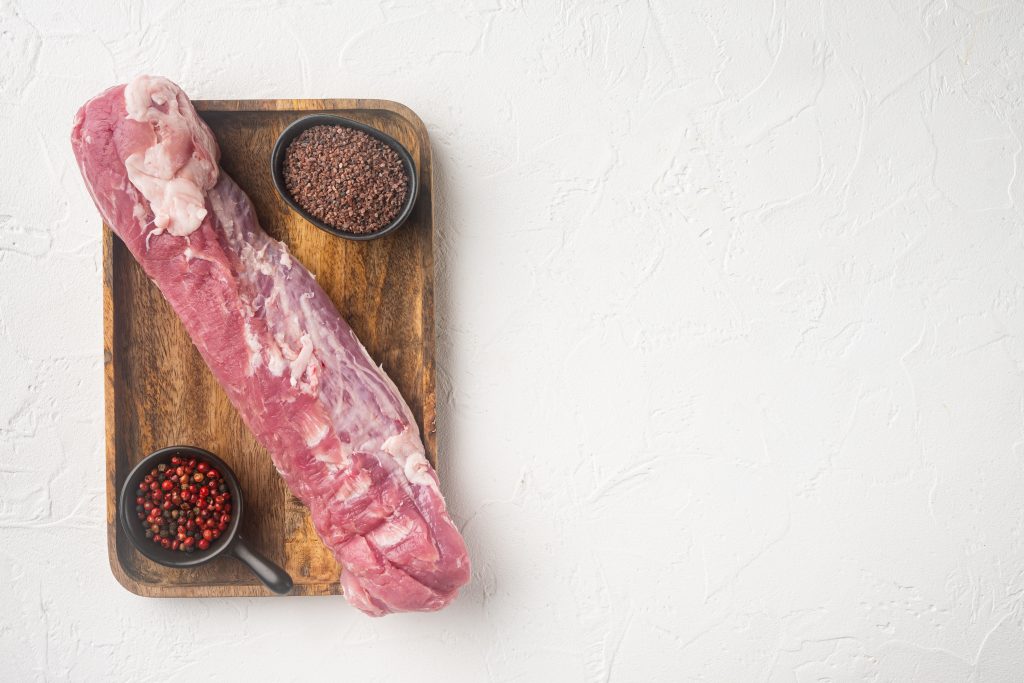
Beef: Bright red, not brown or gray.
-
Lamb: Pink to red, consistent in tone.
-
Chicken: Pale pink with a slight shine, avoid yellowed or gray areas.
2.2 Texture
-
Firm and springy to the touch, not mushy or sticky.
-
Slight moisture is normal, but avoid excess liquid or sliminess.
2.3 Fat Quality
-
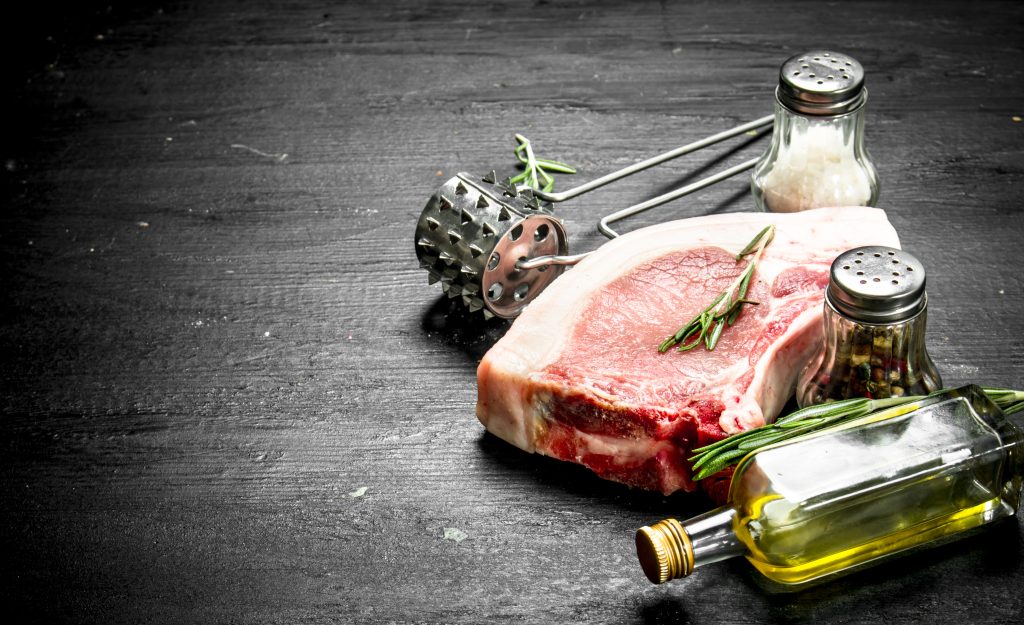
White or slightly yellowish fat, firm to touch.
-
Well-marbled meat usually indicates better flavor and tenderness.
2.4 Smell
-
Fresh meat has a neutral, mild scent.
-
Avoid meat with sour, rancid, or ammonia-like odors.
3. Packaging and Presentation
3.1 Vacuum-Sealed or Wrapped Cuts
-
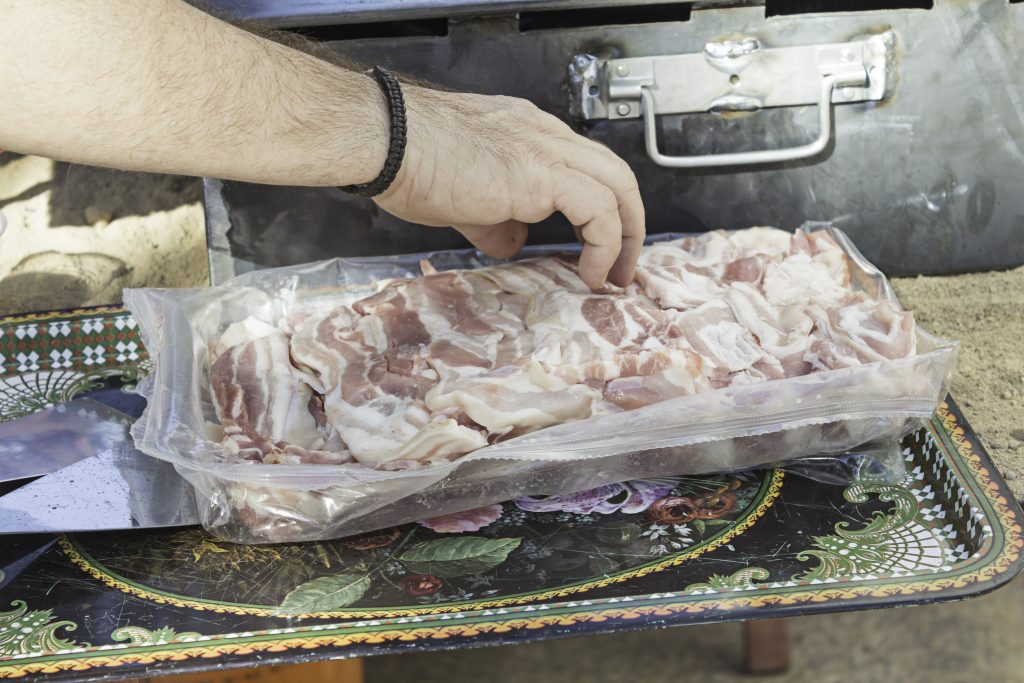
Vacuum-sealed packages maintain freshness and prevent freezer burn.
-
Ensure packaging is intact with no leaks, tears, or excessive liquid.
3.2 Labeling and Dates
-
Check slaughter, packaging, and expiration dates.
-
Choose meat packaged recently for maximum freshness.
3.3 Display Conditions
-
Meat should be displayed in refrigerated sections (34–40°F / 1–4°C).
-
Avoid cuts left at room temperature or poorly stored.
4. Choosing the Right Cut for Your Meal
4.1 Cooking Method Matters
-
Grilling or Pan-Frying: Ribeye, sirloin, tenderloin, chicken breasts.
-
Slow Cooking or Stews: Shank, shoulder, leg cuts.
-
Roasting: Leg, whole chicken, lamb chops.
4.2 Nutritional Goals
-
Lean cuts (chicken breast, sirloin) are high in protein and low in fat.
-
Marbled cuts (ribeye, lamb shoulder) offer richer flavor and tenderness.
4.3 Portion Planning
-
Buy meal-sized portions to avoid waste.
-
Consider bulk buying and freezing for larger meals or families.
5. Halal Certification
5.1 Look for Trusted Labels
-
Ensure the meat carries recognized halal certification.
-
Certifications guarantee ethical slaughter and compliance with Islamic guidelines.
5.2 Ask Questions if Needed
-
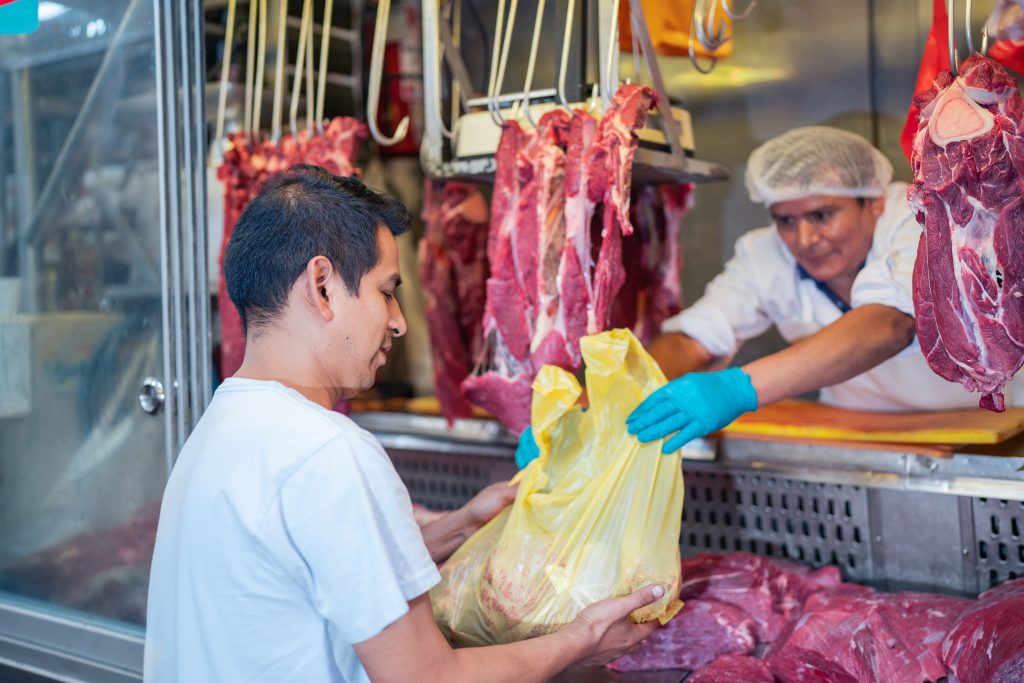
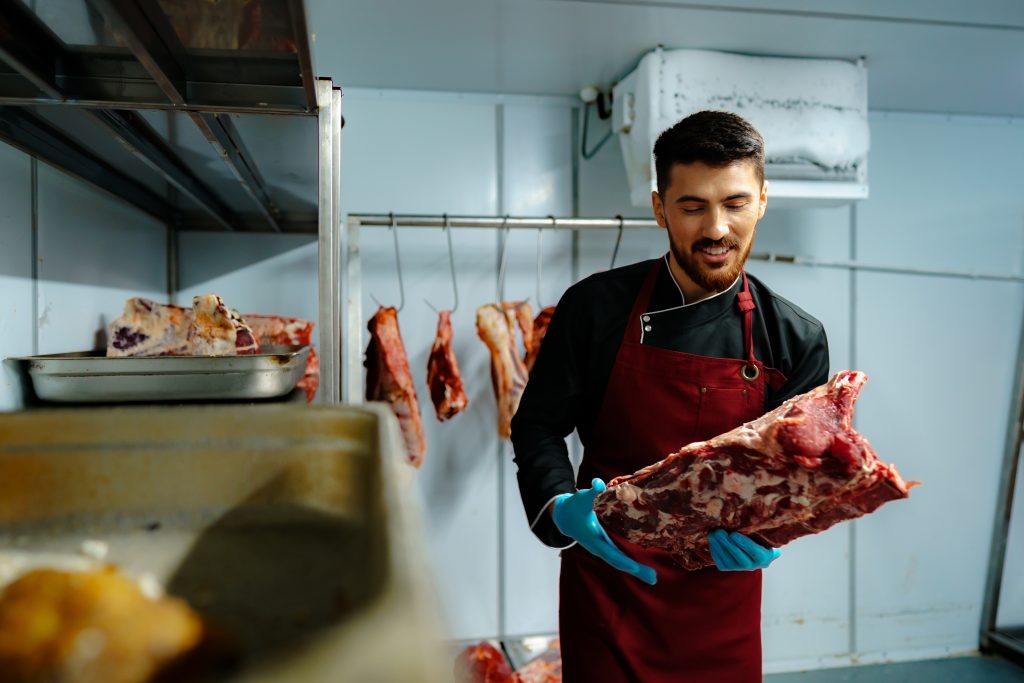
Ask butchers about the source, handling, and certification.
-
Trusted stores often provide detailed information on the farm and slaughtering process.
6. Tips for Evaluating Quality at the Store
-
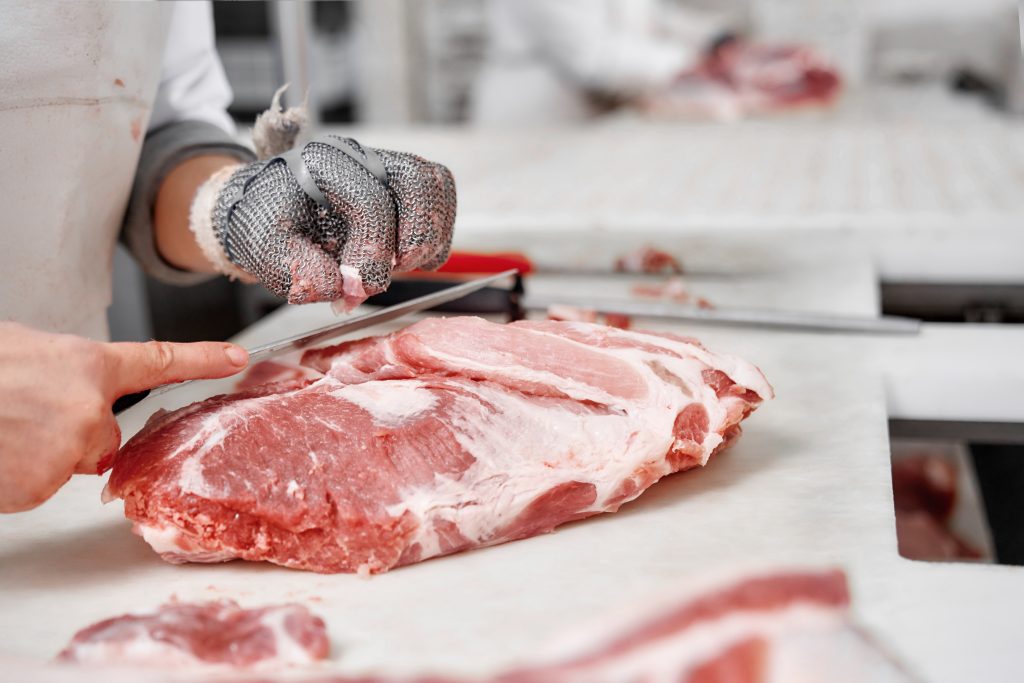
Check Color, Texture, and Smell: Freshness is the primary indicator of quality.
-
Inspect Fat and Marbling: Well-distributed fat enhances tenderness and flavor.
-
Observe Packaging: Intact, airtight, and clear packaging indicates care and hygiene.
-
Compare Multiple Cuts: Choose the best-looking and freshest piece.
-
Check for Moisture: Avoid packages with excess liquid, as this can signal thawing or old meat.
-
Ask for Freshly Cut Meat: Butchers often provide freshly cut portions for better quality.
7. Common Mistakes to Avoid
-
Choosing meat based on price alone; quality matters more than cost.
-
Ignoring signs of spoilage such as off smells, discoloration, or slimy texture.
-
Buying large quantities without proper storage, leading to waste.
-
Failing to check halal certification and source of meat.
-
Overlooking fat quality and marbling, which affect taste and tenderness.
8. Benefits of Choosing Quality Halal Cuts
8.1 Health Benefits
-
High-quality meat is nutrient-rich and safe, reducing risk of contamination.
8.2 Culinary Benefits
-
Tender, flavorful cuts enhance cooking results.
-
Proper cuts match cooking methods, resulting in juicier and tastier meals.
8.3 Ethical Benefits
-
Ensures meat is halal, tayyib, and ethically sourced.
-
Supports sustainable and responsible farming practices.
8.4 Cost-Effectiveness
-
Buying quality cuts reduces waste due to spoilage or poor cooking results.
-
Saves money in the long term by choosing meat that cooks well and lasts longer.
9. Conclusion
Choosing quality cuts of halal meat at the store requires attention to:
-
Understanding the types of cuts and their cooking uses.
-
Evaluating freshness through color, texture, fat, and smell.
-
Checking packaging, labeling, and halal certification.
-
Buying from trusted sources and reputable stores.
By following these guidelines, consumers can confidently select premium, wholesome Zabiha meat, ensuring that meals are safe, nutritious, and delicious. Proper selection not only improves culinary results but also aligns with Islamic principles of consuming halal, tayyib, and ethically sourced food.