





























How to Freeze Zabiha Meat Properly: Tips for Freshness and Quality

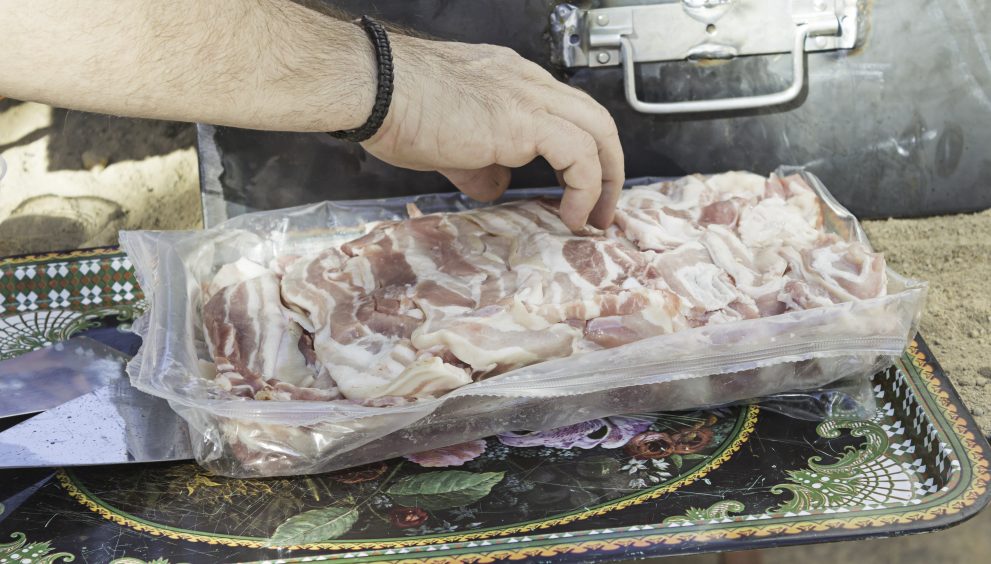
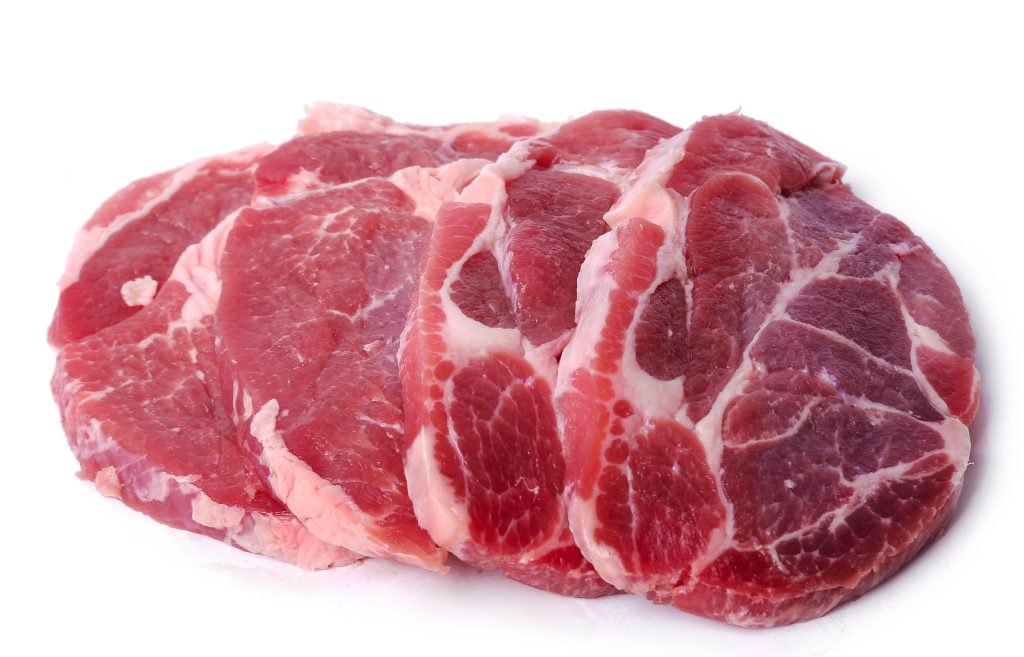
Zabiha meat is not just halal-compliant, it’s also wholesome (tayyib) and nutrient-rich. To maintain its freshness, flavor, and nutritional value, proper freezing and storage techniques are essential. Freezing Zabiha meat incorrectly can lead to loss of taste, texture, and quality, as well as potential contamination.
This blog provides a comprehensive guide on how to freeze Zabiha meat properly, ensuring it stays safe, flavorful, and high-quality.
1. Why Proper Freezing Matters
-
Preserves Freshness: Freezing slows bacterial growth, keeping meat safe for longer periods.
-
Maintains Nutritional Value: Proper freezing retains proteins, vitamins, and minerals.
-
Reduces Waste: Correct storage prevents spoilage and extends shelf life.
-
Retains Flavor and Texture: Prevents freezer burn, dryness, and changes in texture.
Proper freezing ensures that every cut of Zabiha meat remains wholesome and tayyib.
2. Preparing Zabiha Meat for Freezing
2.1 Portioning
-
Divide meat into meal-sized portions before freezing.
-
Smaller portions thaw faster and reduce repeated freezing, which can degrade quality.
2.2 Trimming and Cleaning
-
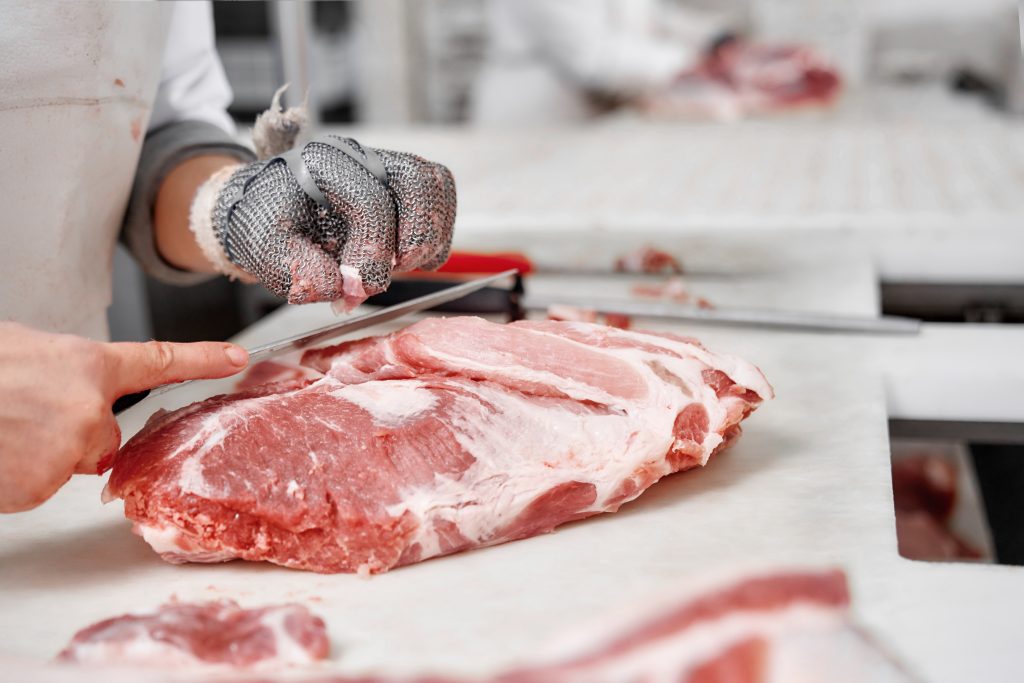
Remove excess fat and unwanted tissue to reduce freezer burn.
-
Rinse lightly under cold water and pat dry with clean paper towels.
2.3 Choosing the Right Packaging
-
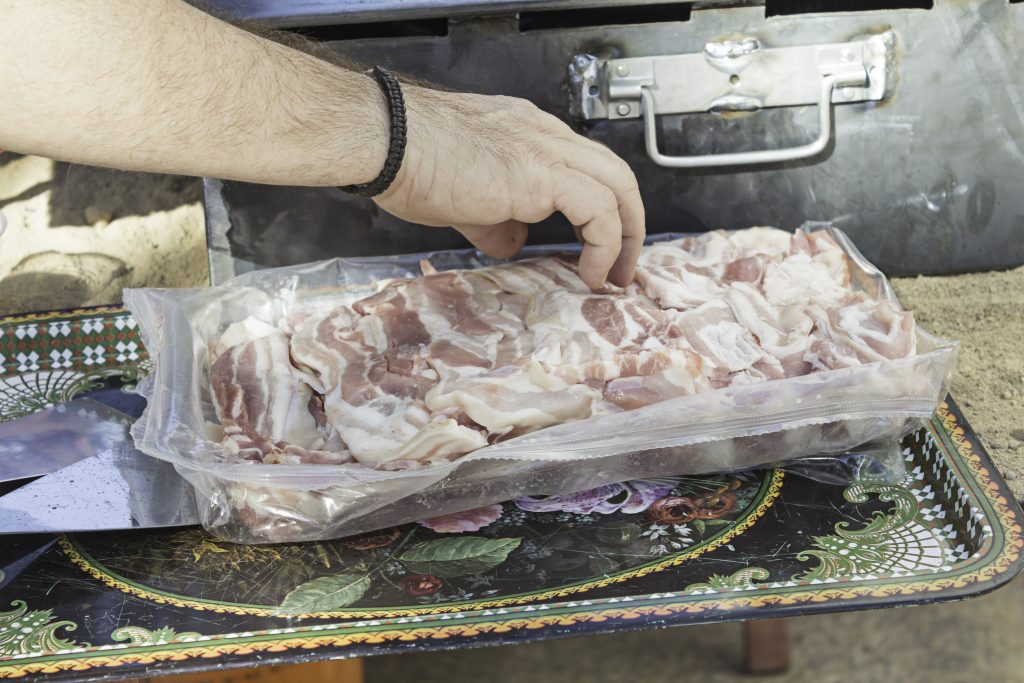
Use airtight, freezer-safe bags or vacuum-sealed packs.
-
For long-term storage, double-wrap meat in plastic wrap and aluminum foil.
-
Remove as much air as possible to prevent oxidation and freezer burn.
3. Freezing Techniques
3.1 Rapid Freezing
-
Freeze meat as quickly as possible after purchase.
-
Use the coldest section of the freezer (usually the back) for faster freezing.
-
Rapid freezing preserves texture, moisture, and flavor.
3.2 Vacuum Sealing
-
Vacuum-sealed meat has minimal air exposure, reducing freezer burn.
-
Ideal for long-term storage while maintaining taste and nutrients.
3.3 Using Freezer-Friendly Containers
-
If not vacuum sealing, use rigid, airtight containers.
-
Ensure containers are labeled with date and type of meat for easy tracking.
4. Freezer Storage Guidelines
4.1 Temperature
-
Maintain freezer at 0°F (-18°C) or lower.
-
Check freezer regularly to ensure consistent freezing temperature.
4.2 Shelf Life
-
Beef: Up to 12 months
-
Lamb: 6–9 months
-
Chicken: 6–12 months
-
Ground meat: 3–4 months
4.3 Avoid Frequent Thawing and Refreezing
-
Repeated freezing damages texture and quality.
-
Only thaw meat that will be used immediately.
5. Thawing Zabiha Meat Safely
5.1 Refrigerator Method (Recommended)
-
Thaw meat in the refrigerator overnight.
-
Ensures slow, even thawing and prevents bacterial growth.
5.2 Cold Water Method
-
Seal meat in airtight bag and submerge in cold water.
-
Change water every 30 minutes until thawed.
-
Faster than refrigerator thawing but still safe.
5.3 Cooking from Frozen
-
Smaller cuts can be cooked directly from frozen, though cooking time may increase.
6. Tips to Maintain Quality
-
Label All Packages: Include type of meat and freezing date.
-
Use within Recommended Time: Prevents nutrient loss and flavor degradation.
-
Keep Freezer Organized: Avoid overpacking to ensure air circulation and even freezing.
-
Monitor Freezer Temperature: Consistency prevents partial thawing or ice crystal formation.
-
Avoid Water Contact: Moisture can cause ice crystals, leading to texture changes.
7. Benefits of Proper Freezing
7.1 Health and Safety
-
Reduces risk of bacterial contamination.
-
Preserves nutritional content of proteins, vitamins, and minerals.
7.2 Quality and Taste
-
Retains juiciness, tenderness, and flavor of Zabiha meat.
-
Prevents freezer burn and dryness.
7.3 Cost-Effectiveness
-
Reduces food waste by extending shelf life.
-
Allows for bulk buying, saving time and money.
7.4 Spiritual Satisfaction
-
Properly stored meat aligns with Islamic principles of avoiding waste (Israf).
-
Ensures meat remains halal and tayyib, respecting the animal’s sacrifice.
8. Common Mistakes to Avoid
-
Freezing at Room Temperature: Can lead to bacterial growth.
-
Overpacking Freezer: Blocks airflow, slowing freezing.
-
Not Removing Air: Leads to freezer burn and flavor loss.
-
Refreezing Thawed Meat: Damages texture and quality.
-
Ignoring Expiry Dates: Even frozen meat should be used within recommended periods.
9. Zabiha Farms’ Commitment to Freshness
Zabiha Farms ensures:
-
Meat is freshly processed and promptly packaged.
-
Vacuum-sealed and hygienically wrapped for optimal freezing.
-
Clear instructions provided for consumers to freeze and thaw meat safely.
-
Every step maintains halal, tayyib, and nutrient-rich meat quality.
By following proper freezing techniques, consumers can enjoy premium, ethical, and wholesome Zabiha meat at home.
10. Conclusion
Freezing Zabiha meat properly is essential for maintaining freshness, nutrition, and ethical standards. Key points include:
-
Portion meat before freezing to reduce waste.
-
Use airtight or vacuum-sealed packaging.
-
Freeze rapidly at consistent low temperatures.
-
Thaw safely using refrigerator or cold water methods.
-
Avoid repeated thawing and refreezing.
Proper freezing ensures that every cut of Zabiha meat remains wholesome, nutritious, and flavorful, reflecting the farm’s commitment to halal, tayyib, and ethical practices. By following these guidelines, consumers can preserve the quality and purity of halal meat from Zabiha Farms while practicing responsible, mindful consumption.