













































How Zabiha Farms Minimizes Waste: Sustainable Practices for Halal Meat Production


Sustainable farming is not only about raising animals ethically but also about minimizing waste at every stage of production. For halal-conscious consumers, waste reduction is crucial to ensure meat is wholesome (tayyib), ethical, and environmentally responsible.
Zabiha Farms is committed to responsible resource management, turning waste into opportunities for sustainability. This blog explores how Zabiha Farms minimizes waste, the techniques used, and the benefits for consumers, animals, and the environment.
1. Why Waste Minimization Matters in Farming
-
Environmental Protection: Reduces pollution and conserves natural resources.
-
Resource Efficiency: Maximizes the use of feed, water, and energy.
-
Economic Sustainability: Lowers operational costs and improves long-term viability.
-
Faith Alignment: Reflects Islamic principles of stewardship (Khilafah) and avoiding waste (Israf).
Every step in minimizing waste contributes to ethical and sustainable food production, making halal meat truly tayyib.
2. Waste in Traditional Livestock Farming
Common sources of waste include:
-
Feed Waste: Uneaten or spoiled feed.
-
Water Waste: Spillage or inefficient watering systems.
-
Manure and Organic Waste: Untreated or improperly managed, causing pollution.
-
Energy Waste: Inefficient use of electricity and fuel in operations.
-
Meat Processing Waste: Trimmings, bones, or packaging that is discarded.
Without proper management, these wastes harm the environment and increase costs, making it essential to implement efficient practices.
3. Zabiha Farms’ Approach to Waste Minimization
Zabiha Farms employs innovative and ethical methods to minimize waste while maintaining halal and tayyib standards.
3.1 Feed Management
-
Optimized Feeding: Provides the right portion sizes to reduce leftover feed.
-
High-Quality Feed: Minimizes spoilage and ensures maximum nutritional intake.
-
Recycling Feed Residues: Safe leftover feed is composted or repurposed to enrich soil.
3.2 Water Conservation and Efficiency
-
Automatic Waterers: Reduce spillage and ensure animals get the correct amount.
-
Rainwater Harvesting: Supplements farm water needs, reducing reliance on municipal sources.
-
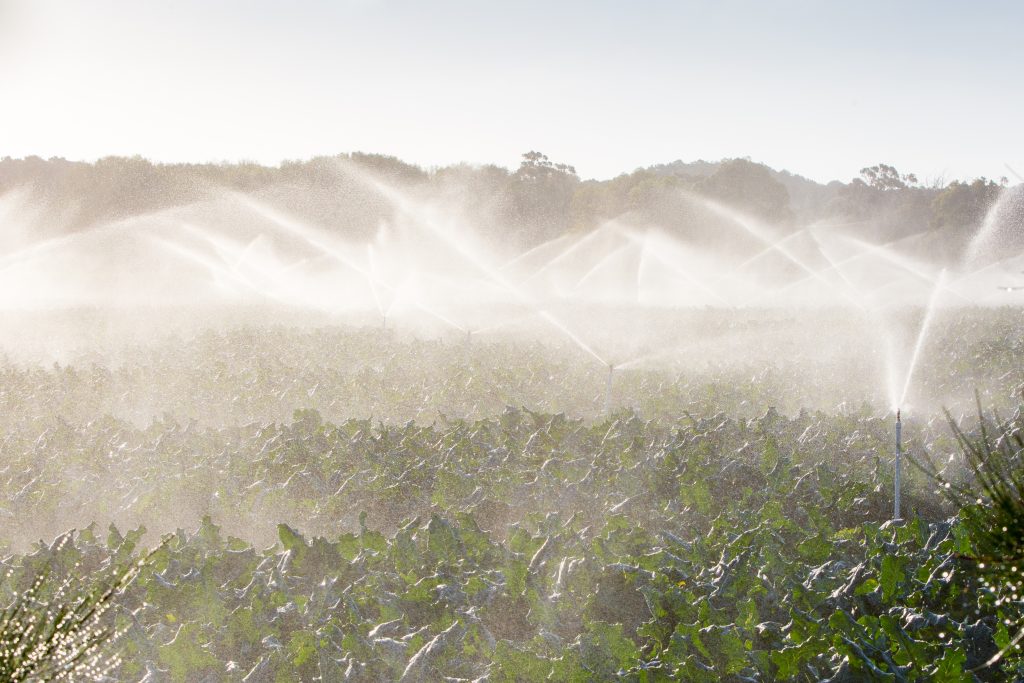
Recycling Wastewater: Treated water from cleaning operations is reused for irrigation.
By managing water efficiently, Zabiha Farms ensures minimal waste and maximum resource utilization.
3.3 Manure and Organic Waste Management
-
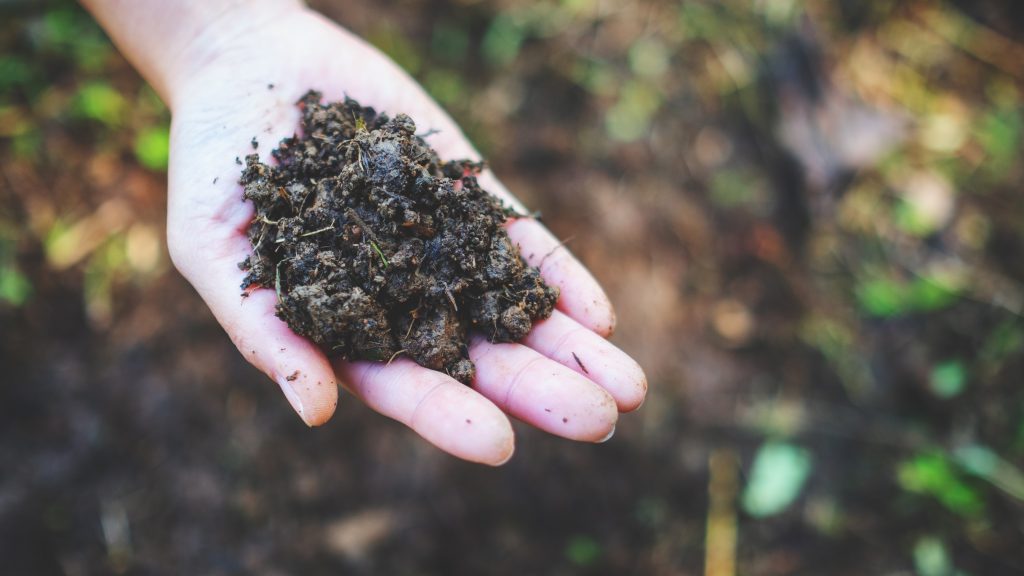
Composting: Converts manure and organic waste into natural fertilizer for pastures.
-
Biogas Production: Some waste is converted into renewable energy, powering farm operations.
-
Soil Enrichment: Compost improves soil fertility, reducing the need for chemical fertilizers.
This approach closes the loop, turning waste into valuable resources for sustainable farming.
3.4 Meat Processing Efficiency
-
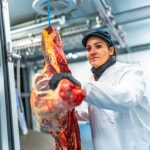
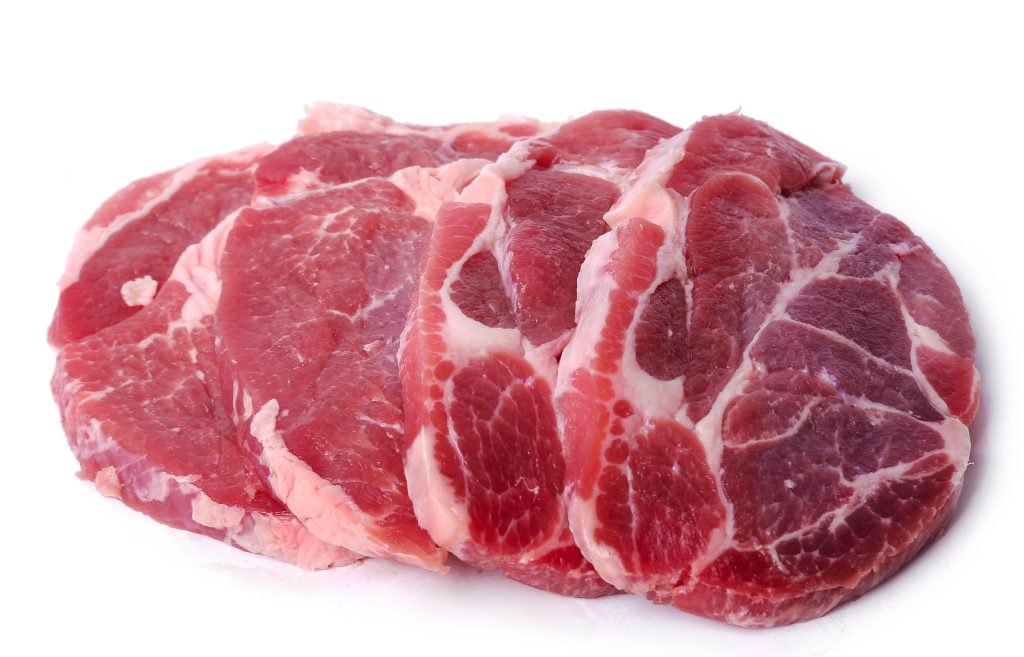
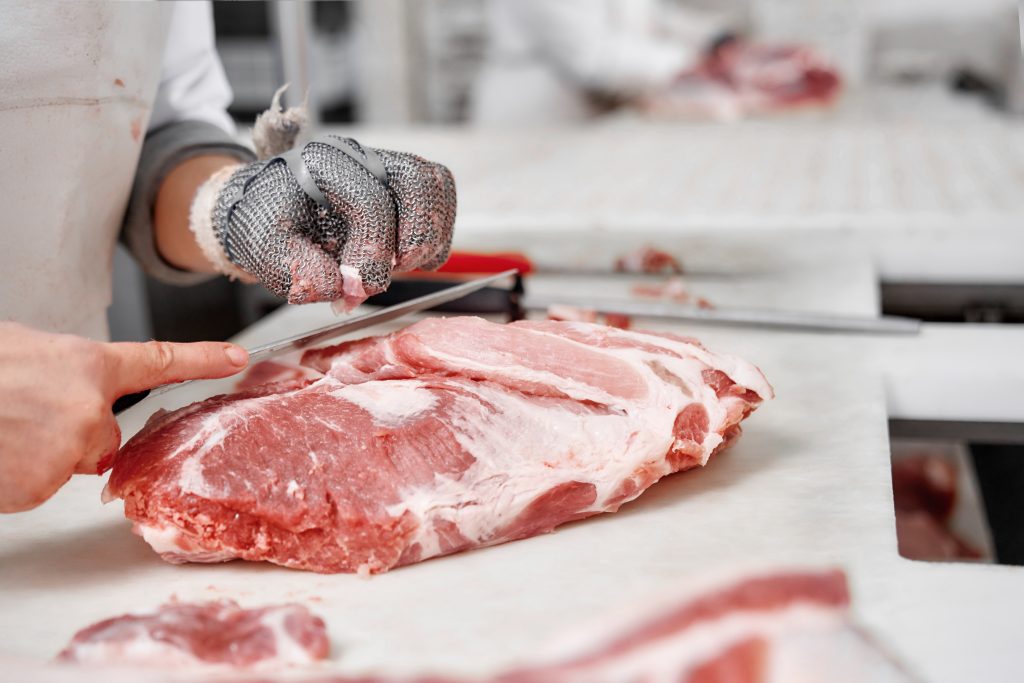
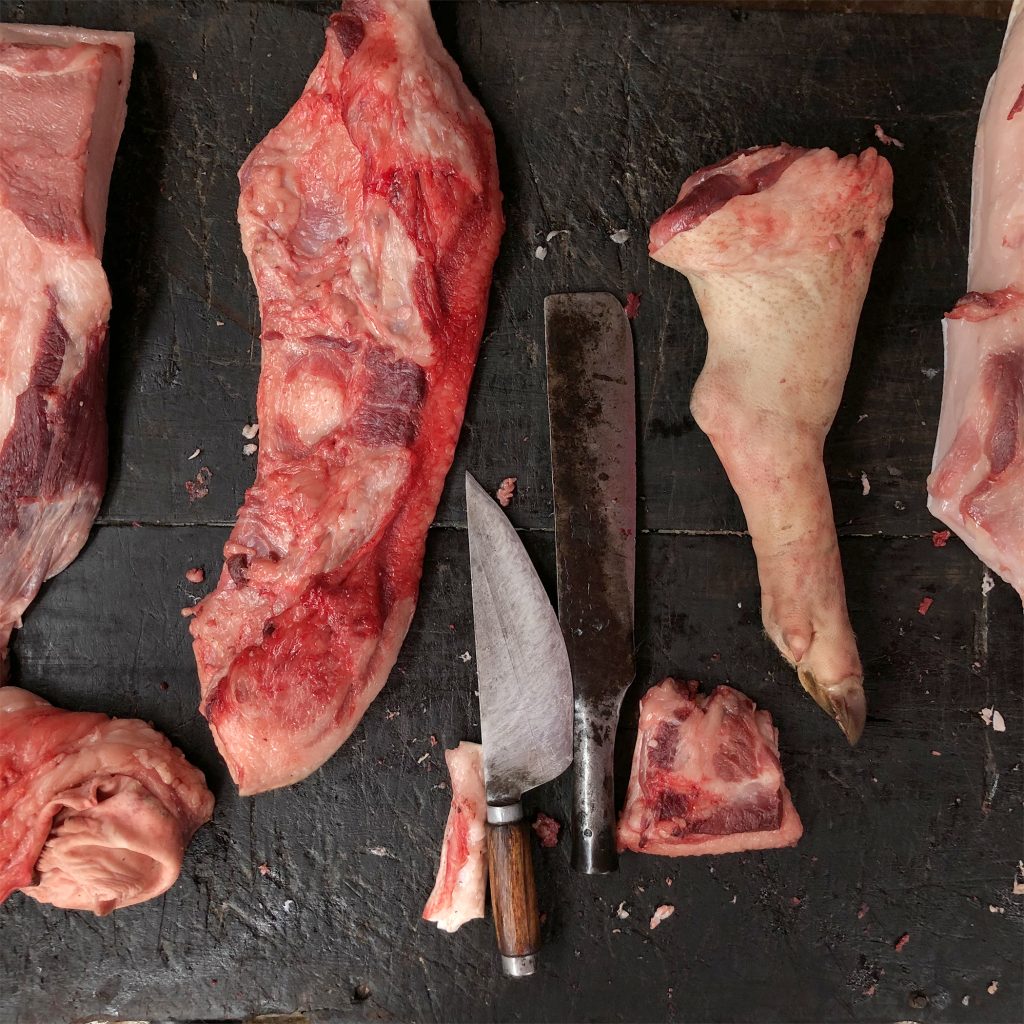
Full Use of Animal Products: Bones, trimmings, and offcuts are processed into broths, pet food, or fertilizers.
-
Packaging Optimization: Uses biodegradable or recyclable materials wherever possible.
-
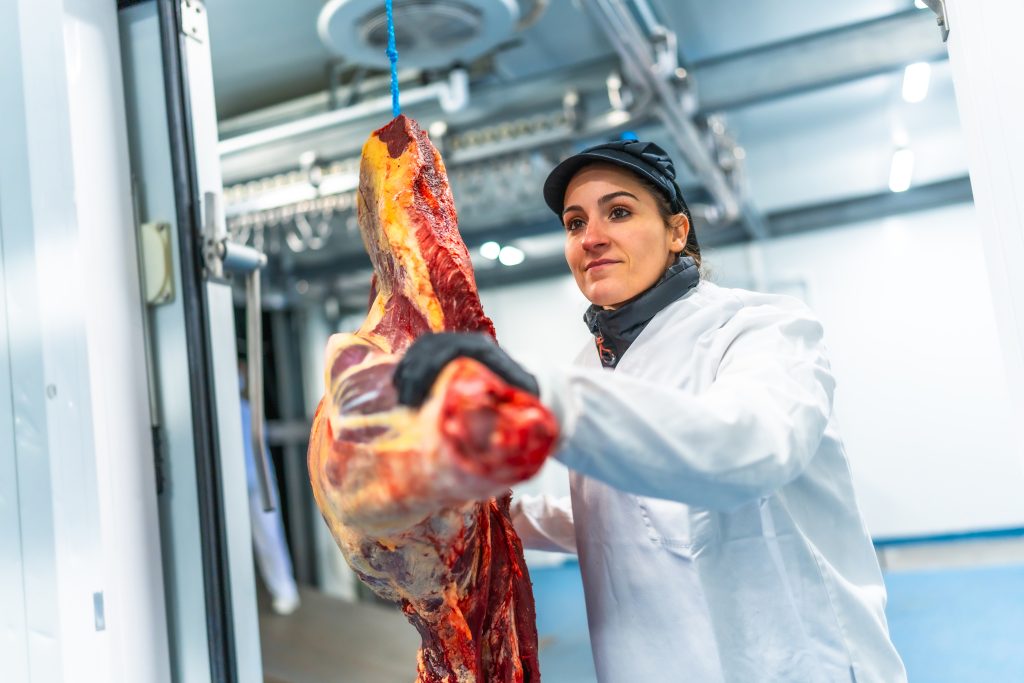
Inventory Management: Fresh meat is processed and distributed efficiently to reduce spoilage.
These practices ensure nothing goes to waste unnecessarily, preserving both value and quality.
3.5 Energy and Resource Optimization
-
Renewable Energy Sources: Solar and biogas systems reduce reliance on fossil fuels.
-
Energy-Efficient Equipment: Modern machinery reduces electricity and fuel consumption.
-
Sustainable Transportation: Efficient logistics minimize fuel use for distribution.
By optimizing energy use, Zabiha Farms reduces environmental impact and operational waste.
4. Halal and Ethical Considerations in Waste Minimization
-
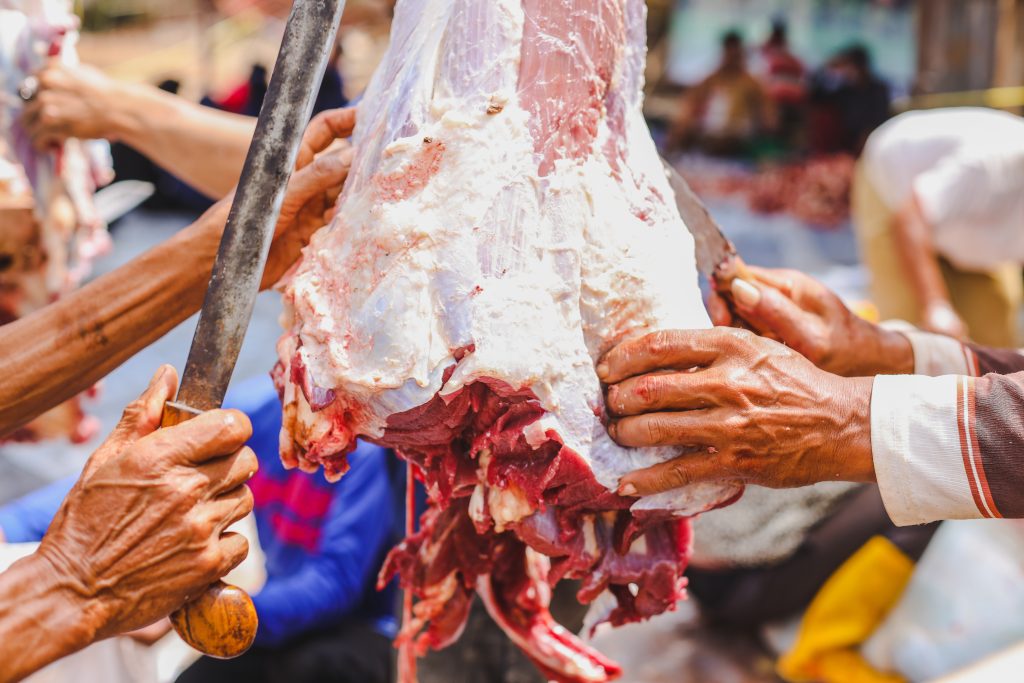
Respect for Animals: Proper utilization of meat products ensures that no part of the animal is wasted unnecessarily.
-
Clean and Pure Food (Tayyib): Waste reduction includes maintaining hygiene, freshness, and quality.
-
Spiritual Responsibility: Minimizing waste reflects the Islamic teachings of moderation and stewardship.
Zabiha Farms combines halal slaughtering practices with waste-conscious farming, producing ethical, wholesome meat.
5. Benefits of Waste Minimization
5.1 Environmental Benefits
-
Reduces pollution and greenhouse gas emissions.
-
Promotes soil health and biodiversity through composting.
-
Conserves water and energy for sustainable farming operations.
5.2 Economic Benefits
-
Lowers operational costs through efficient use of feed, water, and energy.
-
Generates additional revenue streams from by-products like compost or pet food.
-
Enhances the farm’s long-term sustainability.
5.3 Health and Quality Benefits
-
Proper waste management ensures meat is fresh, hygienic, and nutrient-rich.
-
Reduces contamination risks from spoiled feed or water.
5.4 Ethical and Spiritual Benefits
-
Reflects Islamic principles of avoiding waste and practicing stewardship.
-
Provides consumers with peace of mind knowing their food is ethically sourced and responsibly produced.
6. Practical Tips for Consumers to Support Waste Reduction
-
Buy from Ethical Farms: Support farms like Zabiha Farms that prioritize waste minimization.
-
Plan Meals: Reduce home food waste by careful meal planning.
-
Store Meat Properly: Use proper refrigeration and freezing methods to maintain freshness.
-
Educate and Spread Awareness: Encourage mindful consumption and support sustainable, halal practices.
-
Compost Household Waste: If possible, compost kitchen scraps to complement sustainable farming efforts.
7. Global Importance of Waste Reduction in Farming
-
Conserves natural resources and reduces environmental degradation.
-
Supports sustainable food systems for future generations.
-
Reduces carbon footprint and mitigates climate change.
-
Promotes ethical consumption, aligning with halal and tayyib principles.
Minimizing waste is not just a farm-level initiative—it contributes to a healthier planet and sustainable food chain.
8. Conclusion
Waste minimization in farming is a critical component of ethical, sustainable, and halal food production. Key points include:
-
Efficient feed, water, and energy management reduces environmental impact.
-
Composting and recycling organic waste turn by-products into valuable resources.
-
Meat processing efficiency ensures maximum utilization of animal products.
-
Halal and tayyib practices ensure ethical compliance and food safety.
Zabiha Farms exemplifies responsible, waste-conscious farming, producing meat that is:
-
Ethically sourced and halal-certified
-
Environmentally sustainable
-
Nutritious and wholesome (tayyib)
By supporting farms that minimize waste, consumers contribute to sustainable agriculture, ethical food systems, and spiritual mindfulness, ensuring that every bite of halal meat is responsible, nutritious, and environmentally friendly.