






















Avoiding Contamination at Home: Safe Handling of Zabiha Meat

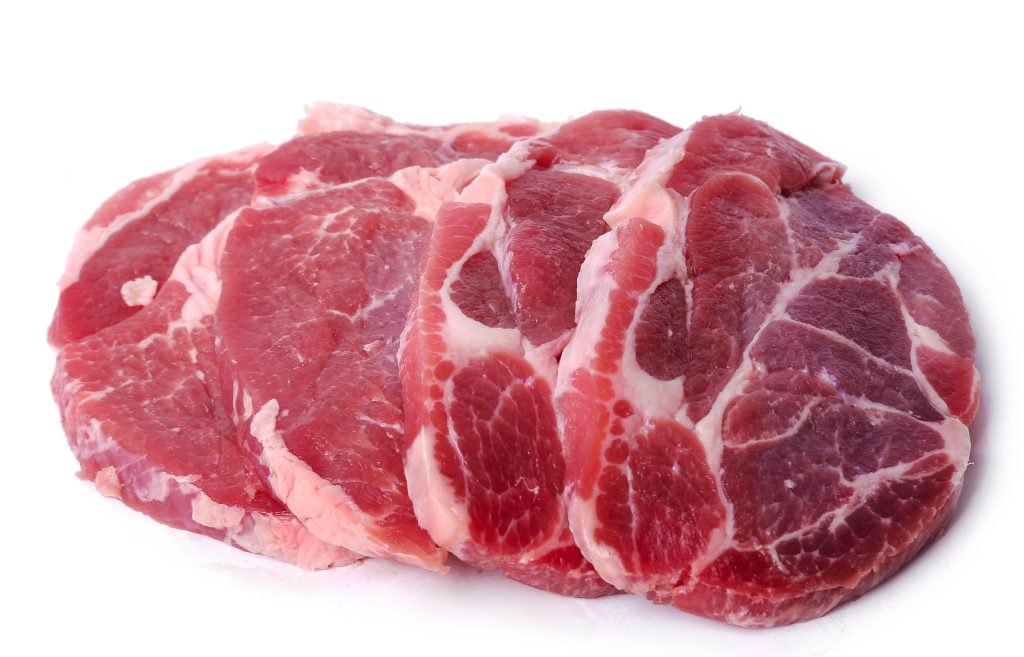
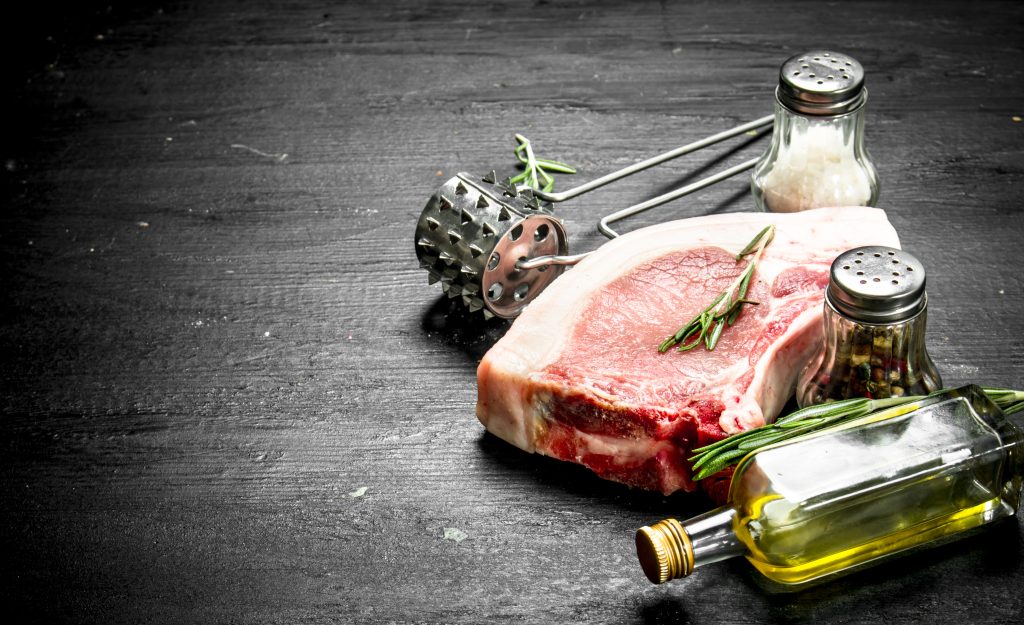
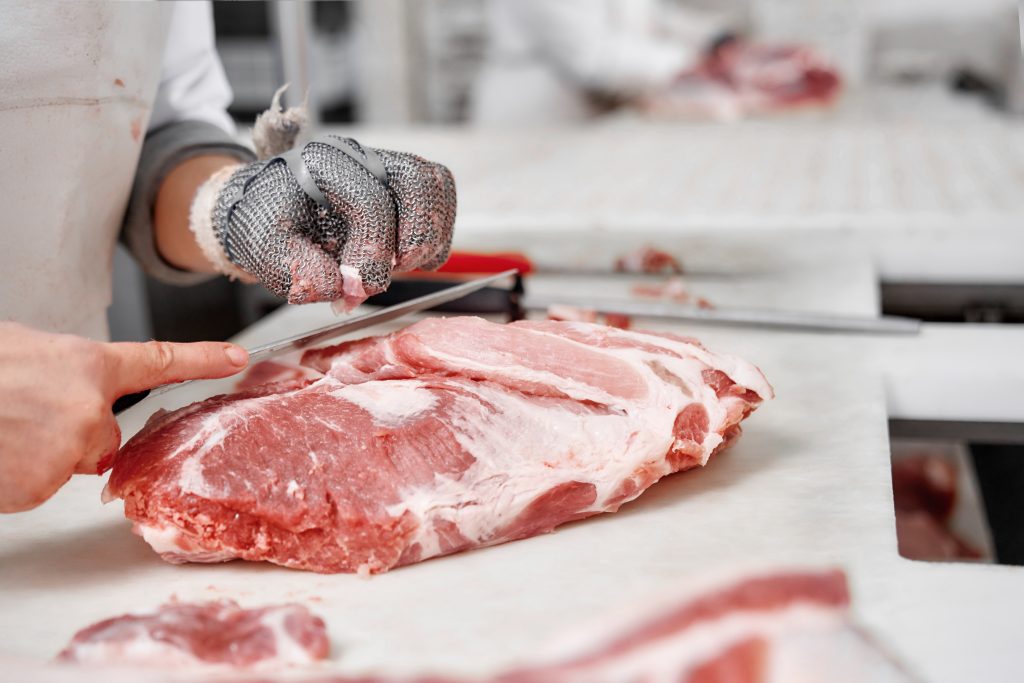
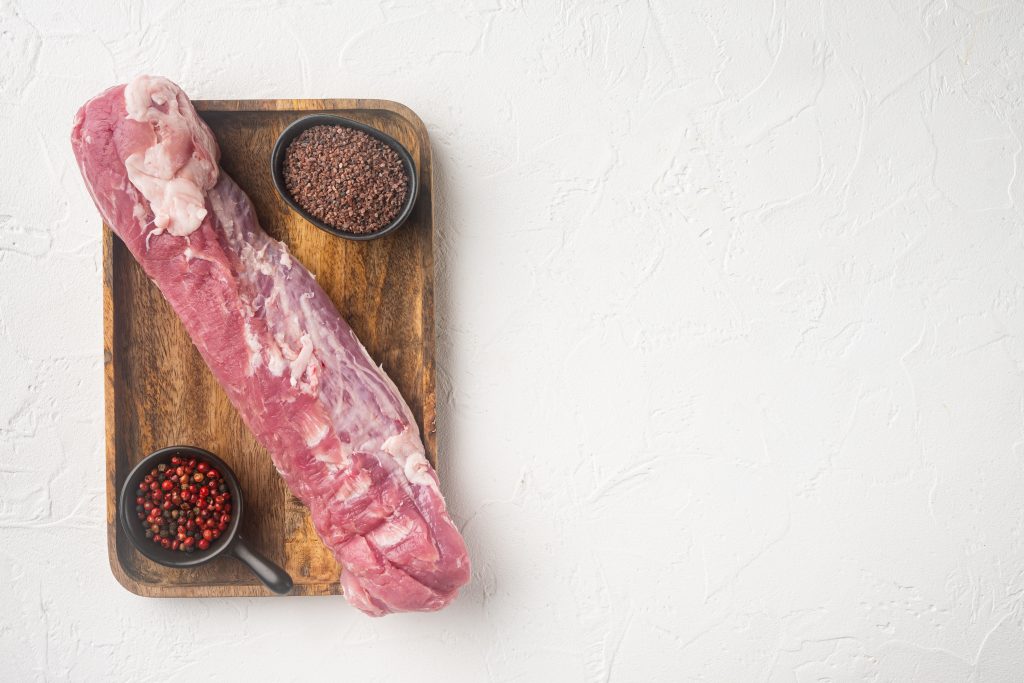
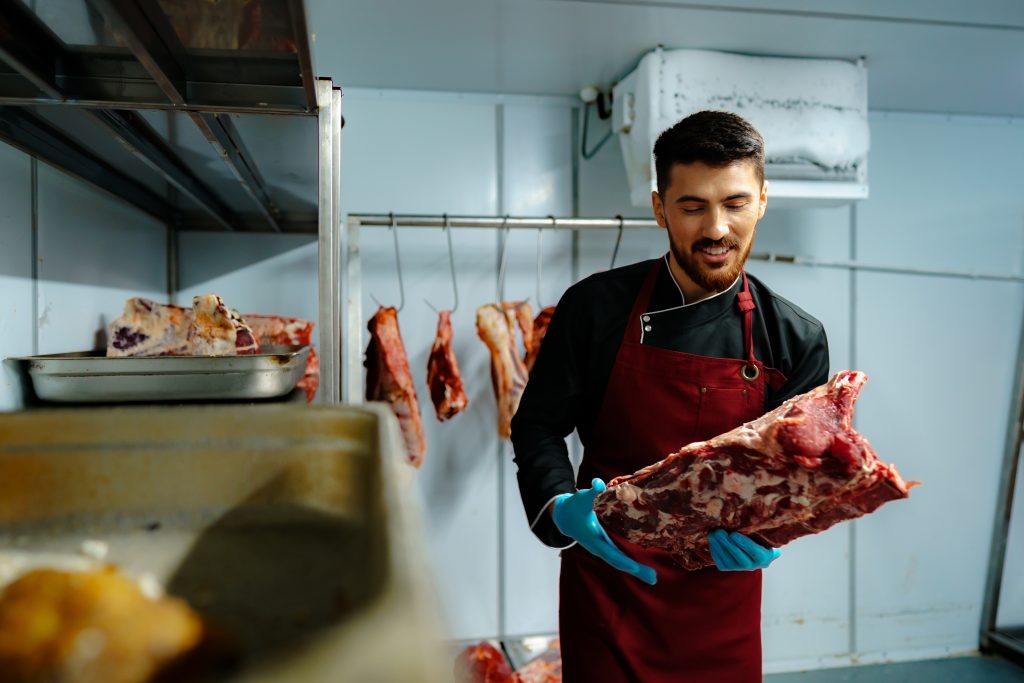
Zabiha meat is halal, wholesome (tayyib), and nutrient-rich, but its quality can be compromised if handled improperly at home. Contamination not only affects taste and texture but can also pose serious health risks. Practicing safe handling, storage, and preparation ensures that every meal remains safe, nutritious, and ethically compliant.
This blog provides practical tips and guidance on avoiding contamination of Zabiha meat at home.
1. Understanding Contamination
Contamination occurs when harmful bacteria, viruses, or chemicals come into contact with food. Common types include:
-
Bacterial contamination: Salmonella, E. coli, and Listeria.
-
Cross-contamination: Transfer of bacteria from raw meat to other foods or surfaces.
-
Chemical contamination: From cleaning agents, pesticides, or food additives.
Proper handling of Zabiha meat prevents these risks, keeping meals safe and wholesome.
2. Safe Storage of Zabiha Meat
2.1 Refrigeration
-
Store meat at 34–40°F (1–4°C).
-
Keep raw meat separate from cooked or ready-to-eat foods.
-
Use airtight containers or sealed packaging to prevent contact with other foods.
2.2 Freezing
-
Freeze meat immediately if not cooking within 1–2 days.
-
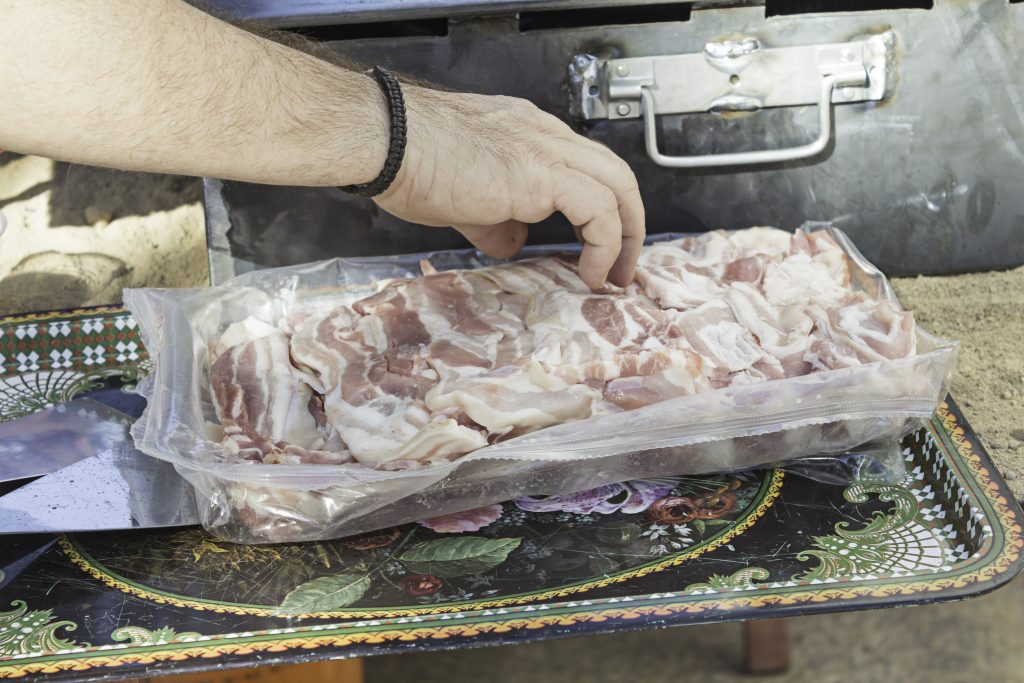
Use vacuum-sealed bags or airtight containers.
-
Label packages with type of meat and freezing date.
2.3 Thawing
-
Thaw meat in the refrigerator or cold water.
-
Avoid leaving meat at room temperature, as this promotes bacterial growth.
3. Preventing Cross-Contamination
3.1 Separate Cutting Boards
-
Use different boards for raw meat and vegetables.
-
Color-coded boards can help distinguish usage.
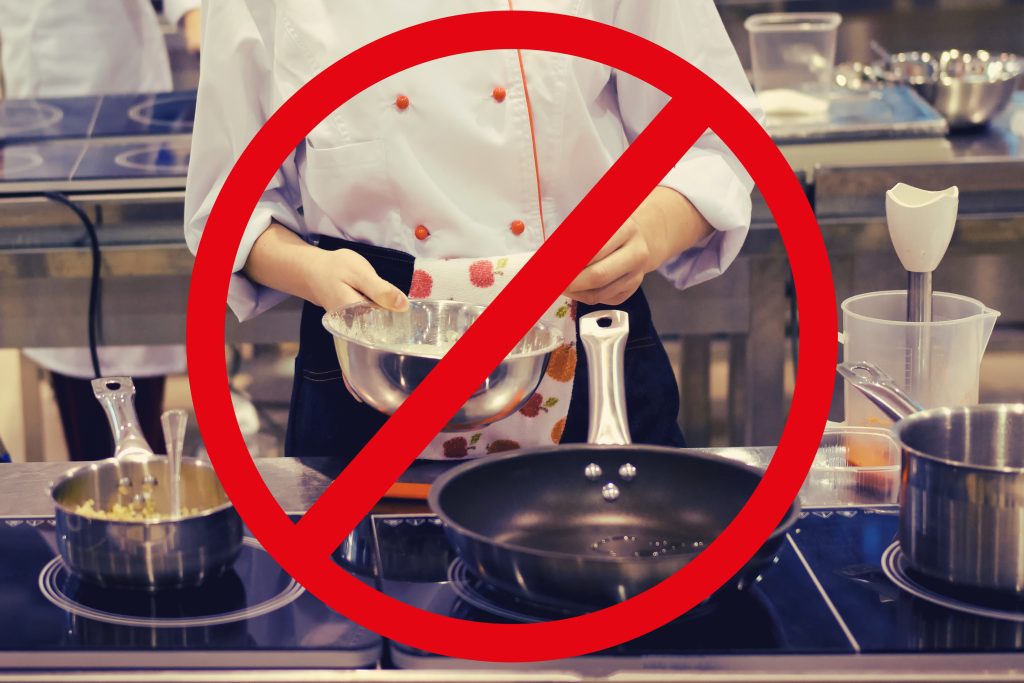
3.2 Clean Utensils
-
Wash knives, tongs, and containers with hot soapy water after handling raw meat.
-
Avoid using utensils that have touched raw meat for cooked food.
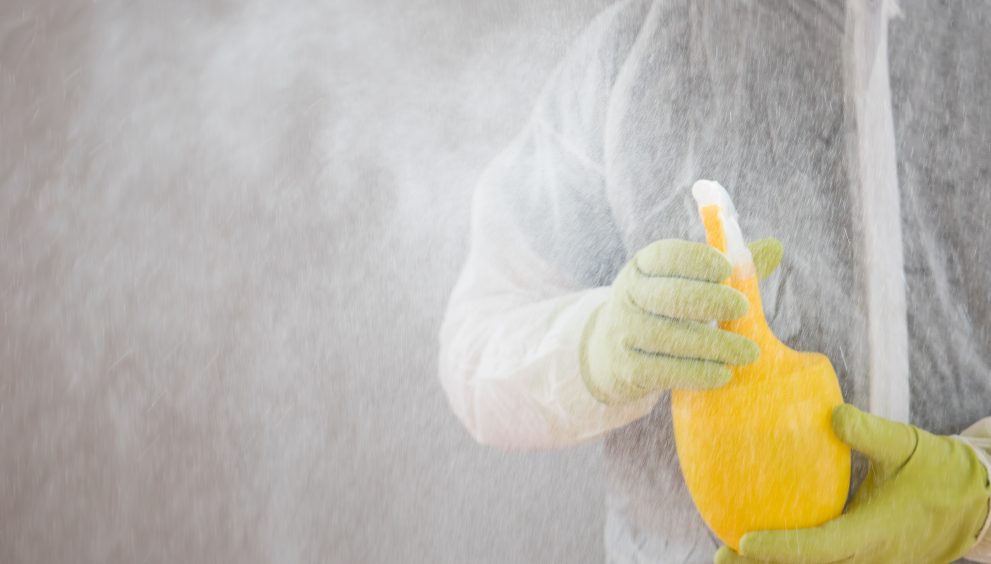
3.3 Surface Sanitization
-
Wipe countertops, tables, and sinks after preparing raw meat.
-
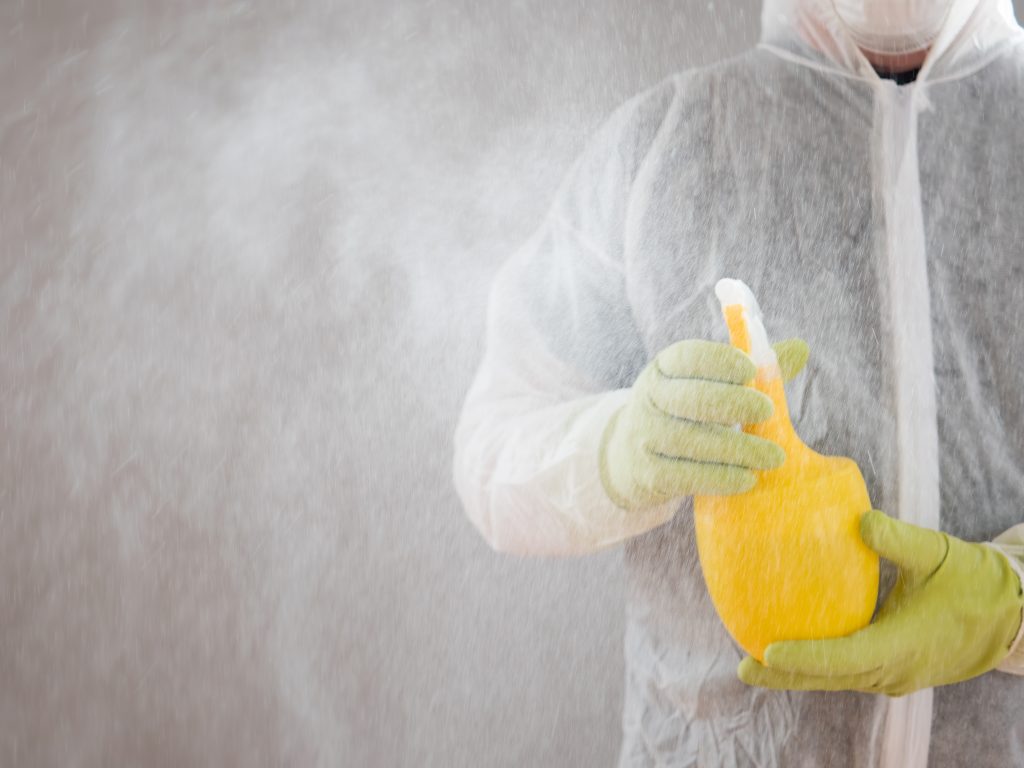
Use food-safe disinfectants to remove bacteria.
3.4 Hands Hygiene
-
Wash hands with soap and warm water for 20 seconds before and after handling raw meat.
-
Avoid touching face, phone, or other surfaces while handling meat.
4. Cooking Safety
4.1 Cooking Temperatures
-
Cook meat to safe internal temperatures:
-
Chicken: 165°F (74°C)
-
Beef, Lamb, or Goat: 145°F (63°C) for medium-rare, 160°F (71°C) for ground meat
-
-
Use a food thermometer for accuracy.
4.2 Avoid Partial Cooking
-
Never partially cook meat to finish later; bacteria may survive.
-
Cook meat thoroughly in one session for safety.
4.3 Resting Meat
-
Let meat rest after cooking to allow heat to evenly kill bacteria.
-
Use clean utensils and plates to avoid recontamination.
5. Handling Leftovers
5.1 Rapid Cooling
-
Refrigerate leftovers within 2 hours of cooking.
-
Divide into small containers to cool faster.
5.2 Proper Storage
-
Store in airtight containers or sealed bags.
-
Label with date and type of meat for easy tracking.
5.3 Reheating
-
Reheat thoroughly to 165°F (74°C).
-
Only reheat once; avoid multiple reheating cycles.
6. Common Mistakes to Avoid
-
Leaving raw meat at room temperature for extended periods.
-
Using the same utensils for raw and cooked meat.
-
Not washing hands and surfaces after handling raw meat.
-
Partially cooking meat and finishing later.
-
Storing meat in non-airtight containers.
Correcting these mistakes ensures safety, taste, and nutrition.
7. Benefits of Avoiding Contamination
7.1 Health Benefits
-
Reduces risk of foodborne illnesses like salmonella and E. coli.
-
Preserves nutrients, protein, and vitamins in meat.
7.2 Taste and Quality
-
Maintains texture, flavor, and juiciness of Zabiha meat.
-
Prevents off-flavors and spoilage.
7.3 Spiritual and Ethical Benefits
-
Prevents waste, aligning with Islamic teachings of moderation and respect for food.
-
Ensures the meat remains halal, tayyib, and wholesome.
7.4 Cost-Effectiveness
-
Avoids wasting expensive halal meat due to spoilage or contamination.
-
Extends shelf life through proper storage and handling.
8. Zabiha Farms’ Commitment to Safety
Zabiha Farms ensures:
-
Meat is hygienically processed, packaged, and delivered.
-
Clear consumer guidance is provided for safe handling, storage, and cooking.
-
Every cut is halal, tayyib, and nutrient-rich, maintaining high quality from farm to plate.
By following these guidelines, consumers can enjoy safe, wholesome, and ethical Zabiha meat at home.
9. Practical Tips for Consumers
-
Store raw and cooked meat separately.
-
Use airtight or vacuum-sealed packaging for storage.
-
Cook meat to recommended internal temperatures.
-
Wash hands, utensils, and surfaces thoroughly.
-
Freeze excess meat promptly to prevent spoilage.
10. Conclusion
Avoiding contamination at home is essential to ensure health, taste, and ethical consumption of Zabiha meat. Key takeaways include:
-
Store, thaw, and cook meat safely.
-
Prevent cross-contamination by separating raw meat, utensils, and surfaces.
-
Follow proper cooking and reheating techniques.
-
Handle leftovers promptly and safely to maintain freshness and nutrition.
By practicing these habits, consumers can enjoy Zabiha meat that is safe, wholesome, halal, and tayyib, reflecting both spiritual and ethical responsibility. Proper handling at home complements the farm’s commitment to ethical, sustainable, and high-quality halal meat.