























































Reducing Carbon Footprint in Farming: Sustainable Practices for Halal Meat Production


The modern world faces a critical challenge: climate change. Agriculture, particularly livestock farming, contributes significantly to greenhouse gas emissions, making it essential for farms to adopt sustainable and eco-friendly practices. For Muslims, reducing the carbon footprint in farming aligns with the principles of halal and tayyib, ensuring food is not only lawful but also ethical, wholesome, and environmentally responsible.
This blog explores what a carbon footprint is, how livestock farming impacts the environment, and practical ways farms like Zabiha Farms reduce their emissions.
1. Understanding Carbon Footprint in Farming
-
Carbon Footprint Definition: The total amount of greenhouse gases, particularly carbon dioxide (CO₂) and methane (CH₄), emitted during the production, processing, and transportation of food.
-
Livestock Contribution: Cattle, sheep, and goats produce methane through digestion (enteric fermentation), and manure management contributes additional greenhouse gases.
-
Importance: Reducing carbon footprint helps combat climate change, protects ecosystems, and ensures a sustainable future for food production.
2. How Livestock Farming Contributes to Carbon Emissions
-
Methane Emissions: Ruminant animals such as cows release methane, a potent greenhouse gas.
-
Feed Production: Growing feed crops uses fertilizers, water, and fossil fuels, contributing to CO₂ emissions.
-
Energy Use on Farms: Electricity and fuel for machinery, water pumps, and processing facilities add to carbon output.
-
Transportation: Moving animals, feed, and meat products contributes additional emissions.
-
Waste Management: Manure decomposition releases methane and nitrous oxide, both strong greenhouse gases.
Addressing these sources is crucial for sustainable and responsible farming practices.
3. Principles for Reducing Carbon Footprint in Farming
3.1 Sustainable Grazing
-
Rotational Grazing: Moves animals between pastures to prevent overgrazing and improve soil health.
-
Benefits: Healthier pastures capture more carbon, reducing net emissions.
3.2 Feed Optimization
-
High-Quality Feed: Reduces methane production and improves animal digestion.
-
Local Feed Sources: Reduces transportation emissions.
-
Supplementary Diets: Incorporate plants that naturally reduce methane output, such as certain legumes.
3.3 Manure Management
-
Composting: Converts waste into fertilizer, reducing methane emissions.
-
Biogas Production: Manure can be used to produce renewable energy.
-
Proper Storage: Minimizes leaks and prevents greenhouse gas release.
3.4 Energy Efficiency
-
Renewable Energy: Solar panels, wind turbines, or biogas systems can power farm operations.
-
Efficient Equipment: Use energy-saving machinery for feeding, watering, and cleaning.
-
Lighting and Heating Optimization: Reduces electricity consumption in barns and storage areas.
3.5 Water Conservation
-
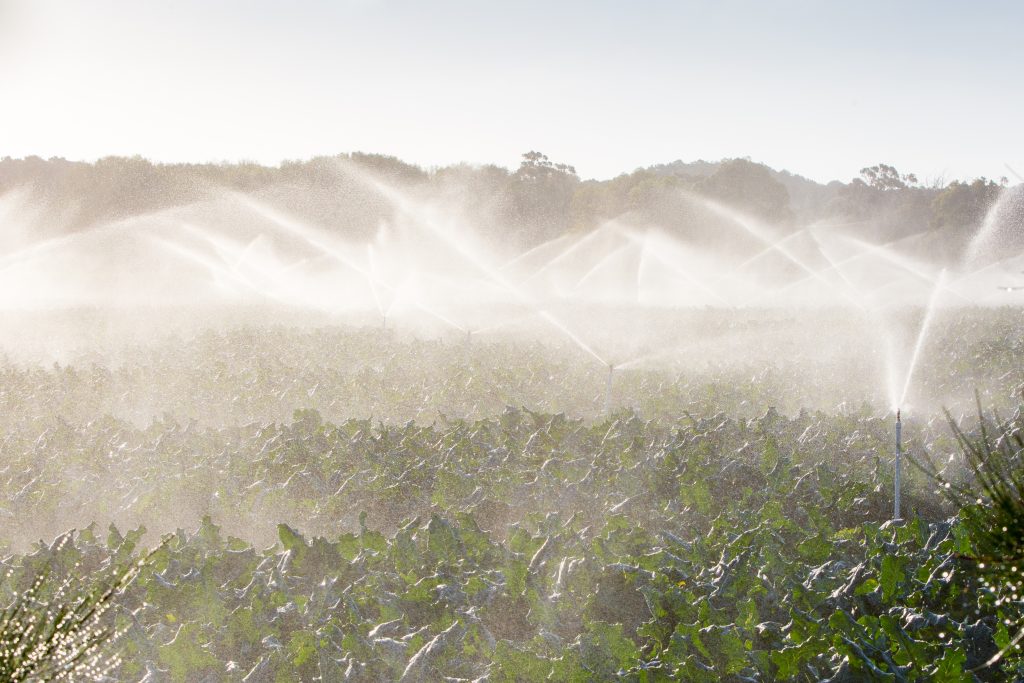
Efficient Irrigation: Minimizes water use for feed crops.
-
Rainwater Harvesting: Provides sustainable water for livestock.
-
Wastewater Management: Prevents pollution of nearby water bodies.
4. Halal and Eco-Friendly Farming Practices
Reducing carbon footprint in farming aligns seamlessly with Islamic principles of stewardship (Khilafah) and ethical responsibility:
-
Humane Treatment: Animals are treated ethically, reducing stress and improving overall health.
-
Clean and Wholesome Food: Meat is not only halal but also tayyib (pure and healthy).
-
Sustainable Practices: Reflects the Quranic guidance to avoid corruption and waste on Earth.
Zabiha Farms integrates halal slaughtering with environmentally responsible farming, ensuring meat is lawful, ethical, and sustainable.
5. Benefits of Reducing Carbon Footprint
5.1 Environmental Benefits
-
Mitigates climate change and reduces greenhouse gas emissions.
-
Preserves soil, water, and biodiversity.
-
Promotes long-term sustainability of farmland.
5.2 Economic Benefits
-
Reduces operational costs through energy efficiency and resource optimization.
-
Creates potential for eco-certified products, attracting conscious consumers.
5.3 Health and Nutrition
-
Animals raised on sustainable, chemical-free feed produce healthier, cleaner meat.
-
Reduces exposure to antibiotics and hormones often used in intensive farming.
5.4 Ethical and Spiritual Benefits
-
Supports Islamic principles of compassion, moderation, and responsible stewardship.
-
Provides peace of mind that food consumption does not harm the environment or animals.
6. Zabiha Farms’ Approach to Reducing Carbon Footprint
6.1 Sustainable Pastures
-
Implements rotational grazing to maintain soil fertility and sequester carbon.
-
Pastures are enriched naturally through composting and manure management.
6.2 Renewable Energy Integration
-
Solar panels and biogas systems reduce reliance on fossil fuels.
-
Energy-efficient operations minimize electricity and fuel usage.
6.3 Responsible Feed Management
-
Locally sourced and organic feed reduces emissions from transportation.
-
Optimized diets decrease methane production in livestock.
6.4 Waste and Water Management
-
Manure composting and biogas production convert waste into energy and fertilizer.
-
Rainwater harvesting and efficient irrigation reduce water usage.
6.5 Halal Compliance
-
All meat is Zabiha-certified, ensuring ethical and spiritual alignment with Islamic dietary laws.
7. How Consumers Can Support Sustainable Farming
-
Choose Eco-Friendly Halal Meat: Buy from farms like Zabiha Farms that integrate sustainability and halal practices.
-
Reduce Food Waste: Plan meals carefully and consume responsibly.
-
Educate Yourself: Learn about sustainable farming, carbon footprint, and halal compliance.
-
Support Ethical Restaurants: Favor eateries sourcing halal, eco-conscious meat.
-
Spread Awareness: Encourage communities to adopt responsible consumption habits.
8. Global Impact of Sustainable Livestock Farming
-
Reduces pressure on forests, water, and soil resources.
-
Lowers global greenhouse gas emissions, mitigating climate change.
-
Promotes ethical food systems, ensuring future generations have access to healthy and halal meat.
By supporting sustainable farms, consumers contribute to a healthier planet, ethical consumption, and faith-aligned practices.
9. Conclusion
Reducing carbon footprint in farming is both an environmental necessity and a moral obligation. Key takeaways include:
-
Sustainable grazing, manure management, and energy efficiency significantly reduce emissions.
-
Using renewable energy and optimizing feed supports eco-friendly and ethical farming.
-
Halal-compliant practices ensure meat is lawful, wholesome, and spiritually aligned.
-
Consumers can support eco-friendly farms through conscious purchasing and reducing waste.
Zabiha Farms demonstrates how halal, tayyib, and sustainable practices can coexist, offering meat that is ethical, nutritious, and environmentally responsible. By prioritizing sustainable farming, Muslims fulfill their duty of stewardship over the Earth while enjoying clean, wholesome, and spiritually compliant meat.