






























Prophetic Teachings on Meat Consumption: Guidance for a Healthy and Halal Diet

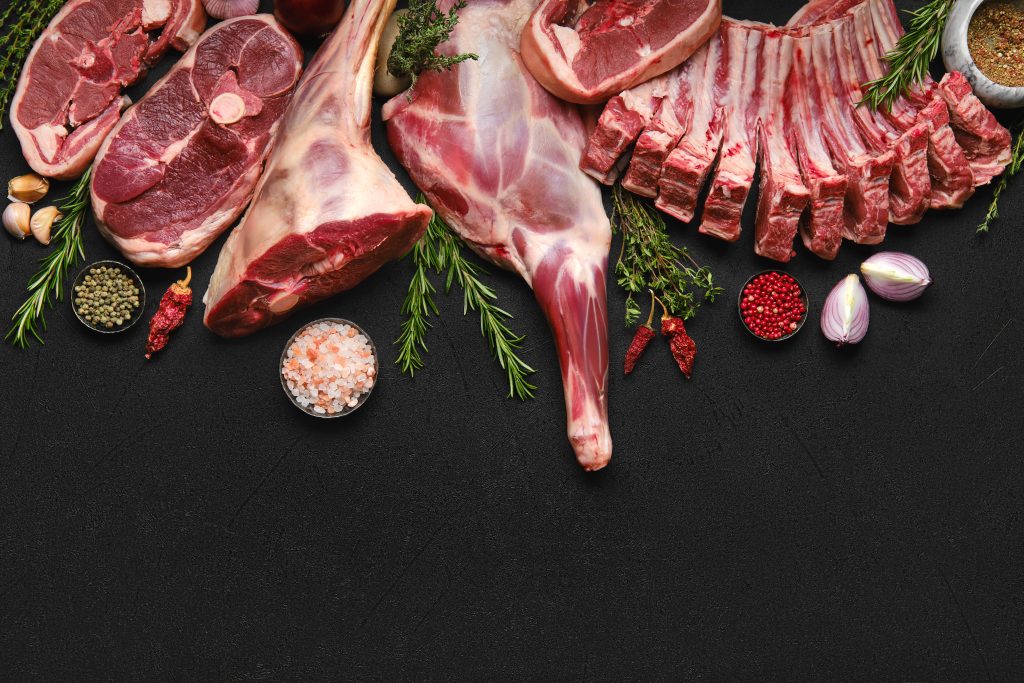
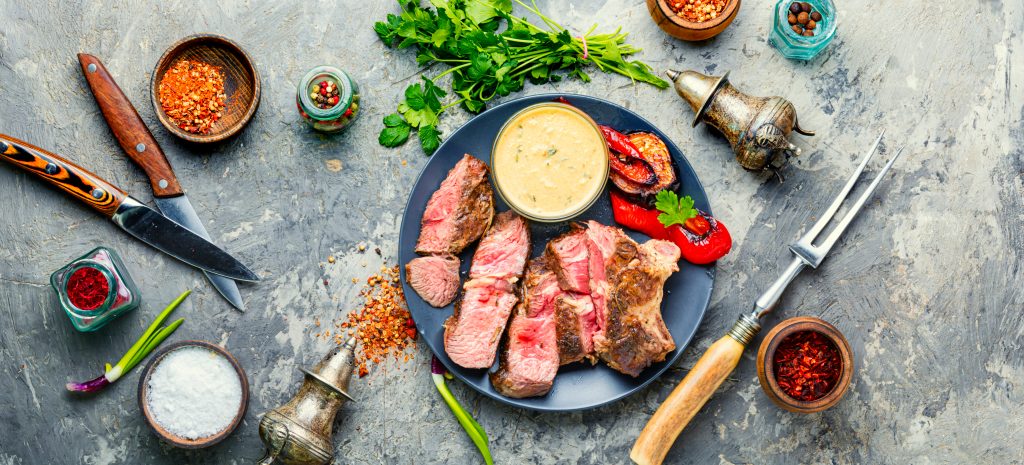
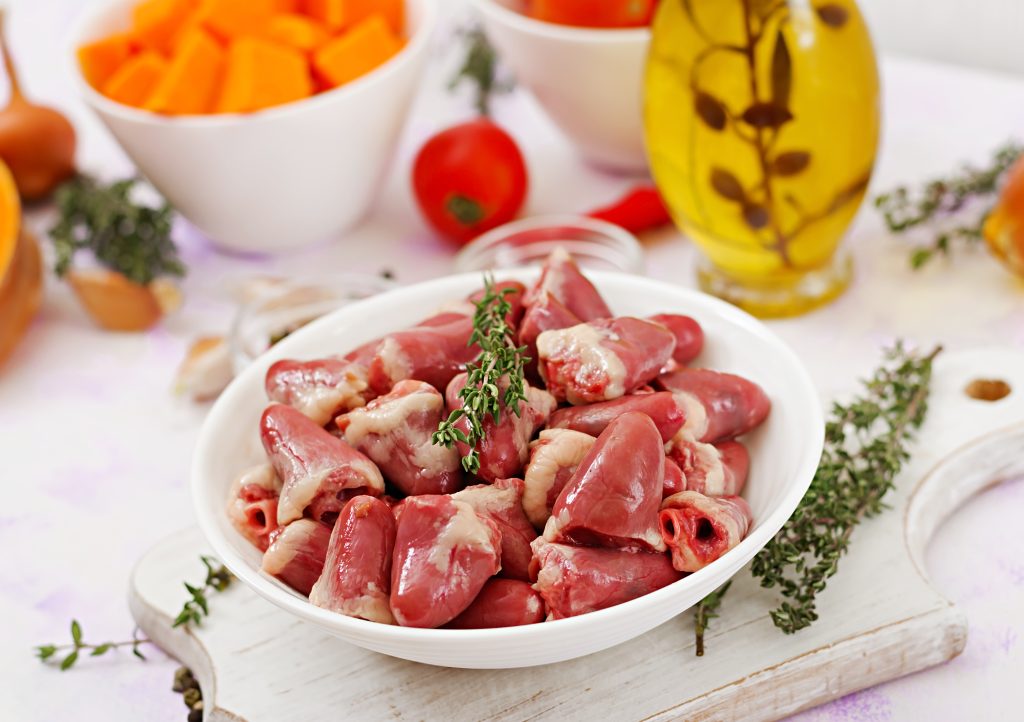
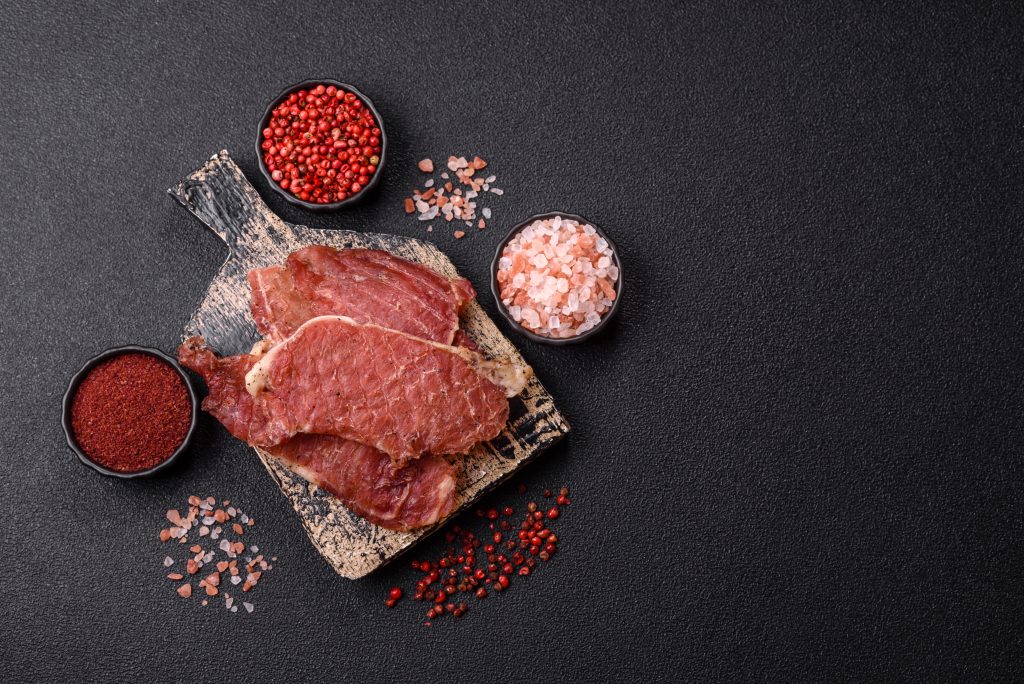
The Prophet Muhammad ﷺ provided practical and spiritual guidance on many aspects of life, including meat consumption. His teachings emphasize moderation, ethical treatment, and mindful eating, guiding Muslims to enjoy meat in a way that is healthy, halal, and spiritually rewarding. Understanding these principles can help Muslims make conscious dietary choices that honor faith, ethics, and personal well-being.
1. The Importance of Halal Meat
The Prophet ﷺ emphasized that all food should comply with halal guidelines, which include:
-
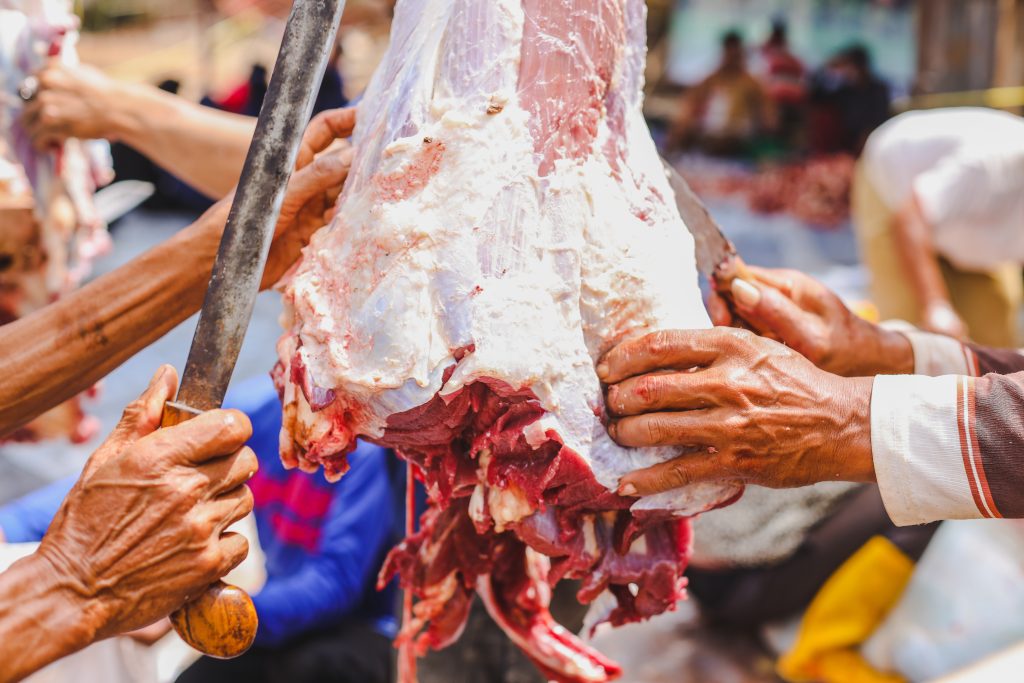
Proper Slaughter: Animals must be slaughtered according to Islamic law, ensuring humane treatment and spiritual compliance.
-
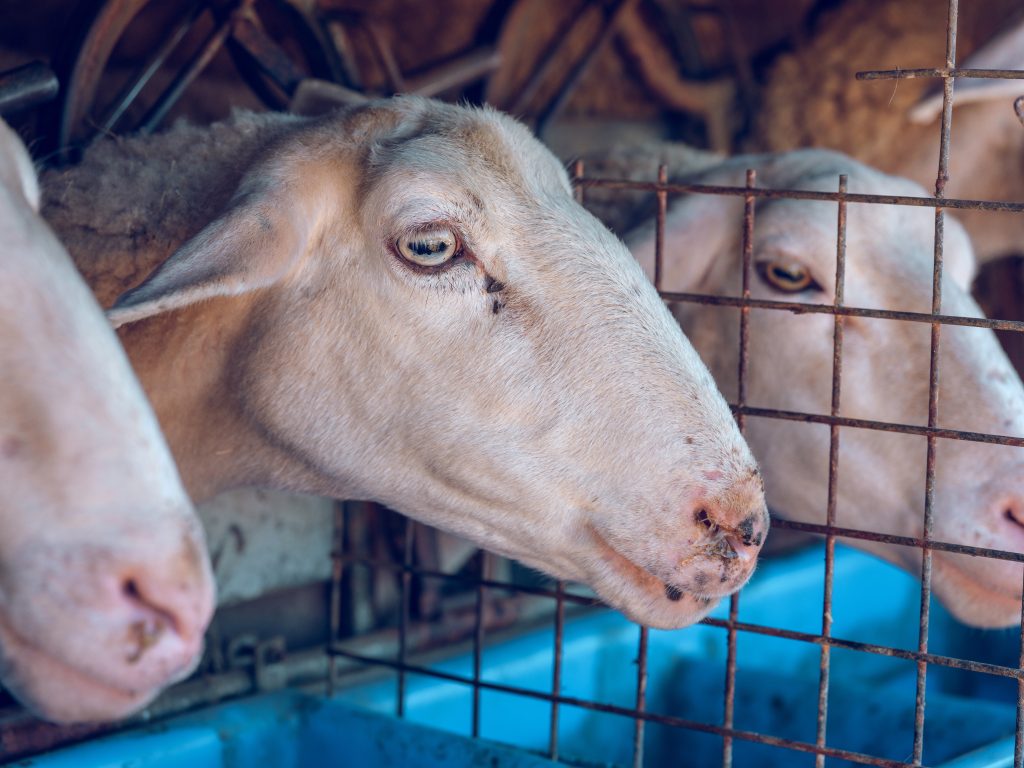
Ethical Sourcing: Meat should come from animals that are healthy, well-treated, and free from harm.
-
Avoiding Prohibited Foods: Certain animals (pork, carrion, improperly slaughtered meat) are explicitly forbidden.
Hadith Reference:
The Prophet ﷺ said:
“A servant does not fill a vessel worse than his stomach. It is sufficient for the son of Adam to eat a few morsels to keep him going. If he must, then one third for his food, one third for his drink, and one third for his breath.” (Sunan Ibn Majah)
This teaches moderation in eating, even with permissible meat.
2. Moderation in Meat Consumption
Overconsumption of meat was discouraged by the Prophet ﷺ:
-
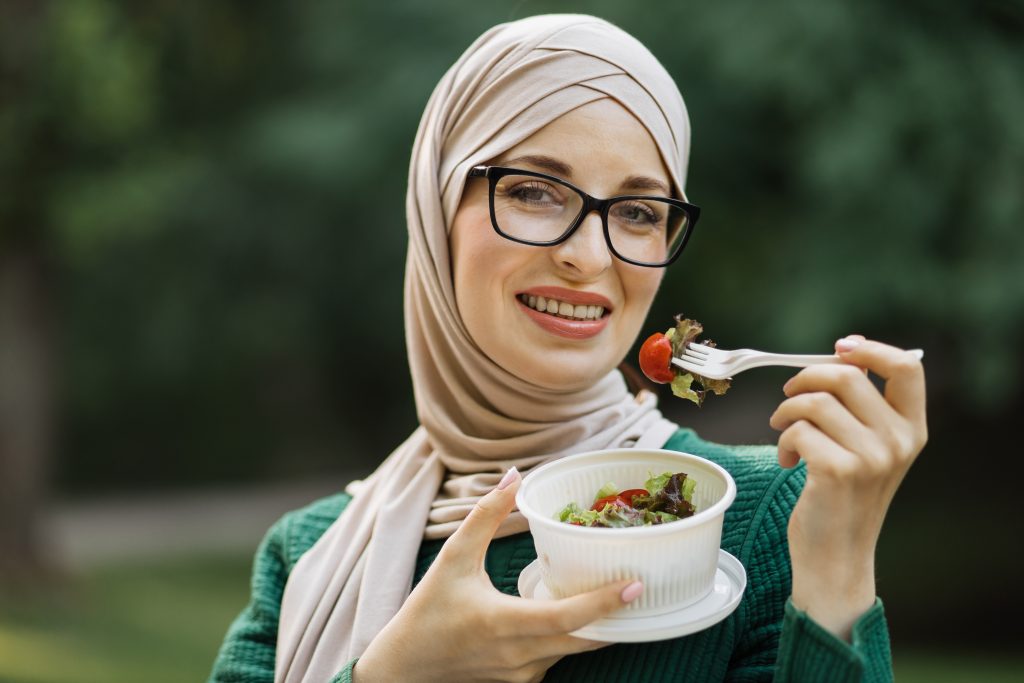
Balanced Diet: Meat is nutritious but should be part of a balanced diet with grains, fruits, and vegetables.
-
Avoiding Waste: Eat only what is needed and avoid excess.
-
Mindful Eating: Appreciate the blessings of meat without gluttony.
Practical Tip: Use smaller portions of meat, complement with vegetables, legumes, and grains for a balanced, wholesome meal.
3. Prophetic Guidance on Slaughter and Preparation
The Prophet ﷺ provided specific guidance for preparing meat in a halal manner:
-
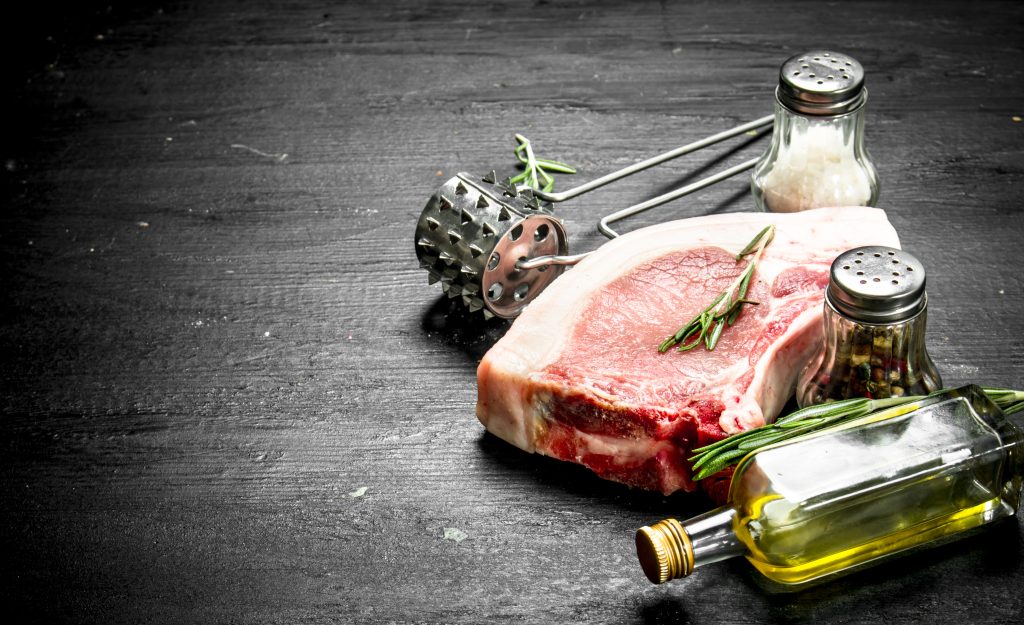
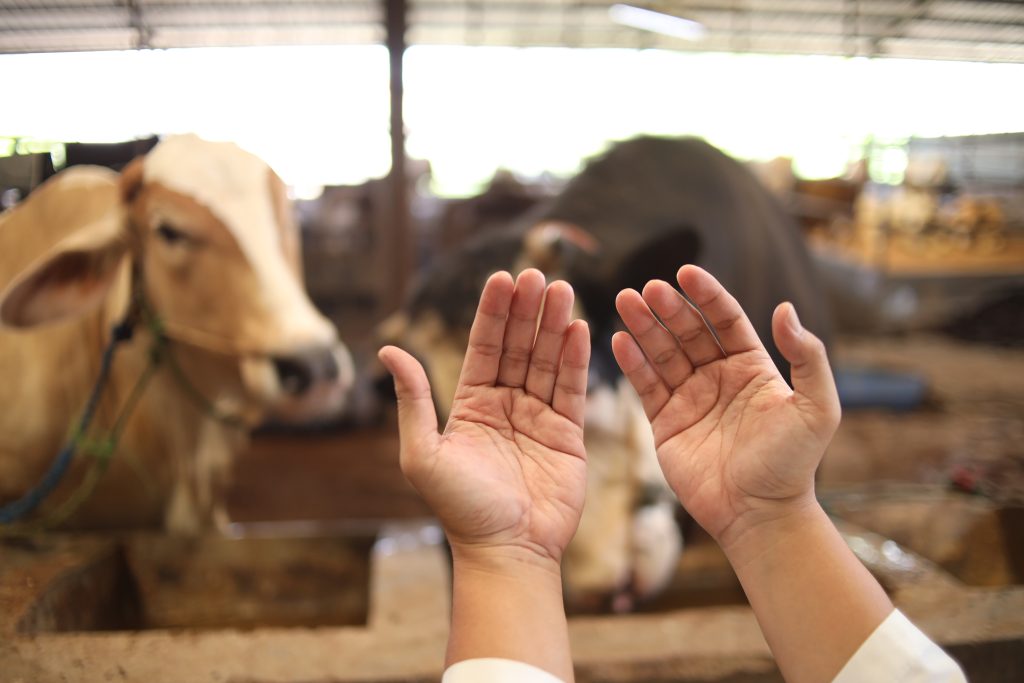
Name of Allah: Always say “Bismillah” (In the name of Allah) before slaughtering.
-
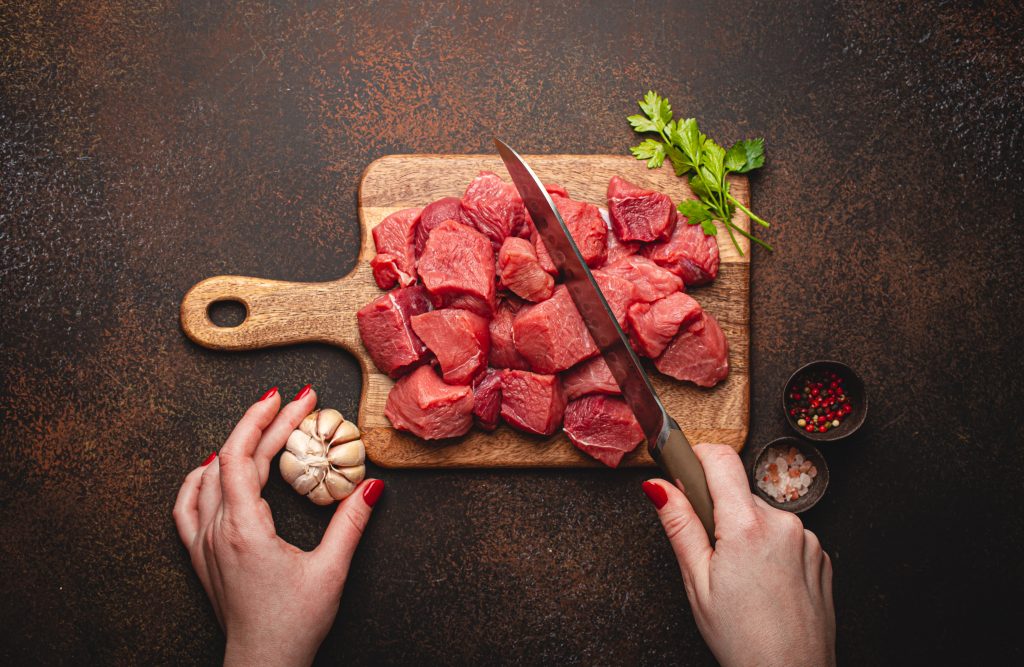
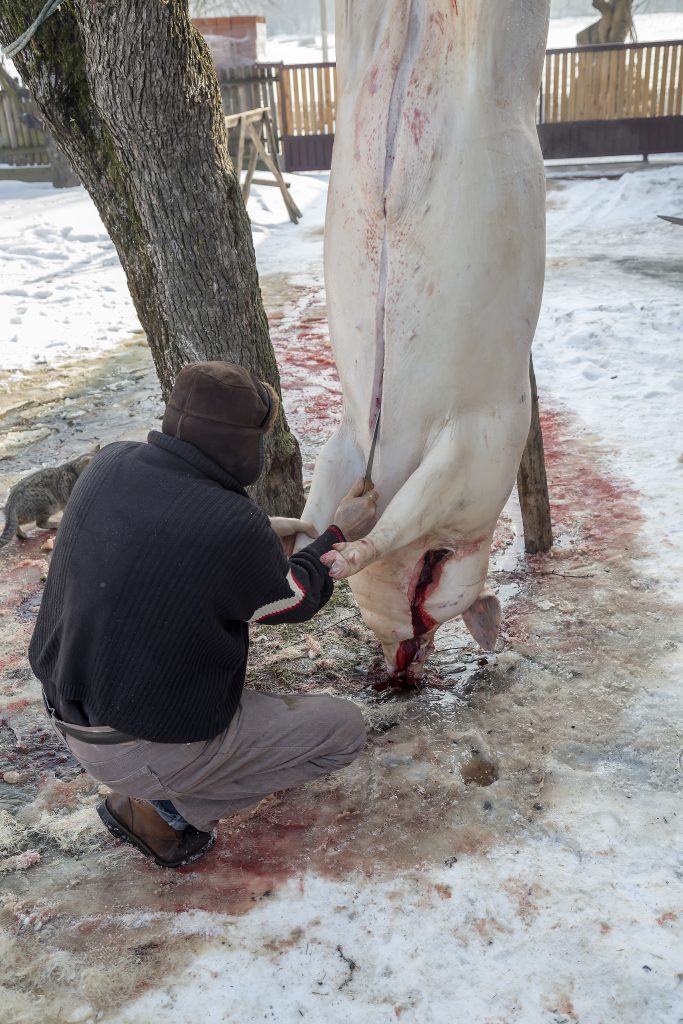
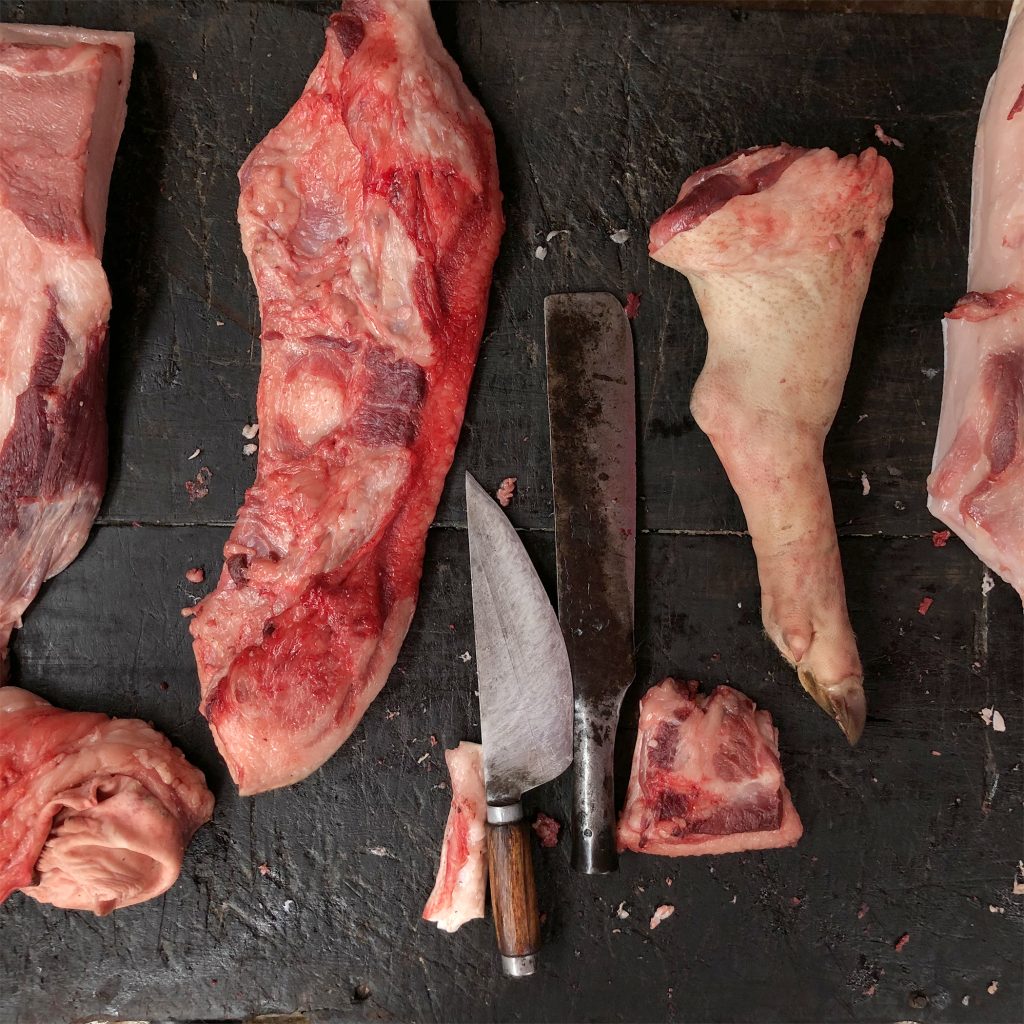
Sharp Tools: Use sharp knives to minimize suffering.
-
Quick and Humane: Slaughter should be swift and painless, respecting the life of the animal.
-
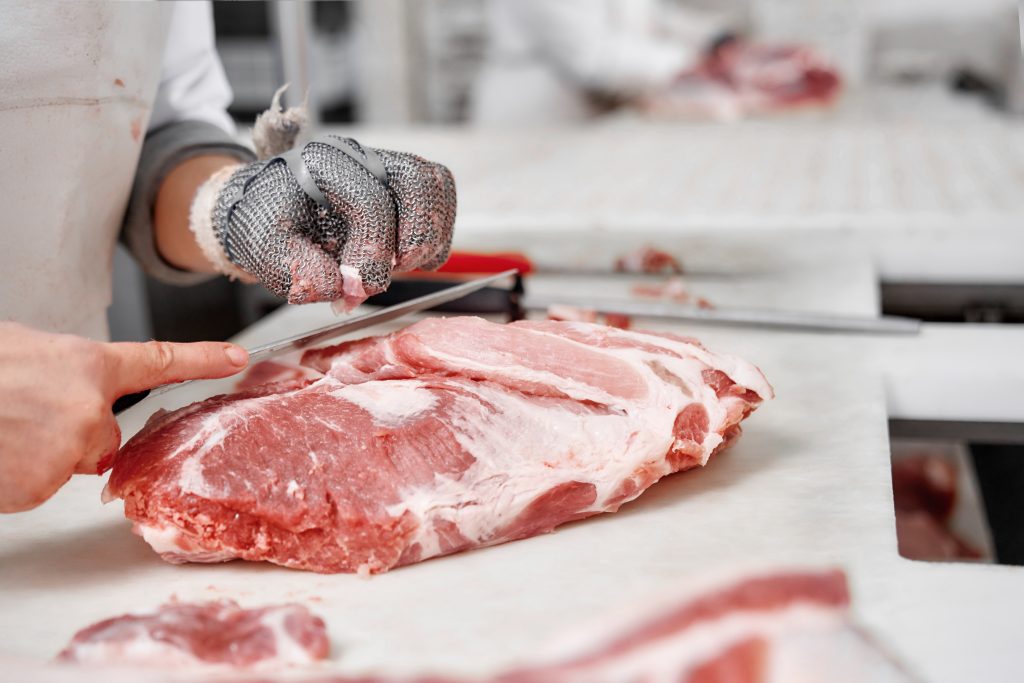
Cleanliness: Maintain hygiene during handling and preparation to ensure health.
These teachings reflect ethics, spirituality, and hygiene, aligning with modern principles of humane and sustainable meat consumption.
4. Eating Meat as a Source of Health
The Prophet ﷺ highlighted the benefits of meat:
-
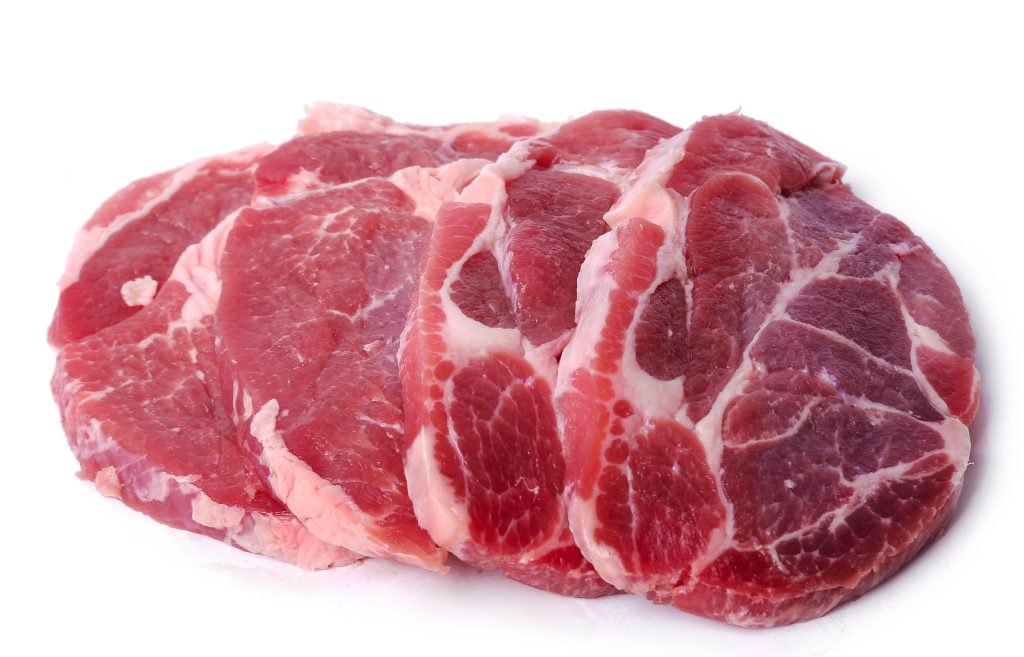
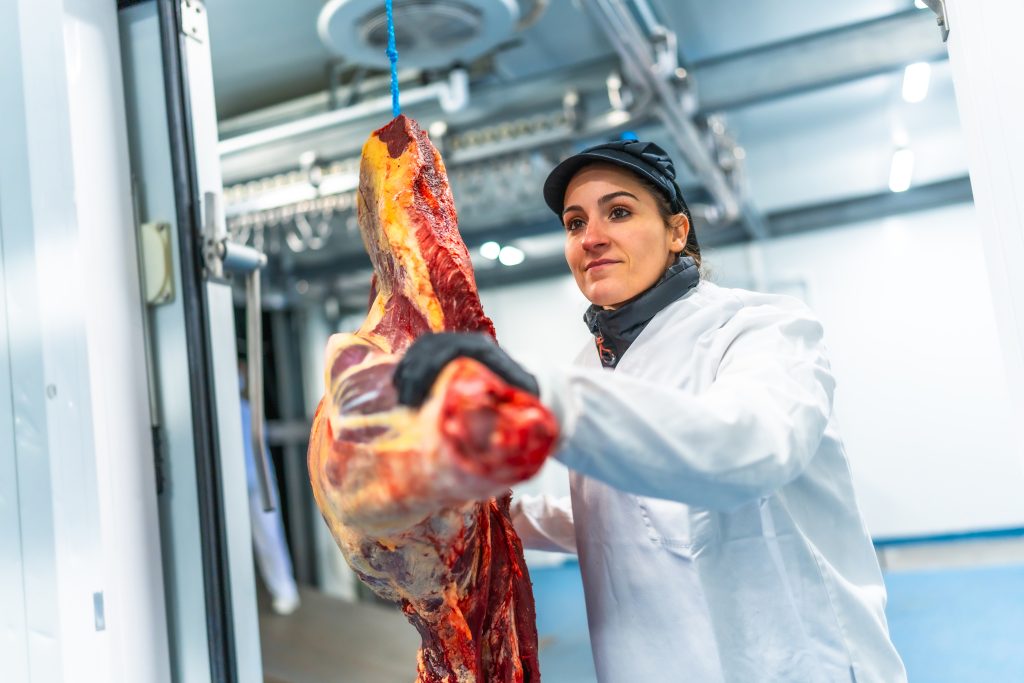
Nutrition: Meat provides high-quality protein, iron, and essential vitamins, supporting strength and vitality.
-
Energy: Meat is a concentrated source of energy, particularly important in physically demanding lifestyles.
-
Spiritual Symbol: Eating lawful meat reminds believers of gratitude, ethics, and divine blessings.
He ﷺ encouraged moderation but acknowledged that halal, wholesome meat is a blessing for body and soul.
5. Encouragement of Tayeb (Wholesome) Meat
The Prophet ﷺ taught that it is not enough for meat to be halal; it should also be wholesome (tayyib):
-
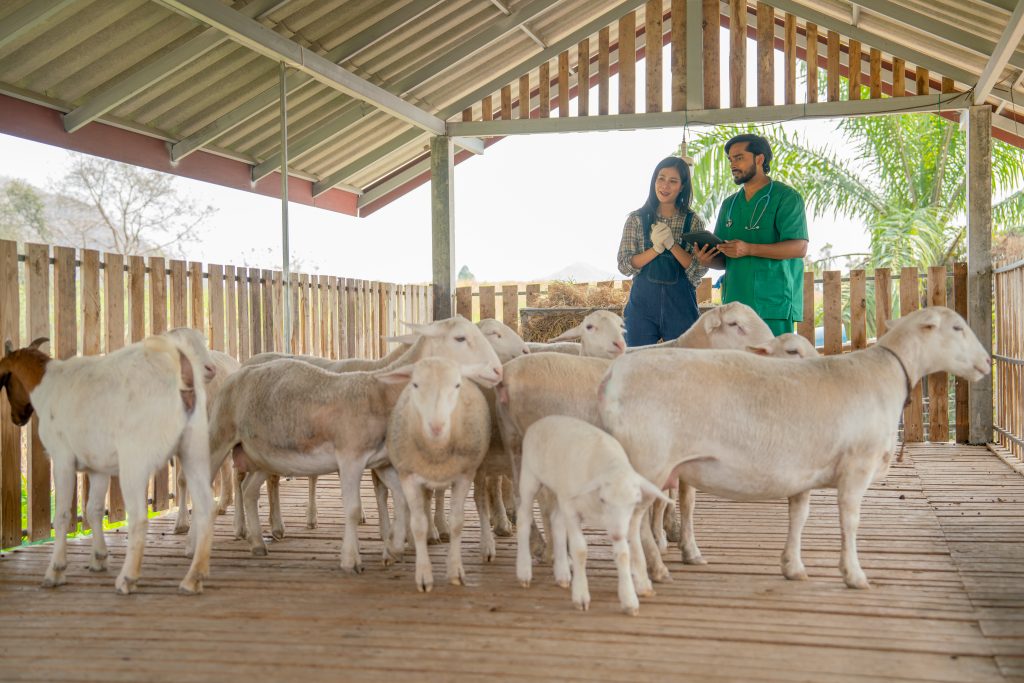
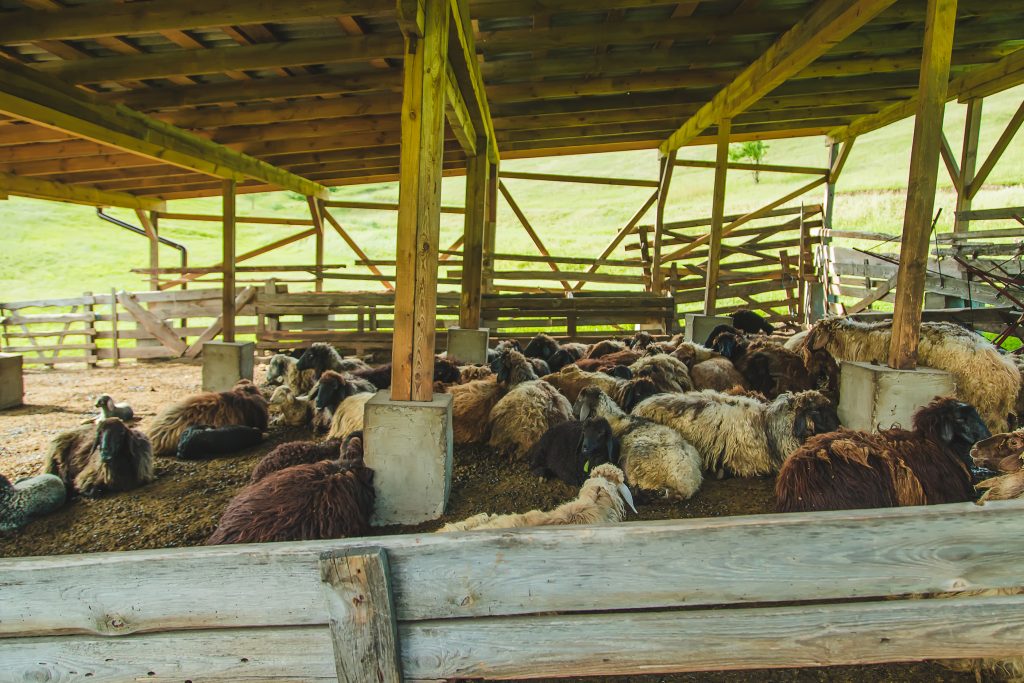
Healthy Animals: Choose animals that are well-fed, disease-free, and properly reared.
-
Ethical Consumption: Avoid meat that is harmful, spoiled, or obtained through unethical means.
-
Spiritual Awareness: Consumption of tayyib meat contributes to physical, mental, and spiritual well-being.
Hadith Reference:
The Prophet ﷺ said:
“Eat of what is lawful and good (tayyib) and be thankful to Allah.”
This teaching emphasizes quality and purity in addition to permissibility.
6. Prophetic Advice on Sharing Meat
Sharing meat is highly encouraged in Islam:
-
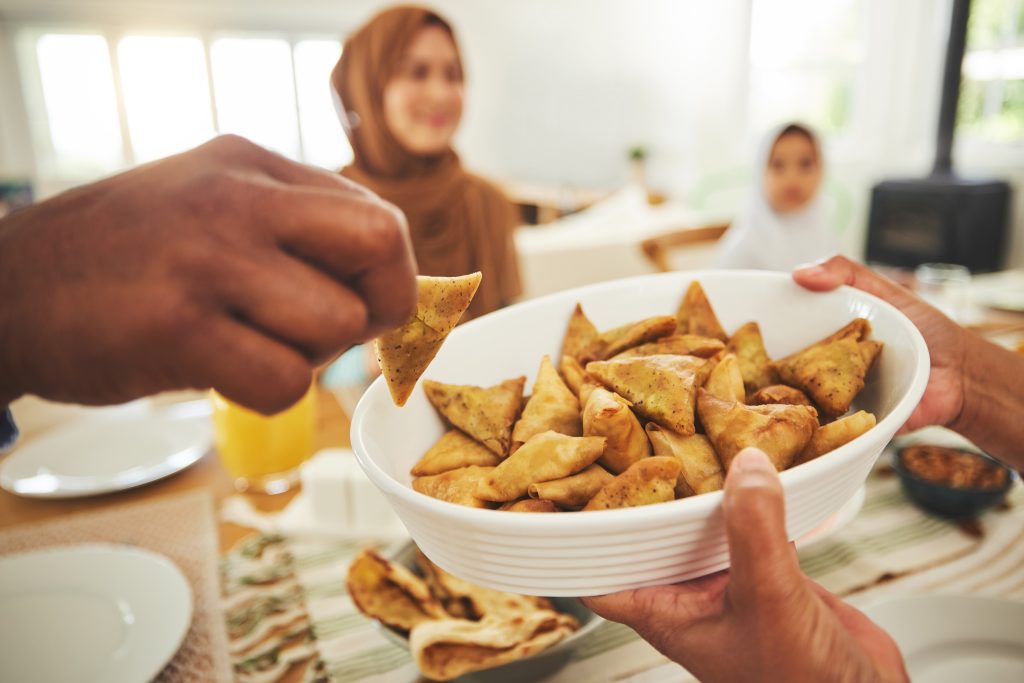
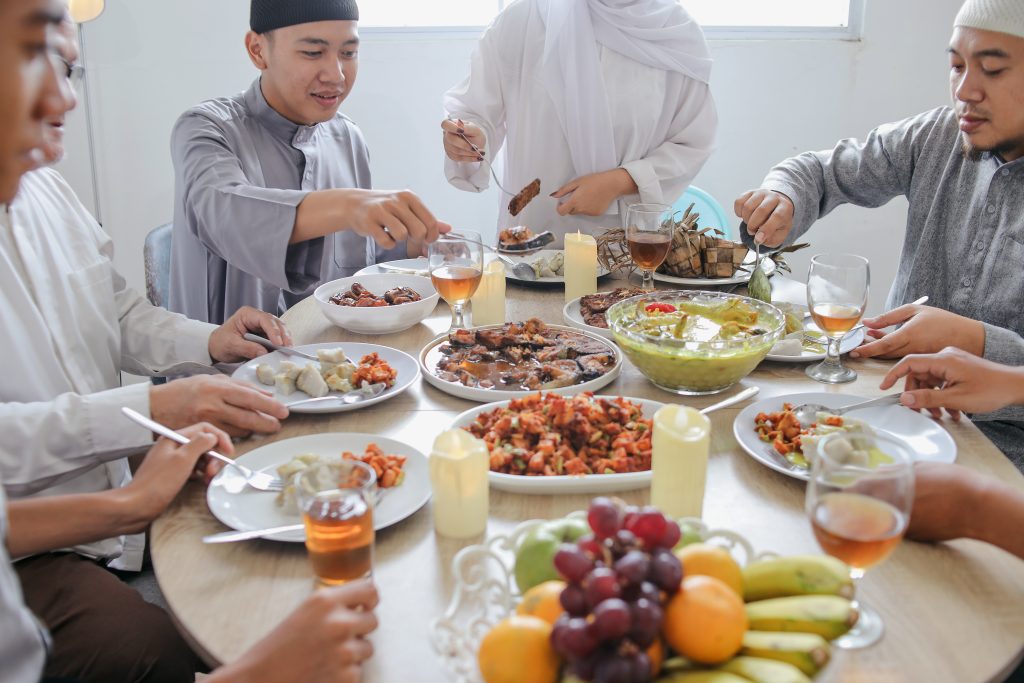
Hospitality: Serving meat to guests reflects generosity and social bonds.
-
Charity: Distributing meat to the needy ensures community well-being.
-
Gratitude: Sharing encourages appreciation for Allah’s blessings and promotes ethical consumption.
The Prophet ﷺ himself practiced sharing meat during celebrations, sacrifices, and meals, teaching Muslims to combine nourishment with compassion.
7. Practical Applications Today
Following the Prophetic guidance on meat consumption can be applied through:
-
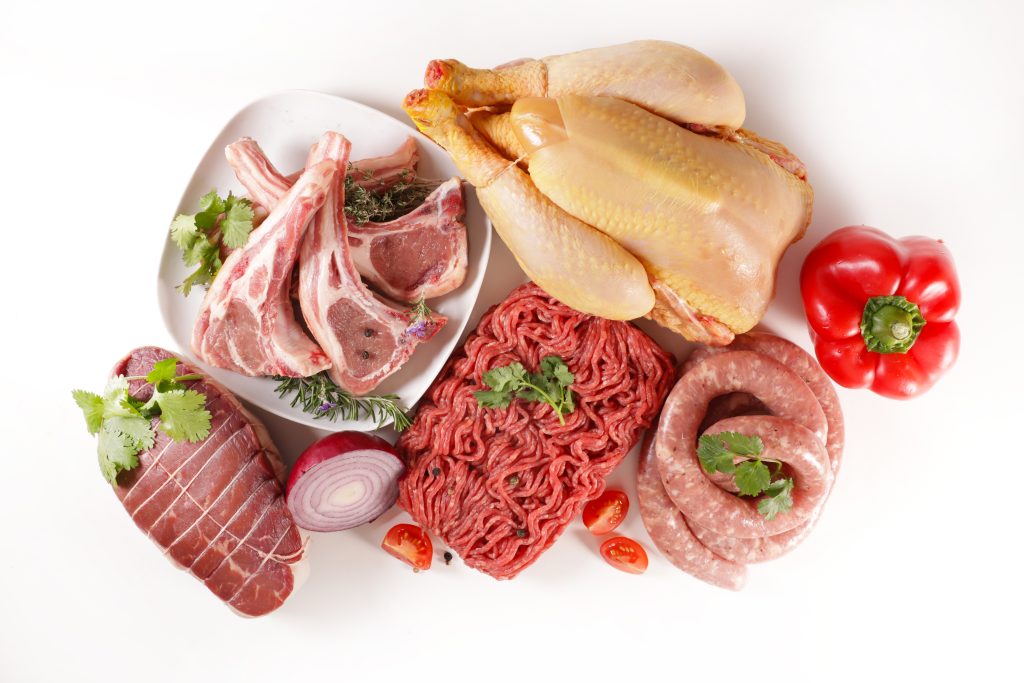
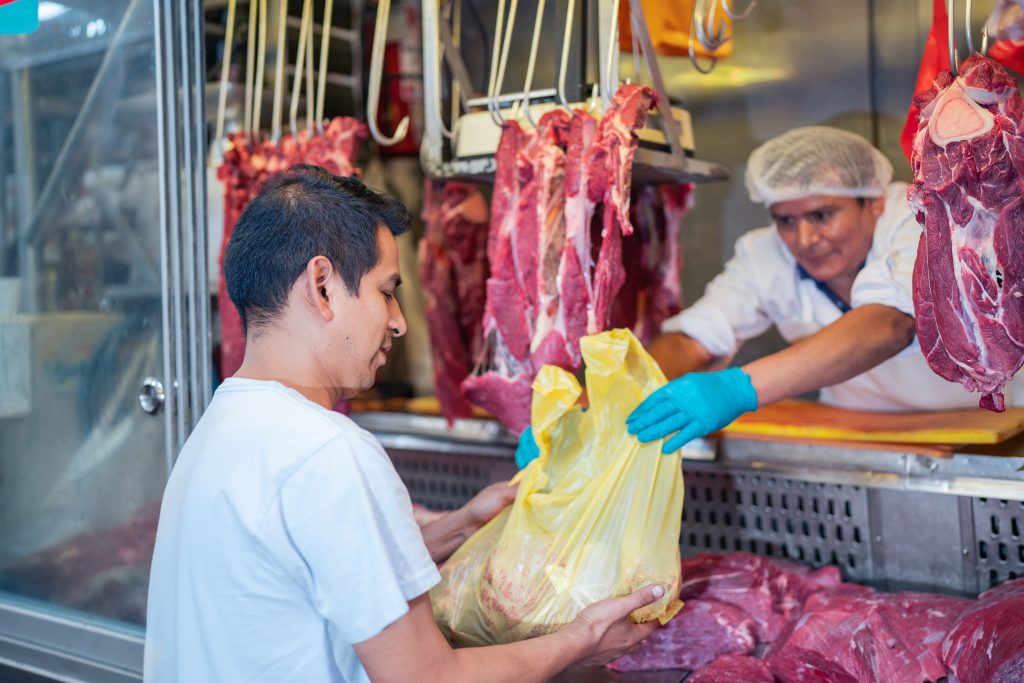
Choosing Halal Meat: Opt for Zabiha-certified meat that meets halal and tayyib standards.
-
Moderate Portions: Incorporate meat into meals thoughtfully without overindulgence.
-
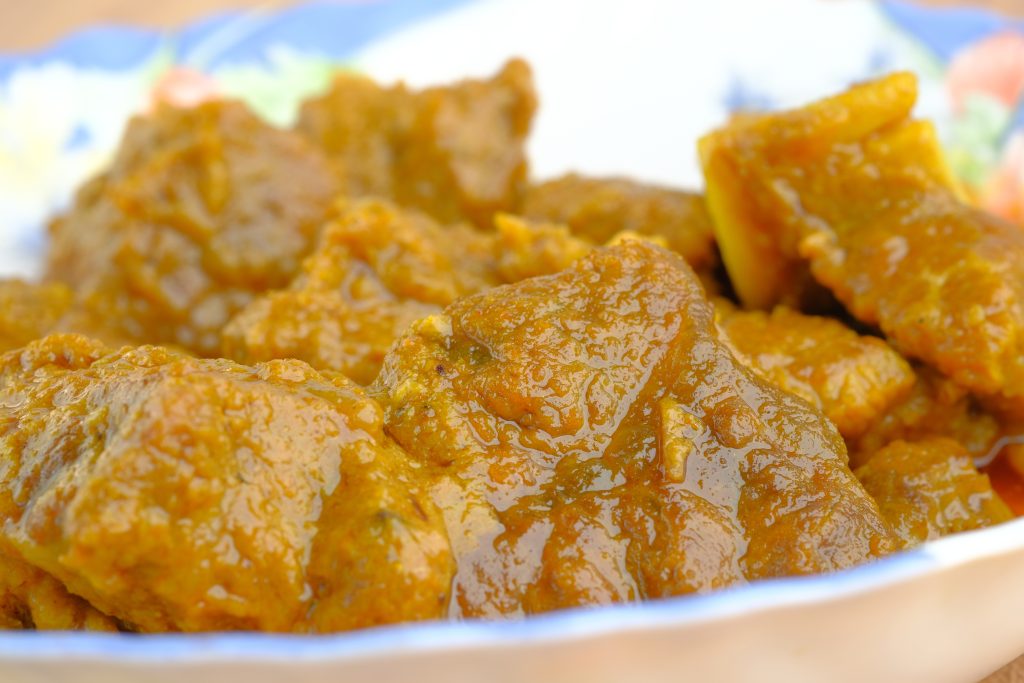
Ethical Preparation: Use humane methods and maintain hygiene when cooking.
-
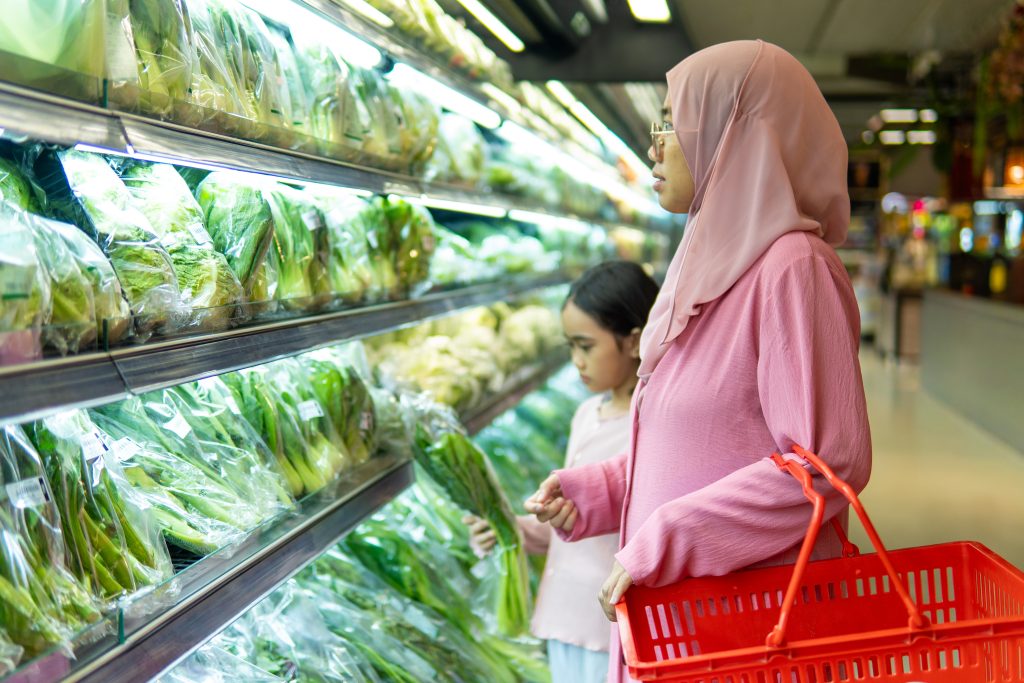
Balanced Meals: Pair meat with vegetables, grains, and legumes for nutritional balance.
-
Mindful Eating: Eat with gratitude, avoid wastage, and remember the blessings of Allah.
-
Sharing and Charity: Provide portions to family, friends, or those in need.
These practices honor both the ethical and spiritual dimensions of meat consumption.
8. Health Benefits in Light of Prophetic Teachings
-
Protein for Strength: Supports muscle development and physical activity.
-
Iron and Vitamins: Essential for energy, immunity, and cognitive function.
-
Mindful Dieting: Moderate consumption aligns with weight management and digestive health.
-
Ethical and Spiritual Fulfillment: Choosing halal and tayyib meat enhances mental well-being and gratitude.
Combining these benefits ensures meat consumption is healthy, balanced, and spiritually aligned.
9. Conclusion
The Prophetic teachings on meat consumption provide a comprehensive guide:
-
Eat meat that is halal, tayyib, and ethically sourced.
-
Practice moderation and avoid excess.
-
Maintain cleanliness and humane handling during preparation.
-
Share meat to foster generosity and social responsibility.
-
Pair meat with a balanced diet to ensure optimal health.
By following these teachings, Muslims can enjoy nutritious, ethical, and spiritually fulfilling meals. Incorporating Zabiha meat from reputable farms ensures compliance with both halal standards and the Prophetic emphasis on wholesome, beneficial meat.
Meat consumption becomes not just nourishment for the body, but also a means of gratitude, ethical practice, and mindful living, reflecting the Prophetic guidance in every bite.