



































Etiquettes of Sharing Food: Following Islamic Teachings

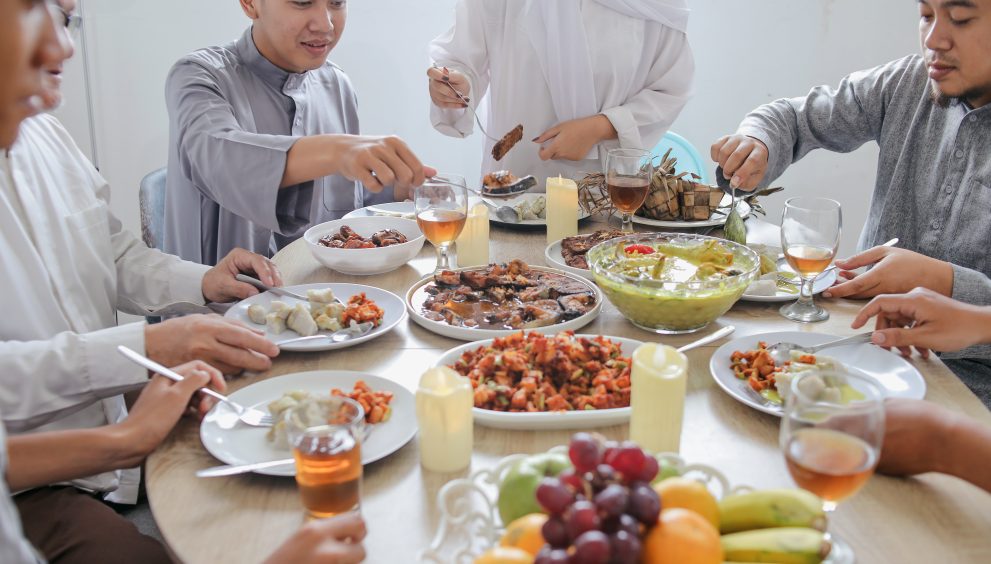
Sharing food is more than a simple act of generosity in Islam; it is a spiritual, social, and ethical practice. The Prophet Muhammad ﷺ emphasized that sharing meals strengthens family bonds, community ties, and spiritual gratitude. Observing proper etiquettes ensures that food is shared respectfully, ethically, and in line with Islamic teachings.
This blog explores the importance, etiquettes, and practical ways to share food, particularly emphasizing halal and tayyib practices.
1. The Importance of Sharing Food in Islam
Sharing food is deeply rooted in the Quran and Sunnah:
-
Spiritual Rewards: The Prophet ﷺ said:
“The best of you are those who feed others.” (Sunan Al-Tirmidhi) -
Strengthening Relationships: Sharing meals fosters friendship, hospitality, and family bonds.
-
Encouraging Gratitude: Both the giver and the receiver are reminded of Allah’s blessings.
Sharing food is therefore not just charity—it is an act of faith, kindness, and social harmony.
2. Sunnah Etiquettes of Sharing Food
The Prophet ﷺ provided guidelines and manners to ensure sharing is respectful and spiritually meaningful.
2.1 Offer Food First to Others
-
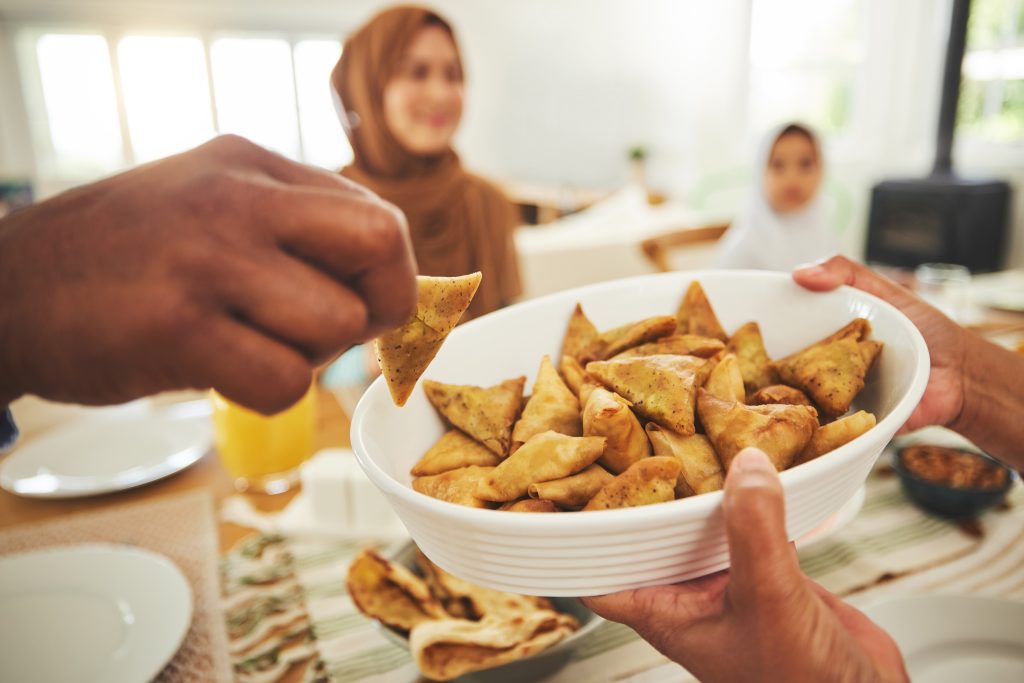
Etiquette: When serving, offer food to guests, children, and elders before oneself.
-
Prophetic Practice: The Prophet ﷺ would prioritize others, demonstrating humility and generosity.
-
Practical Tip: At gatherings, ensure everyone has been served before starting to eat.
2.2 Eat Together When Possible
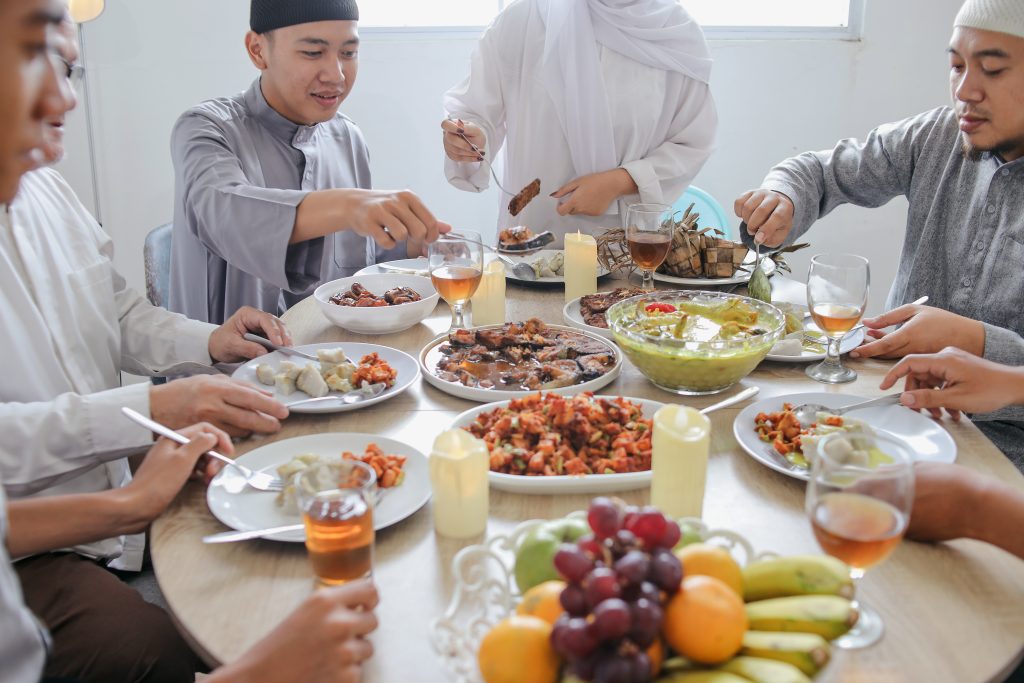
-
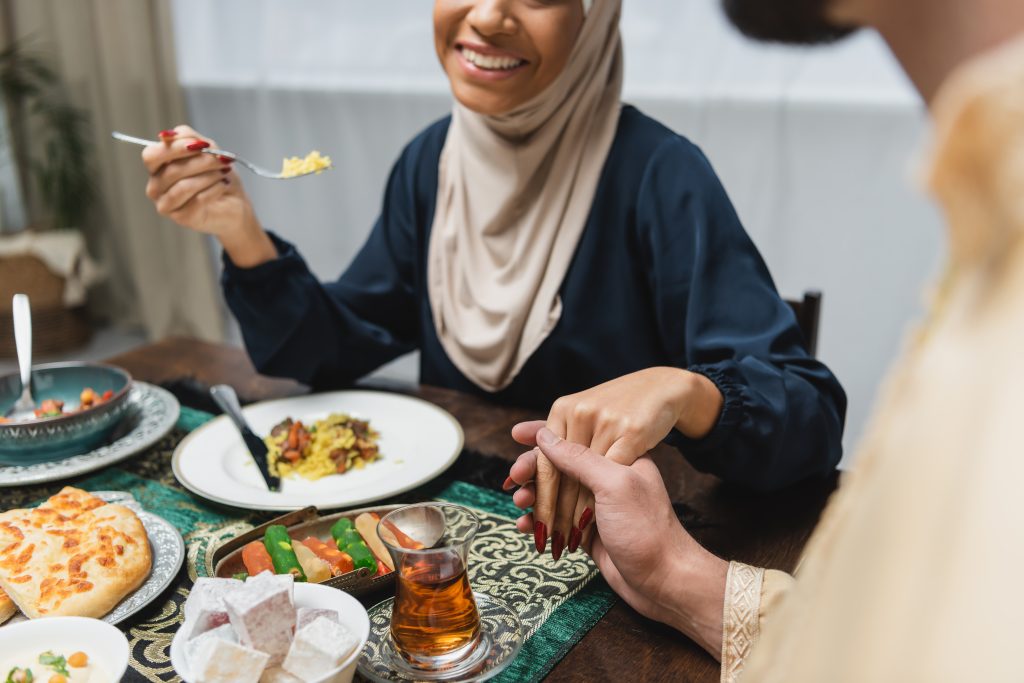
Encouragement: The Prophet ﷺ preferred communal eating over solitary meals.
-
Benefits: Encourages conversation, bonding, and sharing blessings.
-
Practical Tip: Organize meals with family or community, even if virtually during modern times.
2.3 Serve Food Respectfully
-
Portion Control: Serve reasonable portions to avoid waste.
-
Cleanliness: Ensure utensils and serving dishes are clean and hygienic.
-
Presentation: Present food attractively to show care and respect for recipients.
2.4 Include Everyone
-
Equality: Avoid favoritism; share food with all present, especially those in need.
-
Prophetic Guidance: He ﷺ would distribute meat from sacrifices fairly, ensuring everyone had a portion.
2.5 Eat Modestly When Sharing
-
Avoid rushing or eating excessively while others are waiting.
-
Maintain polite conversation and avoid complaining about the food.
3. Sharing Food with the Needy
Charity and compassion are key in sharing food:
-
Hadith: The Prophet ﷺ said:
“He is not a believer whose stomach is filled while the neighbor to his side goes hungry.” (Al-Adab Al-Mufrad) -
Practical Applications:
-
Donate leftover halal meals to orphans, the poor, or community kitchens.
-
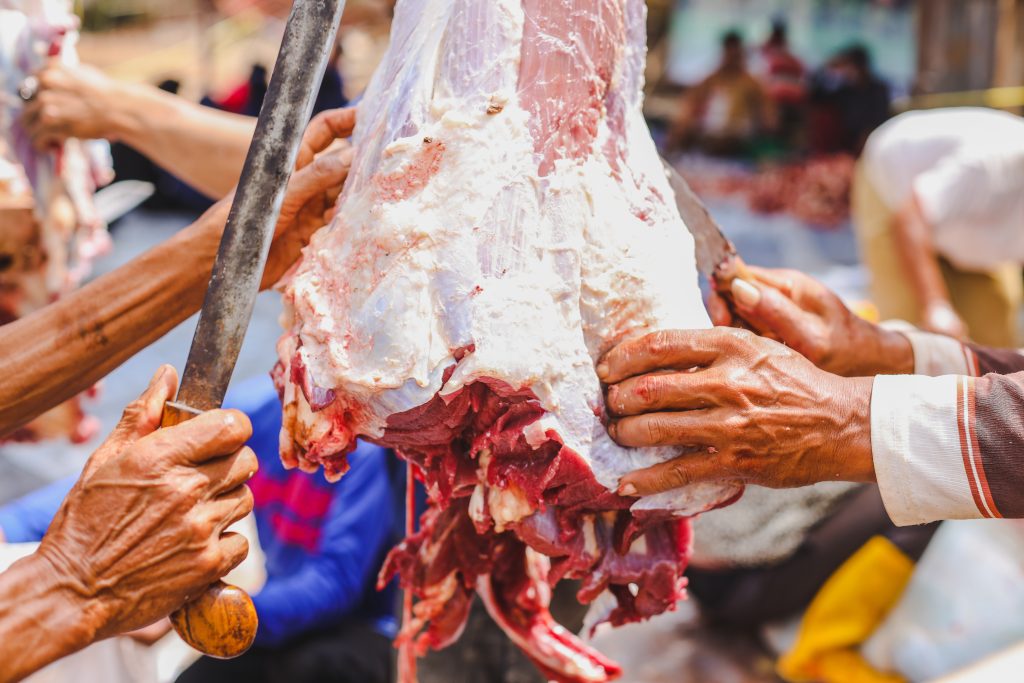
Share during religious festivals like Eid-ul-Adha, giving portions of Zabiha meat to those in need.
-
Encourage family members to participate in giving, teaching children generosity.
-
This ensures that food sharing is both spiritual and socially impactful.
4. Prophetic Guidance on Sharing Meat
The Prophet ﷺ emphasized ethical and mindful sharing, particularly with meat:
-
Sacrificial Meat (Qurbani): Distribute to family, neighbors, and the poor to fulfill both religious and social obligations.
-
Balanced Portions: He ﷺ would divide meat fairly to ensure everyone had a share.
-
Clean and Halal: Ensure that shared meat is halal, tayyib, and safely prepared.
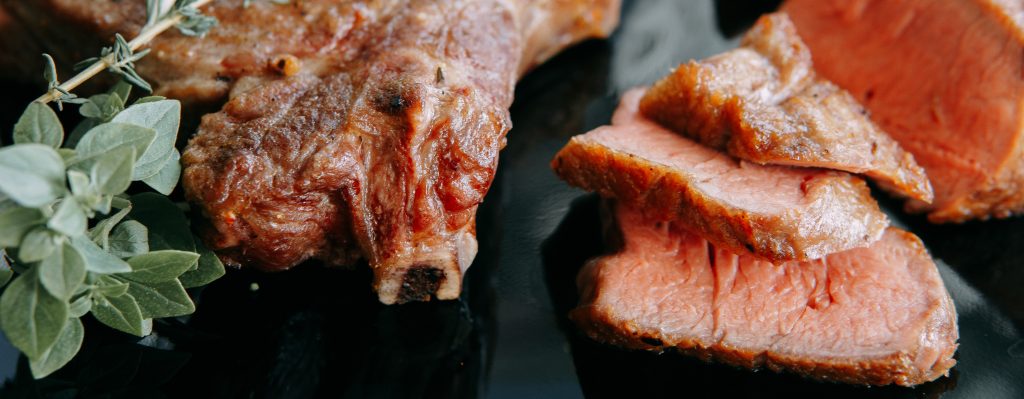
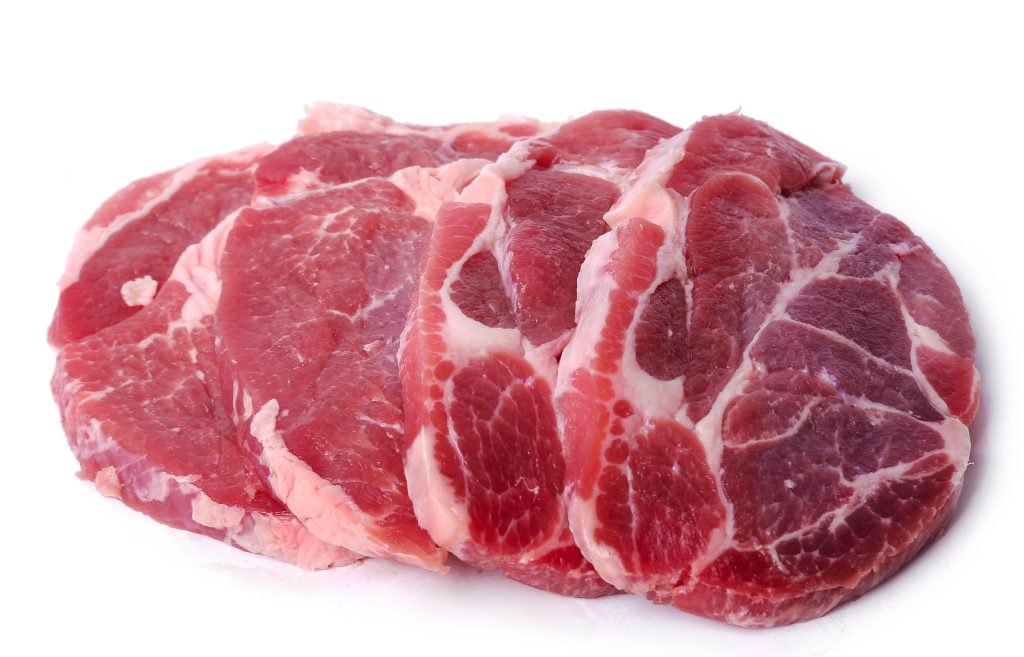
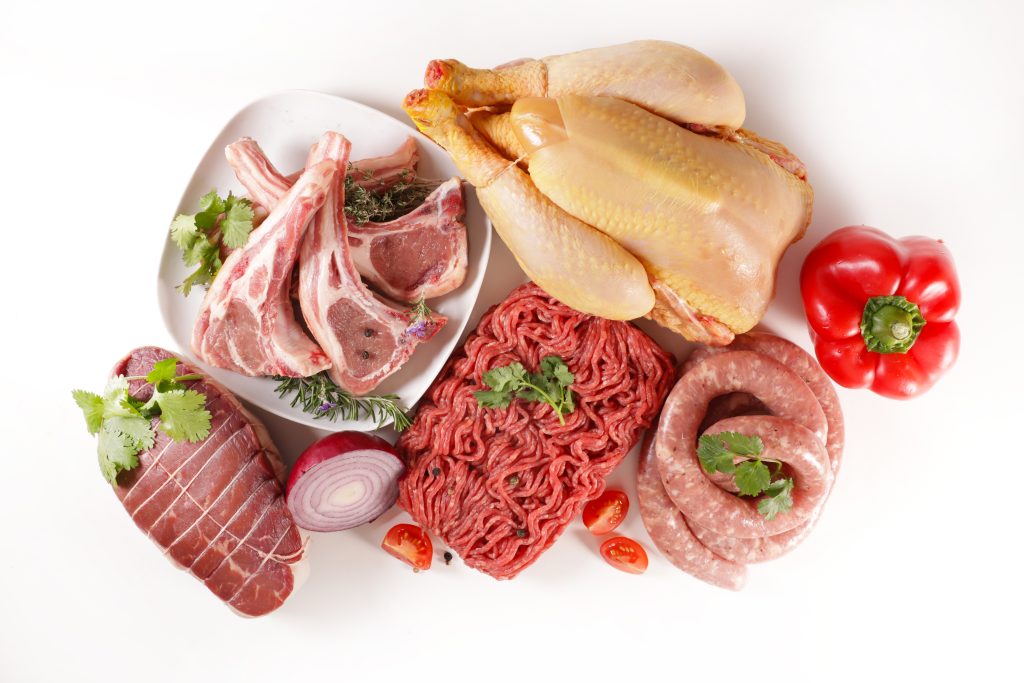
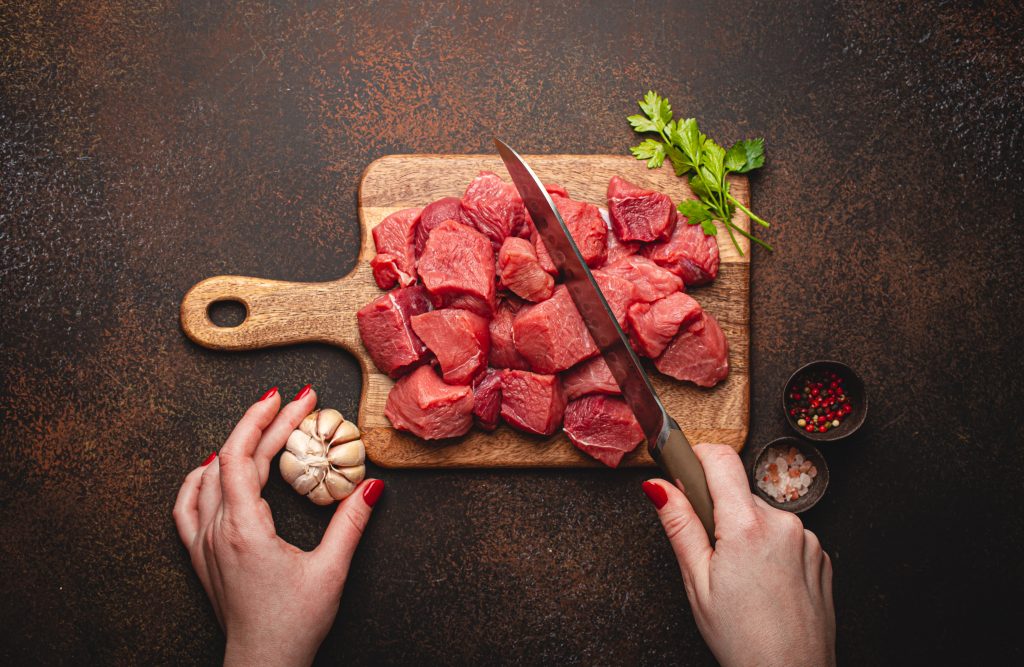
Zabiha meat today represents an ideal example of halal meat that can be shared according to Sunnah.
5. Spiritual Benefits of Sharing Food
-
Rewards from Allah: Every act of feeding others carries spiritual reward.
-
Gratitude: Both giver and recipient recognize Allah’s blessings.
-
Strengthened Community: Sharing builds trust, harmony, and friendship.
-
Ethical Consumption: Encourages mindful eating and avoiding waste.
Sharing food transforms an ordinary meal into an act of worship and ethical practice.
6. Practical Tips for Sharing Food Today
6.1 Home Meals
-
Prepare extra portions for guests or neighbors.
-
Use Zabiha meat and wholesome ingredients to ensure meals are halal and tayyib.
6.2 Community Events
-
Serve communal meals at mosques, schools, or charity events.
-
Organize potlucks or shared meals, encouraging participation from all members.
6.3 Festivals and Special Occasions
-
During Eid or Ramadan, share meat, sweets, and meals with neighbors, family, and the less fortunate.
-
Ensure that meat is properly prepared, hygienic, and portioned fairly.
6.4 Workplace Sharing
-
Bring halal snacks or meals to colleagues, promoting goodwill and ethical sharing.
6.5 Teaching Children
-
Involve children in portioning, distributing, and giving food to instill values of generosity and empathy.
7. Etiquettes to Avoid While Sharing
-
Do Not Force Others: Offer respectfully, allowing people to accept or decline.
-
Avoid Waste: Serve reasonable amounts and store leftovers properly.
-
Avoid Favoritism: Treat all recipients equally.
-
Maintain Cleanliness: Shared food should be handled hygienically.
Following these etiquettes ensures that food sharing is both respectful and spiritually rewarding.
8. Modern Applications
In today’s world:
-
Meal Prep & Sharing: Prepare meals in advance to donate or share with those in need.
-
Ethical Sourcing: Use halal and ethically sourced meat to ensure food aligns with Islamic teachings.
-
Community Kitchens: Participate in local soup kitchens or charity food drives.
-
Digital Platforms: Organize virtual campaigns for food distribution in communities.
Modern tools make it easier to follow Sunnah practices of sharing food globally.
9. Conclusion
Sharing food is a holistic practice in Islam that combines:
-
Spiritual rewards for the giver and gratitude for the receiver
-
Ethical responsibility through fair portions and hygiene
-
Community building by fostering friendship, generosity, and empathy
-
Mindful consumption ensuring food is halal, tayyib, and not wasted
By following the Prophetic etiquettes, every meal becomes more than nourishment—it becomes an act of worship, kindness, and social responsibility. Whether sharing Zabiha meat during Eid, preparing meals for neighbors, or simply offering a portion of your daily meal, these practices strengthen faith, relationships, and ethical living.