






























Daily Life of Our Livestock at Zabiha Farms

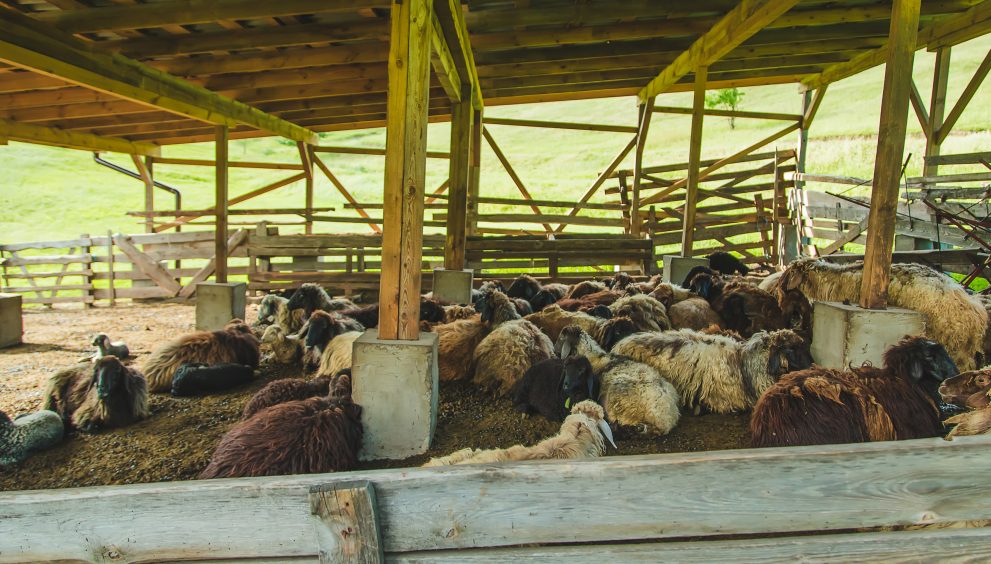
At Zabiha Farms, our commitment to halal meat goes hand in hand with ethical and humane care for our animals. Every day, our livestock experience an environment designed for health, comfort, and natural behavior, reflecting both faith-based principles and modern animal welfare practices.
Understanding the daily life of our animals provides insight into why Zabiha meat is nutritious, safe, and ethically sourced. From feeding and grazing to enrichment and health care, every aspect of their day is thoughtfully managed to support their well-being and ensure high-quality meat for your family.
1. Morning Routine: Care and Feeding
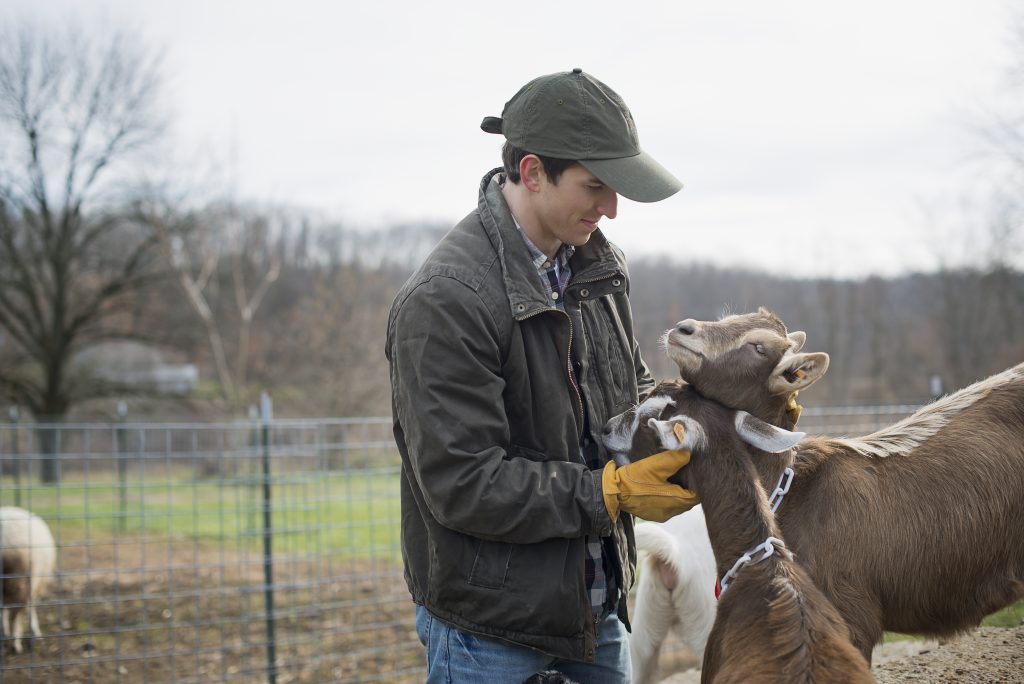
The day for our livestock begins with gentle care and feeding, a crucial part of maintaining their health:
-
Fresh, clean water is provided at the start of the day to ensure proper hydration.
-
Balanced feed, often including grains, vegetables, and natural supplements, is given to meet nutritional needs.
-
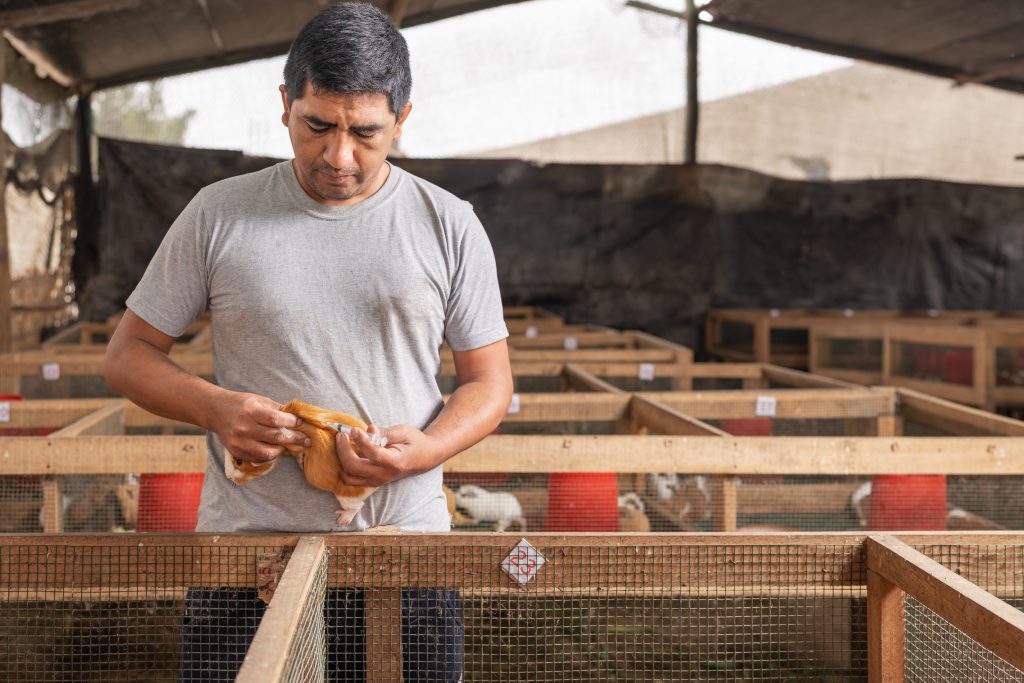
Animals are observed for signs of illness, stress, or injury, and any issues are addressed promptly by trained staff.
Starting the day with proper nutrition and care sets the stage for healthy growth and well-being, which is reflected in the quality of the meat.
2. Grazing and Outdoor Activity
Natural behavior is a key aspect of humane livestock management:
-
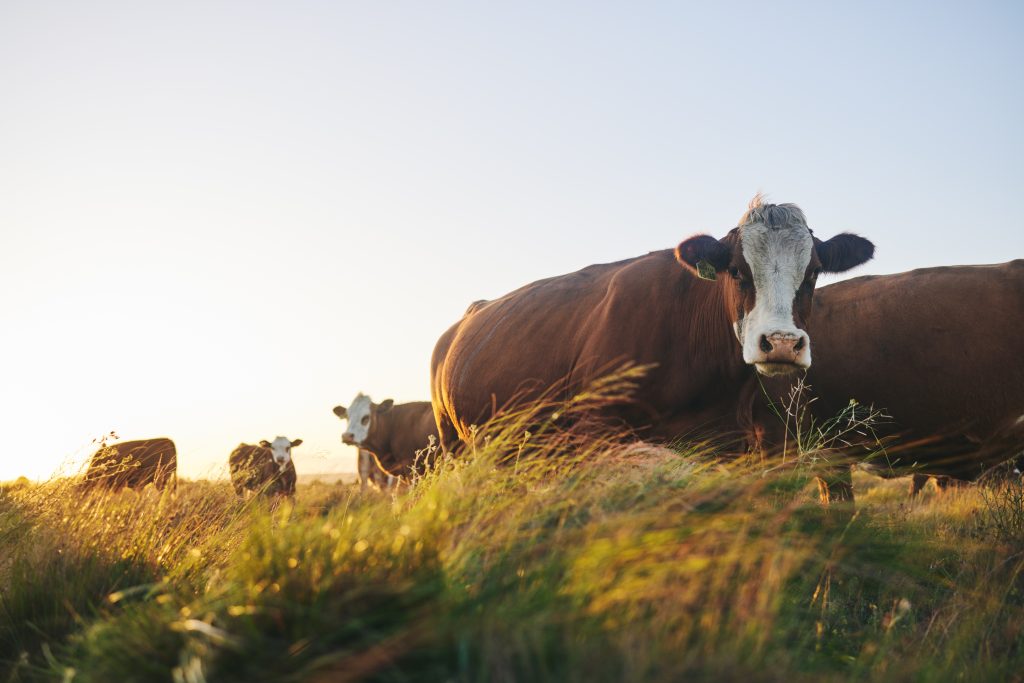
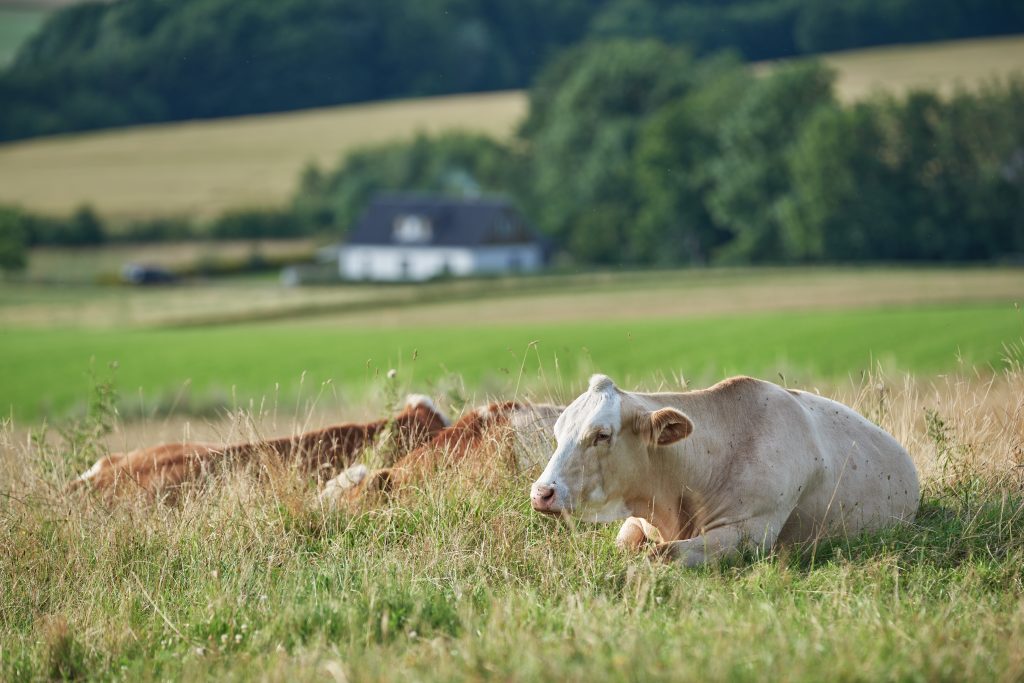
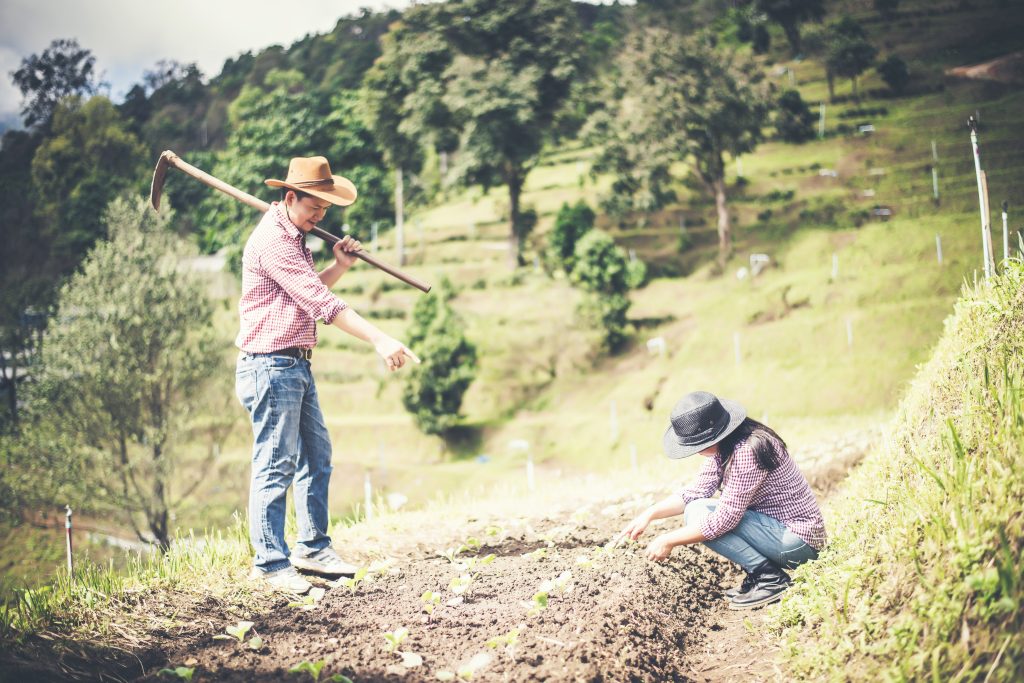
Livestock are allowed to graze in open, spacious pastures, supporting natural feeding instincts.
-
Grazing encourages movement, exercise, and social interaction, which improves muscle development and overall health.
-
Outdoor time provides fresh air, sunlight, and natural stimulation, contributing to stronger immune systems.
Grazing and physical activity are essential for stress reduction and healthy meat production.
3. Midday Health Checks
During the day, health monitoring and maintenance are prioritized:
-
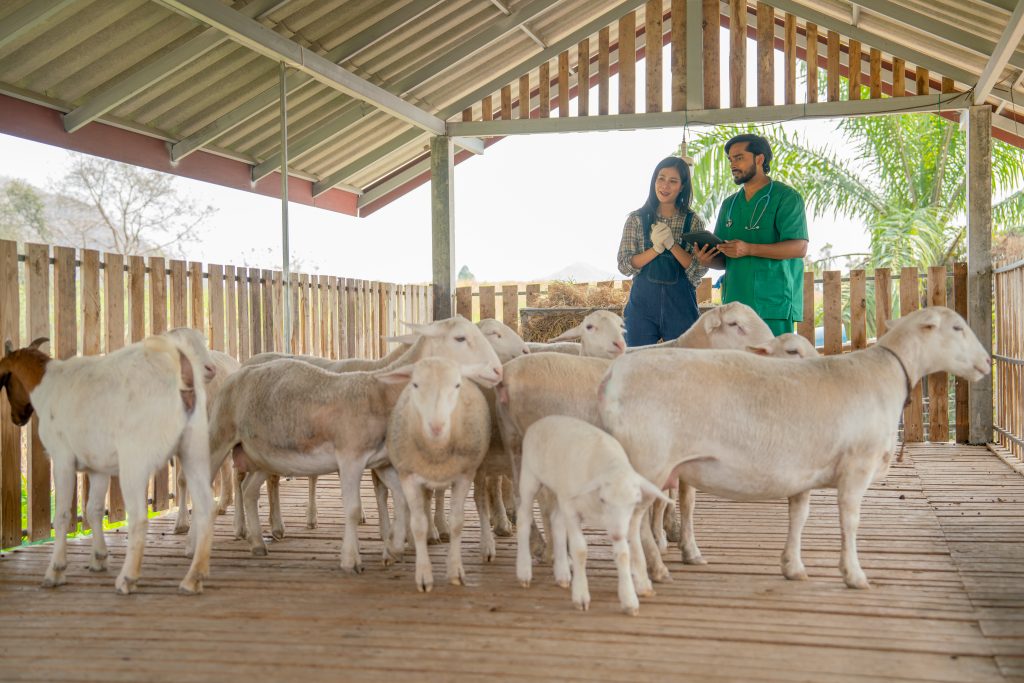
Veterinarians or trained staff check animals for signs of illness or discomfort.
-
Preventive care includes vaccinations, parasite control, and hoof care.
-
Early detection of issues ensures animals remain healthy and stress-free, reducing the risk of disease.
Midday checks help maintain optimal health, ensuring that meat is safe, nutritious, and high-quality.
4. Social Interaction and Enrichment
Social behavior is an important part of livestock well-being:
-
Animals are housed in groups that allow natural social interaction, reducing stress and promoting mental health.
-
Enrichment activities, such as hay structures, scratching posts, or designated activity areas, stimulate curiosity and reduce boredom.
-
Social and environmental enrichment leads to calmer animals, which positively affects meat tenderness and flavor.
Providing for natural behaviors aligns with humane and ethical farming practices.
5. Evening Routine: Rest and Comfort
Evenings at Zabiha Farms focus on rest and comfort, critical for stress-free living:
-
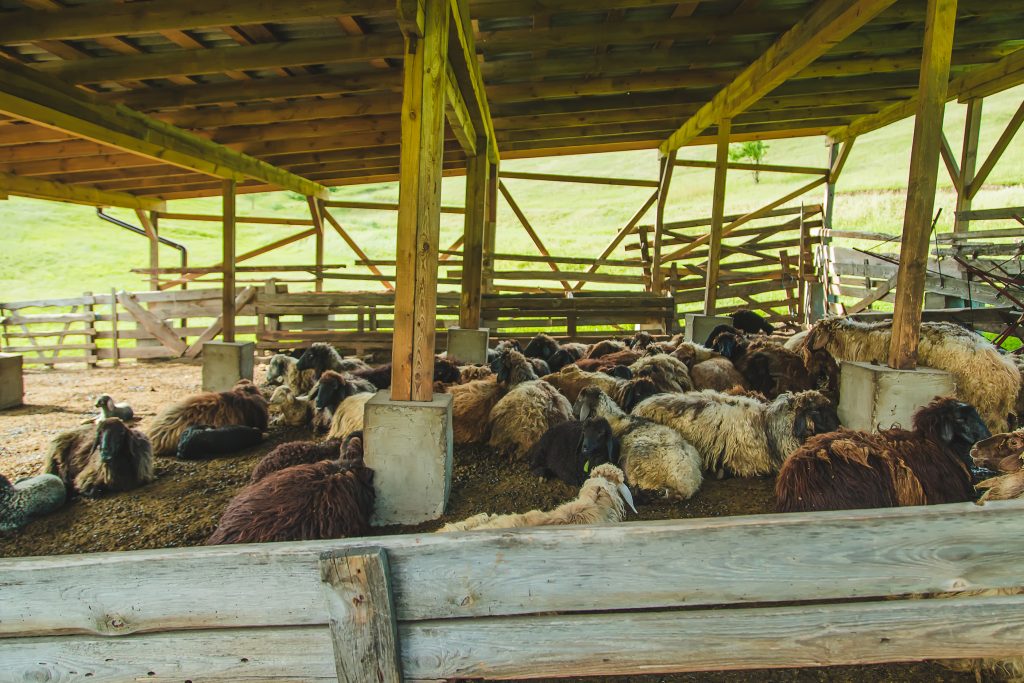
Animals are moved to clean, safe shelters that protect them from harsh weather conditions.
-
Bedding is maintained to ensure comfort and hygiene, reducing the risk of infections or injuries.
-
Quiet environments help animals sleep and digest feed properly, supporting growth and overall health.
Adequate rest and comfort are essential for healthy, high-quality livestock.
6. Nutrition and Balanced Feeding
Nutrition is carefully managed throughout the day:
-
Feed is customized for age, breed, and health status, ensuring animals receive the right balance of proteins, vitamins, and minerals.
-
Grass-fed or organic diets improve meat flavor, tenderness, and nutritional content.
-
Feeding schedules reduce stress and support digestive health, leading to more wholesome meat.
Balanced nutrition ensures animals thrive physically and produce premium, nutrient-rich meat.
7. Cleanliness and Hygiene
Hygiene is a daily priority in livestock care:
-
Pens, feeding areas, and water troughs are cleaned and sanitized regularly.
-
Manure management systems ensure healthy living conditions and prevent contamination.
-
Regular hygiene practices reduce the risk of disease and ensure meat safety for consumers.
A clean environment is a cornerstone of ethical, halal farming practices.
8. Regular Monitoring and Record-Keeping
Tracking the daily life of livestock is key to maintaining quality and ethical standards:
-
Staff maintain detailed records of feeding, health checks, growth, and behavior.
-
Data-driven monitoring allows for early intervention and better farm management.
-
Record-keeping supports traceability and transparency, ensuring consumers know the source and quality of their meat.
Monitoring daily activities ensures livestock are healthy, stress-free, and ethically raised.
9. Integration of Faith-Based Practices
Daily life at Zabiha Farms is guided by Islamic principles:
-
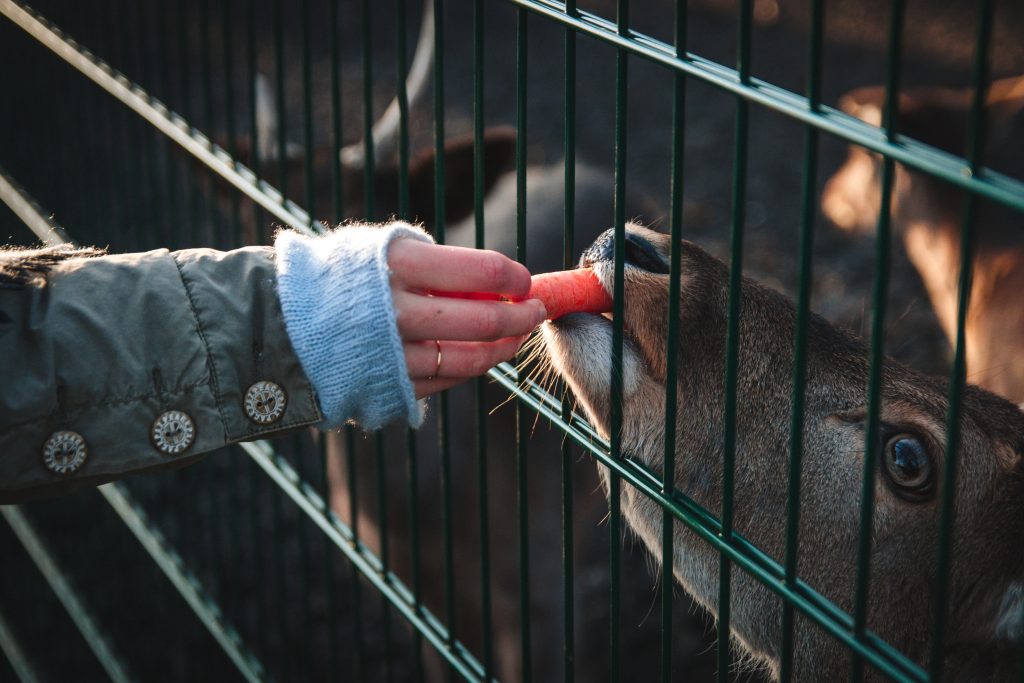
Animals are treated with kindness, respect, and compassion at every stage of their lives.
-
Ethical handling and humane treatment are emphasized, reflecting Prophetic teachings on animal welfare.
-
Faith-based practices ensure that animals are physically and spiritually cared for, producing halal meat that meets religious standards.
Integrating faith into daily care ensures meat integrity, ethical compliance, and consumer trust.
10. Impact on Meat Quality
The way livestock are cared for daily directly influences meat quality:
-
Stress-free, healthy animals produce tender, flavorful, and nutrient-rich meat.
-
Proper nutrition and hydration support lean muscle development and balanced fat content.
-
Clean, hygienic living conditions reduce contamination risk, enhancing food safety.
Daily care ensures that every piece of Zabiha Farms meat is wholesome and premium.
11. Community and Consumer Benefits
Our focus on daily livestock care benefits the broader community and consumers:
-
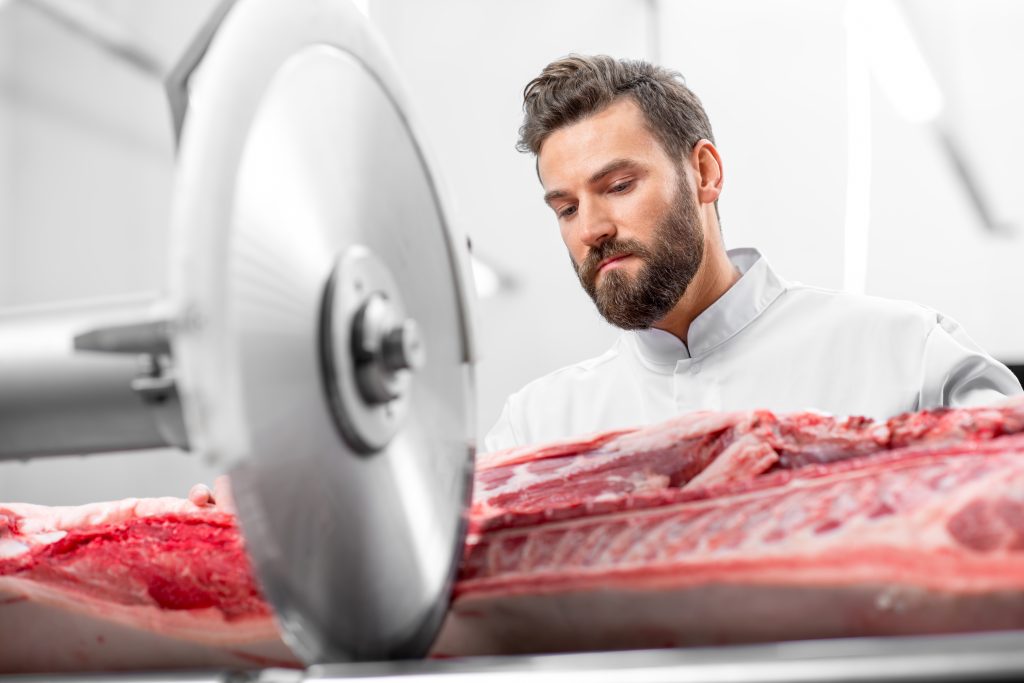
Families receive nutritious, safe, and ethically raised halal meat.
-
Ethical farming supports sustainable practices and environmental stewardship.
-
Educating the public on humane animal care fosters awareness and responsible consumption.
By maintaining high standards in daily livestock care, Zabiha Farms provides value beyond the plate, promoting health, ethics, and sustainability.
Conclusion
The daily life of livestock at Zabiha Farms is a carefully managed balance of nutrition, enrichment, health care, and ethical treatment. Every hour of the day is designed to ensure animals are healthy, stress-free, and thriving, reflecting both Islamic values and modern animal welfare standards.
From morning feeding and grazing to midday health checks and evening rest, each routine contributes to ethical, humane, and sustainable meat production. By focusing on the daily life of our animals, Zabiha Farms guarantees that the meat reaching your plate is nutritious, flavorful, safe, and fully halal.
Choosing Zabiha Farms means choosing meat from animals raised with compassion, integrity, and excellence, ensuring that every meal is a reflection of faith, care, and quality.