



























How to Incorporate Halal Meat in Daily Meals


Eating halal meat isn’t just about following dietary laws—it’s about enjoying high-quality, nutritious, and ethically sourced protein every day. At Zabiha Farms, we provide premium halal meat that is lean, nutrient-rich, and versatile, making it easy to include in balanced daily meals.
In this blog, we explore practical tips, meal ideas, and strategies for incorporating halal meat into your daily diet while maintaining nutrition, flavor, and variety.
1. Understand Your Nutritional Needs
Before planning meals, consider your daily nutritional requirements:
-
Protein: Supports muscle repair, immune function, and energy.
-
Vitamins and Minerals: Iron, zinc, B vitamins, and selenium from meat support overall health.
-
Healthy Fats: Moderate fat intake promotes heart and brain health.
Knowing your needs helps you choose the right cuts and portion sizes for each meal.
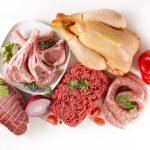
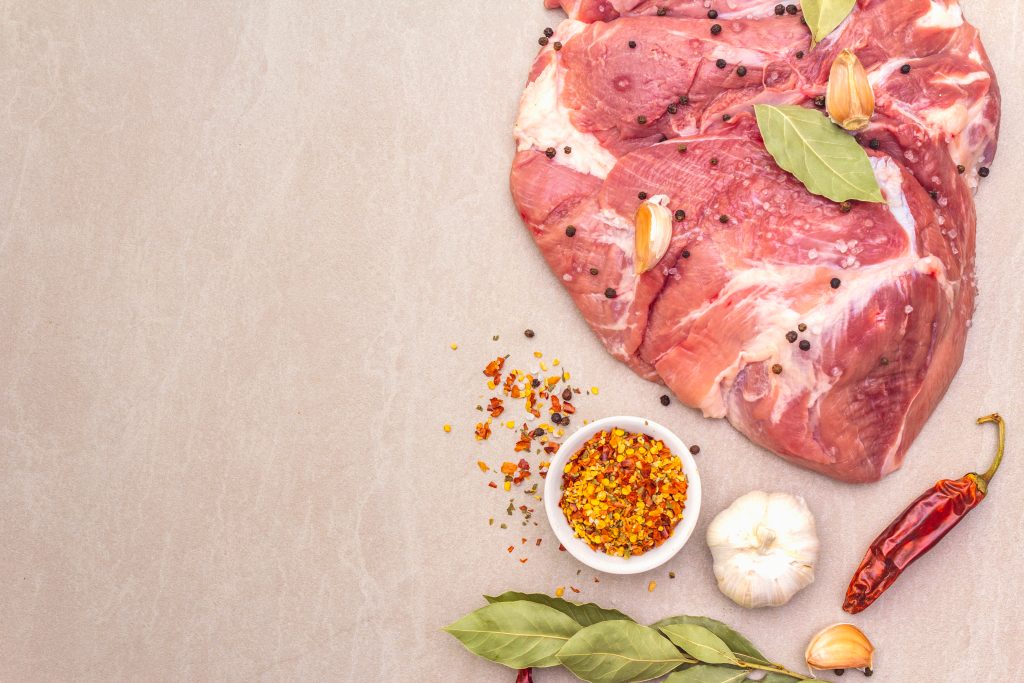
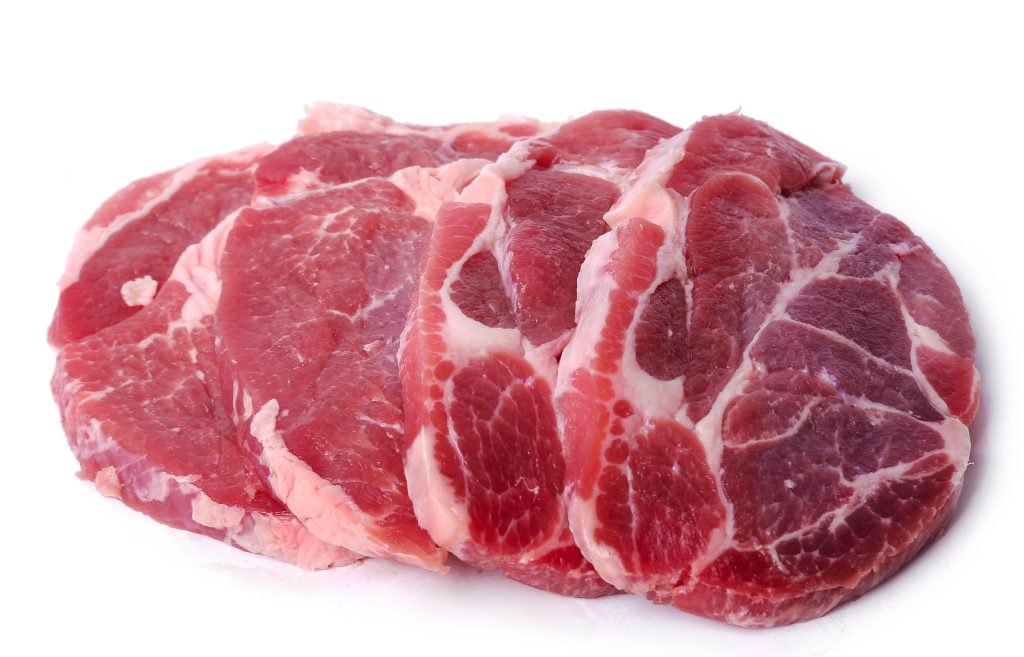
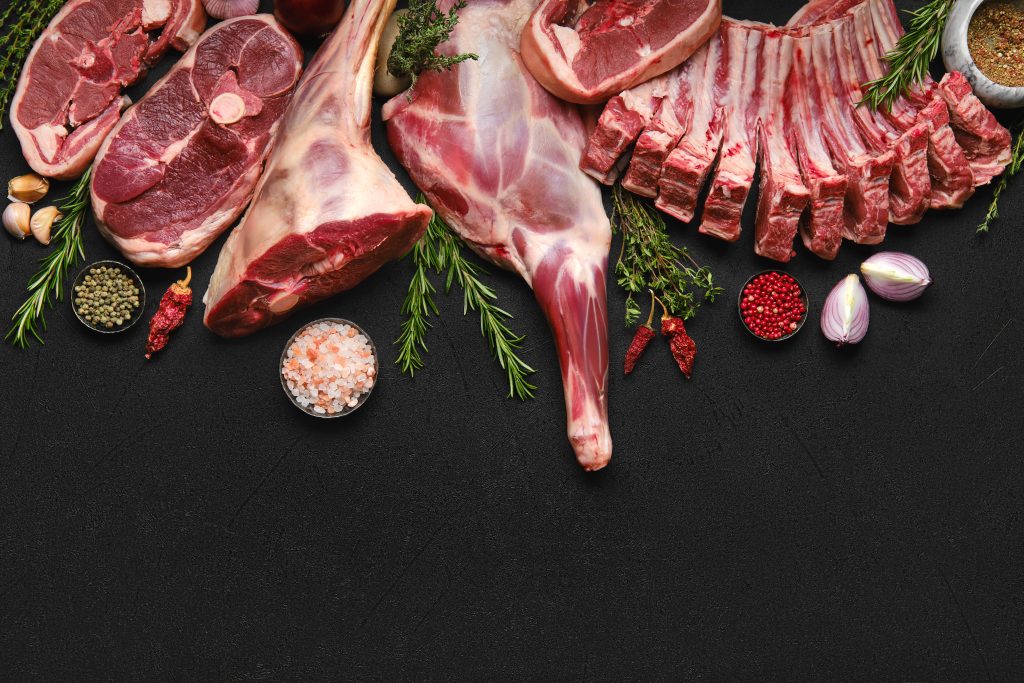
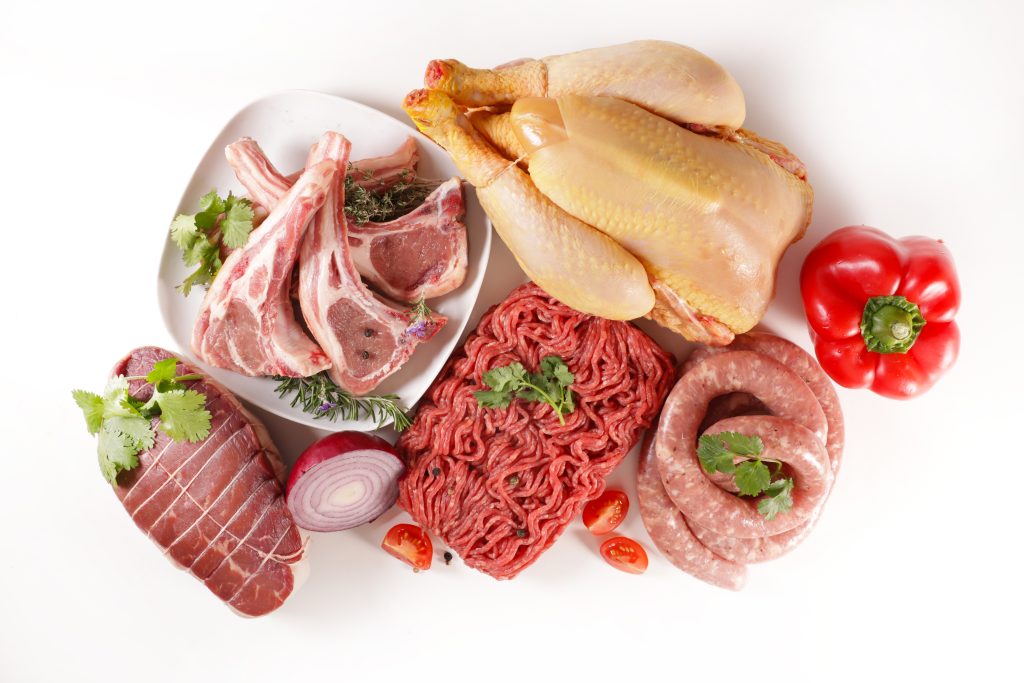
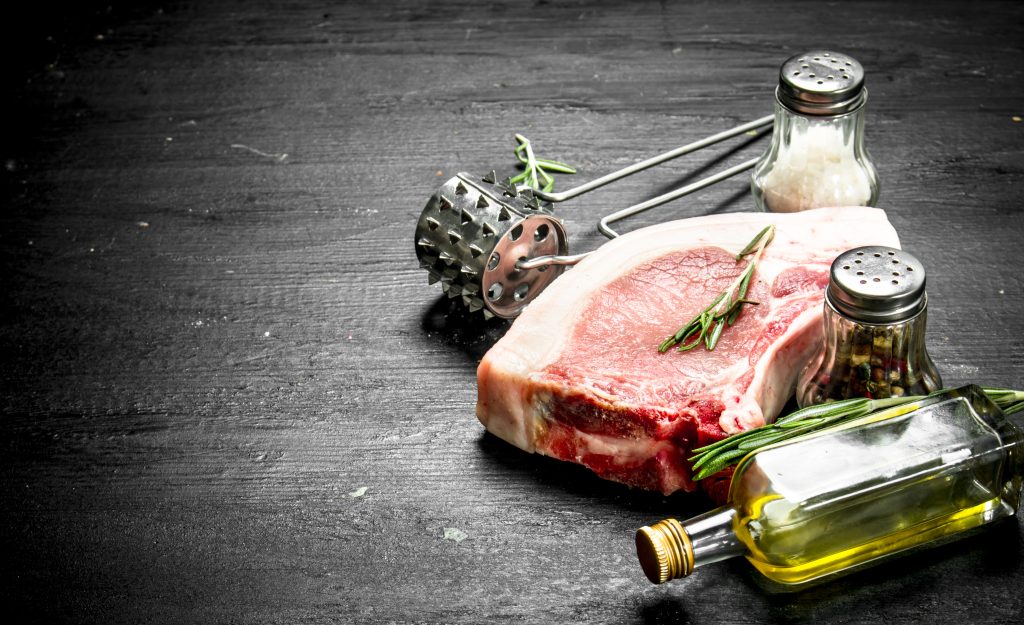
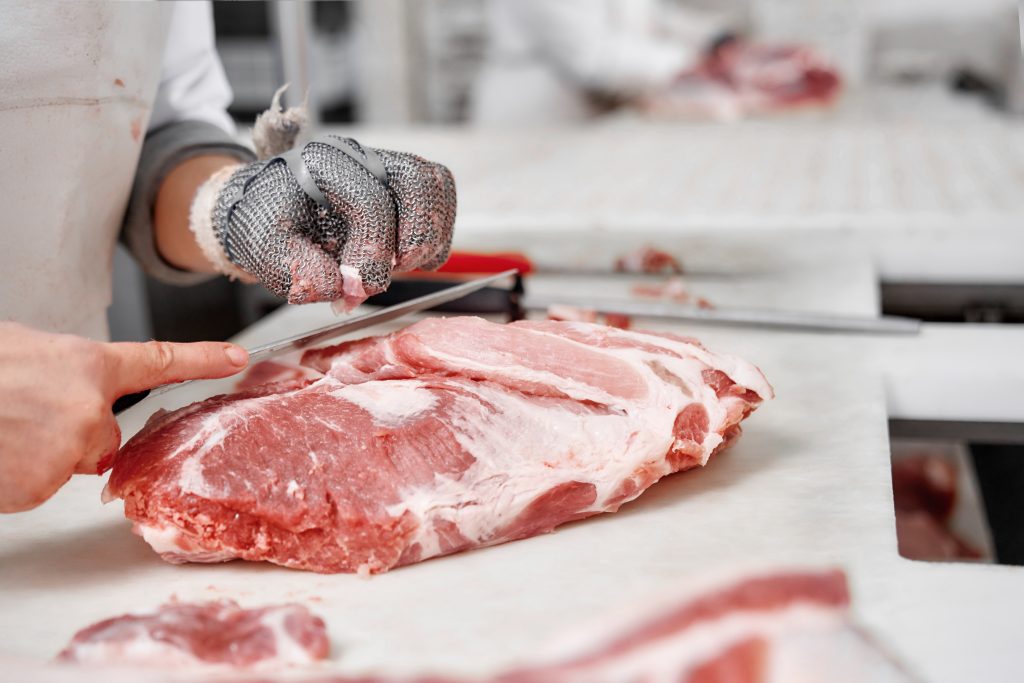
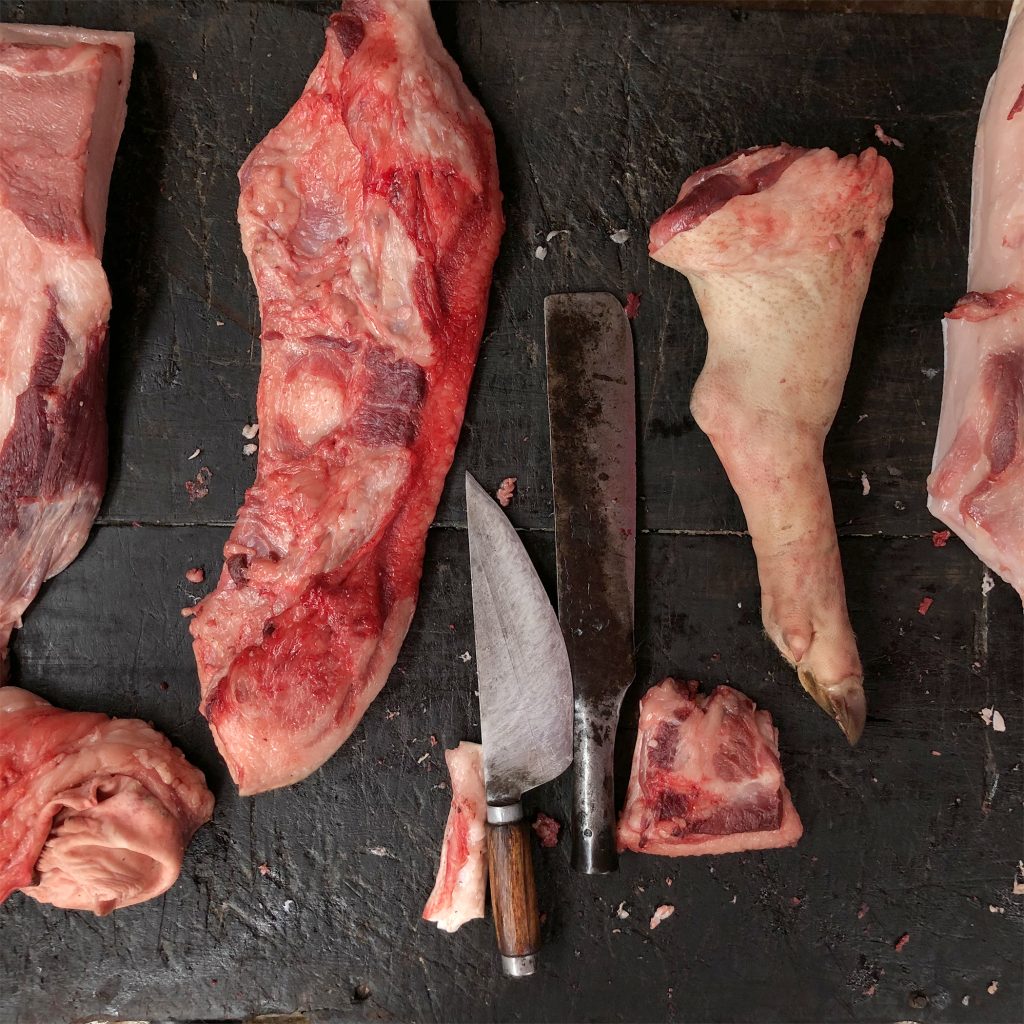
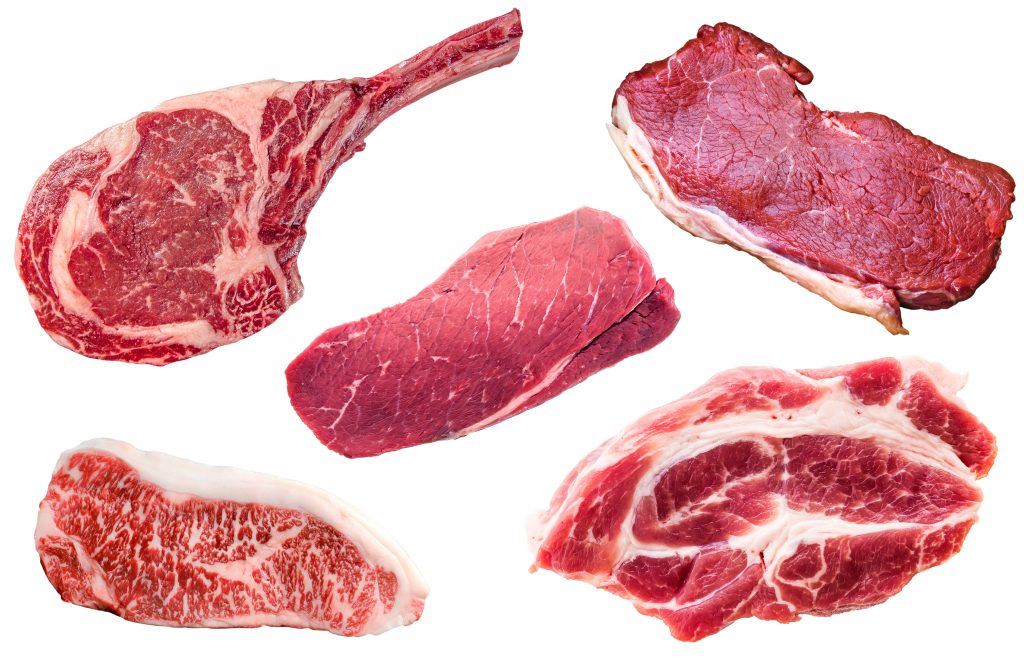
2. Choose the Right Cuts of Halal Meat
Different cuts of meat are suitable for different meals and cooking methods:
-
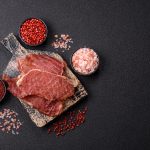
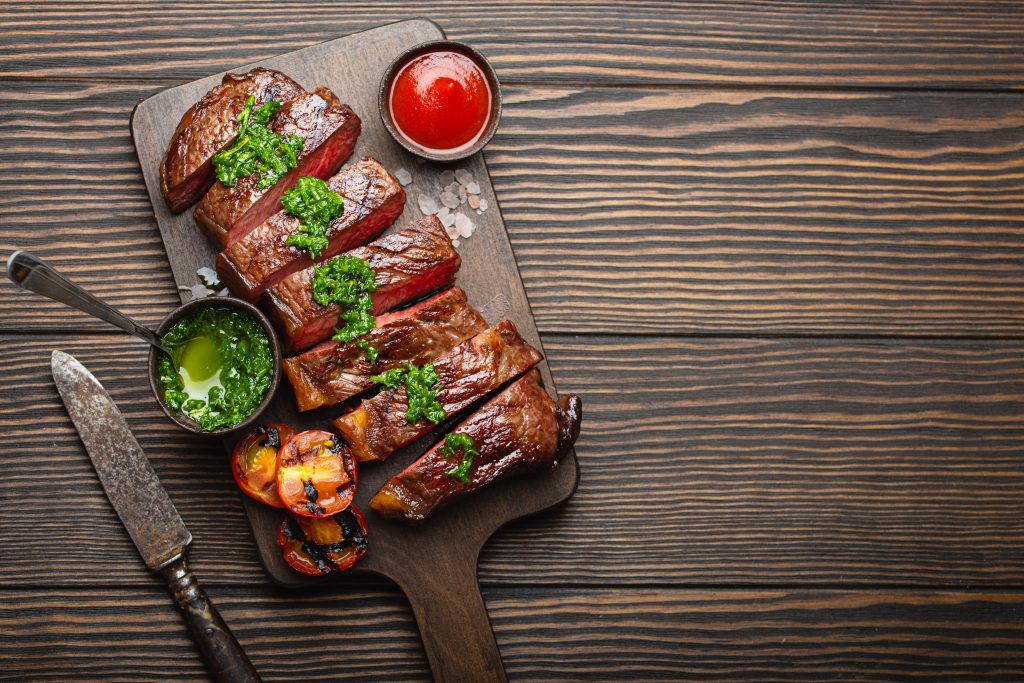
Lean Cuts (Chicken Breast, Sirloin, Goat Loin): Ideal for quick, healthy meals with high protein and low fat.
-
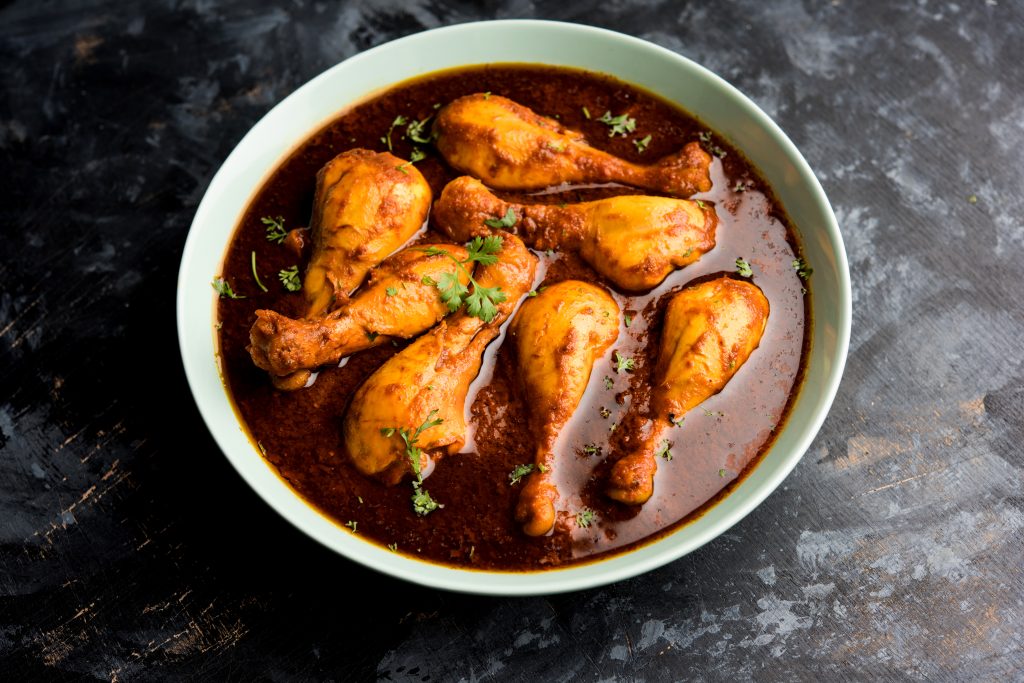
Medium-Fat Cuts (Lamb Shoulder, Chicken Thighs): Great for slow-cooked dishes, stews, or roasts with rich flavor.
-
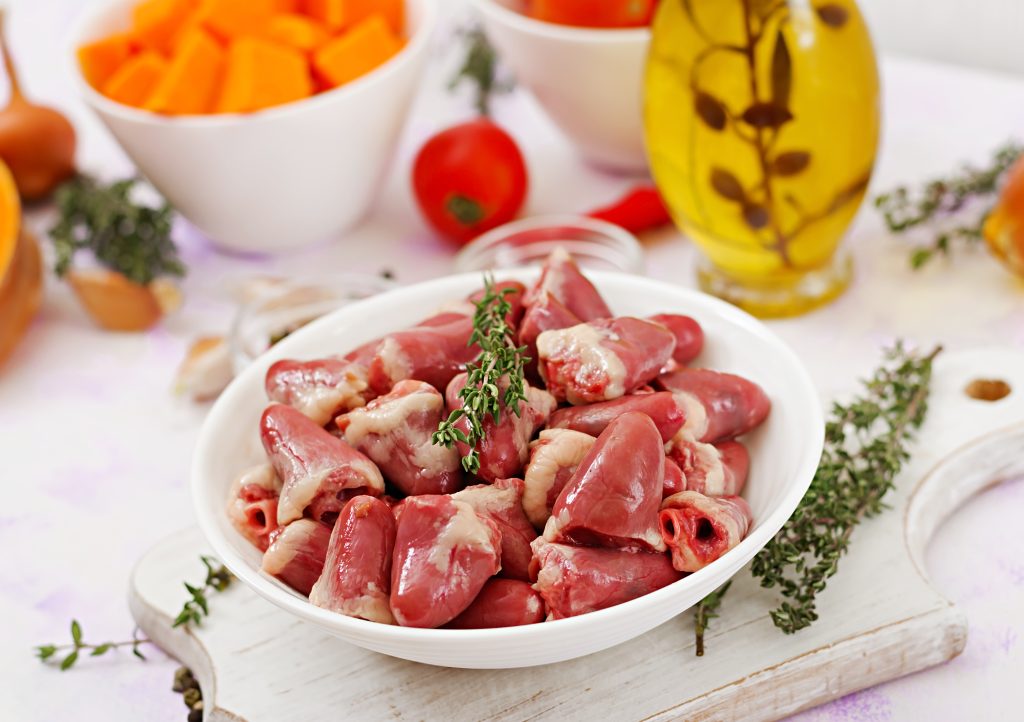
Organ Meats (Liver, Heart, Kidney): Nutrient-dense and excellent for occasional meals for additional vitamins and minerals.
Selecting the right cut ensures balanced nutrition and flavor throughout the day.
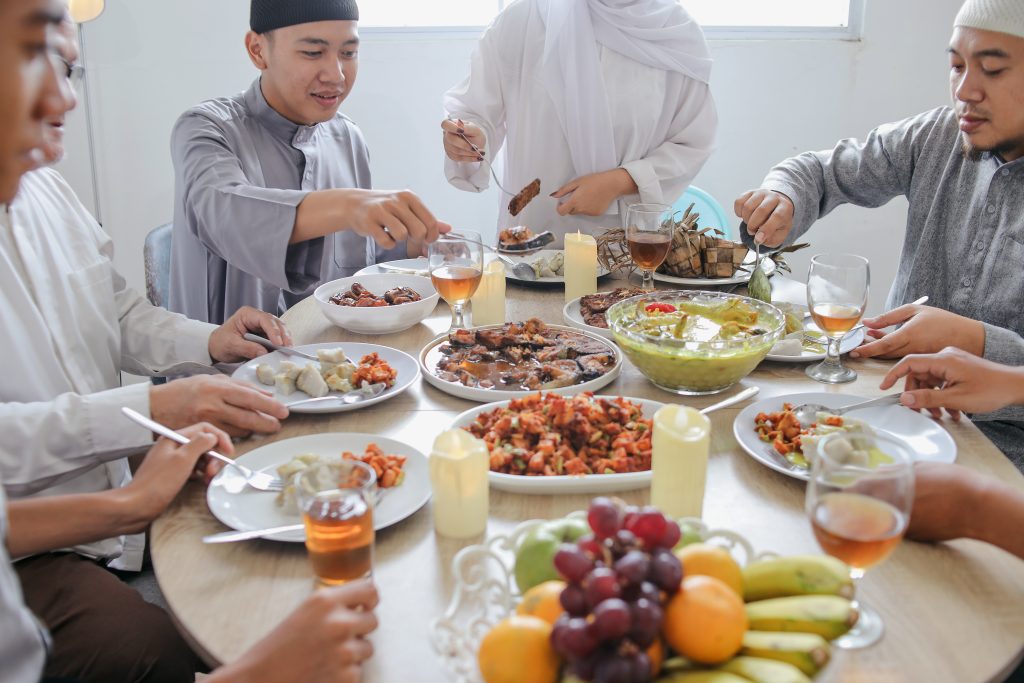
3. Plan Balanced Meals
Halal meat should be part of a well-rounded meal:
-
Breakfast: Incorporate lean meats like chicken or minced beef into omelets, wraps, or sandwiches.
-
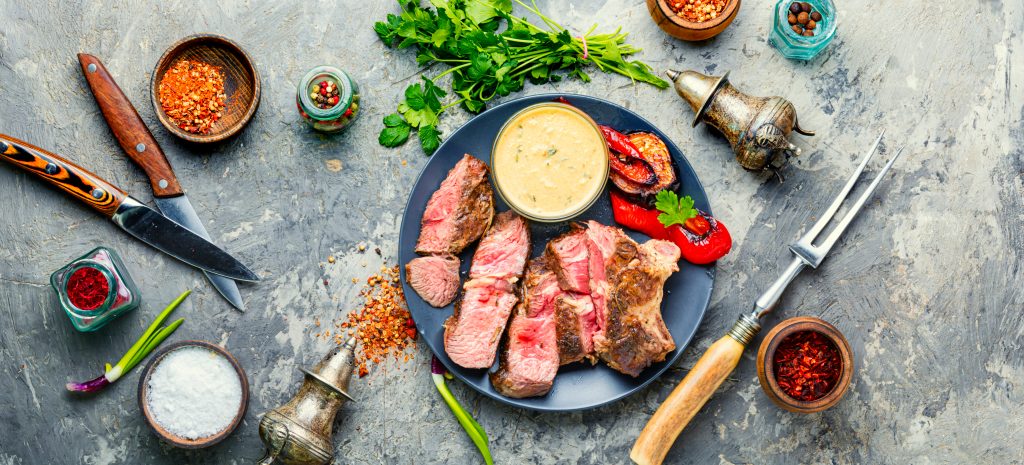
Lunch: Include grilled, roasted, or stir-fried halal meat with whole grains and vegetables for sustained energy.
-
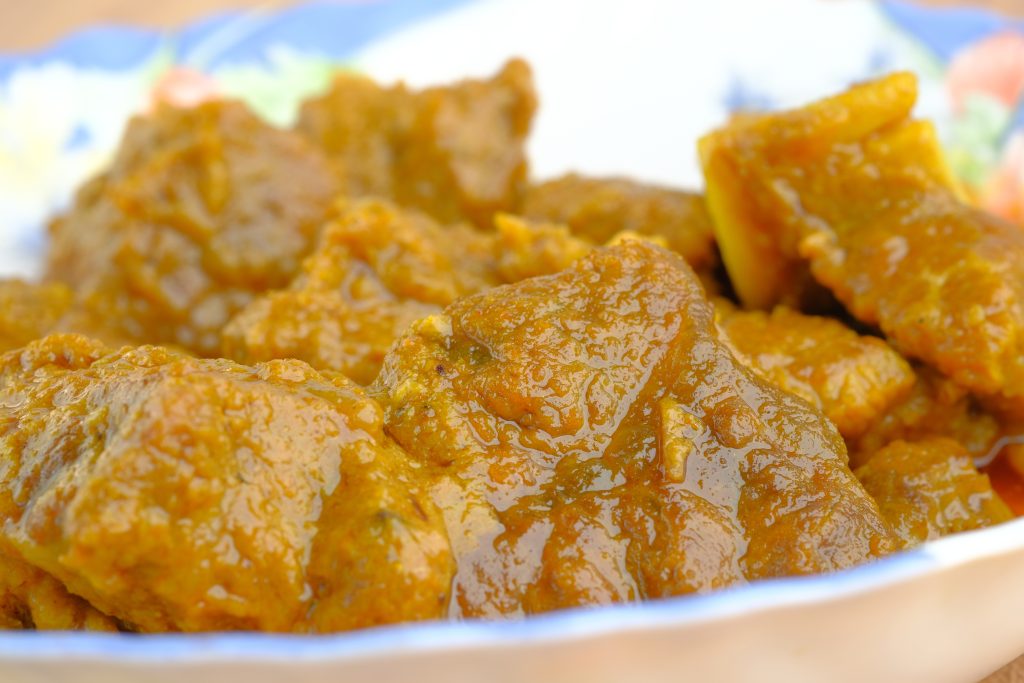
Dinner: Slow-cooked stews, curries, or roasted meats with sides like quinoa, lentils, or salads provide a balanced and hearty meal.
-
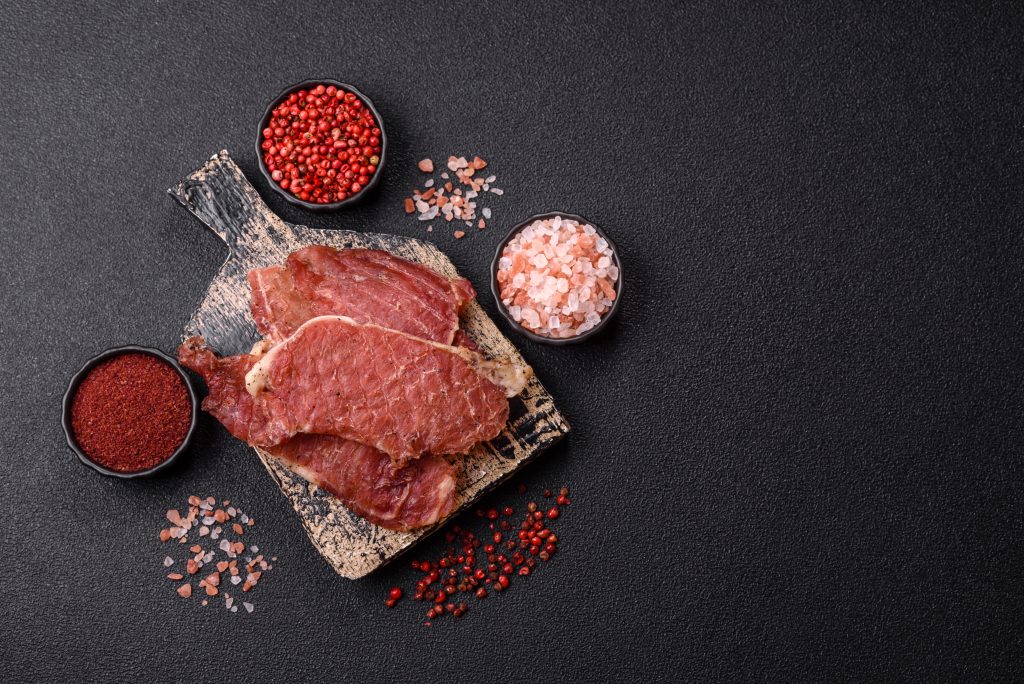
Snacks: Small portions of cooked halal meat or jerky can serve as protein-rich snacks.
Meal planning helps maintain consistent protein intake and overall nutrition.
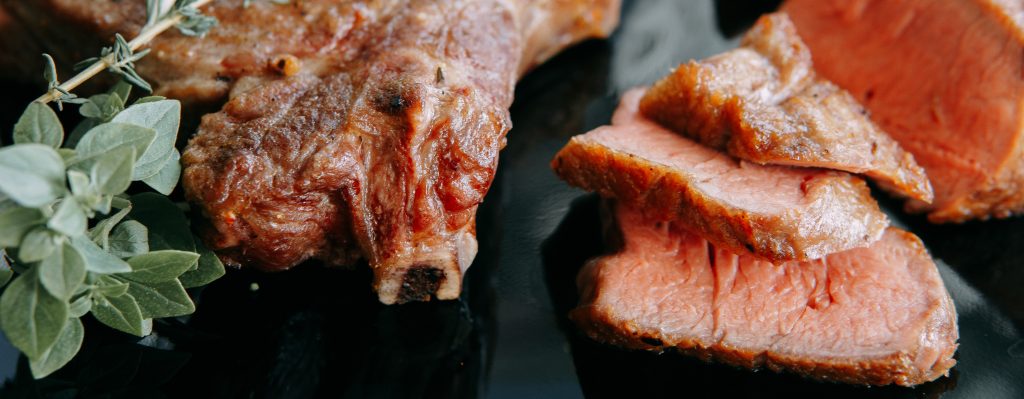
4. Use Efficient Cooking Methods
How you cook halal meat affects both nutrition and flavor:
-
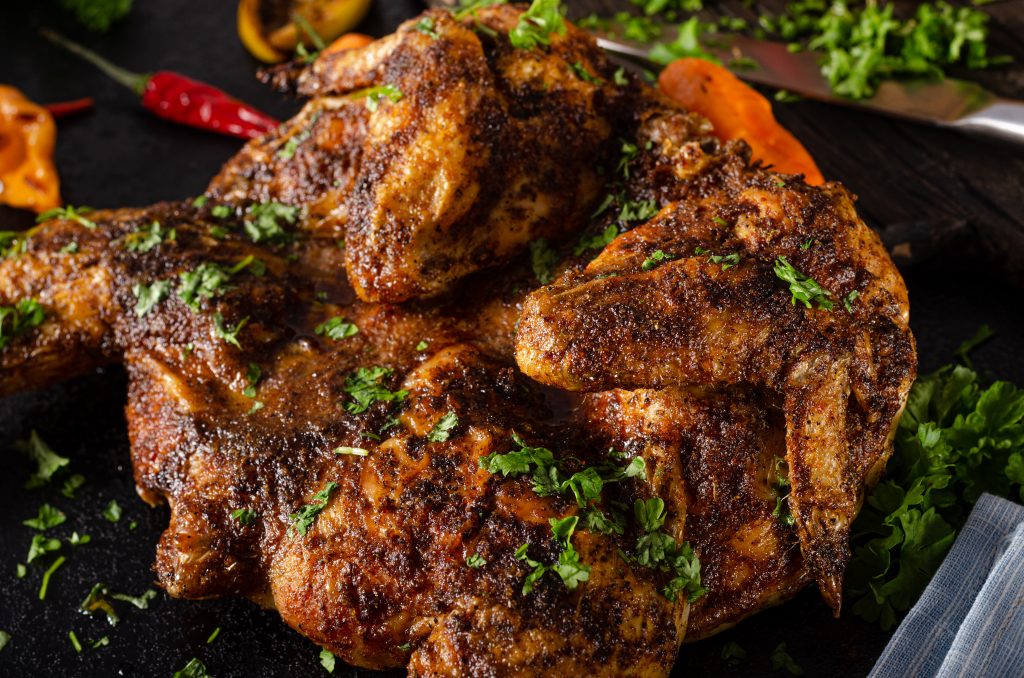
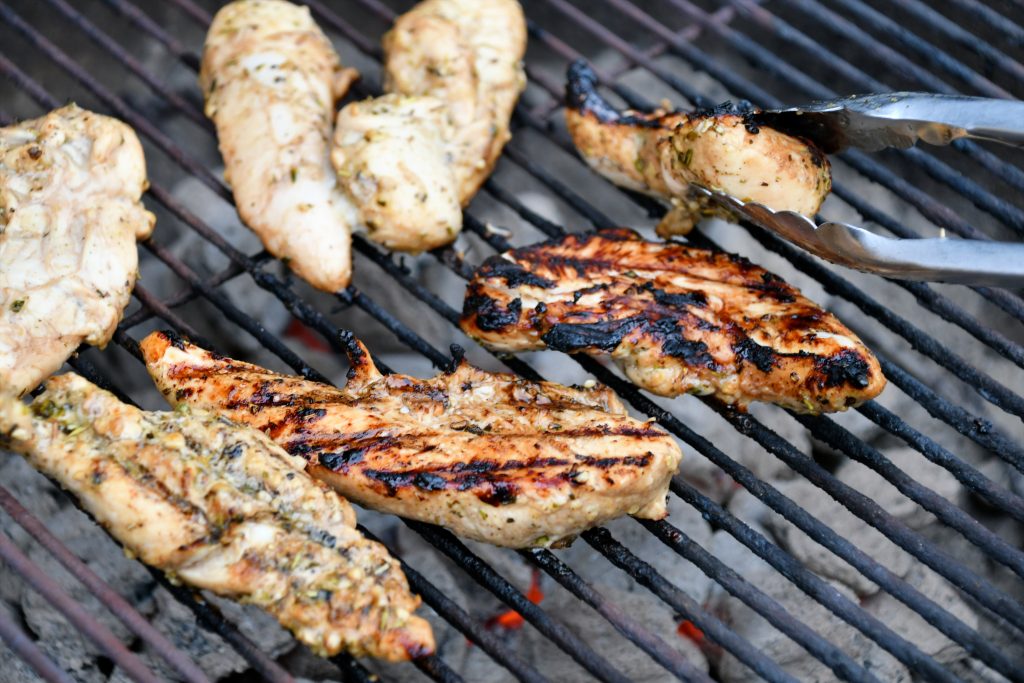
Grilling or Baking: Preserves protein content and reduces added fats.
-
Stir-Frying or Sautéing: Quick cooking with minimal oil, perfect for lean cuts.
-
Slow Cooking or Braising: Adds flavor and tenderness to tougher cuts while retaining nutrients.
-
Steaming or Poaching: Preserves vitamins and minerals, suitable for delicate meats.
Cooking techniques allow variety and maintain nutritional integrity in daily meals.
5. Pair Halal Meat with Complementary Foods
Halal meat works best when paired with fiber-rich and nutrient-dense foods:
-
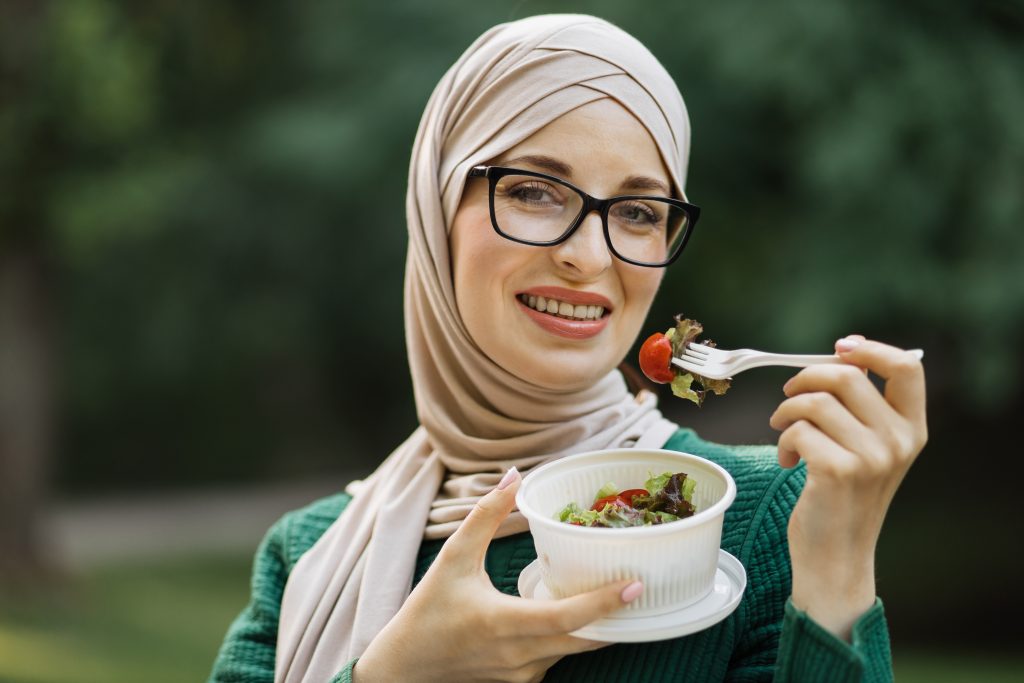
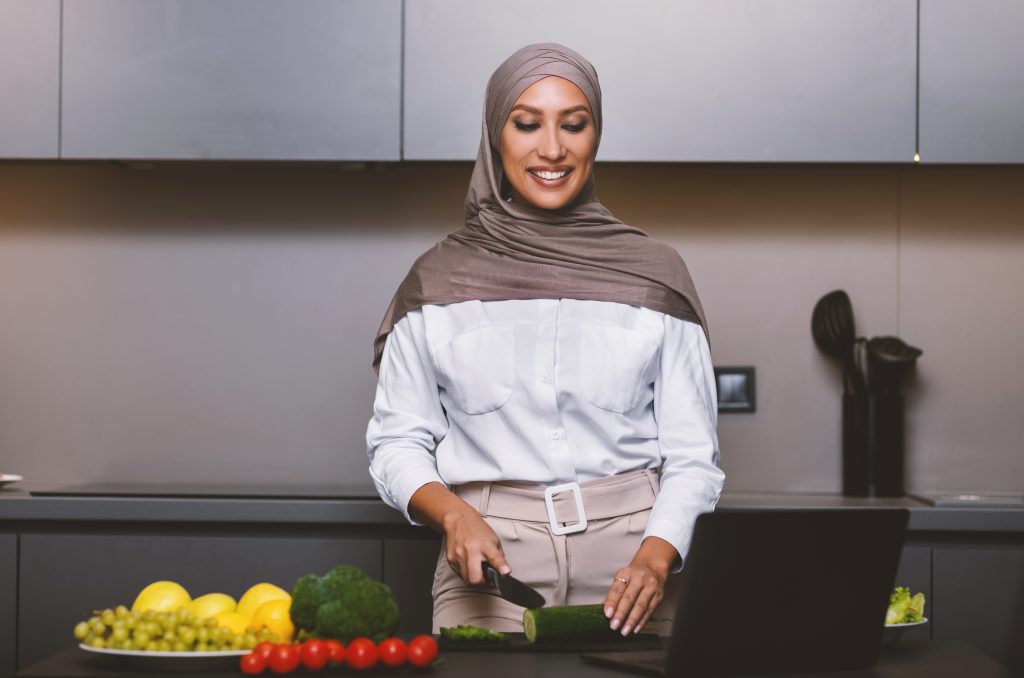
Vegetables: Broccoli, spinach, peppers, and carrots provide vitamins and fiber.
-
Whole Grains: Brown rice, quinoa, and barley add complex carbohydrates.
-
Healthy Fats: Olive oil, avocado, or nuts enhance absorption of fat-soluble vitamins.
Balanced plates ensure that halal meat contributes to complete, nutrient-rich meals.
6. Portion Control and Frequency
Even with nutrient-rich halal meat, moderation is key:
-
Recommended portions: About 100–150 grams of cooked meat per meal.
-
Adjust portion sizes based on age, activity level, and health goals.
-
Spread meat consumption across meals to maintain consistent protein intake.
Moderate portions help achieve a balanced diet without excess calories or fat.
7. Incorporate Variety
Avoid dietary monotony by including a range of halal meats:
-
Beef: High-quality protein and iron for energy.
-
Lamb: Flavorful and nutrient-dense for occasional meals.
-
Goat: Lean and low in cholesterol, ideal for healthy eating.
-
Chicken and Poultry: Versatile and quick-cooking options.
-
Organ Meats: Nutrient-rich additions for variety.
Variety enhances nutrition, taste, and overall meal satisfaction.
8. Quick Meal Ideas for Busy Days
Even on tight schedules, halal meat can be incorporated efficiently:
-
Stir-Fry: Chicken or beef with mixed vegetables and brown rice in under 20 minutes.
-
Wraps and Sandwiches: Lean minced meat or grilled chicken with salad and whole-grain wraps.
-
One-Pot Meals: Slow-cooked goat or lamb with legumes and vegetables.
-
Grilled Kebabs: Marinated meat skewers paired with quinoa or couscous.
-
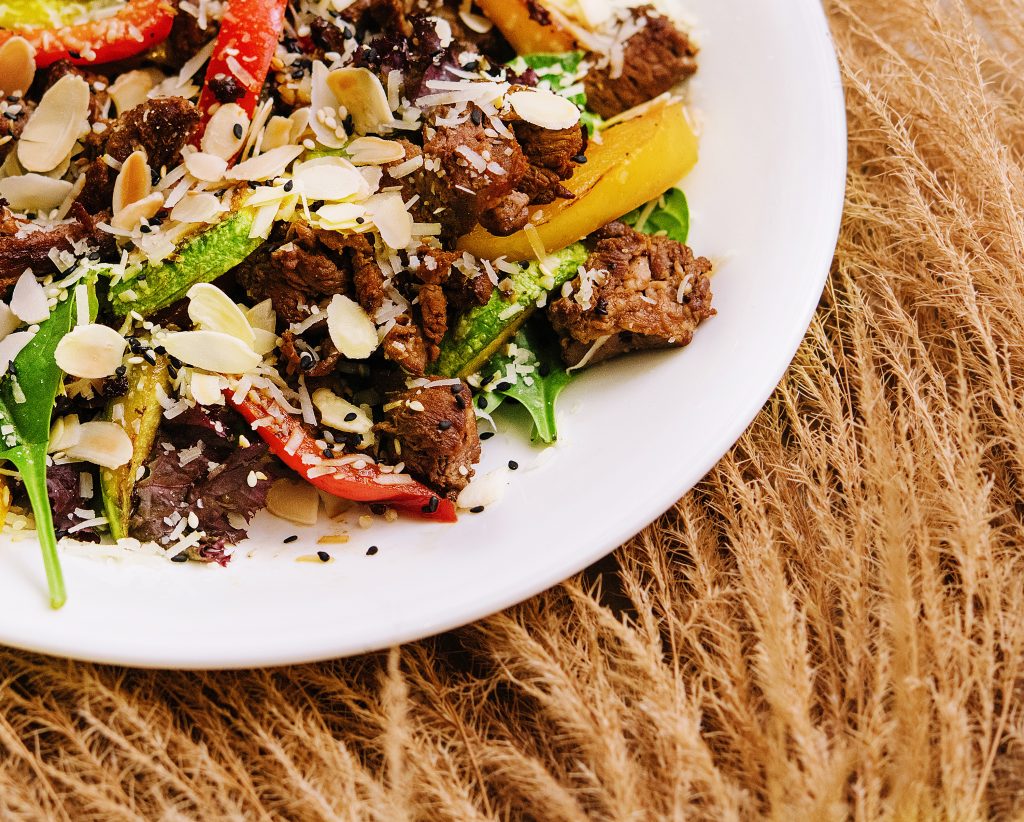
Salads: Sliced grilled meat over leafy greens with olive oil dressing.
These options make healthy, protein-rich meals accessible every day.
9. Ethical and Spiritual Considerations
Incorporating halal meat aligns with ethical and spiritual practices:
-
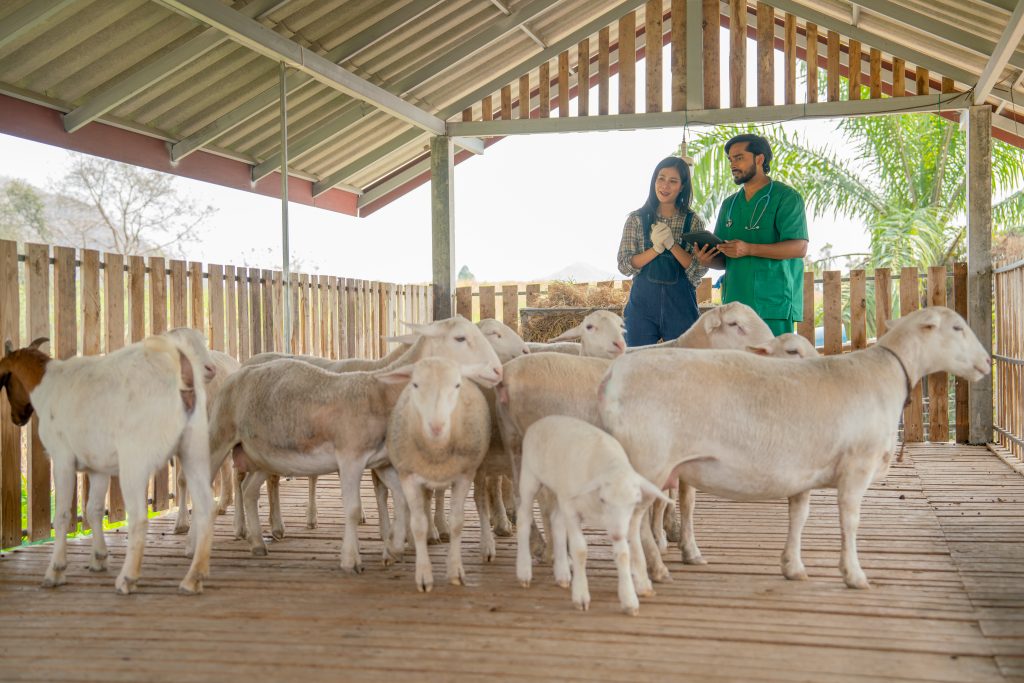
Meat is raised humanely and ethically, ensuring animal welfare.
-
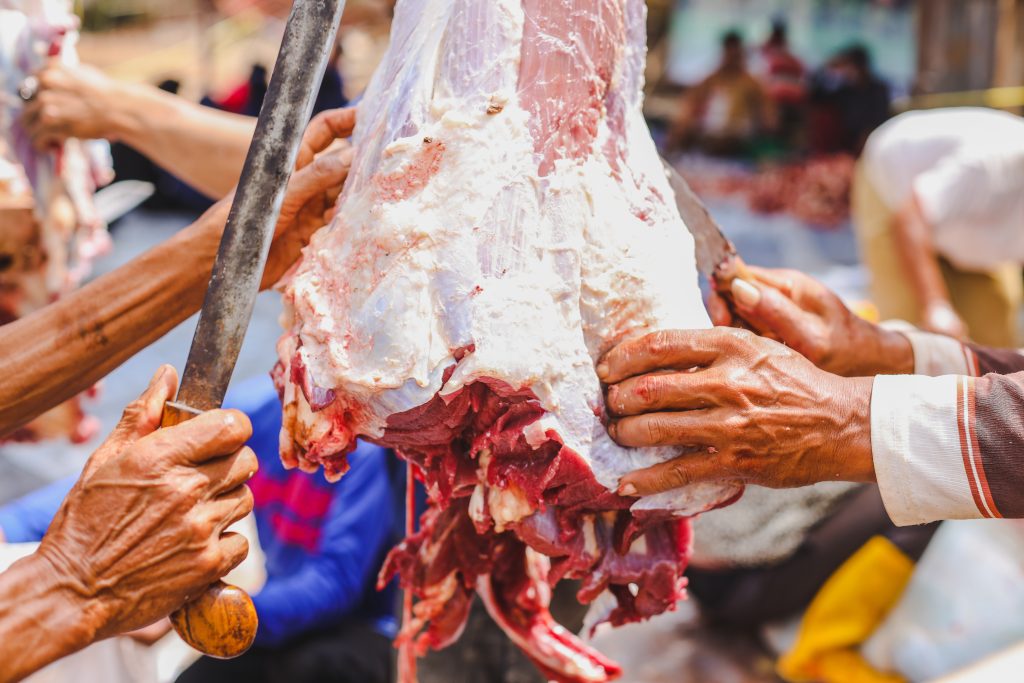
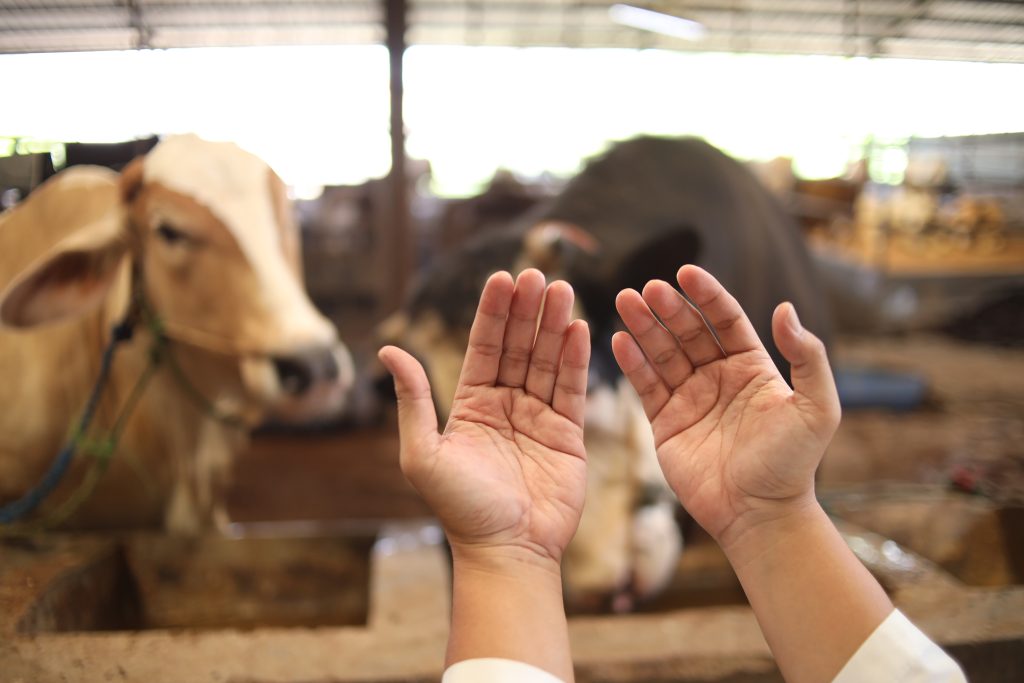
Slaughtered according to Zabiha principles, guaranteeing spiritual purity.
-
Mindful consumption promotes gratitude and responsibility toward food and faith.
Ethical eating enhances the holistic benefits of your daily meals.
10. Tips for Meal Prep
Meal prep makes it easier to incorporate halal meat consistently:
-
Cook bulk portions of lean meat for the week.
-
Freeze individual portions to maintain freshness and convenience.
-
Pre-cut vegetables and grains to assemble balanced meals quickly.
-
Rotate different cuts and types of halal meat to maximize nutrition and flavor.
Effective meal prep ensures healthy, protein-rich meals are always accessible.
11. Family-Friendly Incorporation
Halal meat can be enjoyed by all ages:
-
Serve smaller, tender portions for children.
-
Include variety in meals to meet the nutritional needs of teenagers and adults.
-
Combine meat with colorful vegetables, grains, and legumes to appeal to the whole family.
Incorporating halal meat encourages healthy eating habits across the household.
12. Conclusion
Incorporating halal meat into daily meals is simple, nutritious, and beneficial for health, ethics, and spirituality. By following these guidelines:
-
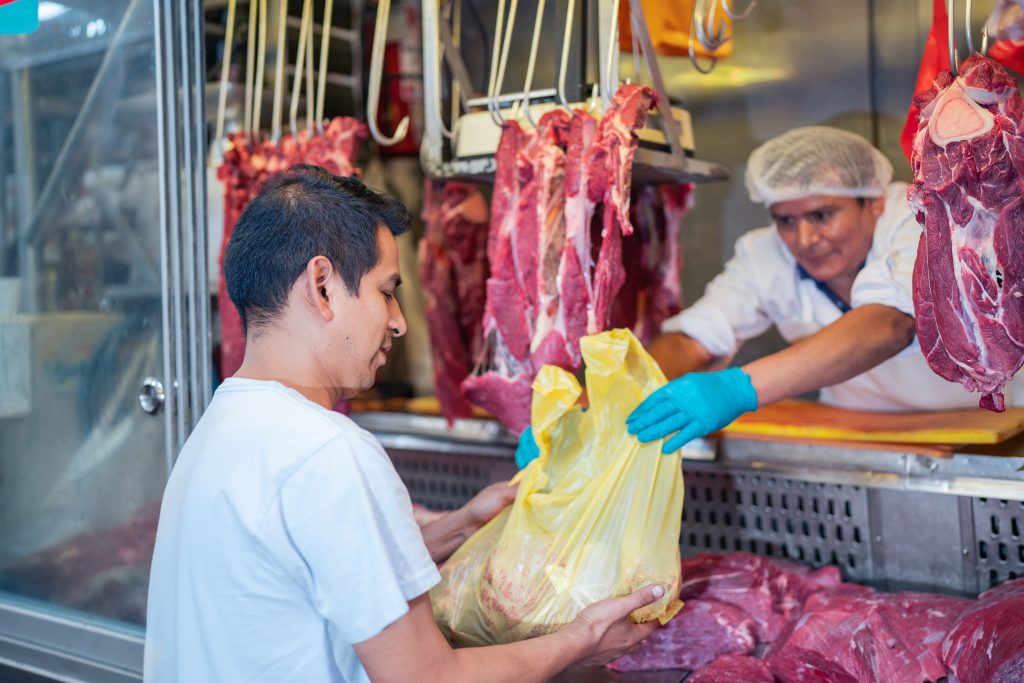
Choose high-quality, ethically sourced cuts from Zabiha Farms.
-
Pair meat with vegetables, whole grains, and healthy fats for balanced nutrition.
-
Utilize versatile cooking methods and meal prep strategies to save time.
-
Maintain portion control and variety to meet protein and nutrient needs.
-
Align consumption with ethical and spiritual values for holistic wellness.
With careful planning, halal meat becomes a foundation for a balanced, wholesome, and enjoyable diet, supporting muscle, energy, immunity, and overall health every day.
Zabiha Farms makes it easy to enjoy premium, protein-rich halal meat in all your daily meals, combining nutrition, flavor, and peace of mind in every bite.