






































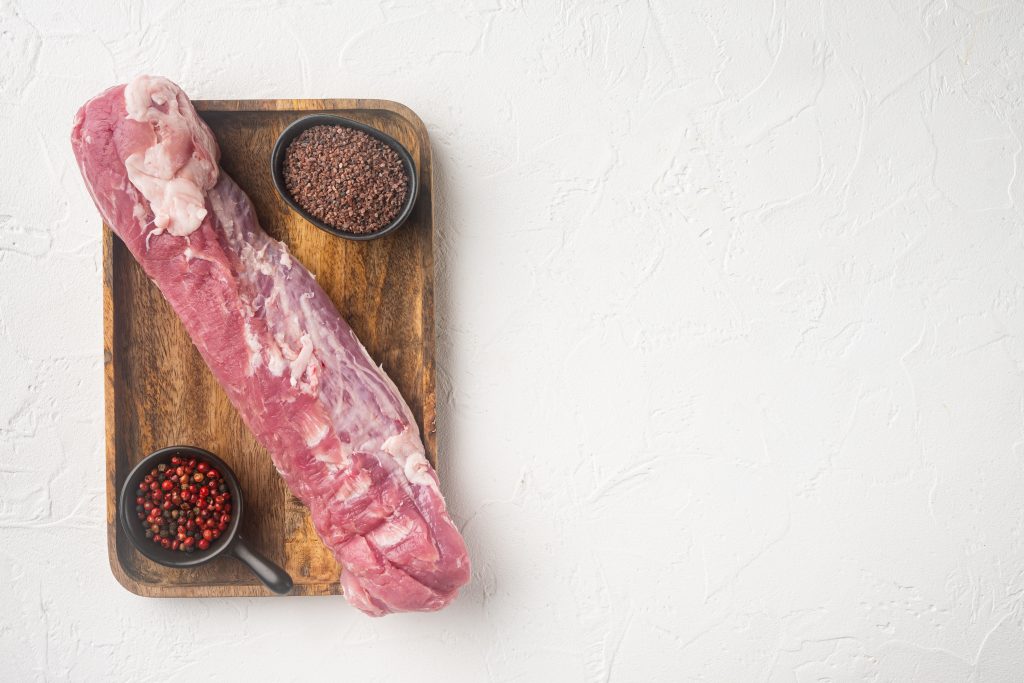

Taste and Cooking Tips for Halal Meat

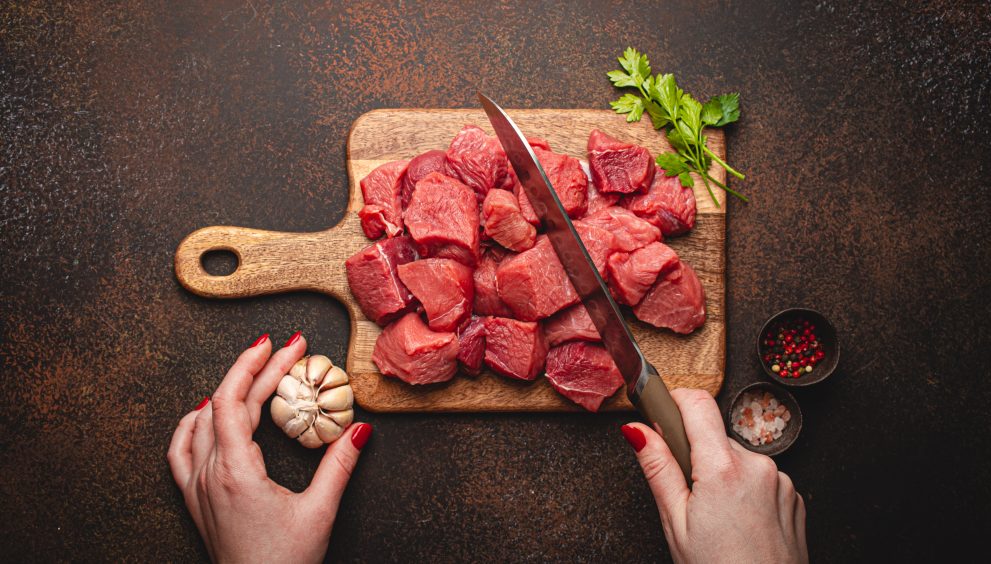
Halal meat is prized not only for its ethical and spiritual compliance but also for its rich, natural flavor and tenderness. At Zabiha Farms, our premium meat is carefully sourced and prepared to ensure optimal taste, texture, and nutritional quality. Whether you are a seasoned chef or a home cook, knowing how to enhance flavor, choose the right cuts, and use proper cooking techniques can make every meal a culinary delight.
This blog explores taste profiles, best cooking methods, seasoning tips, and practical advice for preparing halal meat.
1. Understanding the Taste of Halal Meat
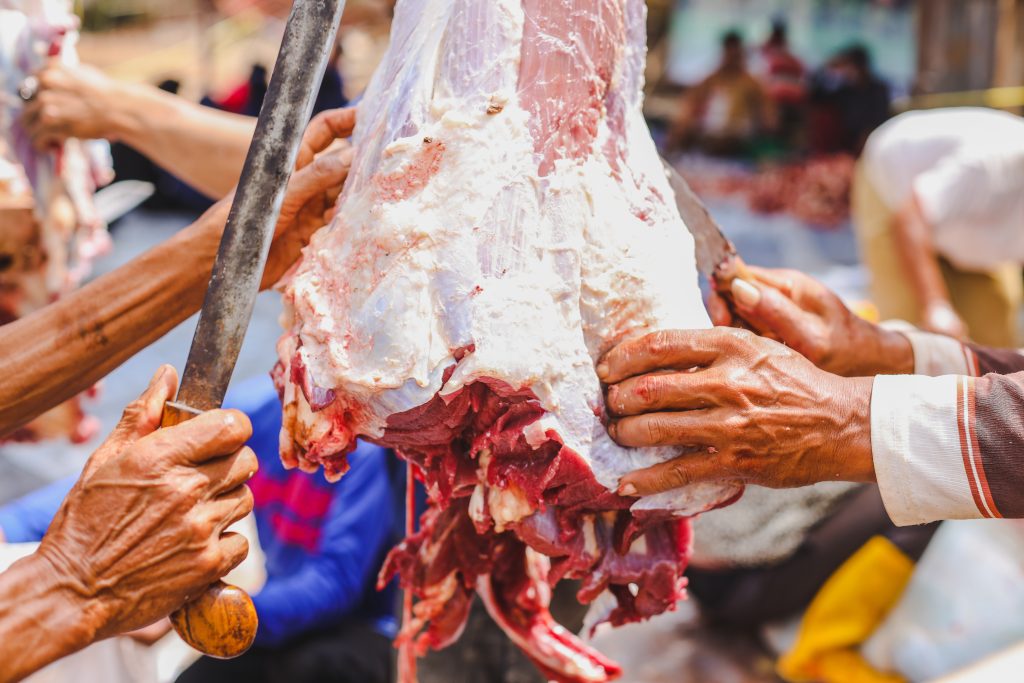
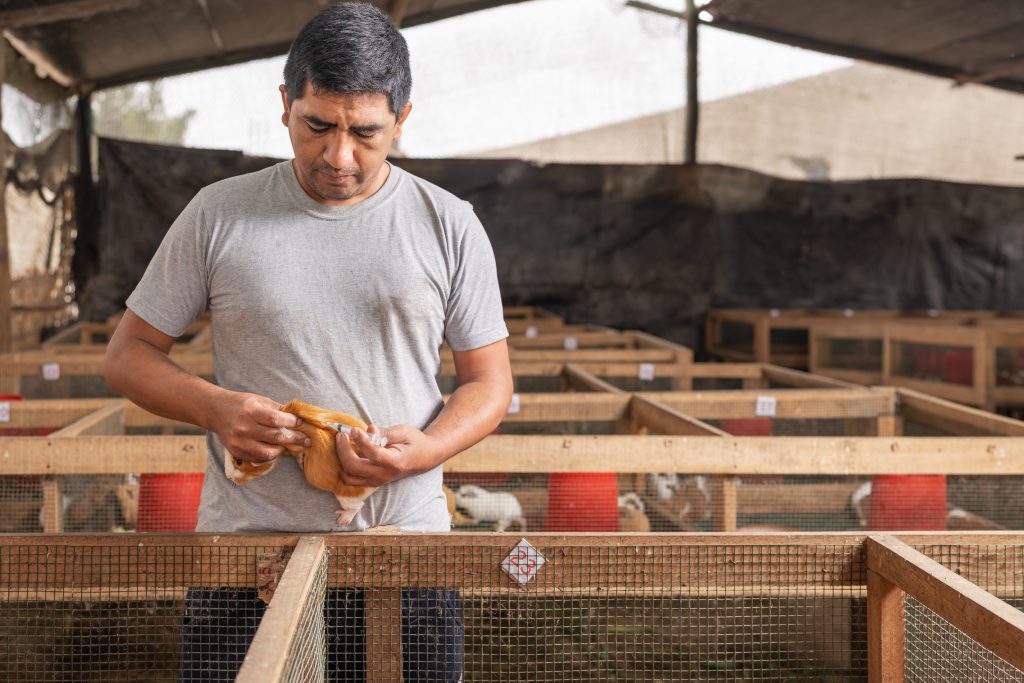
Halal meat has distinct characteristics due to humane animal care, stress-free slaughter, and ethical feeding practices:
-
Tenderness: Stress-free rearing preserves muscle integrity, resulting in naturally tender cuts.
-
Natural Flavor: Animals fed balanced, nutritious diets produce richer, fuller-tasting meat.
-
Juiciness: Proper halal slaughter allows blood removal while preserving natural juices, enhancing mouthfeel.
Recognizing these qualities helps you select the right cuts and cooking methods to maximize flavor.
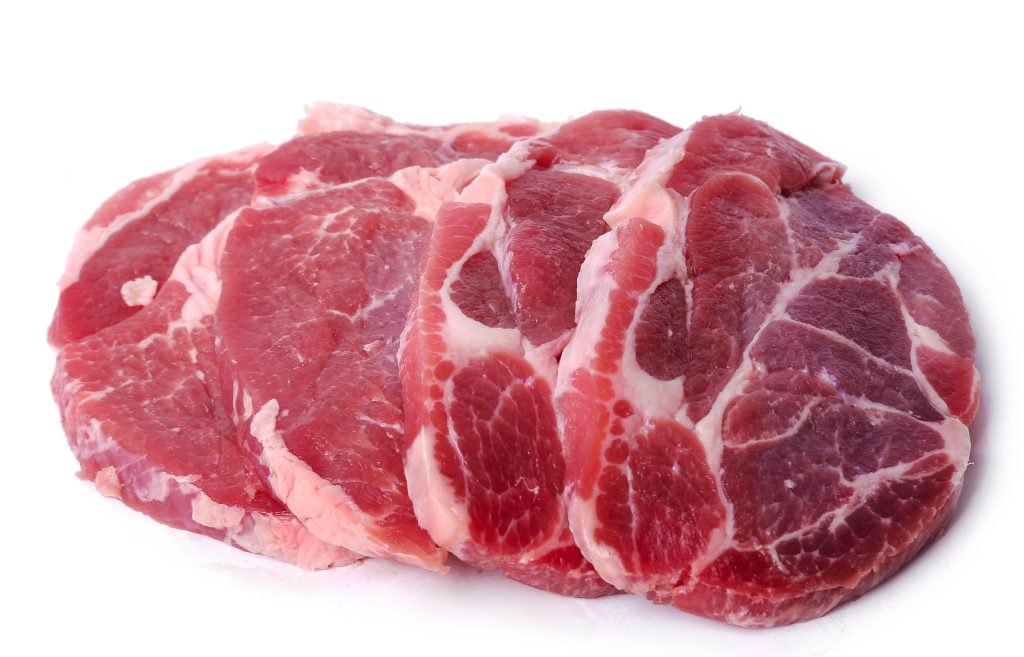
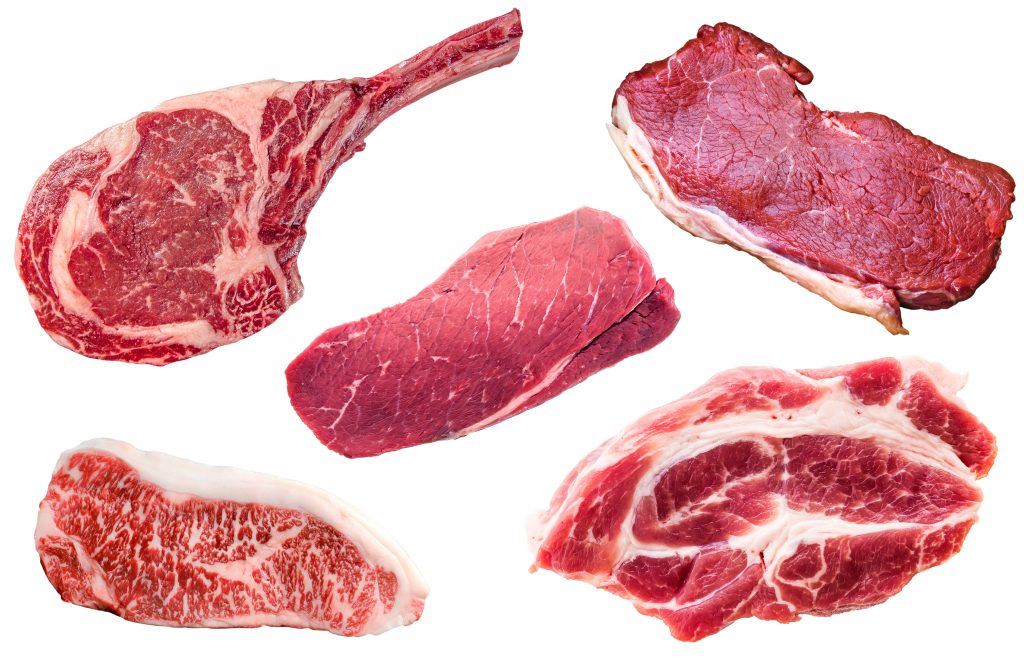
2. Choosing the Right Cuts for Your Dish
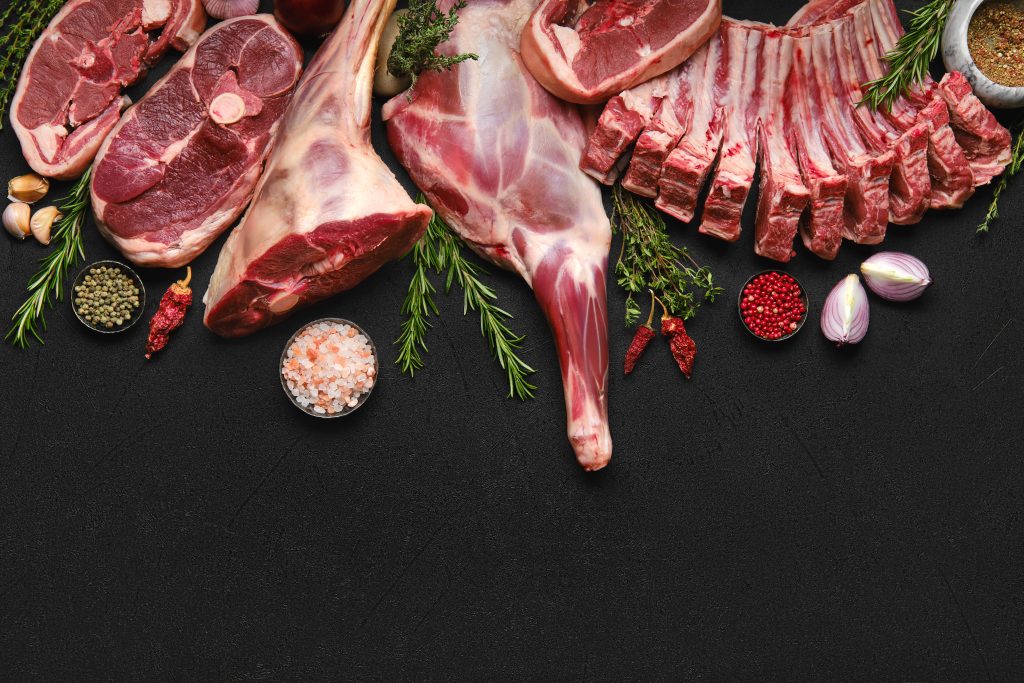
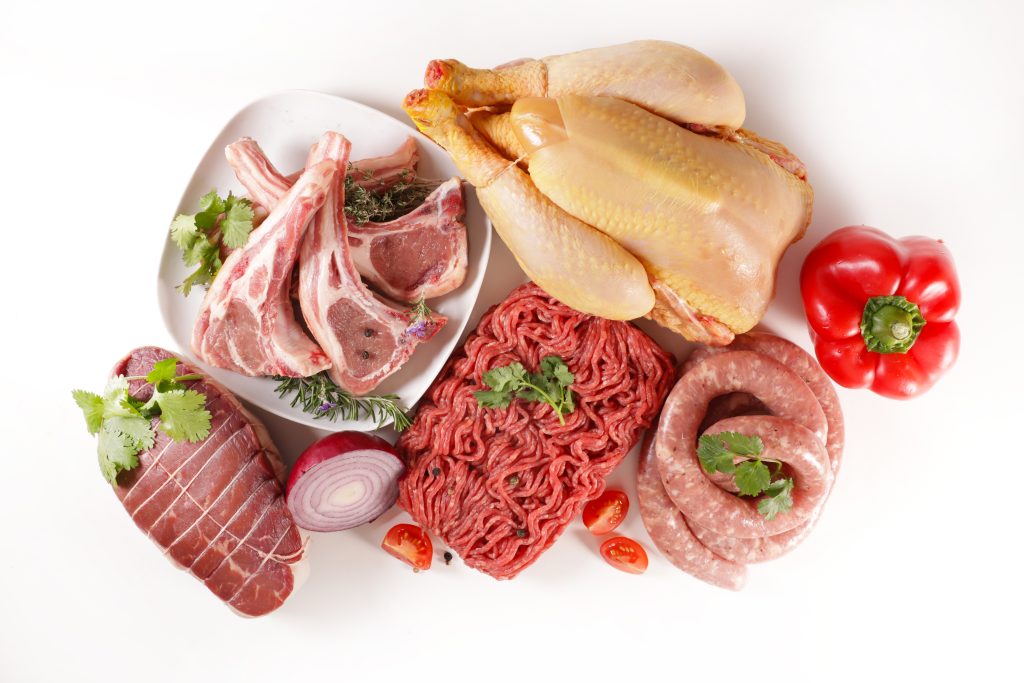
Different cuts lend themselves to specific cooking styles and flavors:
Beef:
-
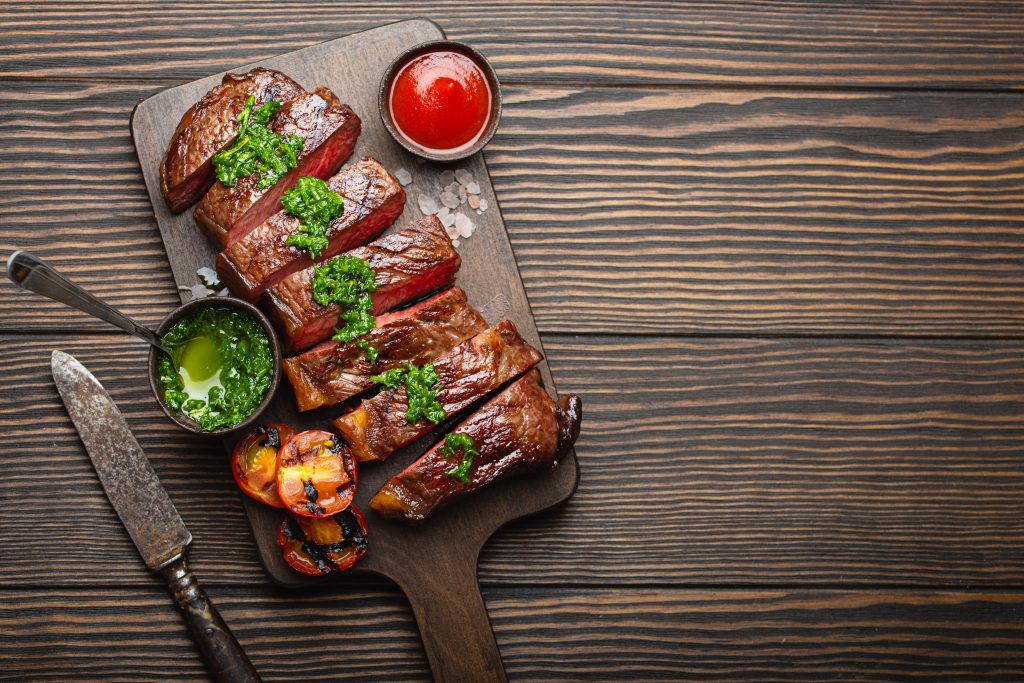
Sirloin & Ribeye: Ideal for grilling or pan-searing; flavorful and tender.
-
Top Round & Chuck: Perfect for stews or slow-cooked dishes; develop rich flavor over time.
-
Tenderloin: Lean, delicate, best for roasting or sautéing.
Lamb:
-
Leg of Lamb: Great for roasting or slow cooking; tender and aromatic.
-
Lamb Shoulder: Slightly fattier, perfect for braises and curries.
-
Lamb Loin Chops: Quick-cook option, excellent for grilling.
Goat:
-
Goat Loin & Leg: Lean and tender; suitable for slow-cooked curries or roasted dishes.
-
Shoulder Cuts: Rich flavor, ideal for stews and biryanis.
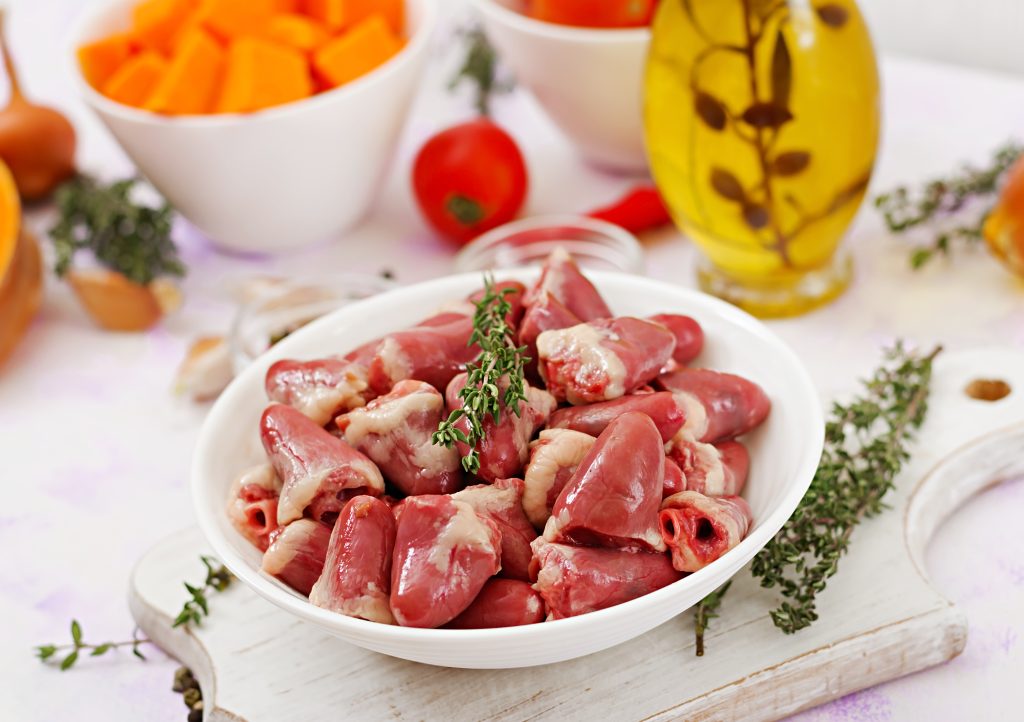
Chicken:
-
Breast: Lean, protein-rich; best for grilling, stir-frying, or poaching.
-
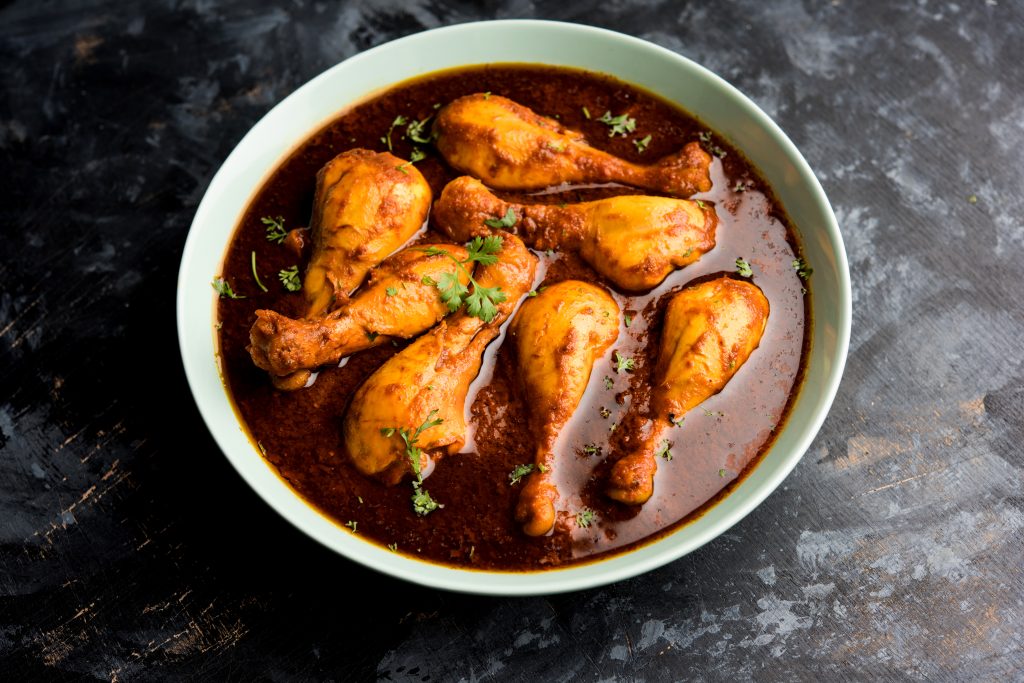
Thighs & Drumsticks: Juicy and flavorful; versatile for roasting, braising, or grilling.
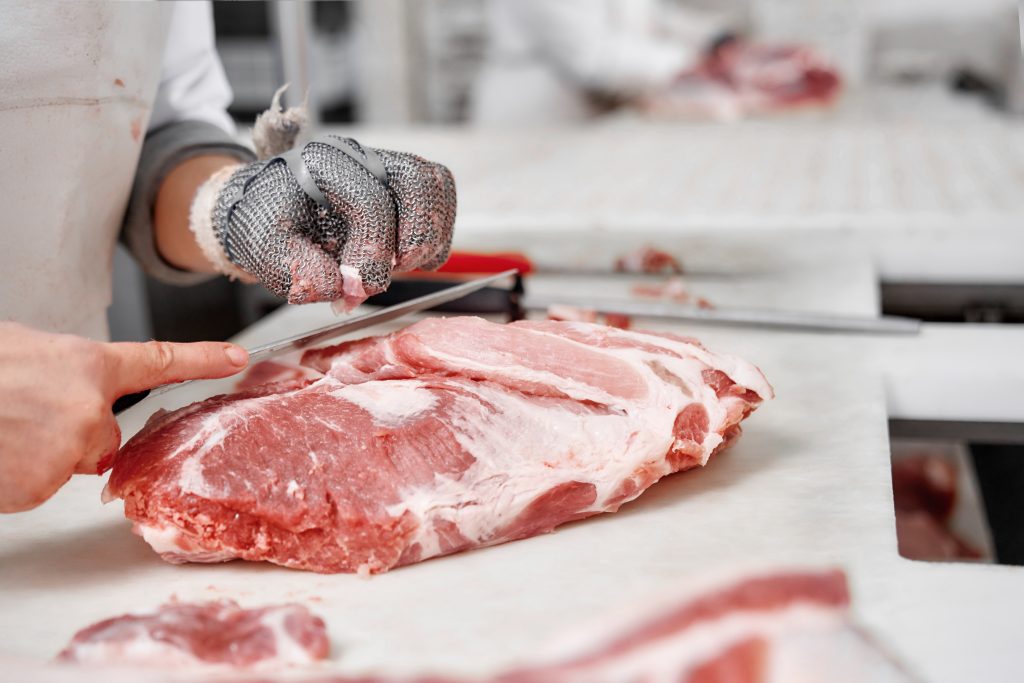
Selecting the right cut ensures optimal flavor, texture, and nutritional balance.
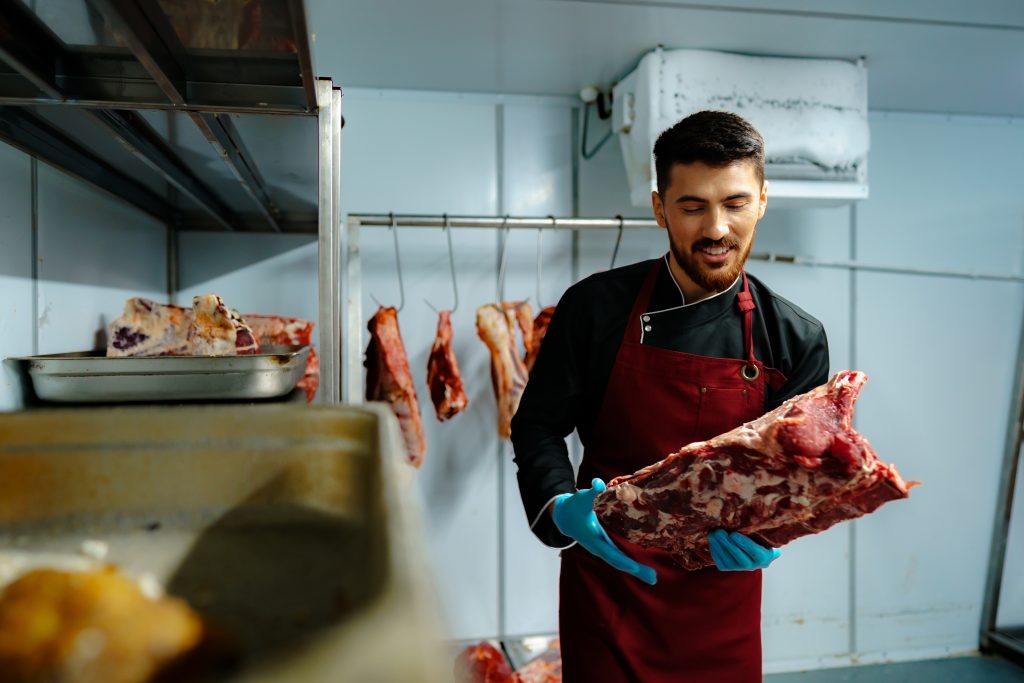
3. Proper Storage and Preparation
Fresh halal meat retains taste and nutrients when handled correctly:
-
Refrigeration: Store meat at 0–4°C and use within 2–3 days of purchase.
-
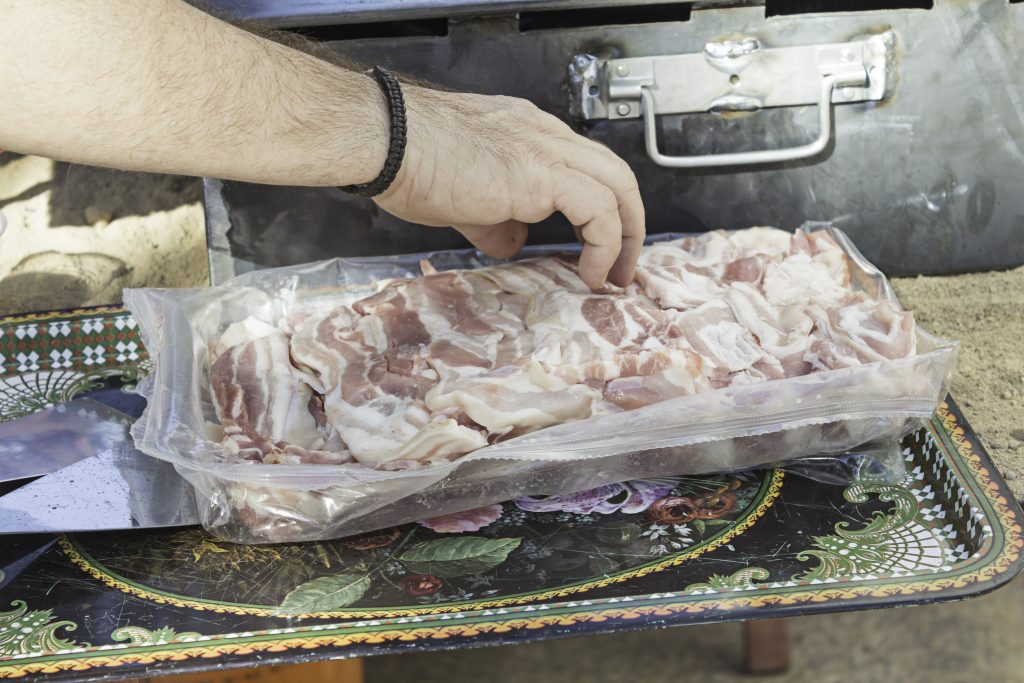
Freezing: Vacuum-sealed cuts can be frozen for months without losing flavor.
-
Thawing: Thaw slowly in the refrigerator or under cold running water to preserve texture.
-
Marination: Marinating meat improves flavor, tenderness, and moisture retention.
Proper storage and preparation are key to unlocking the natural taste of halal meat.
4. Cooking Methods to Enhance Flavor
Different techniques bring out the best in each cut:
-
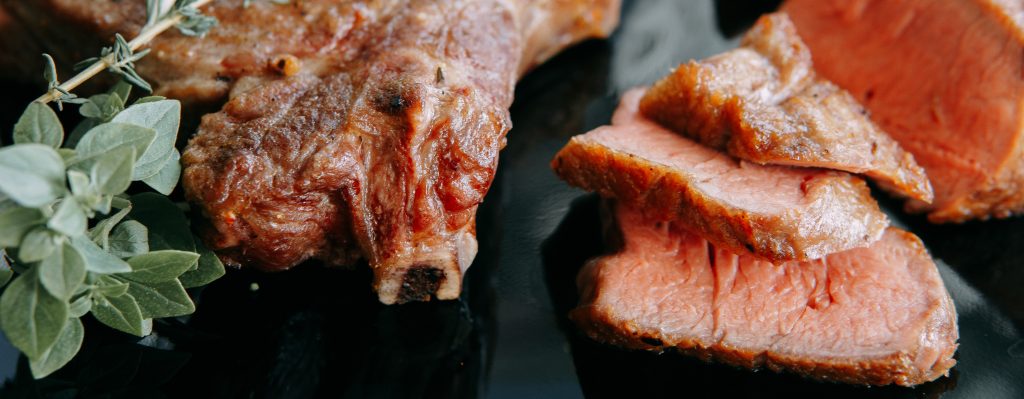
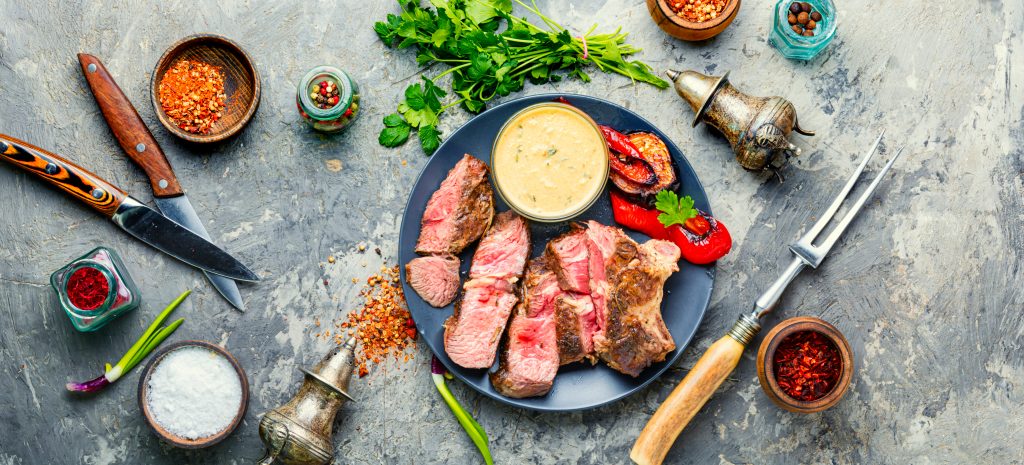
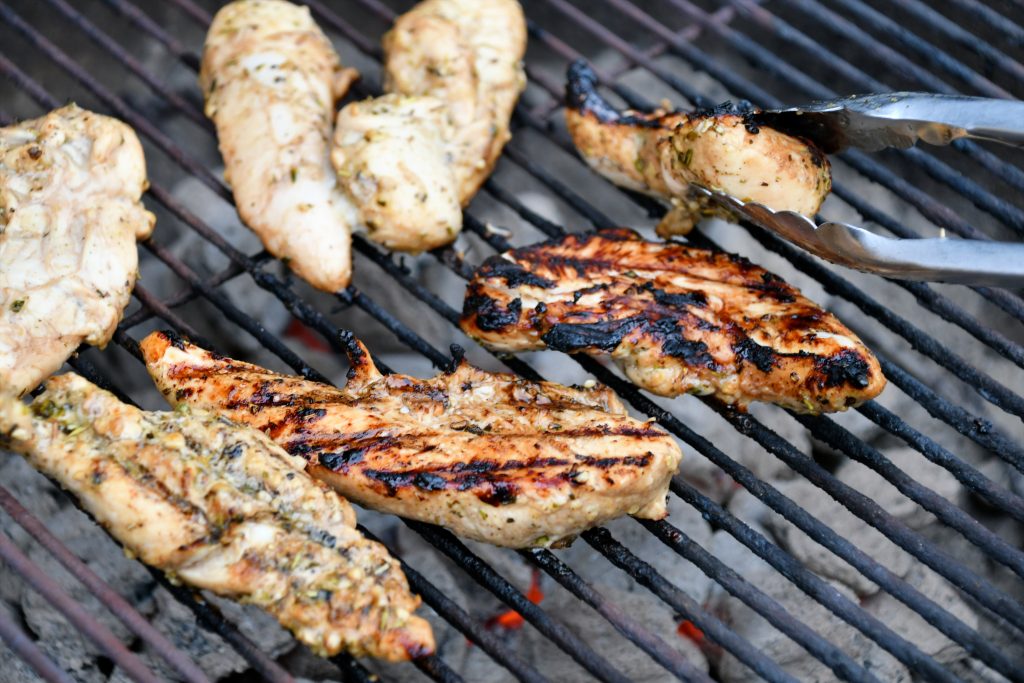
Grilling & Broiling: Ideal for tender cuts like sirloin, ribeye, and chicken breast; adds charred aroma.
-
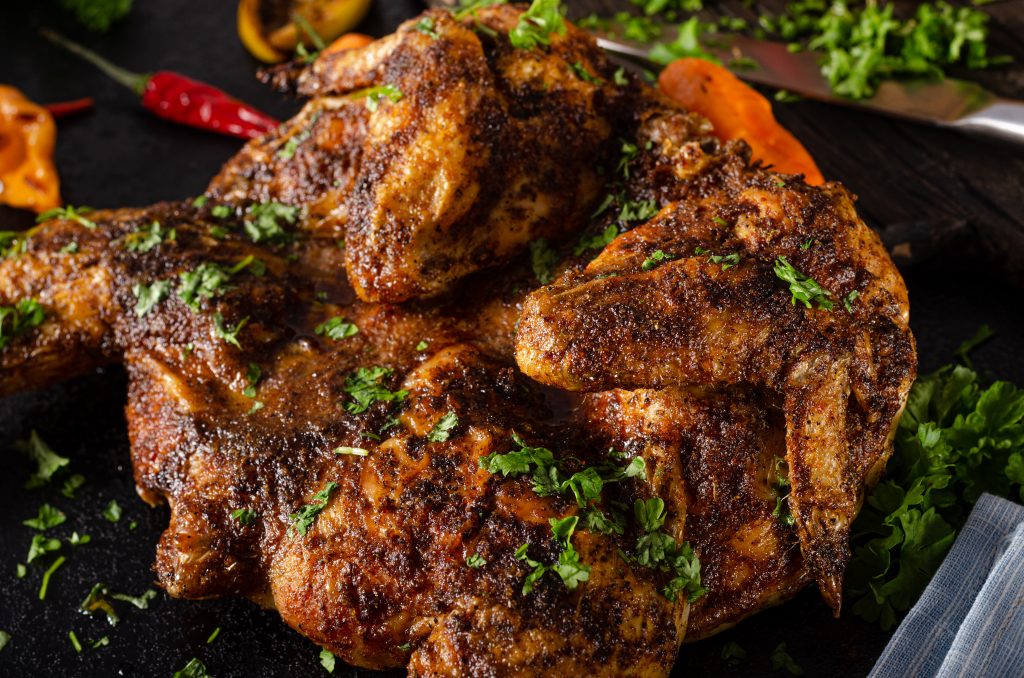
Roasting: Suitable for large cuts like leg of lamb or whole chicken; enhances juiciness and flavor depth.
-
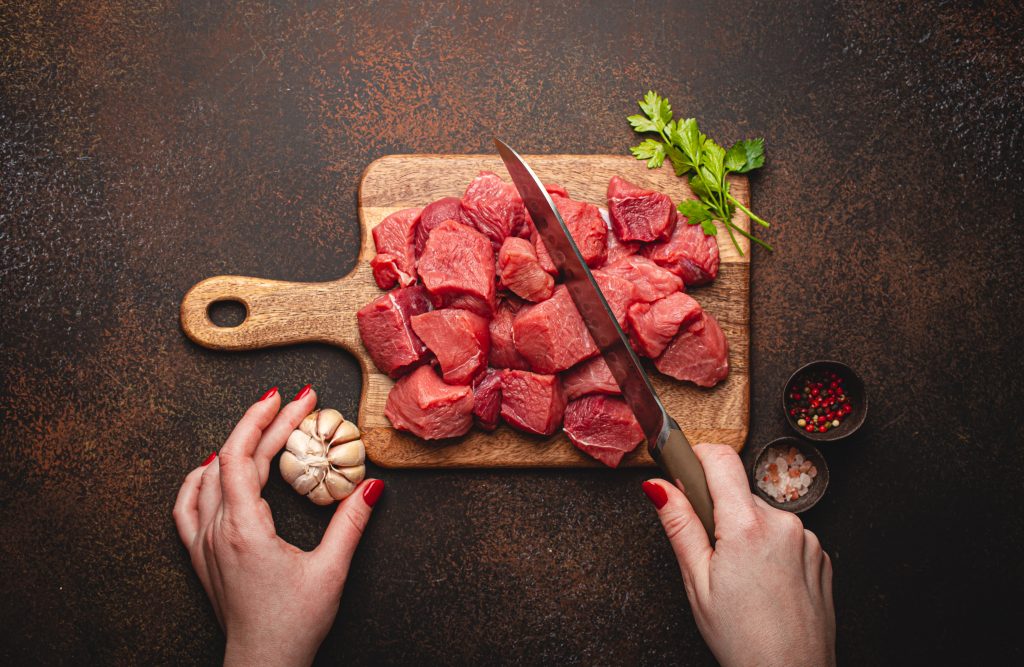
Slow Cooking & Braising: Perfect for tougher cuts like beef chuck or goat shoulder; yields rich, melt-in-the-mouth texture.
-
Pan-Searing & Sautéing: Quick-cook method for thin cuts; locks in natural juices and flavor.
-
Steaming & Poaching: Preserves nutrients and delicate flavor, suitable for lean cuts.
Understanding the cut and cooking style ensures maximum taste and tenderness.
5. Seasoning Tips
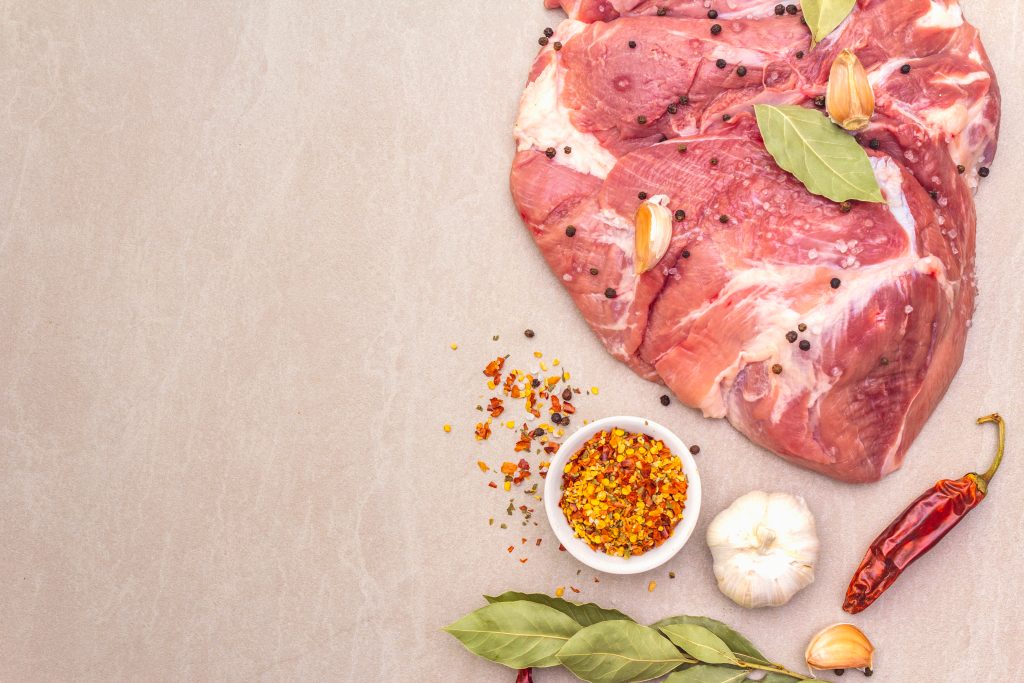
Halal meat has a natural flavor that pairs well with a variety of spices and herbs:
-
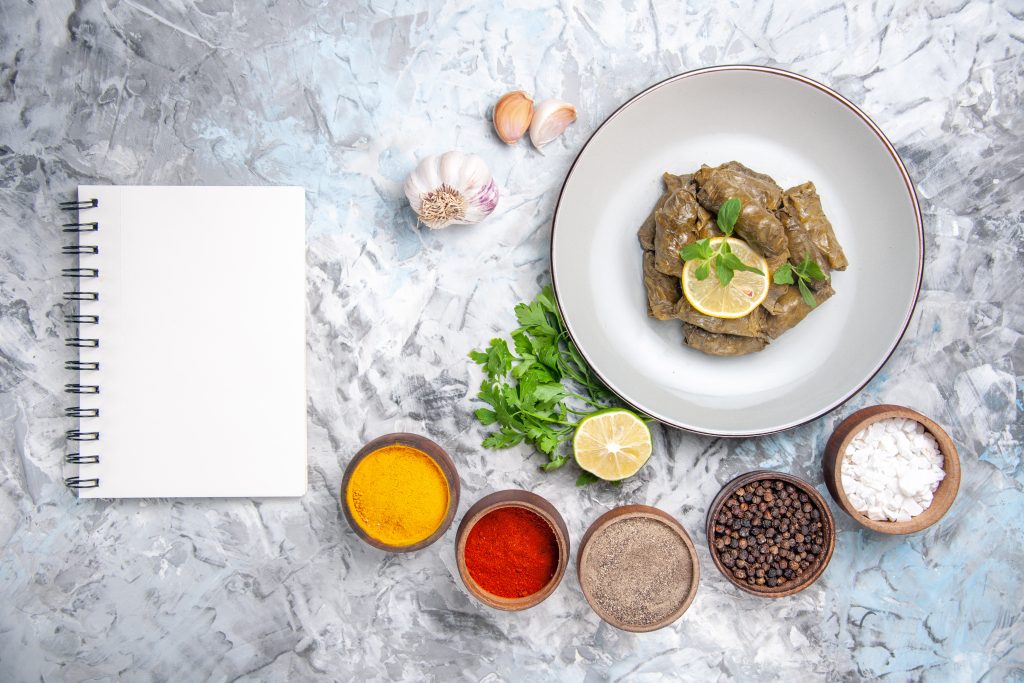
Basic Seasoning: Salt and pepper enhance natural flavors without overpowering them.
-
Herbs: Rosemary, thyme, mint, and coriander complement lamb and beef.
-
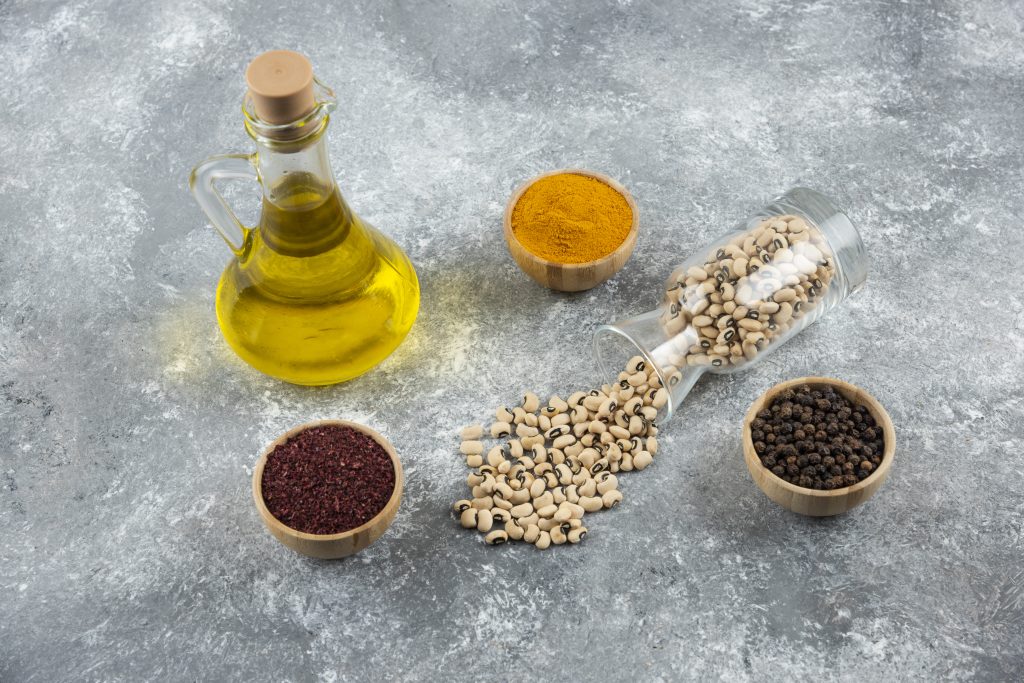
Spices: Cumin, paprika, turmeric, and garam masala add depth and aroma.
-
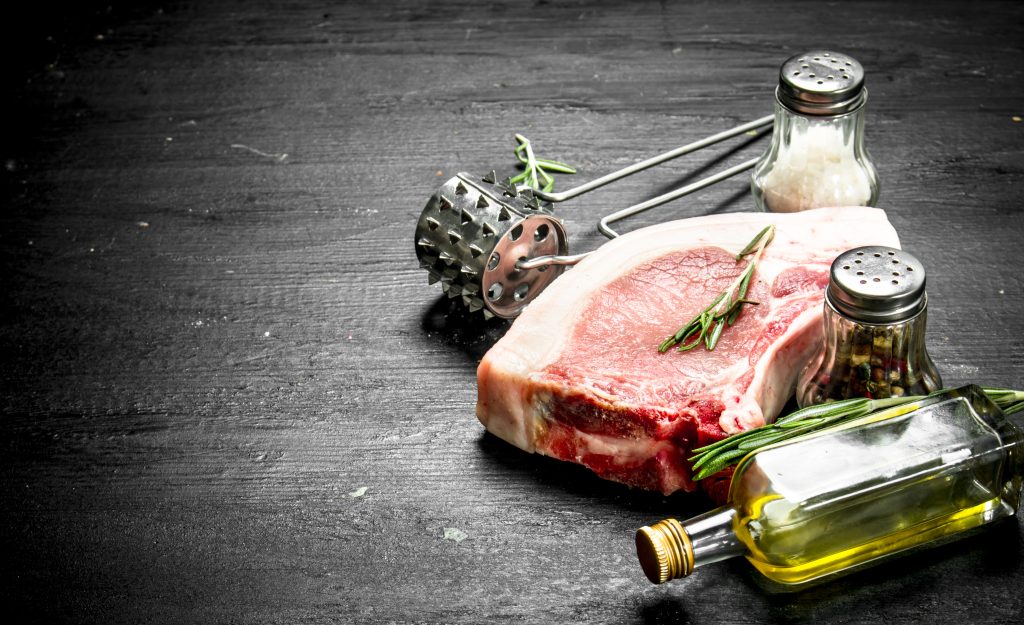
Marinades: Yogurt, olive oil, garlic, lemon, and spices tenderize meat and boost flavor.
Experimenting with seasoning combinations allows you to tailor dishes to your taste while respecting the meat’s natural quality.
6. Tips for Juiciness and Tenderness
Proper techniques enhance juiciness and tenderness:
-
Bring meat to room temperature before cooking for even heat distribution.
-
Don’t overcrowd the pan or grill, which can cause steaming instead of searing.
-
Rest cooked meat for 5–10 minutes before slicing to retain juices.
-
Use marinades or brines to enhance moisture retention and tenderness.
These practices ensure that every bite of halal meat is succulent and flavorful.
7. Pairing with Sides and Sauces
Halal meat pairs beautifully with nutrient-rich sides and sauces:
-
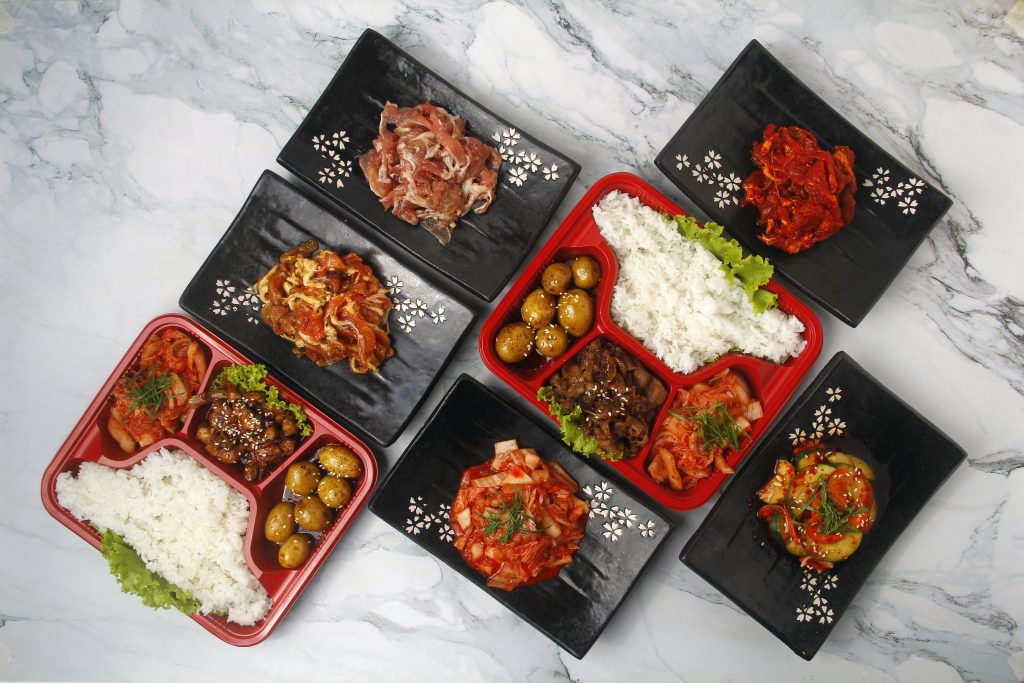
Vegetables: Roasted, steamed, or grilled vegetables enhance flavor and nutrition.
-
Grains: Quinoa, couscous, or brown rice provide texture and balance.
-
Legumes: Lentils, chickpeas, or beans complement protein content.
-
Sauces: Yogurt-based sauces, herb marinades, or light gravies add flavor without overwhelming the meat.
Balanced pairings create complete meals that are visually appealing and satisfying.
8. Cultural and Global Inspirations
Halal meat can be incorporated into diverse cuisines:
-
Middle Eastern: Kebabs, shawarma, lamb tagine.
-
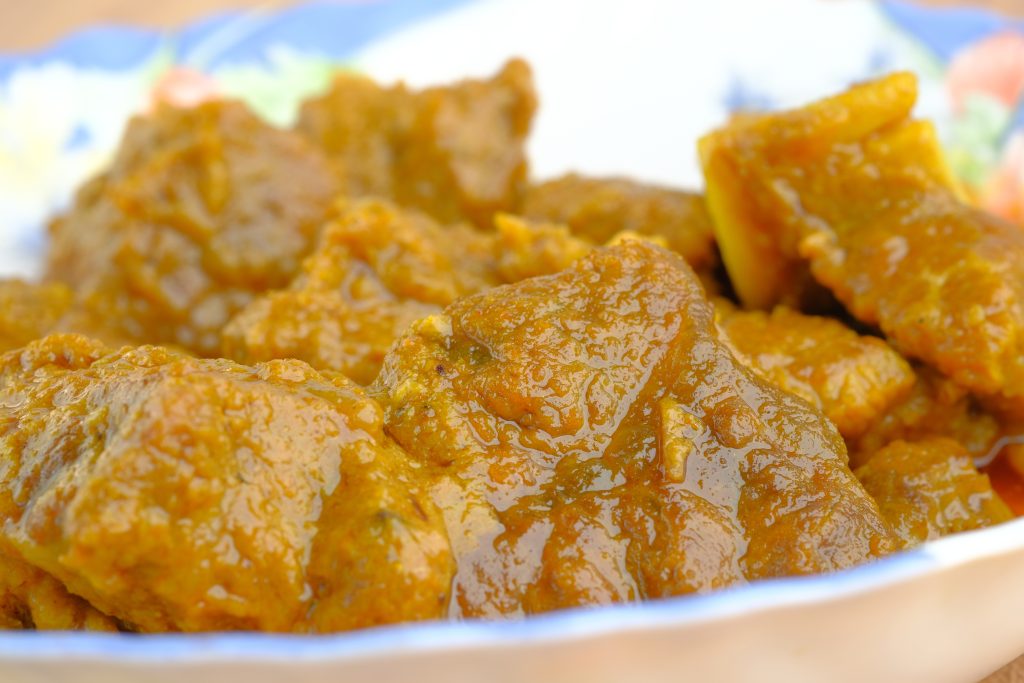
South Asian: Curries, biryanis, tandoori meats.
-
Western: Grilled steaks, roasted chicken, beef stews.
-
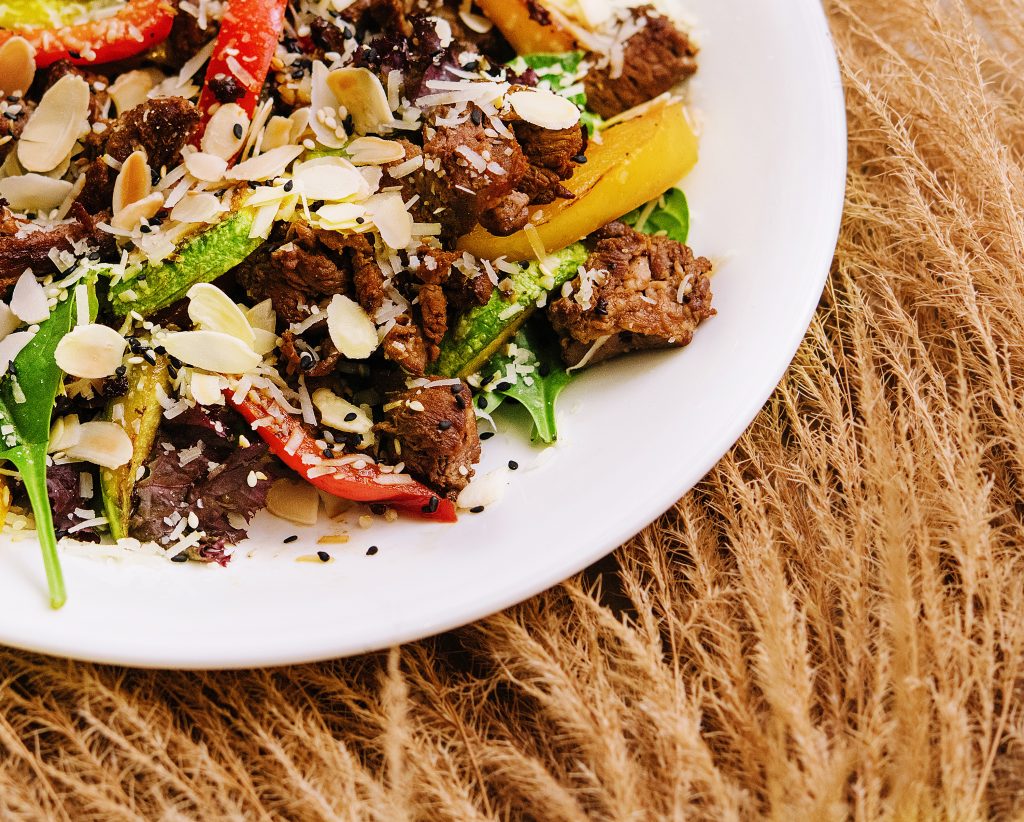
Fusion: Stir-fries, wraps, and Mediterranean-style salads.
Exploring global flavors keeps your halal meals exciting and versatile.
9. Common Mistakes to Avoid
To preserve taste and nutrition, avoid these mistakes:
-
Overcooking: Leads to dryness and loss of nutrients.
-
Skipping Resting Time: Juices escape if meat is cut immediately.
-
Excess Salt or Overpowering Spices: Can mask natural flavors.
-
Improper Storage: Leads to flavor loss and potential spoilage.
Mindful cooking ensures delicious and wholesome halal meals every time.
10. Benefits of Cooking with Zabiha Farms Meat
Using premium halal meat enhances taste and nutritional quality:
-
Ethically sourced and Zabiha-certified for spiritual and ethical compliance.
-
Stress-free animal care preserves natural flavor and tenderness.
-
Fresh, hygienic handling guarantees maximum nutrient retention.
-
Versatile cuts suitable for grilling, roasting, slow cooking, and more.
Cooking with high-quality halal meat ensures optimal taste, texture, and health benefits.
Conclusion
Halal meat from Zabiha Farms offers a unique combination of flavor, nutrition, and ethical assurance. By understanding taste profiles, choosing the right cuts, applying proper cooking techniques, and seasoning effectively, you can elevate every meal into a delicious and balanced culinary experience.
Key takeaways:
-
Recognize the natural tenderness and flavor of halal meat.
-
Choose cuts and cooking methods that suit the dish.
-
Use herbs, spices, and marinades to enhance taste.
-
Follow resting, portioning, and storage tips for juiciness and nutrition.
-
Pair meat with vegetables, grains, and legumes for balanced meals.
With these tips, you can enjoy tender, flavorful, and nutrient-rich halal meals every day, while honoring both taste and tradition.