
































Why Grass-Fed Meat is Healthier

In recent years, grass-fed meat has gained significant attention for its superior nutritional profile, ethical farming practices, and health benefits. For consumers seeking premium halal meat, understanding why grass-fed options are healthier can help make informed choices for both diet and lifestyle. At Zabiha Farms, we prioritize grass-fed, ethically raised animals, ensuring that our meat is nutrient-rich, lean, and wholesome.
This blog explores the health benefits of grass-fed meat, nutritional differences compared to grain-fed meat, and how it contributes to overall wellness.
1. What is Grass-Fed Meat?
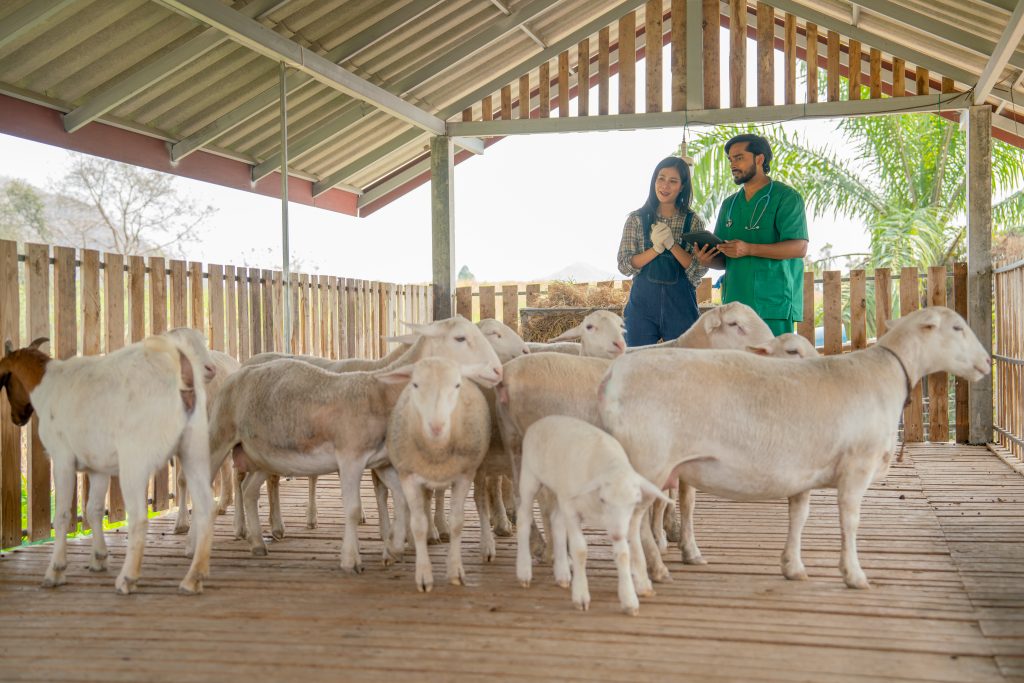
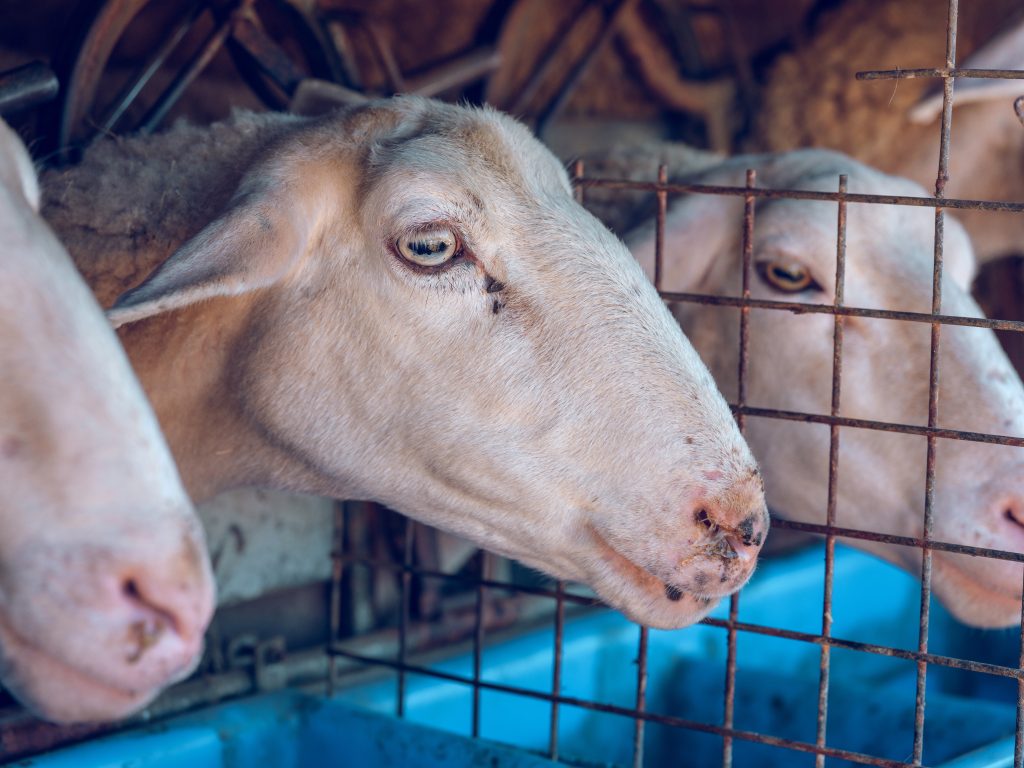
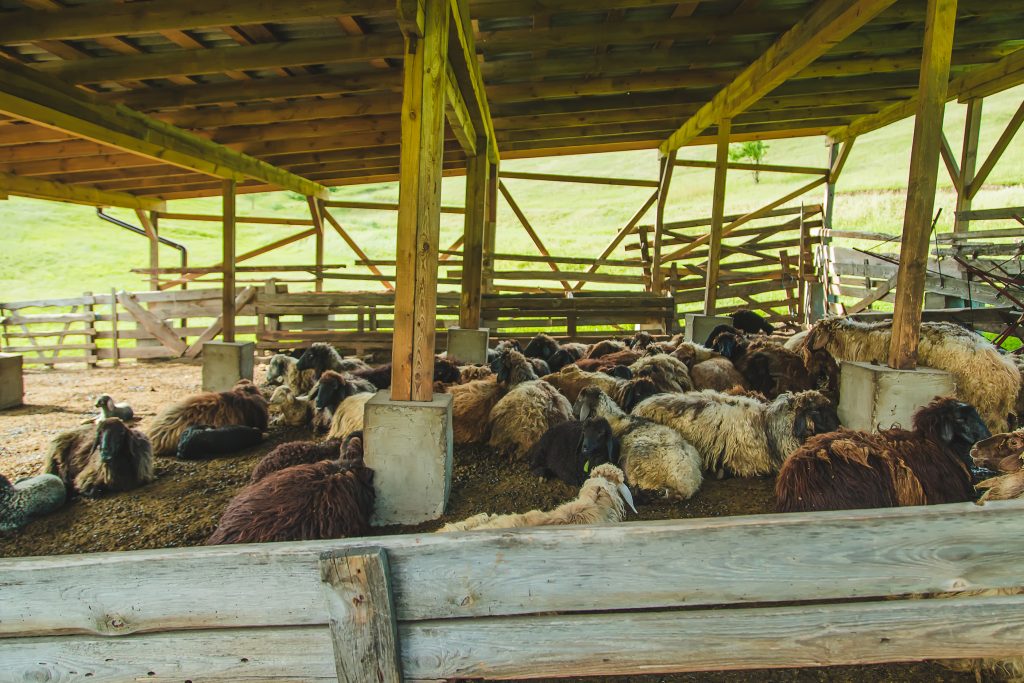
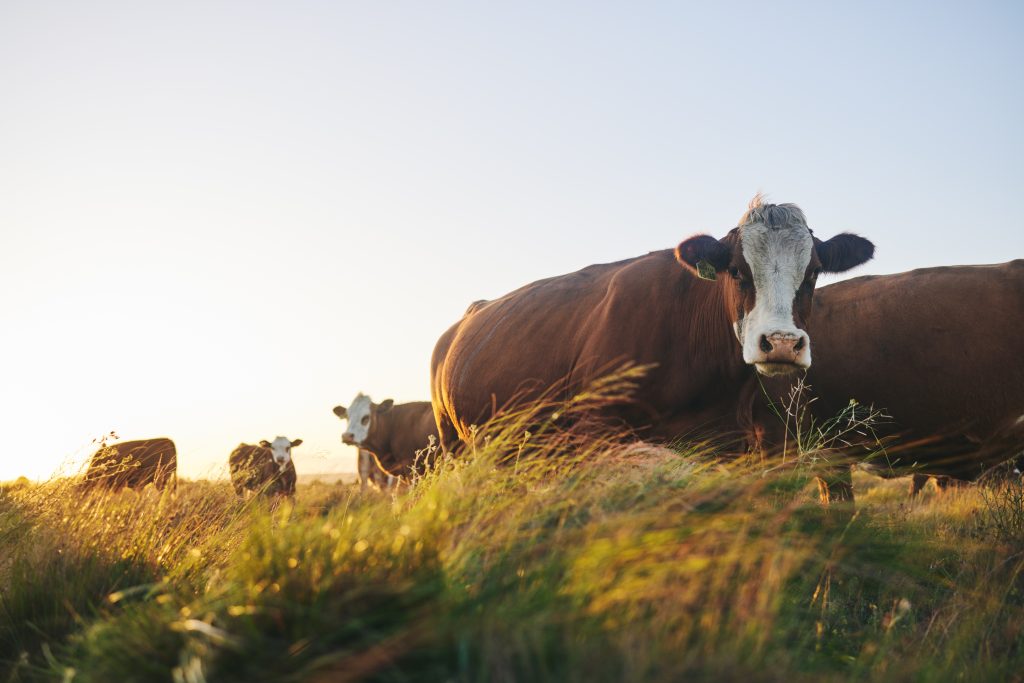
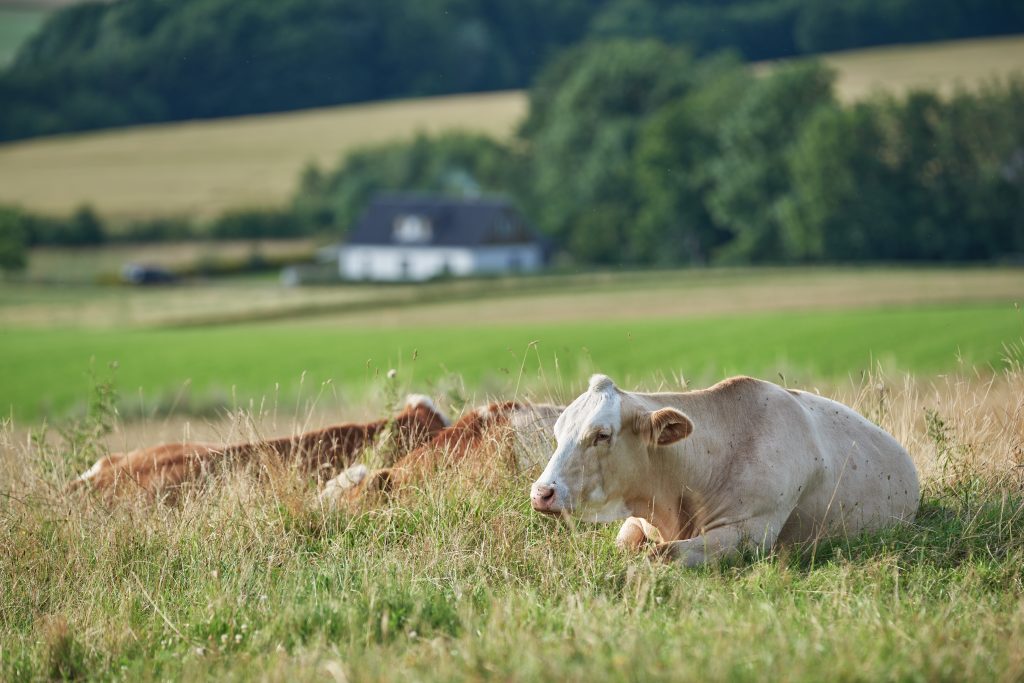
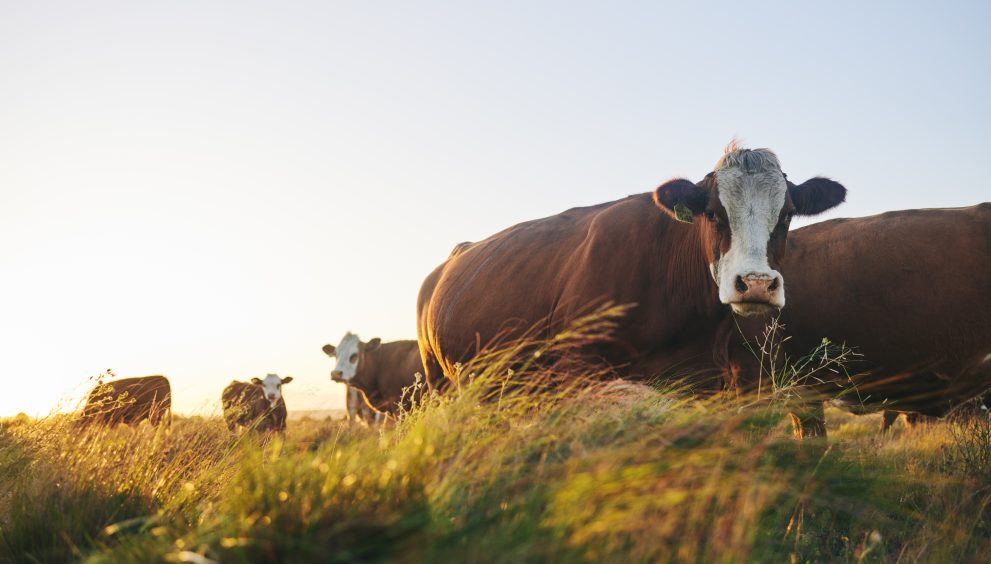
Grass-fed meat comes from animals that graze naturally on pasture for the majority of their lives, consuming fresh grasses, legumes, and other natural forage. This differs from grain-fed or conventionally farmed meat, where animals are often finished on corn, soy, or other feed grains.
-
Grass-Fed Meat: Raised naturally, with free access to pasture, minimal stress, and ethical care.
-
Grain-Fed Meat: Often confined, supplemented with grains to accelerate growth, which can affect fat composition and nutrient density.
Grass-fed meat is leaner, more nutrient-rich, and better aligned with ethical and sustainable practices.
2. Higher in Omega-3 Fatty Acids
Omega-3 fatty acids are essential for heart, brain, and joint health.
-
Grass-Fed Meat: Contains significantly higher levels of omega-3s due to natural forage, helping reduce inflammation, support cardiovascular health, and enhance brain function.
-
Grain-Fed Meat: Lower in omega-3 content and higher in omega-6 fatty acids, which, in excess, can contribute to chronic inflammation.
Including grass-fed halal meat in your diet helps maintain a healthy omega-3 to omega-6 balance.
3. Leaner Meat with Lower Fat Content
Grass-fed meat is naturally leaner, with less total fat and fewer calories:
-
Leaner meat reduces the risk of obesity and cardiovascular disease.
-
Lower fat content ensures that you consume high-quality protein without excess saturated fat.
-
Leaner cuts retain better natural flavor without relying on added oils or marinades.
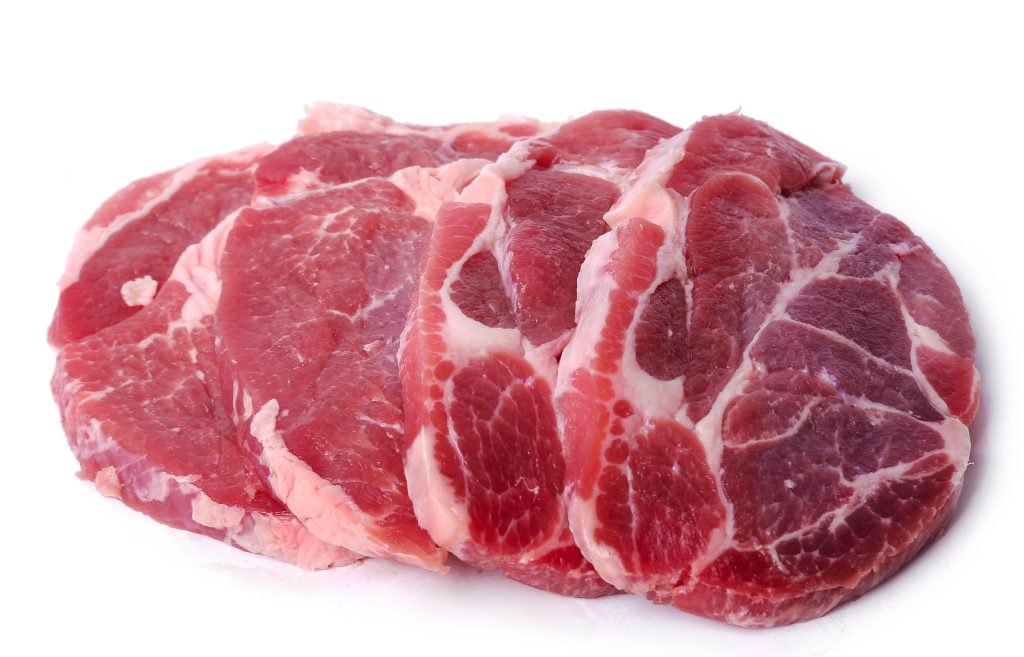
Choosing lean grass-fed meat supports weight management and heart health while providing nutrient-dense meals.
4. Richer in Vitamins and Minerals
Grass-fed meat is packed with essential nutrients:
-
Vitamin A & E: Powerful antioxidants that support immune function and skin health.
-
B Vitamins (B12, Niacin, Riboflavin): Essential for energy metabolism, red blood cell production, and neurological health.
-
Minerals: Zinc, iron, and selenium are more concentrated in grass-fed meat, supporting muscle function, immunity, and overall well-being.
These nutrients are more bioavailable in grass-fed meat due to natural diet and stress-free rearing.
5. Higher in Conjugated Linoleic Acid (CLA)
Conjugated Linoleic Acid (CLA) is a naturally occurring fatty acid with multiple health benefits:
-
Fat metabolism: Supports lean muscle development and weight management.
-
Anti-inflammatory properties: May reduce the risk of chronic disease.
-
Cancer prevention: Some studies suggest CLA may help reduce certain cancer risks.
Grass-fed meat contains 2–5 times more CLA than grain-fed meat, making it a healthier choice for active and health-conscious individuals.
6. Better Digestibility and Protein Quality
Grass-fed meat is often easier to digest due to:
-
Lower total fat and better fat composition.
-
Stress-free slaughter techniques that preserve muscle integrity.
-
High-quality protein that contains all essential amino acids, supporting muscle repair, immunity, and energy metabolism.
Digestible, nutrient-rich protein helps fuel daily activities, workouts, and recovery efficiently.
7. Ethical and Sustainable Practices
Grass-fed meat is typically produced with ethical and sustainable farming methods:
-
Animals graze freely, reducing stress and promoting animal welfare.
-
Pasture-based systems reduce environmental impact compared to grain-intensive feedlots.
-
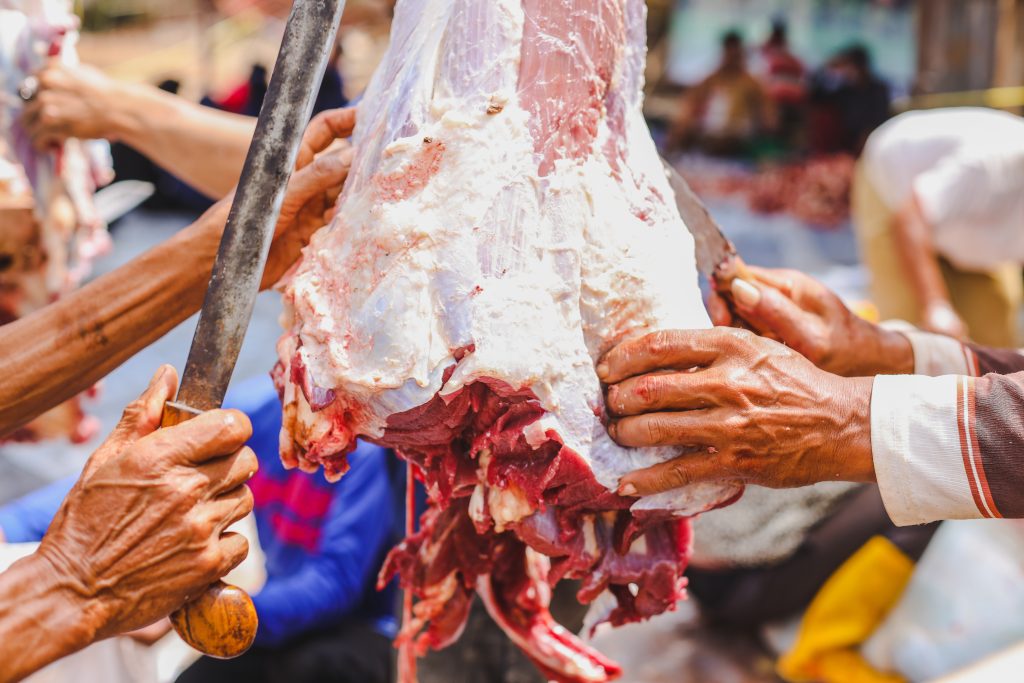
Ethical treatment and humane Zabiha slaughter ensure spiritual compliance and moral responsibility.
Choosing grass-fed halal meat aligns with values of sustainability, ethics, and spirituality, enhancing holistic wellness.
8. Flavor Benefits
Grass-fed meat offers distinct, rich flavor profiles:
-
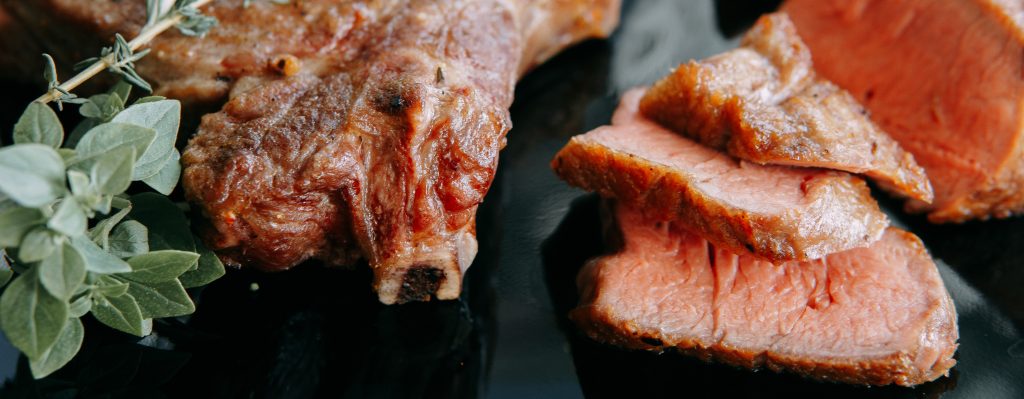
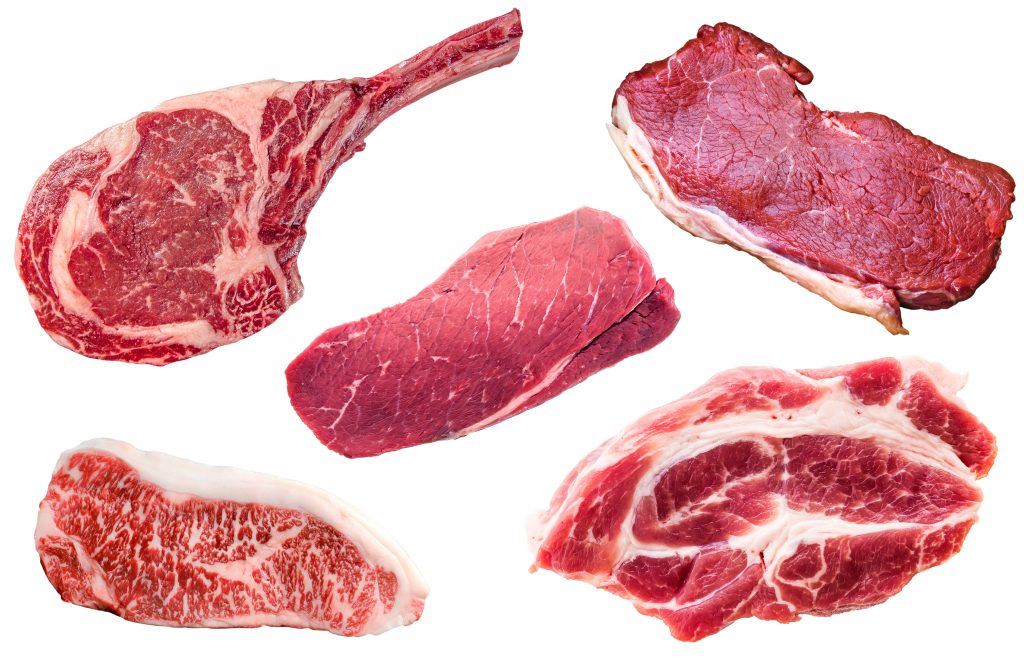
Lean, naturally marbled cuts retain juiciness and tenderness when cooked properly.
-
Meat absorbs subtle herbal and grassy notes, adding depth and complexity.
-
Less reliance on heavy marinades allows the natural taste to shine.
For culinary enthusiasts, grass-fed halal meat provides superior taste and texture for every dish.
9. Tips for Cooking Grass-Fed Meat
Grass-fed meat differs from grain-fed meat in cooking:
-
Lower fat content: Requires careful cooking to avoid dryness.
-
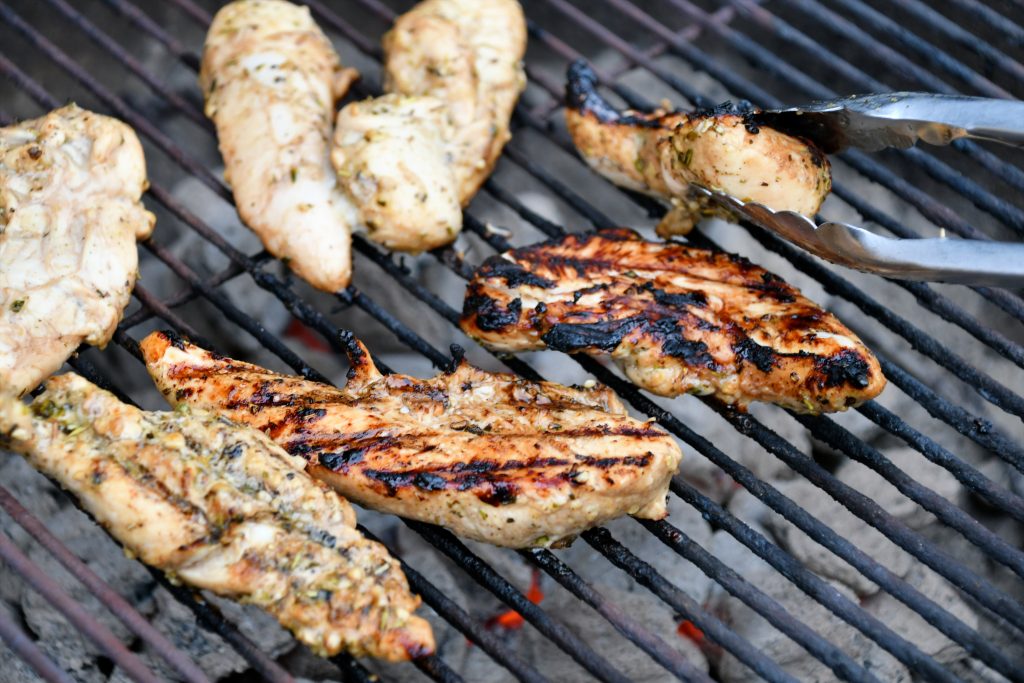
Quick-cook methods: Grilling, broiling, and sautéing work well for tender cuts like sirloin or chicken breast.
-
Slow cooking: Tougher cuts, like goat shoulder or beef chuck, benefit from braising or slow roasting to retain moisture.
-
Seasoning: Herbs, spices, and simple marinades enhance flavor without overwhelming the natural taste.
Proper cooking ensures optimal flavor, tenderness, and nutrient retention.
10. Incorporating Grass-Fed Halal Meat in Daily Meals
-
Breakfast: Minced grass-fed beef or lamb in omelets or wraps.
-
Lunch: Grilled sirloin with whole grains and vegetables.
-
Dinner: Slow-cooked goat or lamb stew with legumes and leafy greens.
-
Snacks: Lean meat slices or grass-fed jerky.
Incorporating grass-fed meat throughout the day ensures balanced protein, healthy fats, and micronutrients.
11. Conclusion
Grass-fed meat from Zabiha Farms is a healthier, more ethical, and flavorful choice for anyone seeking nutritious, halal-compliant meals. Benefits include:
-
Higher omega-3 and CLA content for heart health and anti-inflammatory support.
-
Leaner cuts with lower saturated fat and high-quality protein.
-
Rich in vitamins, minerals, and antioxidants for overall wellness.
-
Ethical, stress-free, and sustainable farming practices aligned with Zabiha principles.
-
Distinct, natural flavor and tenderness for superior culinary experiences.
By choosing grass-fed halal meat, you are not only nourishing your body with premium nutrients but also making ethical and mindful choices that support both health and values.
Grass-fed meat is more than a dietary choice—it’s a commitment to nutrition, flavor, and ethical living.