



























Ethical Considerations in Zabiha Meat

Zabiha meat is more than a dietary requirement; it is a manifestation of Islamic ethics, compassion, and responsibility. For Muslims, consuming Zabiha meat ensures that their food aligns with religious principles, health standards, and humane treatment of animals. Ethical considerations are deeply intertwined with the Zabiha process, guiding not only how animals are slaughtered but also how they are raised, handled, and consumed.
This blog explores the ethical dimensions of Zabiha meat, including the treatment of animals, environmental responsibility, community welfare, and consumer mindfulness.
1. Compassion and Humane Treatment of Animals
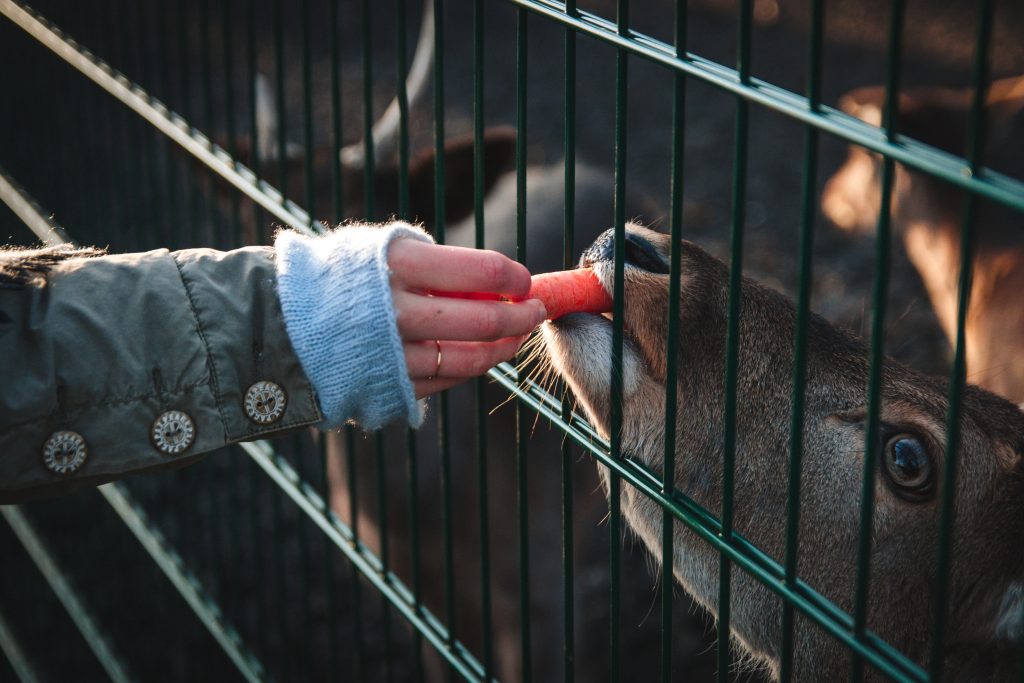
One of the most fundamental ethical considerations in Zabiha meat is the humane treatment of animals:
-
Animals must be healthy, free from disease, and treated with care before slaughter.
-
Stress and fear are minimized, as Islamic law prohibits cruelty.
-
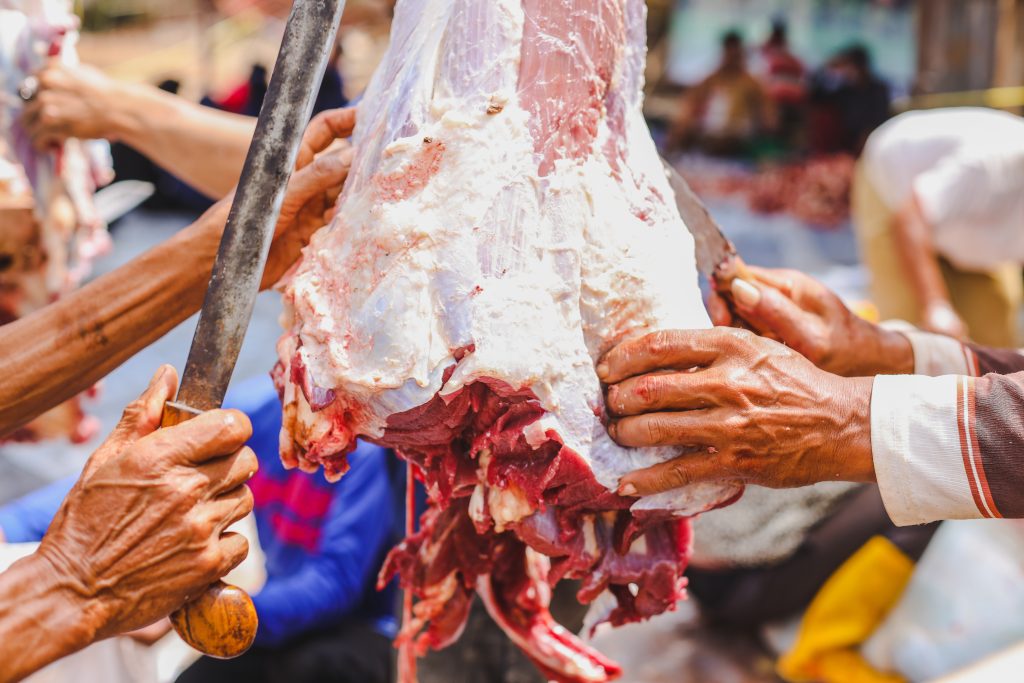
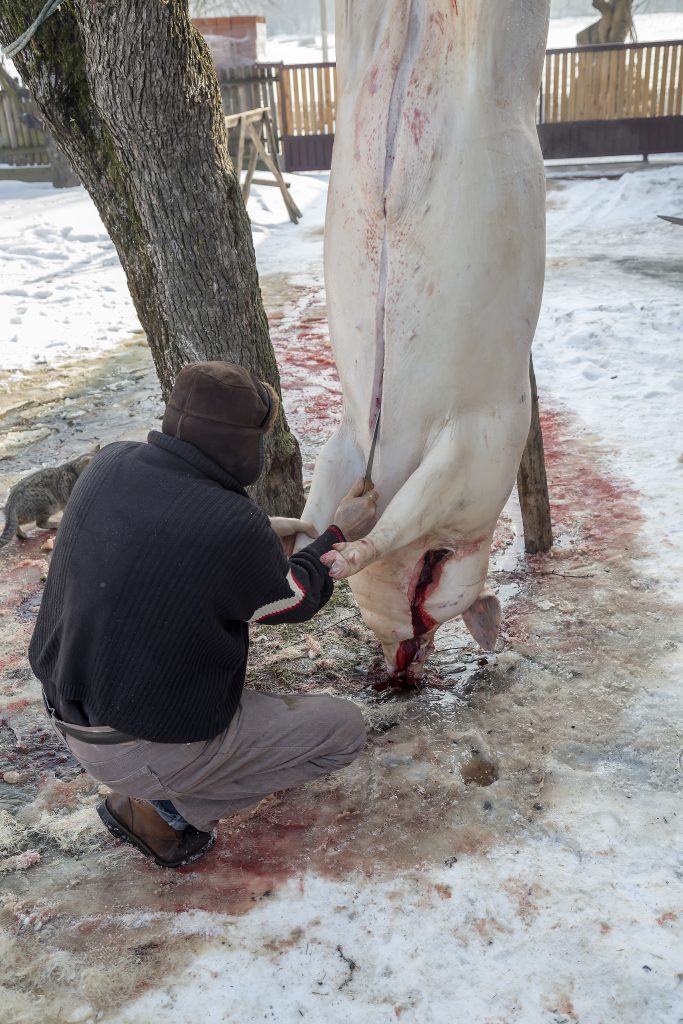
Slaughter is carried out using a swift, sharp cut to ensure quick unconsciousness and minimal suffering.
This ethical approach reflects the Islamic principle of mercy toward all living creatures and distinguishes Zabiha from methods that neglect animal welfare.
2. Ethical Sourcing and Farming Practices
Zabiha meat extends ethical responsibility to farming and sourcing practices:
-
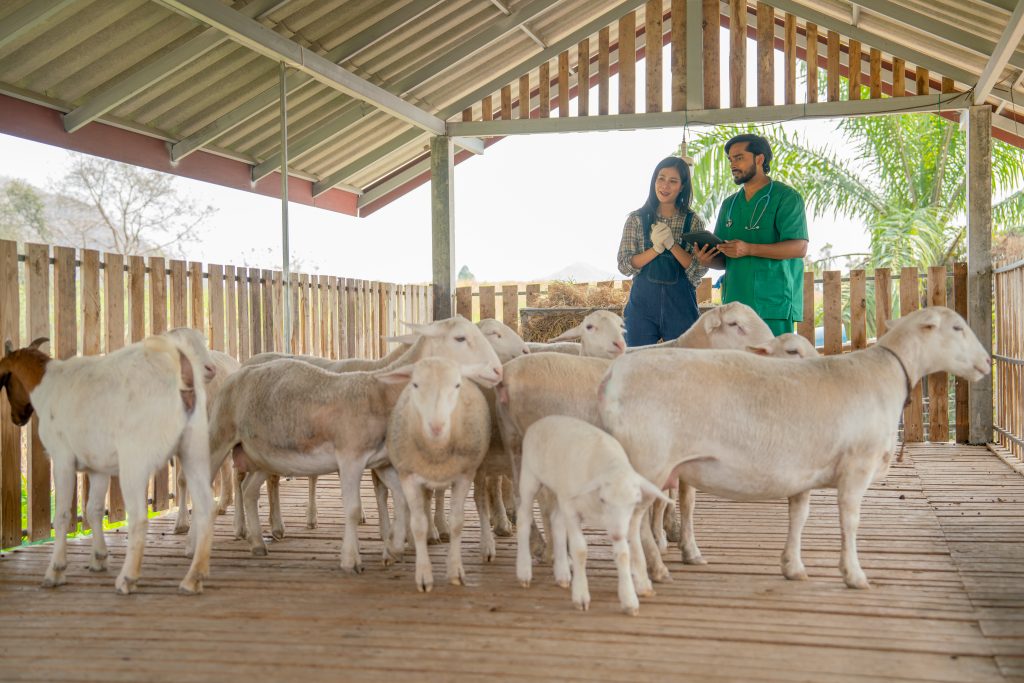
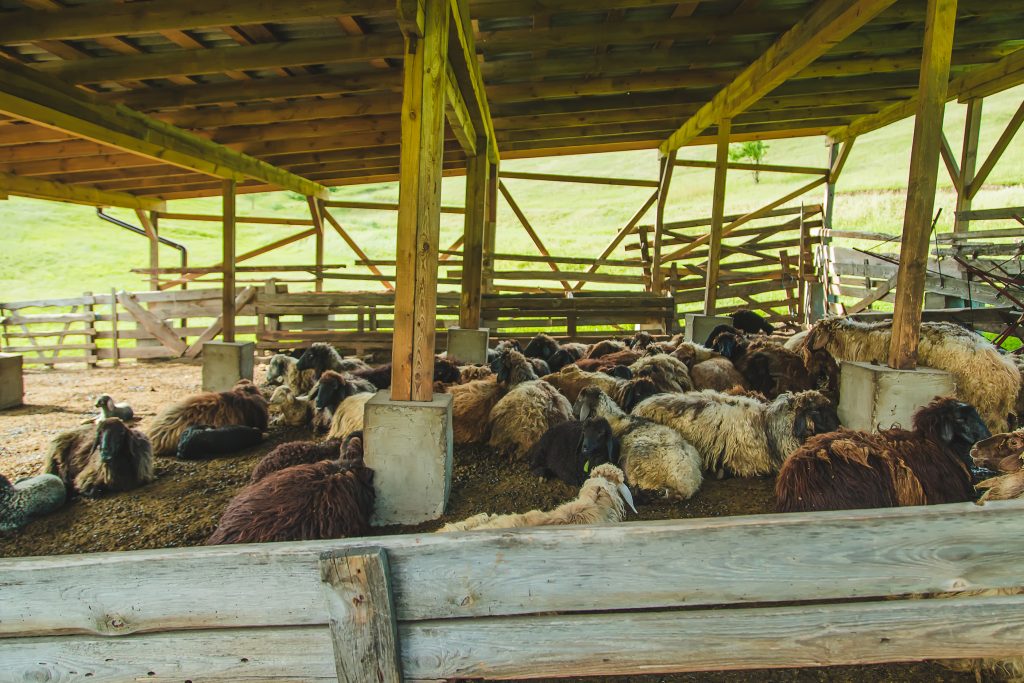
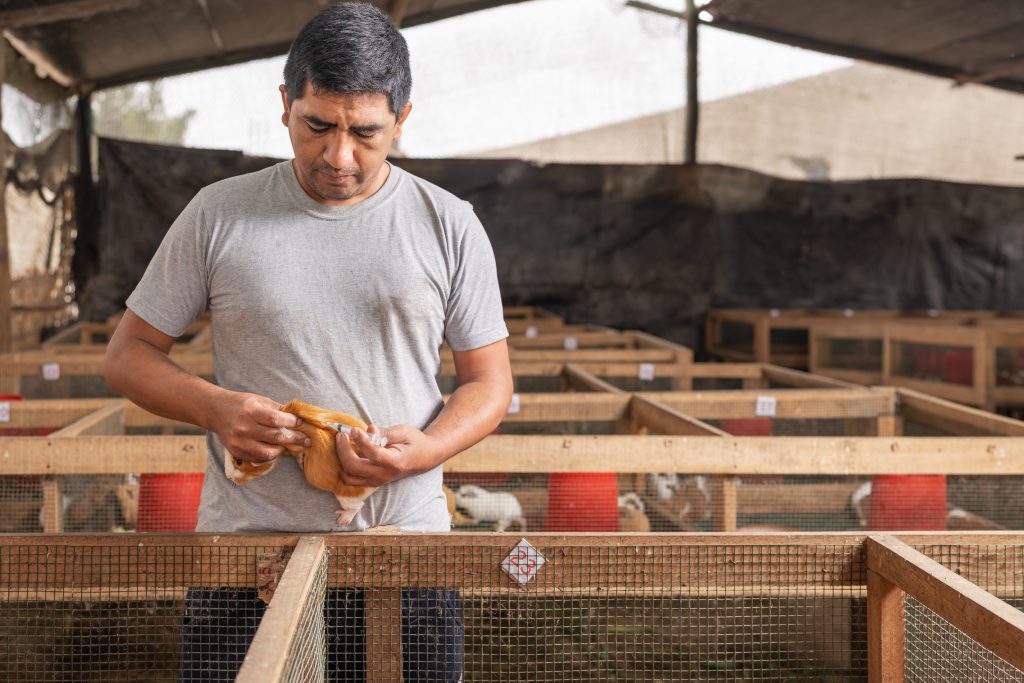
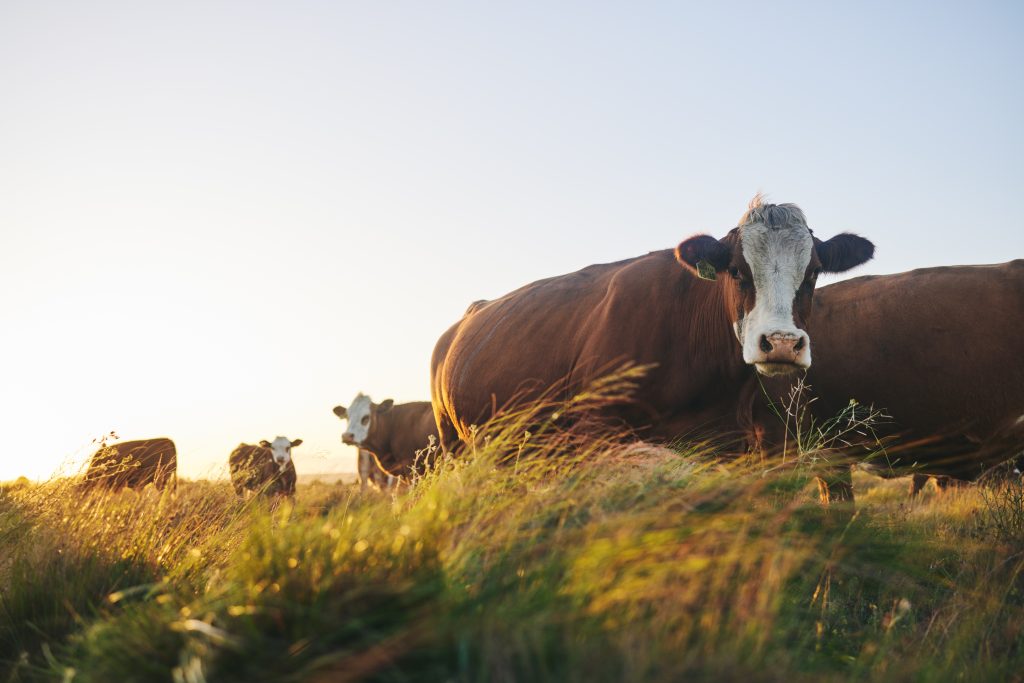
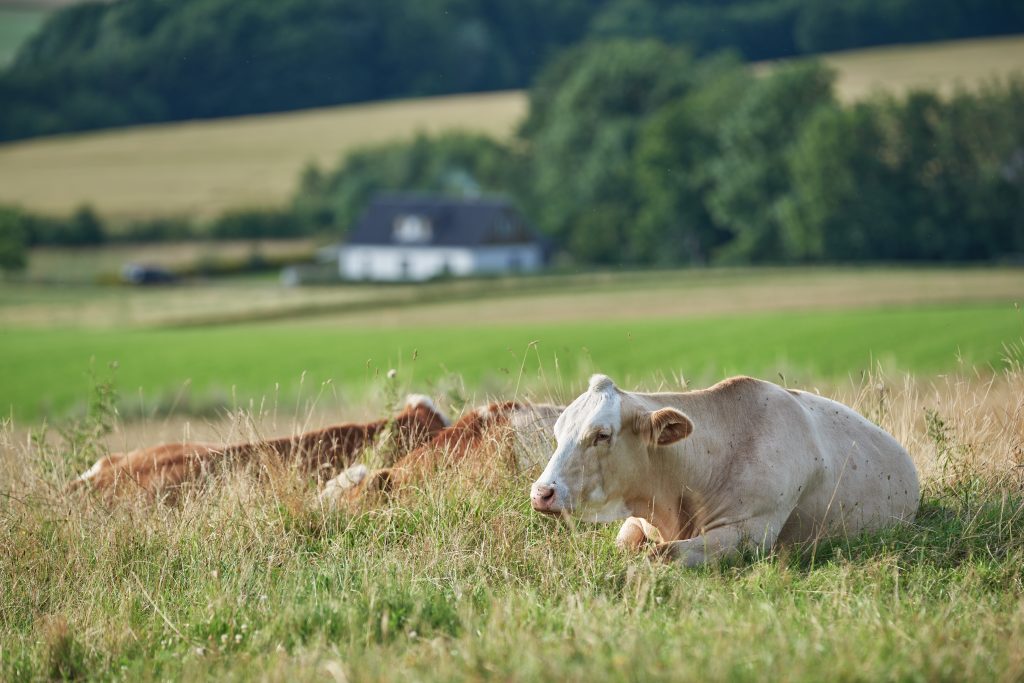
Animals should be raised in clean, spacious, and humane environments, allowing them to live naturally until slaughter.
-
Proper nutrition and veterinary care are essential to maintain animal welfare.
-
Ethical farming practices reduce stress and disease, ensuring that animals are healthy and meat is wholesome.
By focusing on ethical sourcing, Zabiha meat supports sustainable and humane food production.
3. Spiritual Ethics in Zabiha
Zabiha is a spiritual practice as much as a dietary one, reflecting ethical mindfulness in everyday life:
-
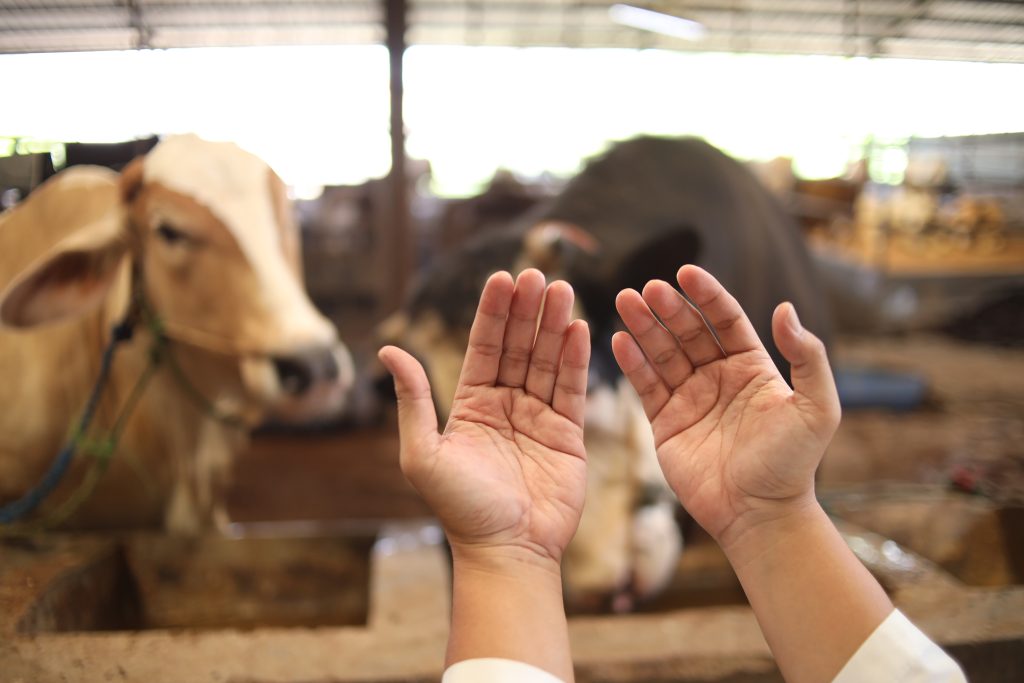
Slaughter is performed with the intention (niyyah) of obeying Allah.
-
Reciting Bismillah acknowledges that life is sacred and belongs to God.
-
Consuming Zabiha meat encourages gratitude and mindfulness, reminding Muslims to respect the sanctity of life.
Ethics in Zabiha are therefore both spiritual and practical, integrating moral responsibility into everyday consumption.
4. Hygiene and Public Health
Ethical considerations also include hygiene and safety for consumers:
-
Proper Zabiha practices ensure complete blood drainage, reducing bacterial growth.
-
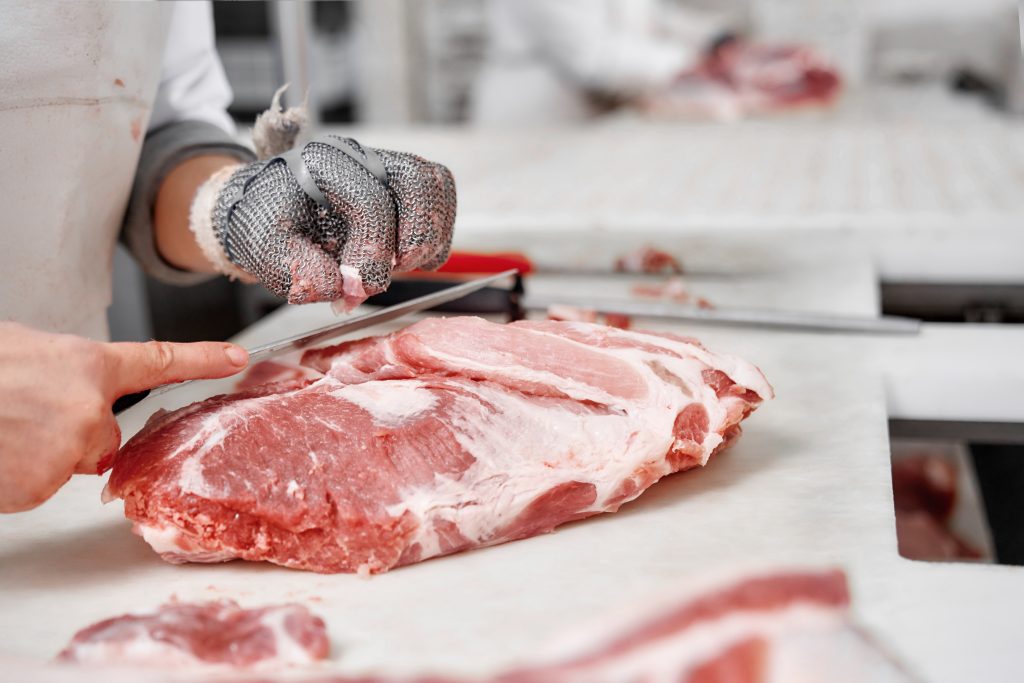
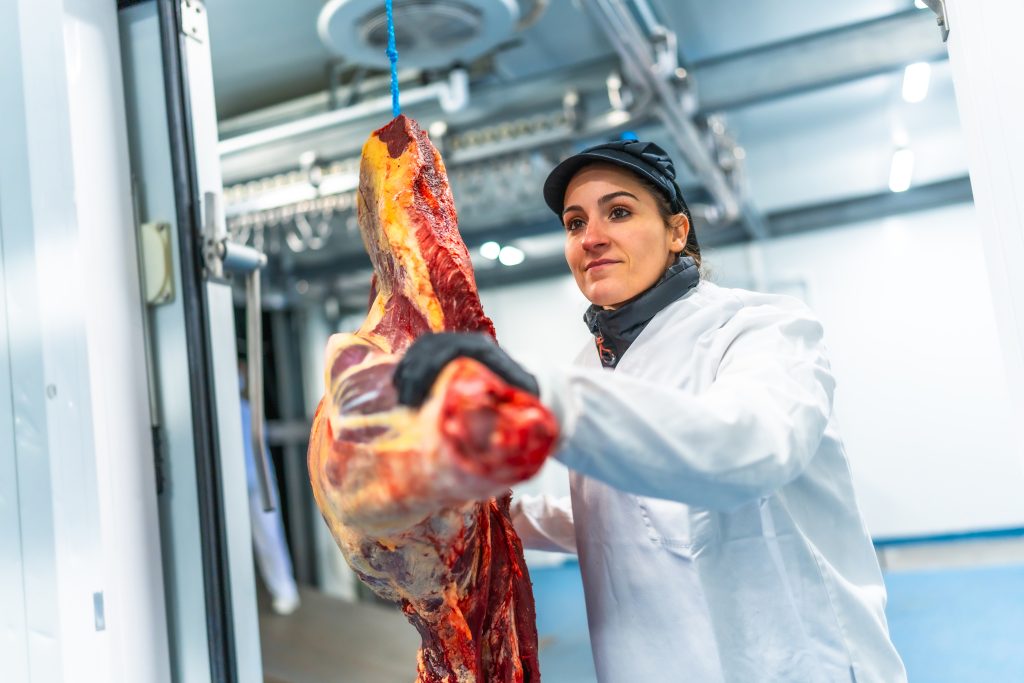
Slaughtering in clean, controlled environments minimizes contamination.
-
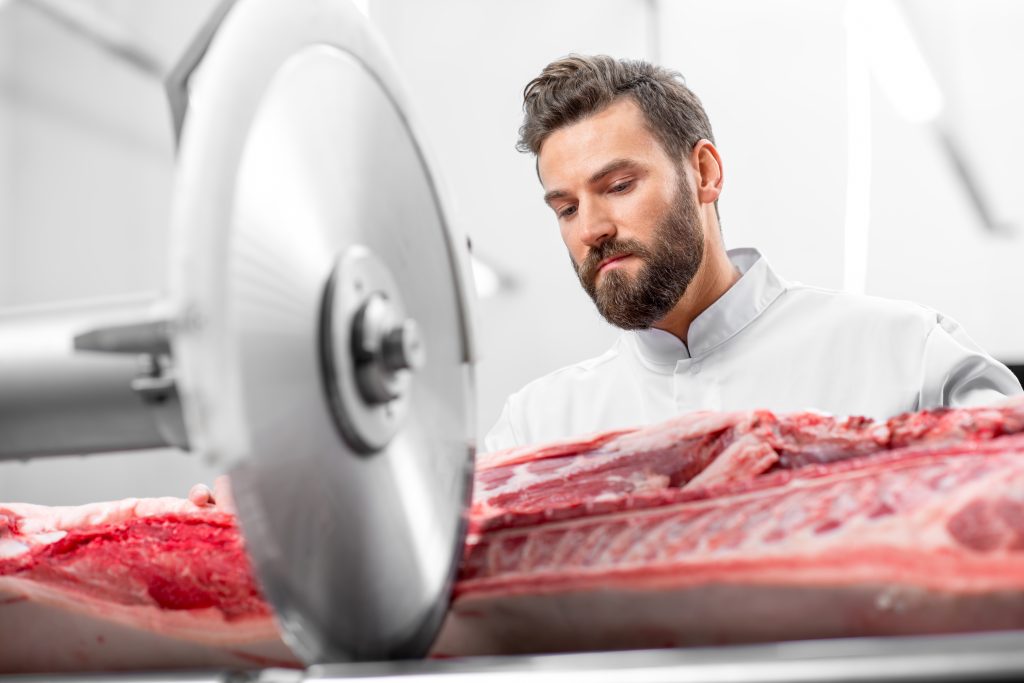
Ethical meat production prioritizes the health and safety of those consuming the meat.
By maintaining hygiene, Zabiha aligns faith-based ethics with public health principles, benefiting both individuals and communities.
5. Avoidance of Waste
Islamic ethics emphasize conservation and responsible consumption, which extends to Zabiha meat:
-
Animals should be slaughtered only when necessary, avoiding excessive or wasteful practices.
-
Meat should be consumed thoughtfully, ensuring minimal waste.
-
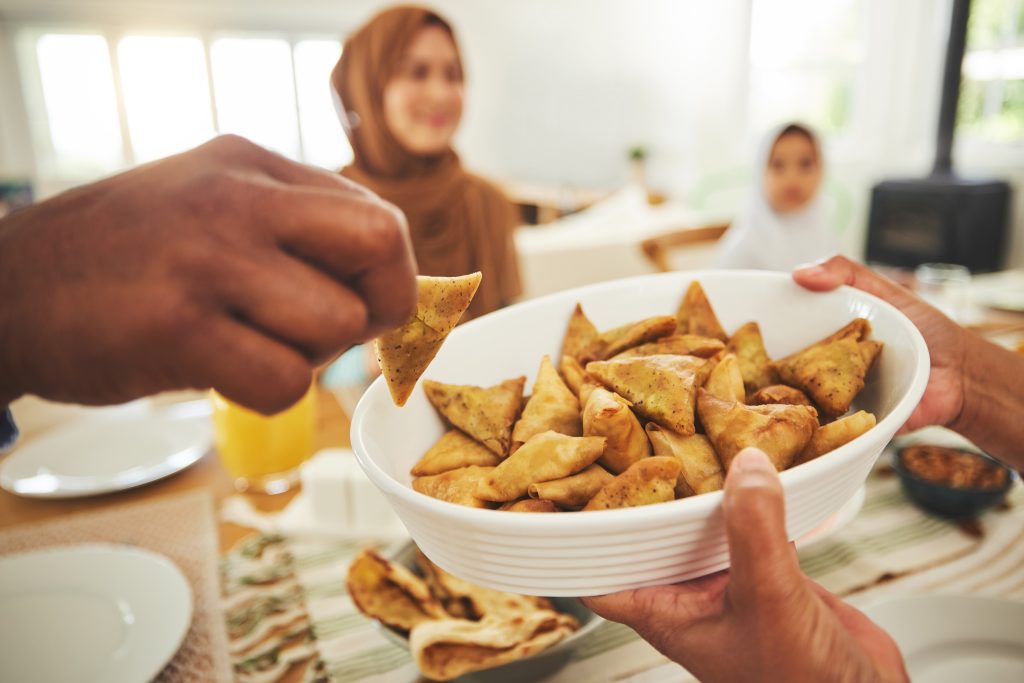
Community sharing and charity help distribute meat to those in need, especially during religious festivals like Eid al-Adha.
Ethical consumption encourages gratitude, resourcefulness, and social responsibility.
6. Fair and Transparent Practices
Ethical Zabiha meat production also involves fairness and transparency in the supply chain:
-
Farmers and slaughterers should be fairly compensated for their work.
-
Halal certification provides transparency, ensuring that meat is genuinely Zabiha and ethically sourced.
-
Consumers are empowered to make informed choices based on ethical and religious standards.
Transparency and fairness reinforce the moral integrity of the entire Zabiha process.
7. Environmental Responsibility
Ethical considerations in Zabiha meat extend to environmental sustainability:
-
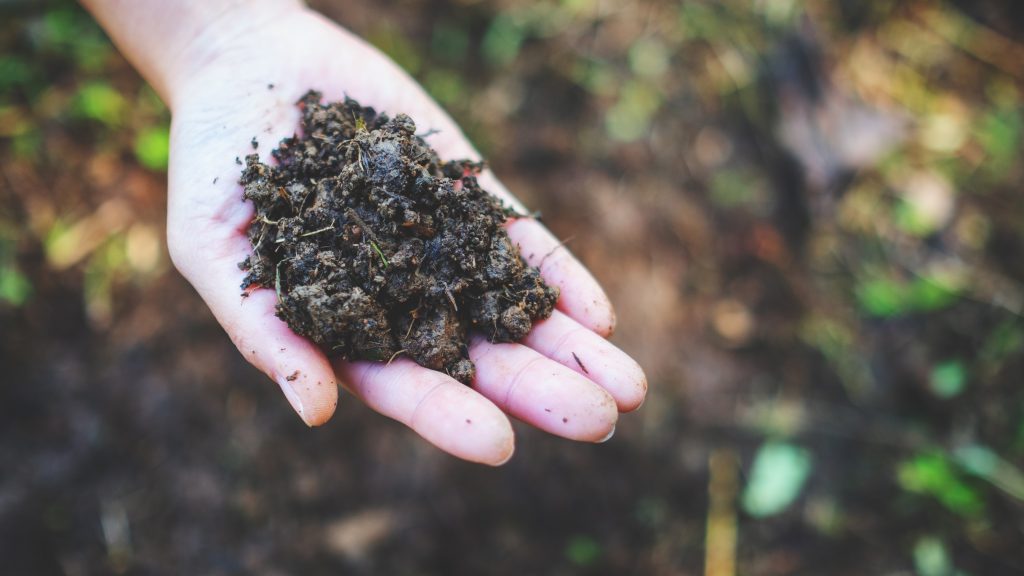
Ethical farms minimize overgrazing and pollution.
-
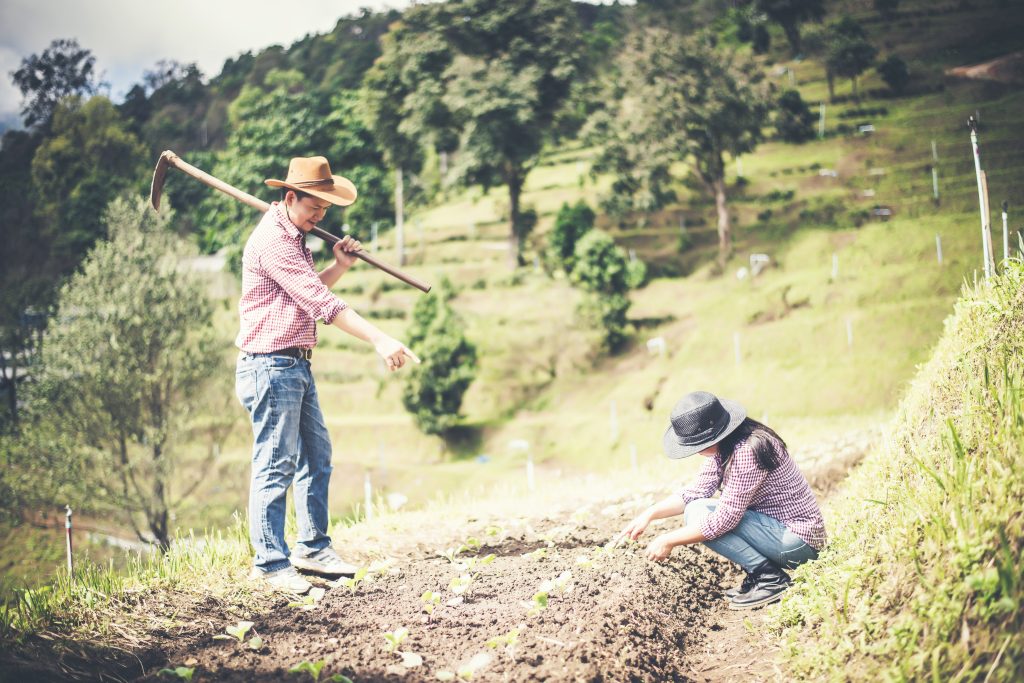
Sustainable practices reduce environmental harm and ensure the long-term health of ecosystems.
-
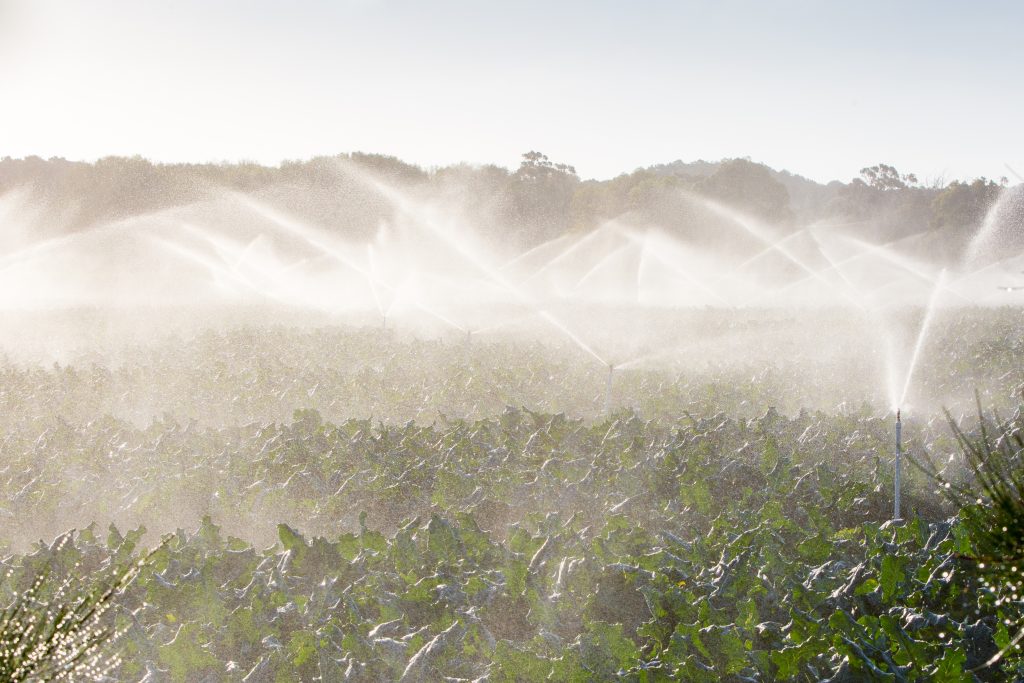
Responsible water and feed management aligns with the principle of stewardship of the Earth, a key value in Islam.
Zabiha meat production therefore balances animal welfare, human needs, and environmental care.
8. Community and Social Ethics
Zabiha meat carries a social and communal responsibility:
-
During festivals like Eid al-Adha, animals are sacrificed and meat is shared with family, neighbors, and the poor.
-
Ethical distribution ensures that all members of the community benefit, reducing inequality and fostering solidarity.
-
Zabiha practices encourage charity, empathy, and collective well-being.
Ethics in Zabiha are thus individual, social, and spiritual, connecting faith with community welfare.
9. Modern Ethical Challenges
In the contemporary halal meat industry, several ethical challenges arise:
-
Industrial-scale farming can compromise animal welfare if not properly regulated.
-
Mislabeling or lack of transparency may lead to consumer distrust.
-
Global supply chains require ethical oversight to maintain authentic Zabiha standards.
Trusted suppliers, like Zabiha Farms, ensure that modern meat production adheres to both religious and ethical principles.
10. Benefits of Ethical Zabiha Practices
Following ethical considerations in Zabiha meat provides multiple benefits:
-
Spiritual fulfillment: Obedience to divine law and mindful consumption.
-
Animal welfare: Humane treatment and minimal suffering.
-
Health and safety: Hygienic practices reduce contamination risks.
-
Community support: Sharing meat and promoting fairness.
-
Environmental care: Sustainable farming and responsible resource use.
These benefits demonstrate that Zabiha is not only a religious requirement but also a holistic ethical system.
Conclusion
Zabiha meat exemplifies the intersection of faith, ethics, and responsibility. Its ethical considerations go far beyond the act of slaughter, encompassing:
-
Humane treatment of animals
-
Ethical farming and sourcing
-
Spiritual mindfulness and gratitude
-
Hygiene and public health
-
Environmental stewardship
-
Community and social welfare
-
Transparency and fairness
By choosing ethically sourced Zabiha meat from trusted providers like Zabiha Farms, Muslims and conscious consumers can align their dietary practices with spiritual, ethical, and health standards.
Ethics in Zabiha ensure that meat consumption is an act of worship, compassion, and responsibility. It encourages mindfulness in every step—from raising animals to sharing meat with the community—making Zabiha a model of holistic ethical living in accordance with Islamic principles.
Zabiha is, therefore, not just about compliance with dietary law—it is about practicing faith, compassion, and responsibility in every bite.