



















Common Misunderstandings About Zabiha

Zabiha, the Islamic method of slaughtering animals for consumption, is a fundamental aspect of halal eating. However, despite its long history and spiritual significance, many myths and misunderstandings about Zabiha continue to circulate. These misconceptions can create confusion among Muslims trying to make informed dietary choices and among non-Muslims who are curious about halal practices.
Understanding the truth about Zabiha is essential for appreciating its spiritual, ethical, and practical importance. This blog addresses common misunderstandings and provides clarity on what Zabiha really entails.
1. Myth: Zabiha Is Cruel to Animals
One of the most widespread myths is that Zabiha causes unnecessary pain and suffering. Critics often assume that cutting an animal’s throat is inherently cruel.
The reality:
-
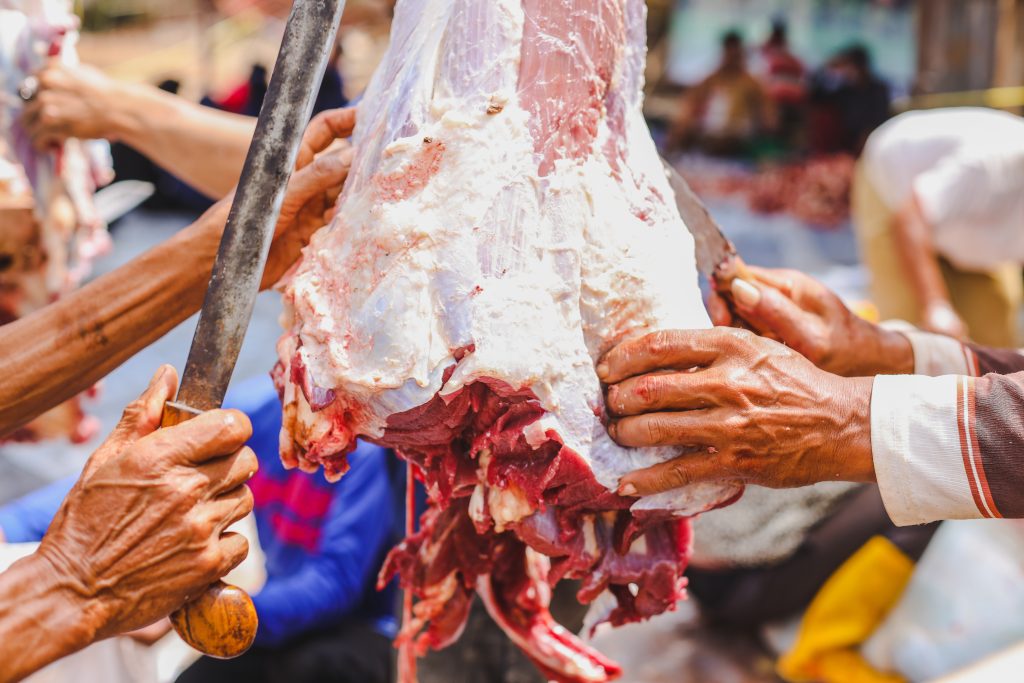
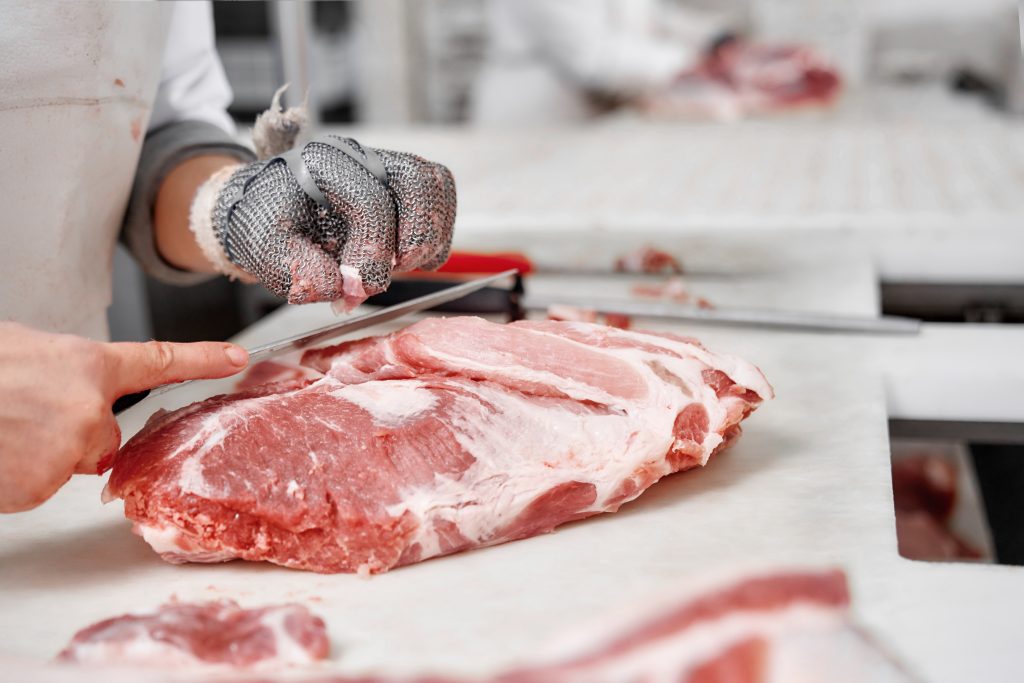
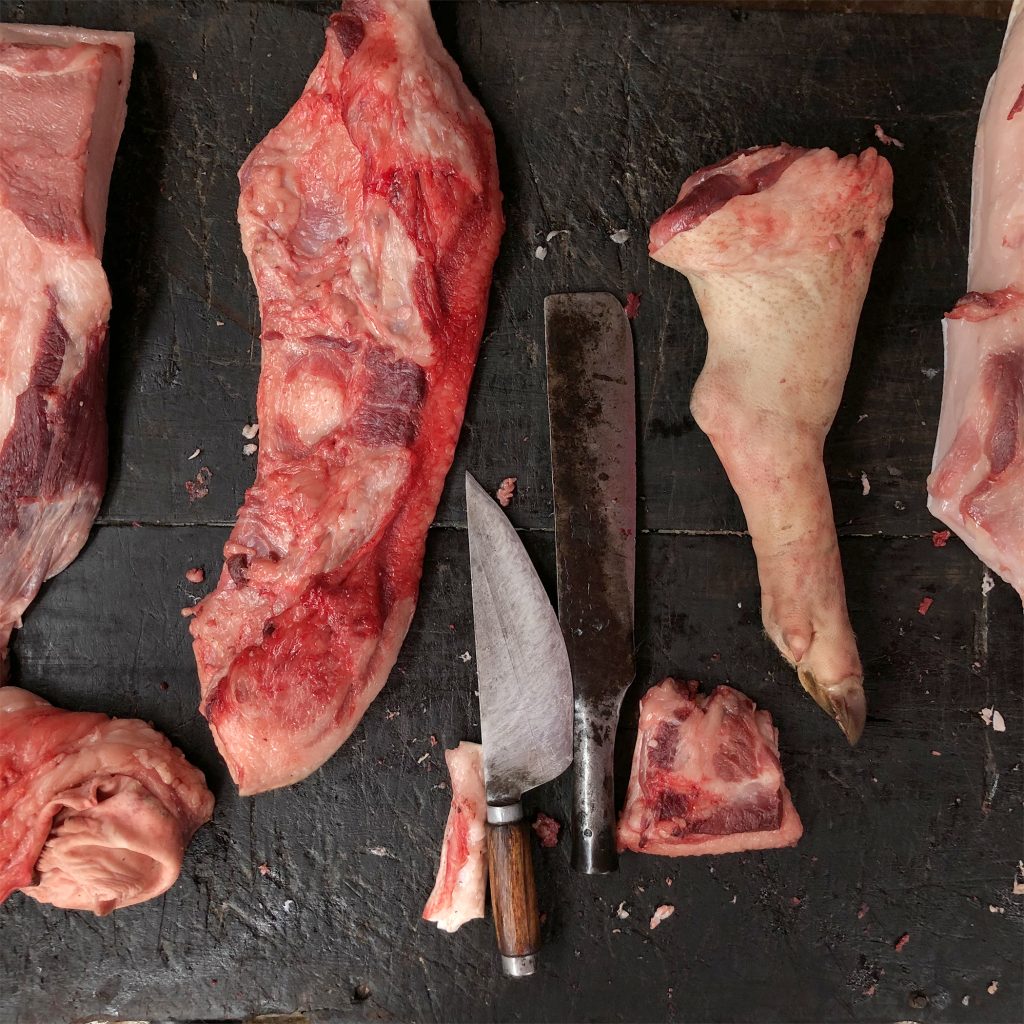
Zabiha requires the use of a razor-sharp knife to ensure a swift and clean cut.
-
The procedure severs the throat, windpipe, and major blood vessels, leading to rapid loss of consciousness.
-
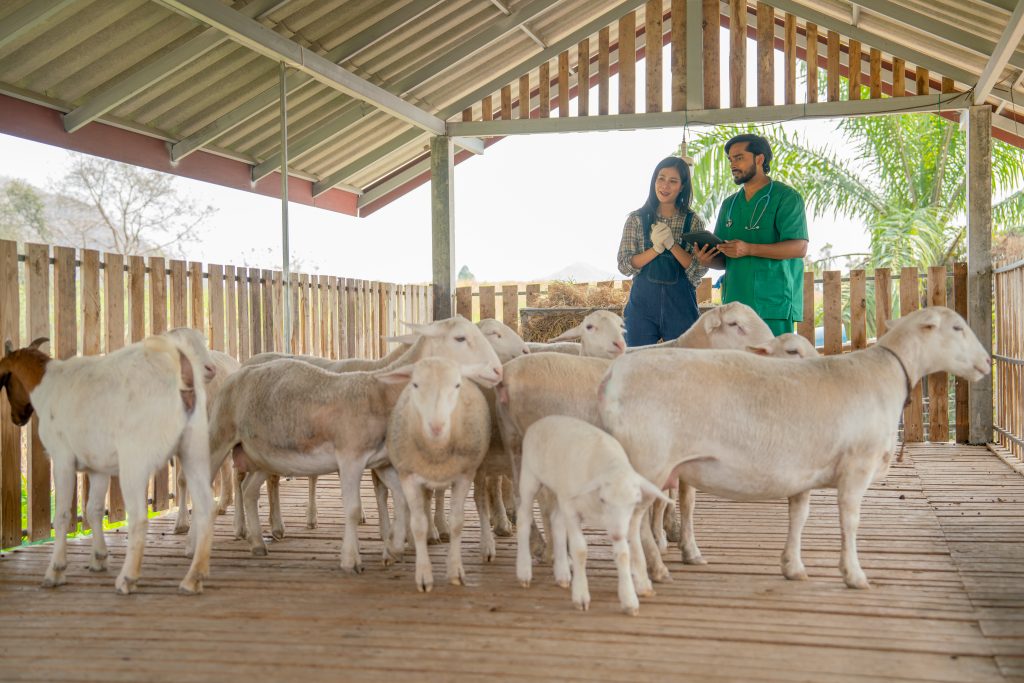
Animals must be healthy and treated gently before slaughter, avoiding unnecessary stress.
When performed correctly, Zabiha is considered one of the most humane methods of slaughter, aligning with Islamic teachings on mercy and compassion toward animals.
2. Myth: All Halal Meat Is Zabiha
Many people assume that if meat is labeled halal, it automatically qualifies as Zabiha. This is not always the case.
-
Halal is a broad term that refers to what is permissible under Islamic law.
-
Zabiha refers specifically to meat slaughtered according to the strict Islamic method.
-
Some halal-certified meat may be mechanically slaughtered or processed in ways that do not fulfill Zabiha requirements.
To ensure authenticity, look for Zabiha certification or confirm that the meat is hand-slaughtered according to Islamic guidelines.
3. Myth: Zabiha Is Outdated
Some critics claim that Zabiha is an old-fashioned practice incompatible with modern food systems.
The truth:
-
Zabiha principles have adapted to modern production while preserving ethical and spiritual integrity.
-
Halal slaughterhouses and farms now combine traditional methods with hygiene standards, quality control, and traceability systems.
-
Modern Zabiha practices are fully compatible with industrial food production and global supply chains.
Zabiha remains relevant today, ensuring both faith compliance and food safety.
4. Myth: Zabiha Meat Tastes Different or Bad
Another misconception is that Zabiha meat has a strange or unpleasant taste.
Fact:
-
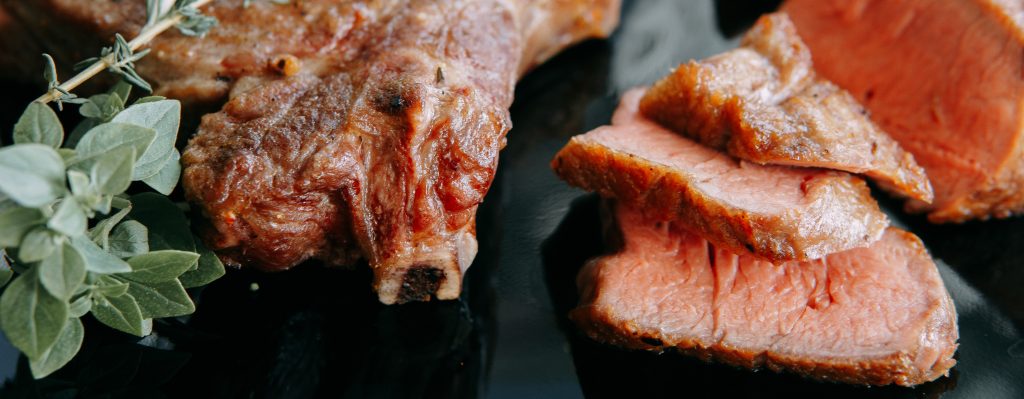
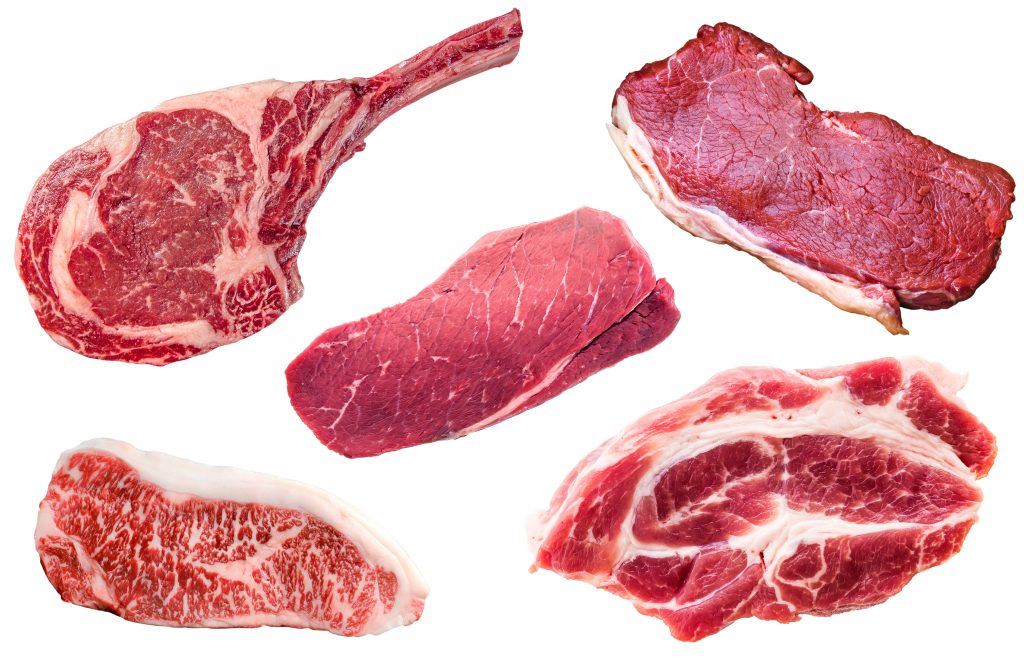
Proper Zabiha ensures complete blood drainage, which improves flavor, texture, and freshness.
-
Many consumers report that Zabiha meat tastes cleaner and more wholesome than non-Zabiha meat.
-
Taste differences are more often due to quality, freshness, and cooking methods rather than the method of slaughter itself.
In fact, chefs often prefer Zabiha meat for its superior quality and ease of seasoning.
5. Myth: Zabiha Is Only About Saying Bismillah
Some people reduce Zabiha to merely reciting Bismillah before slaughter. While the invocation is essential, Zabiha involves much more.
-
Ethical treatment of the animal before slaughter
-
Use of a sharp, precise knife
-
Proper positioning and swift cutting
-
Complete blood drainage
Reciting Bismillah is important, but the act must be accompanied by correct procedures to fulfill Zabiha requirements fully.
6. Myth: Stunning Animals Is Always Haram
There is widespread confusion about stunning practices. Many assume that any form of pre-slaughter stunning is forbidden.
Clarification:
-
Some Islamic scholars allow reversible stunning, provided the animal is alive at the time of slaughter.
-
Stunning must not cause death before the cut, and blood must be fully drained.
-
Transparency in slaughtering practices ensures compliance with both religious law and modern welfare standards.
Not all stunning methods violate Zabiha principles, and many certified halal facilities implement ethical stunning techniques.
7. Myth: Zabiha Is Only About Religion
While Zabiha originates from Islamic law, its benefits extend beyond faith.
-
Ethical treatment of animals promotes humane and responsible consumption.
-
Proper blood drainage and hygiene practices contribute to healthier, safer meat.
-
Consumers of all backgrounds may choose Zabiha for quality, ethics, and purity.
Zabiha embodies principles that align with broader values of ethics, health, and sustainability.
8. Myth: It’s Impossible to Verify Zabiha Meat
Some feel that confirming Zabiha compliance is too difficult.
The reality:
-
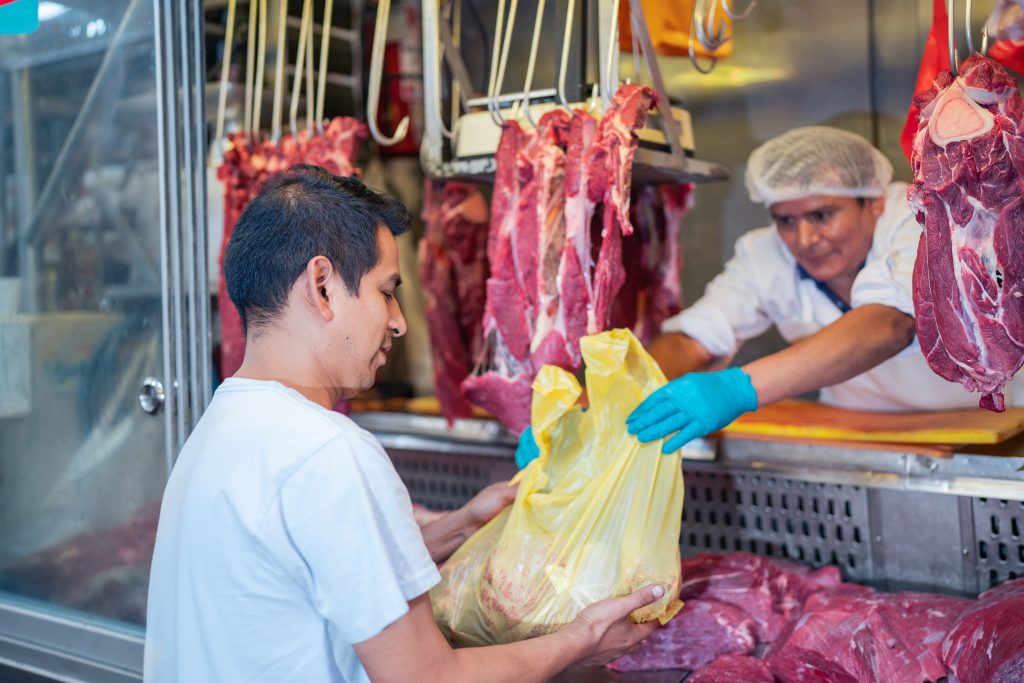
Trusted halal certification agencies provide clear verification for Zabiha meat.
-
Consumers can ask questions about slaughter practices, sourcing, and handling.
-
Reputable suppliers, like Zabiha Farms, maintain transparency and traceability, making it easy for customers to make informed choices.
Verifying Zabiha meat is achievable with awareness and careful selection.
9. Myth: Zabiha Is Only Practiced in Certain Regions
Zabiha is sometimes thought to be limited to specific countries or communities.
Fact:
-
Zabiha is a global practice, followed by Muslim communities worldwide.
-
International halal meat industries maintain Zabiha standards in Europe, North America, Asia, and the Middle East.
-
Global certification and ethical farming practices ensure consistent compliance regardless of location.
The global reach of Zabiha reflects its enduring religious, ethical, and practical relevance.
10. Myth: Zabiha Has No Impact on Health
Some believe Zabiha is purely a religious requirement without practical health benefits.
Reality:
-
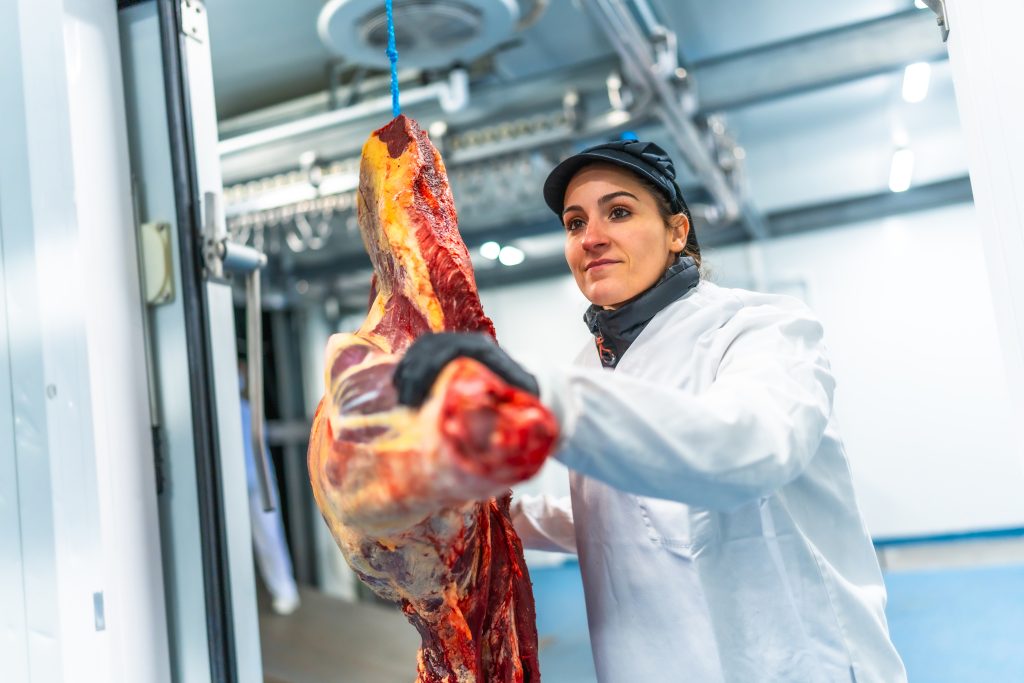
Zabiha meat is cleaner and safer due to proper blood drainage.
-
Ethically raised and properly slaughtered animals reduce the risk of contamination.
-
Choosing Zabiha meat supports both spiritual integrity and physical well-being.
Zabiha fulfills Islamic obligations while contributing to a healthy and wholesome diet.
Conclusion
Zabiha is one of the most misunderstood aspects of halal eating, yet it remains central to Islamic dietary law. By addressing these common myths, consumers can appreciate that Zabiha is not merely a ritual—it is a comprehensive system that combines spirituality, ethics, health, and quality.
Key takeaways include:
-
Zabiha is humane, ethical, and health-conscious.
-
Not all halal meat is Zabiha; verification matters.
-
Proper Zabiha ensures wholesome, pure, and high-quality meat.
-
Zabiha has global relevance and benefits beyond religious observance.
Choosing Zabiha meat from trusted sources like Zabiha Farms allows Muslims and conscious consumers to eat with confidence, knowing that their food adheres to ethical, spiritual, and health standards. Understanding and dispelling these myths empowers informed choices, strengthens faith-aligned eating habits, and highlights the enduring significance of Zabiha in modern life.