


































































In Islam, the concept of health extends far beyond the physical body—it encompasses the mind, soul, and overall spiritual well-being. One of the key ways to achieve this holistic health is through the food we consume. Halal food, which means “permissible” in Arabic, is not only a dietary requirement but also a spiritual practice that aligns daily life with ethical, moral, and religious principles. Eating halal food is an act of mindfulness and obedience to God, fostering both physical health and spiritual balance.
This article explores how halal food contributes to spiritual well-being, its ethical and moral foundations, and how adopting halal dietary practices can lead to a healthier, more balanced life.
1. Understanding Halal in a Spiritual Context
The term “halal” encompasses much more than the avoidance of prohibited (haram) foods. It represents a lifestyle rooted in mindfulness, discipline, and ethical consciousness. The Quran and Hadith provide detailed guidelines on what is permissible to consume, how to prepare food, and the intention behind eating.
When a person consumes halal food with the right intention, it becomes an act of worship. Each meal is an opportunity to honor God’s commands, promoting mindfulness, gratitude, and a sense of spiritual connection. This connection fosters inner peace and emotional well-being, which are essential components of holistic health.
2. Mindful Eating and Spiritual Awareness
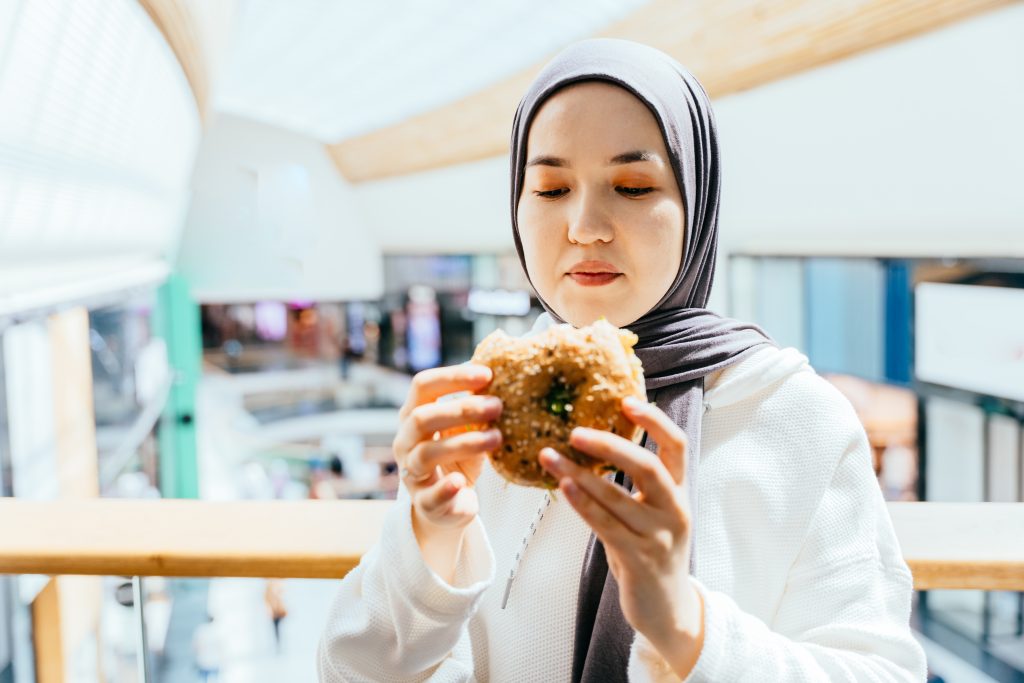
One of the core benefits of halal food is its promotion of mindful eating. Mindfulness in eating is a spiritual practice that encourages individuals to be fully present, appreciate their food, and consume only what is necessary. In Islam, overeating is discouraged, as it can negatively affect both physical and spiritual health.
Mindful halal eating helps regulate portions, supports digestion, and prevents unhealthy habits. Beyond physical benefits, it cultivates gratitude for the sustenance provided, fostering a deep sense of spiritual fulfillment. By acknowledging the source of their food, individuals develop a heightened awareness of the interconnectedness of life and the blessings they receive daily.
3. Ethical Consumption and Moral Responsibility
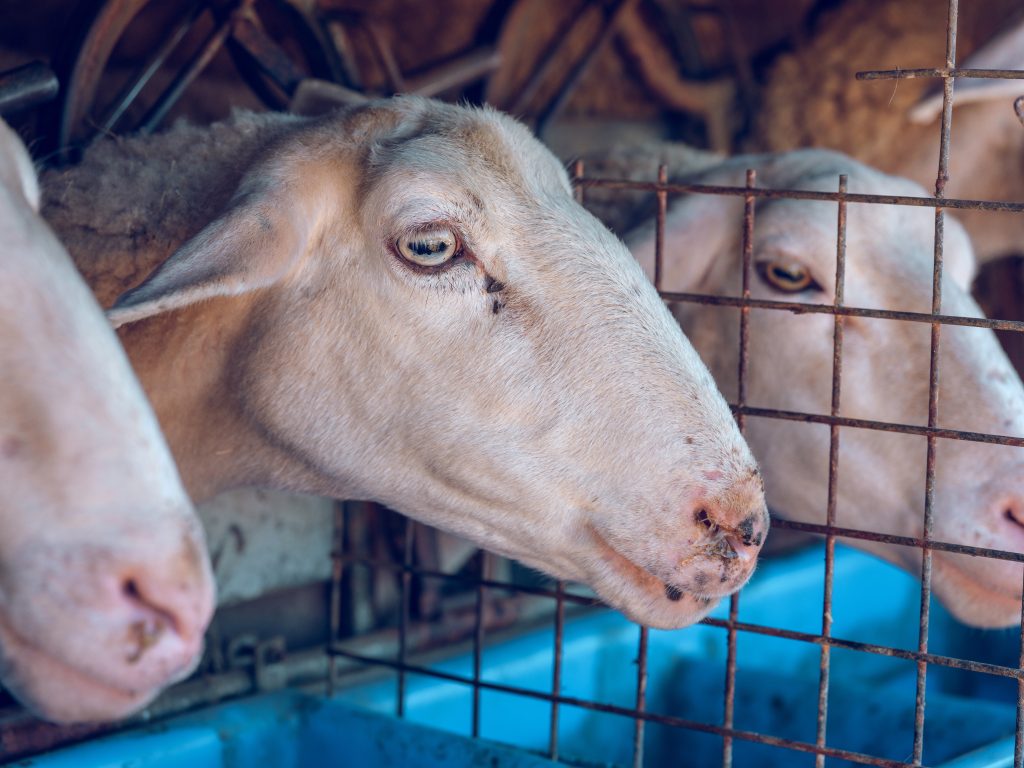
Halal food emphasizes ethical and humane treatment of animals. Animals must be treated with respect and compassion, raised in clean environments, and slaughtered according to strict guidelines to minimize suffering. This ethical treatment reflects Islamic teachings on compassion and responsibility, which are fundamental to spiritual well-being.
Consuming halal meat encourages moral consciousness in everyday life. It reminds individuals that their choices have ethical consequences, nurturing virtues such as empathy, responsibility, and respect for all living beings. Spiritual well-being is strengthened when actions, including dietary habits, align with moral and ethical principles.
4. Purity and Health of the Body
The Islamic concept of Tayyib, meaning pure and wholesome, complements the idea of halal. Halal food is not only permissible but also clean, safe, and nutritious. By consuming pure and uncontaminated food, individuals maintain a healthy body, which is essential for spiritual practice.
A sound body supports spiritual activities such as prayer, fasting, and meditation. Illness or poor health can hinder one’s ability to perform these practices, whereas clean, wholesome halal food ensures that the body remains strong and capable. In this way, physical health and spiritual well-being are deeply interconnected.
5. Food as an Act of Worship
In Islam, everyday actions can become acts of worship when performed with the right intention. Eating halal food is one such action. By consciously choosing what is permissible and consuming it with gratitude, a person elevates a simple act like eating into a spiritual exercise.
This approach transforms meals into moments of reflection and connection with God. It encourages individuals to consider the source of their food, the effort behind its production, and the responsibility they carry in consuming it ethically. Such mindfulness nurtures a calm and centered mind, contributing to emotional and spiritual stability.
6. Avoiding Harmful Substances
Halal dietary laws prohibit foods that are harmful or impure, such as pork and alcohol. These prohibitions have both spiritual and physical implications. Spiritually, avoiding forbidden foods prevents moral transgression and promotes obedience to divine guidance. Physically, these restrictions reduce exposure to substances that may negatively impact health, such as toxins, saturated fats, or chemicals found in certain non-halal foods.
This dual benefit enhances overall well-being. By consuming halal food, individuals not only nourish their bodies but also protect their spiritual integrity, creating a balanced and healthy lifestyle.
7. Gratitude and Spiritual Reflection
Halal eating encourages gratitude for God’s provisions. Muslims are taught to begin meals with the phrase “Bismillah” (In the name of God) and to thank God after eating. This constant acknowledgment fosters a sense of humility and spiritual awareness, reminding individuals of the divine presence in their daily lives.
Gratitude has been shown to reduce stress, enhance emotional resilience, and improve overall mental health. In this way, halal food not only nourishes the body but also strengthens spiritual and psychological well-being.
8. Community and Social Responsibility
Halal practices extend beyond the individual to encompass community health and ethical responsibility. By supporting halal farms, local producers, and ethical supply chains, consumers contribute to sustainable practices that benefit society at large.
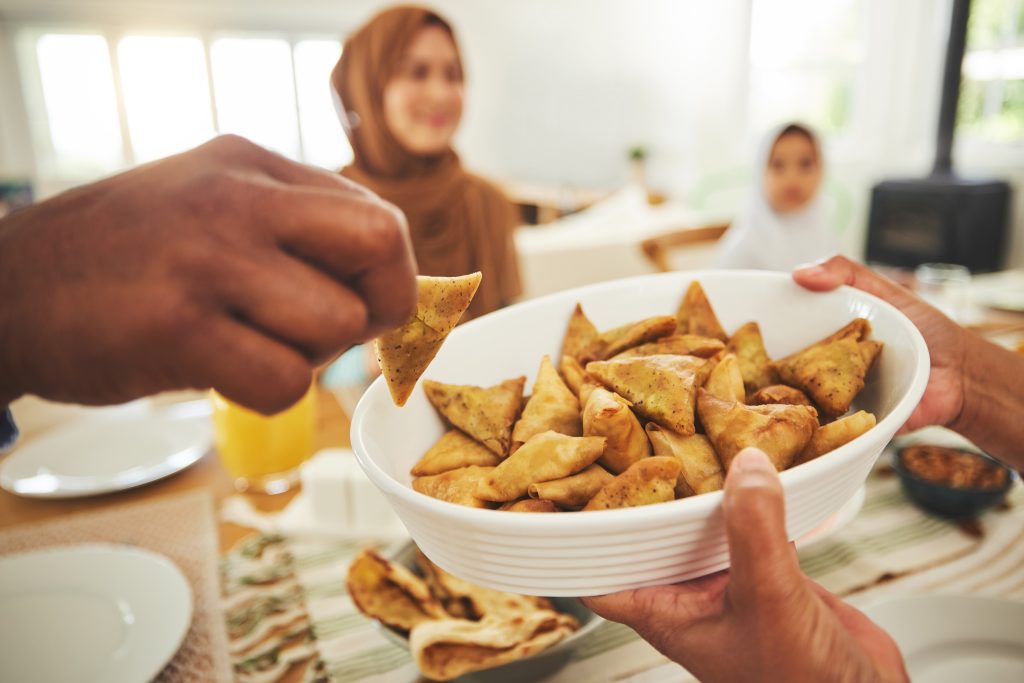
Eating halal food fosters a sense of belonging and shared values within the community. It reminds individuals that their choices impact others, encouraging ethical and socially responsible behavior. This sense of community and moral responsibility reinforces spiritual well-being by aligning personal actions with collective ethical standards.
9. Conclusion
Halal food is much more than a dietary requirement—it is a pathway to spiritual, mental, and physical well-being. By adhering to halal principles, individuals engage in mindful eating, ethical consumption, and gratitude practices that enhance their spiritual lives. Halal food ensures purity, safety, and nutrition, supporting a healthy body capable of fulfilling spiritual obligations.
Incorporating halal food into daily life is an act of worship, promoting self-discipline, moral responsibility, and inner peace. It nurtures a balanced lifestyle where physical health and spiritual well-being are intertwined. Choosing halal, particularly from trusted sources like Zabiha Farms, allows individuals to embrace a lifestyle that benefits their body, mind, and soul.
By understanding the spiritual significance of halal food, we can transform every meal into an opportunity for reflection, gratitude, and connection with God—creating a life that is wholesome, ethical, and spiritually fulfilling.