



















































How Zabiha Meat Supports Sustainable Farming

Zabiha meat is widely recognized for its religious, ethical, and nutritional significance. Beyond these qualities, it also plays an important role in supporting sustainable farming practices. By integrating humane animal treatment, responsible feeding, and ethical slaughtering, Zabiha aligns closely with modern sustainability principles, ensuring that food production is both environmentally and socially responsible.
This blog explores how Zabiha meat contributes to sustainable farming, benefiting the environment, communities, and long-term food security.
1. Ethical Treatment of Animals
Sustainable farming begins with humane and ethical treatment of livestock, a principle central to Zabiha meat:
-
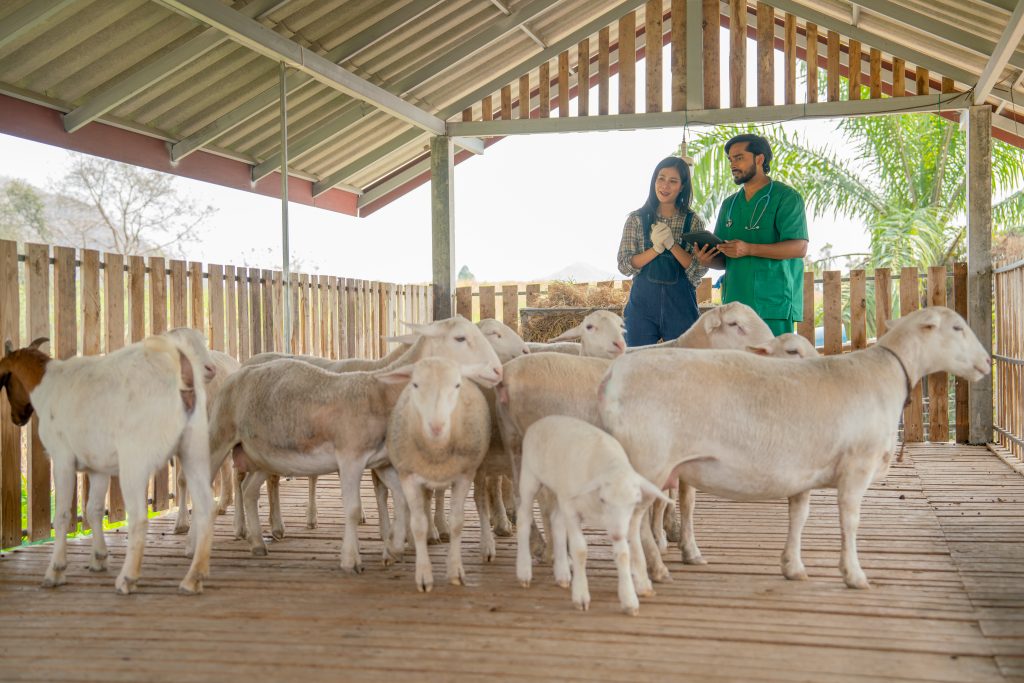
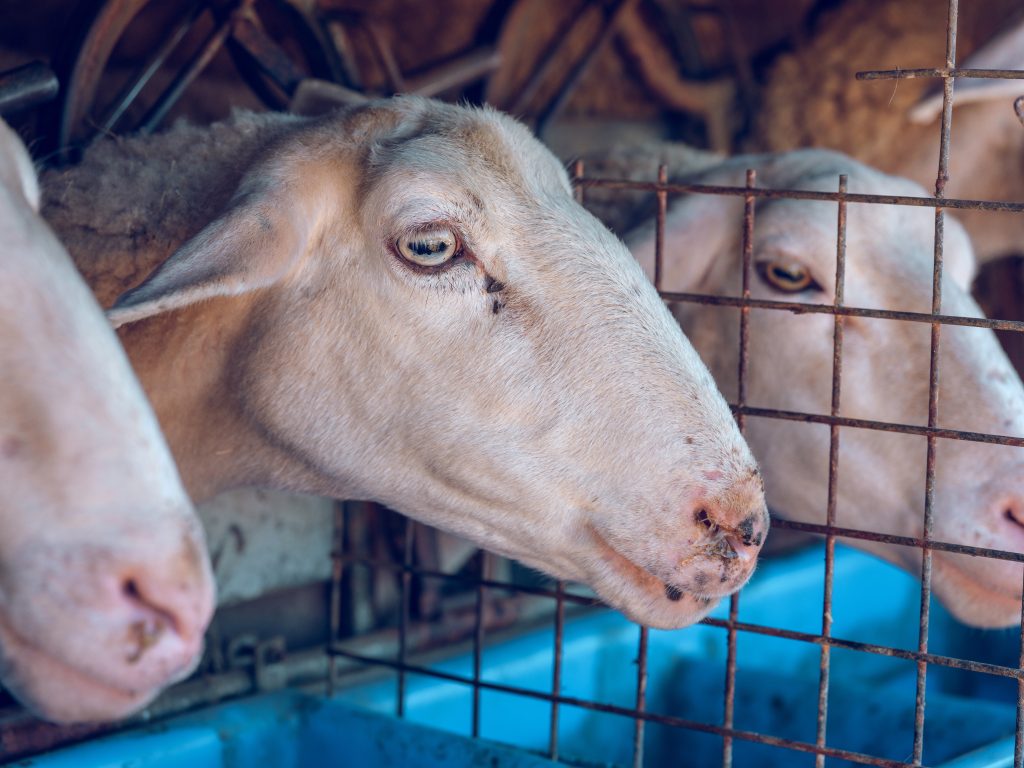
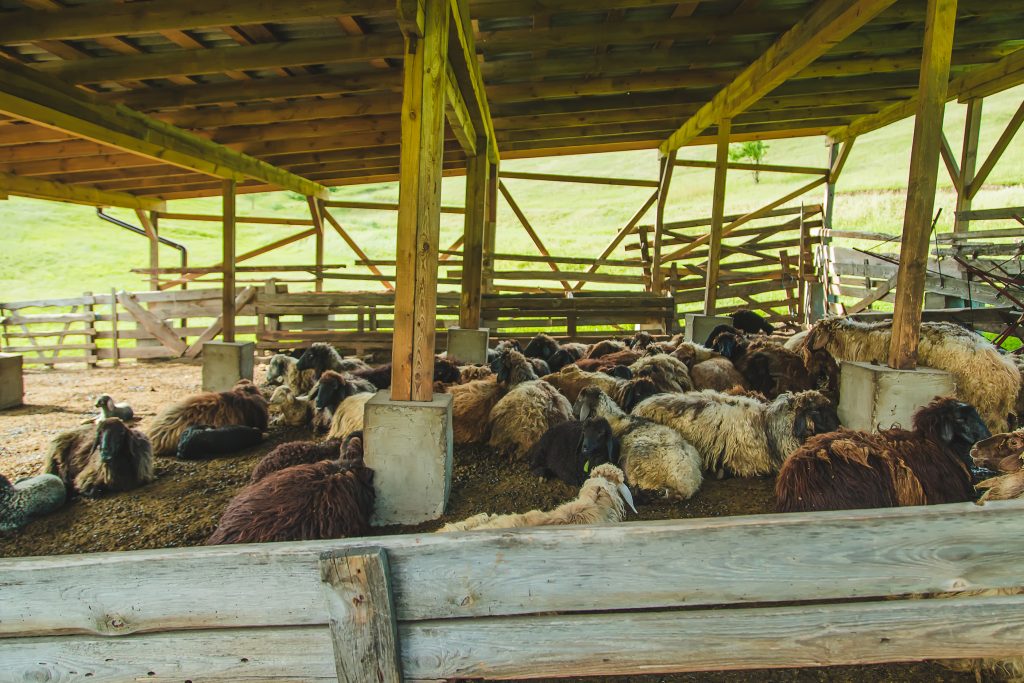
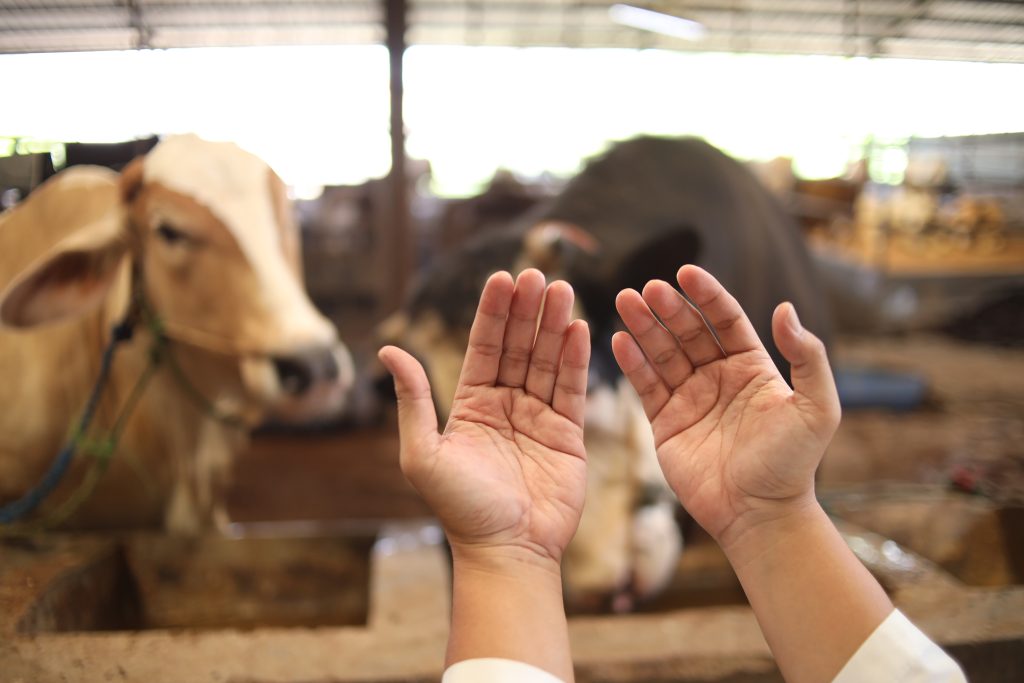
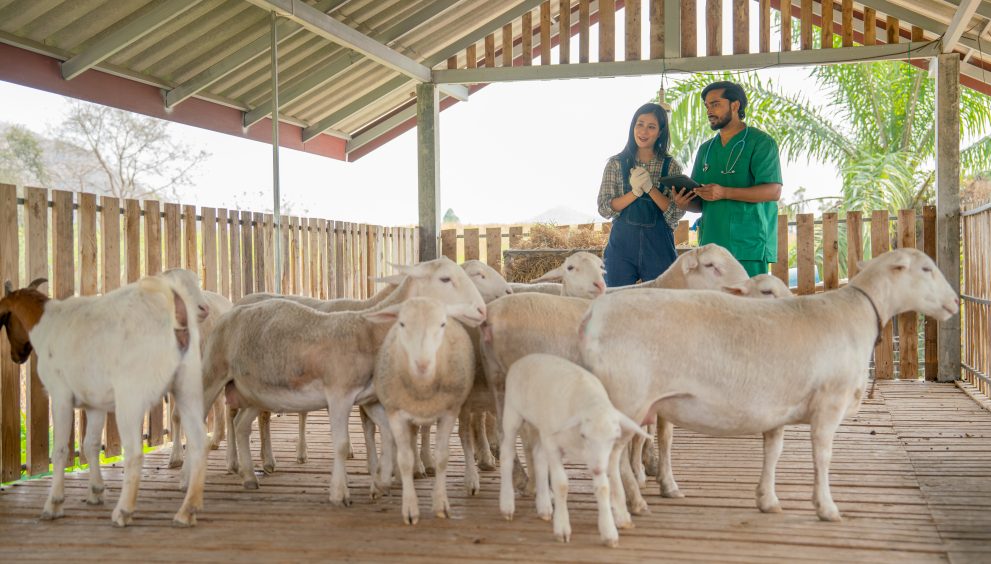
Animals are raised in stress-free, spacious environments that allow natural behaviors.
-
Humane treatment reduces the risk of disease, lowers stress-related hormone levels, and enhances meat quality.
-
Ethical raising practices reduce overcrowding and environmental degradation, which are common in intensive farming systems.
By prioritizing animal welfare, Zabiha practices support long-term sustainability, maintaining healthier livestock populations and ethical farming systems.
2. Environmentally Responsible Feeding Practices
Zabiha meat production often emphasizes responsible and natural feeding:
-
Livestock are typically raised on grass-fed or organic diets, reducing dependency on industrial feed.
-
Natural grazing supports soil health, biodiversity, and carbon sequestration, contributing to a healthier ecosystem.
-
Avoiding excessive antibiotics, hormones, and chemicals ensures that farming practices are environmentally friendly.
Sustainable feeding practices reduce ecological footprints while enhancing the nutritional quality of Zabiha meat.
3. Minimizing Waste
Sustainability in Zabiha meat extends to efficient use of resources:
-
Animals are raised for specific purposes, reducing overproduction.
-
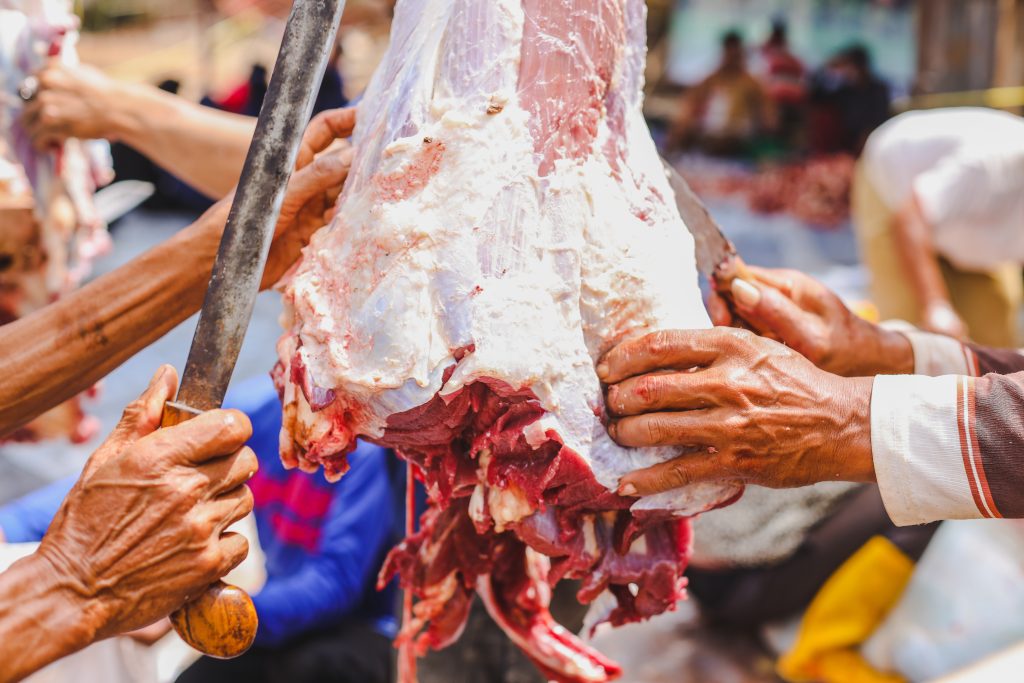
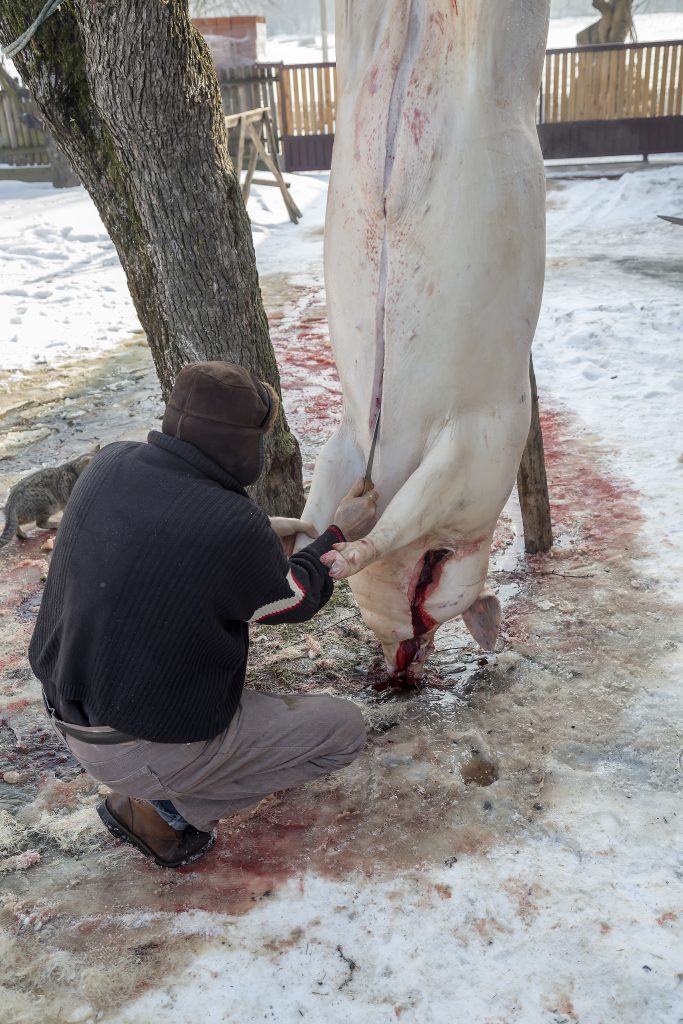
Blood and non-consumable parts are handled according to religious and ethical guidelines, often repurposed or disposed of responsibly.
-
Proper planning prevents meat waste and encourages community distribution, especially during religious festivals like Eid al-Adha.
Efficient resource management ensures that food production remains sustainable and socially responsible.
4. Sustainable Slaughtering Practices
Zabiha slaughter itself contributes to sustainability:
-
Humane and precise methods reduce animal stress, improving meat quality and reducing losses.
-
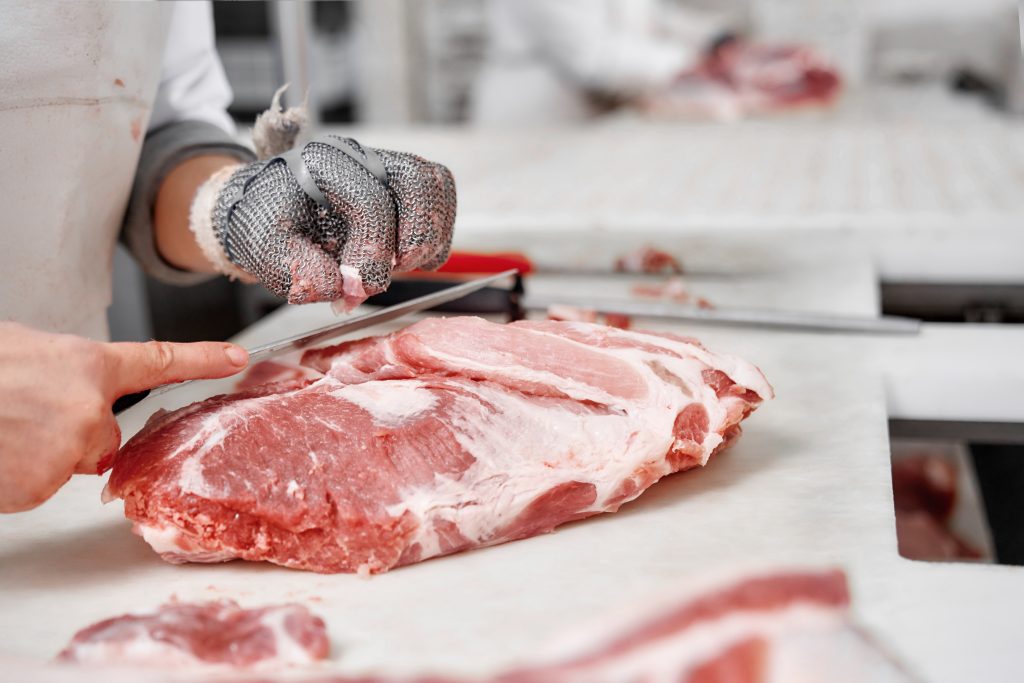
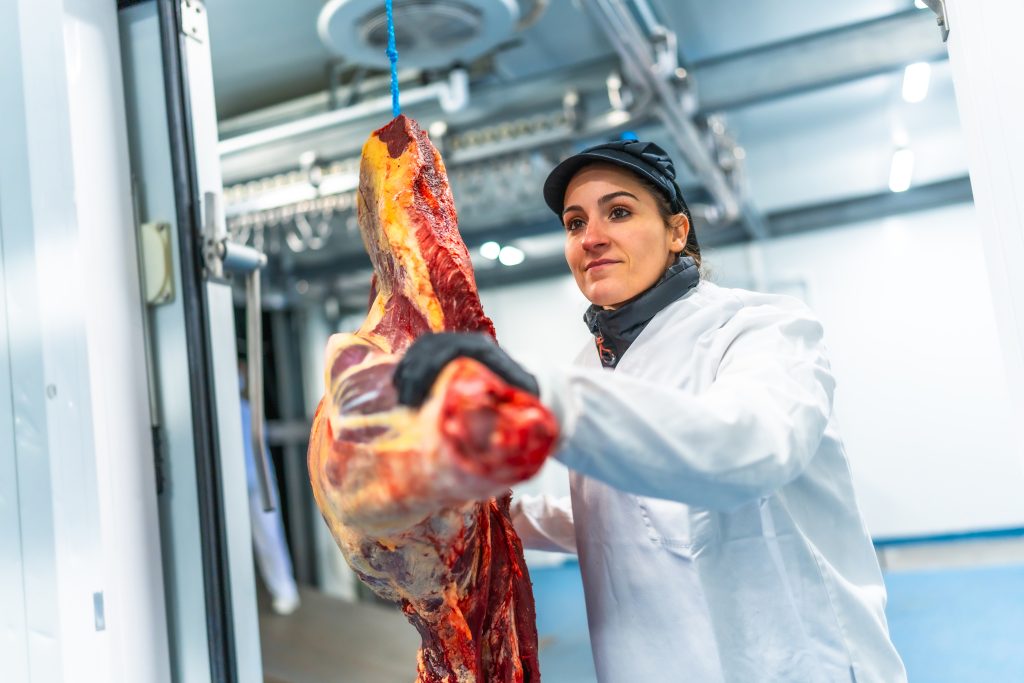
Slaughtering practices emphasize hygiene and cleanliness, minimizing spoilage and contamination.
-
Small-scale and local Zabiha farms often reduce the carbon footprint associated with industrial meat production.
Sustainable slaughtering practices ensure that ethical and environmental considerations are upheld from farm to table.
5. Promoting Local Farming Economies
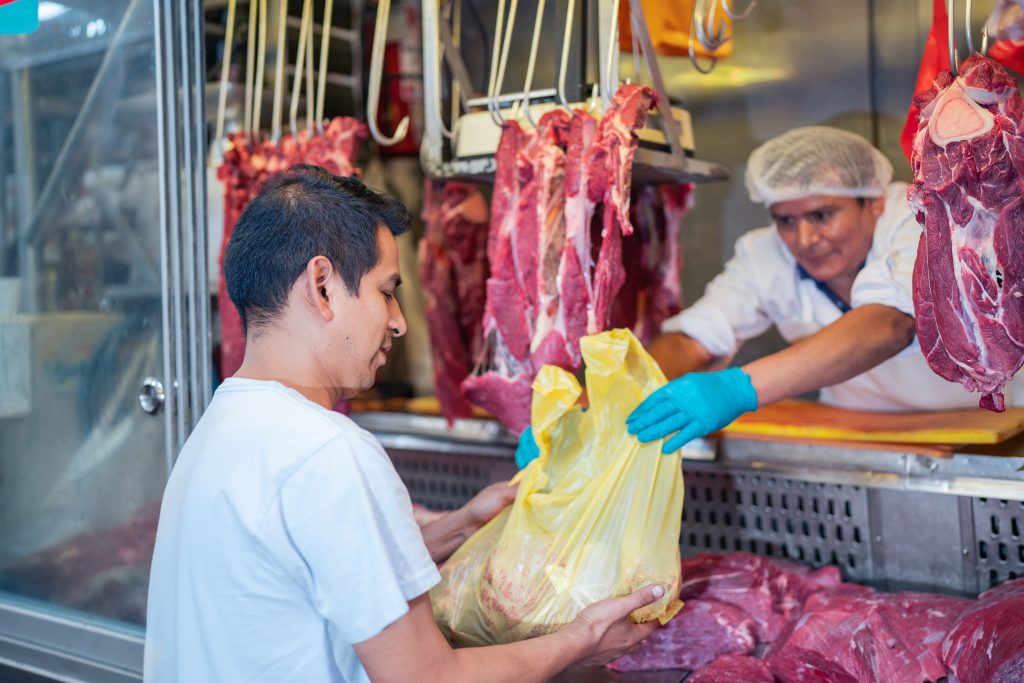
Zabiha meat often supports local and regional farmers:
-
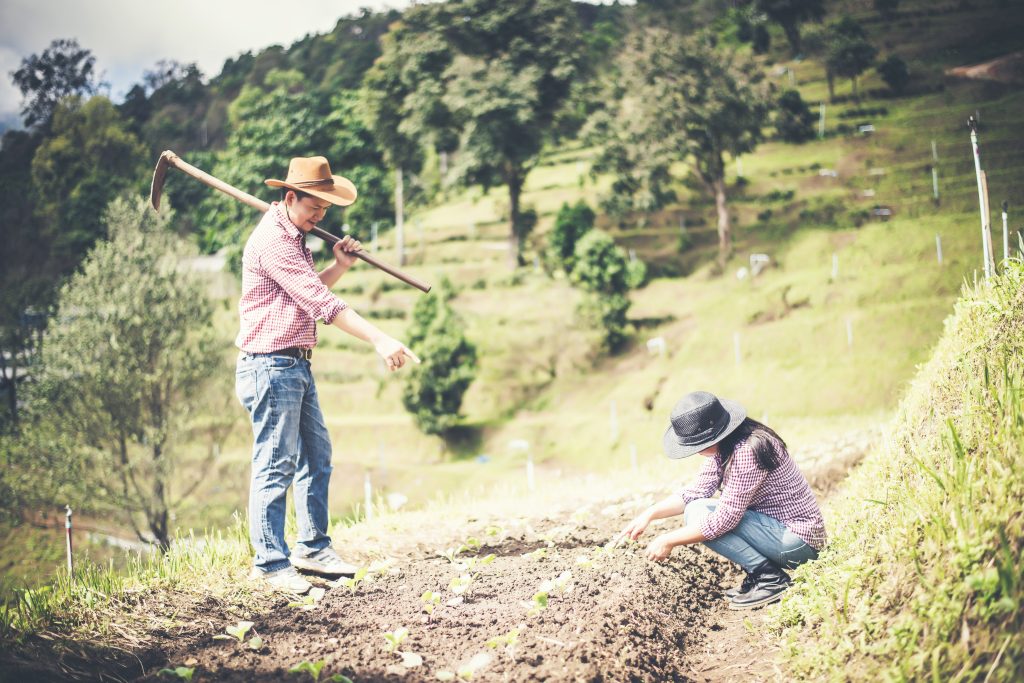
Many Zabiha farms are small to medium-scale operations that prioritize community engagement and fair trade.
-
Purchasing locally raised Zabiha meat reduces transportation emissions and strengthens local economies.
-
Supporting local farms ensures ethical labor practices and economic sustainability for rural communities.
This aligns Zabiha meat production with social sustainability, benefiting both farmers and consumers.
6. Preserving Animal Genetics and Biodiversity
Sustainable farming includes preserving livestock diversity:
-
Zabiha farms often raise traditional or heritage breeds that are well-adapted to local environments.
-
Maintaining diverse breeds prevents genetic erosion common in industrial agriculture.
-
Biodiversity supports resilience against disease and climate variability, contributing to long-term food security.
Through Zabiha meat, ethical practices encourage responsible animal husbandry and ecological balance.
7. Reducing Environmental Pollution
Industrial meat production can contribute to water pollution, soil degradation, and greenhouse gas emissions. Zabiha farming practices help mitigate these effects:
-
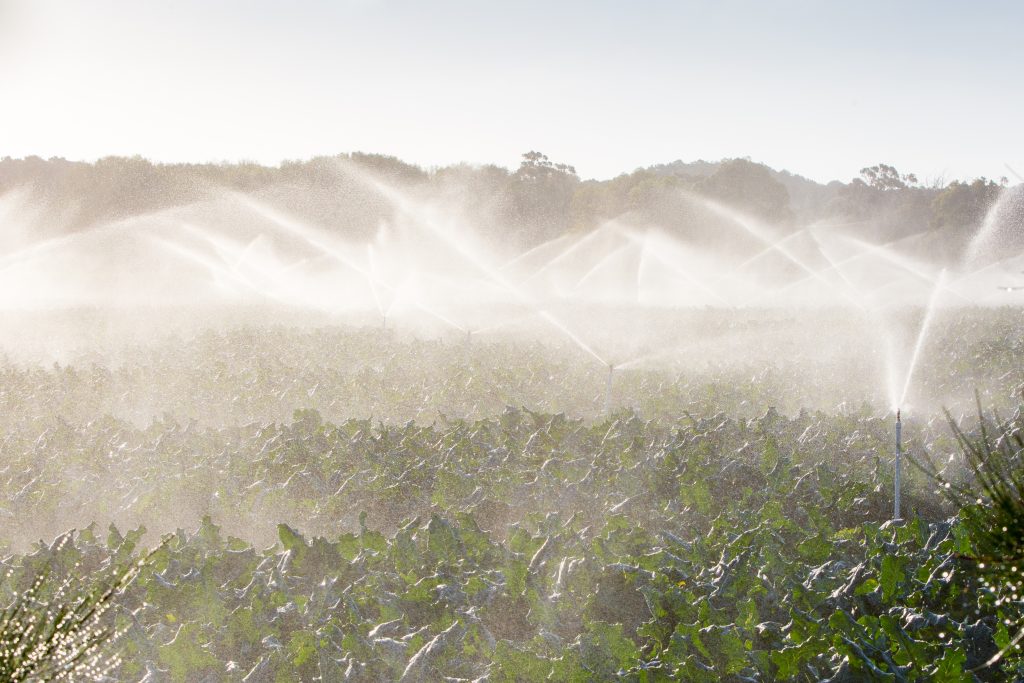
Controlled grazing and responsible manure management reduce nutrient runoff into water systems.
-
Avoiding overstocking and excessive feed prevents soil degradation.
-
Sustainable Zabiha farms often integrate eco-friendly waste management, including composting and bioenergy.
These measures demonstrate that Zabiha meat production is environmentally conscious and ecologically sustainable.
8. Supporting Community and Social Responsibility
Sustainability is not just about the environment—it also includes social and ethical responsibility:
-
During religious events, Zabiha meat is distributed to the needy, reducing food inequality and waste.
-
Farmers and consumers are encouraged to practice ethical consumption, which strengthens community bonds.
-
Sustainable practices in Zabiha farming align with Islamic principles of stewardship, fairness, and charity.
Social sustainability ensures that Zabiha meat benefits both people and the planet.
9. Nutritional and Health Sustainability
Zabiha meat supports long-term health sustainability for consumers:
-
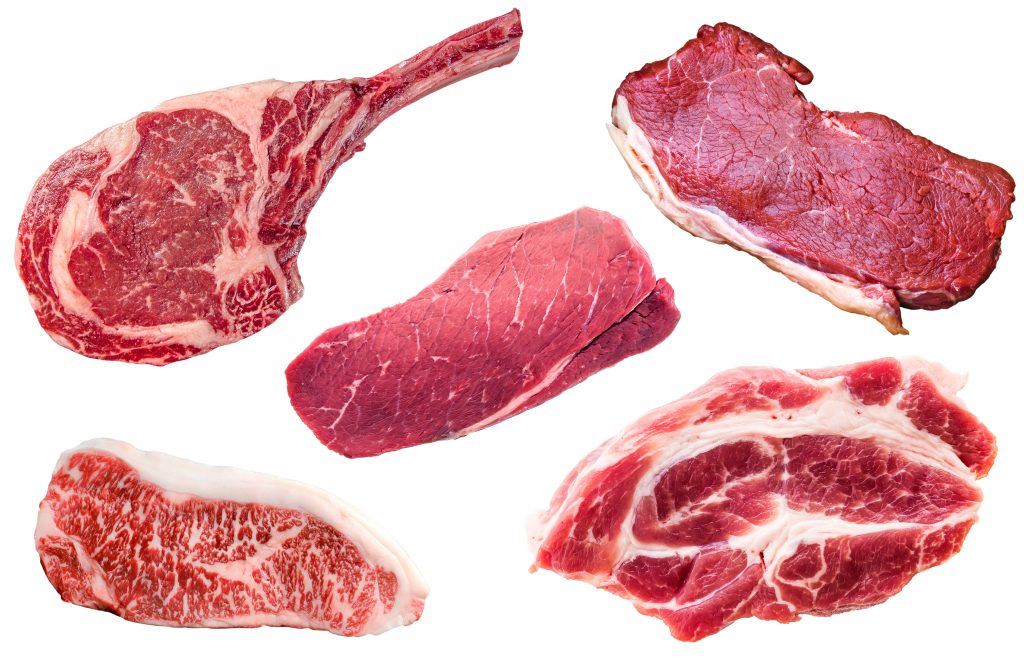
Properly raised and ethically slaughtered animals provide high-quality, nutrient-dense meat.
-
Reduced use of antibiotics and chemicals lowers long-term health risks for humans.
-
Fresh, hygienically handled meat ensures food safety and optimal nutrition, contributing to public health sustainability.
Sustainable farming and Zabiha slaughter practices together ensure healthy diets for current and future generations.
10. Global Relevance and Certification
Sustainability in Zabiha meat is reinforced through halal certification and international standards:
-
Certification ensures that ethical, hygienic, and environmental practices are monitored and maintained.
-
Consumers are empowered to make informed choices, supporting sustainable and ethical farming globally.
-
Traceability systems help verify animal welfare, feed quality, and environmental practices, promoting accountability.
By integrating certification, Zabiha meat aligns faith-based requirements with global sustainability goals.
Conclusion
Zabiha meat is a model of ethical, environmental, and social sustainability in modern farming:
-
Ethical treatment of animals ensures humane and stress-free raising.
-
Responsible feeding and grazing practices support soil, biodiversity, and ecological health.
-
Waste reduction and hygienic handling minimize environmental impact and contamination.
-
Local sourcing strengthens community economies and fair trade.
-
Sustainable Zabiha practices ensure nutritious, safe, and wholesome meat for consumers.
By choosing Zabiha meat from trusted providers like Zabiha Farms, consumers contribute to a sustainable food system that respects animals, supports communities, and protects the environment.
Zabiha is not just a dietary requirement—it is a holistic approach to sustainable farming, combining faith, ethics, nutrition, and environmental stewardship. Every step, from raising animals to distributing meat, reflects responsibility toward the planet, society, and future generations.
Sustainable Zabiha farming demonstrates that religious practices can align seamlessly with modern principles of ecological balance and social responsibility, offering a model for ethical and sustainable food production worldwide.