
























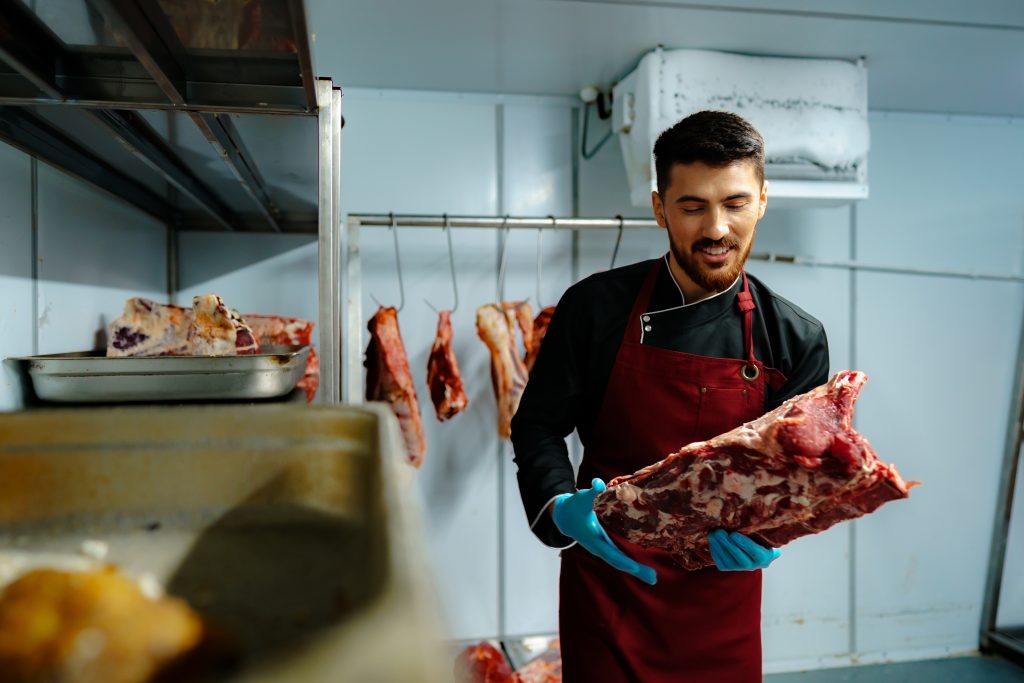
Innovations in Halal Farming

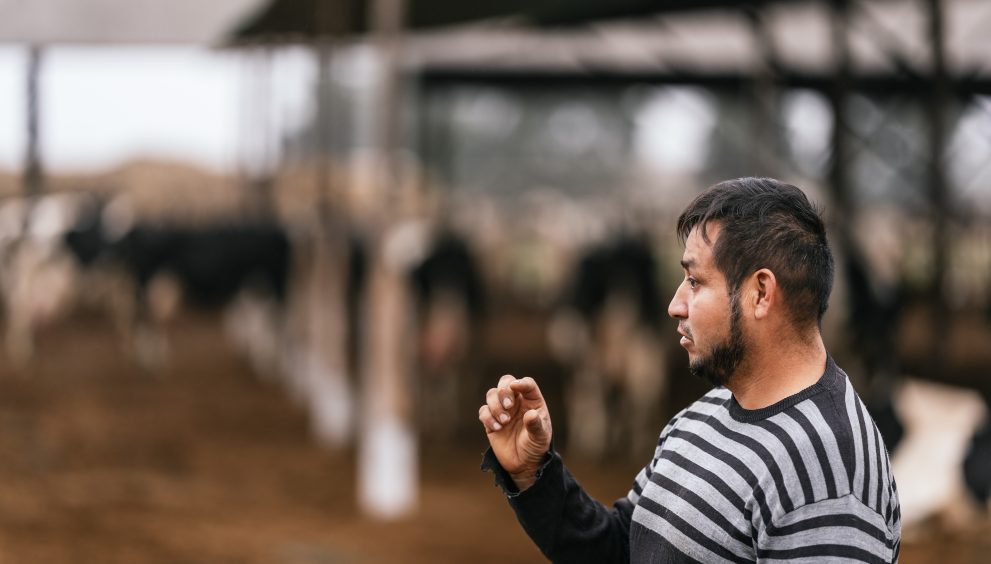
Halal farming has long been guided by principles of ethics, compassion, and sustainability, ensuring that meat is both religiously compliant and wholesome. In recent years, the industry has embraced innovations that enhance efficiency, animal welfare, and environmental responsibility, while maintaining strict adherence to halal guidelines.
At Zabiha Farms, we are committed to integrating these innovations to provide high-quality, nutritious, and ethically sourced halal meat. This blog explores the most significant innovations shaping modern halal farming and their impact on the industry.
1. Ethical Animal Rearing Technologies
Innovative halal farming begins with compassionate and humane animal care:
-
Automated feeding systems ensure animals receive balanced nutrition consistently, reducing overfeeding or malnutrition.
-
Climate-controlled barns help maintain optimal temperature and humidity, preventing stress and disease.
-
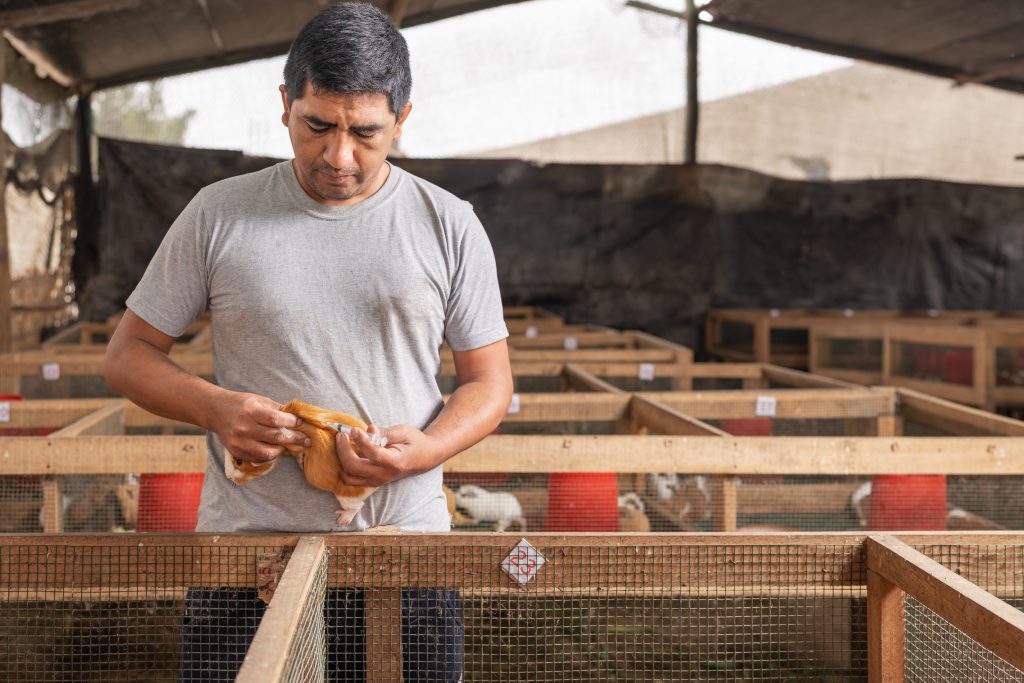
Wearable health monitors track vital signs, allowing farmers to respond quickly to illness or discomfort.
By leveraging technology, halal farms prioritize animal welfare while ensuring meat quality and health.
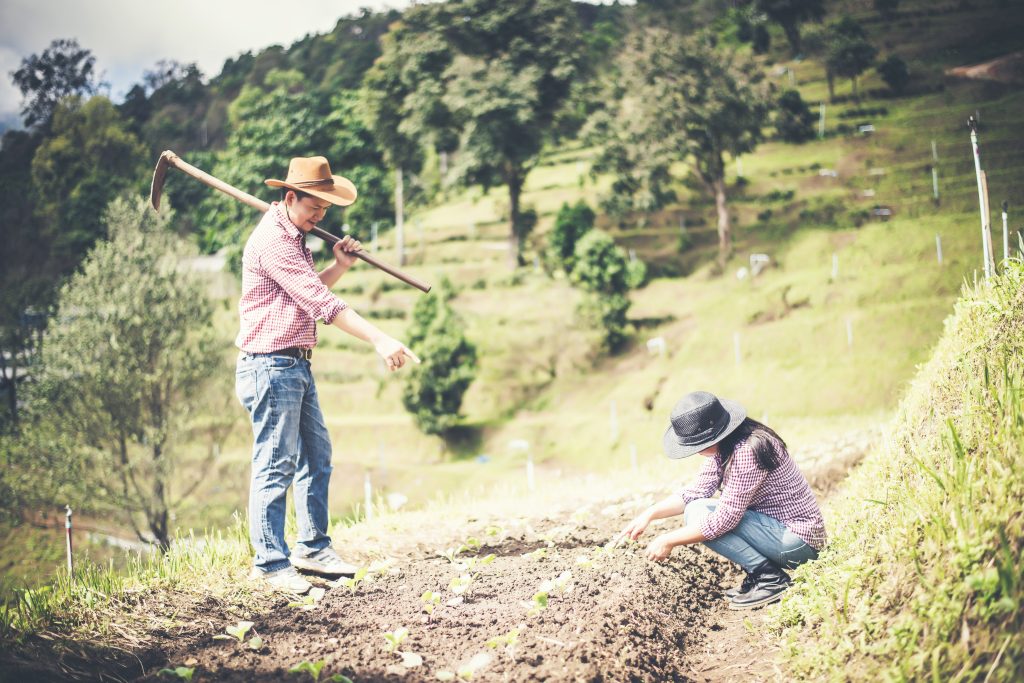
2. Sustainable Grazing and Pasture Management
Sustainability is a key focus of modern halal farming:
-
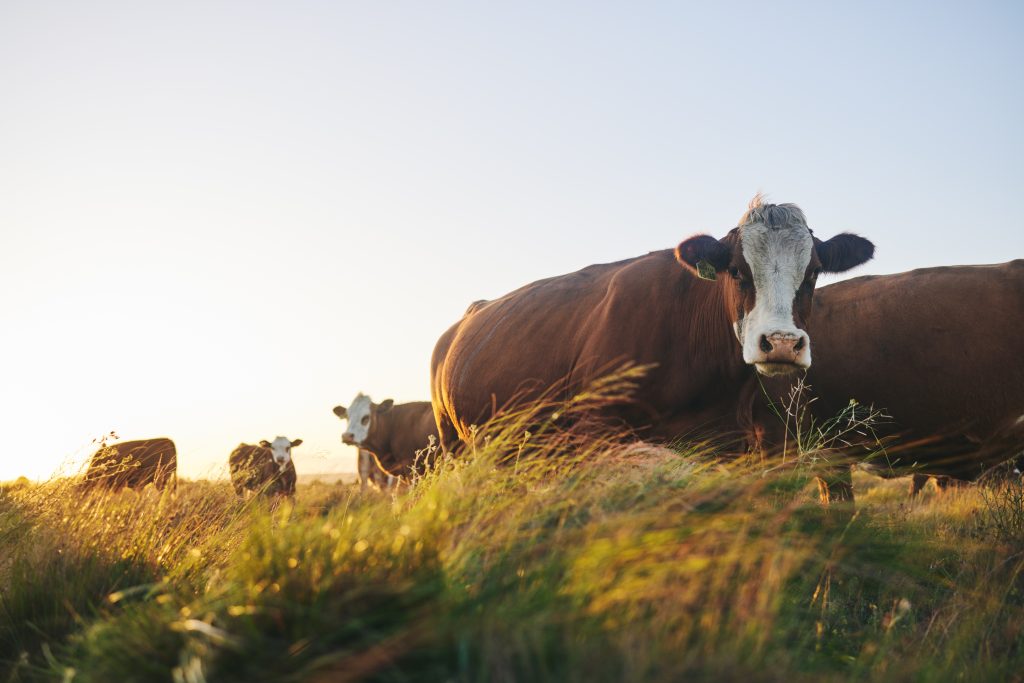
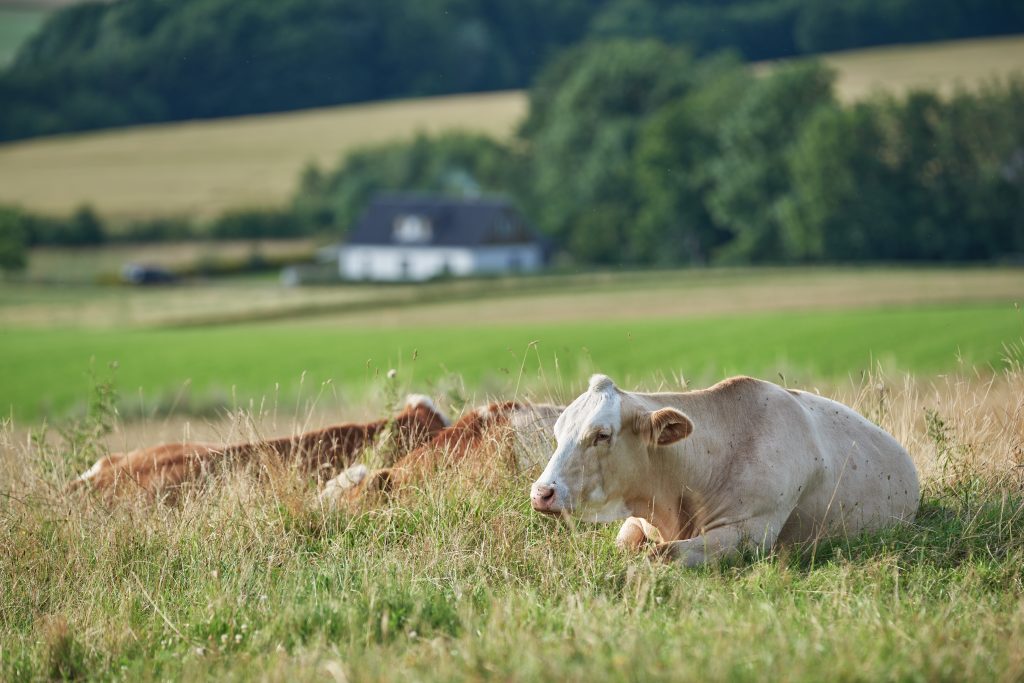
Rotational grazing systems prevent overgrazing, maintain soil fertility, and promote biodiversity.
-
GPS-enabled pasture management helps farmers track grazing patterns and optimize land use.
-
Organic fertilizers and eco-friendly waste management enhance soil quality and reduce pollution.
These innovations ensure that halal meat is produced responsibly, with minimal environmental impact.
3. Precision Nutrition
Nutrition is central to producing healthy, high-quality meat:
-
Data-driven feeding programs ensure animals receive the right balance of proteins, vitamins, and minerals.
-
Nutritional innovations improve meat tenderness, flavor, and fat composition, enhancing consumer satisfaction.
-
Precision nutrition reduces waste and promotes sustainable resource use, making farms more efficient.
This approach aligns ethical, health, and economic objectives for better meat production.
4. Advanced Veterinary Care
Modern halal farms integrate technology into animal health management:
-
Digital health records track vaccinations, treatments, and growth patterns.
-
AI-assisted monitoring can predict disease outbreaks, allowing early intervention.
-
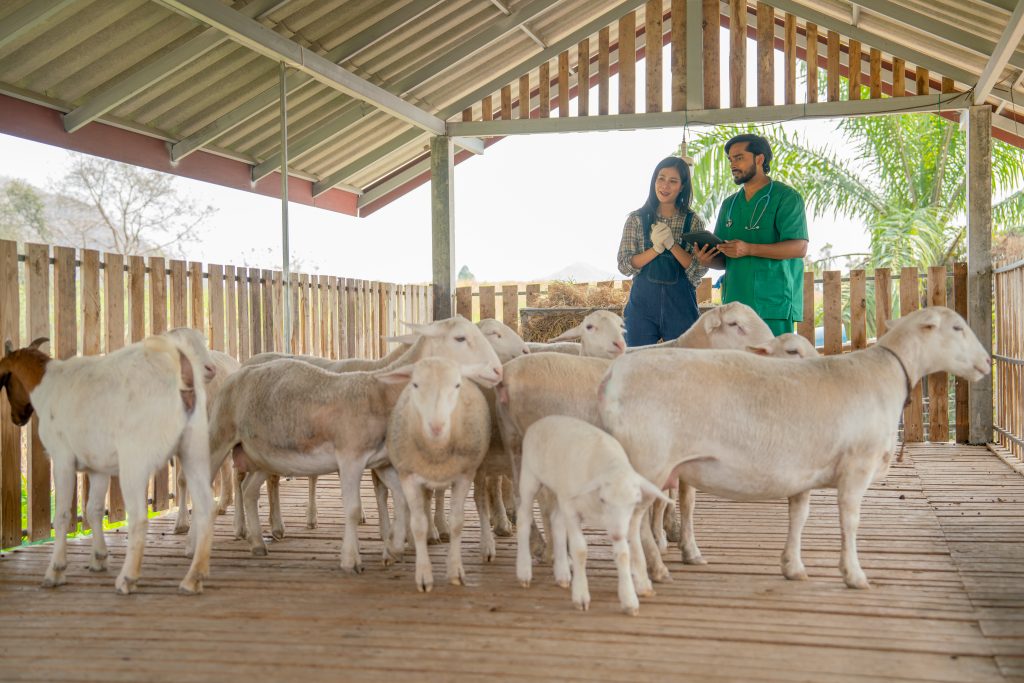
Telemedicine and remote consultation enable farmers to access expert veterinary advice quickly.
Advanced veterinary care ensures animals are healthy, stress-free, and ethically raised, supporting halal compliance and food safety.
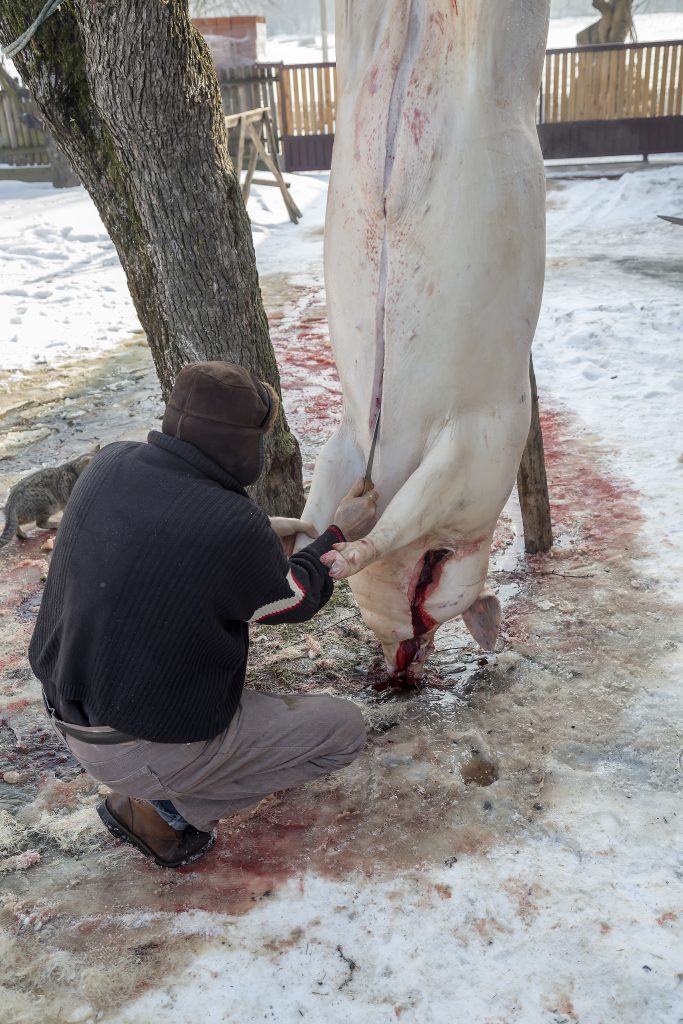
5. Smart Slaughtering Techniques
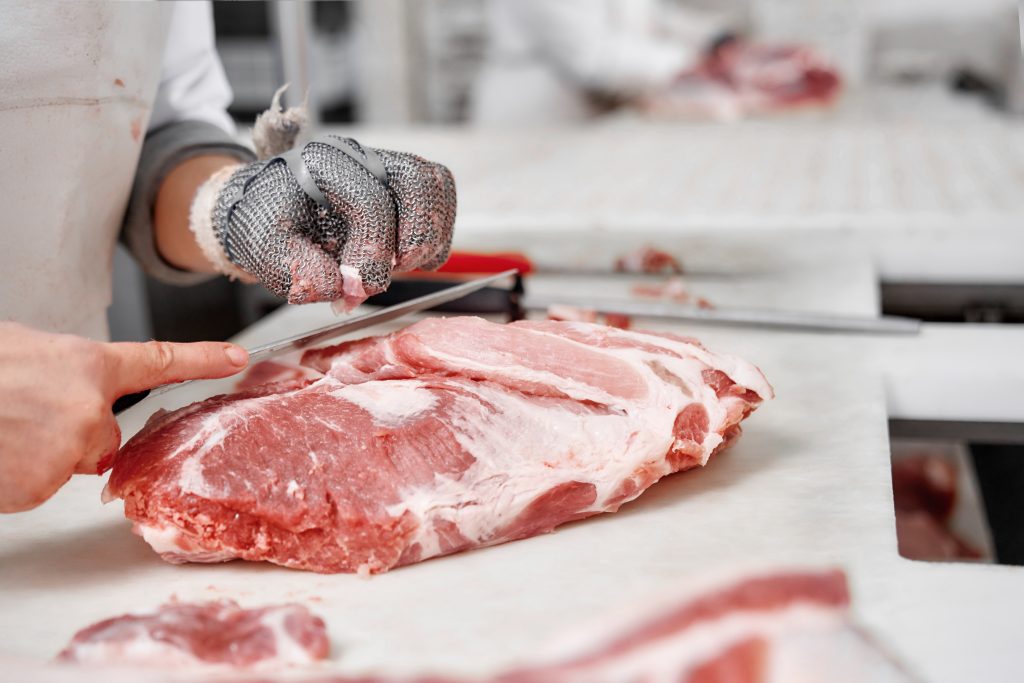
Innovations in halal slaughtering maintain religious compliance while improving efficiency and hygiene:
-
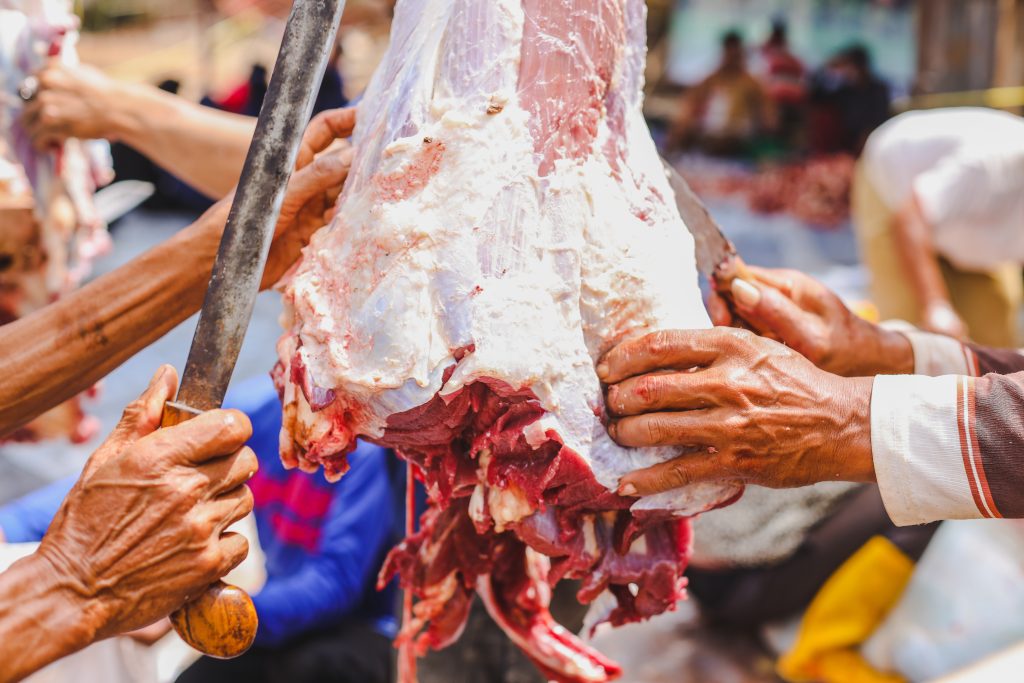
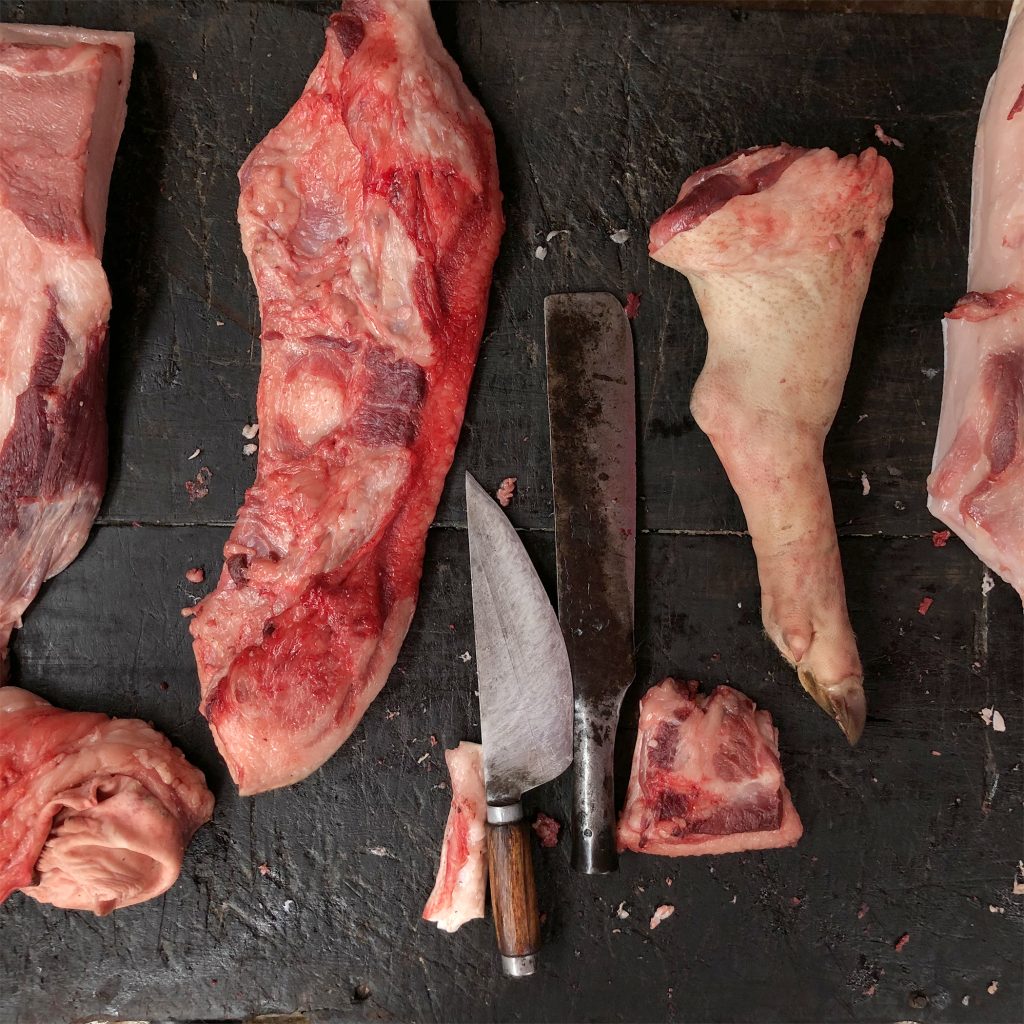
Automated and precision-guided Zabiha knives allow swift, humane cuts.
-
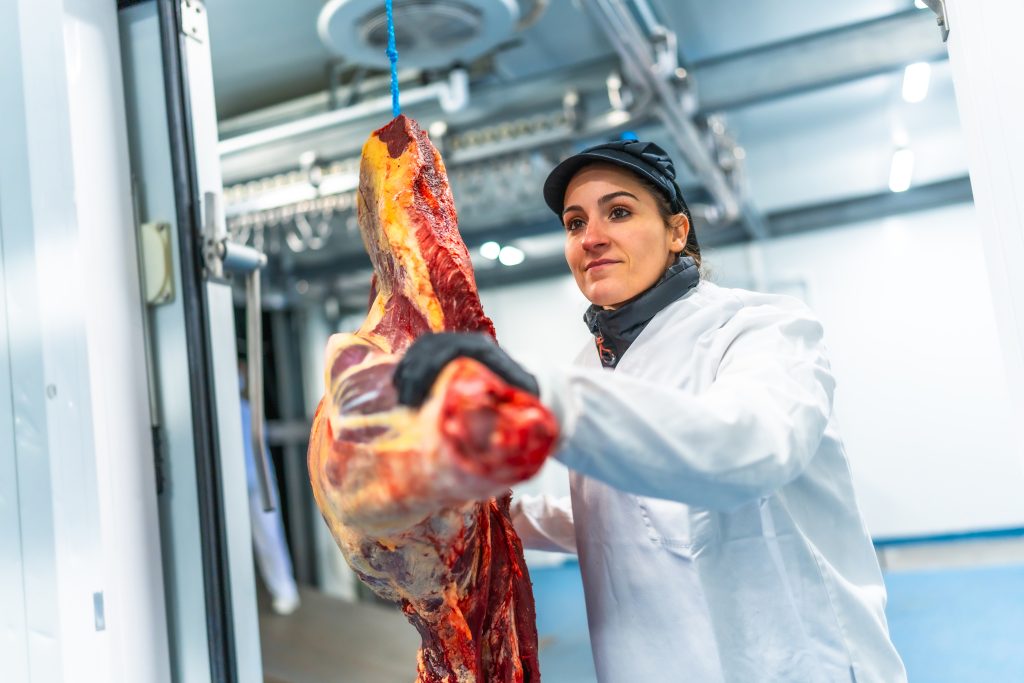
Controlled environments minimize contamination and ensure complete blood drainage.
-
Monitoring systems ensure adherence to halal guidelines, protecting both spiritual and physical integrity.
Smart slaughtering enhances meat quality, safety, and consistency, bridging tradition with technology.
6. Traceability and Transparency
Consumers increasingly demand clarity about where their meat comes from:
-
Modern halal farms implement blockchain and digital traceability systems, tracking animals from birth to slaughter.
-
QR codes on packaging allow consumers to view animal health records, feed sources, and farming practices.
-
Transparency strengthens trust and ensures accountability at every step.
Traceability innovations align halal farming with modern ethical and regulatory expectations.
7. Environmentally Friendly Practices
Sustainability is a core focus of innovation in halal farming:
-
Renewable energy sources, like solar panels and biogas systems, power farms efficiently.
-
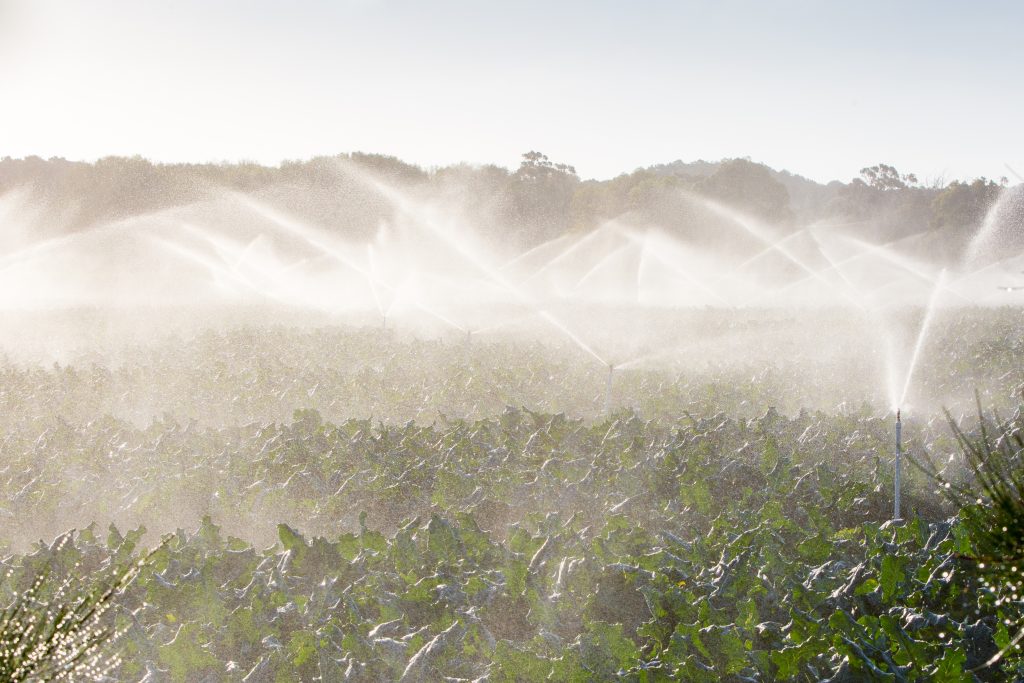
Water recycling and eco-friendly waste processing reduce resource consumption and pollution.
-
Smart sensors monitor soil and water quality, ensuring long-term environmental health.
By combining halal ethics with sustainability, farms protect the planet while producing quality meat.
8. Genetic and Breeding Innovations
Modern halal farms leverage responsible genetic management to improve meat quality:
-
Selective breeding programs enhance growth rates, disease resistance, and meat tenderness.
-
Maintaining heritage and traditional breeds preserves biodiversity and cultural authenticity.
-
Genetic innovations are carefully aligned with ethical and religious standards.
This ensures meat is nutritious, flavorful, and compliant with halal principles.
9. Waste Reduction and Circular Farming
Innovations also focus on reducing waste and improving farm efficiency:
-
By-products like bones and manure are repurposed for fertilizer or energy, minimizing environmental impact.
-
Automated systems reduce feed waste and optimize resource utilization.
-
Circular farming models integrate sustainability with economic efficiency, benefiting both producers and consumers.
Zabiha farms adopting these practices ensure responsible, holistic meat production.
10. Consumer-Centric Innovations
Modern halal farming addresses consumer expectations for quality, safety, and convenience:
-
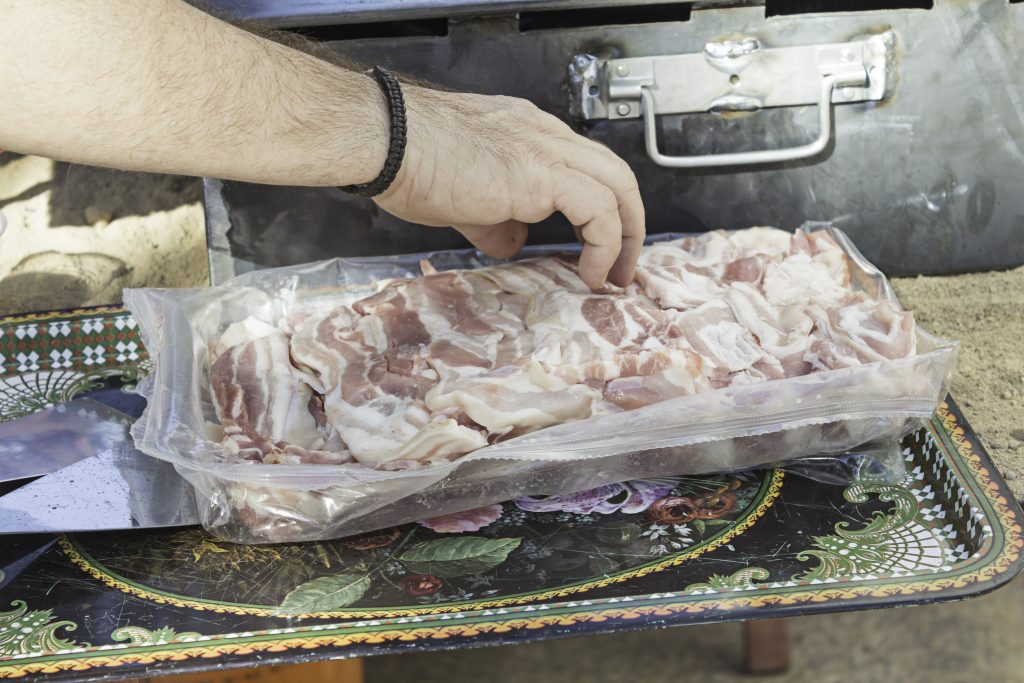
Packaging innovations maintain freshness and hygiene during transport.
-
Home delivery services bring premium, traceable Zabiha meat directly to consumers.
-
Educational content informs families about halal principles, animal welfare, and nutrition, fostering trust and awareness.
Consumer-focused innovations strengthen the bond between faith-based practices and modern lifestyle needs.
11. Integrating Tradition with Technology
The hallmark of innovative halal farming is balancing tradition with modern technology:
-
Ethical principles and religious guidelines remain non-negotiable.
-
Technology enhances efficiency, hygiene, and sustainability without compromising halal integrity.
-
Farms can meet modern consumer demands while honoring centuries-old practices of compassion and care.
This integration ensures that halal meat remains authentic, ethical, and superior in quality.
Conclusion
Innovations in halal farming are transforming the way meat is produced, ensuring it is ethical, sustainable, and of the highest quality. From precision nutrition and smart veterinary care to traceability systems and eco-friendly practices, Zabiha Farms is at the forefront of this evolution.
By adopting innovative techniques, halal farms can:
-
Improve animal welfare and ethical compliance.
-
Enhance nutritional quality, taste, and safety of meat.
-
Reduce environmental impact and resource waste.
-
Build consumer trust through transparency and traceability.
At Zabiha Farms, these innovations ensure that every cut of meat reaching your plate is trustworthy, wholesome, and fully halal. By combining faith, technology, and sustainability, we deliver meat that nourishes your family while respecting the planet, the animals, and Islamic traditions.
The future of halal farming is here, and it is ethical, innovative, and responsible, ensuring that every meal is a testament to quality, integrity, and compassion.