

























Key Differences Between Zabiha and Non-Zabiha Meat

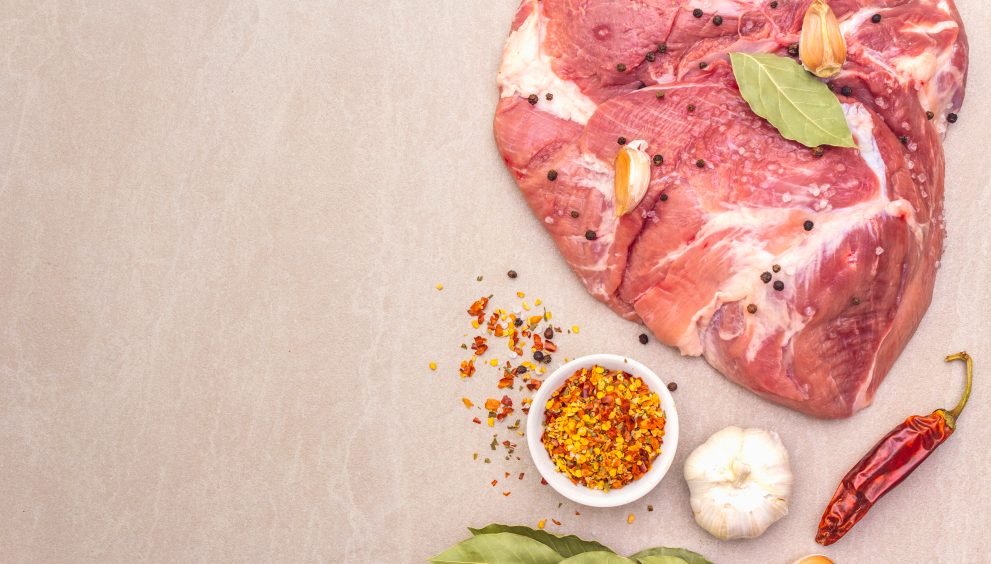
As awareness around halal food continues to grow globally, more consumers are asking an important question: What is the real difference between Zabiha and non-Zabiha meat? While the distinction is deeply rooted in Islamic teachings, it also extends to ethics, hygiene, health, and food quality. Understanding these differences helps consumers make informed choices—not only for religious reasons but also for physical and ethical well-being.
This blog explores the key differences between Zabiha and non-Zabiha meat, covering religious guidelines, slaughter methods, animal welfare, hygiene, nutritional value, and overall impact on health.
1. What Is Zabiha Meat?
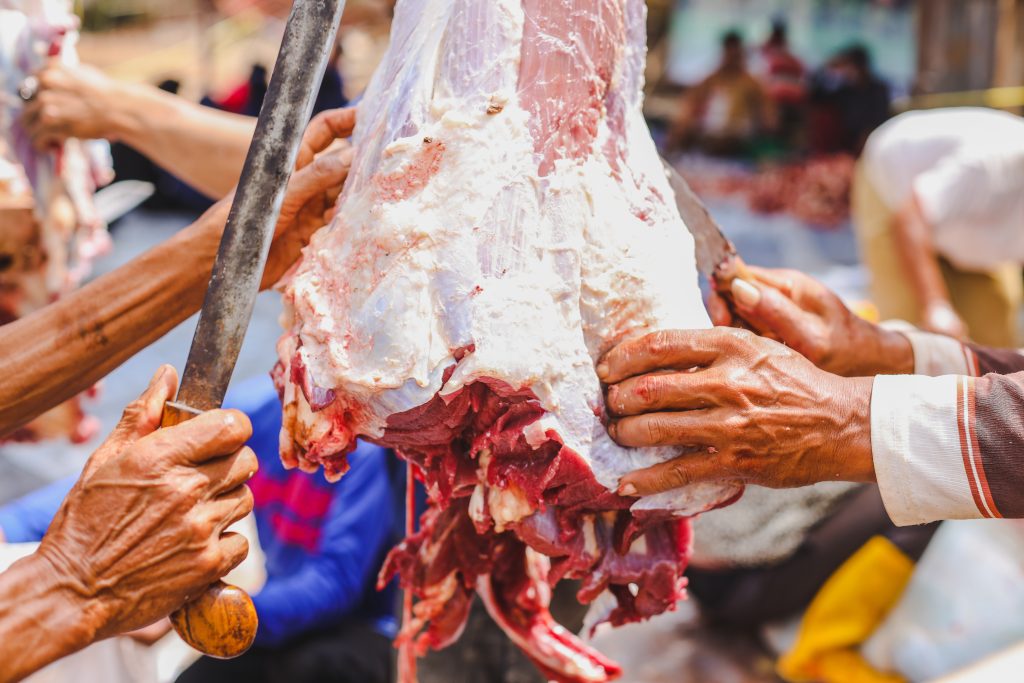
Zabiha refers to meat that is slaughtered according to Islamic law. The process is clearly defined and must meet specific conditions to be considered halal. These conditions include:
-
The animal must be healthy at the time of slaughter
-
The name of Allah (Bismillah) must be recited
-
A sharp blade must be used to ensure a swift, humane cut
-
The throat, windpipe, and major blood vessels must be severed
-
Blood must be completely drained from the body
Zabiha is not just a method—it is a spiritual, ethical, and hygienic practice that emphasizes responsibility, mercy, and purity.
2. What Is Non-Zabiha Meat?
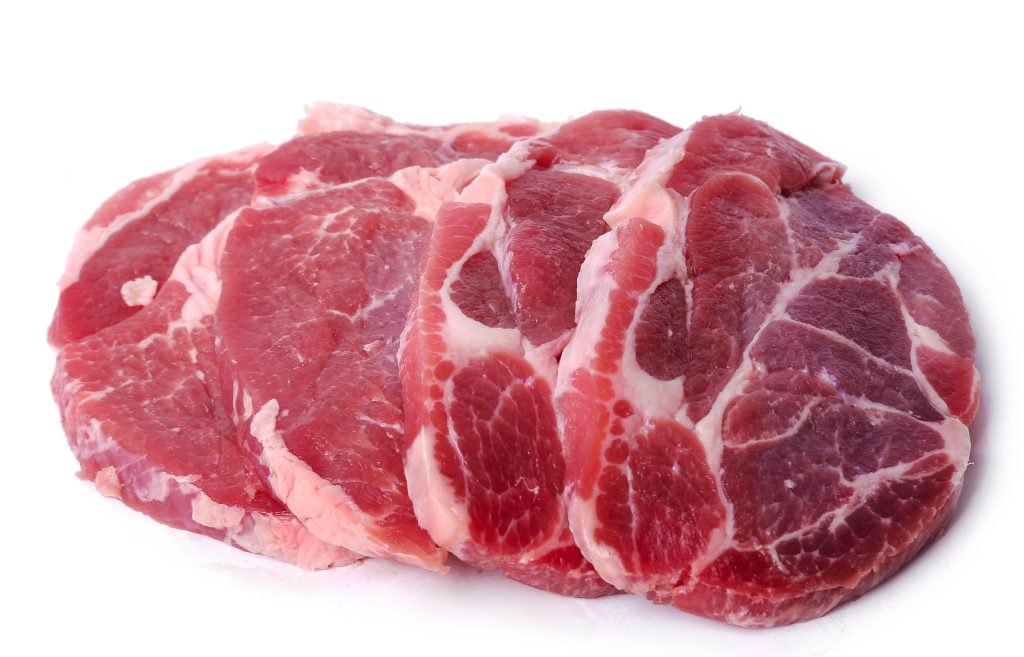
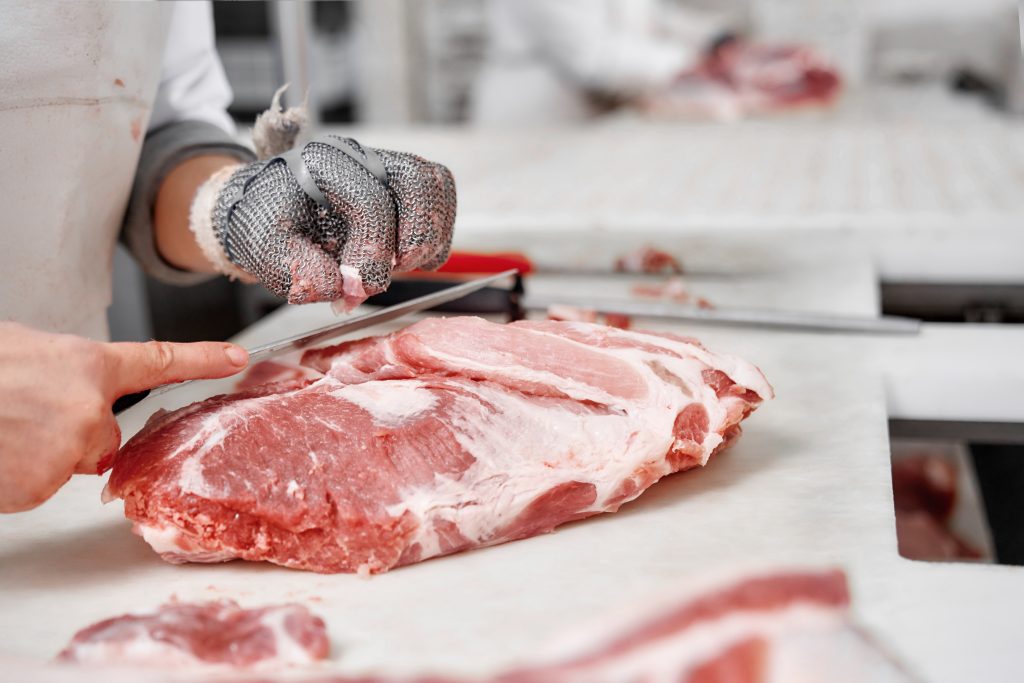
Non-Zabiha meat refers to meat that is not slaughtered according to Islamic guidelines. This includes meat that may be:
-
Machine-slaughtered without religious invocation
-
Stunned improperly or killed before slaughter
-
Not fully drained of blood
-
Slaughtered without regard to Islamic ethical requirements
While non-Zabiha meat may be legally permissible in many countries, it does not meet halal standards and is therefore not suitable for Muslims. Beyond religion, the method raises concerns related to hygiene, animal stress, and food quality.
3. Religious Compliance and Spiritual Significance
One of the most fundamental differences between Zabiha and non-Zabiha meat is religious compliance.
Zabiha meat is consumed as an act of obedience to Allah. The recitation of God’s name before slaughter acknowledges that life is sacred and taken only with divine permission. This transforms eating into a mindful and spiritual act.
Non-Zabiha meat lacks this spiritual element. From an Islamic perspective, consuming such meat disconnects the act of eating from faith and discipline, impacting not only diet but also spiritual well-being.
4. Slaughter Method and Animal Welfare
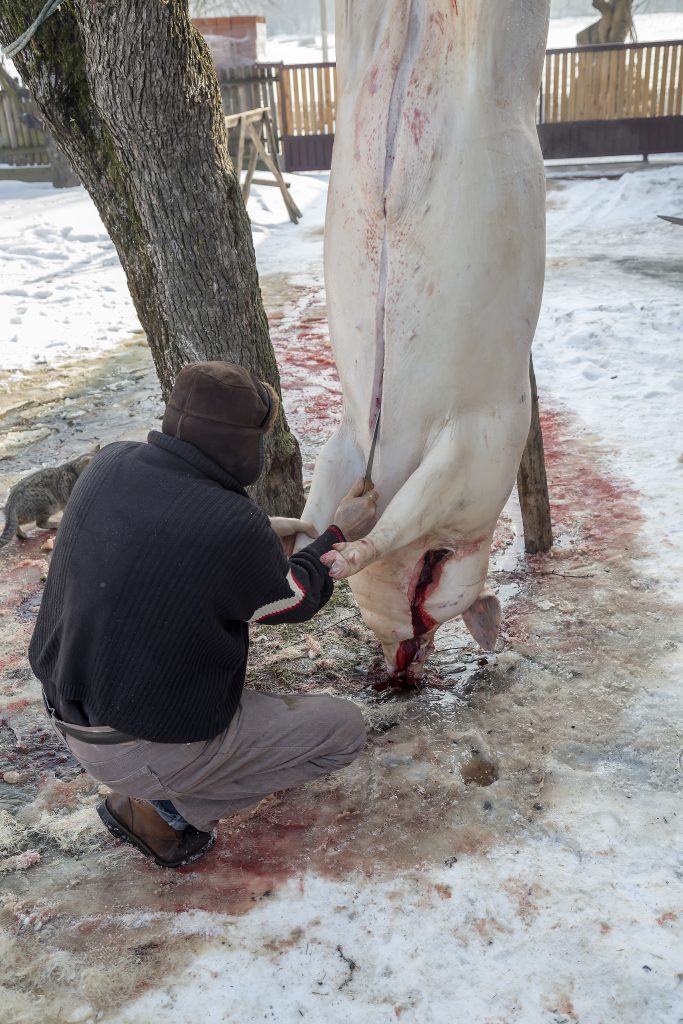
Zabiha slaughter prioritizes animal welfare. The swift cut to the throat minimizes pain and causes rapid loss of consciousness due to blood flow interruption to the brain. The animal is not subjected to unnecessary suffering.
In contrast, non-Zabiha methods may involve:
-
Improper stunning that causes distress
-
Delayed death
-
Inhumane handling during processing
Ethical treatment of animals is a central principle in Islam. Zabiha ensures compassion, while non-Zabiha methods vary widely and may not always meet humane standards.
5. Blood Drainage and Hygiene
One of the most critical differences lies in blood removal.
In Zabiha, blood is completely drained from the animal’s body. Blood is a medium for bacteria, toxins, and pathogens. Removing it improves meat cleanliness and shelf life.
Non-Zabiha meat often retains more blood due to improper slaughter or stunning before cutting. This can lead to:
-
Faster spoilage
-
Increased bacterial growth
-
Stronger odor and altered taste
From a hygiene perspective, Zabiha meat is generally considered cleaner and safer.
6. Health and Nutritional Impact
Zabiha meat is widely regarded as healthier due to:
-
Lower toxin retention
-
Better digestion
-
Reduced risk of contamination
-
Leaner texture
Because stress hormones are minimized during slaughter, Zabiha meat maintains better nutritional integrity. Many consumers report improved digestion and lighter feeling after consuming halal Zabiha meat.
Non-Zabiha meat, especially when industrially processed, may contain higher stress hormones and residual blood, potentially affecting taste, digestion, and long-term health.
7. Taste, Freshness, and Quality
Another noticeable difference is taste and freshness.
Zabiha meat:
-
Has a cleaner flavor
-
Maintains freshness longer
-
Absorbs spices and marinades better
Non-Zabiha meat may:
-
Have a metallic or strong odor
-
Spoil faster
-
Feel heavier after consumption
The quality difference becomes especially apparent in fresh cuts, BBQ, and slow-cooked dishes.
8. Ethical and Conscious Consumption
Zabiha meat promotes ethical consumerism. It encourages awareness of where food comes from, how animals are treated, and how meat is processed. This aligns with modern values of sustainability, transparency, and responsibility.
Non-Zabiha meat is often part of mass-production systems where speed and profit take precedence over ethics and care.
Consumers today are increasingly choosing halal Zabiha meat not only for religious reasons but also for ethical and health-conscious living.
9. Certification and Trust
Zabiha meat requires strict halal certification, inspections, and traceability. Trusted halal brands ensure compliance at every stage—from farm to table.
Non-Zabiha meat may not follow consistent standards, and consumers often have limited visibility into how the animal was raised or slaughtered.
Certification builds trust, accountability, and confidence in food quality.
10. Conclusion
The differences between Zabiha and non-Zabiha meat go far beyond religious rules. Zabiha meat represents a holistic approach to food—combining faith, ethics, hygiene, health, and compassion.
Zabiha meat:
-
Aligns with Islamic principles
-
Promotes humane animal treatment
-
Ensures better hygiene and cleanliness
-
Supports physical and spiritual well-being
Non-Zabiha meat, while common in many markets, lacks these comprehensive standards.
By choosing Zabiha meat from trusted sources like Zabiha Farms, consumers invest in quality, ethics, and a healthier lifestyle. Whether motivated by faith, health, or conscious eating, Zabiha meat offers benefits that extend far beyond the plate.