






























































21
Jun
Jun

Why Halal Food Matters for Health
-
Admin_Npalla / 4 years
- June 21, 2022
- 0
- 5 min read

Halal food is much more than just a dietary requirement for Muslims; it is a lifestyle choice that promotes physical, mental, and spiritual well-being. The term “halal” means “permissible” in Arabic, and it applies to all aspects of life, including food. In the context of diet, halal food follows specific guidelines outlined in the Quran and Hadith, ensuring that the food is prepared, processed, and consumed in a way that is both ethically and hygienically responsible. While halal practices are rooted in religious obligations, they also have significant health benefits, making halal food a smart choice for everyone, regardless of faith.
1. Strict Hygiene and Safety Standards
One of the primary reasons halal food matters for health is the emphasis on cleanliness and hygiene. Animals that are slaughtered according to halal principles are handled carefully to reduce stress, which has a direct impact on the quality of the meat. Stress in animals before slaughter can lead to the release of harmful hormones that may negatively affect the meat’s nutritional content.
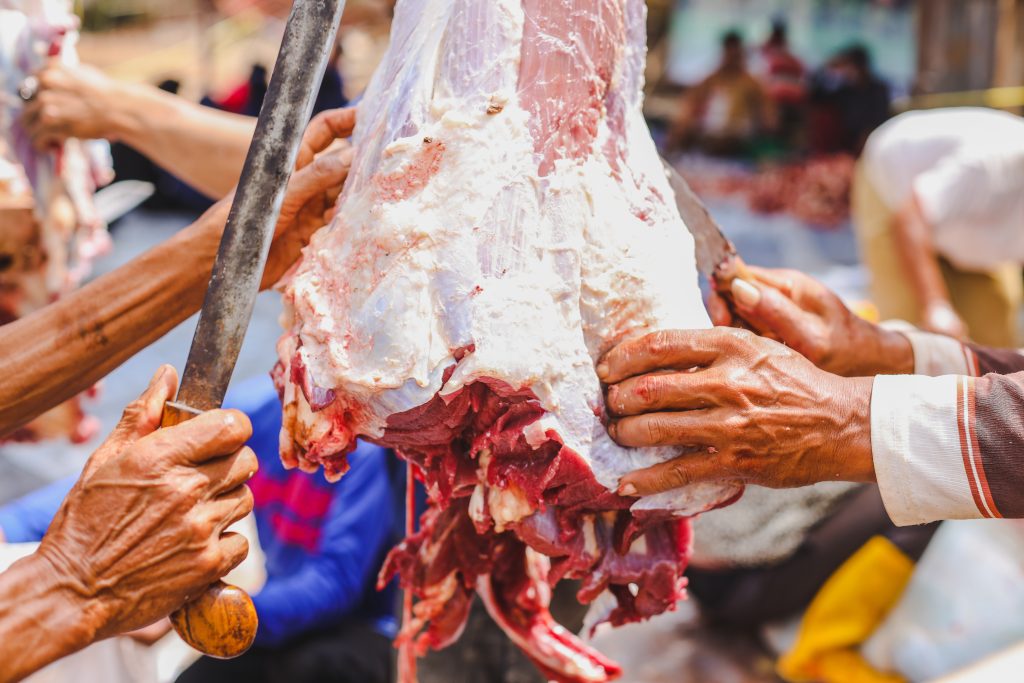
Moreover, halal slaughter involves draining the blood completely from the animal. Blood can carry harmful bacteria and pathogens that, if ingested, may pose health risks. By ensuring that meat is free from residual blood, halal practices reduce the risk of foodborne illnesses, making it safer for consumption.
2. Ethically Raised Animals
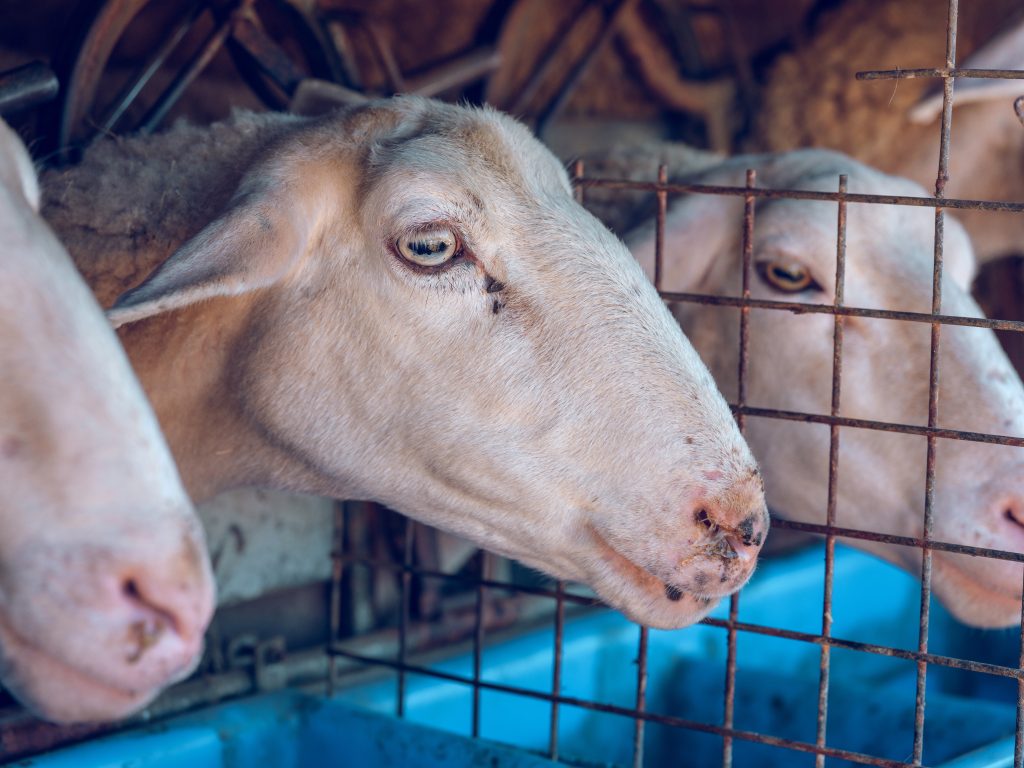
Halal food emphasizes ethical treatment of animals. Animals are raised in clean environments, fed natural diets, and provided adequate space to move freely. Such ethical farming practices have health benefits for humans as well. Animals raised in unhygienic or overcrowded conditions are more prone to infections, which can then transfer to humans through meat consumption.
In addition, animals raised on natural feed without unnecessary antibiotics or hormones provide healthier meat. Halal standards encourage natural and humane practices, which ultimately lead to better quality meat rich in essential nutrients.
3. Nutritional Benefits of Halal Meat
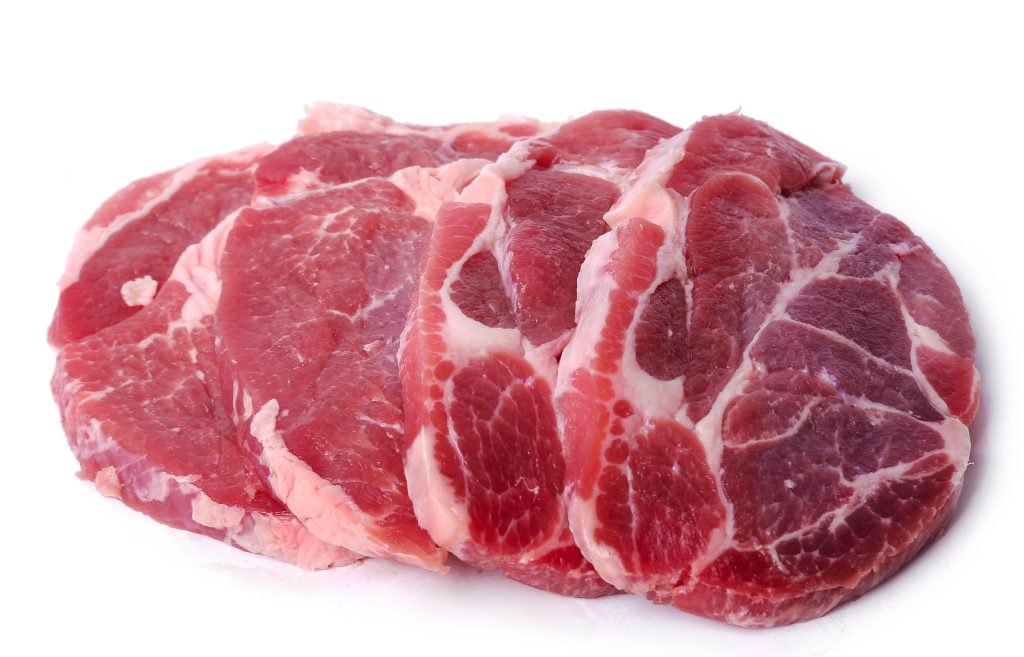
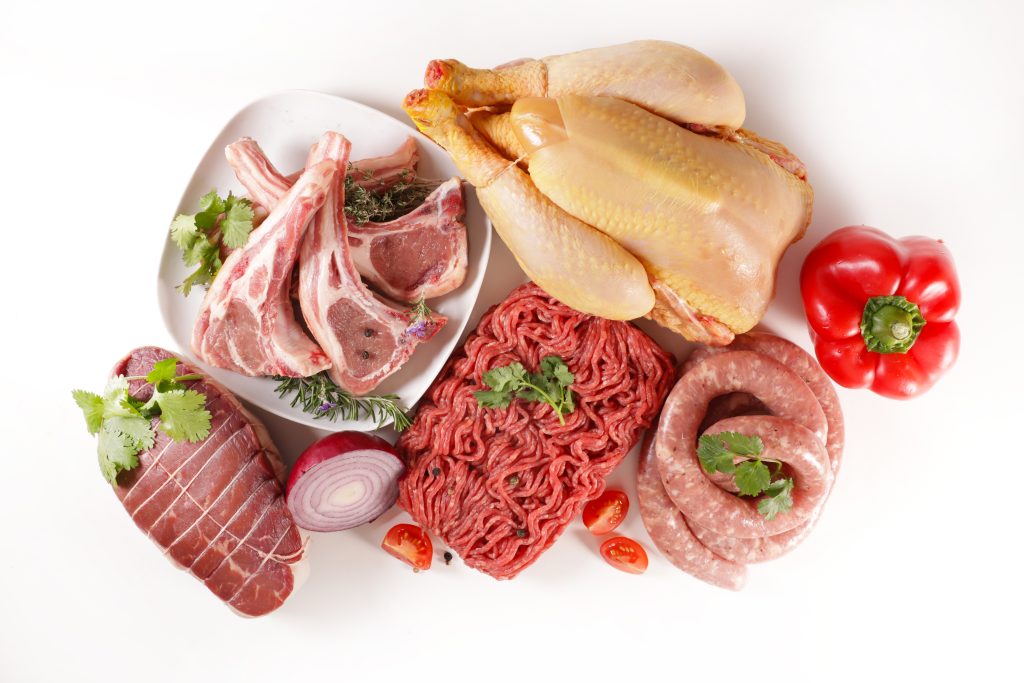
Halal meat is not just about safety and ethics; it is also about nutrition. Meat prepared according to halal standards tends to be fresher, leaner, and more wholesome. The thorough blood drainage process ensures lower fat content and fewer toxins, making the meat easier to digest and healthier for the heart.
For instance, studies show that halal beef and chicken contain higher protein levels and essential vitamins, such as B-complex vitamins, iron, and zinc. These nutrients play crucial roles in boosting immunity, improving energy levels, and supporting overall health. Consuming halal meat regularly can contribute to a balanced and nutritious diet.
4. Promotes Mindful Eating
Halal food also encourages mindfulness in eating, which is essential for good health. Muslims are taught to eat slowly, consume only what is necessary, and avoid overeating. This mindful approach helps regulate portion sizes, aids digestion, and prevents obesity-related conditions such as diabetes, heart disease, and high blood pressure.
In addition, halal dietary rules encourage avoiding harmful substances, such as alcohol and pork, both of which are associated with negative health effects. By adhering to halal guidelines, individuals are more likely to adopt a diet that is both clean and health-conscious.
5. Reduced Exposure to Harmful Additives
Modern food production often involves preservatives, artificial coloring, and chemical additives that can compromise health. Halal food standards discourage or restrict the use of harmful chemicals in meat and other food products. By choosing halal-certified meat, consumers minimize their exposure to these additives, leading to cleaner nutrition and better long-term health outcomes.
Furthermore, halal certification requires thorough checks at every stage of production, ensuring that the food meets strict safety and quality standards. This reduces the risk of contamination and guarantees that the consumer receives natural, wholesome products.
6. Spiritual Well-Being Enhances Health
Health is not just physical; it is also mental and spiritual. Eating halal is an act of obedience to religious guidelines, which promotes a sense of discipline, mindfulness, and mental well-being. Scientific studies have shown that spiritual practices, including mindful eating and adherence to religious guidelines, can reduce stress and promote overall health.
By consuming halal food, individuals not only nourish their bodies but also align their actions with ethical and spiritual principles, creating a holistic approach to health.
7. Halal Food and Community Health
Halal practices extend beyond individual benefits. When communities adopt halal dietary standards, public health improves. Ethical farming, proper hygiene, and safe slaughtering practices reduce the spread of zoonotic diseases, such as salmonella and E. coli, which can affect entire populations.
Moreover, halal food often encourages local sourcing and organic farming, which supports environmental health and sustainability. Cleaner water, healthier soil, and reduced chemical usage contribute to a healthier ecosystem, which indirectly benefits human health.
8. Conclusion
In summary, halal food is not just a religious obligation—it is a holistic approach to health. From ethical animal treatment and stringent hygiene standards to better nutrition and mindful eating, halal practices ensure that what we consume supports our physical, mental, and spiritual well-being. Choosing halal food, especially Zabiha meat from trusted sources like Zabiha Farms, is a decision that promotes long-term health and ethical responsibility.
Whether you follow halal guidelines for religious reasons or simply want to adopt a healthier lifestyle, the benefits are undeniable. By understanding why halal food matters for health, we can make informed dietary choices that protect our bodies, respect the environment, and uphold ethical standards.