























Why Zabiha is Required in Islam

For Muslims, following halal dietary guidelines is an essential aspect of faith, and Zabiha meat holds a central role in ensuring that meat consumption aligns with Islamic principles. Zabiha is not merely a ritual; it is a divinely mandated practice that combines obedience, ethics, hygiene, and spirituality. Understanding why Zabiha is required in Islam helps believers appreciate the reasoning behind this practice, beyond simply following rules.
This blog explores the religious, ethical, and health-based reasons why Zabiha is required, while also addressing its spiritual significance in daily life.
1. Divine Commandment
The primary reason Zabiha is required in Islam is that it is a direct command from Allah. The Qur’an explicitly instructs believers to consume only that which is lawful (halal) and wholesome (tayyib).
Key Qur’anic verses include:
-
“O you who believe! Eat of the good things which We have provided for you, and give thanks to Allah, if it is Him you worship.” (Qur’an 2:172)
-
“Forbidden to you are carrion, blood, pork, and animals sacrificed to other than Allah…” (Qur’an 5:3)
These verses establish that proper slaughter, ethical treatment, and lawful consumption are matters of obedience and submission to Allah. Zabiha ensures that meat is both halal and in accordance with divine guidance.
2. Spiritual Significance
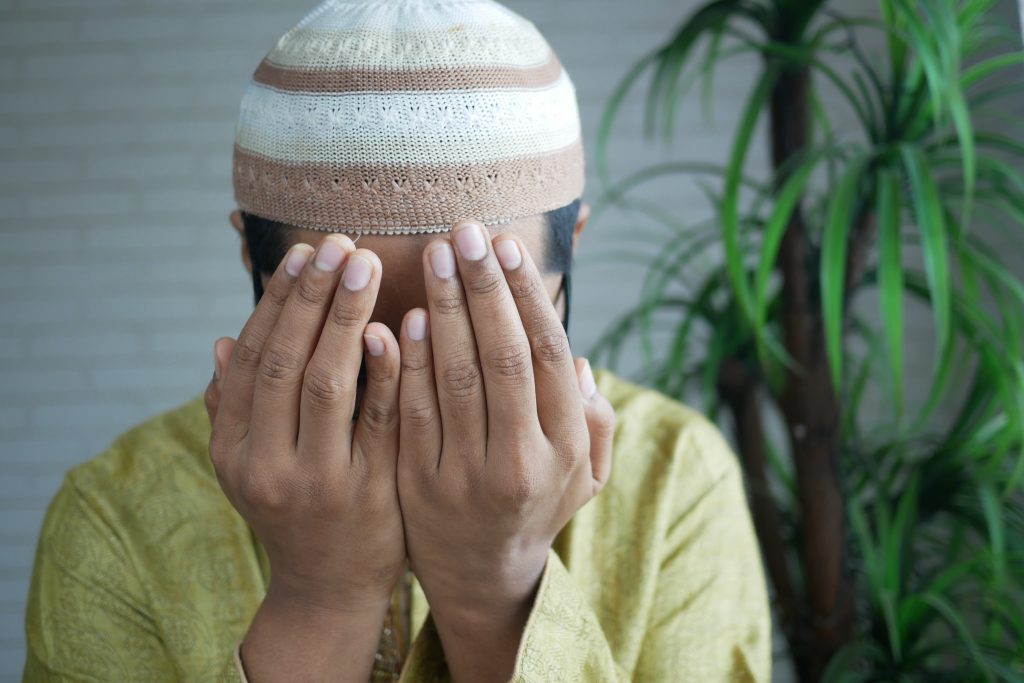
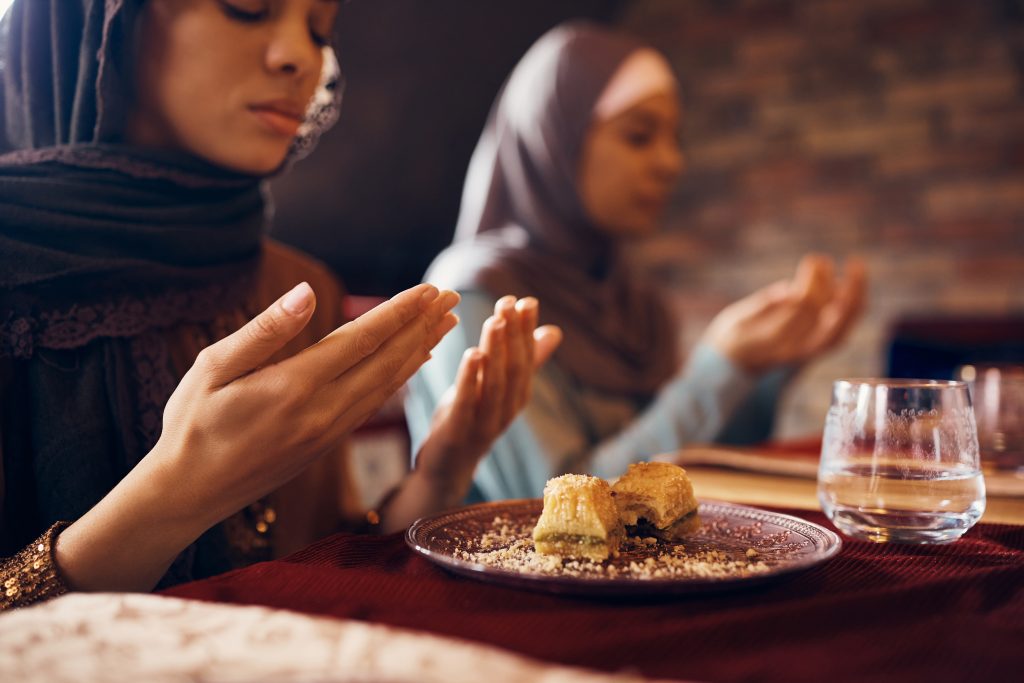
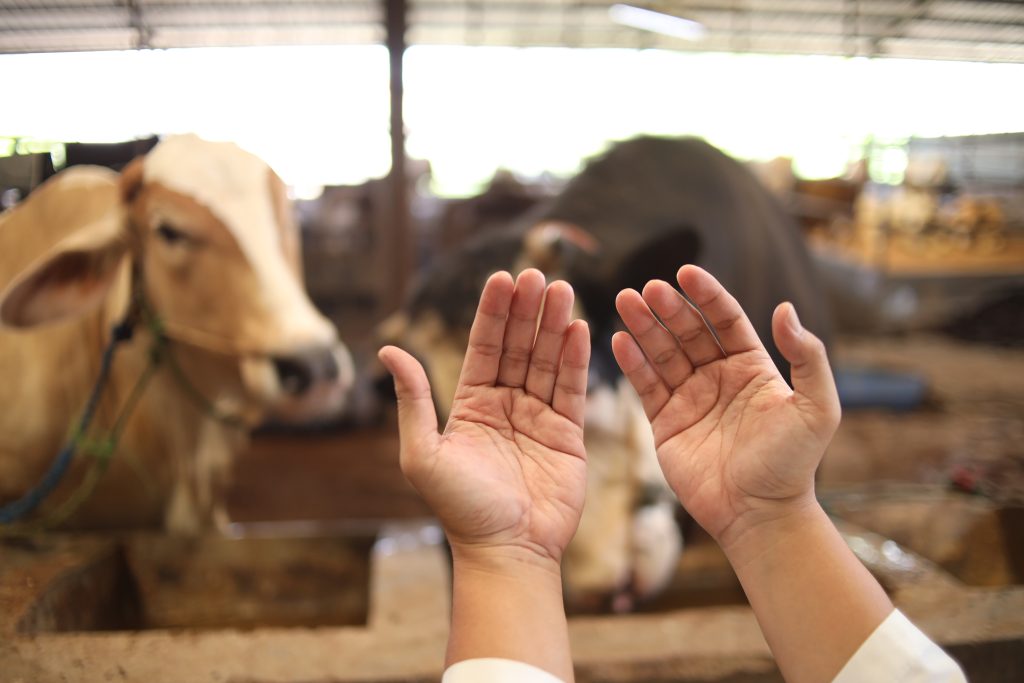
Zabiha is more than a method of slaughter; it is a spiritual act that reminds Muslims of their relationship with Allah.
-
Recitation of Bismillah: Saying Allah’s name during slaughter acknowledges that life is sacred and belongs to God.
-
Mindfulness: The act transforms eating from a simple physical need into an act of worship.
-
Gratitude: Consuming Zabiha meat fosters appreciation for the blessings of food, life, and provision.
Through these practices, Zabiha reinforces the spiritual dimension of daily life, connecting faith to even the most routine acts like eating.
3. Ethical Treatment of Animals
Islam emphasizes compassion and mercy toward animals, and Zabiha embodies these values.
-
Humane slaughter: Zabiha requires a swift, single cut to the throat, minimizing pain and distress.
-
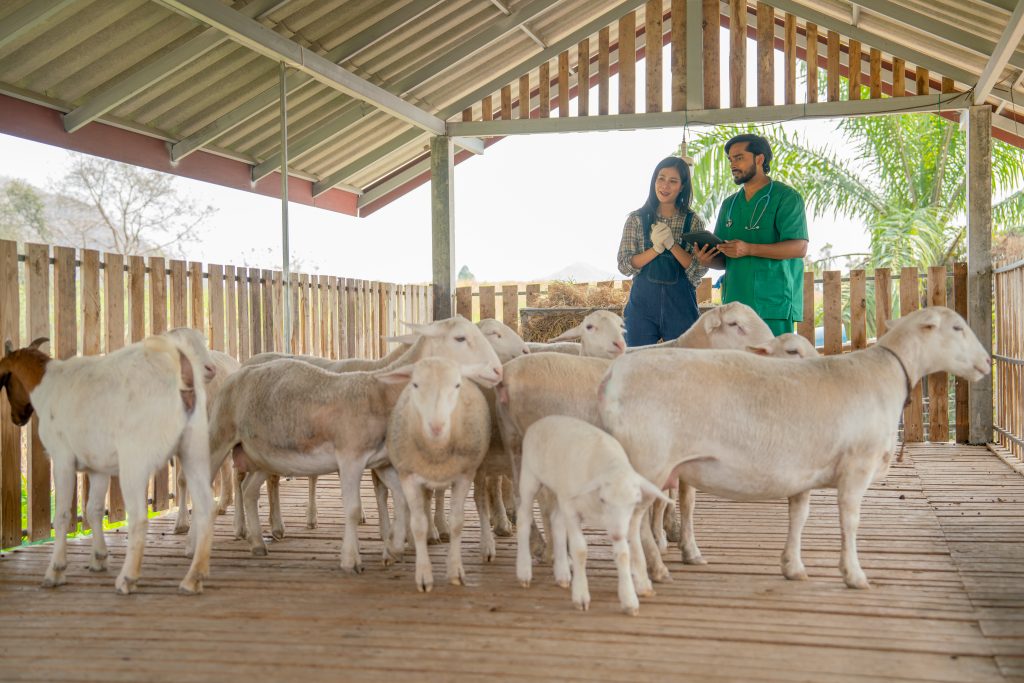
Avoidance of cruelty: Animals must be healthy and treated with care before slaughter.
-
No unnecessary suffering: Unlike some industrial methods, Zabiha prioritizes ethical handling at all stages.
By following Zabiha guidelines, Muslims fulfill a moral responsibility to treat all living creatures ethically, which is a key principle in Islamic teachings.
4. Hygiene and Health Considerations
Zabiha is also required because it ensures cleanliness and safety of food, aligning with the Qur’anic principle of consuming tayyib (pure and wholesome) food.
Health-related benefits include:
-
Complete blood drainage, which reduces bacterial growth and contamination
-
Removal of harmful toxins and stress hormones from animals
-
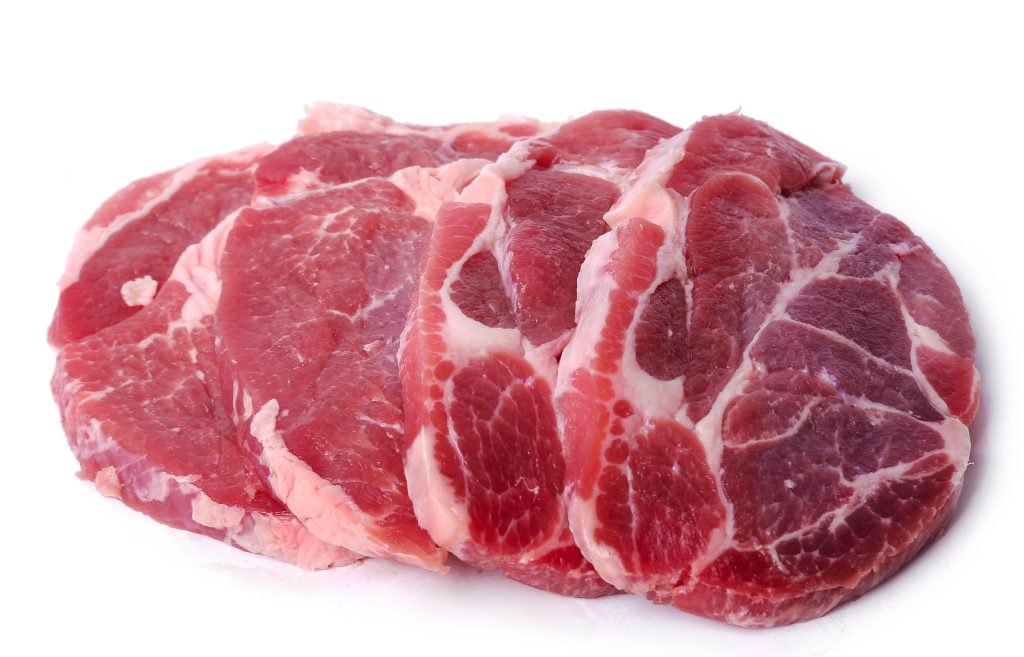
Fresh and clean meat with better taste and digestibility
While hygiene was a practical concern historically, it also reflects spiritual wisdom. Islam encourages practices that protect health and prevent harm, and Zabiha fulfills both religious and practical needs.
5. Differentiation Between Halal and Zabiha
While all Zabiha meat is halal, not all halal meat qualifies as Zabiha. The requirement of Zabiha emphasizes compliance with specific ethical and ritual conditions:
-
Animal must be alive at the time of slaughter
-
Proper invocation of Allah’s name
-
Use of sharp instruments and proper technique
-
Full drainage of blood
This distinction ensures that meat consumption is aligned with both law and spirit, preventing shortcuts or compromise in religious observance.
6. Symbol of Submission to Allah
Zabiha is a tangible expression of obedience and submission. By adhering to the rules of Zabiha, Muslims demonstrate:
-
Commitment to divine guidance
-
Awareness of moral responsibility in everyday life
-
Respect for the sacredness of life
It reminds believers that even routine actions, like eating, can be acts of worship when performed according to Allah’s commands.
7. Role in Community and Charity
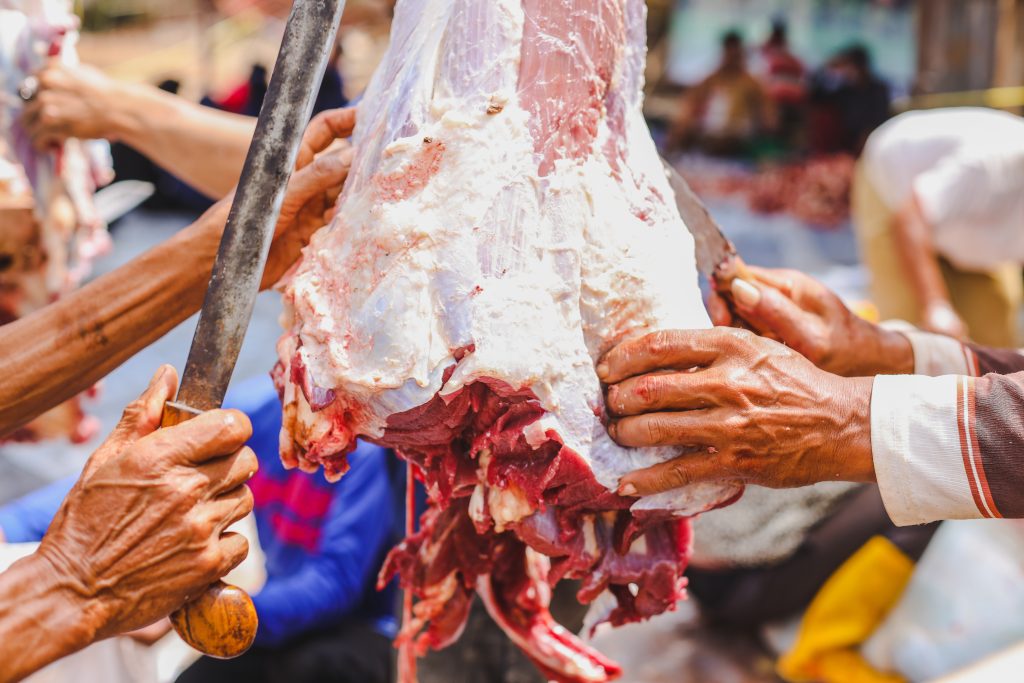
Zabiha also has a social and charitable dimension, particularly during religious events like Eid al-Adha:
-
Animals are sacrificed as an act of devotion and shared with family, friends, and the needy
-
Ensures that the community consumes meat in a lawful, ethical manner
-
Reinforces social cohesion, generosity, and shared responsibility
This communal aspect highlights that Zabiha is not only personal obedience but also a practice that strengthens the moral and spiritual fabric of society.
8. Preventing Consumption of Harmful Foods
The requirement of Zabiha helps Muslims avoid foods that are harmful, impure, or prohibited:
-
Prohibits carrion, blood, and non-zabiha meat
-
Ensures avoidance of unethical or dubious food sources
-
Encourages informed choices about nutrition and food safety
Zabiha functions as both a spiritual safeguard and a practical measure for physical well-being.
9. Modern Relevance of Zabiha
In today’s globalized world, Zabiha remains relevant as halal meat is processed and distributed on a large scale:
-
Halal certification ensures that Zabiha principles are maintained
-
Ethical sourcing and traceability confirm adherence to religious and ethical standards
-
Consumer awareness allows Muslims to make informed choices about food, supporting both faith and health
Despite technological advances in food production, the requirement of Zabiha preserves the core principles of Islam in modern life.
10. Conclusion
Zabiha is required in Islam for spiritual, ethical, and practical reasons. It is a divine command that:
-
Upholds obedience to Allah
-
Promotes mindfulness, gratitude, and worship
-
Ensures ethical treatment of animals
-
Maintains hygiene, health, and food safety
-
Reinforces community values and charity
-
Protects against harmful or non-permissible foods
Choosing Zabiha meat, especially from trusted sources like Zabiha Farms, is not just a dietary choice—it is a holistic act of faith that connects physical nourishment with spiritual integrity.
By following Zabiha, Muslims ensure that every meal aligns with divine guidance, ethical responsibility, and personal well-being, fulfilling the broader purpose of halal eating in Islam.
Eating Zabiha is more than a ritual—it is a daily expression of devotion, compassion, and conscious living, making it an indispensable aspect of Islamic practice.