



















Why Zabiha is Required in Islam

For Muslims, following halal dietary guidelines is an essential aspect of faith, and Zabiha meat holds a central role in ensuring that meat consumption aligns with Islamic principles. Zabiha is not merely a ritual; it is a divinely mandated practice that combines obedience, ethics, hygiene, and spirituality. Understanding why Zabiha is required in Islam helps believers appreciate the reasoning behind this practice, beyond simply following rules.

Common Misunderstandings About Zabiha

Zabiha, the Islamic method of slaughtering animals for consumption, is a fundamental aspect of halal eating. However, despite its long history and spiritual significance, many myths and misunderstandings about Zabiha continue to circulate. These misconceptions can create confusion among Muslims trying to make informed dietary choices and among non-Muslims who are curious about halal practices.

Step-by-Step Guide to Zabiha Slaughter

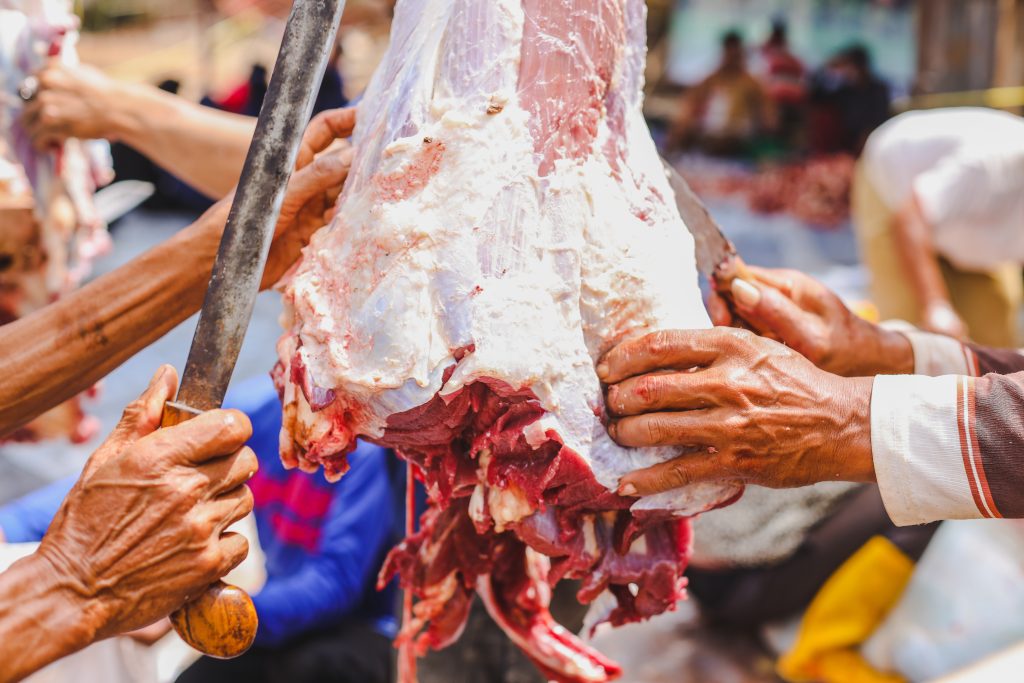
Zabiha is the Islamic method of slaughtering animals, ensuring that meat is halal, ethical, and wholesome. Beyond simply following a ritual, Zabiha reflects obedience to Allah, compassion for animals, and attention to hygiene and health. Whether you are a consumer seeking understanding or a student of Islamic practices, knowing the steps of Zabiha helps clarify its importance and ensures adherence to its principles.

How Zabiha Slaughter Ensures Hygiene

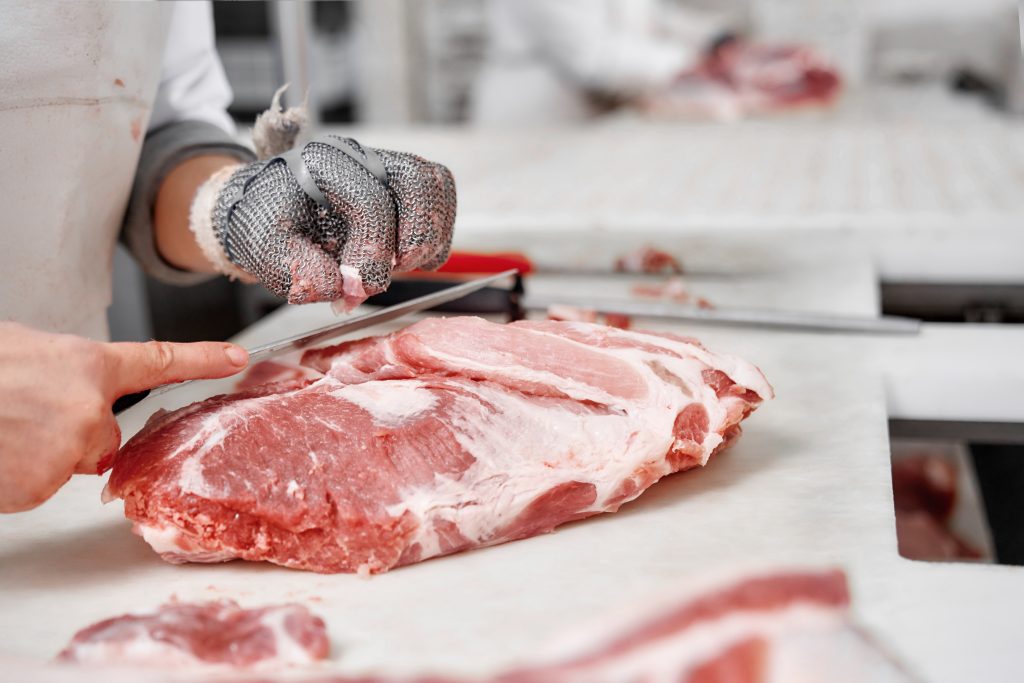
Zabiha, the Islamic method of slaughter, is a practice that goes beyond religious obligation—it also ensures the safety, cleanliness, and quality of meat. Muslims worldwide choose Zabiha meat not only because it is halal but also because of its emphasis on hygienic, ethical, and wholesome practices. Understanding how Zabiha slaughter promotes hygiene clarifies why this tradition has remained relevant for centuries and continues to be a preferred method of meat preparation today.

Ethical Considerations in Zabiha Meat

Zabiha meat is more than a dietary requirement; it is a manifestation of Islamic ethics, compassion, and responsibility. For Muslims, consuming Zabiha meat ensures that their food aligns with religious principles, health standards, and humane treatment of animals. Ethical considerations are deeply intertwined with the Zabiha process, guiding not only how animals are slaughtered but also how they are raised, handled, and consumed.

Nutritional Advantages of Zabiha Meat

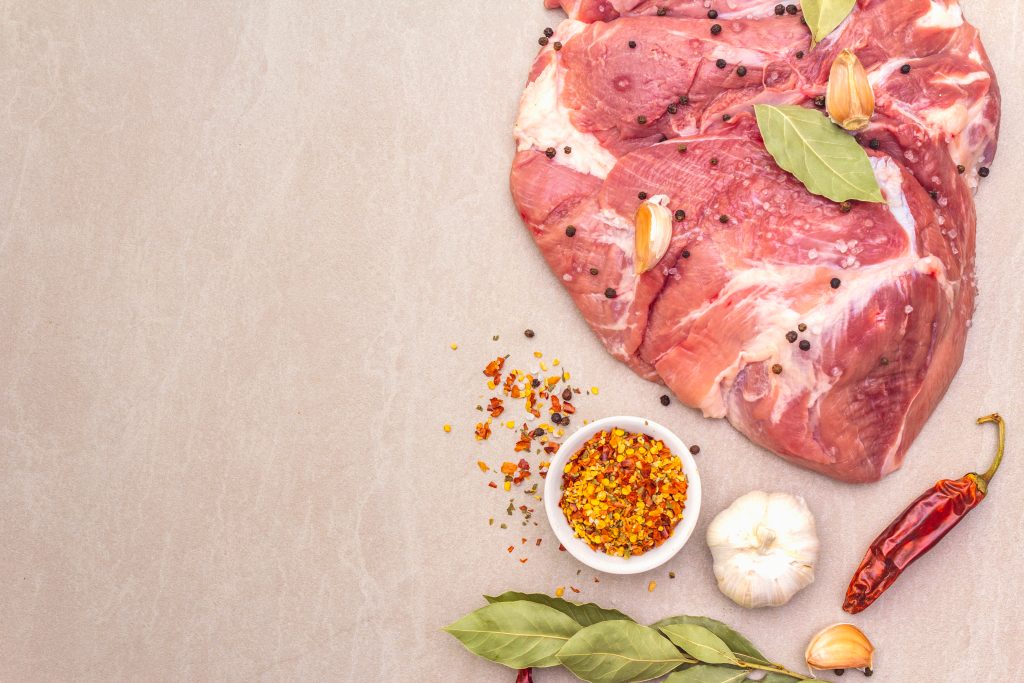
Zabiha meat is more than a religious requirement for Muslims—it is also a healthy, wholesome, and nutritious choice. The method of slaughter, ethical raising of animals, and careful handling contribute to meat that is not only halal but also beneficial for physical health. Understanding the nutritional advantages of Zabiha meat helps consumers appreciate why this traditional practice remains relevant and valuable in modern diets.

How Zabiha Meat Supports Sustainable Farming

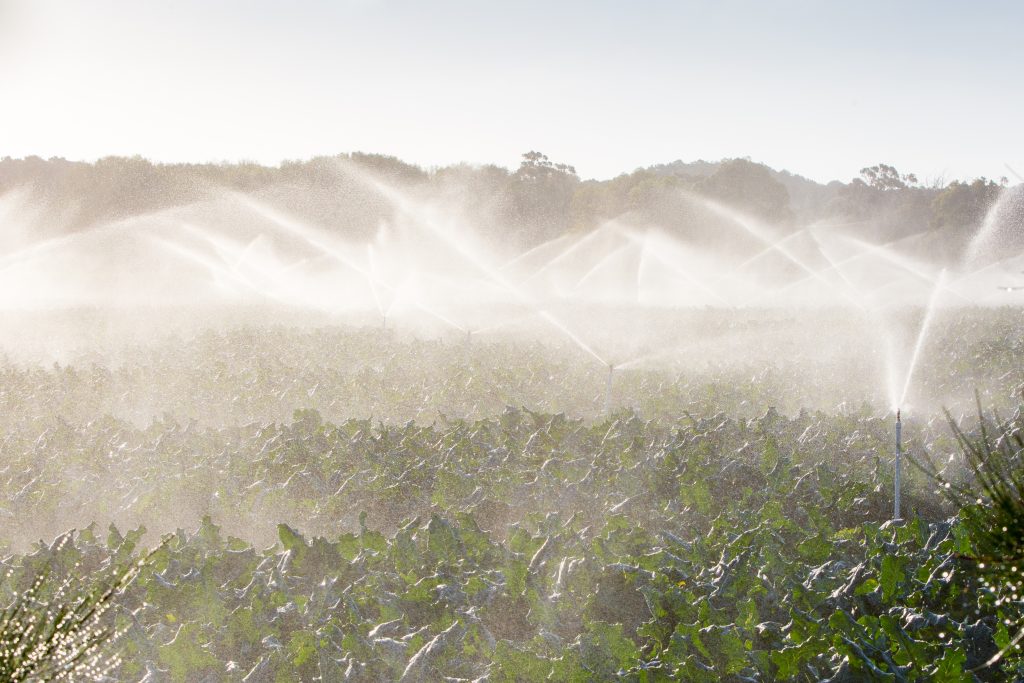
Zabiha meat is widely recognized for its religious, ethical, and nutritional significance. Beyond these qualities, it also plays an important role in supporting sustainable farming practices. By integrating humane animal treatment, responsible feeding, and ethical slaughtering, Zabiha aligns closely with modern sustainability principles, ensuring that food production is both environmentally and socially responsible.

Zabiha Meat and Digestive Health

Zabiha meat is widely recognized in the Muslim community for its religious, ethical, and nutritional significance. Beyond these aspects, it also offers substantial benefits for digestive health, supporting the body’s ability to absorb nutrients efficiently and maintain a balanced gut environment. Understanding how Zabiha meat contributes to digestive wellness helps consumers make informed choices about their diets while adhering to halal principles.

From Farm to Your Plate: The Zabiha Farms Story

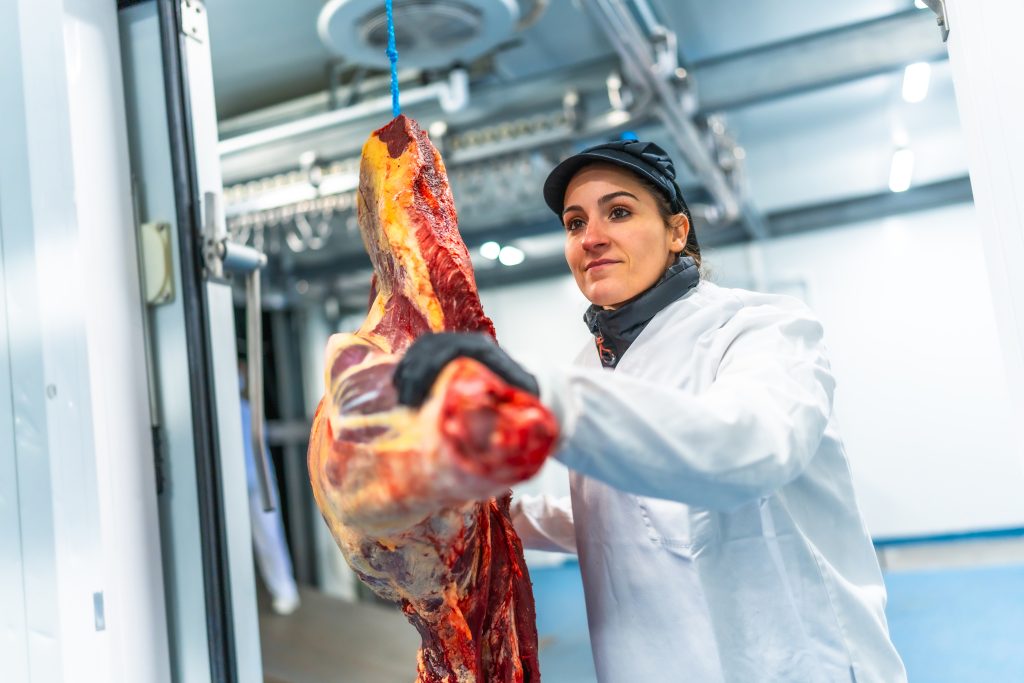
Every bite of meat tells a story—of care, tradition, and trust. At Zabiha Farms, our mission is simple yet profound: to provide halal, wholesome, and ethically sourced meat directly from our farms to your plate. Our commitment goes beyond food; it reflects faith, ethical responsibility, and sustainability, ensuring that every meal nourishes both body and soul.

How We Source Our Animals

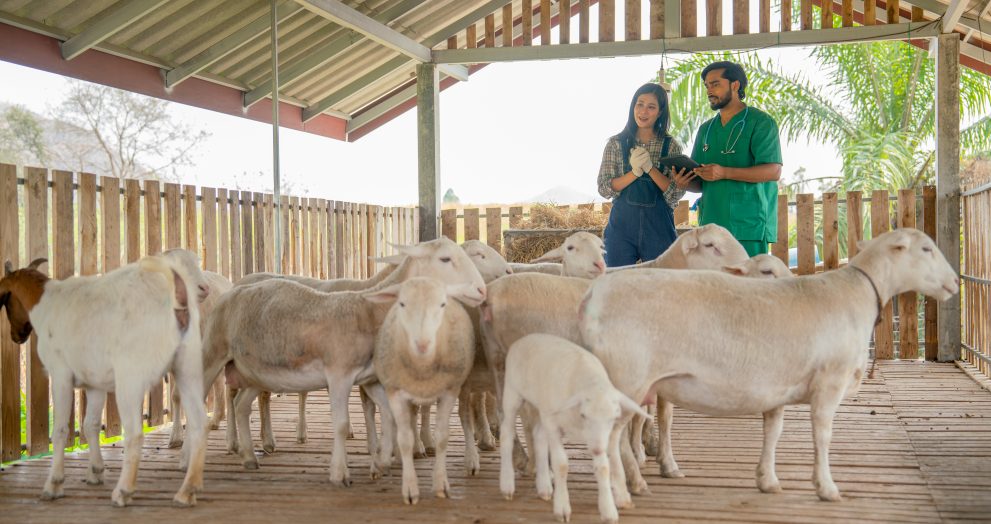
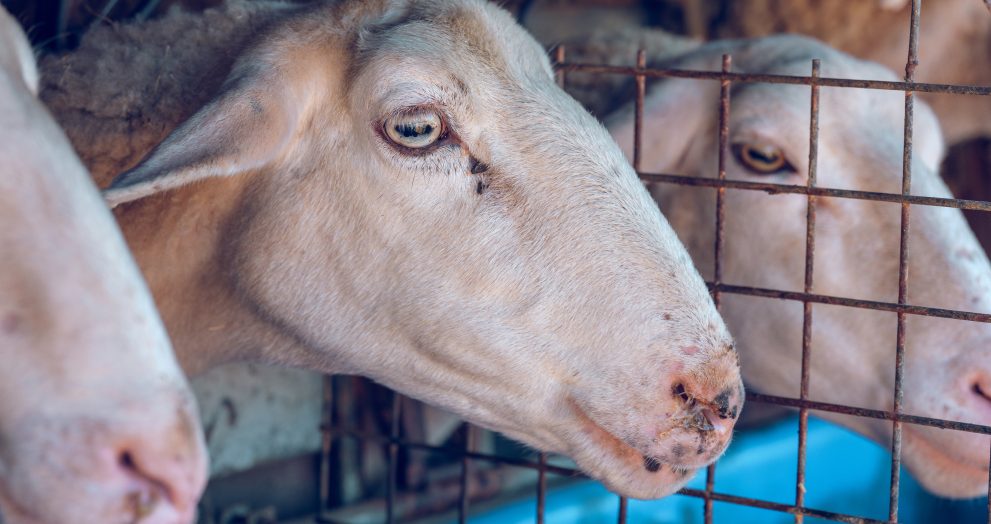
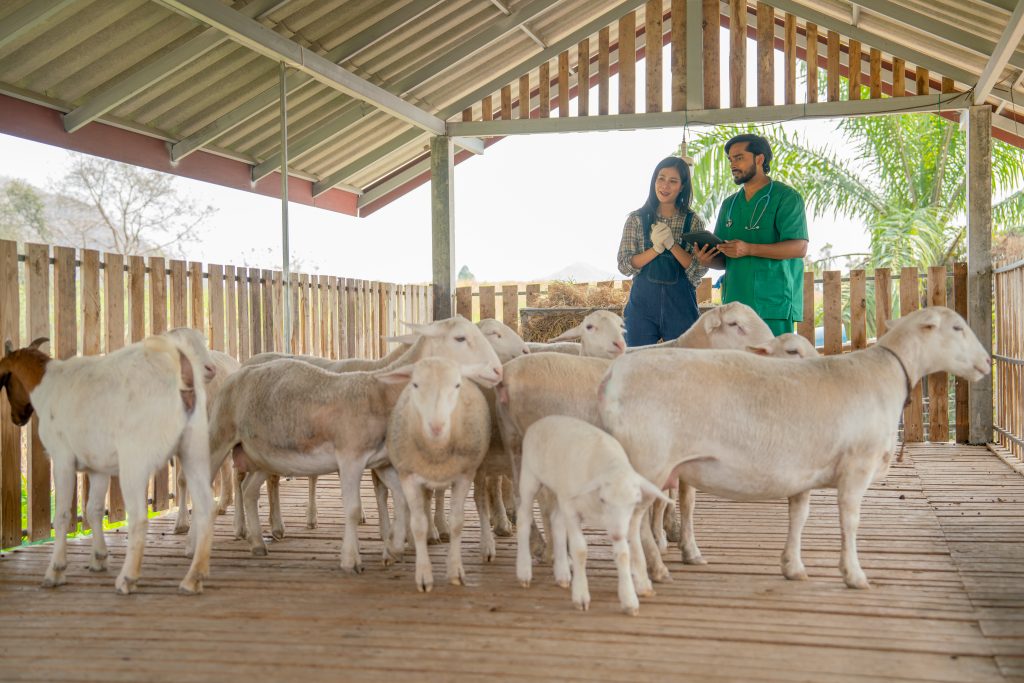
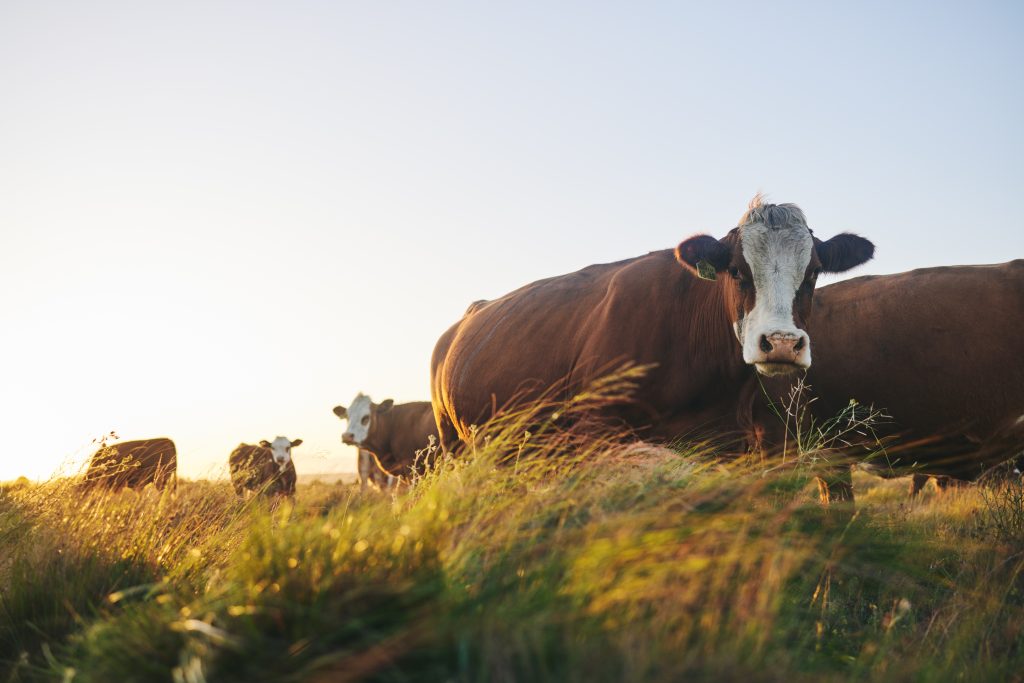
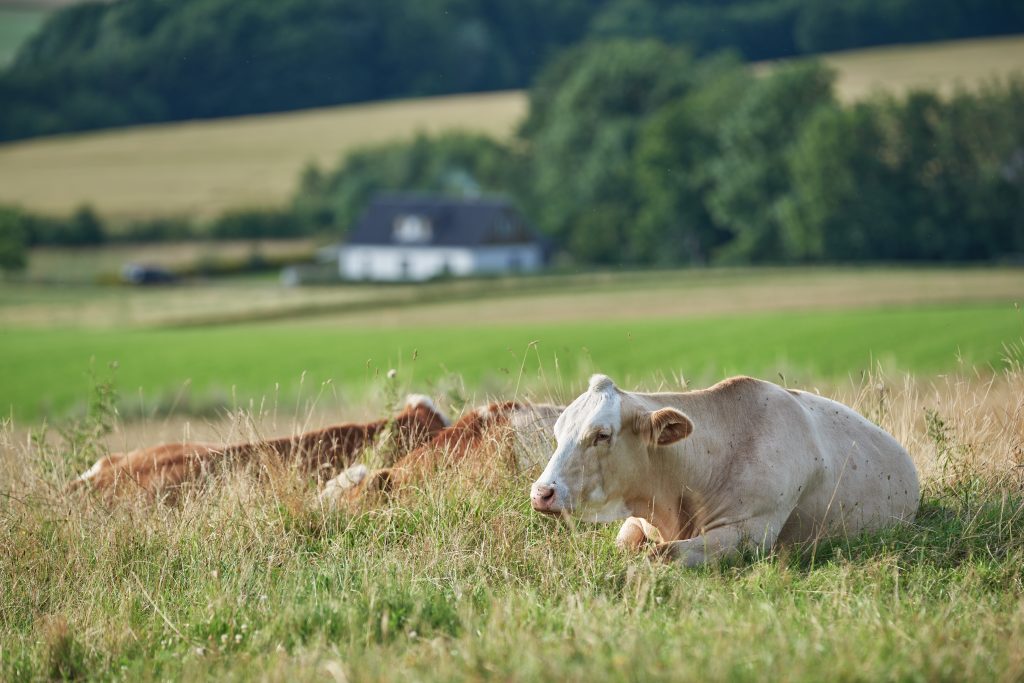
At Zabiha Farms, sourcing animals is more than a logistical step—it is a cornerstone of our commitment to ethics, quality, and halal integrity. From the farm to your plate, the journey begins with selecting the right animals that meet our high standards for health, welfare, and ethical treatment. Every decision in sourcing reflects our dedication to trustworthy, wholesome, and sustainable meat.