























Price vs Quality: What to Look For in Halal Meat

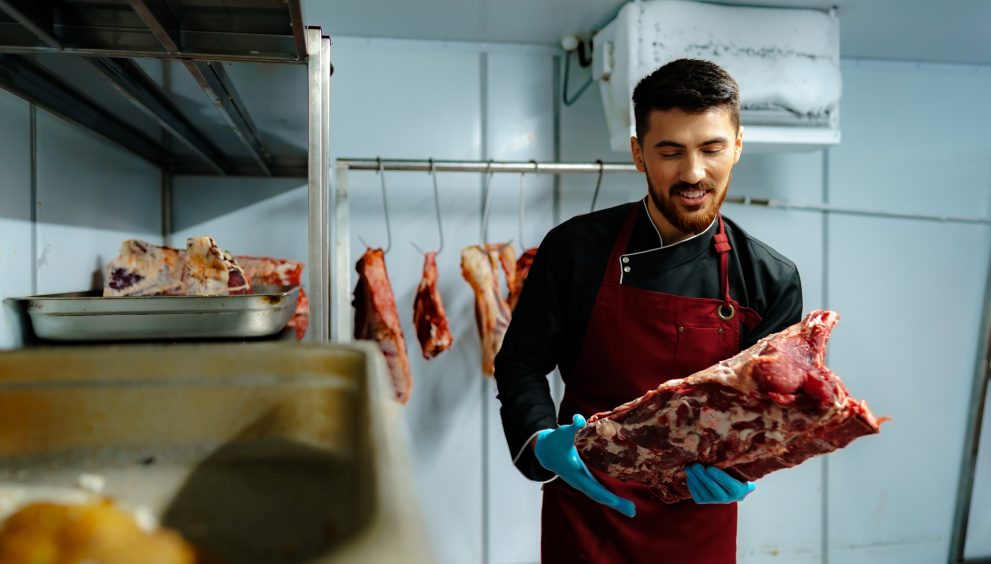
Buying halal meat is not just about following dietary laws; it’s about choosing wholesome, nutritious, and ethically sourced food. However, with varying prices at butcher shops and online stores, many consumers struggle to balance cost with quality. Understanding what influences price, how to evaluate quality, and what to prioritize ensures that you get the best value without compromising on halal standards.
This guide will help you navigate price versus quality when selecting halal meat.
1. Factors Affecting the Price of Halal Meat
1.1 Source and Farming Practices
-
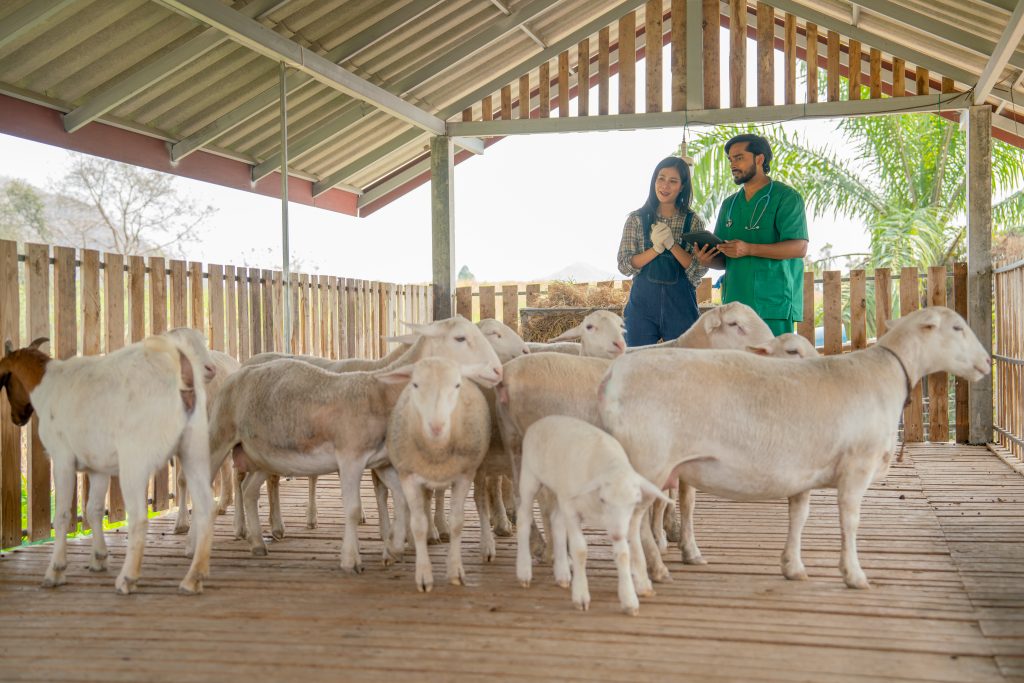
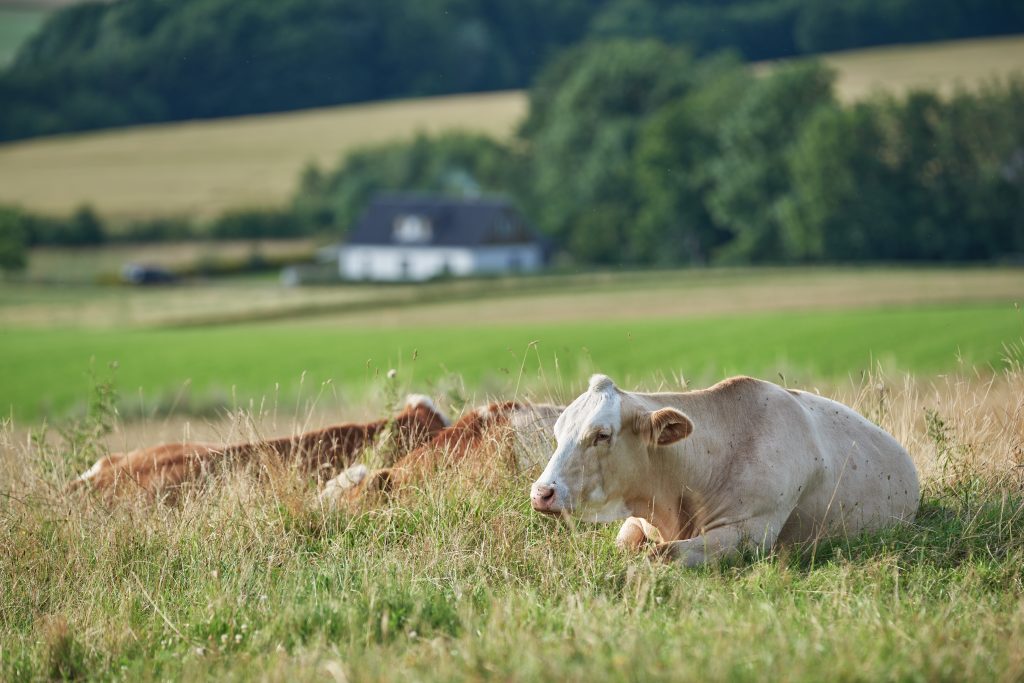
Ethically raised animals from trusted farms cost more due to proper feed, space, and care.
-
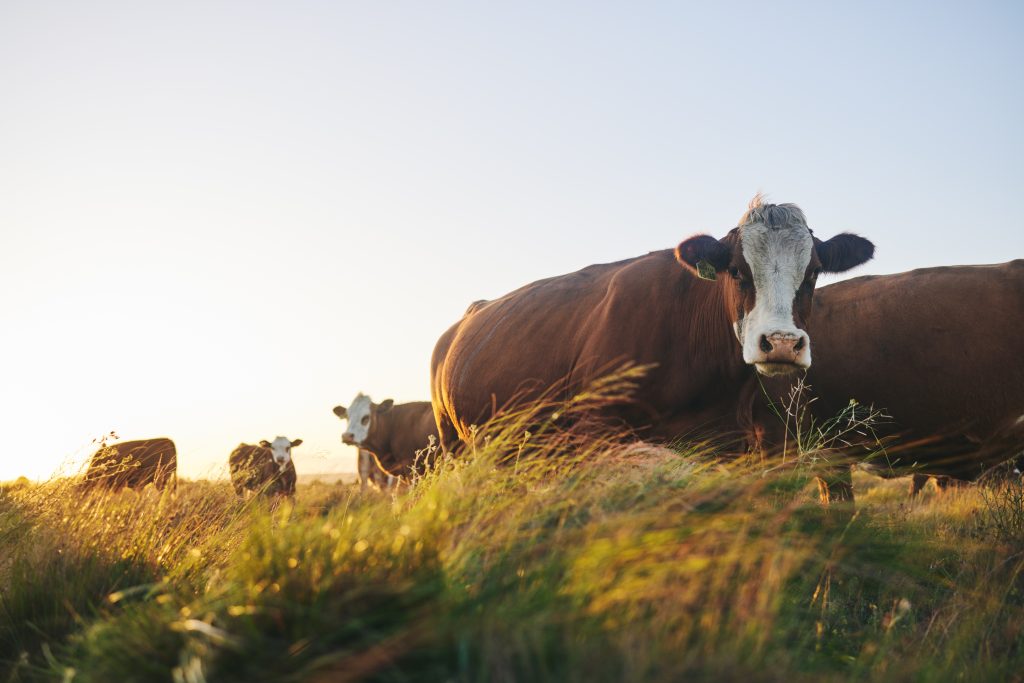
Grass-fed, organic, or free-range animals are priced higher than conventionally raised livestock.
1.2 Slaughtering Standards
-
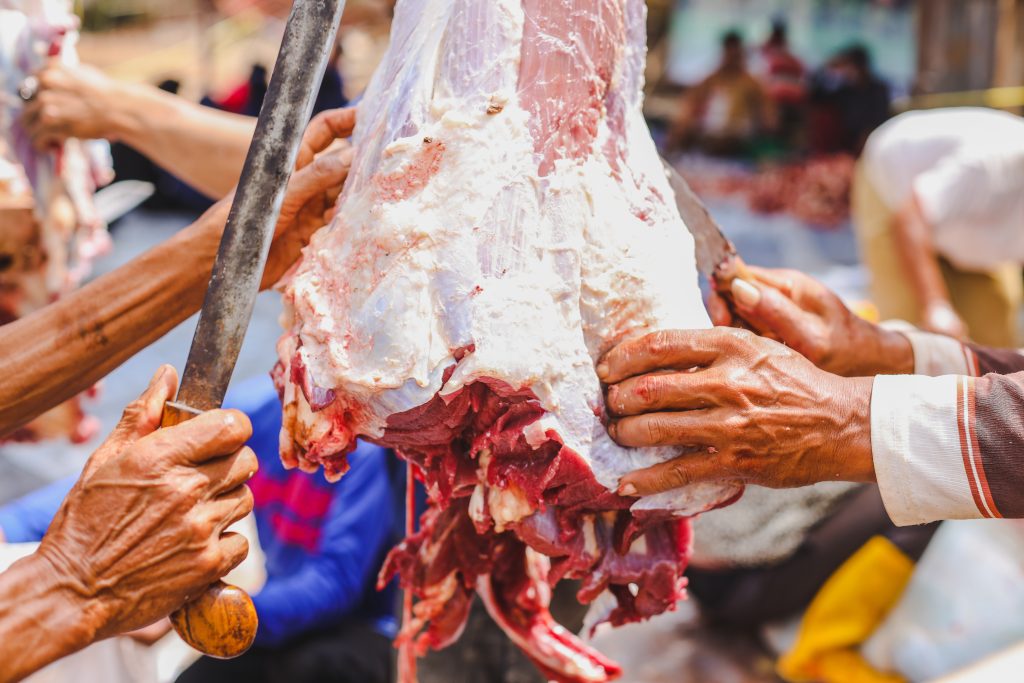
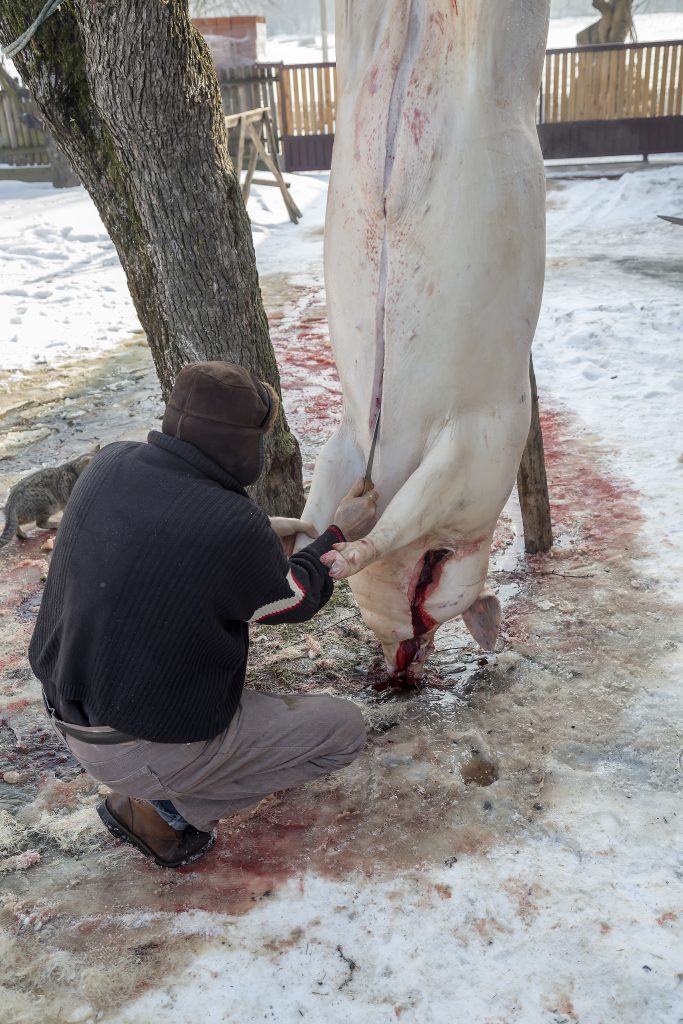
Zabiha meat requires specific halal slaughtering procedures, including invoking the name of Allah and humane handling.
-
Certified Zabiha meat often costs more due to labor and certification fees.
1.3 Cut Type and Portion Size
-
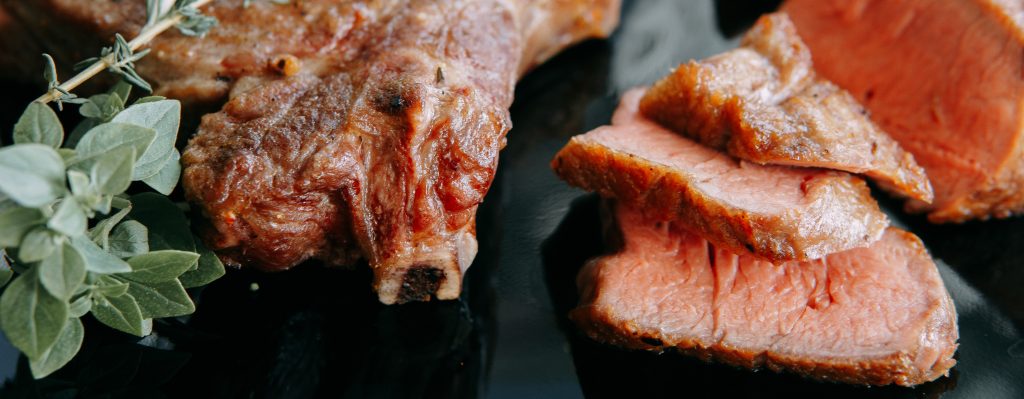
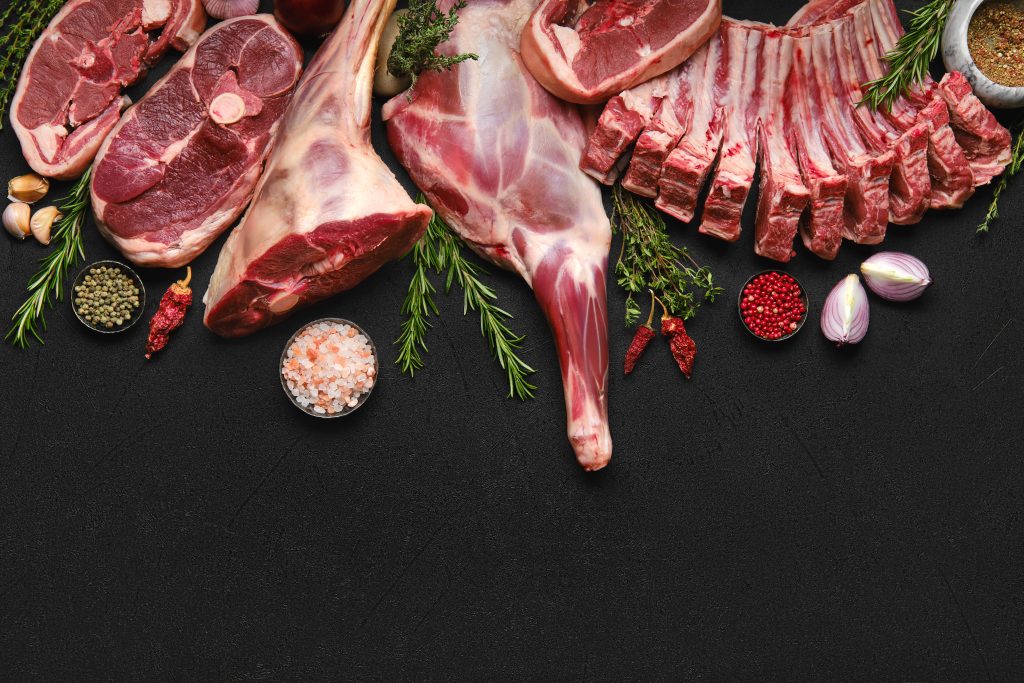
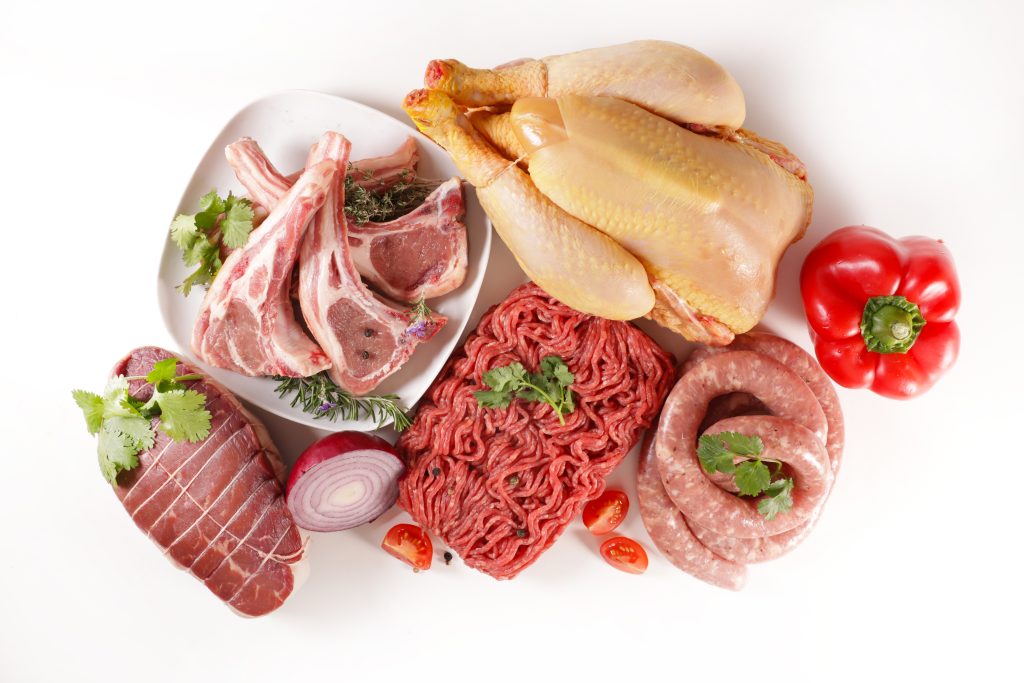
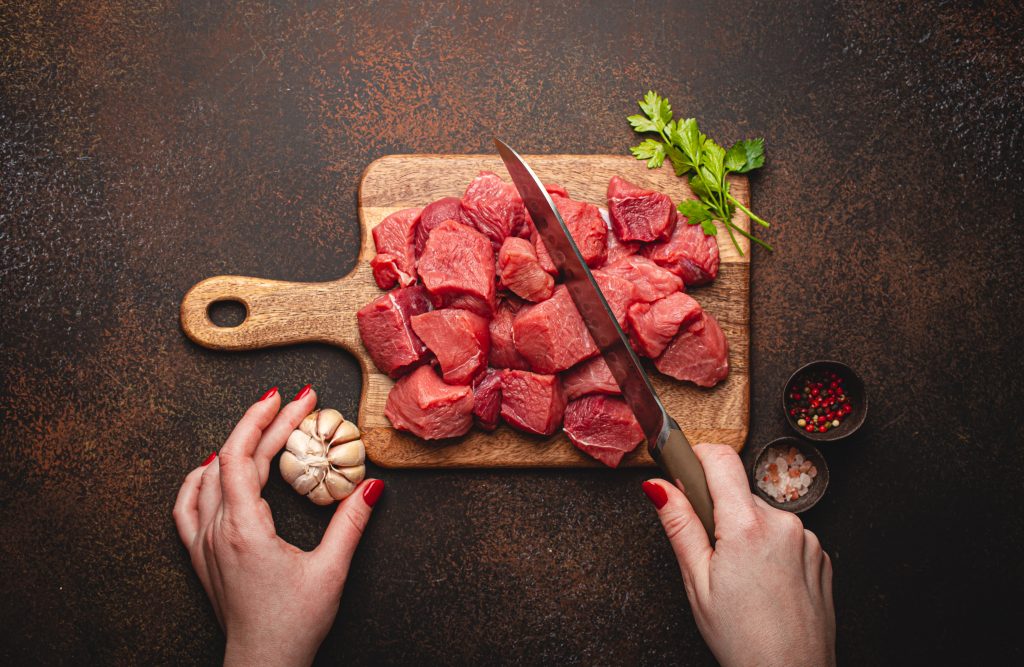
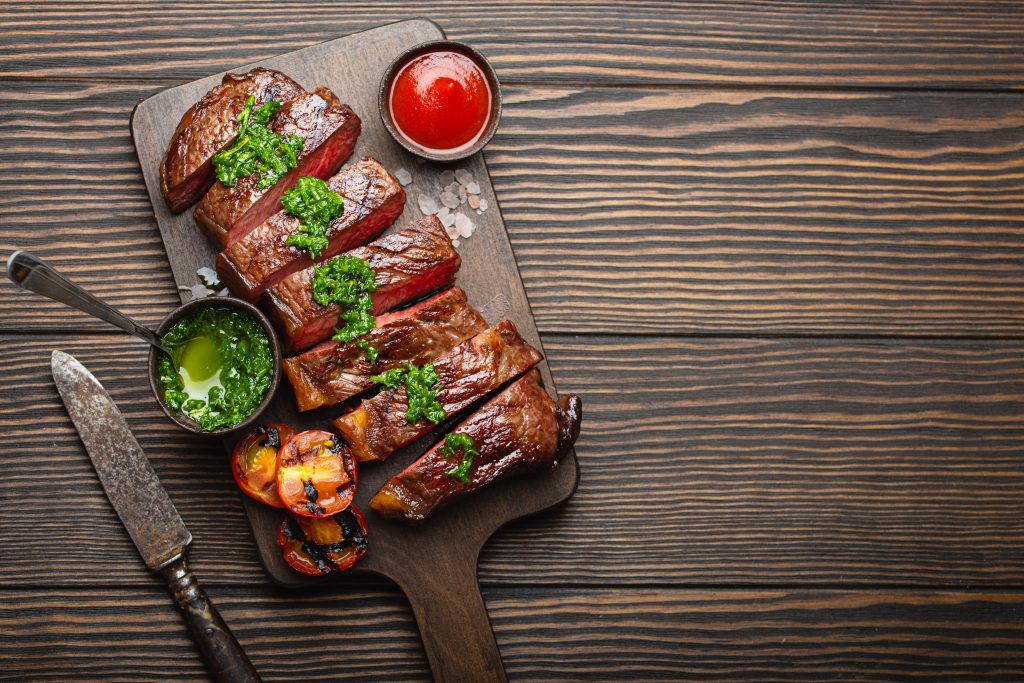
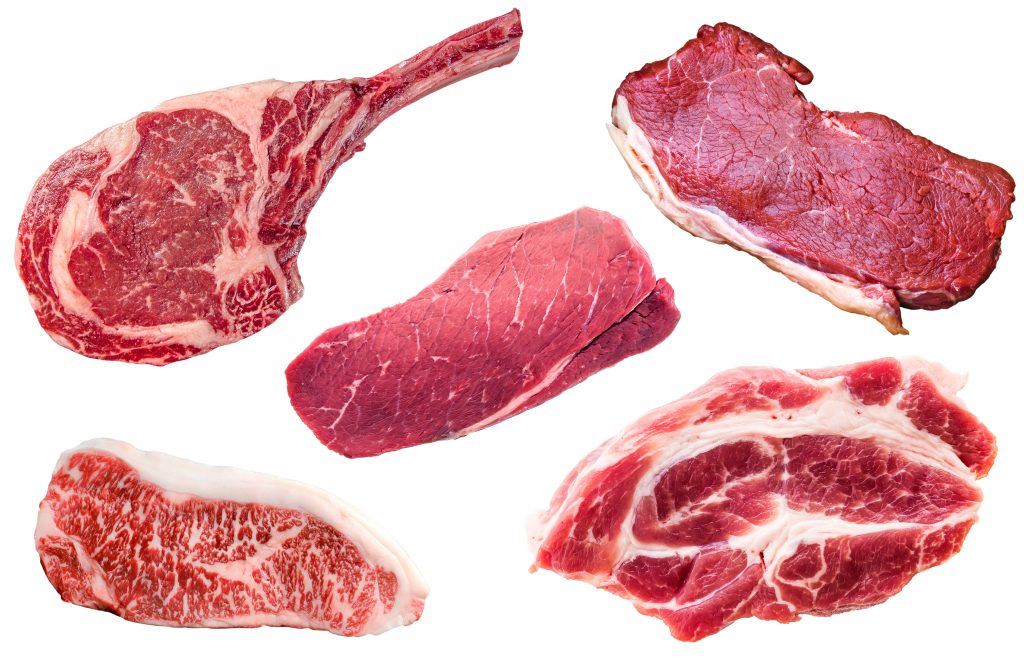
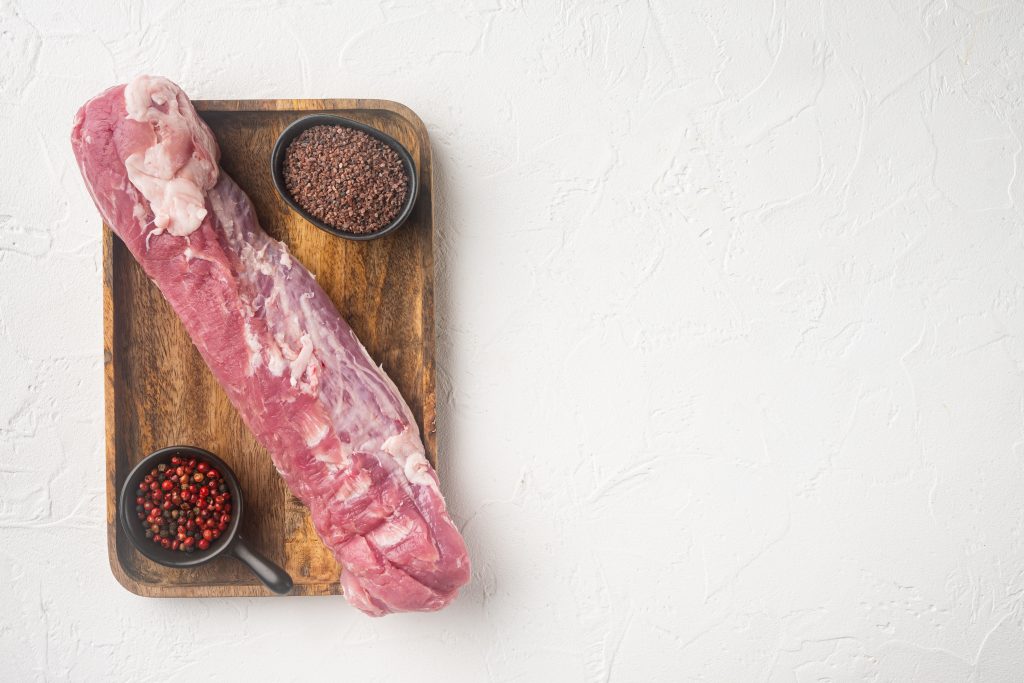
Premium cuts like ribeye, tenderloin, or lamb chops are more expensive than standard cuts like shank or shoulder.
-
Larger portions naturally cost more, but smaller, high-quality cuts may provide better value per serving.
1.4 Freshness and Handling
-
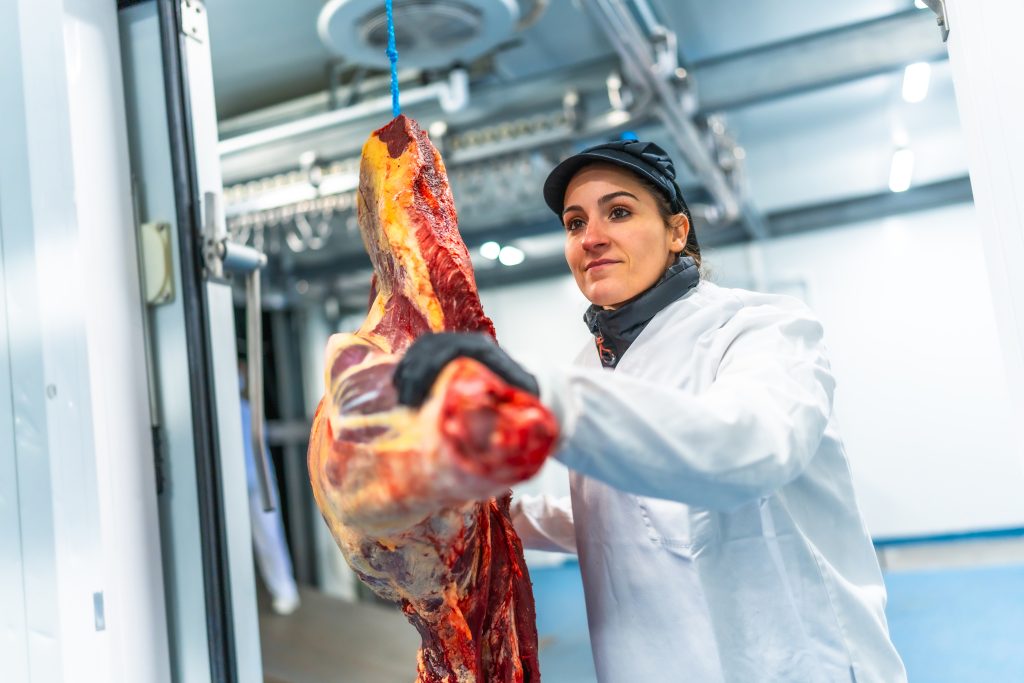
Meat that is fresh, properly stored, and quickly delivered may have a higher price tag but ensures safety and flavor.
1.5 Packaging and Delivery
-
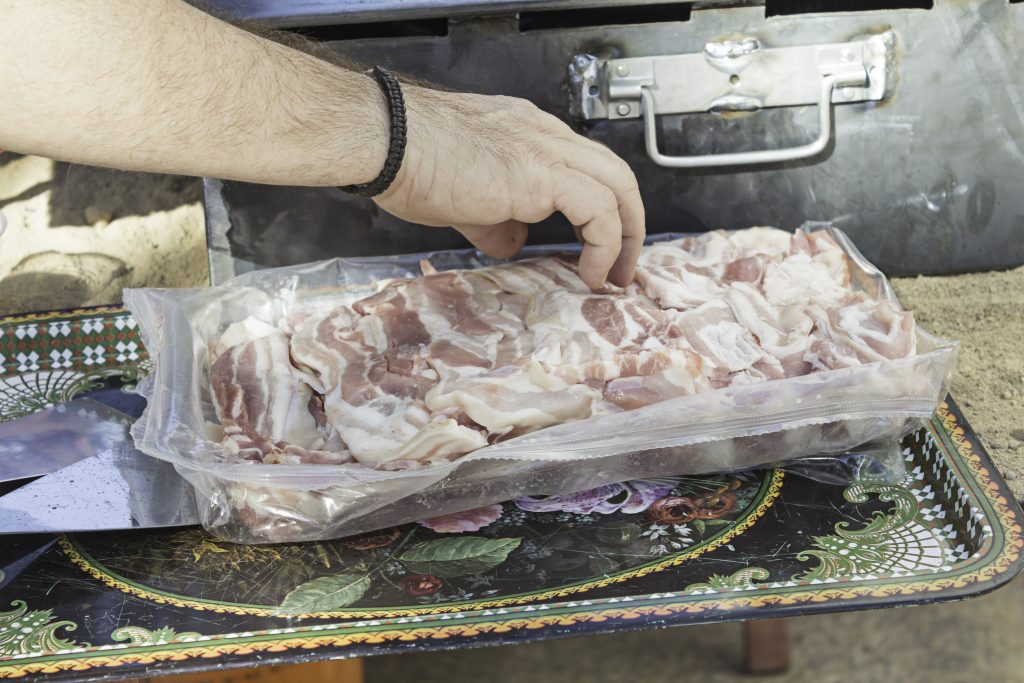
Vacuum-sealed packaging, insulated delivery, and refrigerated transport increase costs but preserve quality and freshness.
2. Understanding Quality in Halal Meat
2.1 Freshness Indicators
-
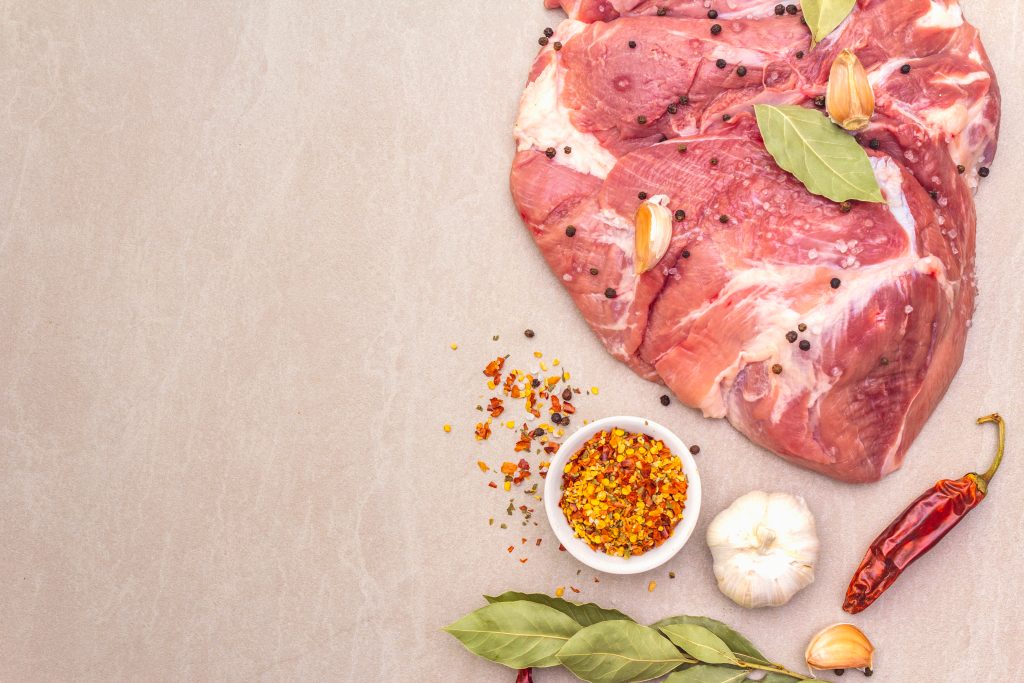
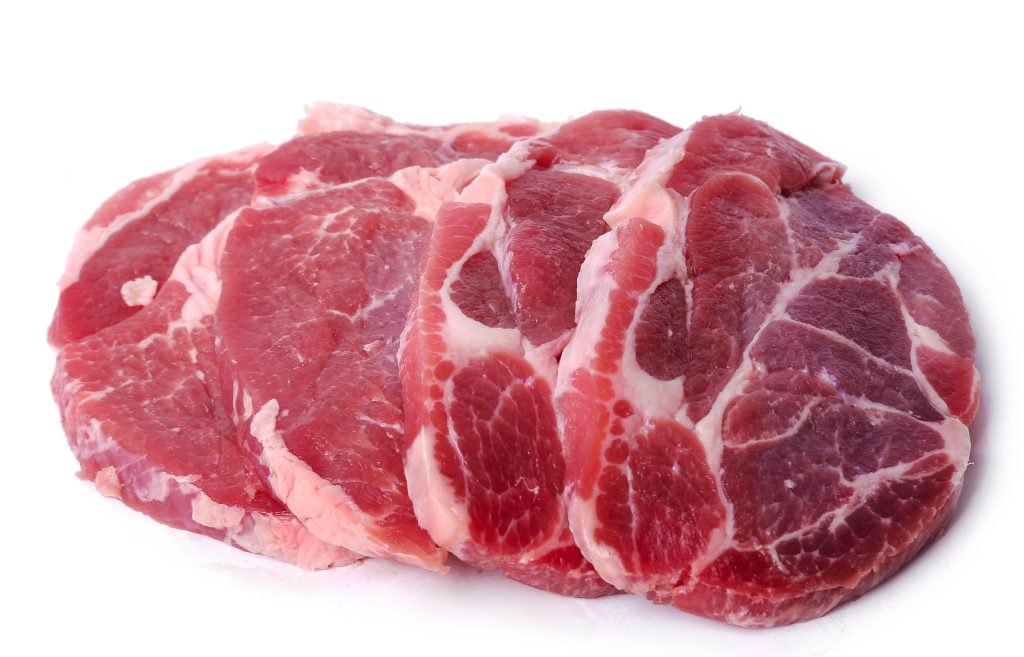
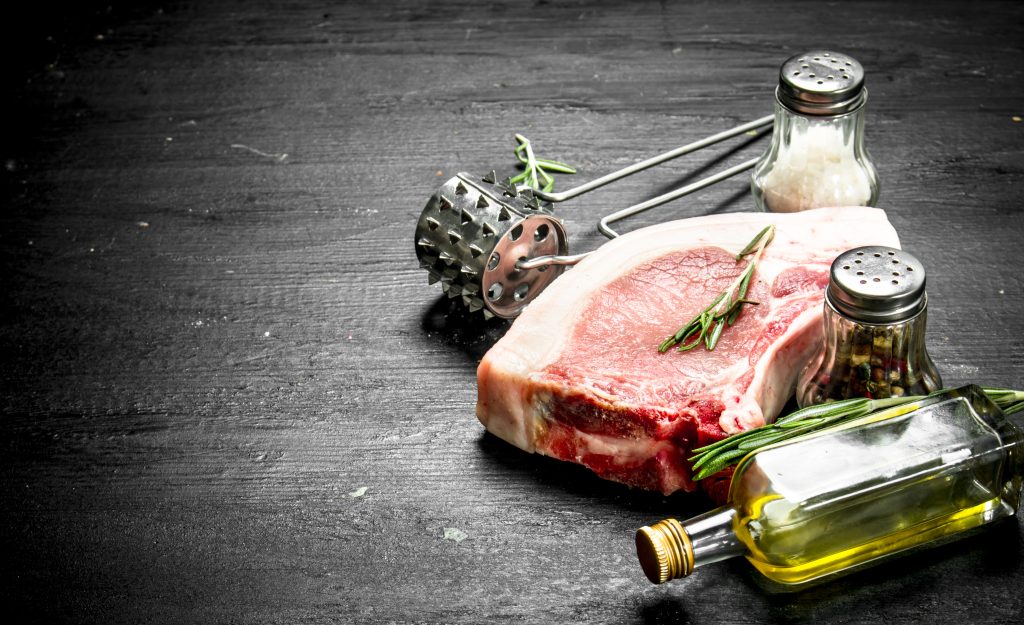
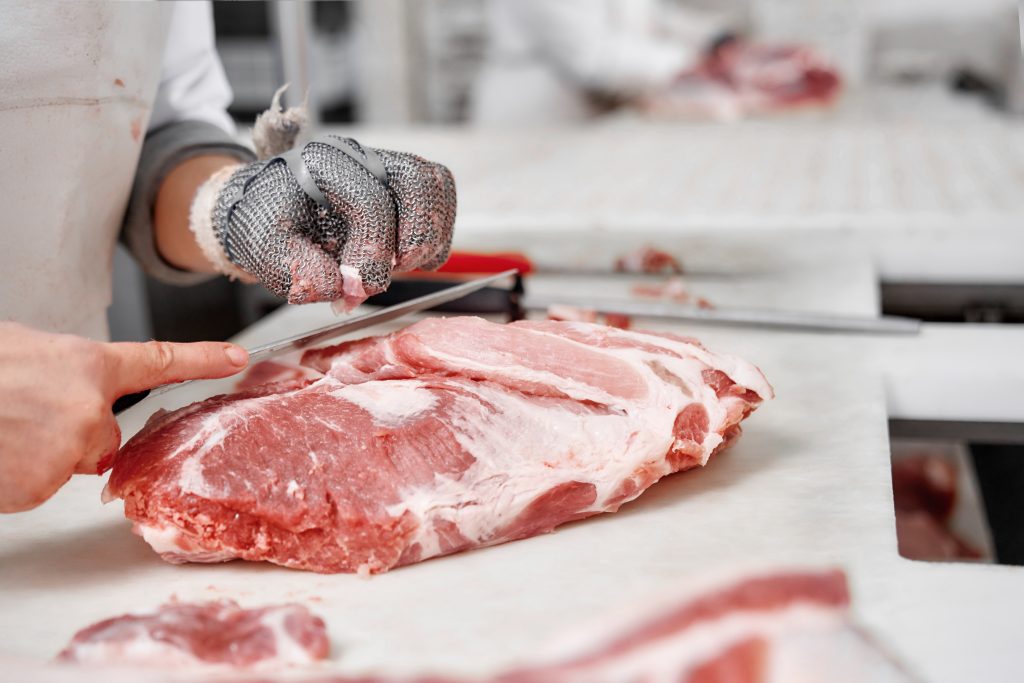
Color: Bright red for beef, pink to red for lamb, pale pink for chicken.
-
Texture: Firm, springy, slightly moist. Avoid slimy or mushy meat.
-
Smell: Neutral or mild; off-putting odors indicate spoilage.
2.2 Marbling and Fat Quality
-
Evenly distributed fat (marbling) enhances flavor, tenderness, and juiciness.
-
Fat should be creamy white, not yellowed, greasy, or soft.
2.3 Ethical and Halal Compliance
-
High-quality meat comes from humanely raised animals and adheres strictly to halal slaughtering guidelines.
-
Always look for trusted halal certification.
2.4 Nutritional Value
-
Fresh, ethically sourced halal meat contains optimal protein, vitamins, and minerals.
-
Properly handled meat reduces risk of bacterial contamination and nutrient loss.
3. Price vs Quality: Finding the Balance
3.1 Don’t Base Decisions on Price Alone
-
Extremely cheap meat may compromise freshness, ethics, or halal compliance.
-
High price does not always guarantee top quality; evaluate meat based on color, texture, smell, and certification.
3.2 Consider Long-Term Value
-
Quality meat may last longer, cook better, and provide healthier meals, making it more cost-effective over time.
-
Avoid waste from spoiled or low-quality meat purchased solely for low price.
3.3 Compare Similar Products
-
Compare cuts, certification, and sourcing information rather than just price tags.
-
Sometimes paying slightly more ensures better taste, nutrition, and ethical standards.
4. Tips for Evaluating Price and Quality
4.1 Check Halal Certification
-
Ensure the meat is certified by a trusted authority.
-
Certification guarantees Zabiha practices and compliance with Islamic law.
4.2 Inspect Freshness
-
Examine color, texture, and smell.
-
Avoid meat that appears dull, slimy, or has off odors, even if the price is low.
4.3 Know Your Cuts
-
Understand which cuts are premium and which are standard.
-
Ribeye, tenderloin, or lamb chops cost more but offer better tenderness and flavor.
4.4 Understand Sourcing
-
Ask about farm practices, animal feed, and slaughtering process.
-
Meat from ethically raised, well-fed animals often costs more but ensures higher quality and nutrition.
4.5 Consider Online Options
-
Many online stores provide premium cuts with verified halal certification.
-
Look for transparent pricing, fast delivery, and packaging standards to maintain freshness.
5. Common Mistakes to Avoid
-
Choosing meat based solely on the lowest price.
-
Assuming high price always equals quality without checking certification or freshness.
-
Ignoring storage, packaging, and delivery conditions.
-
Buying large quantities without proper storage, leading to spoilage and waste.
-
Overlooking ethical and halal compliance, which is essential for Zabiha meat.
6. Benefits of Investing in Quality Halal Meat
6.1 Health Benefits
-
Reduced risk of foodborne illness.
-
Higher nutritional value, including proteins, vitamins, and minerals.
6.2 Culinary Benefits
-
Better tenderness, flavor, and cooking results.
-
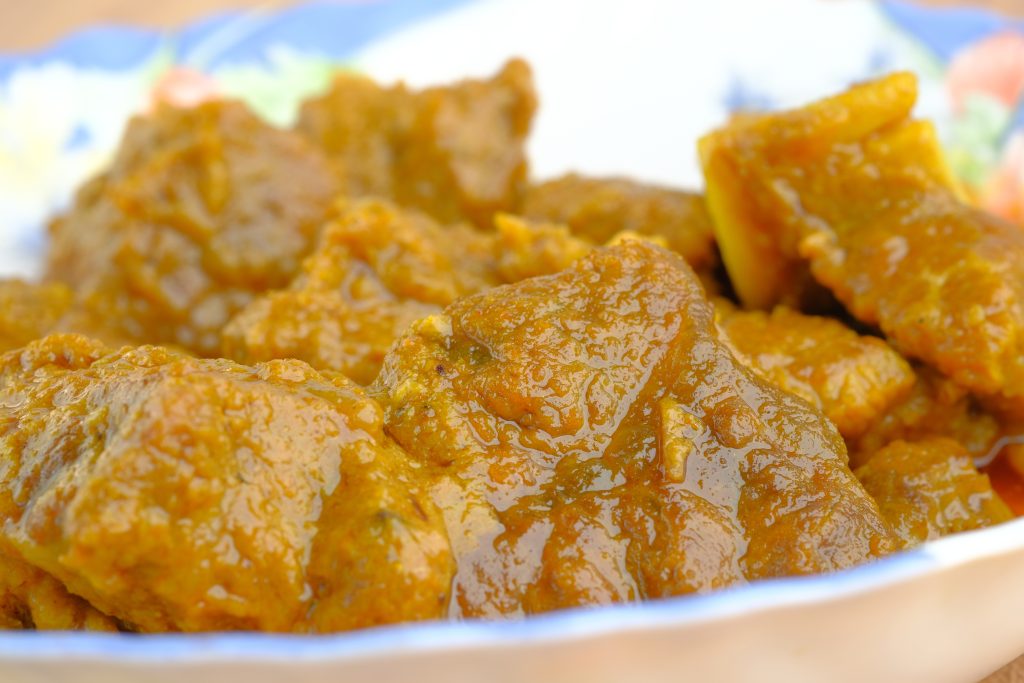
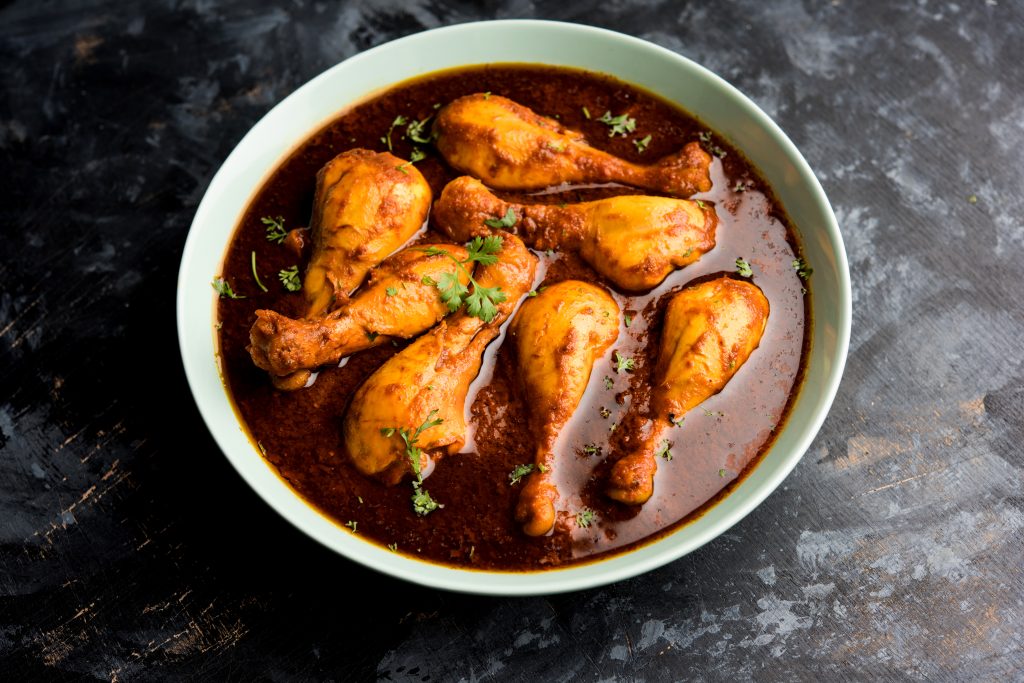
Ideal for curries, roasts, grills, and other dishes.
6.3 Ethical and Spiritual Benefits
-
Supports humane farming and ethical slaughtering.
-
Aligns with Islamic principles of consuming tayyib food.
6.4 Cost-Effectiveness
-
High-quality meat reduces waste due to spoilage or poor cooking results.
-
Ensures value for money by investing in cuts that last and taste better.
7. Conclusion
Balancing price and quality in halal meat requires knowledge, attention, and careful evaluation. Key points include:
-
Understand factors affecting price: source, cuts, packaging, freshness, and certification.
-
Evaluate quality: color, texture, smell, marbling, and ethical compliance.
-
Prioritize long-term value over short-term savings.
-
Avoid common mistakes like relying solely on price or ignoring certification.
By following these guidelines, consumers can confidently purchase premium Zabiha meat that is wholesome, nutritious, and ethically sourced, ensuring that every meal is halal, tayyib, and enjoyable.