

























Common Questions About Halal Meat: Everything You Need to Know

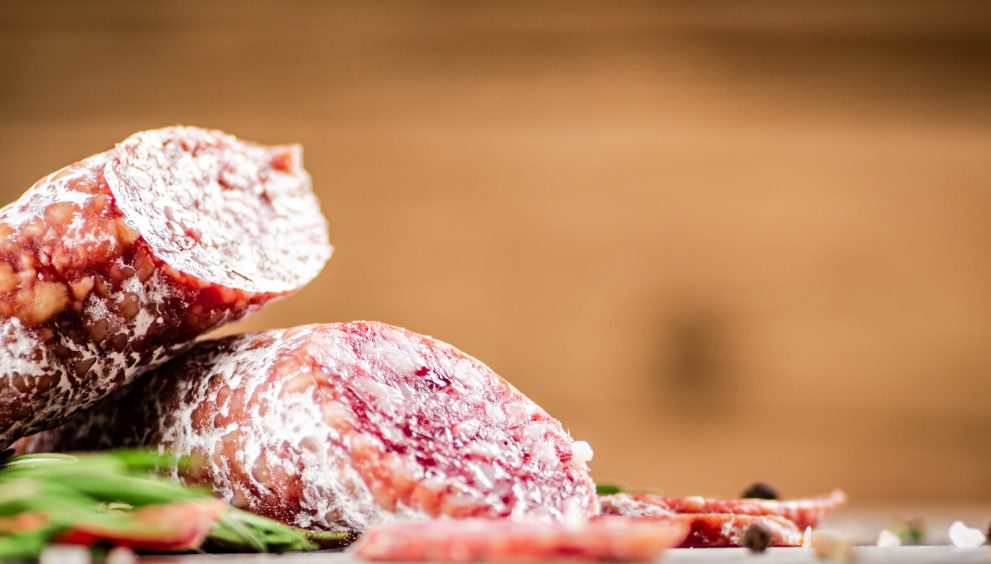
Halal meat is not only lawful (halal) according to Islamic law but also considered wholesome (tayyib), ethically sourced, and nutritious. Many people are interested in halal meat but have questions about its sourcing, preparation, and consumption. This guide addresses the most common questions about halal meat, helping consumers make informed choices for health, taste, and spiritual compliance.
1. What is Halal Meat?
Halal meat comes from animals that are permissible to eat under Islamic law. Key points include:
-
Animals must be lawful (halal) to consume, such as cows, sheep, goats, and chickens.
-
Slaughtering must follow Islamic guidelines, invoking the name of Allah during the process.
-
Humane and ethical treatment is required before and during slaughter.
Halal meat is distinct from conventional meat due to its ethical, spiritual, and health-conscious standards.
2. What Makes Meat Zabiha?
Zabiha is a type of halal meat with specific slaughtering procedures:
-
The animal is alive and healthy at the time of slaughter.
-
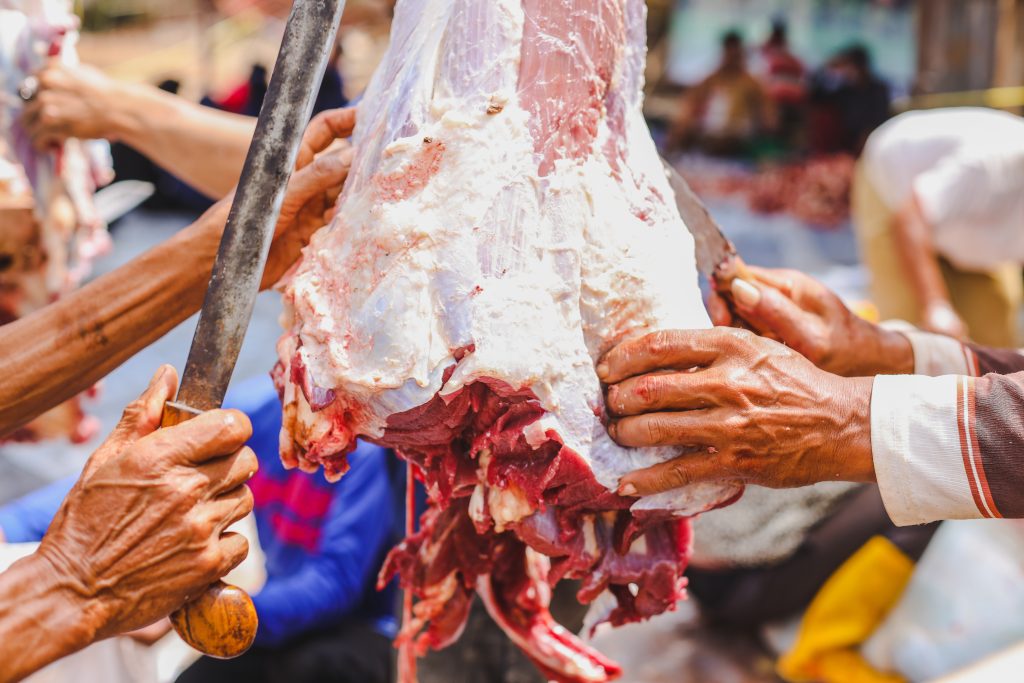
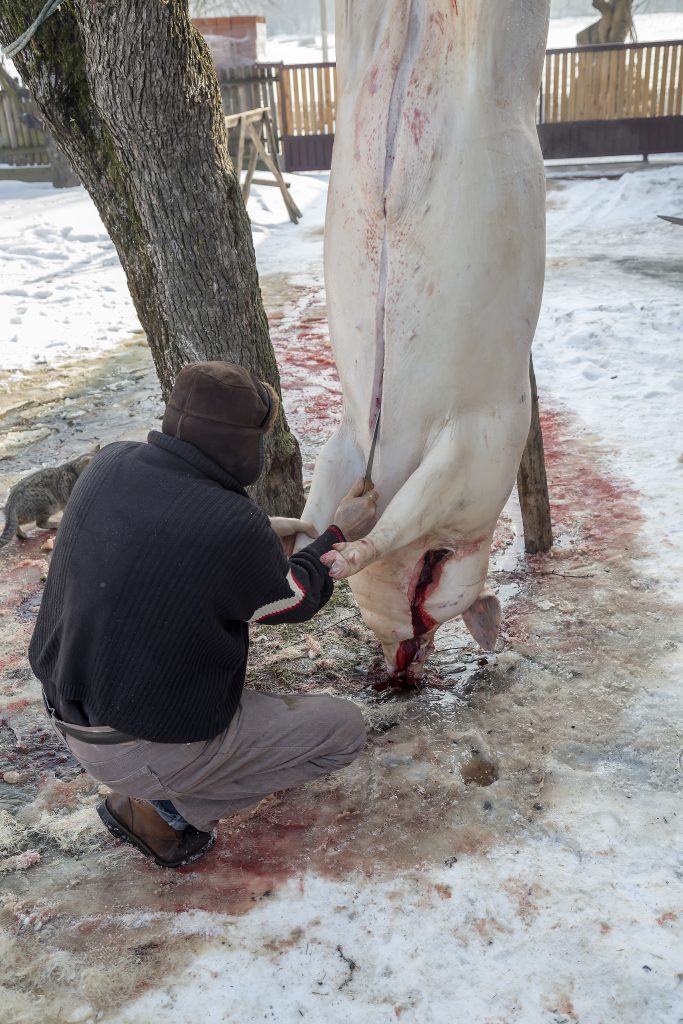
The throat is cut swiftly with a sharp knife, severing the jugular vein, carotid artery, and windpipe.
-
Blood is drained completely from the body.
-
The name of Allah is invoked at the time of slaughter.
Zabiha meat ensures purity, hygiene, and adherence to Islamic principles, making it the preferred choice for devout Muslims.
3. How Can I Identify Halal Meat?
3.1 Look for Certification
-
Trusted halal certification labels indicate compliance with Islamic guidelines.
3.2 Trusted Butchers or Stores
-
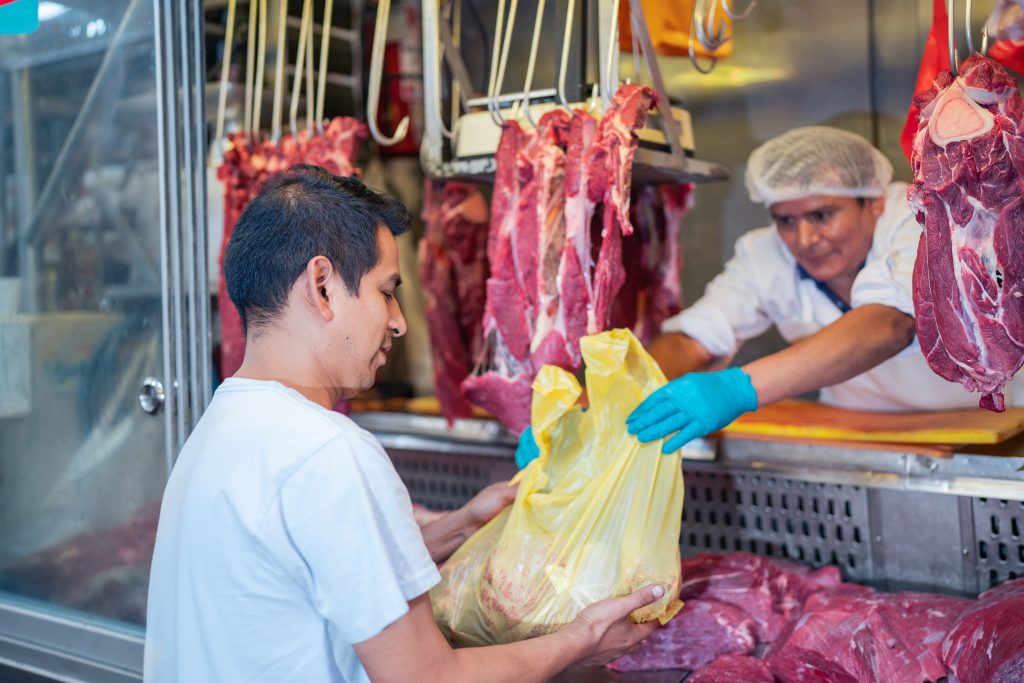
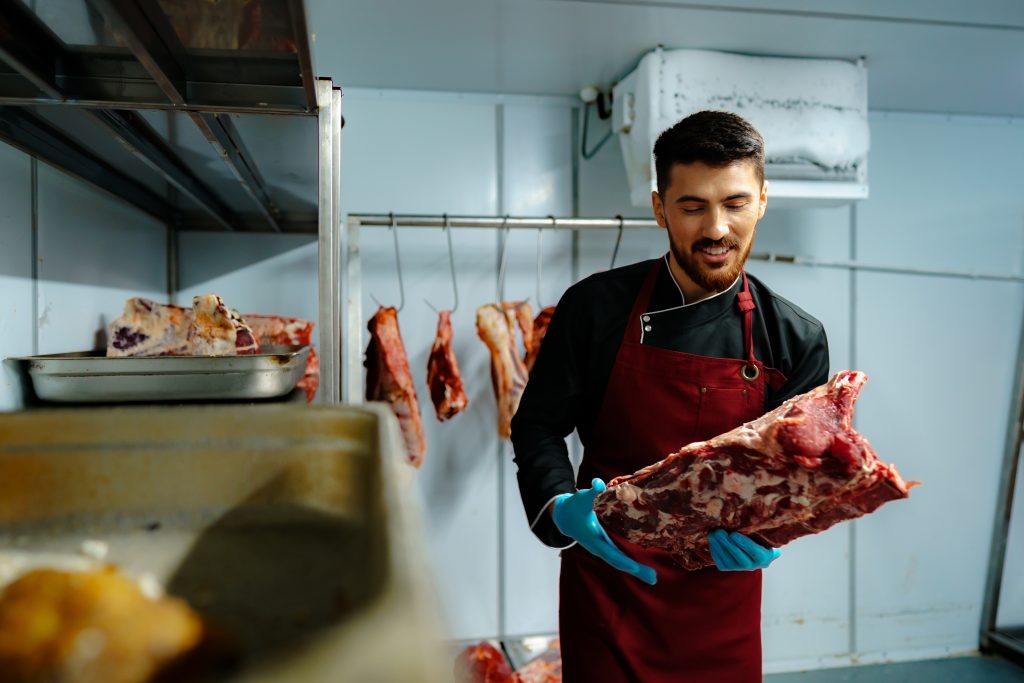
Purchase from reputable halal stores that follow strict standards for sourcing, storage, and slaughter.
3.3 Freshness Indicators
-
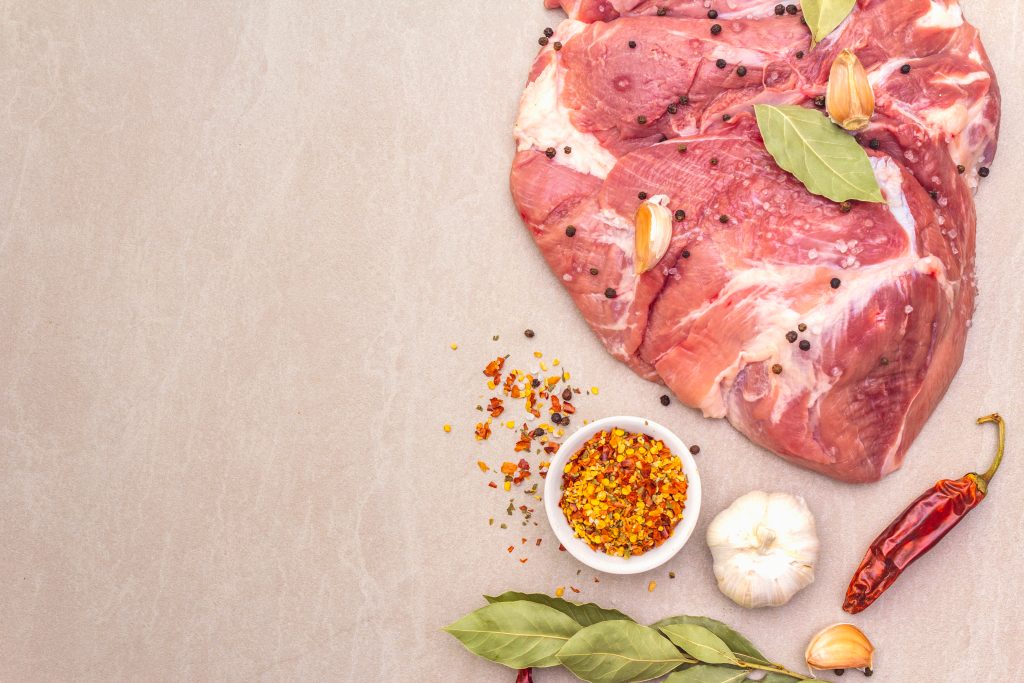
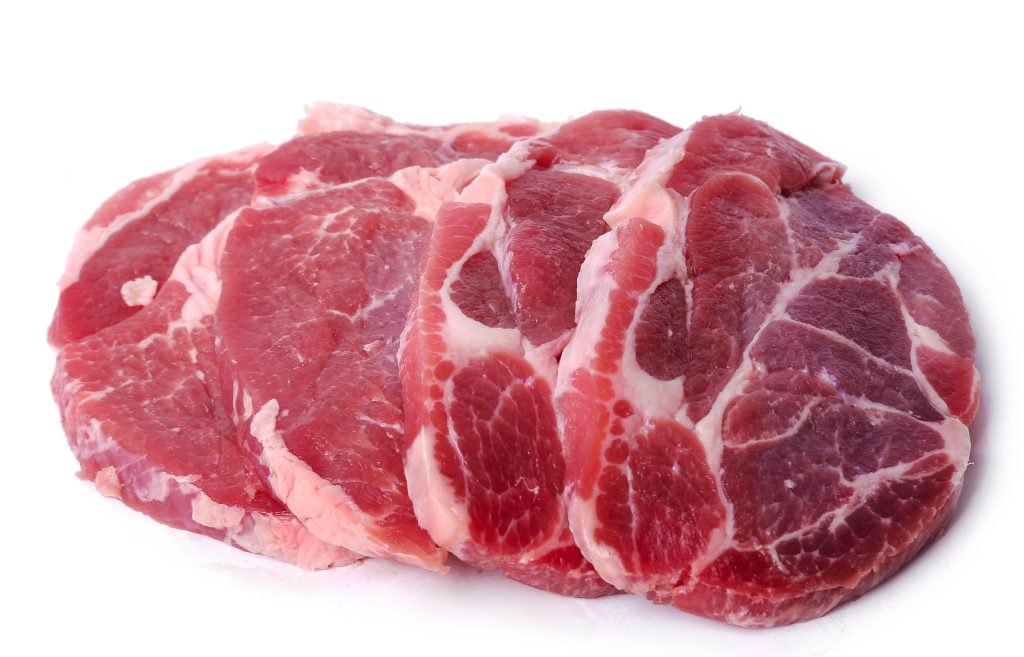
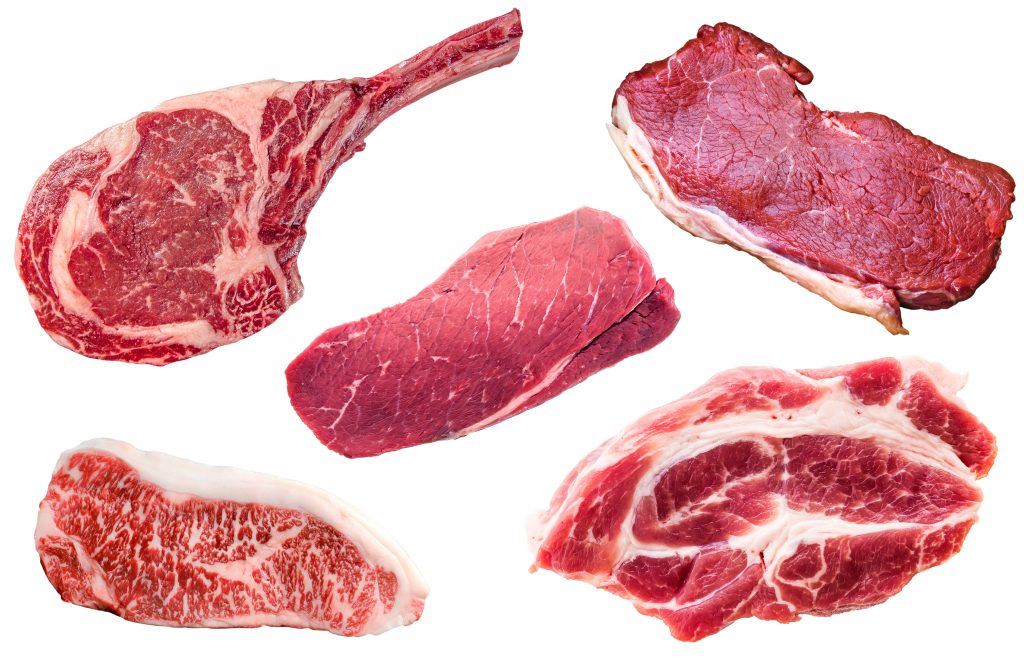
Color: Bright red for beef, pink for lamb, pale pink for chicken.
-
Texture: Firm, springy, slightly moist.
-
Smell: Neutral or mild; avoid sour or ammonia-like odors.
4. Is Halal Meat Healthier?
Halal meat can offer nutritional and health benefits:
-
Thorough blood drainage reduces toxins and bacterial risk.
-
Ethically raised animals often have better diets, impacting meat quality.
-
High in protein, vitamins, and minerals, providing essential nutrients for health.
While halal meat is not inherently “organic,” ethically raised and properly handled halal meat is considered wholesome and healthier than poorly handled non-halal meat.
5. Can I Buy Halal Meat Online?
Yes, online platforms now make halal meat accessible and convenient.
-
Look for trusted online stores with certification and good reviews.
-
Check packaging, delivery times, and storage instructions to ensure freshness.
-
Choose cuts based on your cooking needs and portion requirements.
Online purchasing is especially helpful for those living far from halal butcher shops.
6. What Types of Animals Can Be Consumed?
-
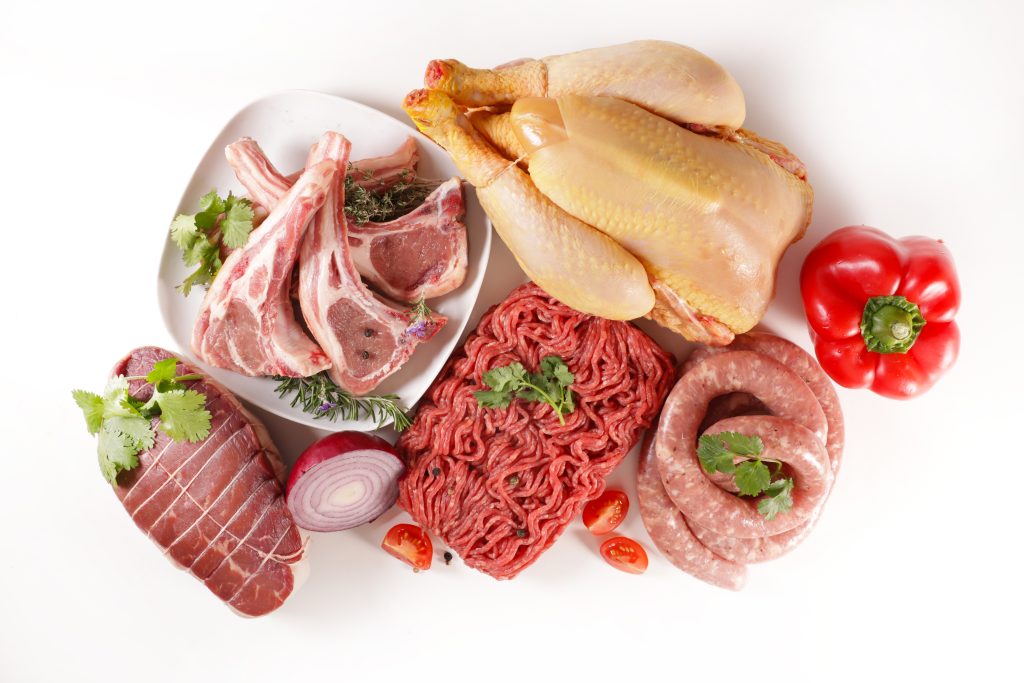
Permissible animals: Cattle, sheep, goats, lamb, chicken, turkey, and certain seafood.
-
Forbidden animals: Pigs, carnivorous animals, birds of prey, and any animal not slaughtered according to Islamic law.
Always ensure that meat is certified halal or Zabiha to guarantee compliance with religious standards.
7. What Are Common Misconceptions About Halal Meat?
7.1 Misconception 1: Halal Meat is Less Tasty
-
In reality, halal meat can be more tender and flavorful when handled properly.
7.2 Misconception 2: All Meat Sold as Halal is Truly Halal
-
Only meat with verified certification or from trusted sources can be guaranteed halal.
7.3 Misconception 3: Halal Slaughter is Cruel
-
Proper Zabiha practices prioritize humane treatment and minimize suffering.
8. How Should Halal Meat Be Stored?
8.1 Refrigeration
-
Use fresh meat within 1–2 days.
-
Store in the coldest part of the refrigerator in airtight containers or packaging.
8.2 Freezing
-
Freeze meat if storing for longer periods.
-
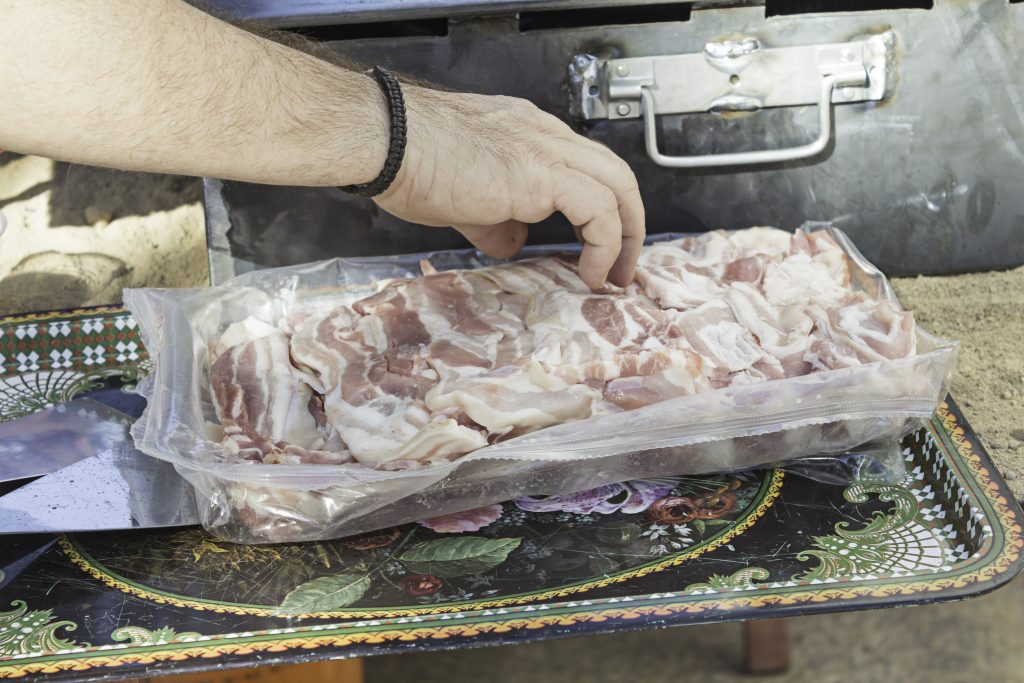
Vacuum-sealed or properly wrapped meat maintains freshness and prevents freezer burn.
8.3 Thawing
-
Thaw meat in the refrigerator or cold water, never at room temperature, to prevent bacterial growth.
9. Tips for Cooking Halal Meat
-
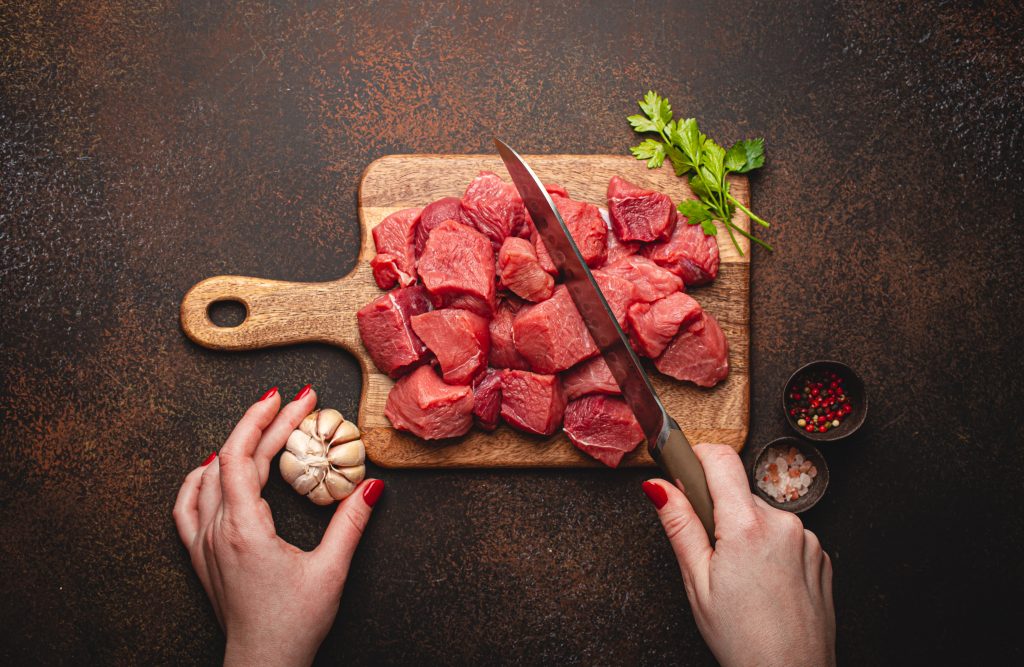
Match cut type with cooking method:
-
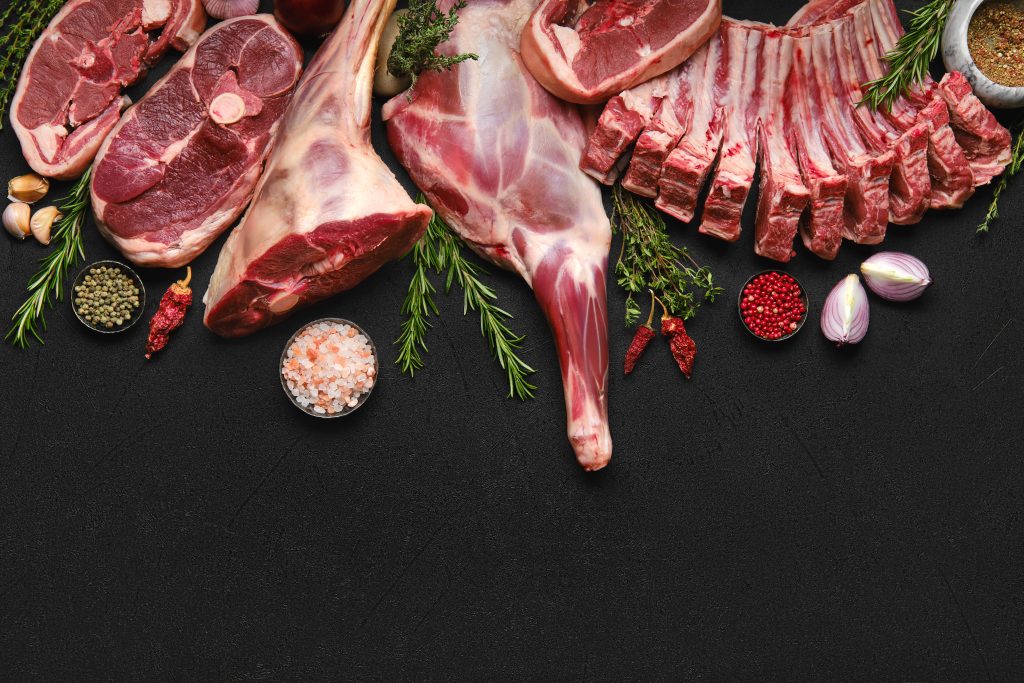
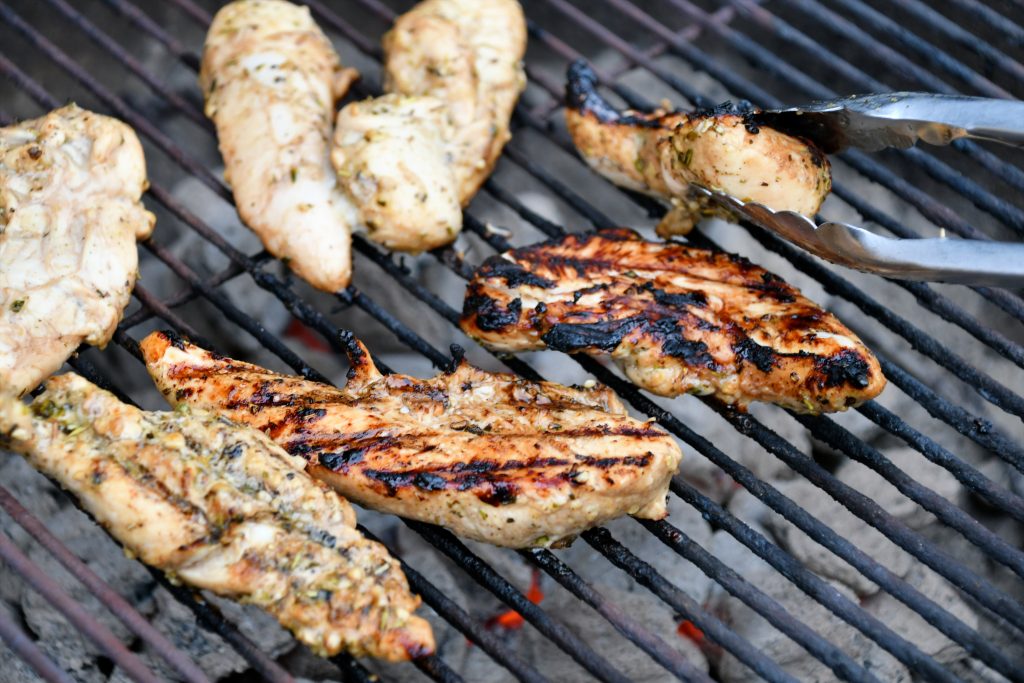
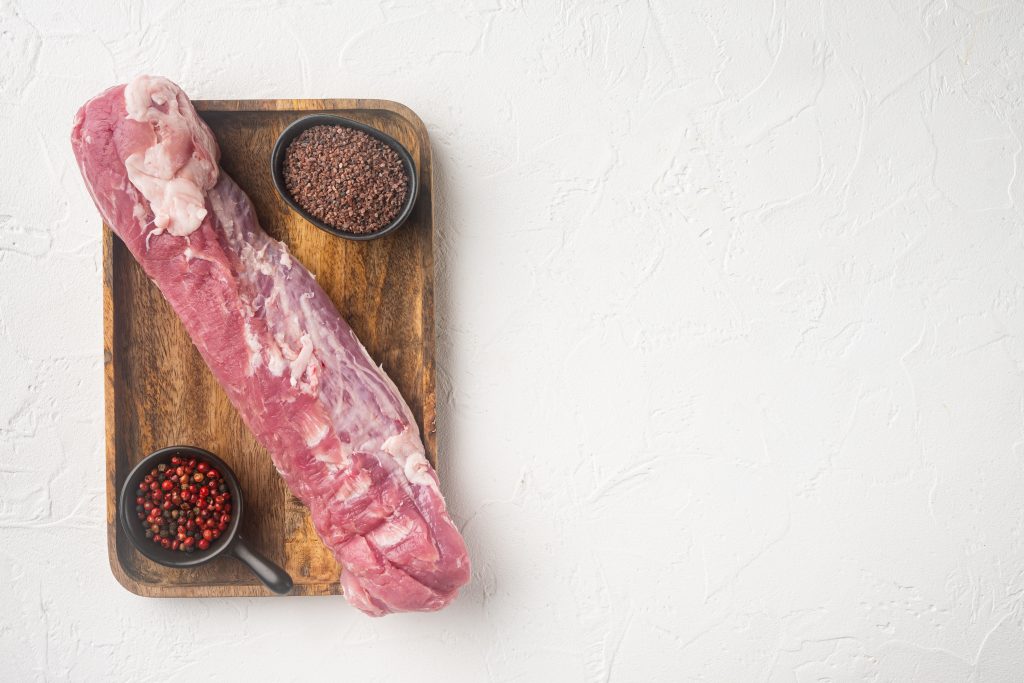
Ribeye or tenderloin for grilling or frying.
-
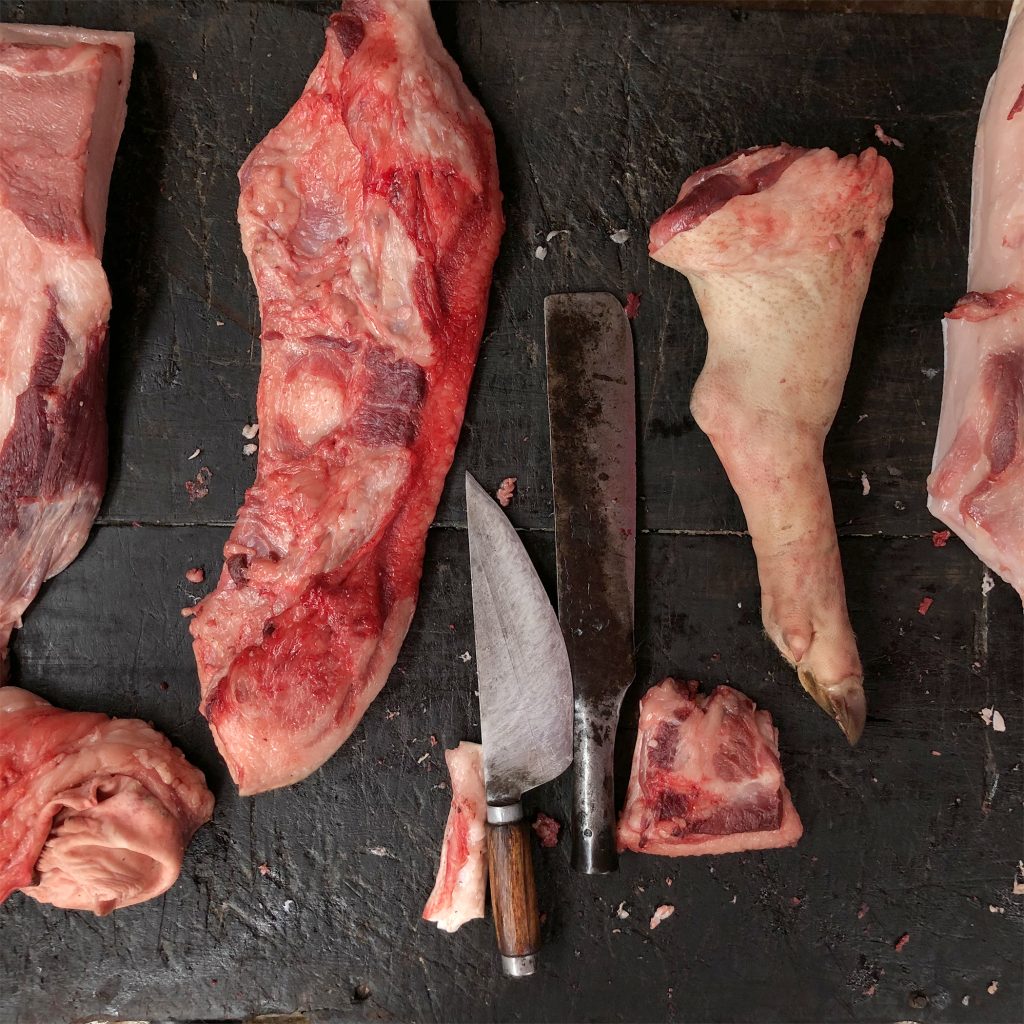
Shank, shoulder, or leg for stews and slow cooking.
-
-
Marinate or season according to your preferred flavor profile.
-
Avoid cross-contamination with non-halal ingredients.
10. Why Choose Zabiha Meat Over Non-Zabiha?
-
Ethical and humane slaughter ensures minimal suffering.
-
Spiritual compliance with Islamic principles.
-
Hygienic and wholesome, reducing risk of contamination.
-
Higher nutritional value due to proper handling and blood drainage.
For Muslims, consuming Zabiha meat is not just a dietary choice—it is an act of faith.
11. Frequently Asked Questions (FAQs)
11.1 Is all halal meat automatically Zabiha?
-
Not always. Zabiha meat specifically follows strict Islamic slaughtering practices.
11.2 Can seafood be halal?
-
Most seafood is considered halal, but check local Islamic guidelines for specifics.
11.3 How can I be sure meat is fresh when buying online?
-
Check for vacuum-sealed packaging, fast delivery, and reviews.
-
Trust reputable online stores and verified halal certifications.
11.4 Is halal meat more expensive?
-
Often slightly higher due to ethical farming and certification costs, but quality and spiritual compliance justify the price.
12. Conclusion
Halal meat is more than just a dietary choice; it represents a commitment to ethics, spirituality, and health. By understanding what halal meat is, how it is prepared, and how to select it properly, consumers can enjoy safe, wholesome, and delicious meals.
Key takeaways include:
-
Look for certified halal or Zabiha meat from trusted sources.
-
Check freshness through color, texture, and smell.
-
Store and cook properly to retain flavor and nutrition.
-
Ask questions and do research when buying online or in stores.
By following these tips, you can confidently choose high-quality halal meat that aligns with your faith, health, and culinary needs.