
































Tips for Smell, Color, and Texture Check for Halal Meat

Halal meat is not only lawful (halal) but also wholesome (tayyib), nutritious, and ethically sourced. Choosing fresh, high-quality meat is crucial for health, taste, and safety. While packaging and branding matter, the most reliable indicators of quality are smell, color, and texture.
This guide explains how to evaluate these three key aspects to select the freshest and safest halal meat for your family.
1. The Importance of Smell, Color, and Texture
1.1 Health and Safety
-
Bacterial growth can occur in meat that is old, improperly handled, or stored at the wrong temperature.
-
Evaluating smell, color, and texture helps prevent foodborne illnesses like salmonella, E. coli, and listeria.
1.2 Culinary Quality
-
Fresh meat is more tender, juicy, and flavorful.
-
Proper evaluation ensures dishes retain their intended taste and texture.
1.3 Ethical Consumption
-
Consuming fresh, tayyib meat aligns with Islamic principles and prevents waste.
-
Ensures the meat is treated respectfully from slaughter to table.
2. Checking Smell
2.1 Natural Aroma
-
Fresh halal meat should have a neutral, mild scent.
-
Chicken, beef, or lamb will smell slightly meaty, but it should never be overpowering.
2.2 Warning Signs
-
Sour or acidic odor indicates spoilage.
-
Ammonia-like smell often occurs when meat has gone bad.
-
Rancid or putrid smell is a definite sign to avoid purchase.
2.3 Tips for Smell Check
-
Trust your nose: Always smell the meat before buying, even if it looks fine.
-
Check packaging: Open vacuum-sealed packages carefully; trapped gases can sometimes mask odors.
-
Compare batches: Smell multiple cuts if buying in bulk to ensure consistency.
3. Checking Color
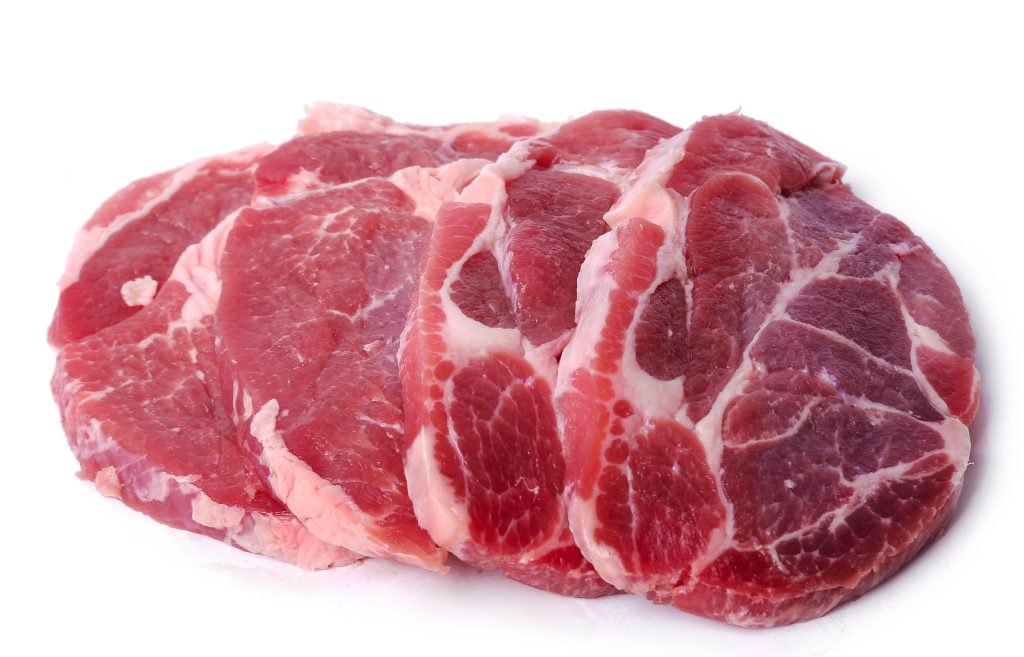
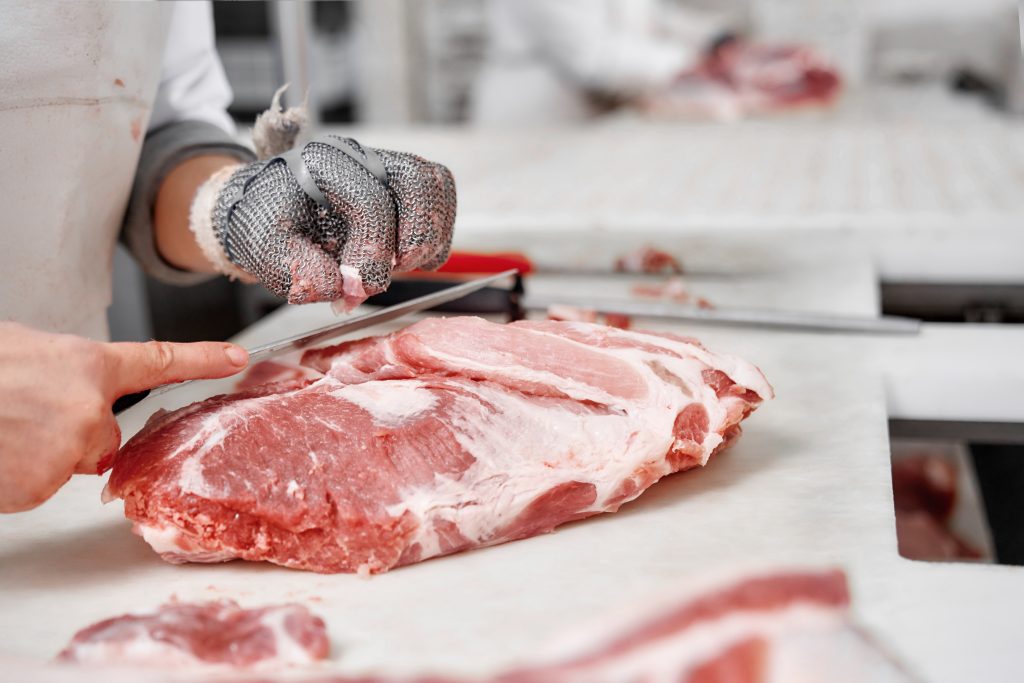
3.1 Ideal Colors by Meat Type
-
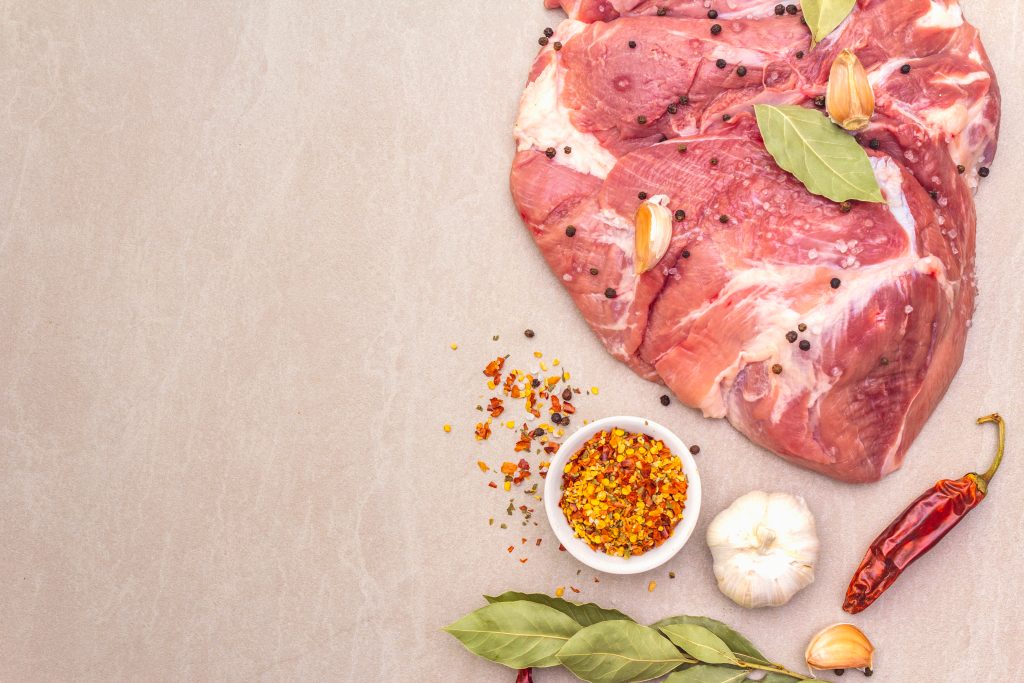
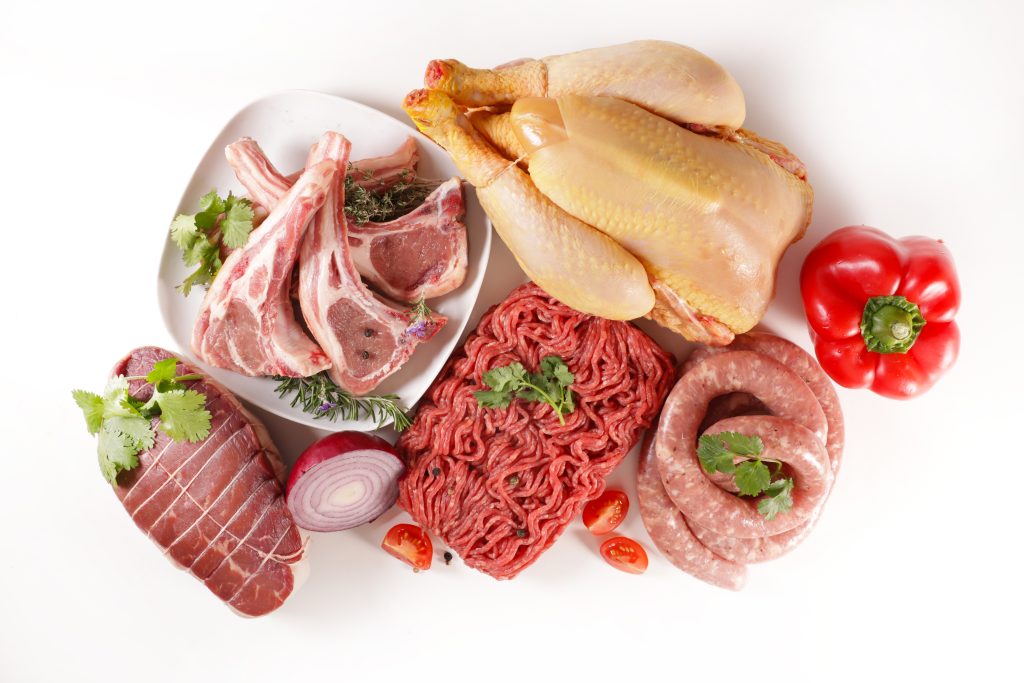
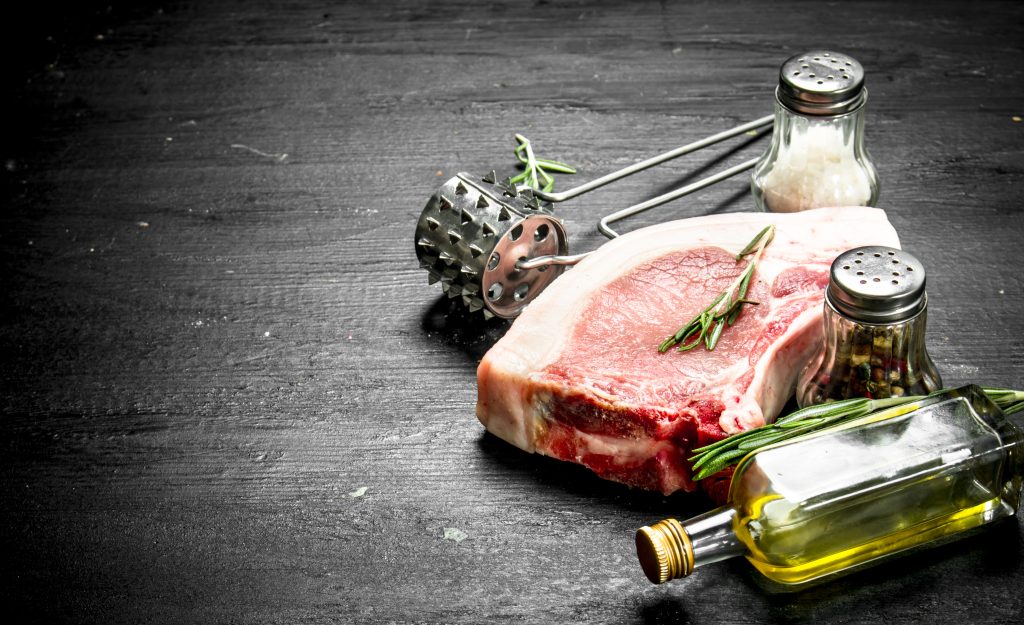
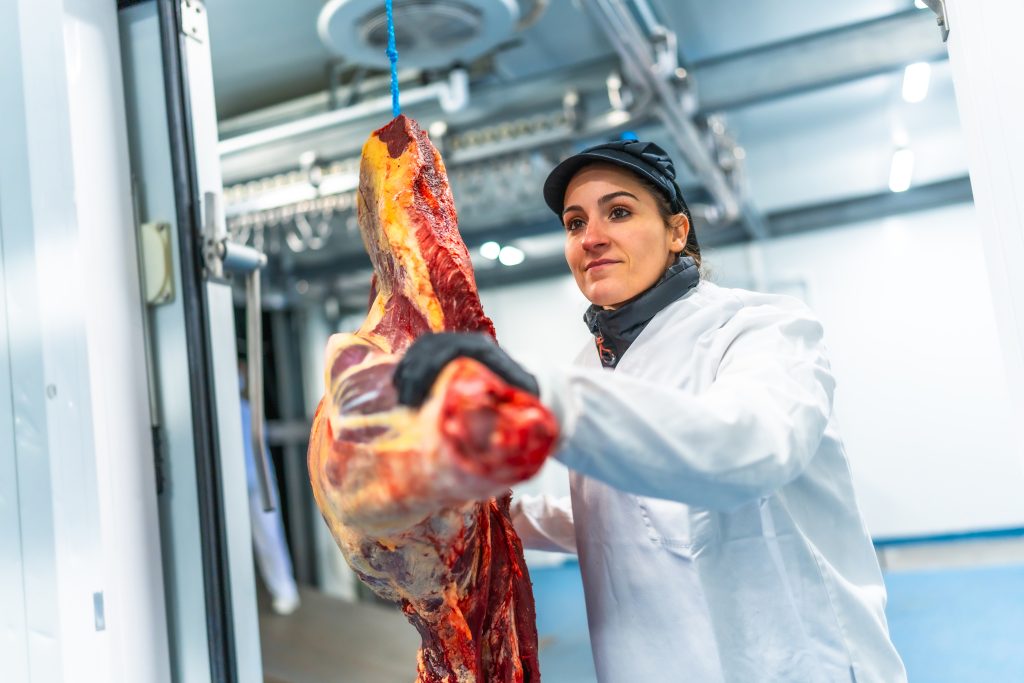
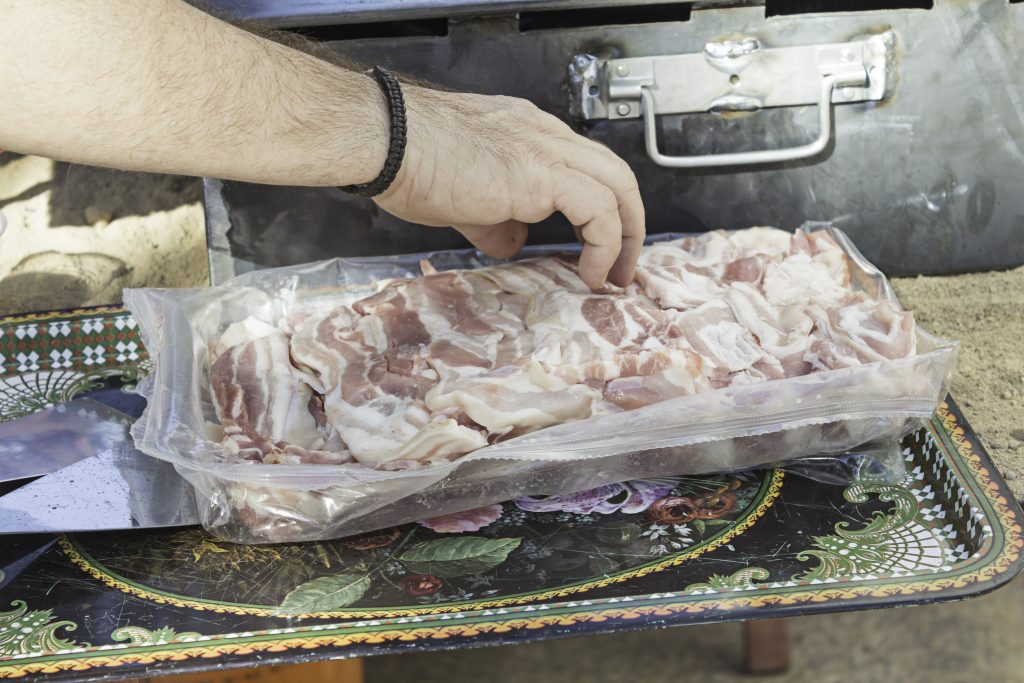
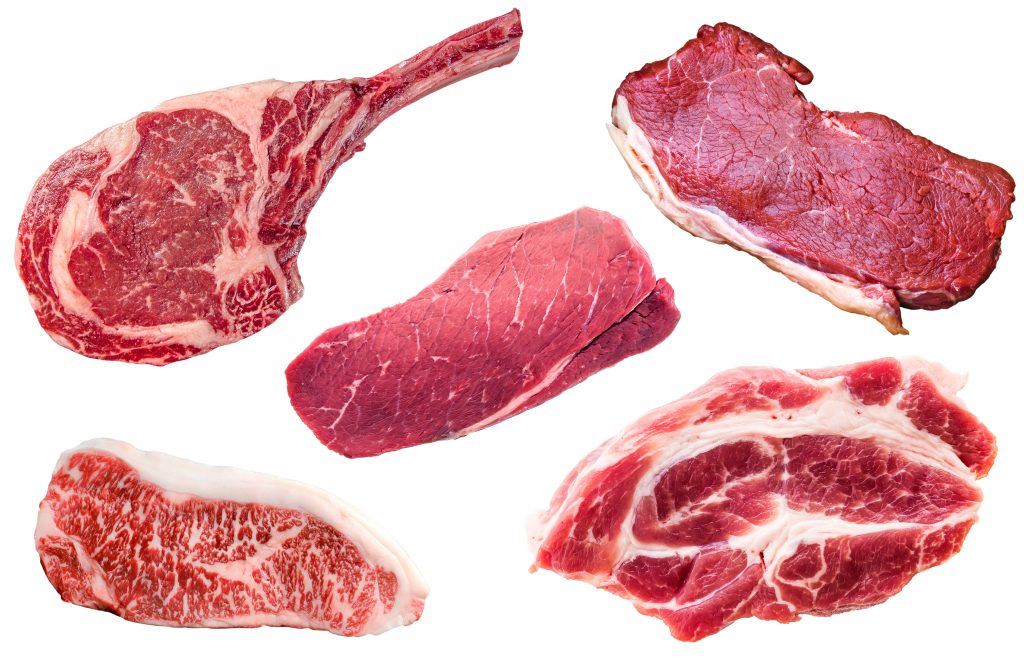
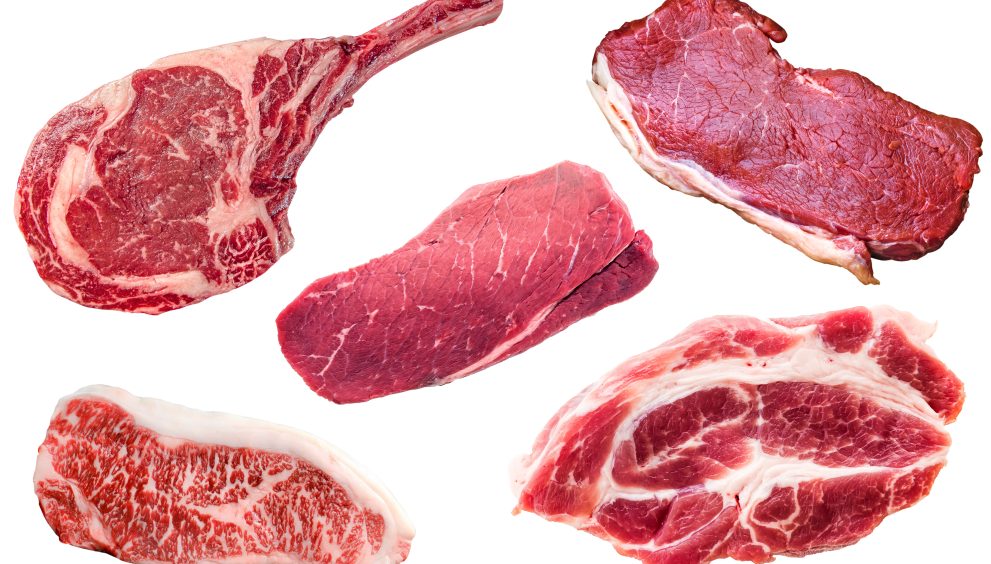
Beef: Bright, deep red. Avoid dull, brown, or gray shades.
-
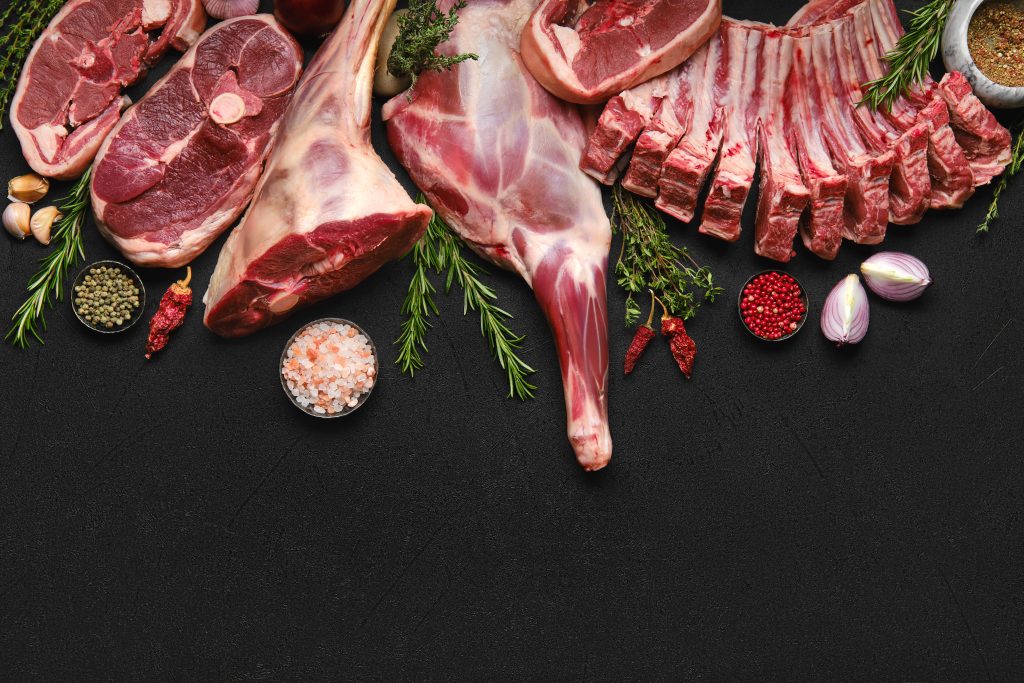
Lamb: Pink to red, evenly distributed. Marbling should be white or creamy.
-
Chicken: Pale pink with a natural sheen. Avoid yellowed or gray patches.
3.2 Factors Affecting Color
-
Breed, diet, and age of the animal may slightly influence color.
-
Refrigeration and packaging also affect visual appearance; look for vibrancy and consistency.
3.3 Warning Signs
-
Discoloration such as gray, green, or brown areas indicates spoilage or age.
-
Uneven or patchy color may mean improper handling.
3.4 Tips for Color Check
-
Look at the meat under bright, natural or store lighting.
-
Avoid cuts that appear dull, dry, or uneven.
-
Inspect fat color; creamy white is ideal, yellow or soft fat may indicate lower quality.
4. Checking Texture
4.1 Surface Feel
-
Fresh meat should feel firm, slightly moist, and springy.
-
Press lightly with a finger: it should bounce back.
4.2 Muscle Structure
-
Look for tight, compact fibers.
-
Avoid cuts that feel loose, mushy, or slimy.
4.3 Fat Texture
-
Fat should be firm and creamy, not greasy, soft, or discolored.
-
Proper marbling indicates better flavor, juiciness, and tenderness.
4.4 Warning Signs
-
Sticky or slimy meat is a sign of bacterial growth.
-
Dry, shriveled, or crumbly texture may indicate old or frozen improperly.
4.5 Tips for Texture Check
-
Handle meat carefully to avoid introducing bacteria.
-
If purchasing packaged meat, gently press through packaging if possible.
-
Avoid meat that feels excessively wet or dry.
5. Combining Smell, Color, and Texture
-
No single indicator is enough; all three should align.
-
Example: Meat may look red (color) but feel slimy (texture) or smell sour (smell), indicating spoilage.
-
Use a holistic approach when evaluating meat at the store.
6. Practical Tips for Consumers
-
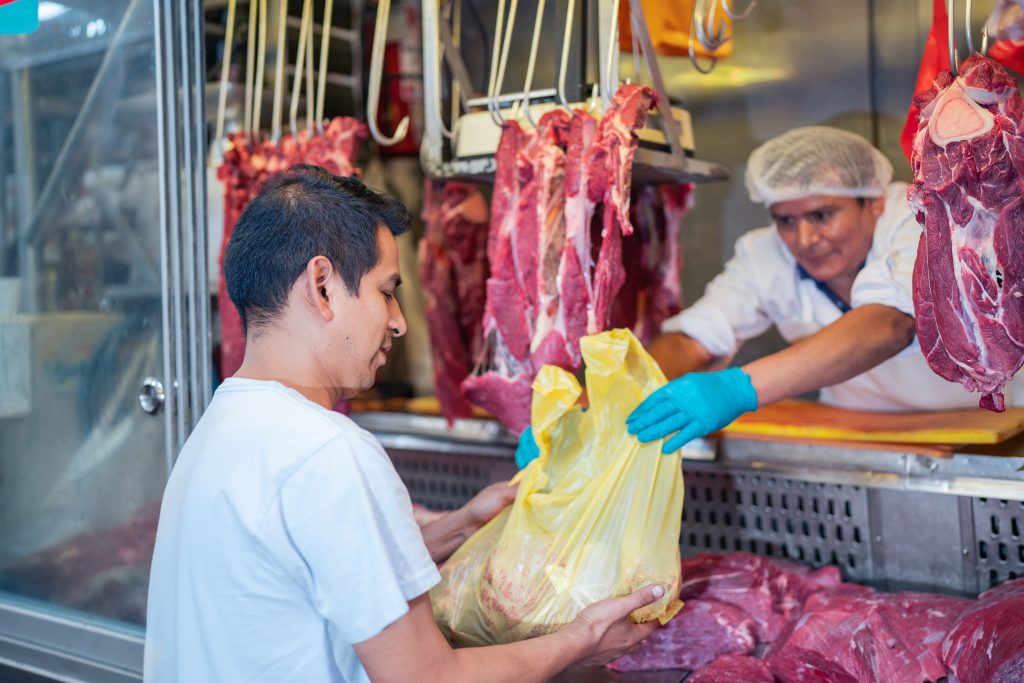
Buy from trusted halal stores or butchers for consistent quality.
-
Check packaging integrity—avoid leaks, tears, or excessive liquid.
-
Inspect multiple cuts if buying in bulk.
-
Use sight, touch, and smell together—don’t rely on just one.
-
Check expiration and packaging dates. Freshness matters more than price.
-
Ask the butcher about meat source, cut date, and storage practices.
-
Avoid meat that has been sitting out at room temperature.
7. Benefits of Proper Evaluation
7.1 Health Benefits
-
Reduces risk of foodborne illnesses.
-
Ensures consumption of fresh, nutritious meat.
7.2 Culinary Benefits
-
Fresh meat enhances flavor, tenderness, and juiciness.
-
Provides better results for curries, roasts, grills, or stir-fries.
7.3 Ethical Benefits
-
Aligns with Islamic teachings on consuming tayyib food.
-
Minimizes waste and respects the animal’s sacrifice.
7.4 Cost-Effectiveness
-
Avoids purchasing meat that will spoil quickly.
-
Ensures value for money by investing in quality.
8. Conclusion
Choosing fresh halal meat is about paying attention to smell, color, and texture. Key takeaways:
-
Smell: Neutral, mild; avoid sour or ammonia-like odors.
-
Color: Vibrant red for beef, pink to red for lamb, pale pink for chicken.
-
Texture: Firm, springy, slightly moist; fat should be creamy and firm.
-
Packaging: Intact, airtight, transparent, and properly dated.
By following these guidelines, consumers can confidently select premium, wholesome Zabiha meat, ensuring that every meal is nutritious, safe, and delicious. Proper evaluation not only enhances cooking but also reflects ethical and spiritual responsibility. Freshness is the foundation of quality, and knowing how to check meat ensures that your meals are halal, tayyib, and enjoyable.