























Signs of Fresh Halal Meat: How to Identify Quality and Wholesomeness

Halal meat is not only lawful (halal) but also wholesome (tayyib), nutrient-rich, and ethically sourced. Choosing fresh halal meat ensures that your meals are safe, flavorful, and nutritious. Freshness is a key indicator of quality, and being able to recognize it at the store or butcher can make a significant difference in both taste and health.
This blog provides a comprehensive guide on how to identify fresh halal meat and what to look for in terms of color, texture, smell, and packaging.
1. Importance of Freshness in Halal Meat
1.1 Health and Safety
Fresh halal meat is less prone to bacterial contamination, which reduces the risk of foodborne illnesses like salmonella or E. coli. Meat that is old, improperly stored, or mishandled can harbor harmful pathogens, making freshness a critical factor for safety.
1.2 Flavor and Texture
Fresh meat retains natural juices, tenderness, and flavor. Over time, meat can dry out, lose its natural taste, and become tough. Recognizing freshness ensures delicious and enjoyable meals.
1.3 Nutritional Value
Proteins, vitamins, and minerals degrade over time. Fresh meat provides maximum nutritional benefits, supporting health, energy, and growth.
1.4 Ethical Considerations
Fresh halal meat reflects proper handling, storage, and respect for the animal’s sacrifice. Ensuring meat is fresh aligns with Islamic principles of consuming tayyib and wholesome food.
2. Visual Signs of Fresh Halal Meat
2.1 Color
Color is one of the easiest indicators of freshness:
-
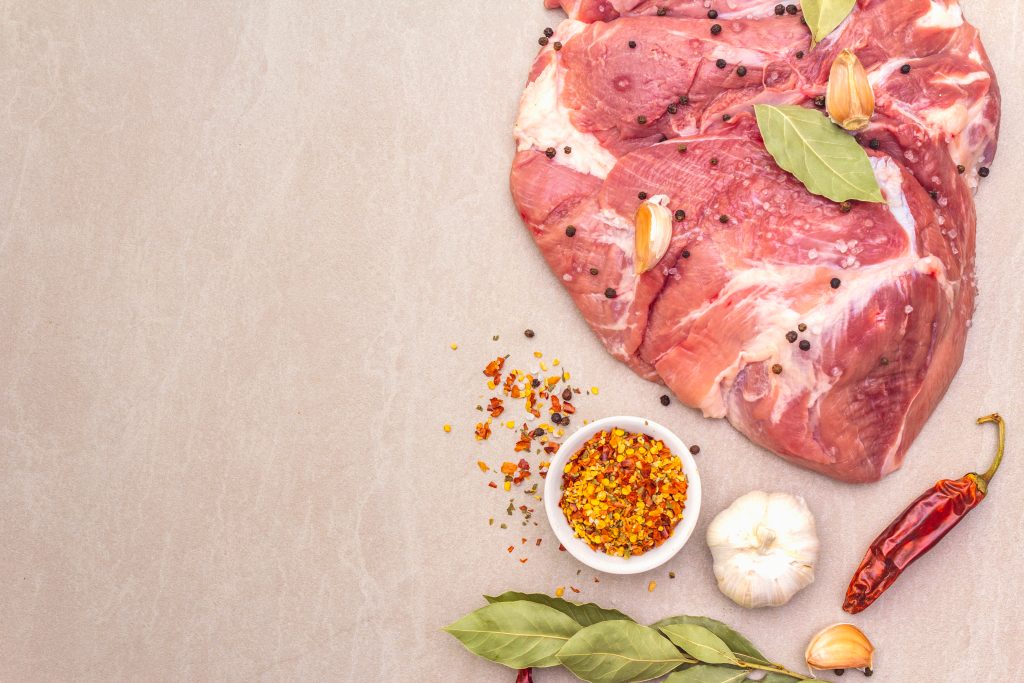
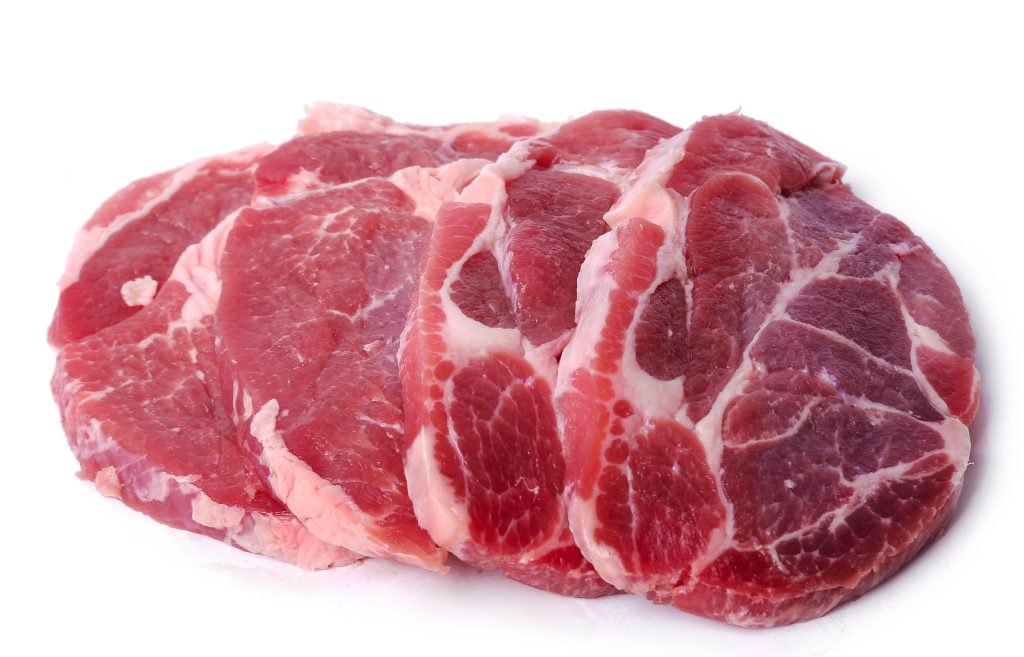
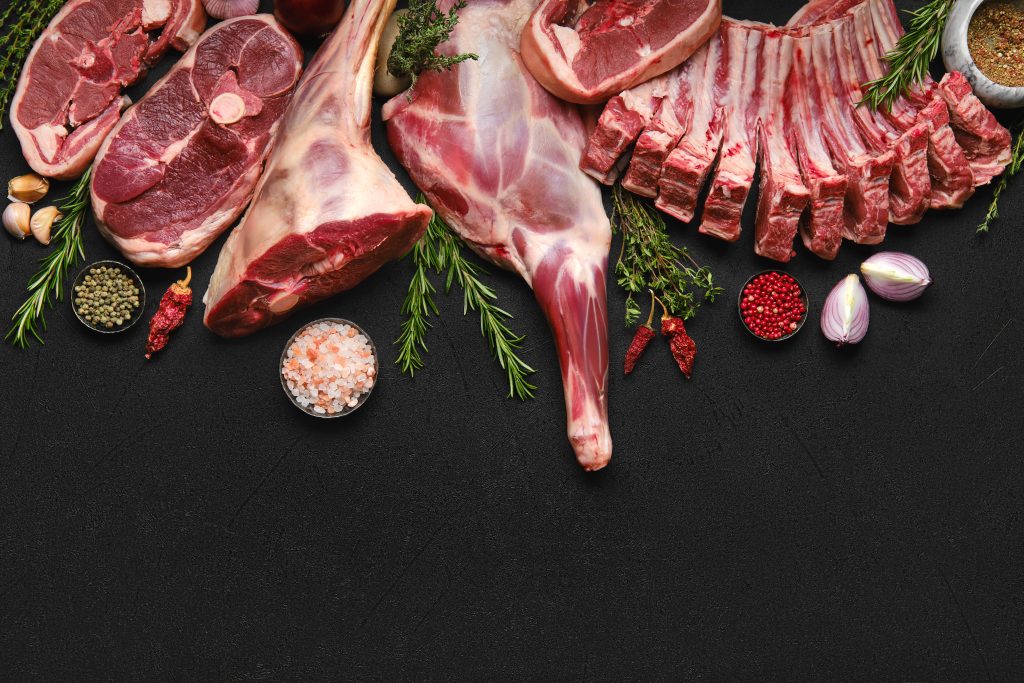
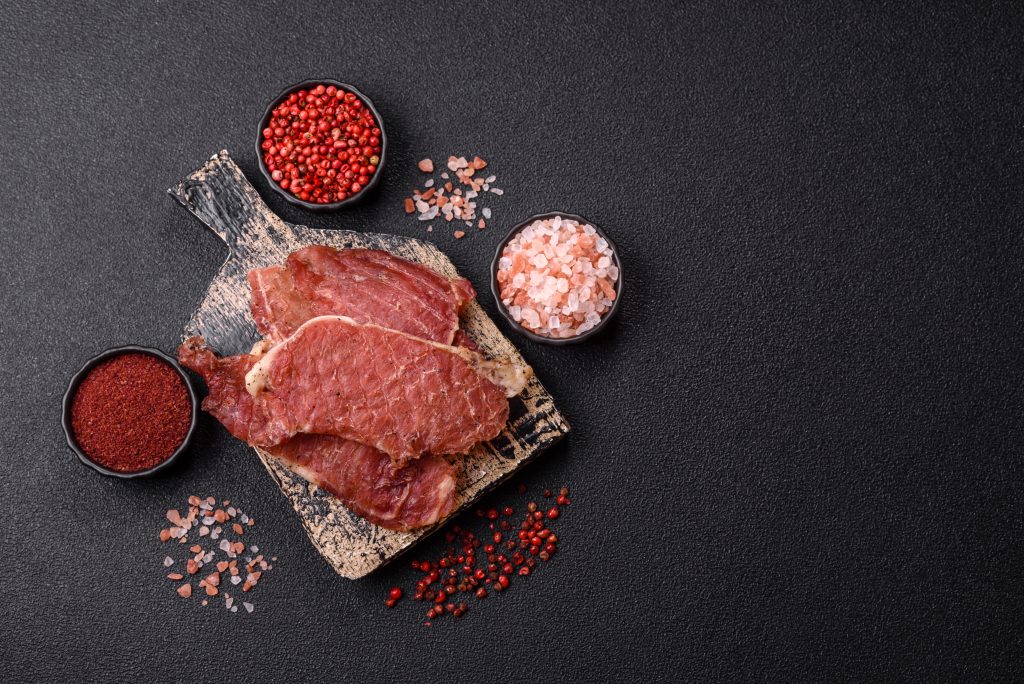
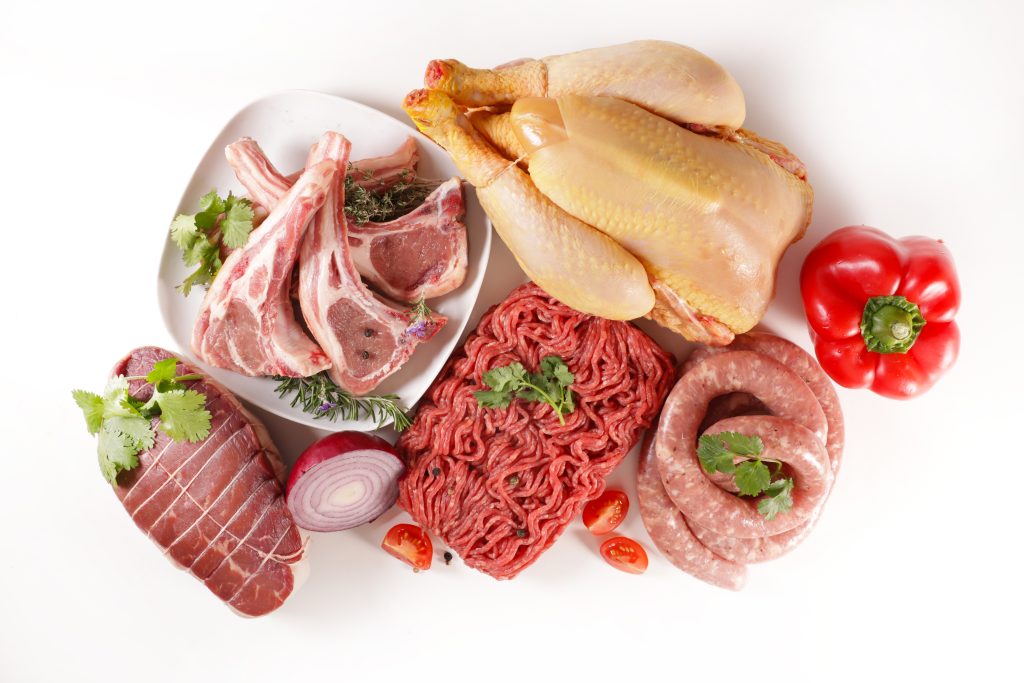
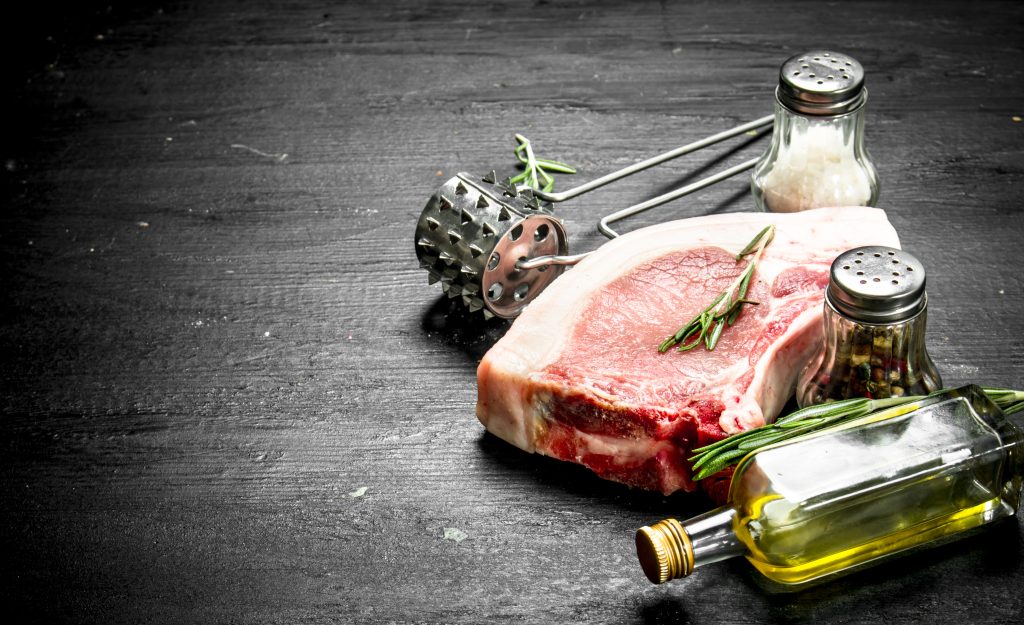
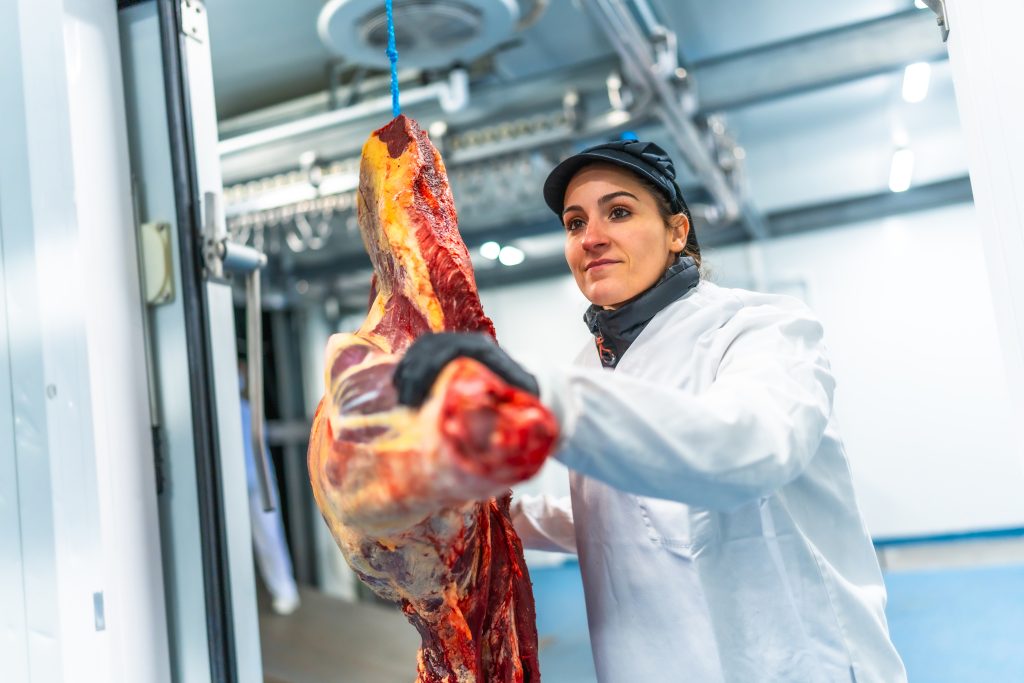
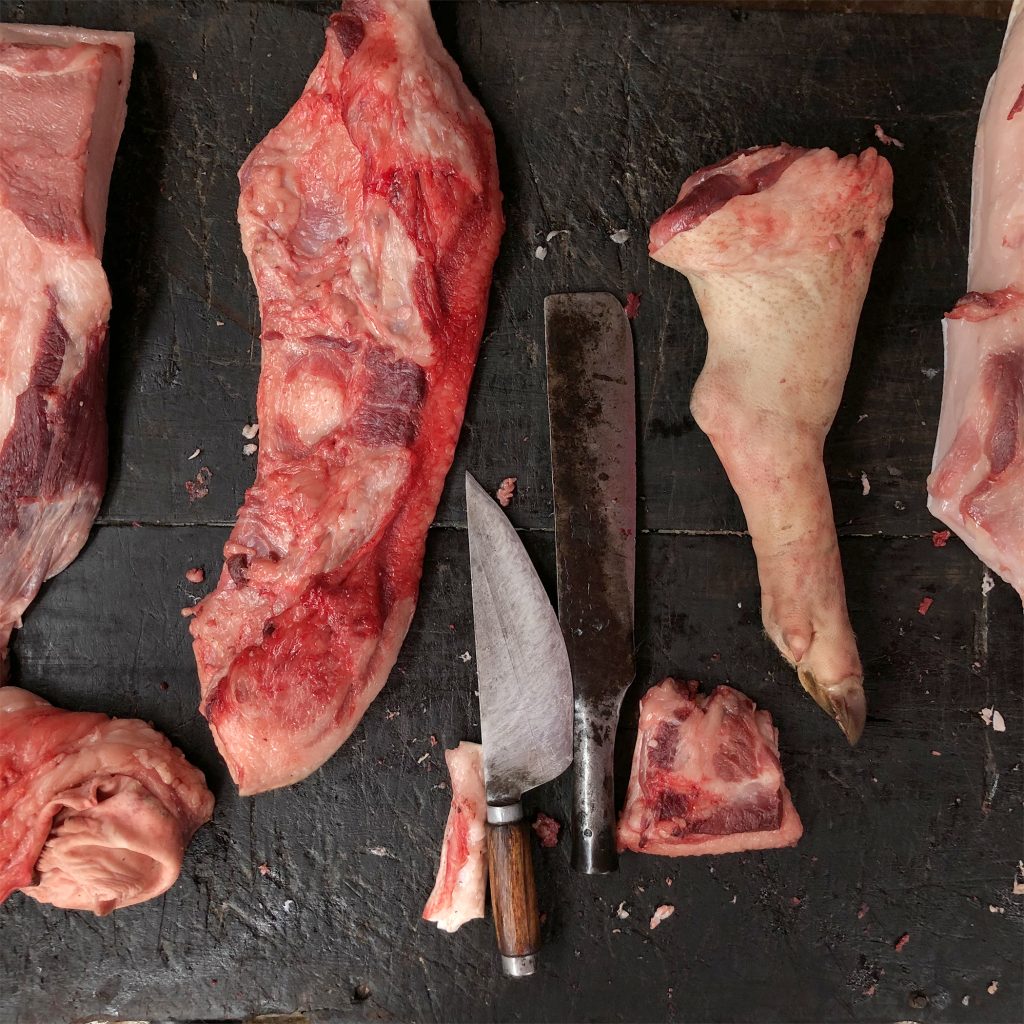
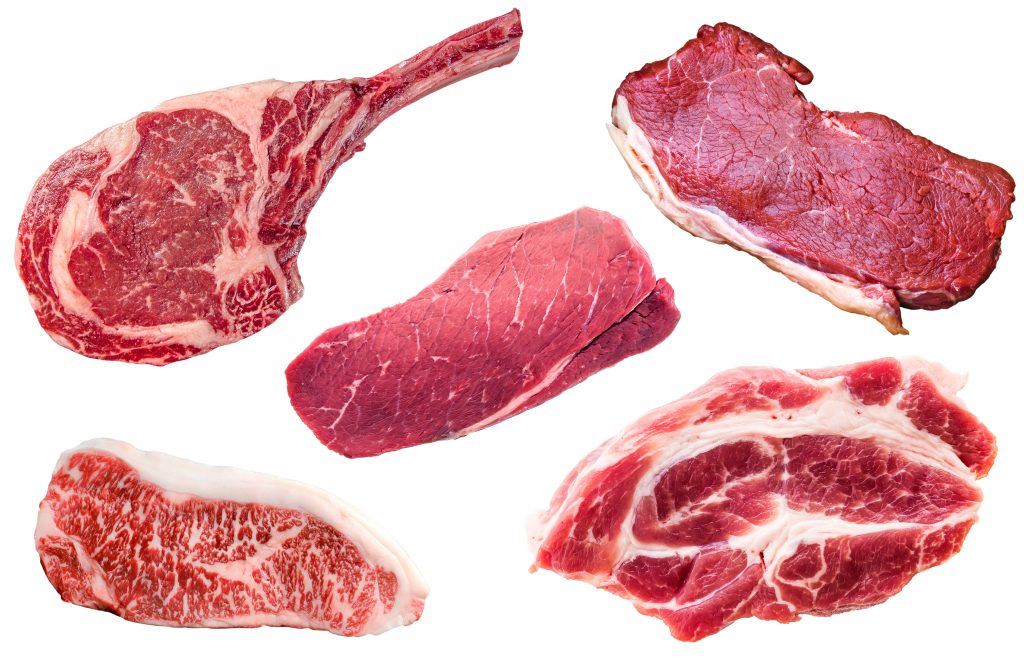
Beef: Deep red, vibrant, and consistent in tone. Avoid brown or gray patches, which indicate age.
-
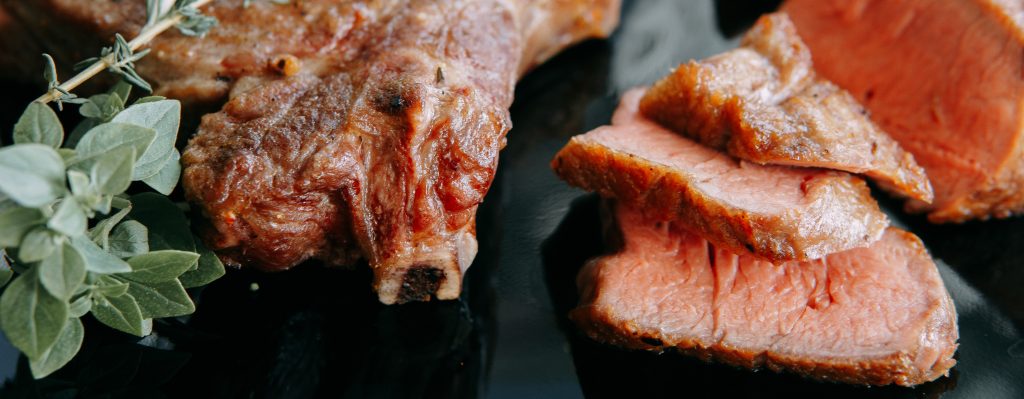
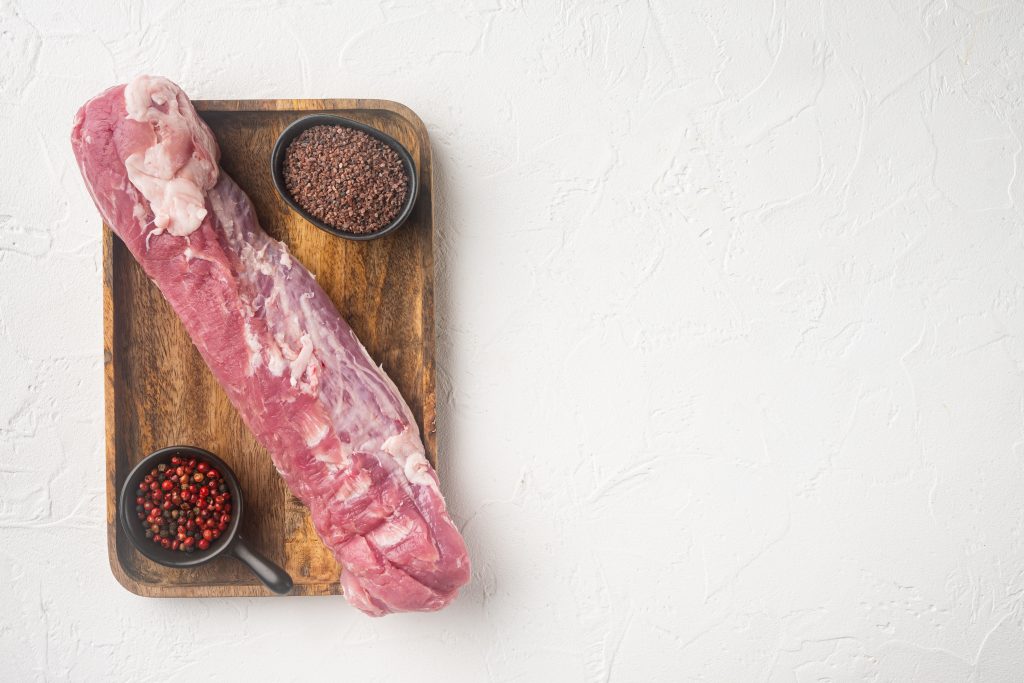
Lamb: Light pink to red with a uniform color; some marbling of fat is natural.
-
Chicken: Pale pink with a slight glossy sheen; avoid yellowed or gray skin.
Tip: Differences in breed and diet may slightly affect color, but consistency and vibrancy are key.
2.2 Fat Appearance
-
Fresh fat is creamy white or slightly yellowish, firm, and evenly distributed.
-
Discolored, greasy, or overly soft fat may indicate older or poorly handled meat.
-
Well-marbled meat is often more tender and flavorful.
2.3 Moisture and Surface Appearance
-
Meat should be moist but not wet or slimy.
-
Excess liquid in packaging can indicate improper storage or thawing.
-
Avoid sticky or overly dry surfaces; both are signs of deterioration.
2.4 Marbling
-
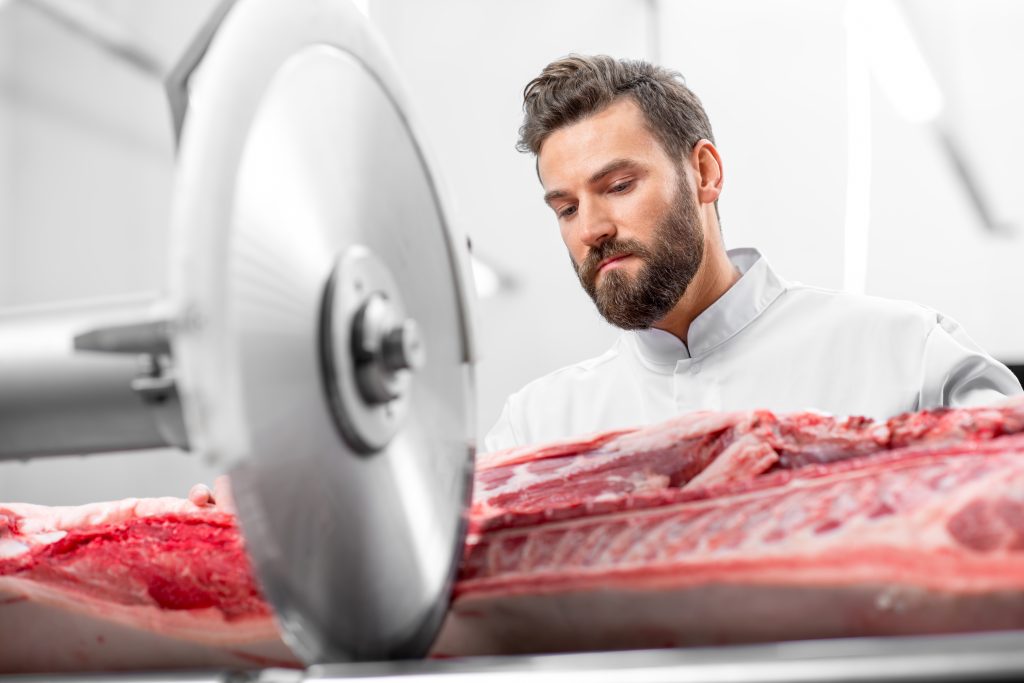
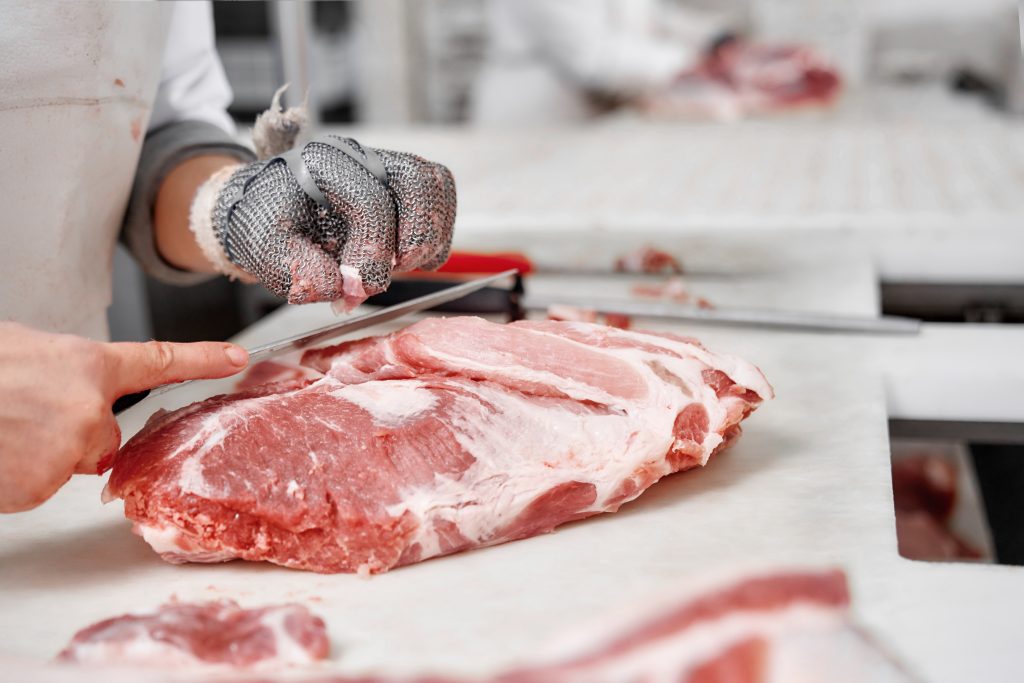
Evenly distributed white streaks of fat, known as marbling, indicate quality and tenderness.
-
Lack of marbling in cuts like beef or lamb may result in tough meat.
3. Texture and Firmness
3.1 Touch Test
-
Fresh meat is firm yet springy. Press lightly with a finger; the surface should bounce back.
-
Soft, mushy, or sticky meat is a sign of age or spoilage.
3.2 Muscle Structure
-
Look for well-defined muscle fibers that are tight and compact.
-
Loose or disintegrating fibers can indicate meat has been stored too long or frozen improperly.
3.3 Fat Texture
-
Fat should be firm to the touch and not greasy or melting.
-
Excessively soft or discolored fat signals potential quality issues.
4. Smell: A Key Freshness Indicator
4.1 Natural Aroma
-
Fresh halal meat has a neutral, mild smell.
-
The aroma should be slightly sweet or meaty but never overpowering.
4.2 Signs of Spoilage
-
Sour, ammonia-like, or rancid odors indicate bacterial growth or aging.
-
Discard meat with any unpleasant or off-putting smell, even if it looks fine.
Tip: Trust your nose—it’s one of the most reliable indicators of freshness.
5. Packaging and Presentation
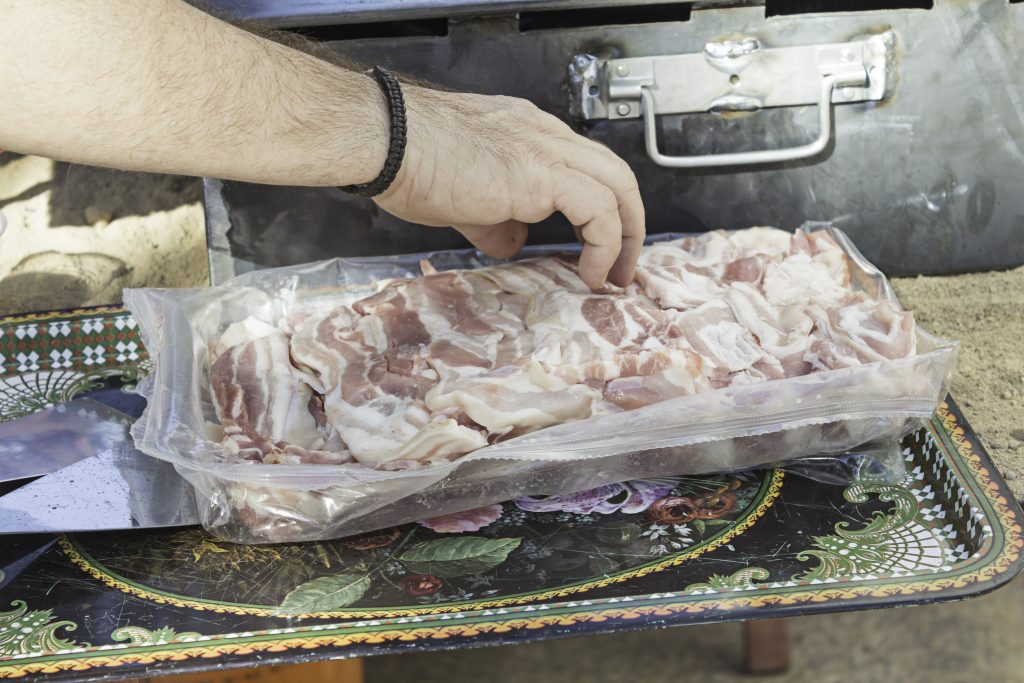
5.1 Vacuum-Sealed or Wrapped Meat
-
Ensure packaging is intact, clean, and airtight.
-
Leaks, tears, or excessive liquid may indicate contamination or poor handling.
5.2 Date Labels
-
Check slaughter date, packaging date, and expiry date.
-
Fresh meat should ideally be purchased within a day or two of packaging.
5.3 Transparency
-
Clear packaging allows you to inspect color, texture, and marbling.
-
Avoid opaque or poorly sealed packages that hide meat quality.
6. Additional Tips for Selecting Fresh Halal Meat
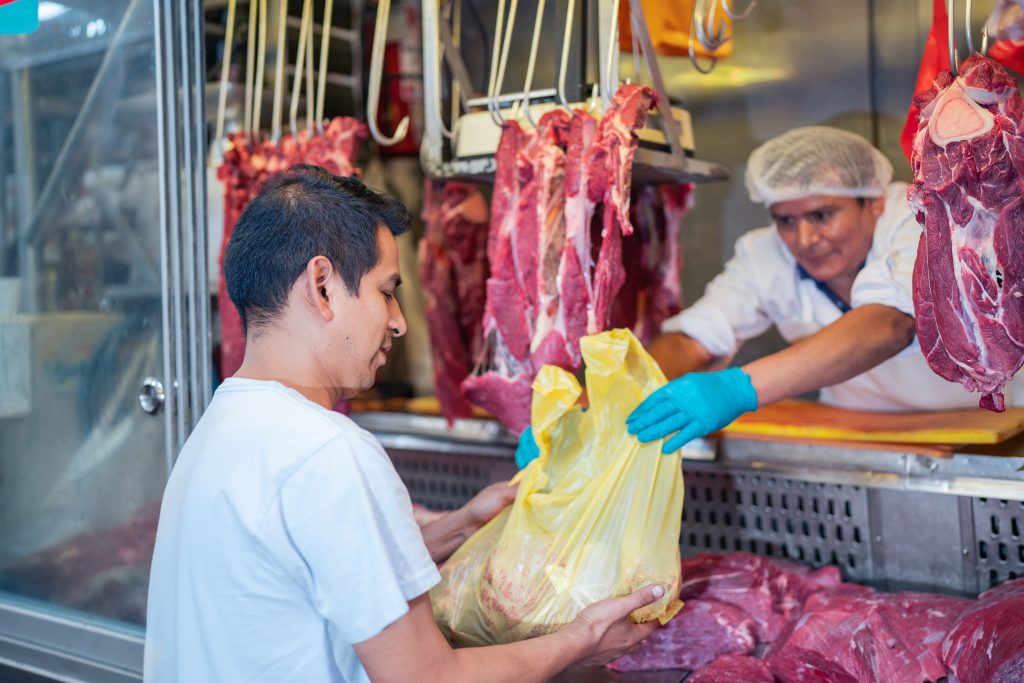
6.1 Purchase from Reputable Butchers
-
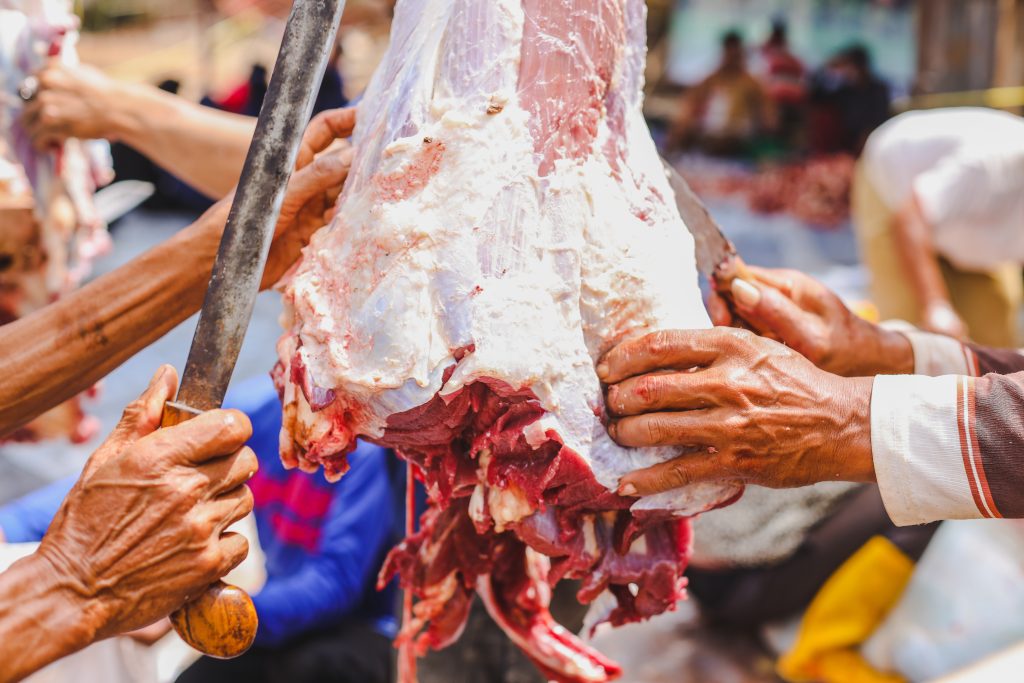
Trusted halal butchers ensure proper slaughter, hygiene, and storage.
-
Ask questions about the source and handling of the meat.
6.2 Observe Storage Conditions
-
Refrigeration or display should be at the correct temperature (34–40°F / 1–4°C).
-
Meat should not be sitting out in warm environments or exposed to sunlight.
6.3 Portioning and Cuts
-
Choose meat that matches your cooking plans to minimize leftover storage.
-
Smaller portions freeze or cook more evenly, preserving freshness.
6.4 Ask for Freshly Cut Meat
-
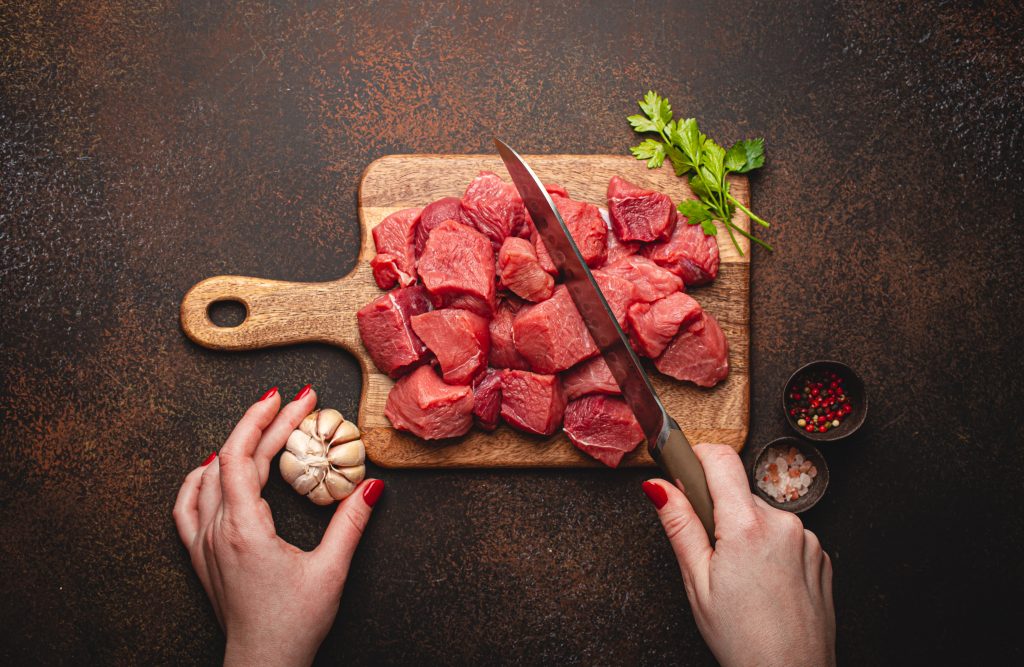
Butchers can often cut meat on demand, ensuring maximum freshness.
-
Avoid pre-cut, pre-packaged meat that has been sitting for long periods.
7. Common Mistakes to Avoid
-
Choosing meat based solely on price; quality matters more than cost.
-
Ignoring smell, color, or texture checks.
-
Buying meat from unknown or unverified sources.
-
Purchasing large quantities without proper storage, leading to spoilage.
-
Overlooking fat appearance and marbling, which affect taste and tenderness.
8. Benefits of Choosing Fresh Halal Meat
8.1 Health Benefits
-
Reduces the risk of foodborne illness.
-
Preserves proteins, vitamins, and minerals for optimal nutrition.
8.2 Culinary Benefits
-
Ensures tender, juicy, and flavorful dishes.
-
Enhances cooking results for curries, roasts, grills, and stews.
8.3 Ethical and Spiritual Benefits
-
Reflects respect for the animal’s sacrifice and proper handling.
-
Consuming halal, tayyib meat aligns with Islamic dietary guidelines.
8.4 Economic Benefits
-
Minimizes waste from spoiled meat.
-
Saves money by investing in quality over quantity.
9. Conclusion
Recognizing the signs of fresh halal meat is essential for health, flavor, and ethical consumption. Key takeaways include:
-
Color: Bright red for beef, pink to red for lamb, pale pink for chicken.
-
Texture: Firm, springy, and slightly moist, not sticky or mushy.
-
Smell: Neutral and mild; avoid sour or ammonia-like odors.
-
Fat and Marbling: Creamy white, firm, evenly distributed.
-
Packaging: Intact, airtight, and transparent; check dates.
By understanding these indicators, consumers can confidently select premium, wholesome Zabiha meat, ensuring meals are nutritious, delicious, and ethically sourced. Freshness is the foundation of quality, and knowing how to identify it guarantees that every dish is halal, tayyib, and safe for your family.