































Shelf Life of Different Cuts: Preserving the Freshness of Zabiha Meat

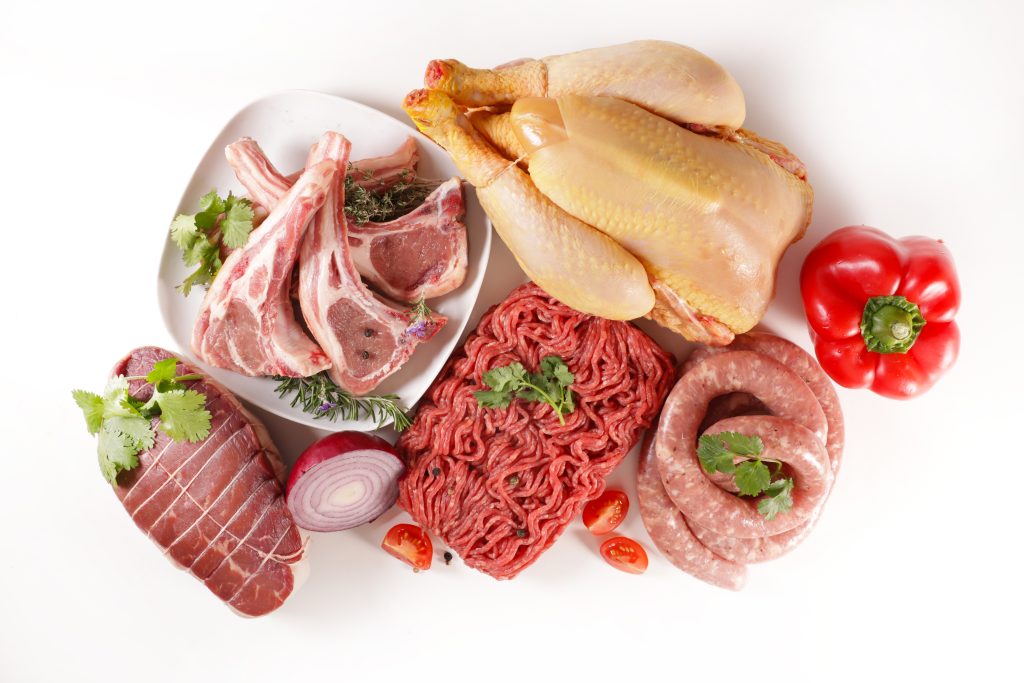
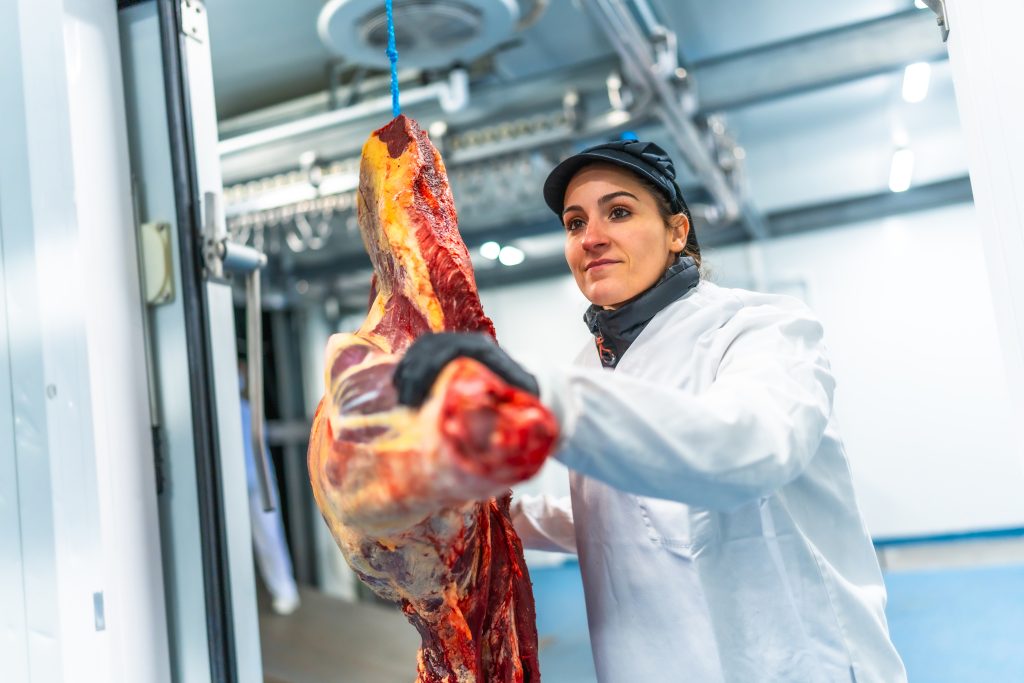
Zabiha meat is halal, wholesome (tayyib), and nutrient-rich, but its freshness and quality depend on proper storage. Understanding the shelf life of different meat cuts helps consumers plan meals, prevent waste, and maintain flavor and nutrition.
This blog explores how long various Zabiha meat cuts last, best storage practices, and tips for keeping meat fresh.
1. Why Shelf Life Matters
-
Maintains Nutritional Value: Proper storage preserves proteins, vitamins, and minerals.
-
Ensures Food Safety: Reduces the risk of bacterial growth and contamination.
-
Retains Flavor and Texture: Prevents dryness, freezer burn, and spoilage.
-
Reduces Waste: Helps consumers buy and store meat efficiently.
Understanding shelf life is key to enjoying Zabiha meat at its freshest and most wholesome.
2. Fresh Zabiha Meat: Refrigerator Storage
2.1 Whole Cuts
-
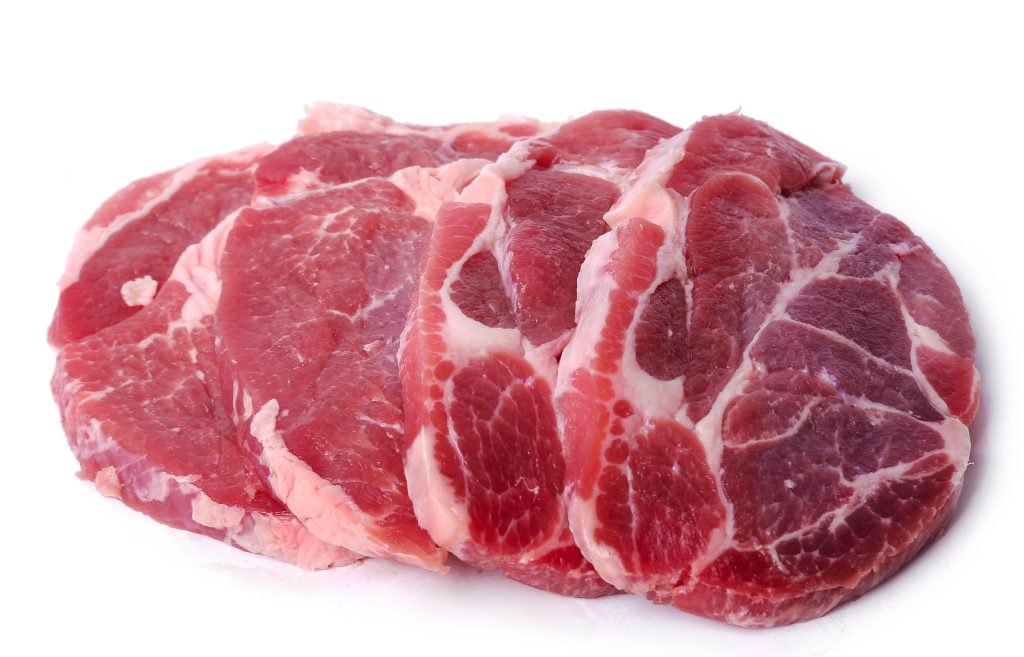
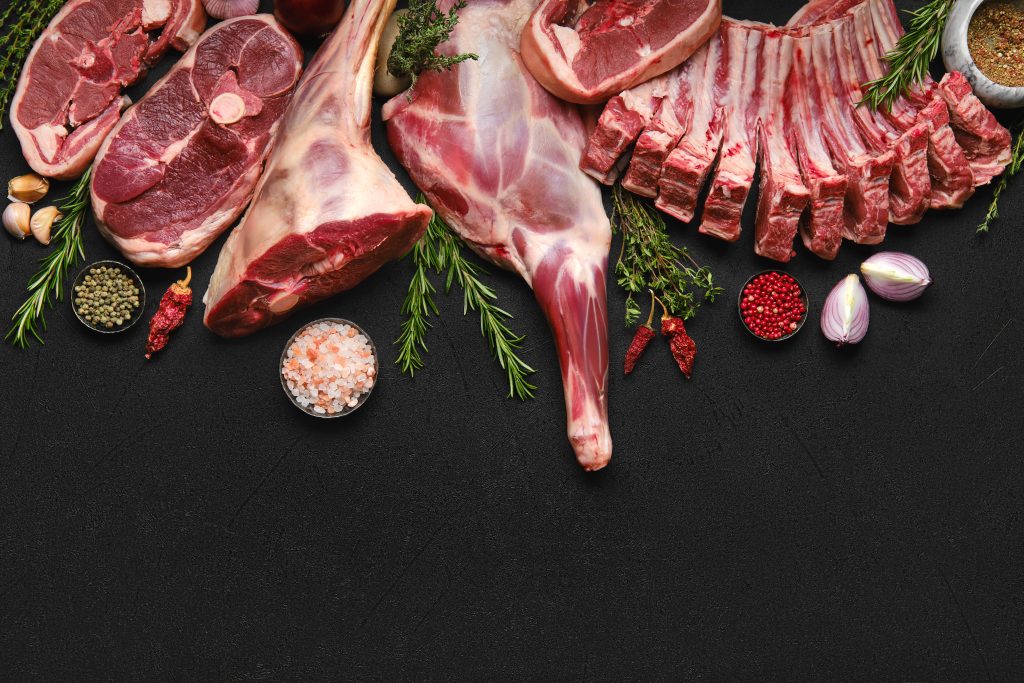
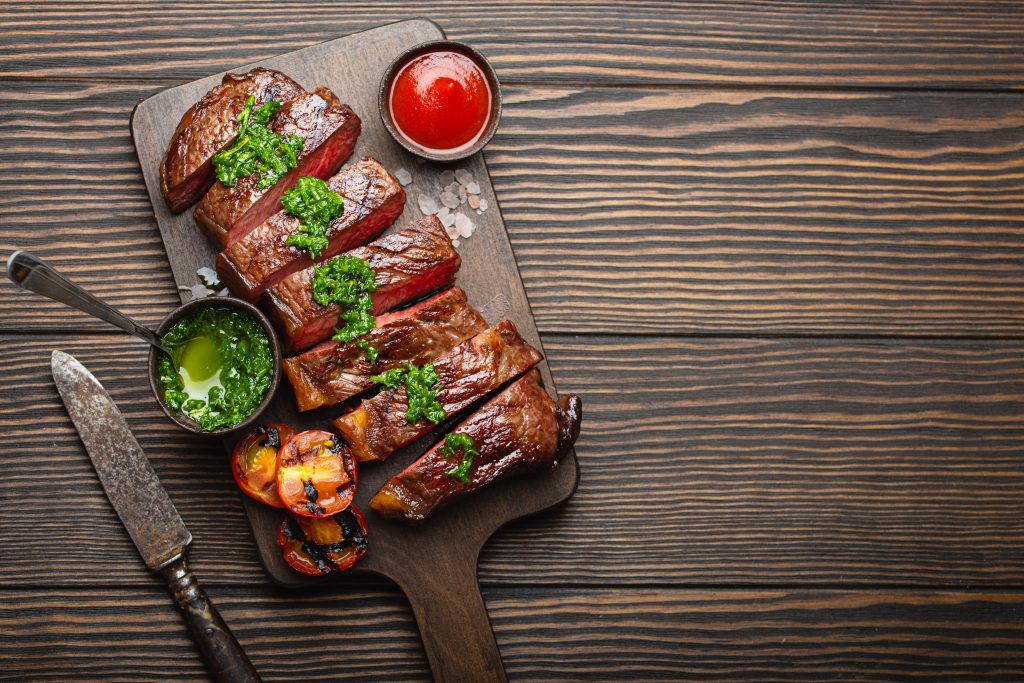
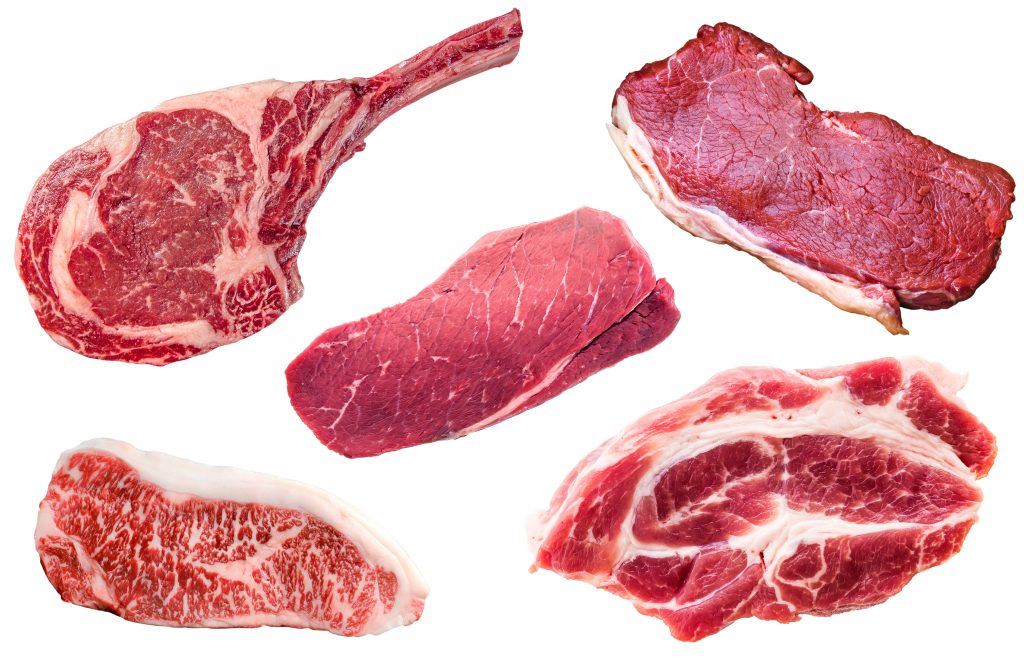
Beef or Lamb Steaks/Roasts: Last 3–5 days in the fridge at 34–40°F (1–4°C).
-
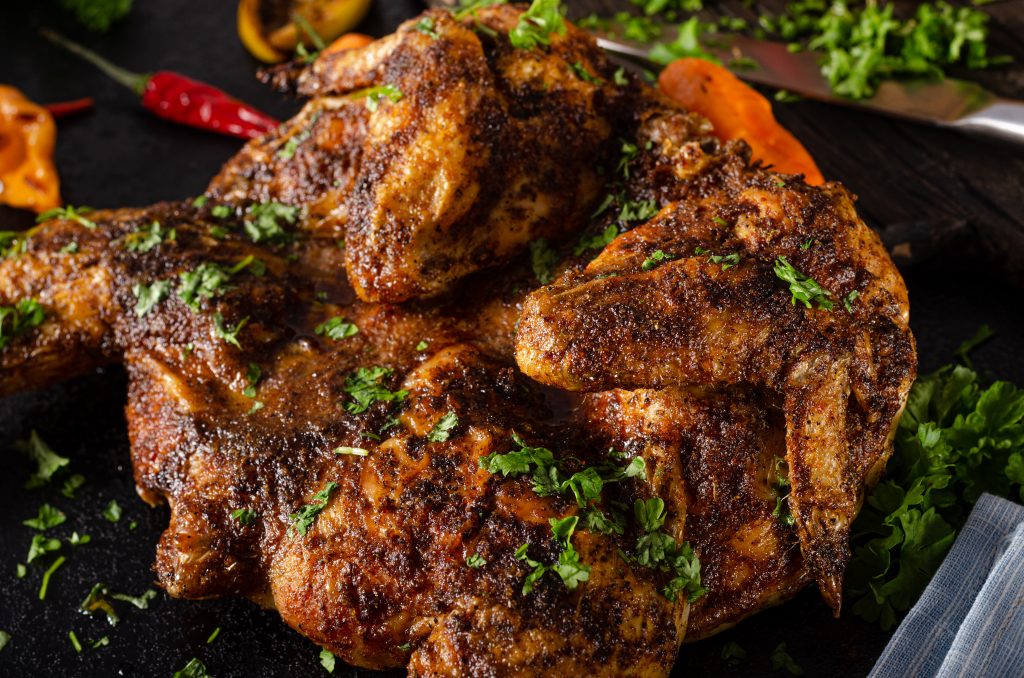
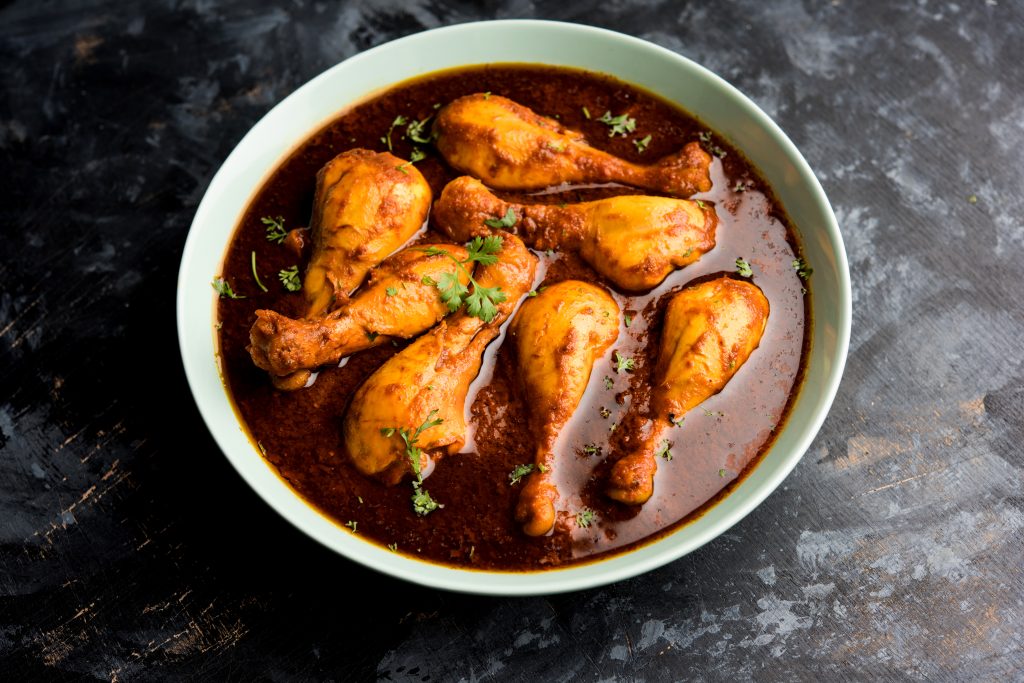
Chicken or Poultry Cuts: Last 1–2 days if stored properly in airtight containers.
2.2 Ground Meat
-
Beef, Lamb, or Chicken Mince: Last 1–2 days in the refrigerator.
-
Must be stored in airtight containers to prevent contamination.
2.3 Organ Meats
-
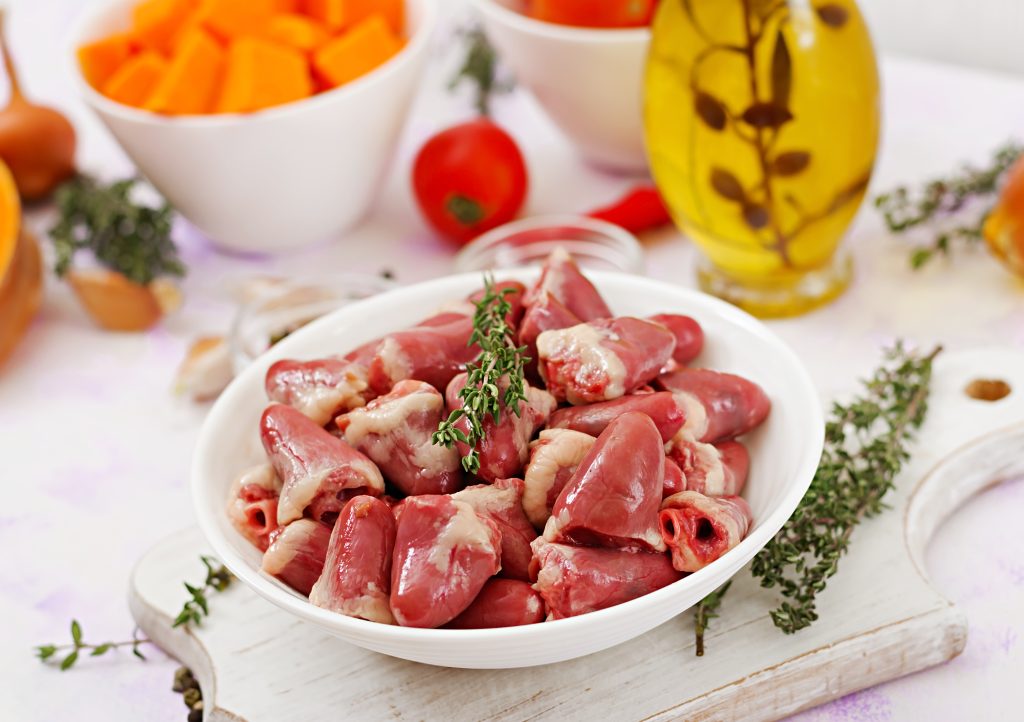
Liver, Kidney, Heart: Best consumed within 1–2 days due to higher perishability.
Tip: Always place fresh meat in the coldest part of the fridge, typically near the back, and separate from ready-to-eat foods.
3. Freezing Zabiha Meat
Freezing extends shelf life significantly, but proper packaging and temperature are essential.
3.1 Beef and Lamb Cuts
-
Steaks, Roasts, Chops: Up to 12 months when vacuum-sealed.
-
Ground Beef or Lamb: 3–4 months.
3.2 Poultry
-
Whole Chicken or Turkey: Up to 12 months.
-
Chicken Pieces (breast, thigh, drumstick): 6–9 months.
-
Ground Chicken: 3–4 months.
3.3 Organ Meats
-
Liver, Kidney, Heart: 3–4 months in freezer; best consumed within 3 months for optimal flavor.
3.4 Tips for Freezing
-
Portion meat into meal-sized packs before freezing.
-
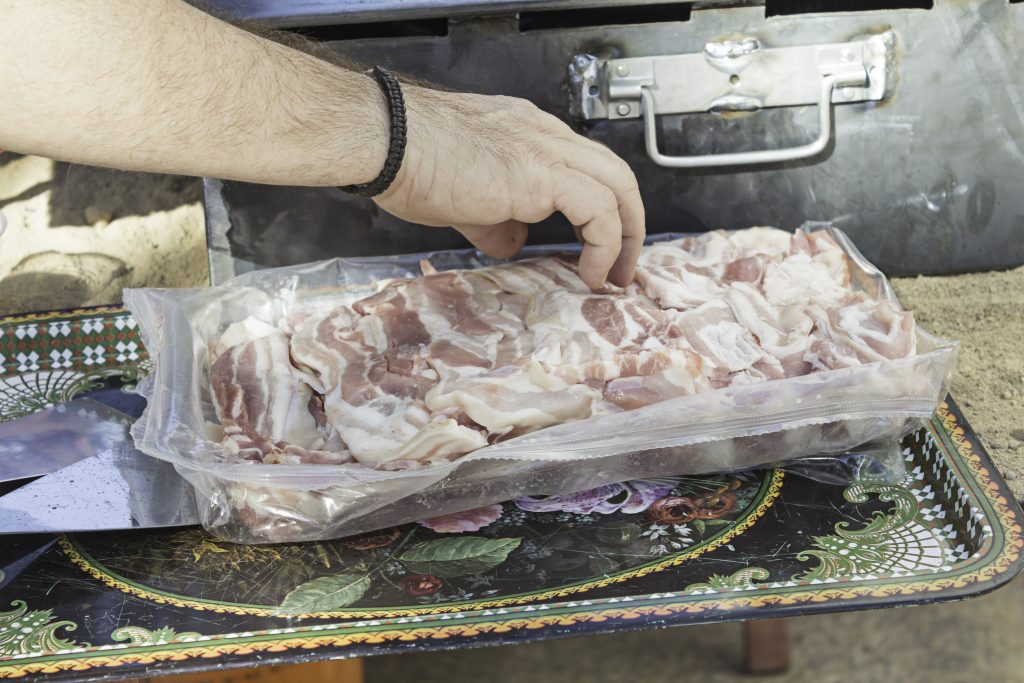
Use vacuum-sealed or airtight bags to prevent freezer burn.
-
Label packs with type of meat and freezing date.
-
Freeze rapidly at 0°F (-18°C) or below to preserve texture and taste.
4. Shelf Life Considerations by Cut
| Meat Cut | Refrigerator (°F / °C) | Freezer (Months) | Notes |
|---|---|---|---|
| Beef Steaks/Roasts | 34–40°F (1–4°C) | 12 | Store in airtight containers or vacuum-sealed |
| Ground Beef | 34–40°F (1–4°C) | 3–4 | Use quickly; prone to bacterial growth |
| Lamb Chops/Roasts | 34–40°F (1–4°C) | 12 | Vacuum sealing recommended |
| Ground Lamb | 34–40°F (1–4°C) | 3–4 | Freeze promptly to preserve freshness |
| Chicken Pieces | 34–40°F (1–4°C) | 6–9 | Store in airtight or vacuum-sealed packs |
| Whole Chicken | 34–40°F (1–4°C) | 12 | Freeze immediately if not used within 2 days |
| Ground Chicken | 34–40°F (1–4°C) | 3–4 | Use quickly; retains best quality |
| Organ Meats | 34–40°F (1–4°C) | 3–4 | Highly perishable; consume early |
5. Signs Meat Has Gone Bad
-
Unpleasant Odor: Sour, rancid, or ammonia-like smell.
-
Discoloration: Grey or greenish patches indicate spoilage.
-
Slimy Texture: Sticky or slimy feel is a sign of bacterial growth.
-
Ice Crystals or Freezer Burn: White patches indicate prolonged exposure; meat may be safe but texture and flavor are affected.
Tip: When in doubt, it is safer to discard questionable meat to avoid health risks.
6. Tips for Extending Shelf Life
-
Store in the Coldest Part of the Fridge: Reduces bacterial growth.
-
Use Airtight Containers or Vacuum-Sealed Bags: Prevents oxidation and contamination.
-
Portion Meat Before Freezing: Reduces repeated thawing and freezing.
-
Label Packages: Track type and freezing date for proper usage.
-
Avoid Overcrowding: Allows air circulation and even freezing.
7. Zabiha Farms’ Commitment to Freshness
Zabiha Farms ensures:
-
Meat is processed and packaged promptly after slaughter.
-
Vacuum-sealed packaging maximizes shelf life and prevents freezer burn.
-
Clear consumer guidance is provided for proper refrigeration and freezing.
-
Every cut is halal, tayyib, and nutrient-rich, ensuring quality is maintained from farm to plate.
By understanding shelf life, consumers can enjoy premium Zabiha meat safely and without waste.
8. Practical Tips for Consumers
-
Plan meals according to refrigerator shelf life.
-
Freeze excess meat immediately to extend usability.
-
Thaw meat safely using refrigerator or cold water methods.
-
Avoid leaving meat at room temperature for prolonged periods.
-
Rotate stock to use older cuts first, ensuring freshness.
9. Benefits of Proper Storage
9.1 Health and Safety
-
Reduces risk of foodborne illness.
-
Preserves nutritional content of meat.
9.2 Quality and Taste
-
Maintains texture, flavor, and juiciness.
-
Prevents freezer burn and moisture loss.
9.3 Cost-Effectiveness
-
Minimizes food waste.
-
Allows bulk purchases without compromising freshness.
9.4 Spiritual and Ethical Satisfaction
-
Avoids waste, aligning with Islamic teachings of moderation and stewardship.
-
Ensures meat remains halal and tayyib for consumption.
10. Conclusion
Understanding the shelf life of different Zabiha meat cuts is essential for maintaining freshness, safety, and nutritional value. Key takeaways:
-
Store meat promptly in refrigerator or freezer according to cut type.
-
Use airtight or vacuum-sealed packaging to prevent spoilage.
-
Follow recommended storage times for each cut.
-
Thaw safely and avoid repeated freezing for quality retention.
Proper storage ensures that every cut of Zabiha meat remains wholesome, nutritious, and flavorful, reflecting Zabiha Farms’ commitment to halal, ethical, and sustainable meat production. By understanding shelf life, consumers can enjoy premium Zabiha meat while practicing mindful, responsible consumption.