










































Balancing Farming and Compassion: Ethical Practices in Halal Meat Production

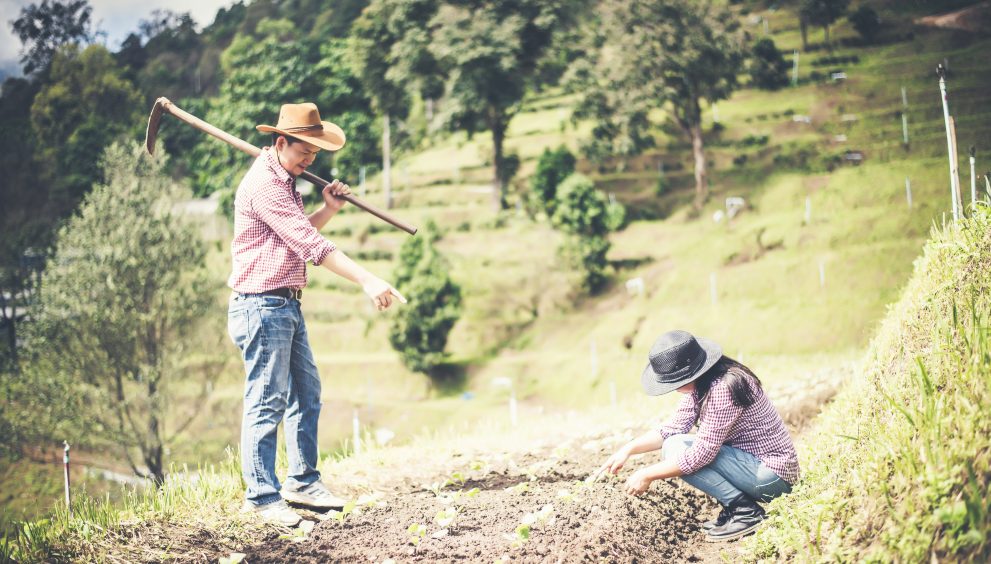
Farming is a vital human activity, providing food and sustenance. However, it comes with the responsibility to treat animals with care, ensure environmental stewardship, and uphold ethical standards. For halal-conscious consumers, balancing farming efficiency with compassion and Islamic ethical principles is essential to ensure that meat is halal, wholesome (tayyib), and ethically sourced.
This blog explores how farms like Zabiha Farms combine modern farming practices with compassion, ethics, and sustainability.
1. The Importance of Compassion in Farming
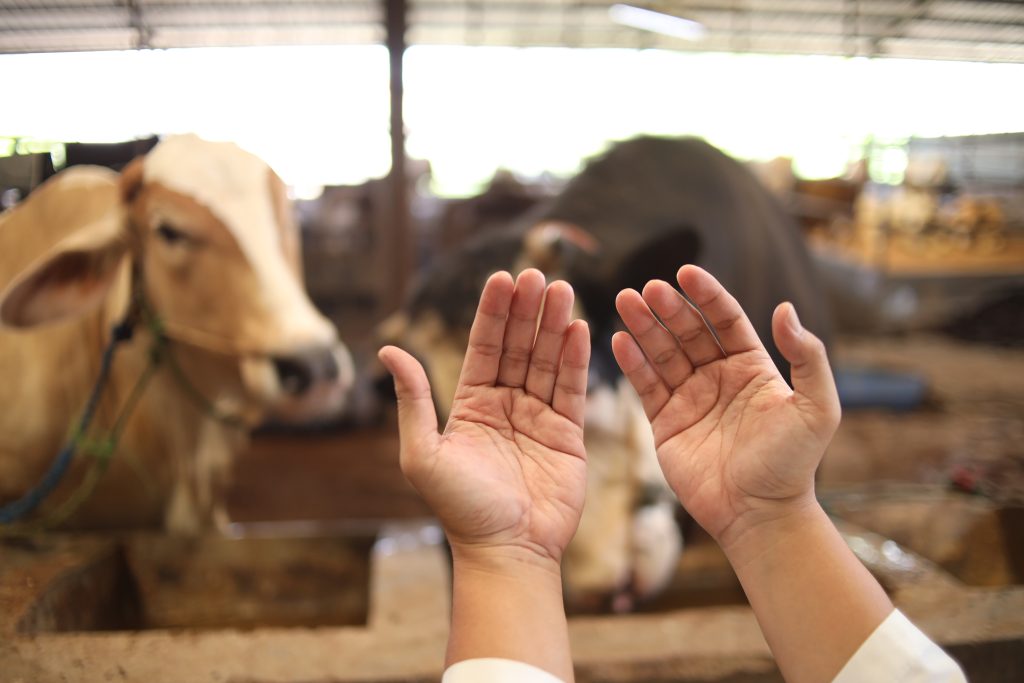
Compassion in farming is not merely a moral choice—it is a religious and ethical obligation. Animals are sentient beings, and Islamic teachings emphasize:
-
Mercy and kindness toward all creatures (Rahma).
-
Responsible stewardship of resources (Khilafah).
-
Avoiding cruelty, overburdening, or neglect.
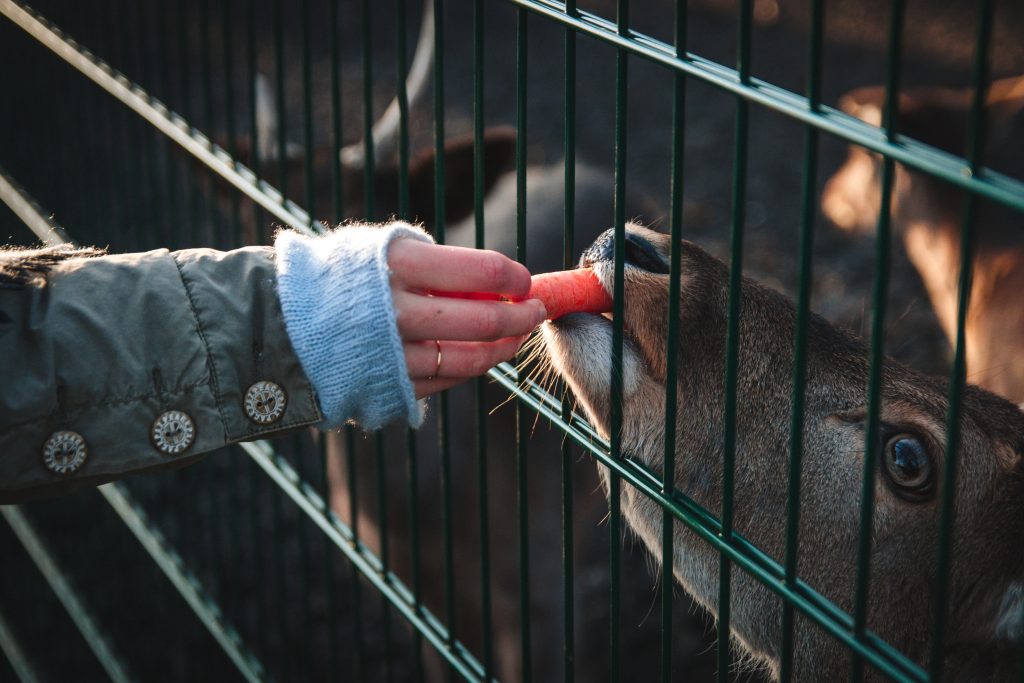
Compassion in farming ensures that animals live stress-free, healthy lives, leading to better meat quality and consumer confidence.
2. Challenges in Balancing Farming and Compassion
-
Operational Efficiency vs. Animal Welfare: Large-scale farms must meet demand while maintaining ethical care.
-
Resource Management: Providing adequate feed, water, and shelter can be challenging while minimizing waste.
-
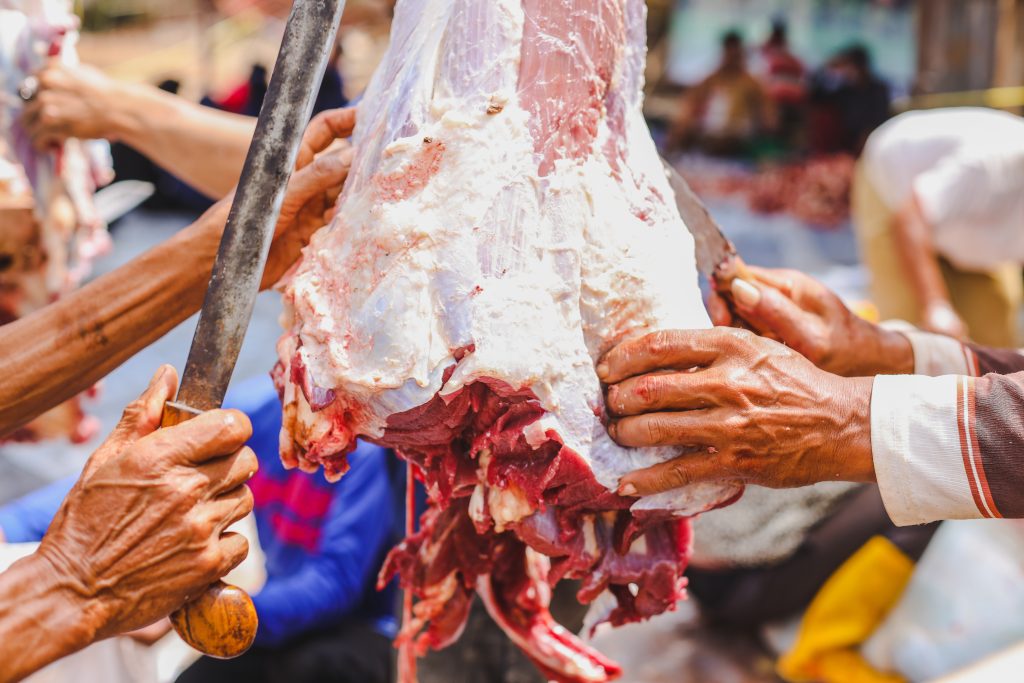
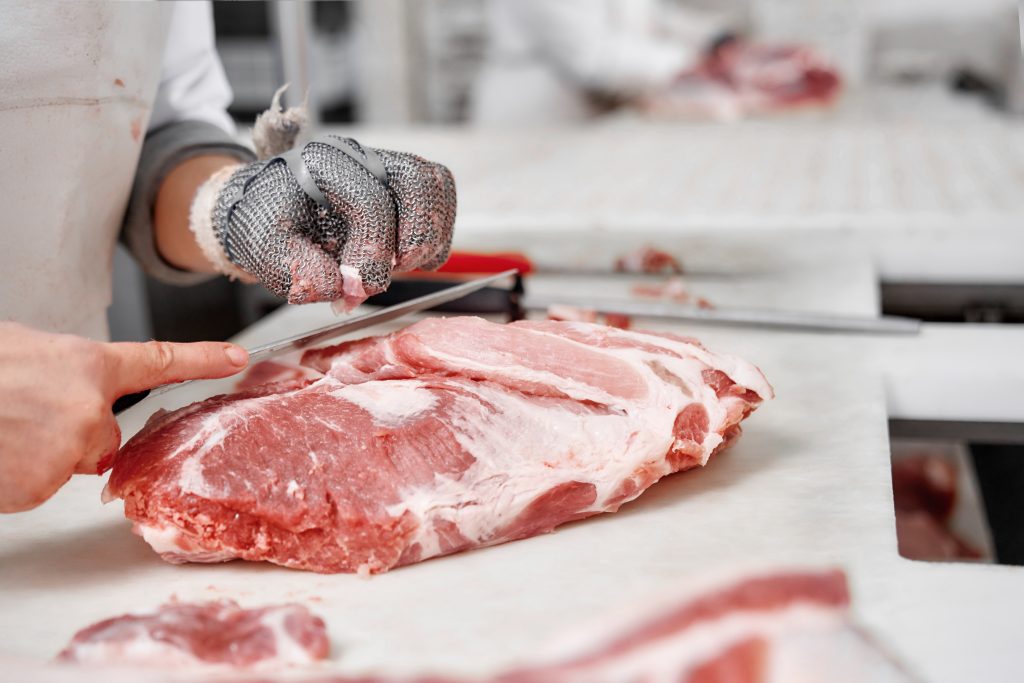
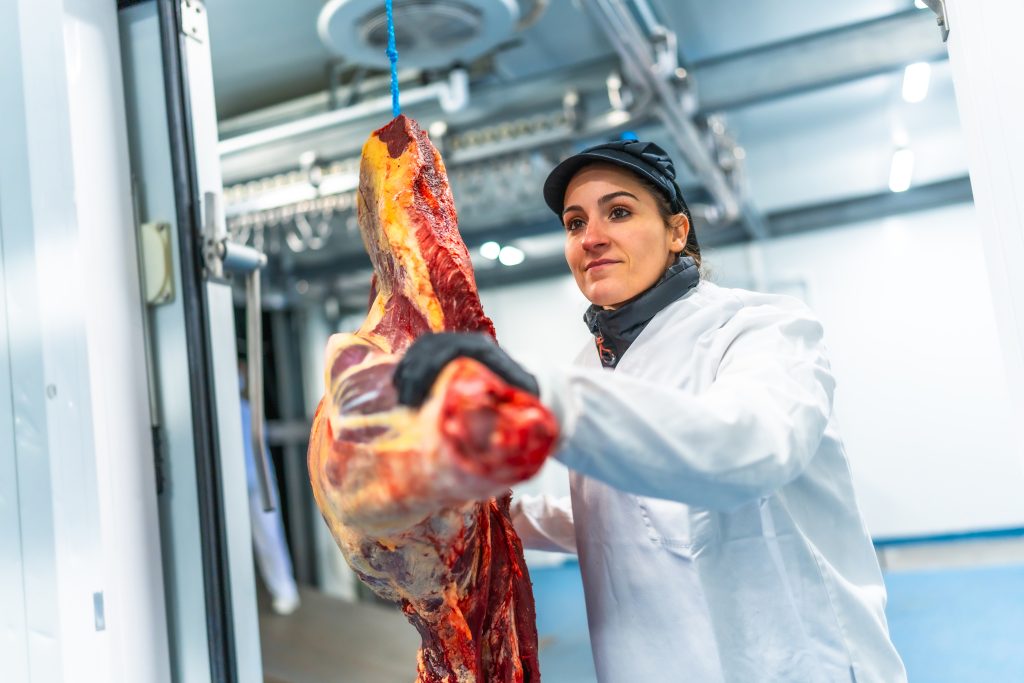
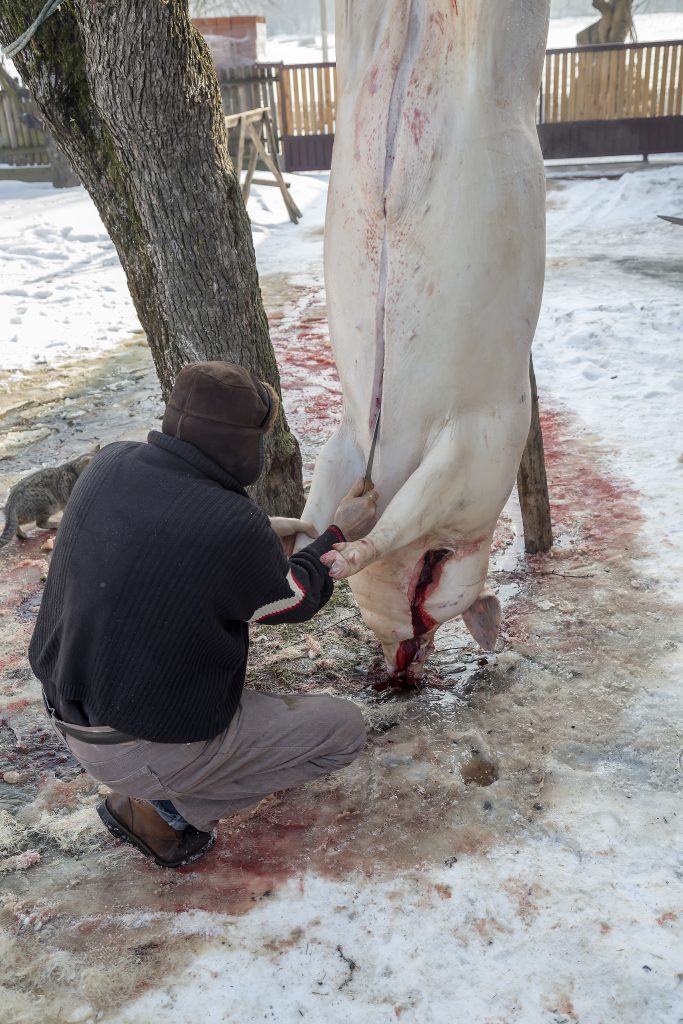
Slaughter Practices: Ensuring humane, halal slaughter requires skilled personnel and careful handling.
-
Sustainability: Balancing environmental impact with production efficiency requires thoughtful planning.
Despite these challenges, compassionate farming is achievable through proper planning, training, and adherence to Islamic and ethical guidelines.
3. Core Principles for Compassionate Farming
3.1 Humane Housing and Care
-
Provide spacious, clean, and well-ventilated barns.
-
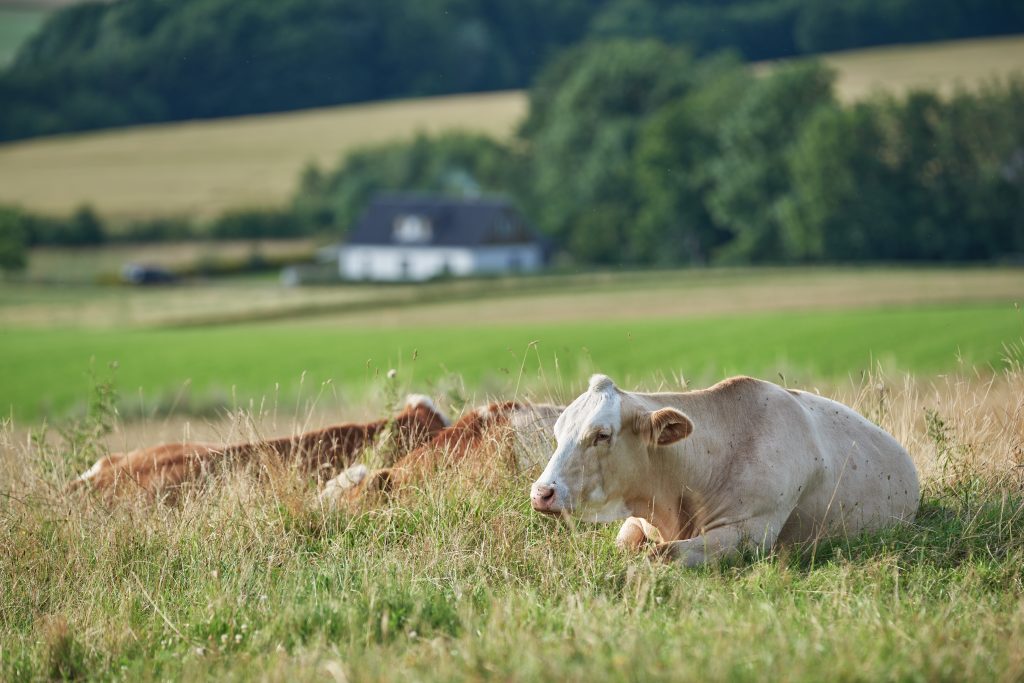
Ensure pastures or grazing areas for natural movement.
-
Maintain comfortable temperature and lighting to reduce stress.
3.2 Ethical Feeding and Watering
-
Balanced, nutritious feed promotes healthy growth and wellbeing.
-
Clean drinking water is available at all times.
-
Avoid overfeeding or underfeeding, maintaining a stress-free routine.
3.3 Health and Veterinary Care
-
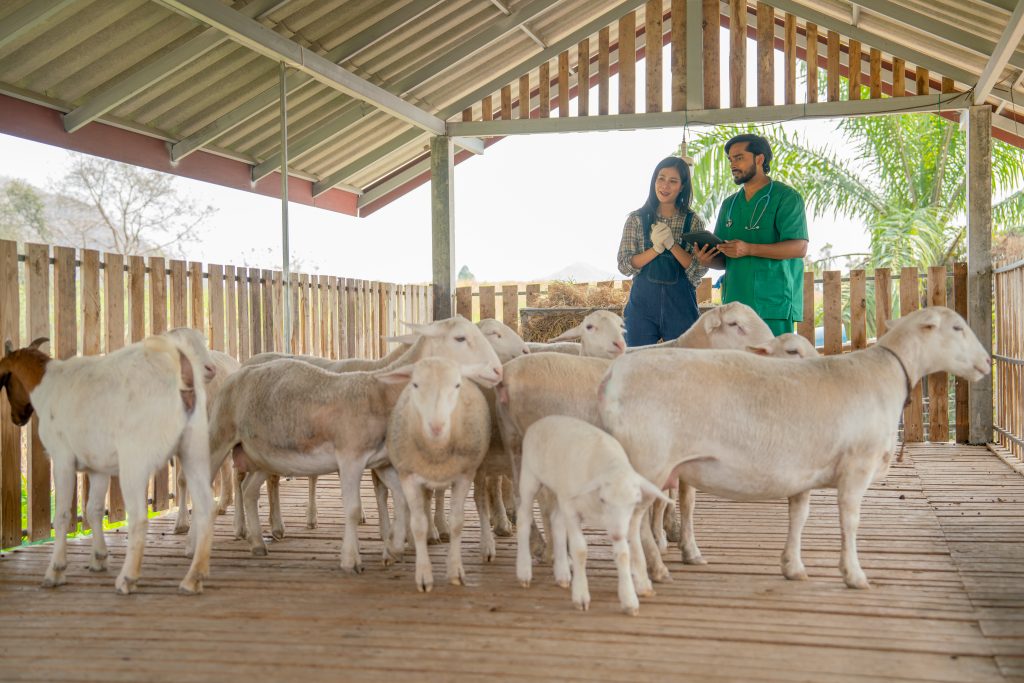
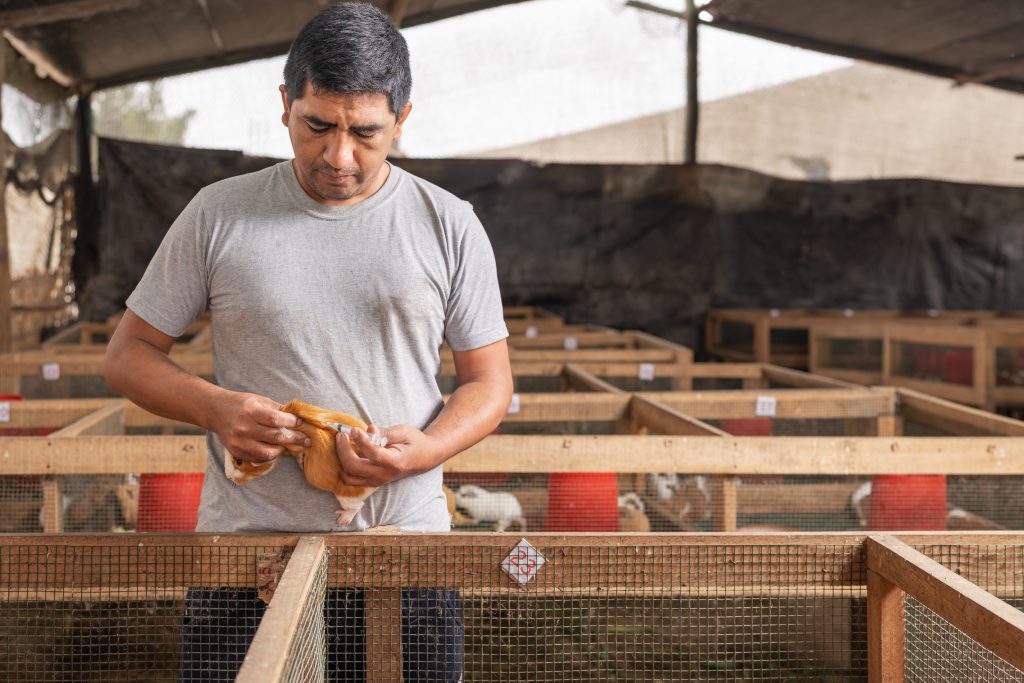
Regular health checks and vaccinations are essential.
-
Prompt treatment of illnesses or injuries reduces suffering.
-
Preventive care ensures animals remain healthy and productive.
3.4 Gentle Handling Practices
-
Avoid shouting, hitting, or over-restraining animals.
-
Use low-stress techniques during transport and movement.
-
Calm environments reduce anxiety and improve meat quality.
4. Ethical Slaughter and Compassion
4.1 Zabiha Standards
-
Animals must be healthy and calm at the time of slaughter.
-
Sharp instruments ensure swift and humane cutting.
-
Blood is drained fully, producing clean, wholesome meat.
4.2 Minimizing Stress
-
Animals are moved quietly to the slaughter area.
-
Handling is gentle and compassionate, reducing fear and distress.
-
Staff trained in humane methods uphold both halal and ethical standards.
5. Sustainability and Compassion
Compassionate farming goes hand-in-hand with sustainability:
-
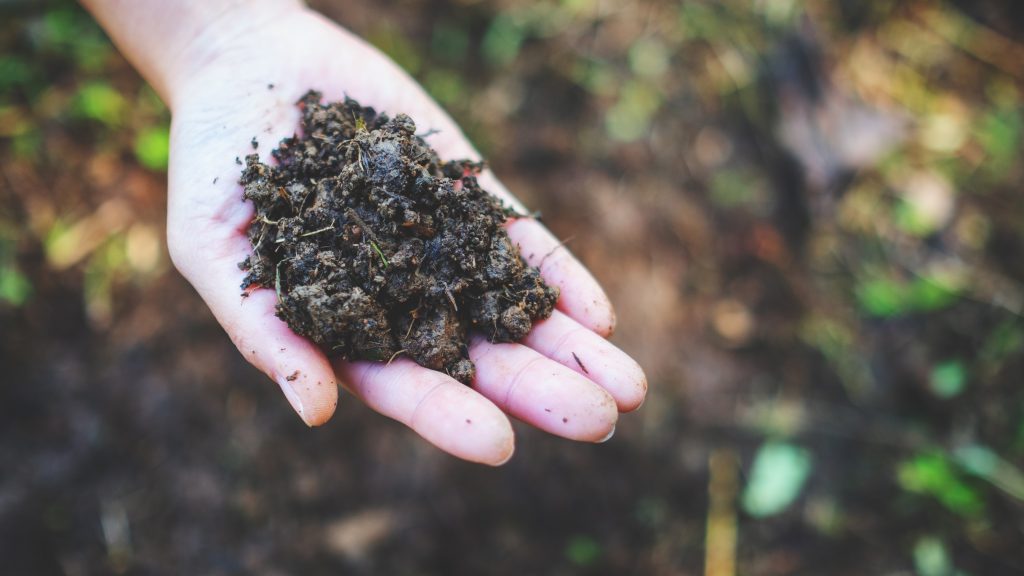
Manure Management: Composting and biogas production reduce environmental impact.
-
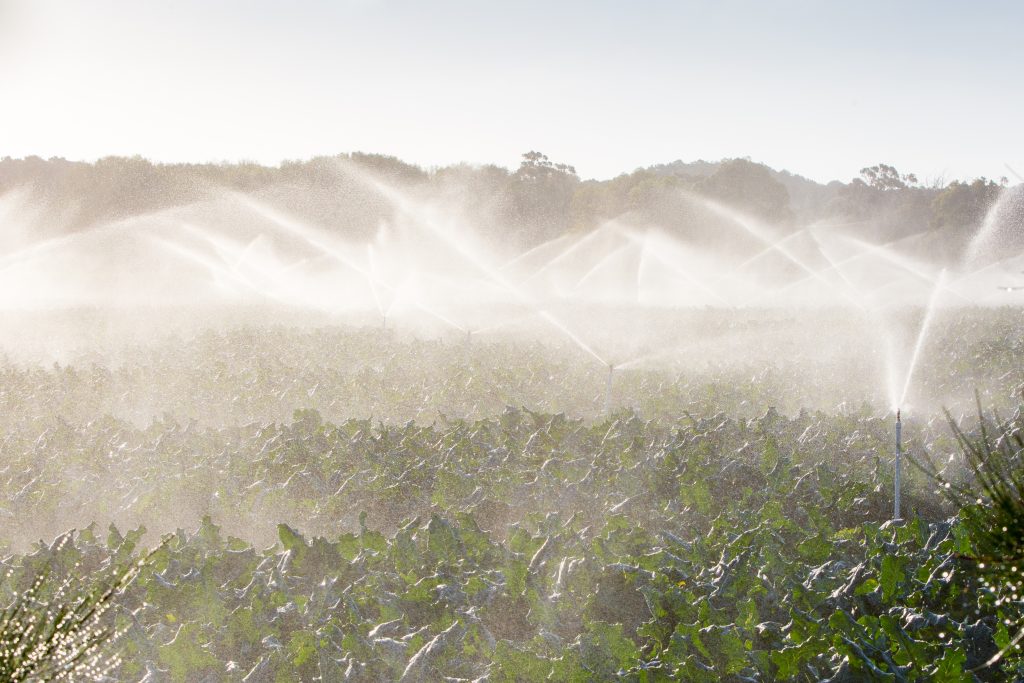
Water Conservation: Efficient watering systems ensure animals have enough without waste.
-
Renewable Energy: Solar panels, wind turbines, and biogas power farm operations ethically.
By combining sustainability with compassion, farms produce tayyib, eco-friendly, and humane meat.
6. Zabiha Farms’ Approach to Compassionate Farming
6.1 Holistic Animal Care
-
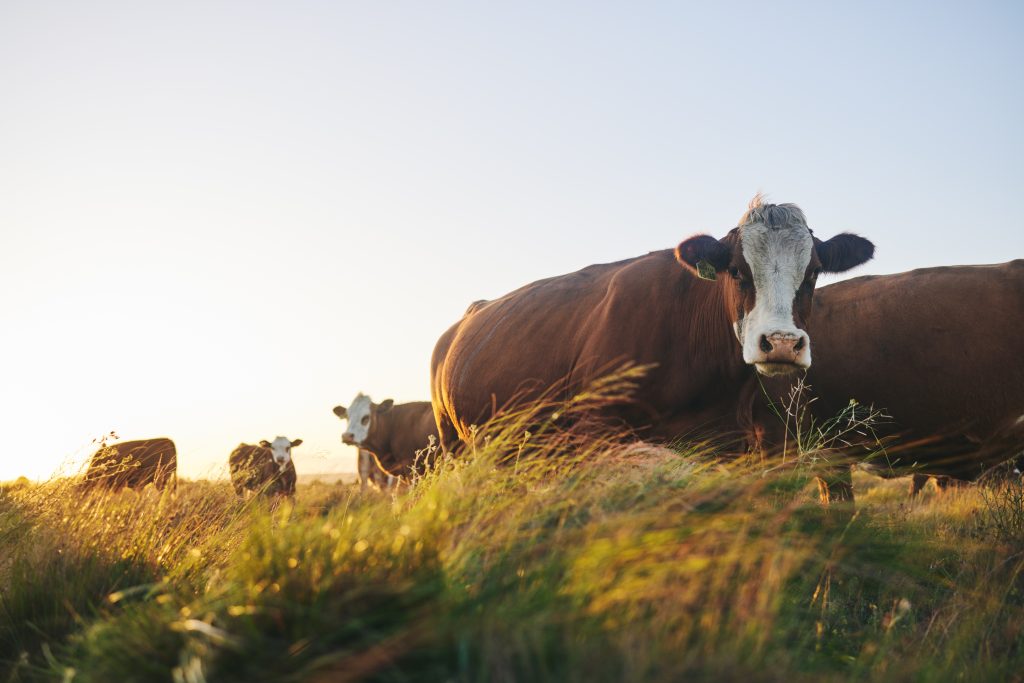
Animals live in spacious barns and pastures.
-
Daily monitoring ensures wellbeing and health.
6.2 Ethical Feeding Practices
-
High-quality feed and clean water support natural growth and nutrition.
-
Feed efficiency reduces waste, protecting resources.
6.3 Humane Slaughter Practices
-
Zabiha-compliant slaughter is swift, ethical, and stress-free.
-
Staff trained in both Islamic and modern humane methods.
6.4 Sustainability Integration
-
Composting, renewable energy, and water management are embedded in operations.
-
Ethical care extends beyond animals to environment and resources.
7. Benefits of Balancing Farming and Compassion
7.1 Ethical and Spiritual Benefits
-
Aligns with Islamic teachings on mercy, stewardship, and ethical consumption.
-
Provides peace of mind to consumers about halal, tayyib meat.
7.2 Health and Nutrition Benefits
-
Healthy, stress-free animals produce nutritious, high-quality meat.
-
Minimizes contamination and disease risks.
7.3 Environmental Benefits
-
Reduces waste, emissions, and resource depletion.
-
Supports sustainable farming practices for future generations.
7.4 Economic Benefits
-
Ethical practices improve animal growth, reduce losses, and enhance farm reputation.
-
Builds consumer trust and loyalty, increasing market value.
8. How Consumers Can Support Compassionate Farming
-
Choose Halal Farms with Ethical Practices: Support farms like Zabiha Farms.
-
Understand Halal and Tayib Standards: Knowledge empowers conscious decisions.
-
Reduce Food Waste at Home: Respect the animal and resources used.
-
Spread Awareness: Encourage others to prioritize ethical, compassionate meat sources.
9. Global Impact of Compassionate Farming
-
Promotes ethical and sustainable food systems worldwide.
-
Reduces animal suffering and encourages humane livestock practices.
-
Aligns with global movements for responsible, eco-conscious, and ethical farming.
-
Reinforces Islamic principles of mercy, stewardship, and ethical consumption.
By supporting compassionate farms, consumers contribute to a healthier planet and more ethical food system.
10. Conclusion
Balancing farming and compassion is essential for ethical, halal, and sustainable meat production. Key takeaways include:
-
Compassion ensures animals live stress-free, healthy lives, producing tayyib meat.
-
Humane care, ethical feeding, and sustainable practices support both spiritual and environmental responsibility.
-
Zabiha Farms integrates Islamic ethics, modern animal welfare, and sustainability, producing ethical, wholesome, and halal meat.
-
Consumers play a role by choosing farms that prioritize compassion, ethics, and environmental stewardship.
By combining farming efficiency with compassion, Zabiha Farms demonstrates that halal meat can be lawful, humane, nutritious, and environmentally responsible, fulfilling both ethical and spiritual obligations.