








































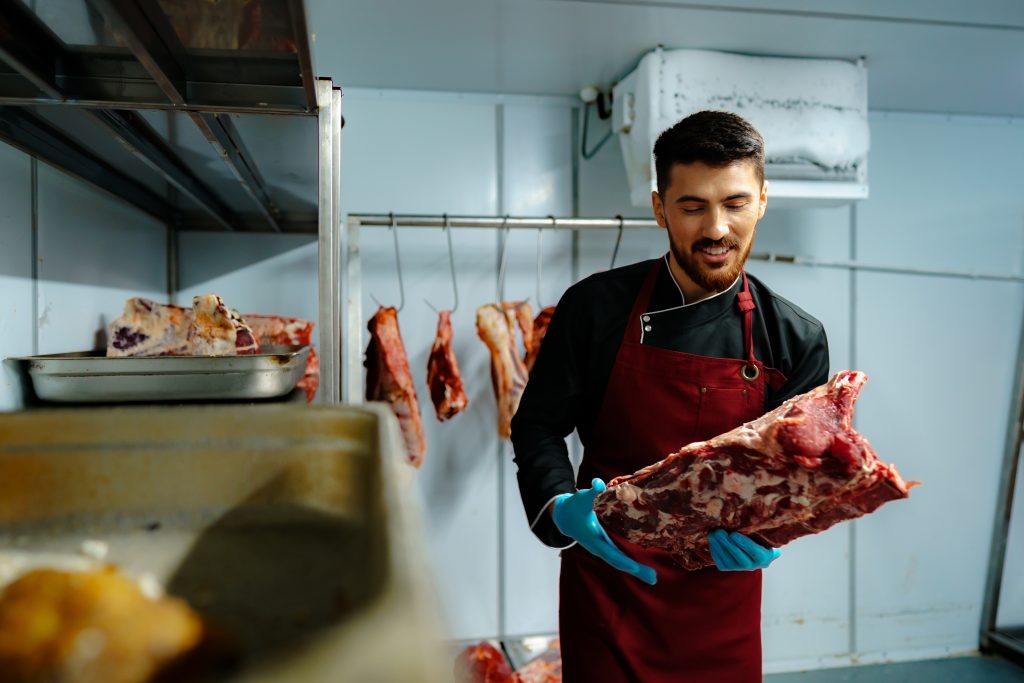
Islam’s Guidance on Animal Welfare: Ethical Practices for Halal Meat Production

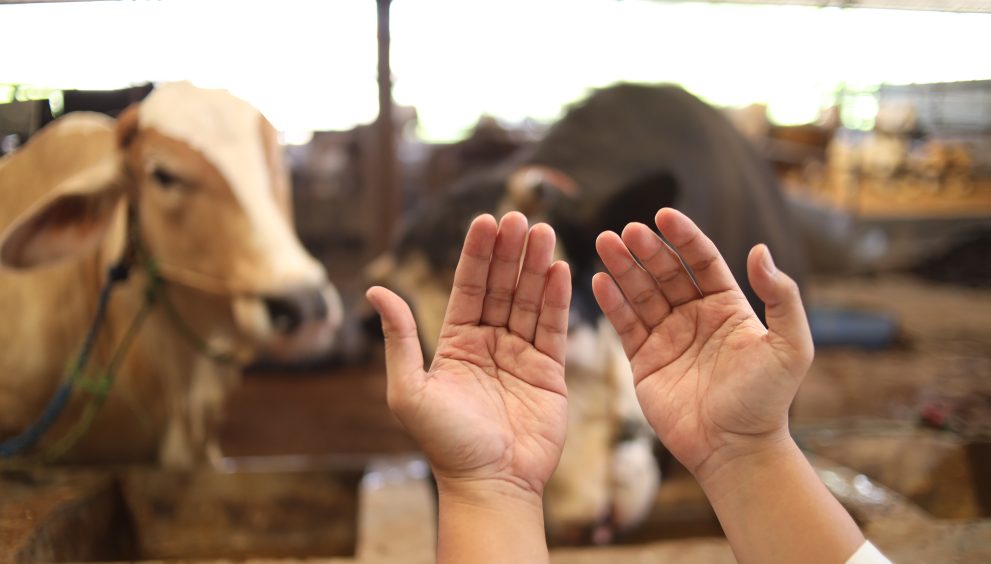
Islam places a strong emphasis on compassion, mercy, and ethical treatment of all creatures, including livestock. Animal welfare is not just an ethical choice but a religious obligation, ensuring that halal meat is lawful (halal) and wholesome (tayyib). Understanding Islamic guidance on animal care helps farms like Zabiha Farms provide meat that is ethically sourced, humane, and spiritually compliant.
This blog explores Islamic teachings on animal welfare, practical applications in farming, and how Zabiha Farms upholds these principles.
1. The Quran and Animal Welfare
The Quran repeatedly highlights the rights and respect due to animals:
-
Compassion and Mercy: “There is not an animal on earth, nor a bird that flies with its wings, but they are communities like you” (Quran 6:38).
-
Proper Treatment: Animals are considered trusts from God, and humans are stewards (Khalifah) responsible for their welfare.
-
Avoiding Harm: Muslims are urged to avoid cruelty, overburdening, or neglect.
These verses establish that ethical treatment of animals is a core Islamic value, integrated into daily life and farming practices.
2. Prophetic Teachings (Hadith) on Animal Care
The Prophet Muhammad (peace be upon him) emphasized kindness and mercy toward animals:
-
Feeding and watering animals is rewarded by God.
-
Overburdening animals or causing them unnecessary pain is prohibited.
-
Humane treatment during slaughter (Zabiha) ensures minimal suffering.
These teachings guide halal farms in implementing compassionate, ethical, and responsible animal husbandry.
3. Key Principles of Animal Welfare in Islam
3.1 Respect and Compassion
-
Animals should be treated with dignity and care.
-
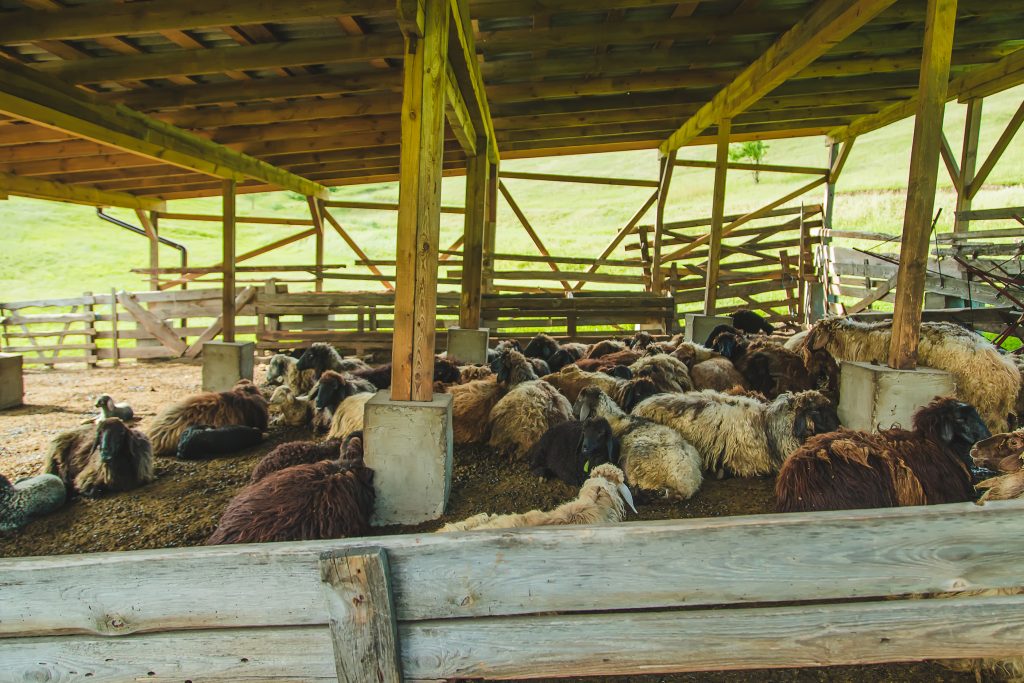
Proper shelter, space, and living conditions are required.
-
Avoid causing fear, stress, or unnecessary pain.
3.2 Proper Nutrition and Water
-
Provide clean water and balanced feed to maintain health.
-
Ensure animals are not deprived of food or forced to overeat.
3.3 Health and Hygiene
-
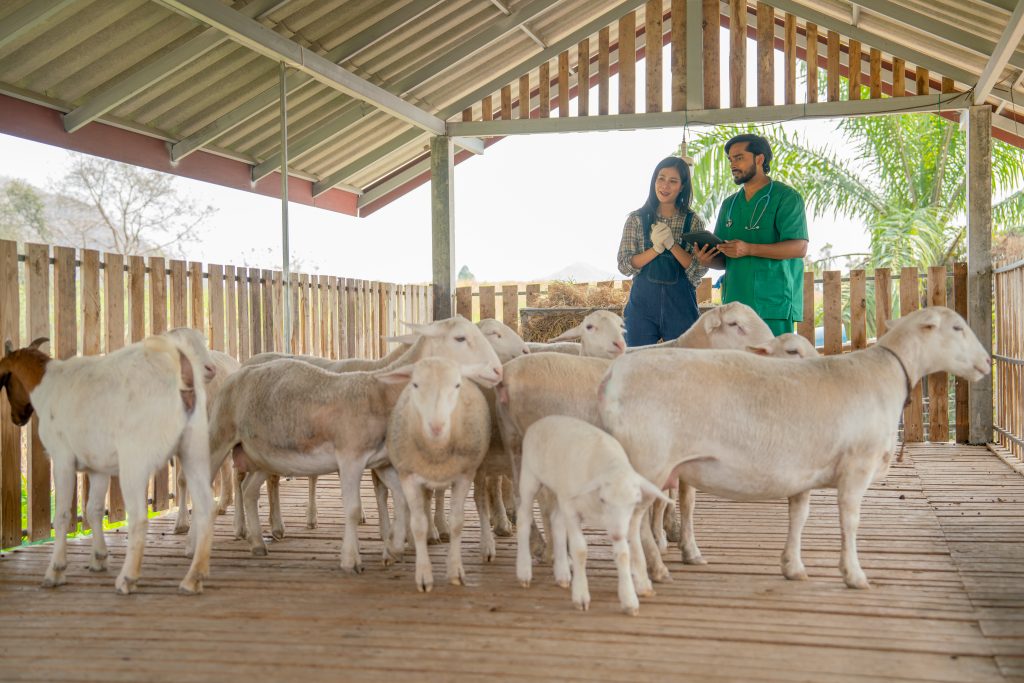
Regular veterinary care is essential.
-
Clean living spaces reduce disease and stress, enhancing meat quality.
3.4 Humane Slaughter (Zabiha)
-
Slaughter should be swift, minimizing pain.
-
Blood should be drained fully, ensuring clean and pure meat.
-
Animals should be healthy at the time of slaughter.
3.5 Avoiding Exploitation
-
Animals should not be overworked, neglected, or used beyond their capacity.
-
Ethical farming balances human needs with animal rights, reflecting stewardship and mercy.
4. Zabiha Farms’ Approach to Animal Welfare
Zabiha Farms integrates Islamic guidance into every stage of livestock care:
4.1 Humane Housing
-
Spacious, clean, and well-ventilated barns.
-
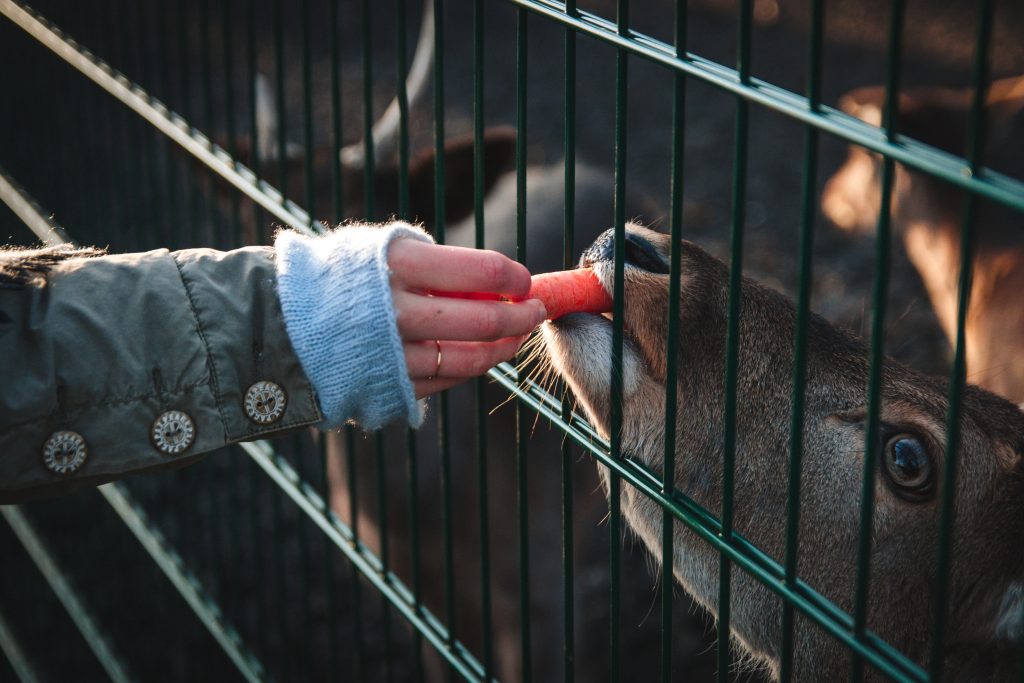
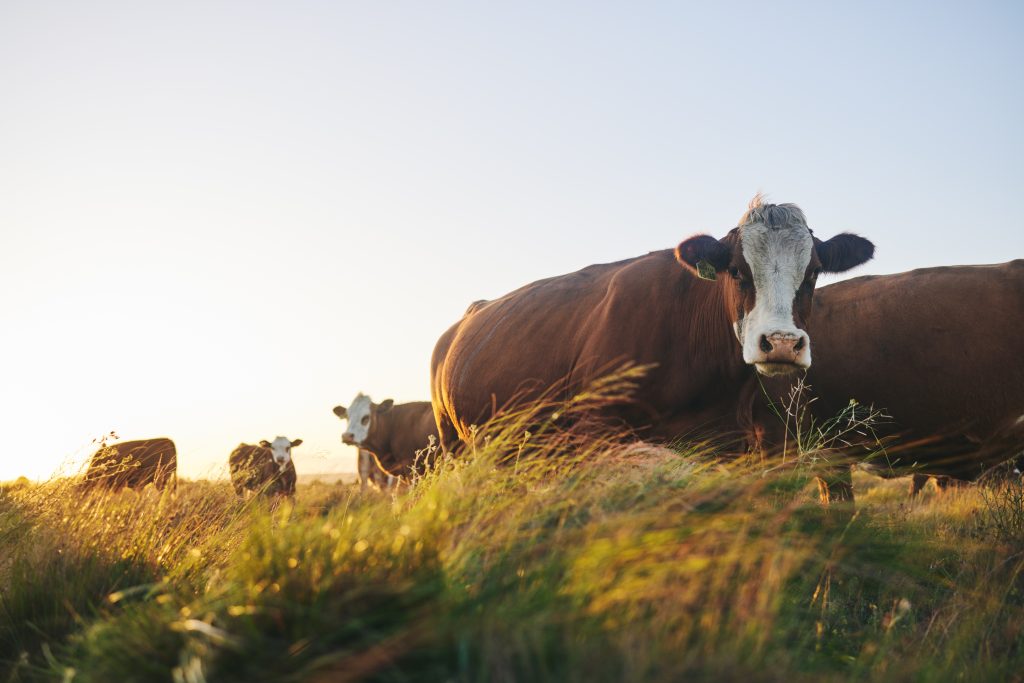
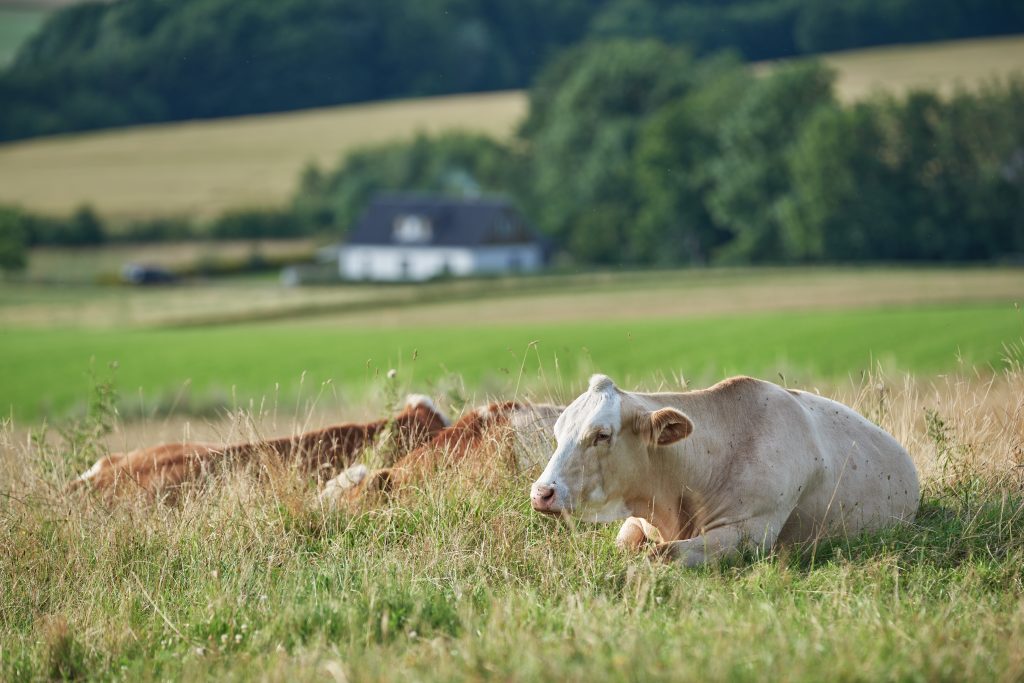
Pastures and grazing areas allow animals to move freely and express natural behavior.
4.2 Ethical Feeding Practices
-
Balanced, nutritious diets from locally sourced, organic feed.
-
Clean drinking water available at all times.
4.3 Veterinary Care
-
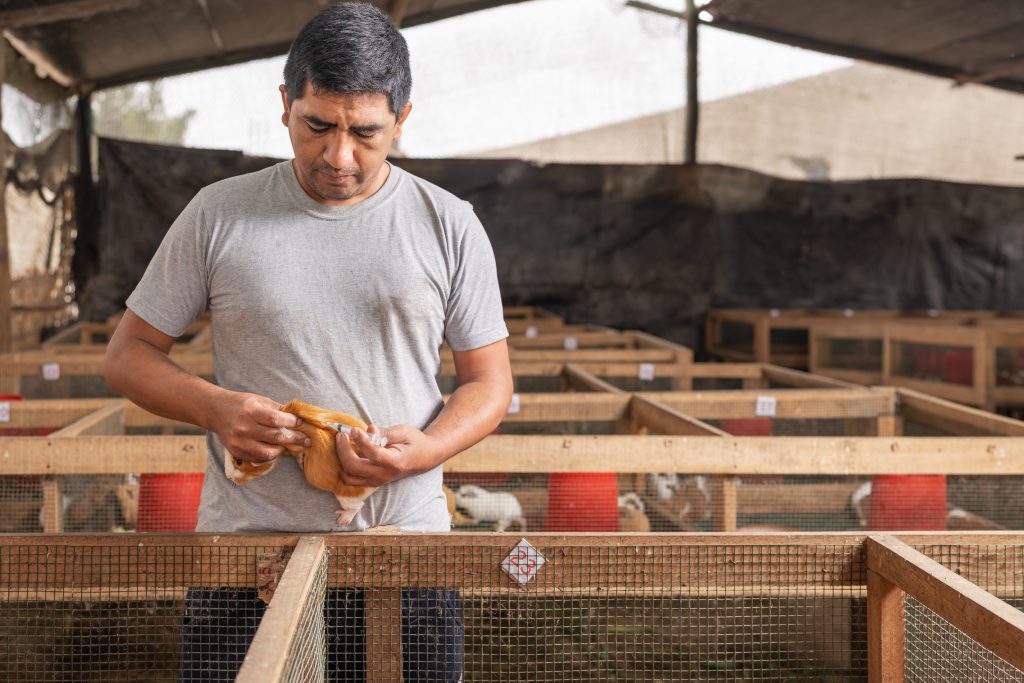
Regular health checks and vaccinations.
-
Prompt treatment for illness or injury.
4.4 Compassionate Handling
-
Staff trained in humane handling techniques, reducing stress.
-
Respectful treatment during movement, transport, and routine care.
4.5 Halal Slaughter Compliance
-
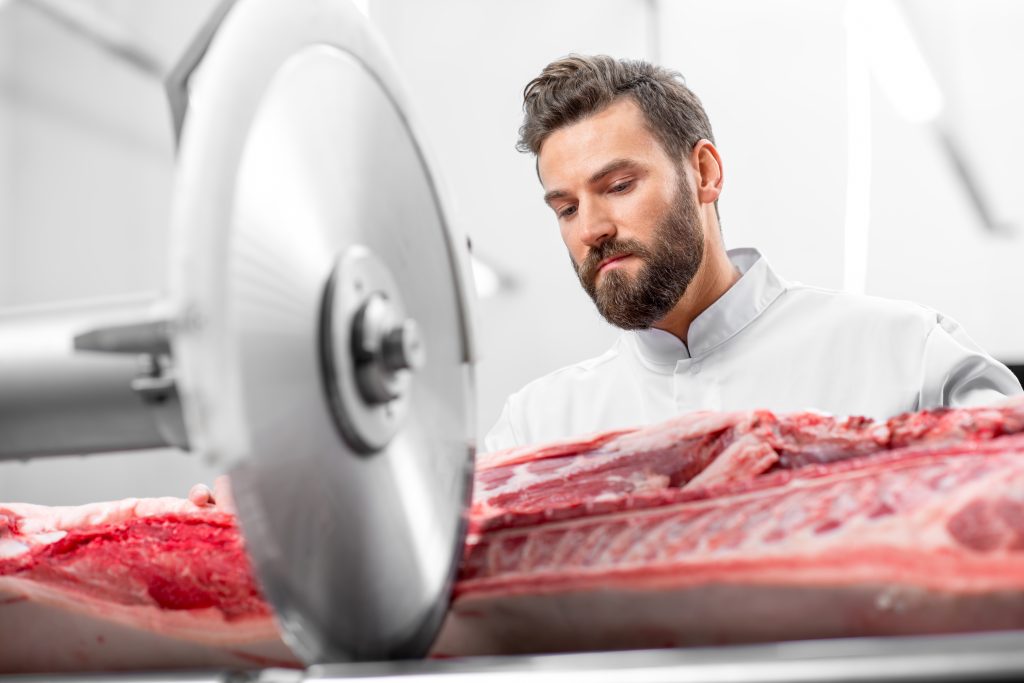
Zabiha slaughter performed swiftly and humanely.
-
Animals are healthy, calm, and treated ethically before and during slaughter.
5. Benefits of Ethical Animal Welfare
5.1 Spiritual and Ethical Benefits
-
Aligns with Islamic teachings of mercy, stewardship, and responsibility.
-
Fosters peace of mind for consumers knowing their meat is ethically sourced.
5.2 Health and Quality Benefits
-
Healthy animals produce nutritious, clean, and wholesome meat.
-
Reduces the risk of disease and contamination.
5.3 Environmental and Sustainability Benefits
-
Proper care reduces stress-related illness, waste, and resource inefficiency.
-
Supports sustainable and eco-friendly farming practices.
5.4 Economic Benefits
-
Well-cared-for animals are healthier, grow efficiently, and reduce losses due to disease or poor conditions.
-
Ethical farms gain consumer trust and long-term viability.
6. Practical Steps for Consumers to Support Animal Welfare
-
Choose Halal Farms with Ethical Practices: Support farms like Zabiha Farms.
-
Educate Yourself: Learn about halal standards and animal welfare principles.
-
Avoid Waste: Properly store and consume meat, respecting the animal’s sacrifice.
-
Spread Awareness: Encourage friends and family to prioritize ethical meat sources.
7. Global Impact of Animal Welfare in Halal Farming
-
Promotes ethical and sustainable food systems worldwide.
-
Reduces the environmental footprint of livestock production.
-
Encourages global recognition of halal meat as ethical, wholesome, and responsible.
-
Strengthens community awareness of Islamic stewardship and compassion.
8. Conclusion
Islam’s guidance on animal welfare is clear: compassion, mercy, and ethical treatment are non-negotiable. Key takeaways include:
-
Animals are trusts from God, deserving proper care, nutrition, and hygiene.
-
Humane slaughter (Zabiha) ensures meat is lawful, wholesome, and ethically produced.
-
Ethical animal welfare benefits health, environment, economy, and spiritual well-being.
-
Zabiha Farms demonstrates how halal meat production can uphold Islamic teachings while being environmentally sustainable and ethically responsible.
By choosing farms that prioritize Islamic principles of animal welfare, consumers enjoy meat that is not only nutritious and halal but also produced with mercy, respect, and responsibility, reflecting a commitment to faith, ethics, and sustainability.