









































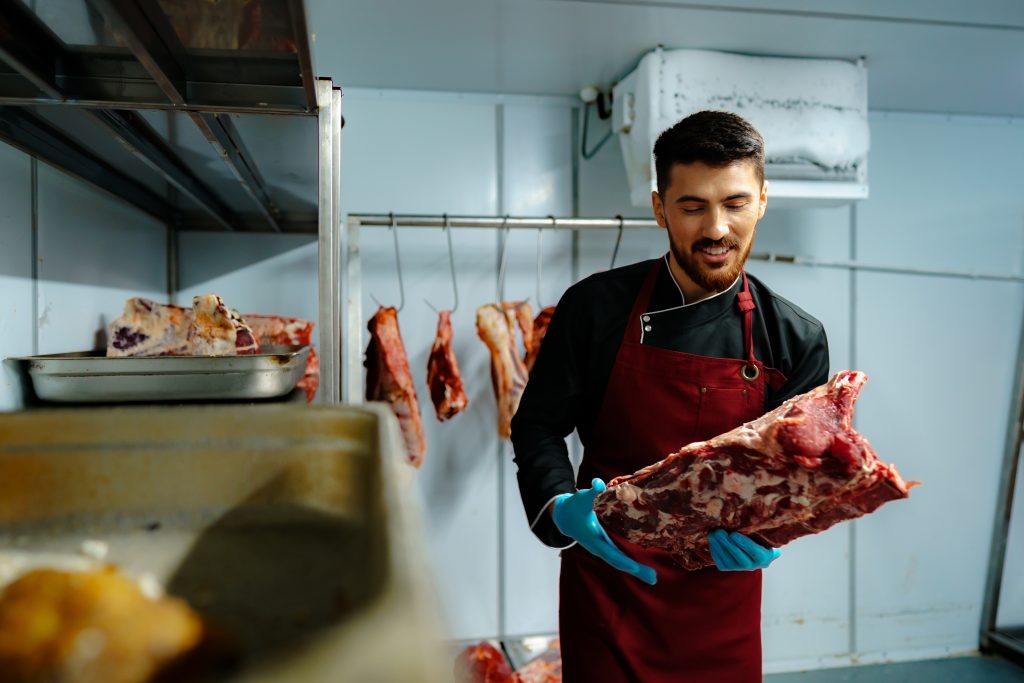
Composting and Soil Health: Sustainable Practices for Halal Meat Production

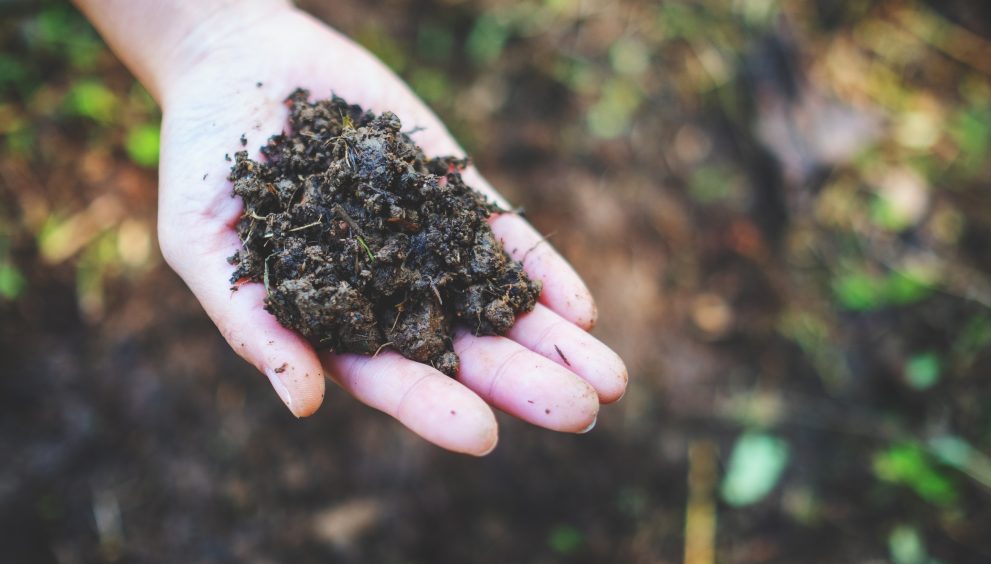
Healthy soil is the foundation of sustainable farming. For livestock and feed crop production, maintaining fertile, nutrient-rich soil is crucial to ensure animals are fed naturally, meat is wholesome, and farms remain environmentally responsible. Composting plays a key role in enhancing soil health while supporting eco-friendly and halal (tayyib) farming practices.
This blog explores how composting works, its benefits for soil health, and how Zabiha Farms integrates composting into sustainable halal meat production.
1. Understanding Composting
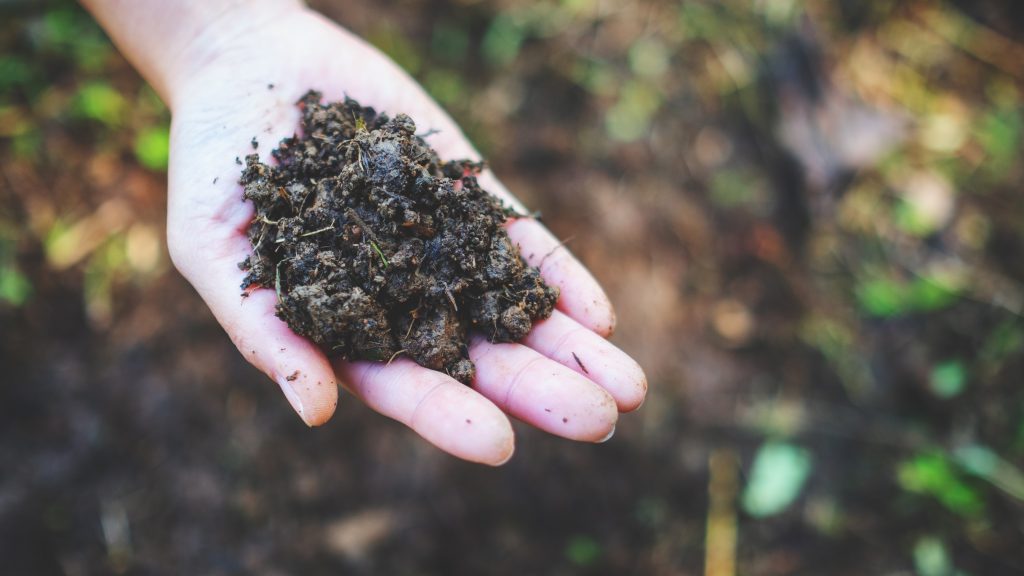
Composting is the natural process of breaking down organic matter—such as manure, crop residues, and plant waste—into nutrient-rich soil known as humus.
-
Purpose: Returns essential nutrients to the soil, improving fertility and structure.
-
Materials: Animal manure, crop residues, food scraps, leaves, and other biodegradable materials.
-
Process: Microorganisms decompose organic matter over time, producing a natural fertilizer.
Composting is a cornerstone of sustainable agriculture, reducing waste and promoting healthy ecosystems.
2. Importance of Soil Health in Farming
-
Nutrient Supply: Healthy soil provides essential minerals for feed crops, ensuring livestock nutrition.
-
Water Retention: Fertile soil retains water efficiently, reducing irrigation needs.
-
Erosion Prevention: Strong soil structure prevents erosion and degradation.
-
Carbon Sequestration: Soil stores carbon, reducing greenhouse gas emissions.
For halal farms like Zabiha Farms, soil health ensures feed crops are grown naturally and ethically, supporting the production of wholesome (tayyib) meat.
3. Composting Techniques
3.1 Traditional Pile Composting
-
Organic waste is gathered in a pile and allowed to decompose naturally.
-
Aeration is maintained by turning the pile periodically.
-
Simple and effective for small-scale farms.
3.2 Windrow Composting
-
Organic material is arranged in long rows (windrows) for controlled decomposition.
-
Often used in medium to large farms.
-
Regular turning ensures even decomposition and prevents odor.
3.3 Vermicomposting
-
Uses worms (commonly red wigglers) to break down organic waste.
-
Produces nutrient-rich compost called worm castings.
-
Ideal for enriching soil for feed crops organically.
3.4 In-Vessel Composting
-
Composting occurs in enclosed containers with controlled temperature and humidity.
-
Reduces odor and accelerates the decomposition process.
-
Suitable for farms with space constraints or large-scale operations.
4. Benefits of Composting for Soil Health
4.1 Enhances Nutrient Content
-
Adds essential nutrients like nitrogen, phosphorus, and potassium.
-
Improves mineral balance in the soil, promoting healthy feed crops.
4.2 Improves Soil Structure
-
Increases water retention and aeration.
-
Prevents compaction, supporting strong root systems for crops.
4.3 Reduces Chemical Dependency
-
Organic compost minimizes the need for synthetic fertilizers.
-
Promotes tayyib farming, keeping feed crops chemical-free.
4.4 Environmental Benefits
-
Reduces waste sent to landfills.
-
Lowers greenhouse gas emissions by managing manure properly.
-
Promotes sustainable, eco-friendly farming practices.
5. Composting and Halal Farming
-
Ethical Manure Use: Using animal manure responsibly aligns with Islamic stewardship principles.
-
Tayyib Feed Production: Compost-enriched soil produces healthy, chemical-free feed, ensuring halal meat is wholesome.
-
Resource Efficiency: Composting converts farm waste into valuable fertilizer, reducing environmental harm and promoting sustainability.
Zabiha Farms integrates composting into everyday operations to enhance feed quality and uphold ethical farming standards.
6. Zabiha Farms’ Approach to Composting
6.1 Manure Management
-
Livestock manure is collected and composted systematically.
-
Reduces odor and prevents contamination of soil and water sources.
6.2 Crop Residue Recycling
-
Leftover feed crops, leaves, and organic waste are composted.
-
Returns nutrients to pastures and feed crop fields.
6.3 Biogas Integration
-
Some composting operations are paired with biogas systems, producing renewable energy while managing waste.
-
By-products enrich the soil naturally.
6.4 Soil Monitoring
-
Regular testing ensures compost improves soil pH, nutrients, and structure.
-
Feed crops grown in enriched soil provide nutrient-dense, wholesome feed for livestock.
7. Benefits to Consumers
-
Wholesome Meat: Livestock fed on compost-enriched crops produce healthier, tayyib meat.
-
Ethical Consumption: Supports farms practicing sustainable and halal-compliant operations.
-
Environmental Responsibility: Consumers contribute indirectly to reducing greenhouse gas emissions and chemical use.
-
Community Support: Encourages the growth of responsible, eco-conscious halal farms.
8. Practical Tips for Supporting Composting in Farming
-
Choose Halal Farms with Composting Practices: Look for farms like Zabiha Farms that prioritize soil health.
-
Reduce Food Waste at Home: Compost kitchen scraps where possible.
-
Spread Awareness: Educate friends and family about the importance of composting for sustainable farming.
-
Support Eco-Friendly Practices: Buy meat and feed from farms that actively manage waste and enhance soil fertility.
9. Global Importance of Composting in Meat Production
-
Reduces landfill use and methane emissions.
-
Promotes nutrient recycling and soil fertility on a global scale.
-
Supports sustainable agriculture, ensuring food security for future generations.
-
Aligns with Islamic values of resource stewardship, moderation, and respect for creation.
By supporting composting-focused farms, consumers contribute to a healthier planet and ethical food system.
10. Conclusion
Composting is a cornerstone of sustainable, ethical, and halal farming. Key takeaways include:
-
Enhances soil fertility and structure for nutrient-rich feed crops.
-
Reduces dependency on chemical fertilizers, promoting tayyib farming.
-
Manages livestock and organic waste responsibly, supporting eco-friendly operations.
-
Integrates seamlessly with halal practices, ensuring meat is lawful, wholesome, and ethically produced.
Zabiha Farms demonstrates how composting can transform farm waste into a valuable resource, producing ethical, nutritious, and environmentally responsible halal meat. By supporting farms that focus on composting and soil health, consumers play a role in promoting sustainable agriculture, spiritual mindfulness, and ethical food systems.