
















Alcohol and Forbidden Foods in Cooking: A Guide for Halal Cooking

Cooking is not only a matter of taste and nutrition but also a matter of ethics and faith for Muslims. Islam clearly prescribes which foods and ingredients are halal (permissible) and which are haram (forbidden). Among the most common concerns in modern cooking are alcohol and forbidden foods, which can inadvertently appear in sauces, marinades, desserts, and processed products.
This blog explores why alcohol and certain foods are forbidden, how they appear in cooking, and practical tips to ensure meals remain halal and tayyib.
1. Understanding Haram Ingredients in Cooking
-
Haram (Forbidden) Foods: Foods prohibited in Islam due to Shariah rulings.
-
Common Sources: Alcohol, pork and pork by-products, improperly slaughtered meat, and certain additives or flavorings.
-
Importance in Cooking: Even small traces can make a dish haram, which emphasizes the need for careful ingredient selection.
Cooking halal meals is a spiritual practice as much as it is a culinary task.
2. Alcohol in Cooking
Alcohol can appear in various forms:
2.1 Direct Use
-
Wine, Beer, or Spirits: Used in sauces, marinades, desserts, and flambé dishes.
-
Issue: Directly haram, even if cooked off, because alcohol is intoxicating.
2.2 Indirect or Hidden Alcohol
-
Vanilla Extract: Often contains alcohol as a solvent.
-
Soy Sauce or Vinegar: Some types are produced using alcohol fermentation.
-
Flavored Syrups and Liqueurs: May contain alcohol or alcohol-based flavorings.
2.3 Prophetic Guidance
-
The Prophet Muhammad ﷺ prohibited intoxicants and anything derived from them, even in food.
-
This includes ingredients that could compromise spiritual and physical purity.
3. Forbidden Meats and Meat Products
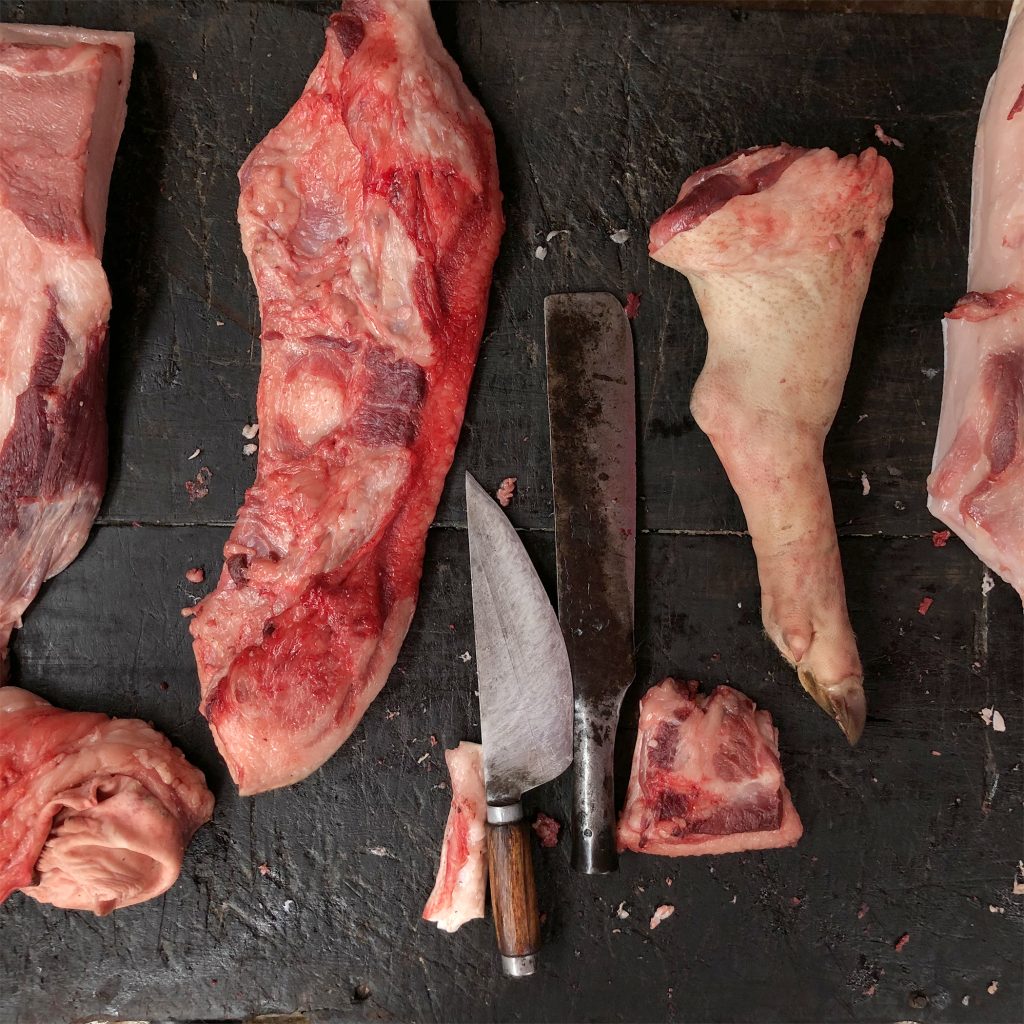
3.1 Pork and Pork By-products
-
Lard: Used in baking and frying.
-
Gelatin: Common in desserts, capsules, and some processed foods.
-
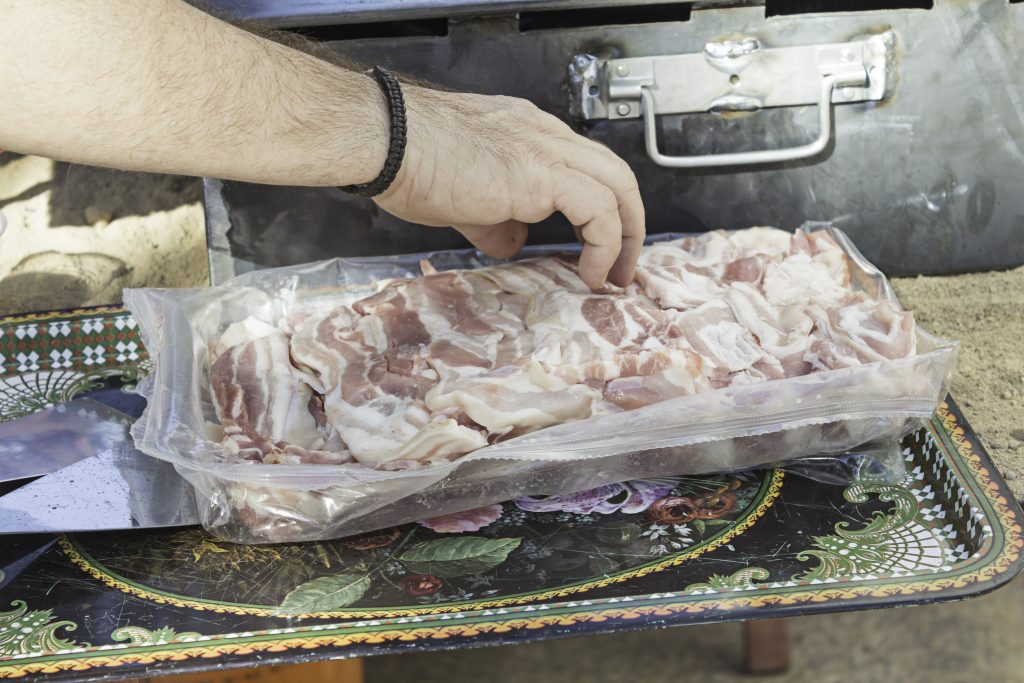
Processed Foods: Sausages, bacon bits, and some soups may include pork derivatives.
3.2 Non-Zabiha Meat
-
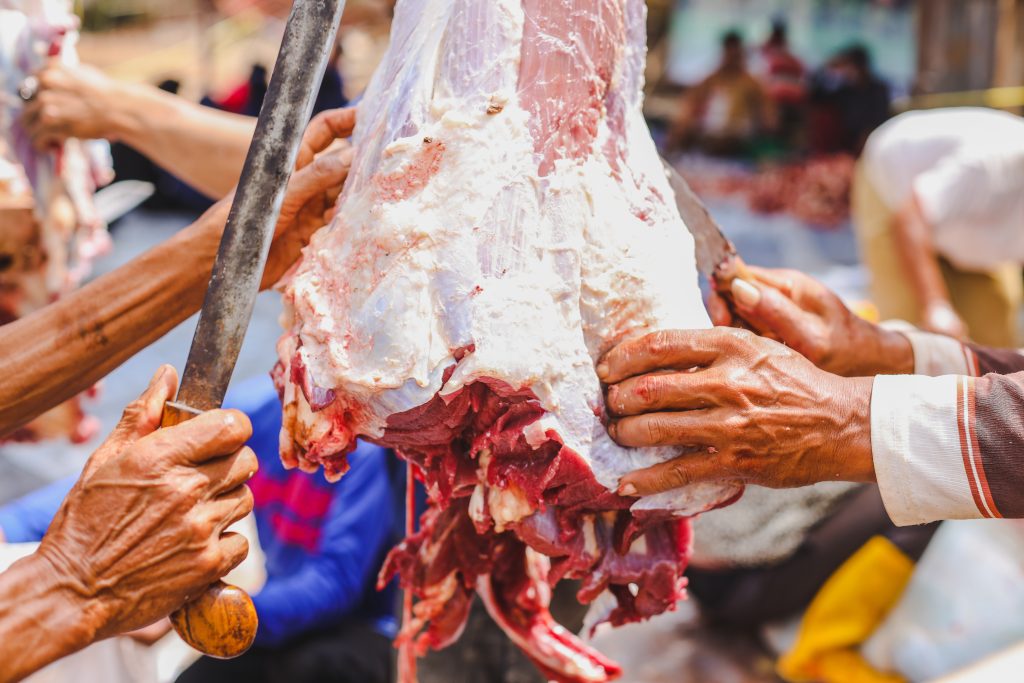
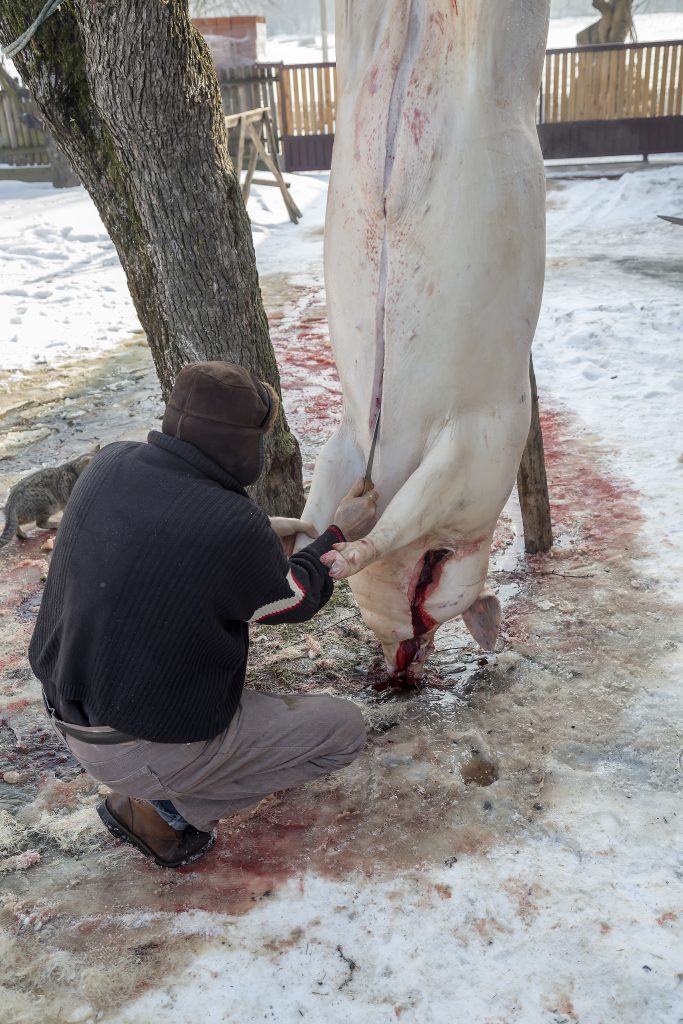
Animals not slaughtered according to Islamic law.
-
Meat from non-halal animals or improperly slaughtered halal animals.
3.3 How to Ensure Compliance
-
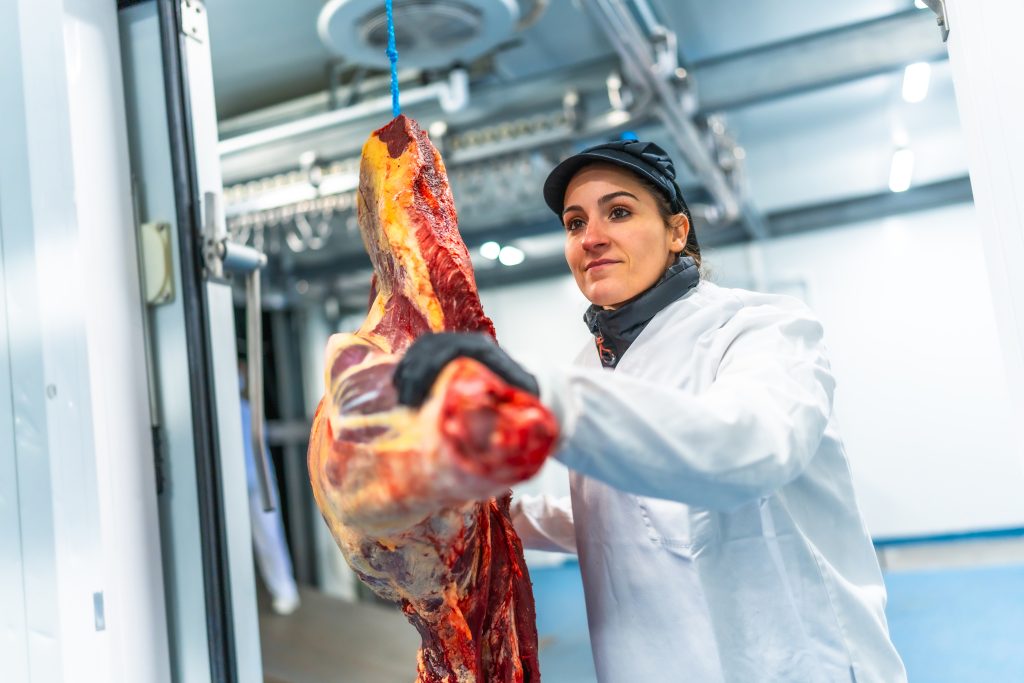
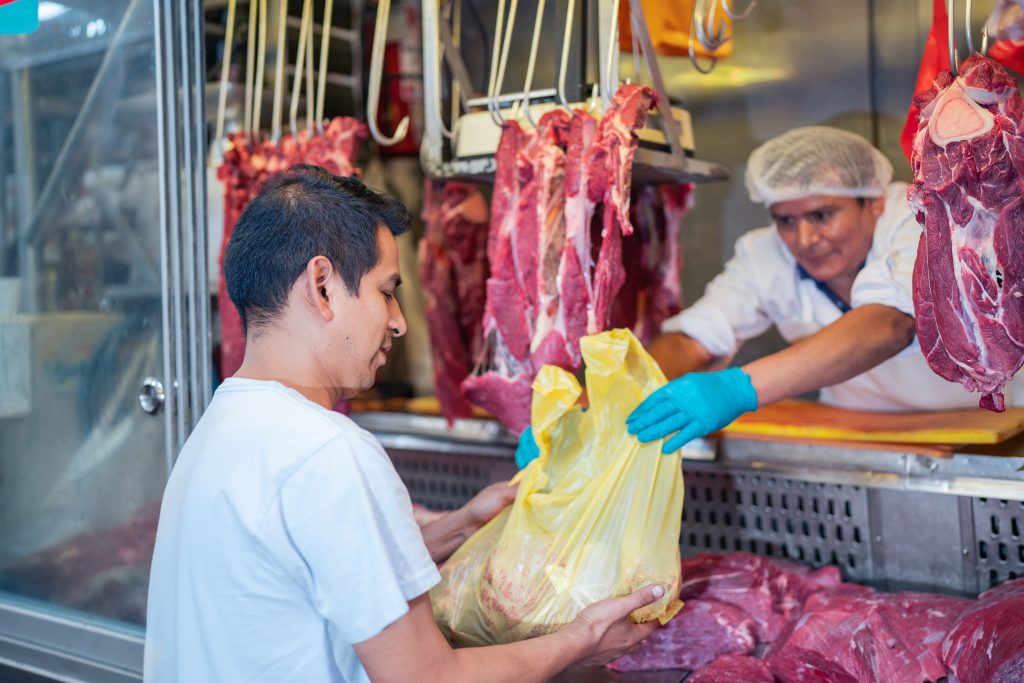
Always use Zabiha-certified meat, like that provided by Zabiha Farms.
-
Check all meat-based ingredients in processed or frozen foods.
4. Hidden Haram Ingredients in Cooking
Even seemingly harmless ingredients may be haram:
-
Enzymes and Emulsifiers: Used in baked goods and cheeses; sometimes animal-derived.
-
Flavorings: Some sauces, seasonings, or bouillons may contain alcohol or non-halal meat extracts.
-
Food Coloring: Carmine (from insects) or other additives may be haram.
Tip: Look for halal-certified products and plant-based alternatives whenever possible.
5. Alcohol in Cooking: Does it Cook Out?
A common misconception is that cooking alcohol removes it entirely.
-
Fact: Alcohol does not fully evaporate during cooking; traces remain depending on temperature, time, and method.
-
Islamic Perspective: Even trace amounts can render food haram.
-
Practical Advice: Avoid using alcoholic ingredients altogether. Substitute with halal alternatives.
6. Halal Substitutes for Alcohol in Cooking
-
Wine or Beer: Replace with grape juice, pomegranate juice, or halal cooking wine.
-
Vanilla Extract: Use alcohol-free vanilla extract or natural flavoring.
-
Vinegar: Use apple cider vinegar, lemon juice, or naturally fermented halal vinegar.
-
Liqueurs or Syrups: Replace with fruit syrups or plant-based flavorings.
These alternatives maintain flavor without compromising halal standards.
7. Cooking Practices for Halal Meals
-
Plan Ingredients Ahead: Ensure all components are halal.
-
Check Labels: Verify sauces, flavorings, and processed foods for alcohol or forbidden ingredients.
-
Use Halal Meat: Prefer Zabiha-certified meats for all dishes.
-
Avoid Cross-Contamination: Keep utensils, cutting boards, and cookware separate for halal and non-halal ingredients.
-
Teach Family and Staff: Ensure everyone preparing food understands halal requirements.
Following these practices ensures meals are ethically, spiritually, and physically safe.
8. Desserts and Baking
-
Common Issues: Gelatin, lard, and alcohol-based extracts.
-
Halal Alternatives: Agar-agar, pectin, halal-certified gelatin, and alcohol-free flavorings.
-
Importance: Even desserts must adhere to halal principles to be fully permissible.
9. Dining Out or Ordering Takeout
-
Ask about meat sources and cooking methods.
-
Avoid dishes with wine, beer, or non-halal sauces.
-
Look for halal-certified restaurants or trusted suppliers.
Even one ingredient can make a dish haram, so vigilance is key.
10. Benefits of Avoiding Alcohol and Forbidden Foods
-
Spiritual Compliance: Upholds faith and obedience to Allah.
-
Health Advantages: Many haram ingredients, like excessive alcohol or processed pork products, can harm health.
-
Ethical Responsibility: Promotes humane and ethical consumption.
-
Peace of Mind: Confidently consuming food that is halal and tayyib.
By avoiding alcohol and forbidden foods, cooking becomes a spiritual act of worship and ethical living.
11. Practical Tips for Daily Cooking
-
Use Halal Meat Only: Prefer Zabiha-certified sources.
-
Read Labels Carefully: Check for hidden alcohol, gelatin, or lard.
-
Choose Halal Flavors and Extracts: Ensure all flavorings and additives are halal.
-
Substitute Wisely: Use plant-based or halal-certified alternatives.
-
Teach and Educate: Spread awareness of halal cooking practices among family and staff.
12. Conclusion
Cooking halal meals is a responsibility, a spiritual practice, and an ethical duty. Avoiding alcohol and forbidden foods ensures that meals are:
-
Faithful to Islamic dietary laws
-
Wholesome, safe, and tayyib
-
Ethically sourced and prepared
Key steps include:
-
Using Zabiha-certified meat
-
Avoiding alcohol in sauces, marinades, and desserts
-
Checking labels for hidden haram ingredients
-
Substituting with halal alternatives
By adhering to these principles, Muslims can enjoy delicious, ethical, and spiritually compliant meals, whether cooking at home, catering, or dining out. Halal cooking is not just about avoiding forbidden foods—it is about mindfulness, gratitude, and ethical responsibility in every dish.