
























How to Verify Halal Certification: Ensuring Halal and Tayyib Food


For Muslims, consuming halal food is a fundamental aspect of faith. However, with processed foods, imported products, and restaurant meals, ensuring that food is genuinely halal can be challenging. Halal certification provides assurance that products meet Islamic dietary standards, but verifying its authenticity is equally important.
This guide explores what halal certification is, how to verify it, and practical tips for daily life.
1. What is Halal Certification?
-
Definition: Halal certification is a formal process through which a recognized authority verifies that a product, ingredient, or service complies with Islamic law.
-
Scope: It covers meat, poultry, dairy, beverages, snacks, pharmaceuticals, cosmetics, and even restaurants.
-
Purpose: Ensures that products are:
-
Halal: Lawful for Muslims to consume.
-
Tayyib: Pure, wholesome, and ethically sourced.
-
Ethically and Hygienically Prepared: Complies with hygiene and ethical guidelines in production.
-
Certified halal products provide trust and peace of mind for consumers.
2. Why Verifying Halal Certification is Important
Not all halal labels are reliable. Verification is essential because:
-
Fraudulent Labels: Some products may falsely claim halal compliance.
-
Imported Products: Certification standards may differ by country.
-
Processed Foods: Hidden ingredients like gelatin, enzymes, or alcohol may not comply.
-
Restaurants & Food Services: Claims of halal may not follow proper slaughter or sourcing practices.
Verifying halal certification ensures that faith, ethics, and dietary standards are upheld.
3. Recognized Halal Certification Authorities
-
Local Halal Authorities: Many countries have government-approved halal boards or councils.
-
International Halal Certification Bodies: Examples include:
-
JAKIM (Malaysia)
-
HFA (Halal Food Authority, UK)
-
IFANCA (Islamic Food and Nutrition Council of America, USA)
-
HCA (Halal Certification Authority, UAE)
-
-
Trusted Brands: Look for products certified by these authorities.
Tip: Recognized certification ensures compliance with international halal standards.
4. Steps to Verify Halal Certification
4.1 Check the Logo
-
Look for a halal logo from a recognized authority.
-
Confirm that the logo is current and legitimate, not outdated or altered.
4.2 Read the Certificate Details
-
Certificates usually include:
-
Name of the certifying body
-
Product or brand name
-
Validity period
-
Scope of certification (meat, processed foods, restaurant, etc.)
-
4.3 Verify Online
-
Many halal authorities have online verification tools.
-
Enter the certificate number or product name to confirm authenticity.
4.4 Contact the Certifying Body
-
If in doubt, contact the certification authority directly for verification.
-
Ask about the scope of certification and compliance checks.
4.5 Verify Ingredients
-
Check the ingredient list to ensure it aligns with halal standards.
-
Be cautious with gelatin, enzymes, emulsifiers, and flavorings—even certified products may vary.
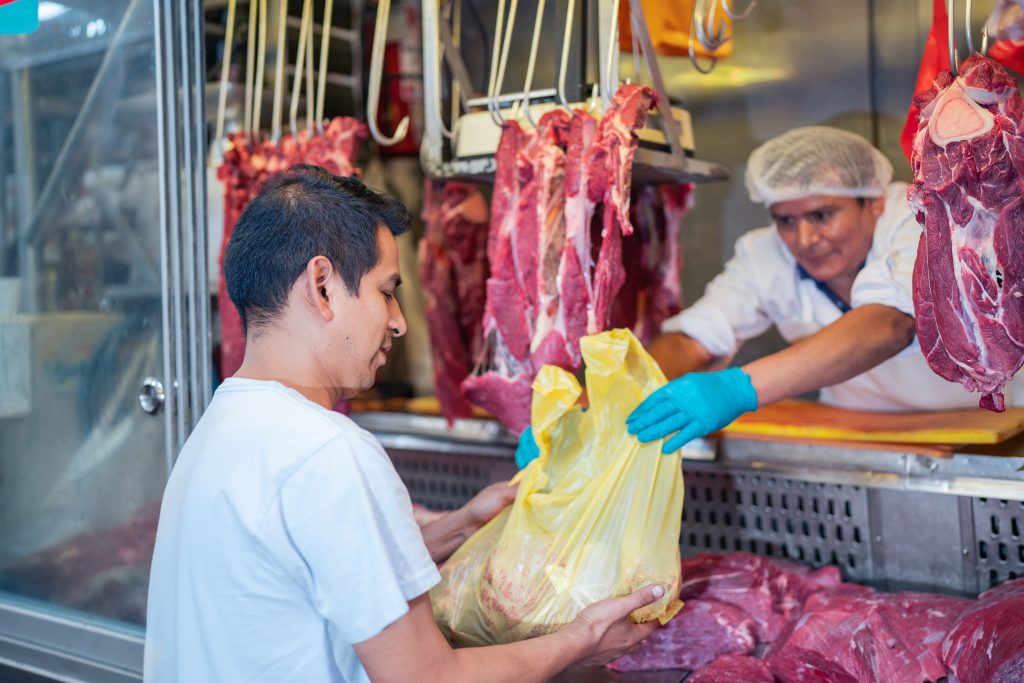
5. Halal Certification in Meat and Poultry
-
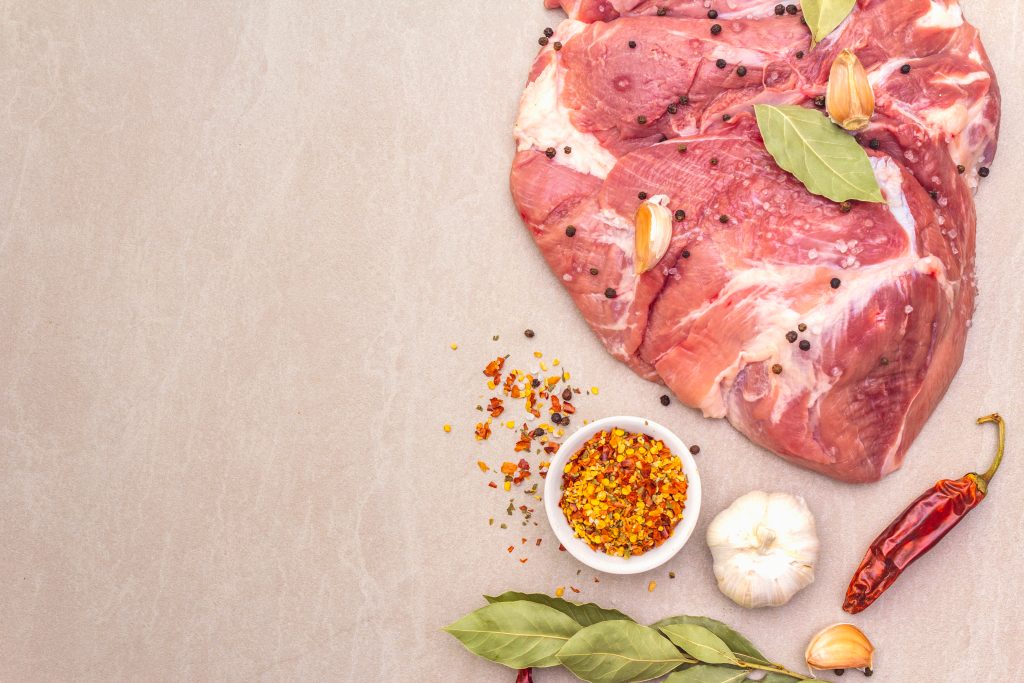
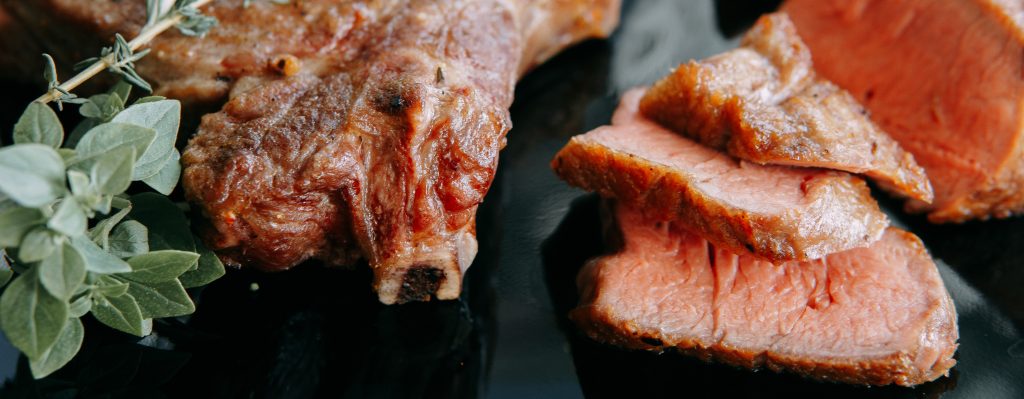
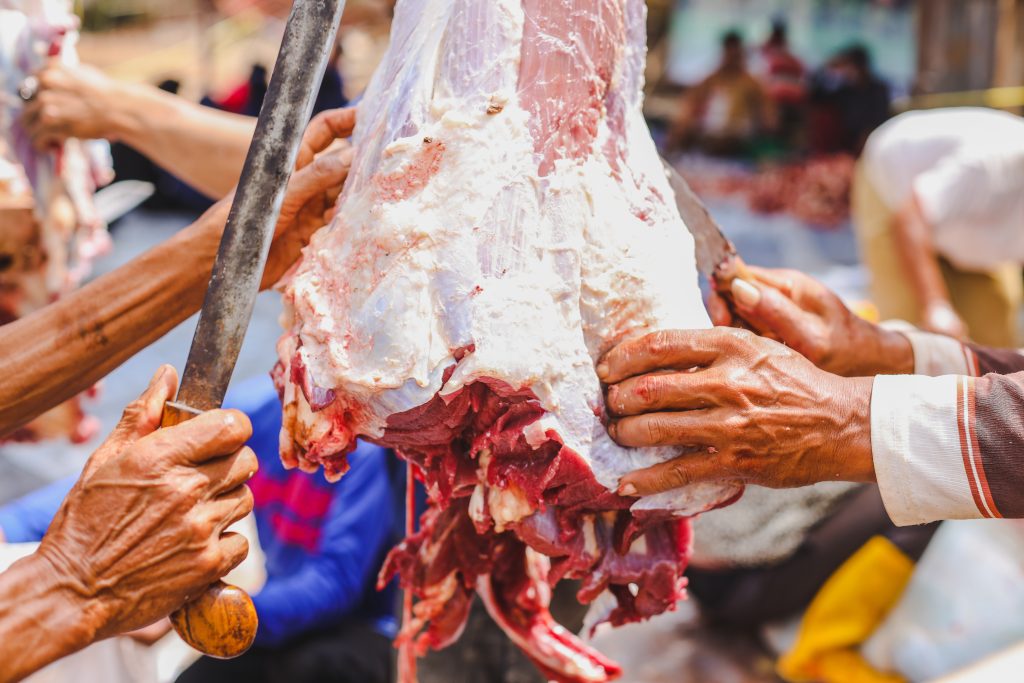
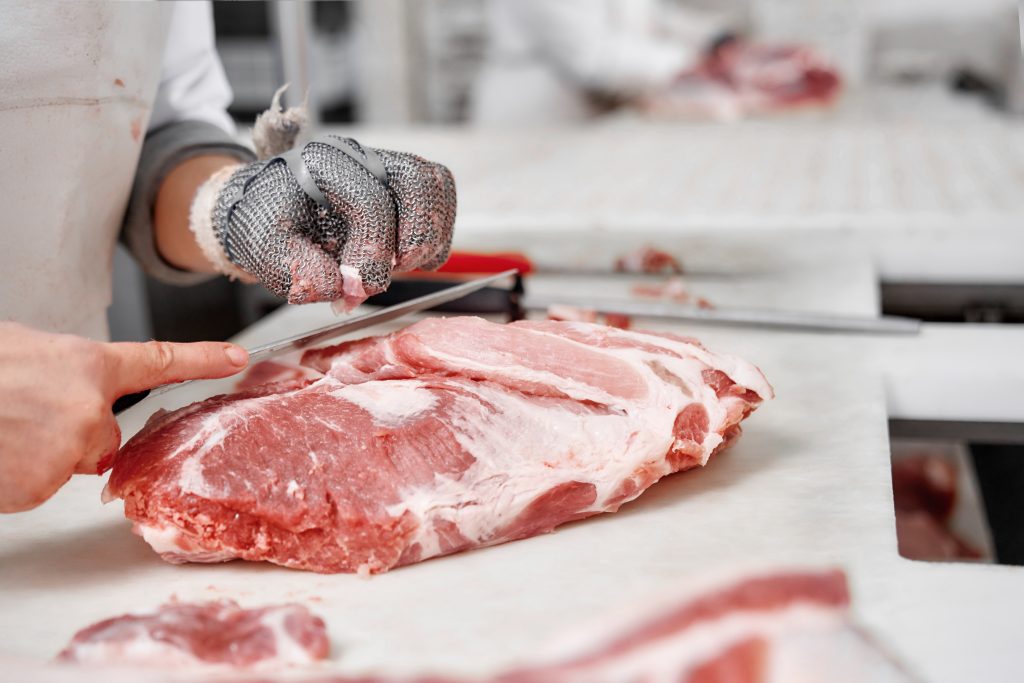
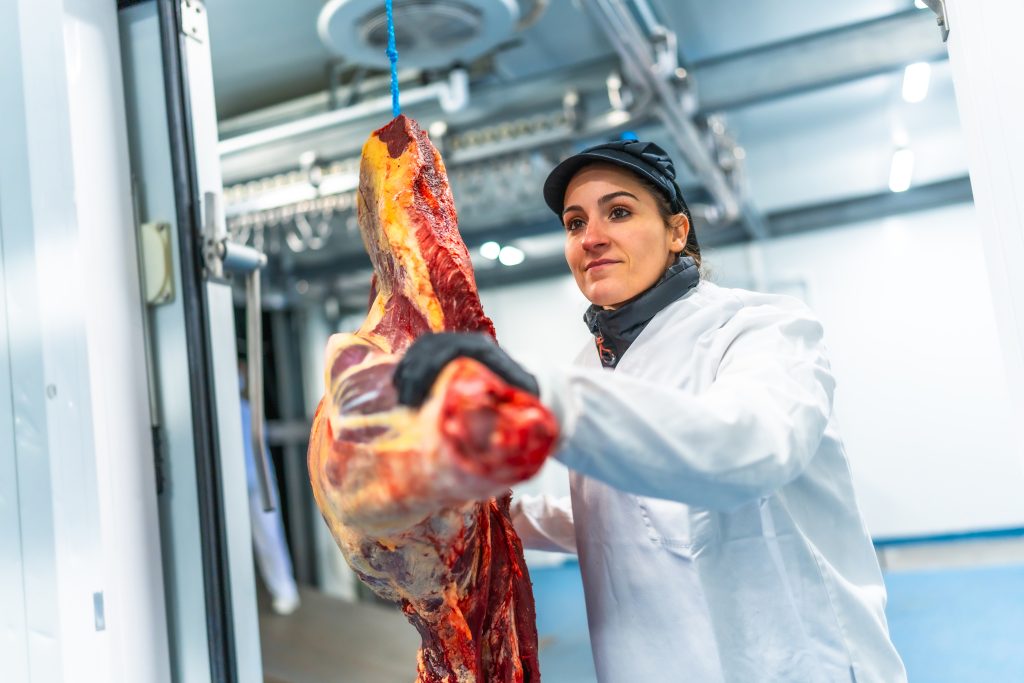
Zabiha Meat: Halal certification ensures proper slaughter according to Islamic law, humane treatment, and ethical sourcing.
-
Check for:
-
Certification number and expiry date
-
Name of the certifying authority
-
Compliance with Zabiha standards (Bismillah, swift slaughter, humane handling)
-
-
Trusted Suppliers: Purchase meat from reputable sources like Zabiha Farms, which provide both halal certification and ethical sourcing.
6. Halal Certification in Processed Foods
-
Challenge: Processed foods may contain hidden haram ingredients.
-
Verification Tips:
-
Ensure the certification is issued by a recognized authority.
-
Cross-check the scope of certification (e.g., does it cover all ingredients?).
-
Look for products labeled “halal certified” or “100% halal”.
-
Avoid ambiguous claims without a recognizable halal logo.
-
7. Halal Certification in Restaurants
-
Verify Claims: Ask if the restaurant is officially certified by a halal authority.
-
Check the Certificate: Ensure it is visible, current, and authentic.
-
Ask About Meat Sources: Confirm if meat is Zabiha and ethically sourced.
-
Cleanliness and Preparation: Ensure food preparation follows halal and hygiene practices.
8. Digital Tools for Verification
-
Official Websites: Many authorities provide online halal product databases.
-
Mobile Apps: Some apps help verify halal products by scanning barcodes or logos.
-
Social Media and Reviews: Check for reviews, but always confirm with the certifying authority.
9. Red Flags to Watch For
-
Unrecognized Logos: Unfamiliar symbols may indicate unauthorized claims.
-
Expired Certificates: Always check the validity period.
-
Ambiguous Labeling: Terms like “halal-style” or “halal-friendly” may not be fully compliant.
-
Hidden Ingredients: Even certified products may require ingredient verification, especially for gelatin, enzymes, or emulsifiers.
10. Practical Tips for Consumers
-
Always Look for Certification Logos: Prefer products certified by recognized halal authorities.
-
Verify Online: Use official portals to confirm authenticity.
-
Check Ingredients: Even certified products should be free from alcohol, pork, or non-halal derivatives.
-
Buy from Trusted Suppliers: Choose reputable halal brands and suppliers, such as Zabiha Farms for meat.
-
Stay Updated: Halal certification can expire; always check the validity and updates.
11. Benefits of Verifying Halal Certification
-
Spiritual Assurance: Confirms compliance with Islamic dietary laws.
-
Health and Safety: Halal-certified products are ethically sourced and hygienically prepared.
-
Ethical Consumption: Supports humane and sustainable farming and production.
-
Peace of Mind: Ensures confidence when consuming packaged foods, dining out, or buying imported products.
12. Conclusion
Halal certification is essential for Muslims seeking faithful, ethical, and wholesome food. However, simply seeing a halal label is not enough. Verification ensures:
-
Authenticity of the certification
-
Compliance with halal and tayyib standards
-
Ethical sourcing and proper handling
Key steps include:
-
Checking logos, certificates, and expiration dates
-
Using online verification tools or contacting authorities
-
Confirming ingredients, meat sources, and preparation methods
By following these steps, Muslims can confidently consume halal and tayyib foods, enjoy peace of mind, and uphold Islamic dietary principles. Trusted sources like Zabiha Farms simplify this process, offering certified, ethically sourced, and wholesome meat for mindful and faithful consumption