






































Common Haram Ingredients to Avoid: A Guide for Halal Consumers

Following halal dietary laws requires more than simply choosing halal-labeled meat. Many processed foods, sauces, snacks, and beverages contain hidden ingredients that may render them haram (forbidden). Understanding these ingredients helps Muslims make informed choices, protect their faith, and maintain a healthy lifestyle.
This blog explores common haram ingredients, why they are forbidden, and tips for avoiding them in daily consumption.
1. What Does Haram Mean?
-
Literal Meaning: Haram is an Arabic term meaning forbidden or unlawful according to Islamic law (Shariah).
-
Scope: It applies to food, drink, behavior, finance, and more.
-
Dietary Relevance: Consuming haram foods violates Islamic dietary laws and can affect both spiritual and physical well-being.
It’s essential to identify hidden haram ingredients, especially in processed and packaged foods.
2. Alcohol and Alcohol-Derived Ingredients
-
Direct Alcohol: Any beverage containing alcohol, including wine, beer, and spirits, is haram.
-
Food Additives from Alcohol: Some flavorings, extracts, and sauces may contain alcohol (e.g., vanilla extract, certain soy sauces).
-
Tips to Avoid:
-
Look for alcohol-free or halal-certified labels.
-
Read ingredients carefully; check for ethanol or other alcohol derivatives.
-
Even small amounts of alcohol can render a food item haram, so vigilance is essential.
3. Pork and Pork Byproducts
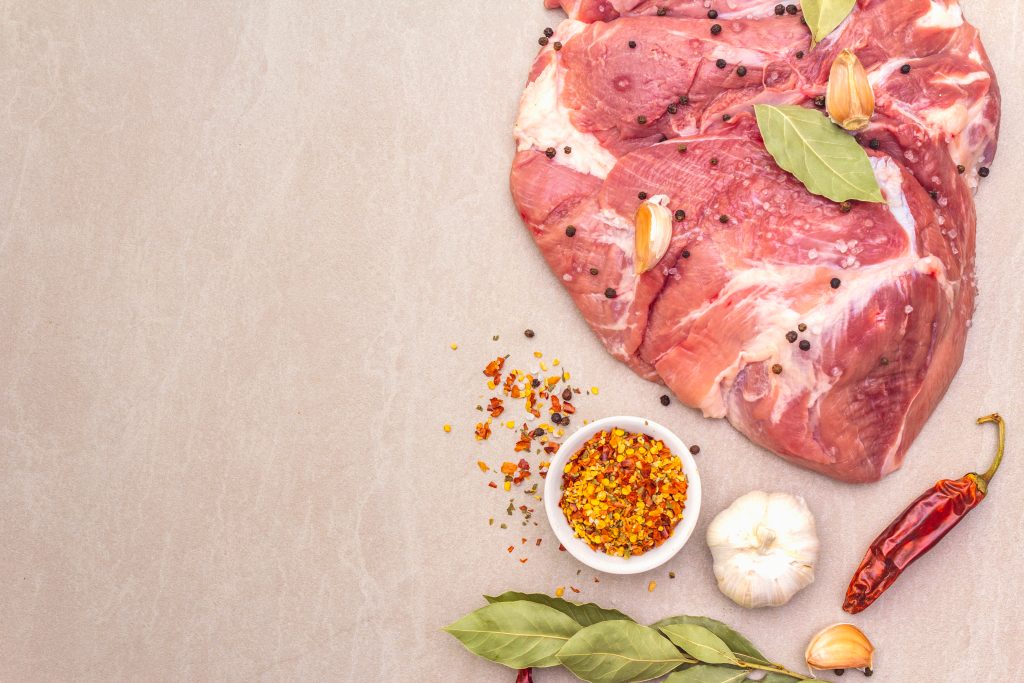
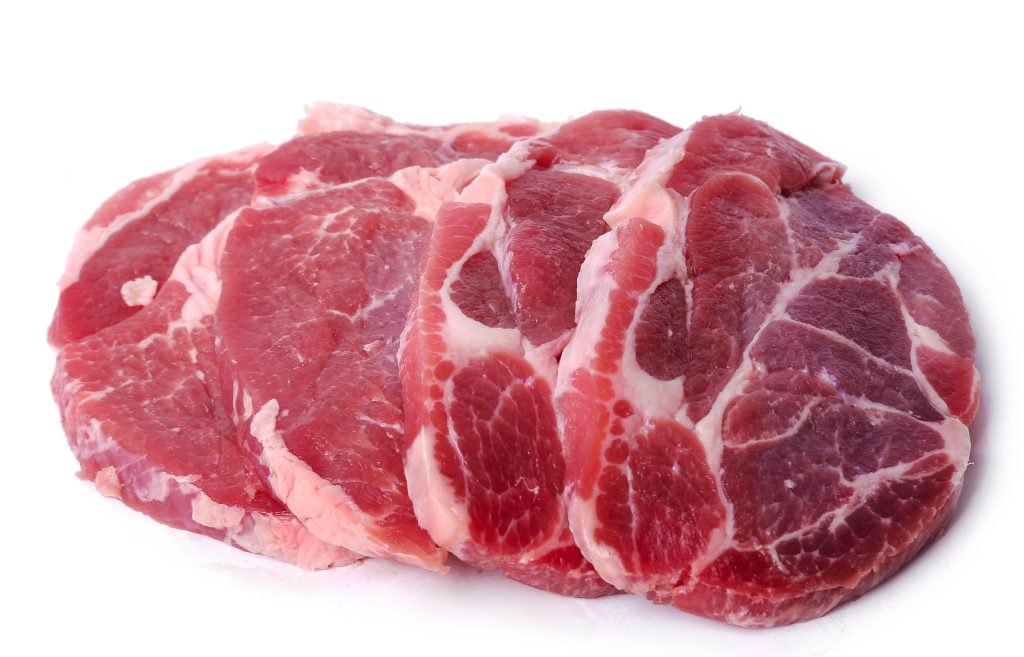
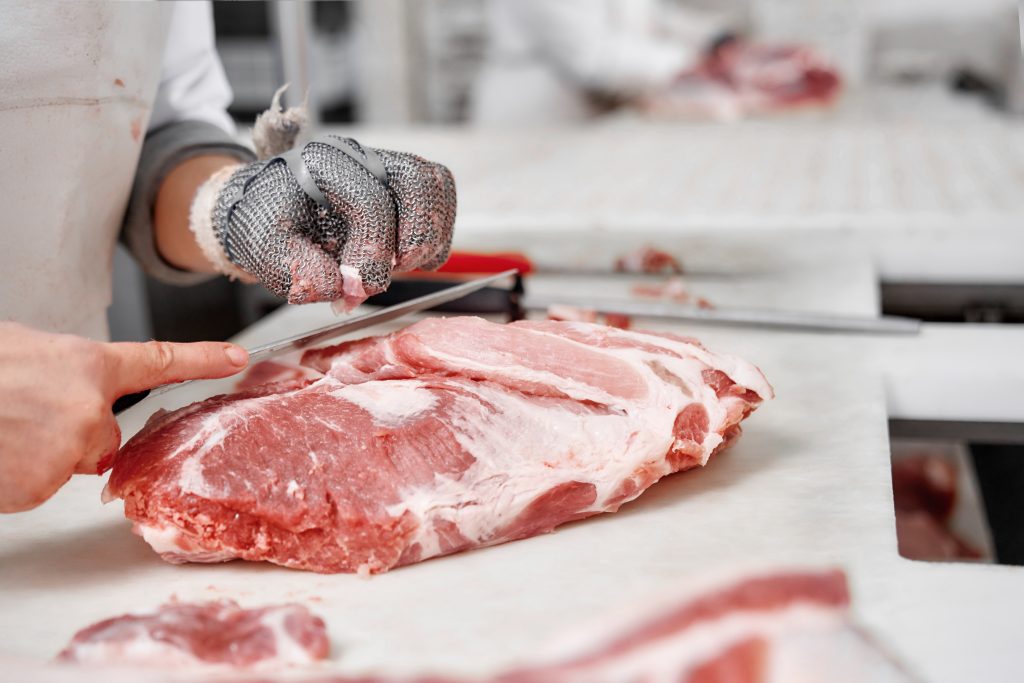
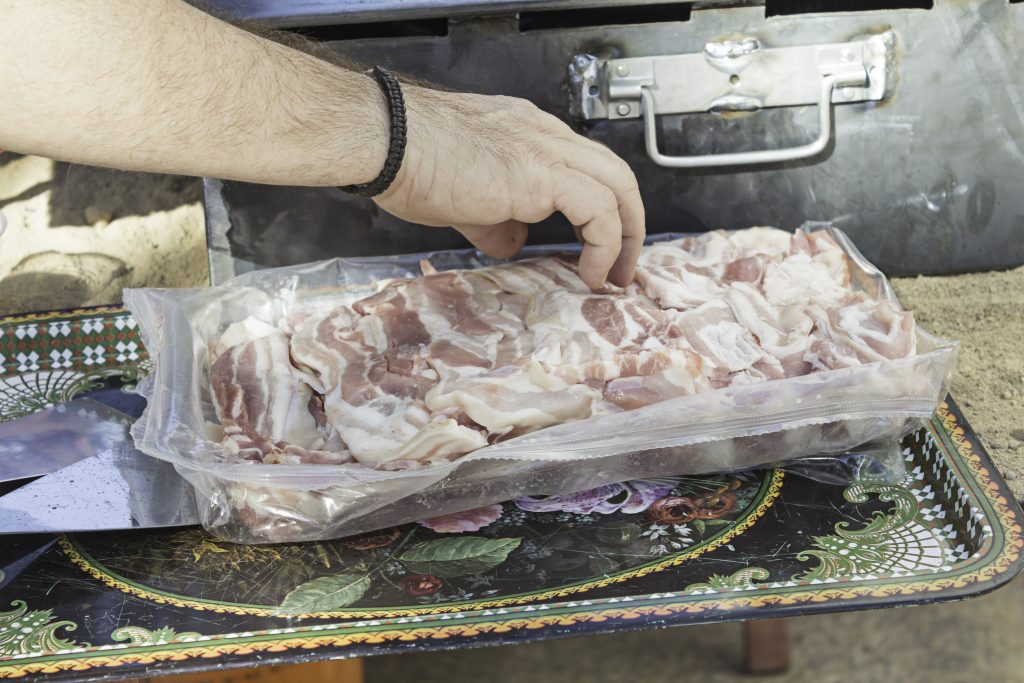
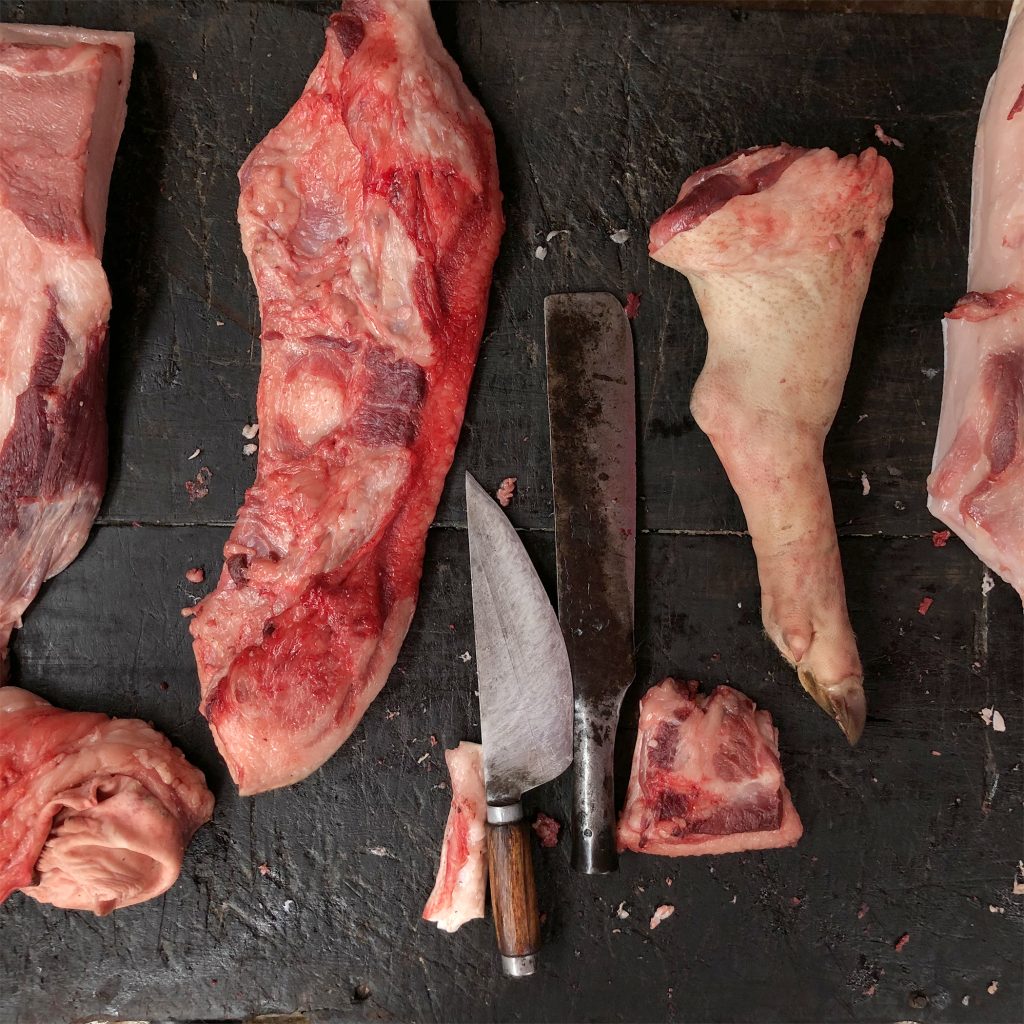
Pork and its derivatives are strictly forbidden in Islam. Common hidden sources include:
-
Gelatin: Often made from pork skin and used in gummies, marshmallows, capsules, and desserts.
-
Lard: Used in baking, frying, or as a shortening.
-
Enzymes and Flavorings: Some flavorings, emulsifiers, or enzymes in processed foods may come from pigs.
Tips to Avoid:
-
Look for gelatin-free or halal-certified alternatives.
-
Avoid products listing lard or unspecified enzymes.
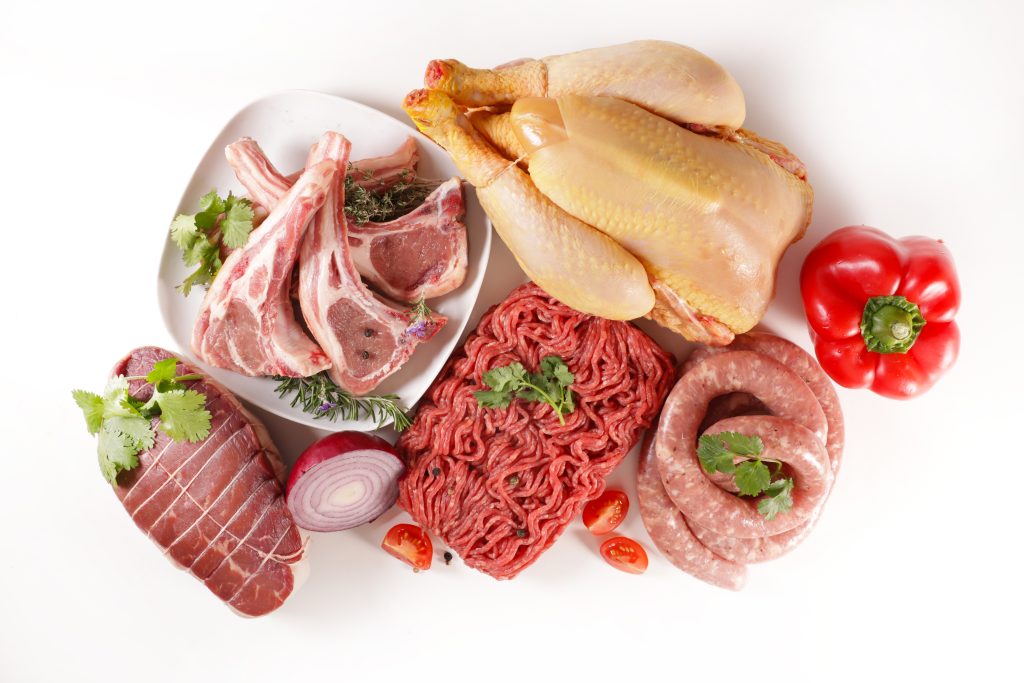
4. Non-Halal Meat and Meat Byproducts
-
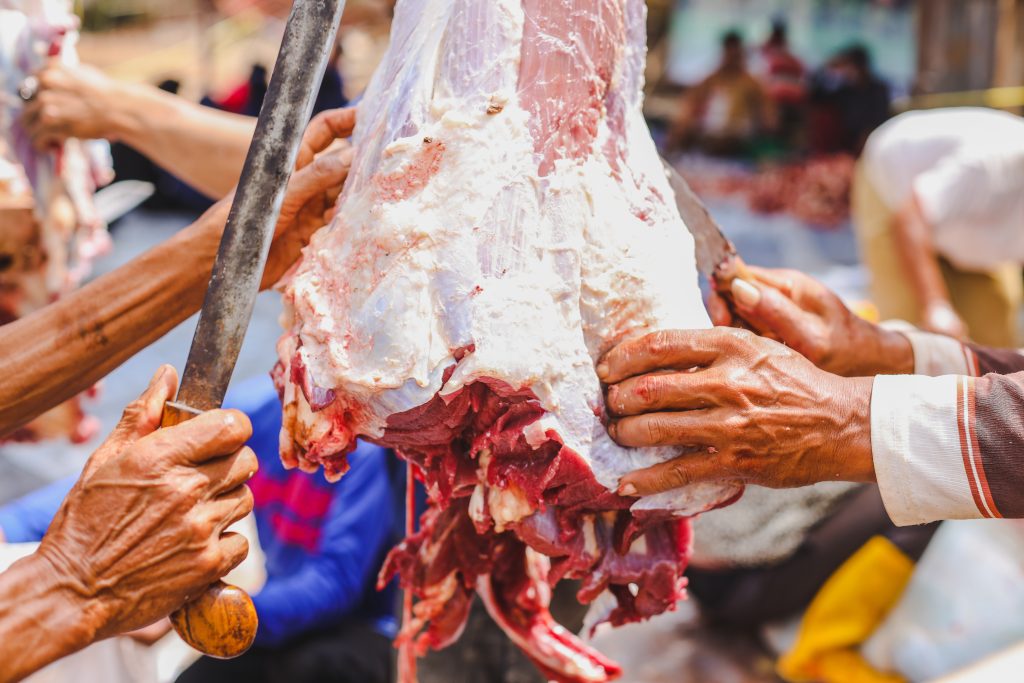
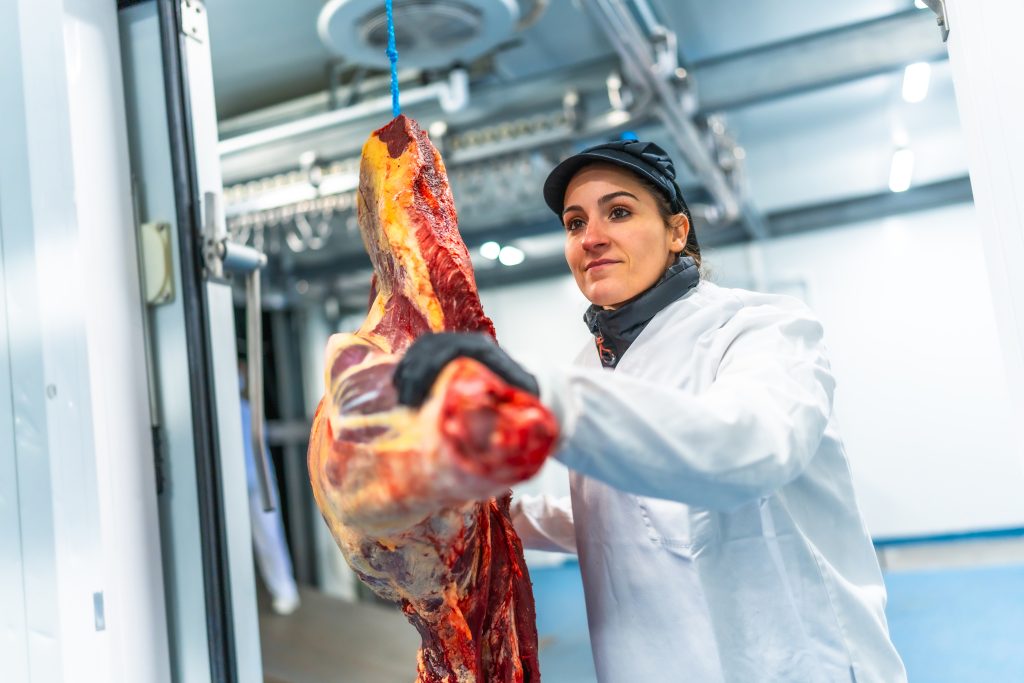
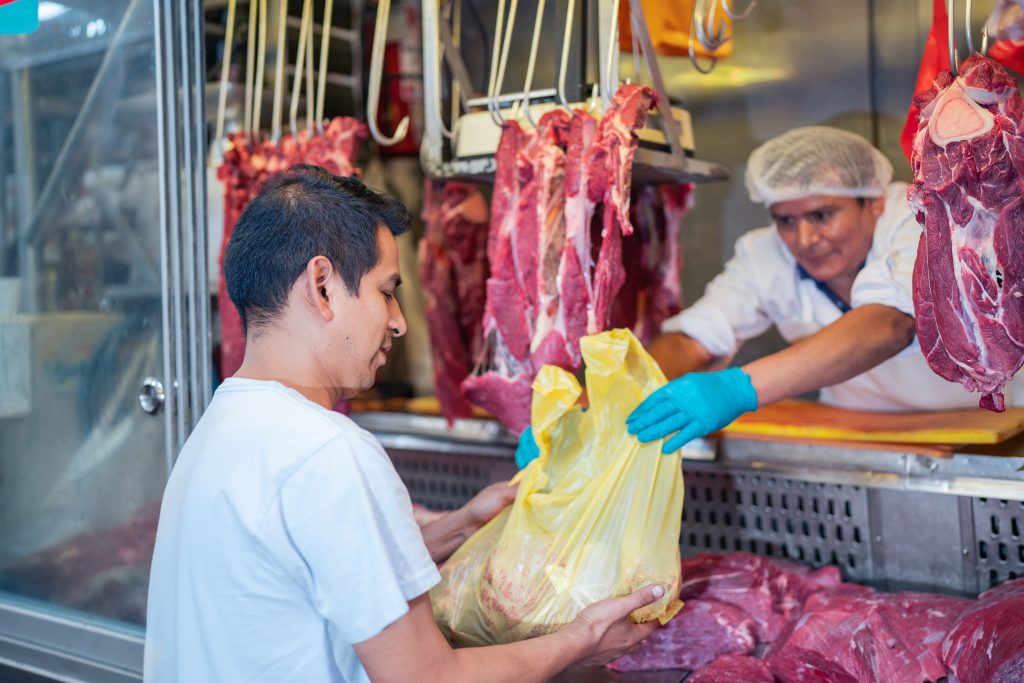
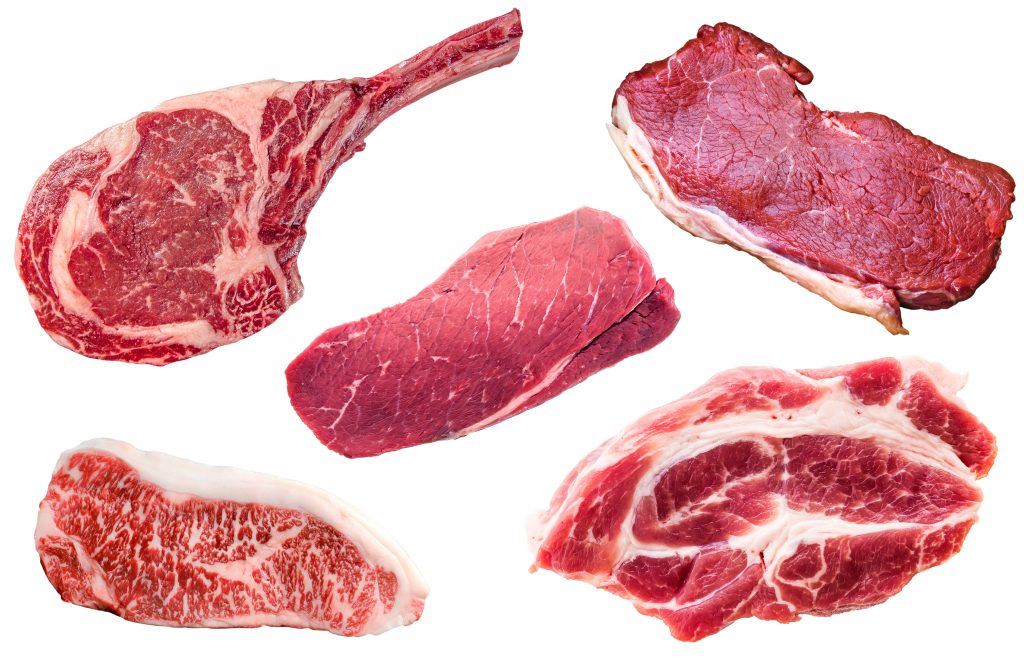
Improperly Slaughtered Meat: Animals not slaughtered according to Islamic law (Zabiha) are haram.
-
Meat Extracts: Broths, bouillons, and soups may contain non-halal meat.
-
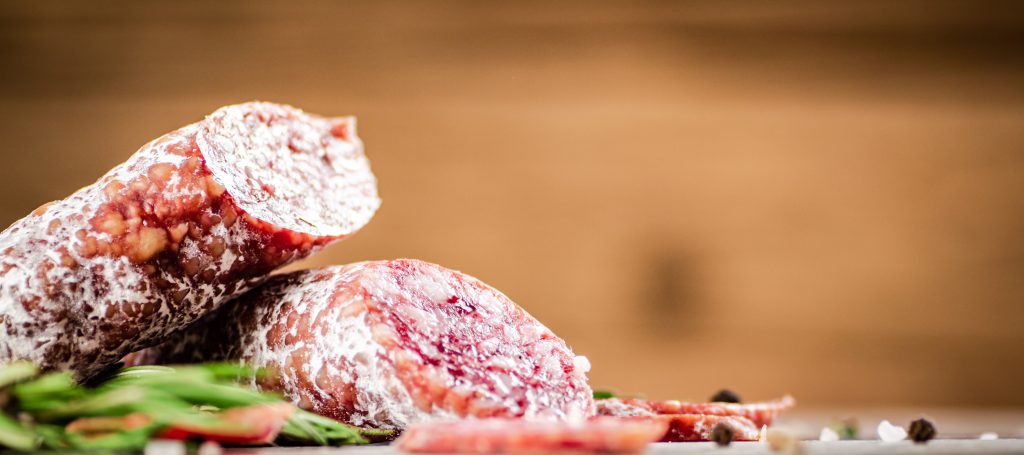
Processed Meats: Sausages, hot dogs, or deli meats may include pork or non-halal beef/chicken.
Tips to Avoid:
-
Choose halal-certified or Zabiha meat.
-
Check labels for the source of meat or meat derivatives.
5. Enzymes, Emulsifiers, and Stabilizers
Certain additives in processed foods can be haram depending on their source:
-
Enzymes: Used in cheese, bread, or dairy processing; may come from pigs or non-halal animals.
-
Emulsifiers: Mono- and diglycerides can be derived from animal fats.
-
Stabilizers and Gelling Agents: Some are animal-based.
Tips to Avoid:
-
Look for plant-based or halal-certified alternatives.
-
Research additives that are derived from animal sources.
6. Gelatin in Snacks, Desserts, and Capsules
Gelatin is one of the most common hidden haram ingredients:
-
Sources: Usually pork, but sometimes non-halal beef.
-
Common Foods: Gummies, marshmallows, jelly, yogurt, capsules, and some desserts.
-
Alternatives: Agar-agar, pectin, or halal-certified gelatin.
Always verify the source of gelatin before consuming.
7. Food Colorings and Flavorings
Some artificial colors and flavorings are haram if derived from prohibited sources:
-
Red Coloring (Carmine or Cochineal): Made from insects; often used in beverages, candies, or desserts.
-
Meat-Derived Flavors: Some flavorings use non-halal animal fats or extracts.
Tips to Avoid:
-
Look for plant-based colors or natural flavorings.
-
Check for halal certification for processed foods.
8. Alcohol-Based Vinegars
-
Some vinegars are produced using alcohol fermentation.
-
Check labels for “malt vinegar” or fermented from alcohol sources.
Tips to Avoid:
-
Opt for halal-certified vinegar or naturally fermented alternatives like apple cider vinegar.
9. Common Processed Foods That May Contain Haram Ingredients
-
Bakery Products: Cakes, pastries, and bread may contain lard, non-halal gelatin, or enzymes.
-
Candies and Sweets: Gummies, marshmallows, and chocolates may contain gelatin.
-
Dairy Products: Cheese, creamers, and flavored yogurts may have animal-based enzymes.
-
Sauces and Dressings: Soy sauce, Worcestershire sauce, and flavorings may include alcohol or non-halal extracts.
-
Capsules and Supplements: Many capsules contain gelatin derived from pork or non-halal beef.
10. Tips for Halal-Conscious Consumers
-
Check for Halal Certification: Look for recognized halal logos on products.
-
Read Ingredient Labels Carefully: Identify hidden sources like gelatin, enzymes, lard, or alcohol.
-
Ask Questions: In restaurants or cafes, inquire about preparation and sources.
-
Use Trusted Brands: Purchase from halal-certified brands or suppliers.
-
Educate Yourself: Learn about common haram ingredients and plant-based alternatives.
Being vigilant helps ensure that food consumption is both halal and tayyib (pure and wholesome).
11. Benefits of Avoiding Haram Ingredients
-
Spiritual Compliance: Upholds faith and obedience to Allah.
-
Health Advantages: Avoids unhealthy or contaminated animal products.
-
Ethical Responsibility: Promotes humane and ethical consumption.
-
Peace of Mind: Eating halal food ensures conscious and mindful living.
Avoiding haram ingredients aligns with Islamic ethics, health consciousness, and spiritual well-being.
12. Conclusion
Muslims must be vigilant about hidden haram ingredients in daily food and drinks. Key points include:
-
Avoid alcohol, pork, and improperly sourced meat.
-
Check for gelatin, enzymes, emulsifiers, and flavorings derived from non-halal sources.
-
Choose halal-certified products, especially in processed foods.
-
Prioritize tayyib foods—wholesome, clean, and ethically sourced.
By understanding these ingredients and reading labels carefully, Muslims can ensure their diet is compliant with Islamic principles, healthy, and ethically responsible.
Adopting halal-conscious habits not only protects faith and spirituality but also encourages mindful, ethical, and healthful eating, making every meal a source of blessing and well-being.