

















































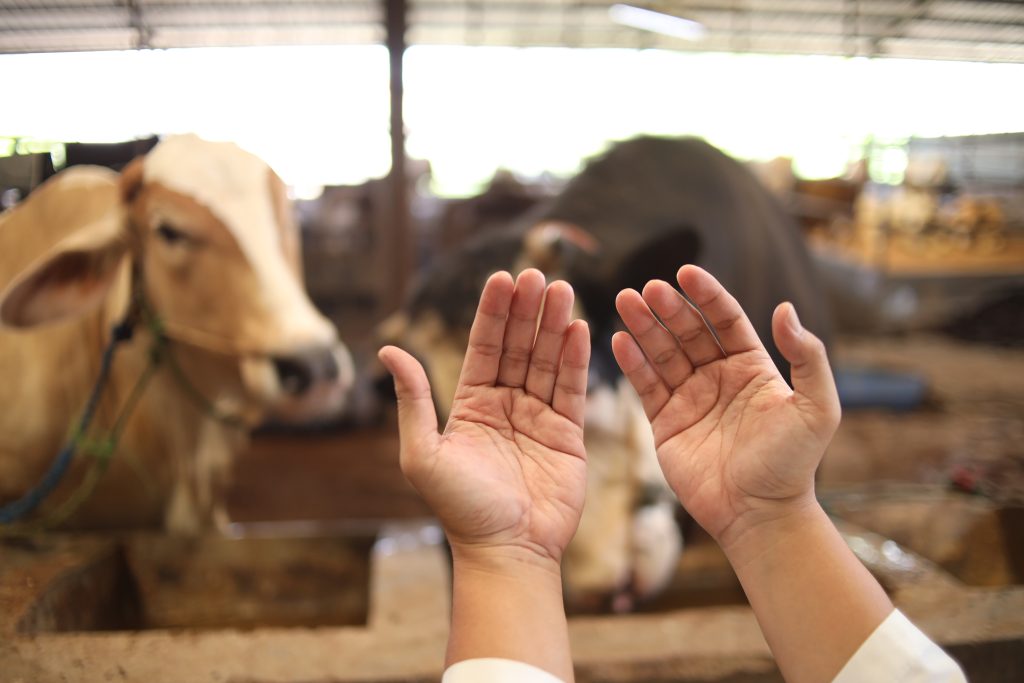











Eating Mindfully as per Islam: A Guide to Spiritual and Physical Well-being


Mindful eating is more than a modern wellness trend; in Islam, it is a Sunnah-based practice that encourages believers to consume food with awareness, gratitude, and moderation. Eating is not just a physical act but also a spiritual practice, connecting one with Allah, ethical principles, and personal health.
This blog explores the concept of mindful eating in Islam, Prophetic guidance, practical steps, and the benefits of following this approach.
1. The Concept of Mindful Eating in Islam
Mindful eating in Islam revolves around:
-
Awareness: Paying attention to what, how, and why you eat.
-
Moderation: Avoiding overindulgence and excessive consumption.
-
Gratitude: Recognizing that food is a blessing from Allah.
-
Ethical Consumption: Ensuring that food is halal, tayyib, and ethically sourced.
Islamic teachings emphasize that eating is a responsible act, not just a biological necessity.
2. Prophetic Guidance on Eating
The Prophet Muhammad ﷺ provided detailed instructions on eating habits, promoting mindfulness and moderation:
2.1 Start with Bismillah
-
Saying “Bismillah” before eating reminds believers that food is a gift from Allah.
-
Encourages spiritual awareness in every meal.
2.2 Eat Slowly and Chew Properly
-
The Prophet ﷺ encouraged chewing food thoroughly and eating at a moderate pace.
-
Benefits include better digestion, portion control, and appreciation of flavors.
2.3 Avoid Overeating
-
“A human being fills no worse vessel than his stomach. It is sufficient for the son of Adam to eat a few morsels to keep him going.” (Sunan Ibn Majah)
-
Eating moderately prevents health issues and promotes balance.
2.4 Share and Eat with Others
-
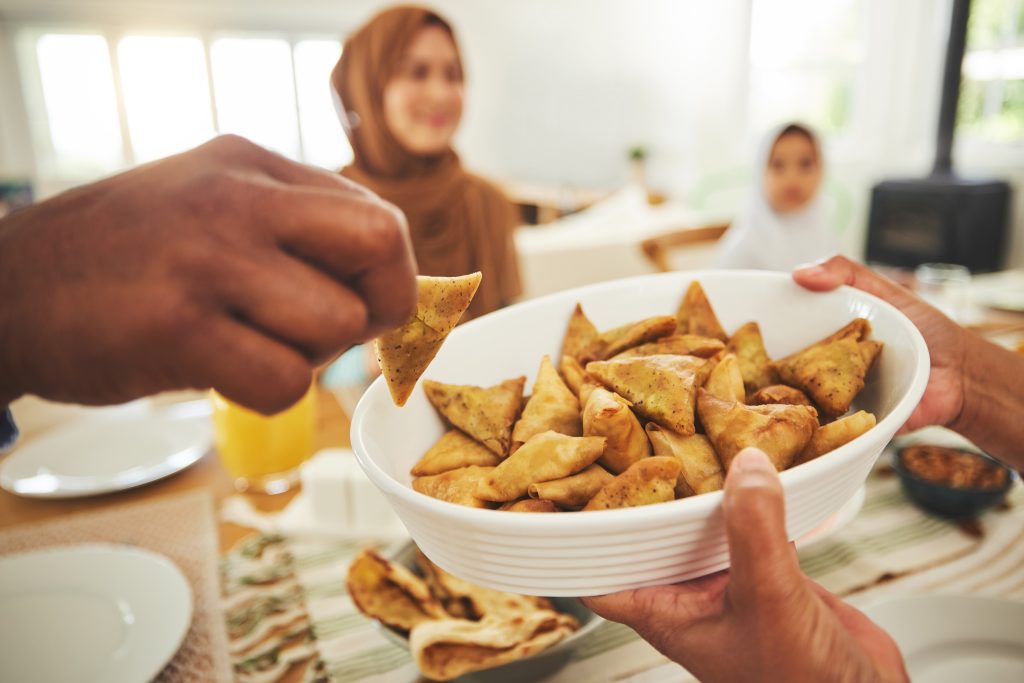
Eating with family or guests encourages gratitude, reflection, and social harmony.
-
Sharing food ensures mindfulness extends to community well-being.
3. Principles of Mindful Eating in Islam
-
Choose Halal and Tayyib Foods:
-
Ensure food is lawful, wholesome, and free from harm.
-
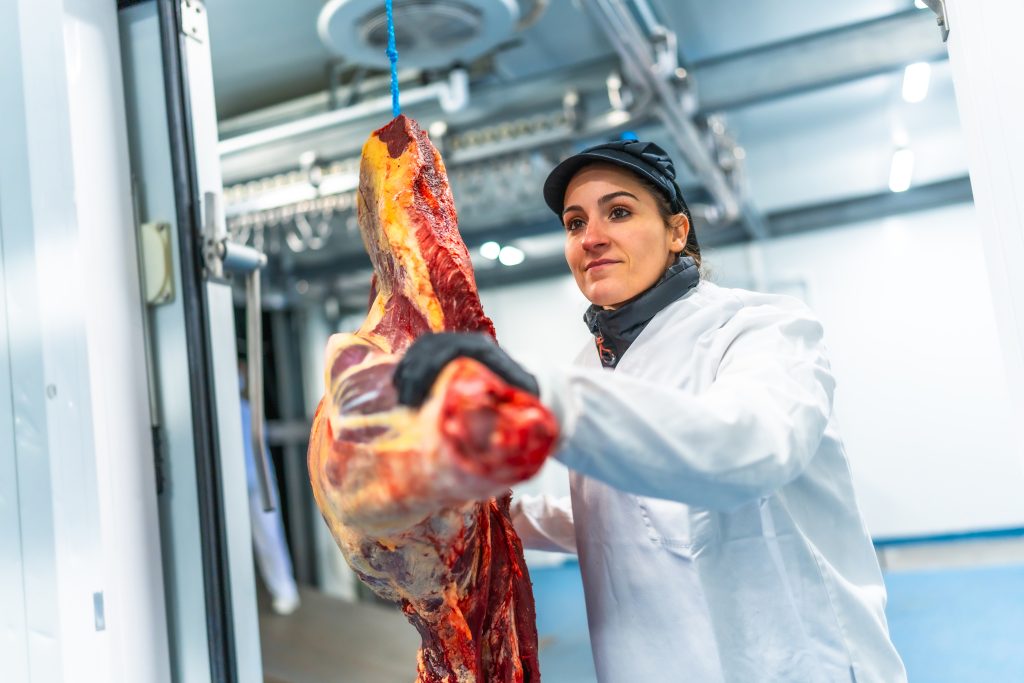
Zabiha meat is an excellent example of halal and ethically sourced protein.
-
-
Gratitude Before and After Eating:
-
Begin with Bismillah and end with Alhamdulillah.
-
Encourages conscious appreciation of every meal.
-
-
Moderation and Portion Control:
-
Fill only one-third of the stomach with food, one-third with water, and leave one-third empty.
-
Promotes physical and spiritual balance.
-
-
Avoid Wasting Food:
-
Take only what you can eat, store leftovers properly, and share surplus.
-
Aligns with ethical and sustainable living.
-
-
Eat with Clean Hands and a Clean Environment:
-
Hygiene is part of mindfulness, ensuring health and respect for the food.
-
4. Practical Steps for Eating Mindfully
4.1 Plan Your Meals
-
Choose balanced, nutrient-rich meals with halal protein, grains, vegetables, and healthy fats.
-
Plan portions to avoid overeating and wastage.
4.2 Minimize Distractions
-
Avoid eating while watching TV, scrolling on your phone, or working.
-
Focus on taste, texture, and aroma, enhancing the experience.
4.3 Appreciate Every Bite
-
Chew slowly and savor the flavors.
-
Reflect on how the food was sourced, prepared, and blessed.
4.4 Pause Between Bites
-
Allow the body to signal fullness to prevent overeating.
-
Promotes better digestion and mindful satisfaction.
4.5 Share Meals
-
Share portions with family, friends, or those in need.
-
Reinforces gratitude, empathy, and community connection.
5. Benefits of Mindful Eating According to Islam
5.1 Physical Health
-
Improved digestion and nutrient absorption.
-
Prevention of obesity, bloating, and overeating-related illnesses.
-
Better energy levels and metabolic function.
5.2 Spiritual Growth
-
Eating becomes an act of worship, connecting the believer with Allah.
-
Encourages reflection on gratitude, ethical sourcing, and responsible consumption.
5.3 Mental and Emotional Well-being
-
Reduces stress and anxiety related to food choices.
-
Promotes contentment and satisfaction with meals.
5.4 Ethical and Social Responsibility
-
Mindful consumption encourages sharing, avoiding waste, and supporting ethical farming.
-
Reinforces the principles of halal and tayyib in daily life.
6. Incorporating Zabiha Meat in Mindful Eating
Zabiha meat perfectly aligns with Islamic principles of mindful eating:
-
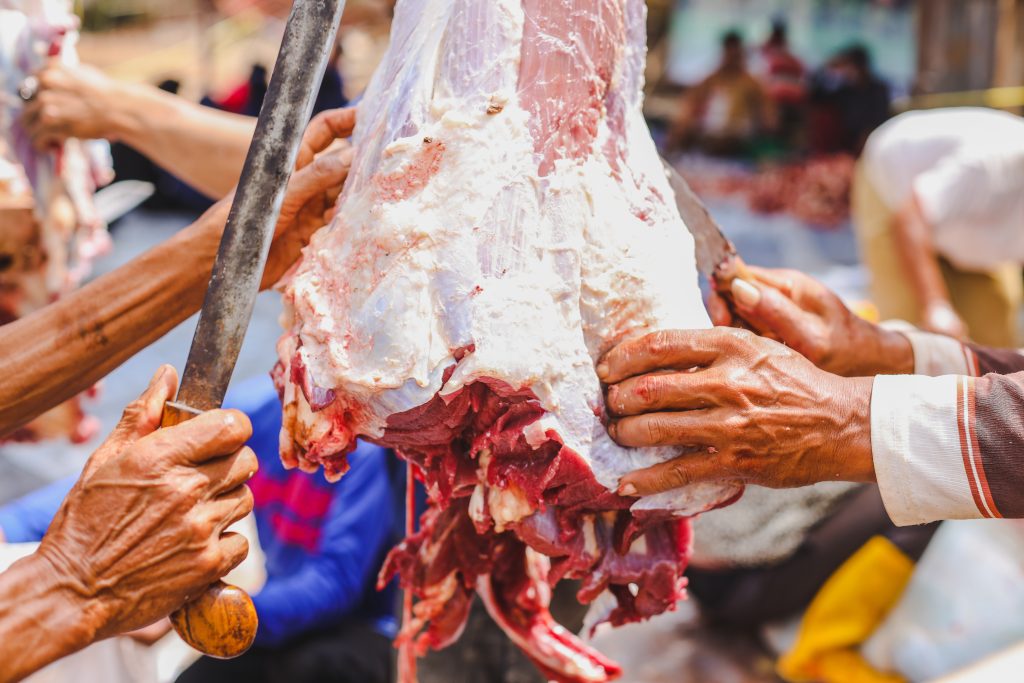
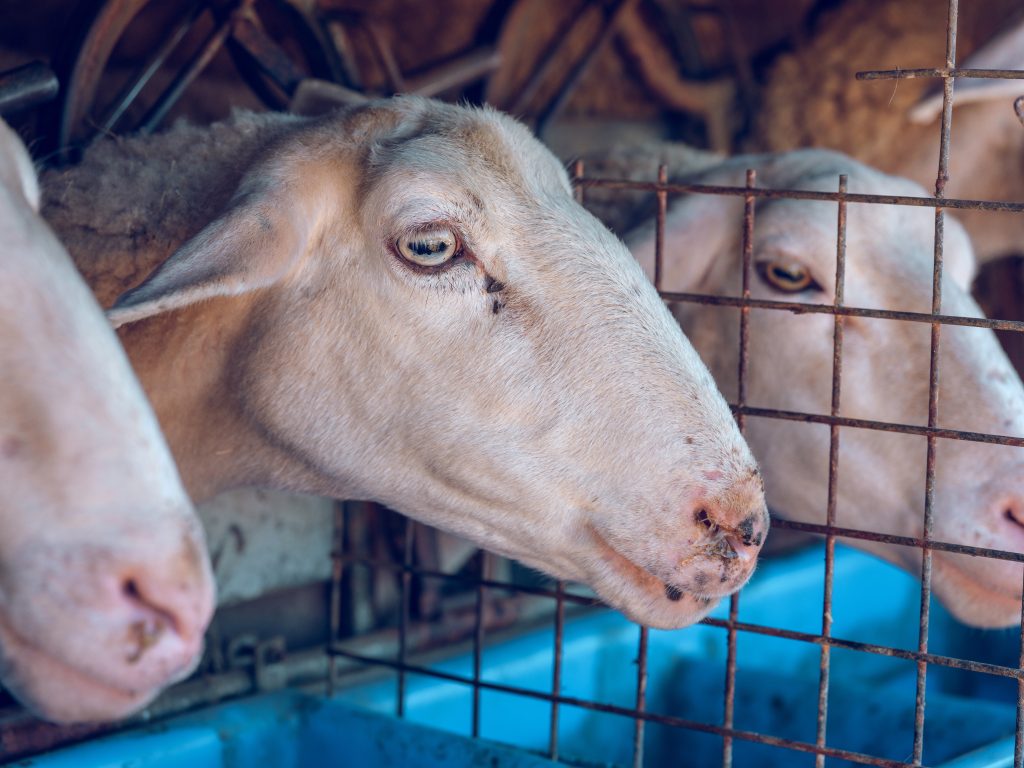
Ethical Slaughter: Animals are treated humanely and slaughtered according to Shariah.
-
High-Quality Protein: Supports physical health and vitality.
-
Wholesome and Clean: Free from harmful additives, ensuring food is tayyib.
-
Spiritual Awareness: Consuming Zabiha meat fosters gratitude and ethical responsibility.
Including Zabiha meat in balanced meals allows Muslims to eat mindfully while observing halal principles.
7. Modern Applications
-
Meal Prep: Plan weekly meals with Zabiha meat, vegetables, and grains to encourage moderation.
-
Mindful Dining: Slow down during lunch or dinner, appreciating each bite.
-
Community Sharing: Distribute meals to neighbors, family, or charitable causes.
-
Education: Teach children to eat slowly, chew properly, and appreciate food.
Modern lifestyles can integrate Prophetic mindfulness practices without sacrificing convenience.
8. Conclusion
Eating mindfully in Islam is about more than physical nourishment—it is a spiritual, ethical, and health-conscious practice. Key takeaways include:
-
Mindfulness: Eat with awareness of your body, blessings, and ethical sourcing.
-
Moderation: Avoid overindulgence and follow the Sunnah of balanced portions.
-
Gratitude: Begin with Bismillah, end with Alhamdulillah, and appreciate the effort behind every meal.
-
Ethics: Ensure food is halal, tayyib, and sourced responsibly.
-
Community: Share meals to strengthen bonds and help those in need.
By embracing mindful eating, Muslims can transform every meal into an act of worship, ethical practice, and wellness. Incorporating Zabiha meat and wholesome foods further enhances the experience, aligning physical nourishment with spiritual growth.
Eating mindfully as per Islam ensures that food becomes not only sustenance for the body but also nourishment for the soul.