

















































Sunnah Practices for Eating: Following the Prophetic Way


Eating is not just a physical necessity; in Islam, it is also a spiritual practice. The Prophet Muhammad ﷺ provided detailed guidance on how, what, and when to eat, emphasizing mindfulness, moderation, and gratitude. Following these Sunnah practices ensures that meals are healthy, ethical, and spiritually fulfilling.
This blog explores the Prophetic way of eating, etiquette, dietary choices, and practical tips for incorporating Sunnah practices into daily life.
1. Eat in Moderation
One of the most emphasized principles in the Sunnah is avoiding overeating.
-
Prophetic Guidance:
The Prophet ﷺ said:
“A human being fills no worse vessel than his stomach. It is sufficient for the son of Adam to eat a few morsels to keep him going. If he must, then one-third for food, one-third for drink, and one-third for air.” (Sunan Ibn Majah) -
Practical Application:
Eat small, balanced portions, ensuring that your meals satisfy hunger without overindulgence. This practice promotes digestion, weight management, and overall health.
2. Begin with Bismillah
Before starting a meal, the Prophet ﷺ instructed to say:
-
“Bismillah” (In the name of Allah).
This practice reminds Muslims that all sustenance comes from Allah and encourages mindful consumption. Saying Bismillah fosters gratitude and spiritual awareness in daily routines.
3. Eat with the Right Hand
The Sunnah emphasizes using the right hand for eating and drinking:
-
Etiquette: Eating with the right hand symbolizes purity, respect, and adherence to the Prophetic tradition.
-
Practical Tip: Always use your right hand for handling food, utensils, or serving others.
This simple habit encourages discipline and mindfulness during meals.
4. Eat Together and Share Food
The Prophet ﷺ encouraged communal eating:
-
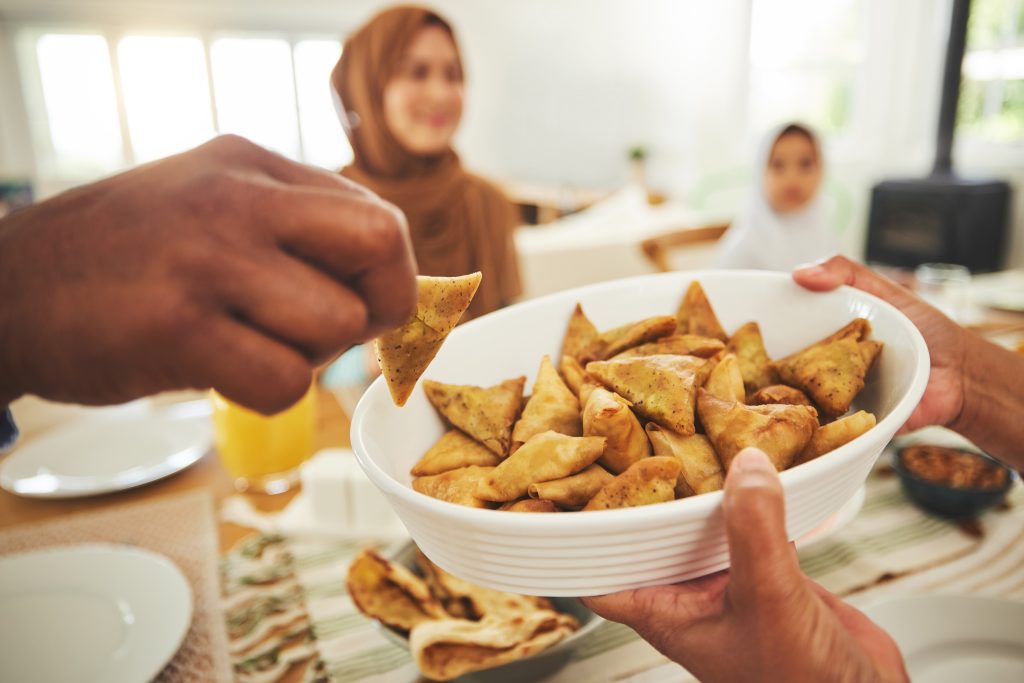
Eating Together: Promotes social bonds, gratitude, and joy.
-
Sharing Food: The Prophet ﷺ said:
“The best of you are those who feed others.” (Sunan Al-Tirmidhi) -
Practical Tip: Serve family or guests halal and wholesome meals, fostering a sense of community and generosity.
5. Sit While Eating
-
Prophetic Practice: The Prophet ﷺ preferred to sit while eating.
-
Benefits: Sitting aids digestion, encourages mindful eating, and reduces the risk of overeating.
Whether eating at home or during gatherings, sitting at a table or on the floor in a clean, respectful manner aligns with the Sunnah.
6. Eat Slowly and Mindfully
The Prophet ﷺ advised not to rush meals:
-
Guidance: Chew food properly, enjoy the taste, and avoid hastiness.
-
Benefits: Slower eating improves digestion, portion control, and mindfulness.
This practice also strengthens gratitude, as one takes time to appreciate the blessings of food.
7. Start with What is Closest to You
-
Prophetic Etiquette: Eat from the portion of food nearest to you rather than stretching across the table.
-
Practical Tip: This promotes cleanliness, order, and consideration for others, avoiding wastage or confusion.
8. Wash Hands Before and After Eating
-
Cleanliness is Half of Faith: The Prophet ﷺ emphasized hygiene.
-
Practical Application: Wash hands before meals to remove germs and after meals to maintain cleanliness.
-
This practice ensures health, hygiene, and adherence to the Sunnah.
9. Avoid Wasting Food
The Prophet ﷺ warned against wastefulness:
-
Guidance: “Do not waste food, for Allah loves those who are moderate in their consumption.”
-
Practical Tip: Take small portions, store leftovers responsibly, and avoid throwing away edible food.
This aligns with halal and tayyib principles, promoting ethical and sustainable eating.
10. Say the Duas After Eating
-
Prophetic Practice: After finishing a meal, the Prophet ﷺ would say:
“Alhamdulillah alladhi at’amana wa saqana wa ja’alana Muslimeen”
(All praise is due to Allah who fed us, gave us drink, and made us Muslims). -
Spiritual Significance: Expresses gratitude, reinforces mindfulness, and reminds Muslims of the divine source of sustenance.
11. Foods Encouraged in the Sunnah
Certain foods were particularly recommended by the Prophet ﷺ:
-
Dates: Eaten to break fast or as a snack; rich in nutrients.
-
Barley: Used in bread and soups; a wholesome grain.
-
Olive Oil: For cooking or consumption; promotes health.
-
Honey: Natural sweetener with medicinal properties.
-
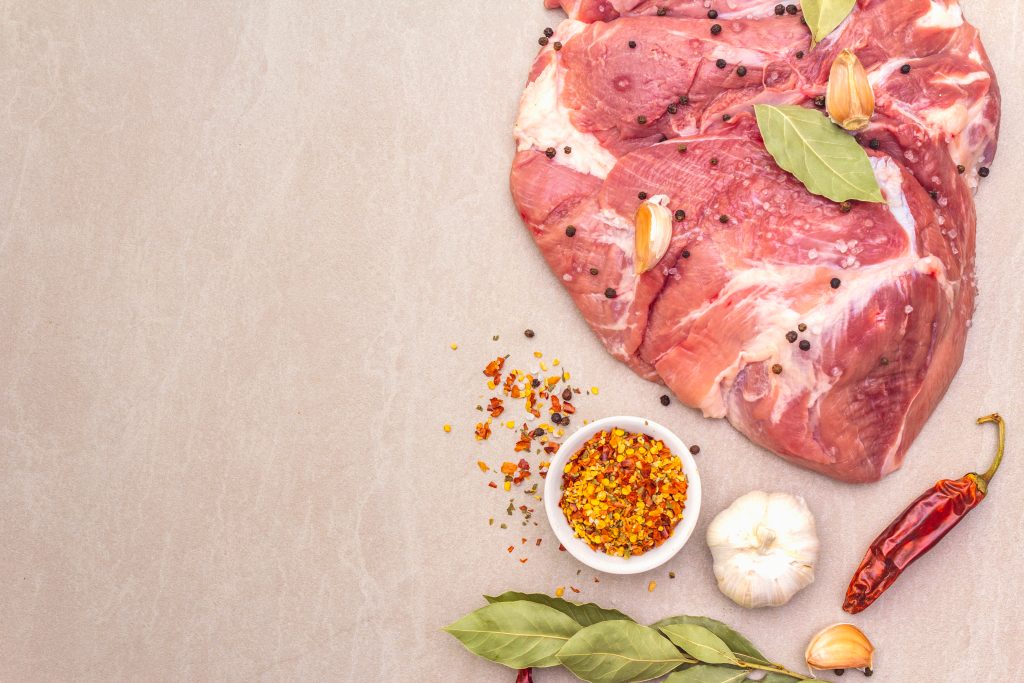
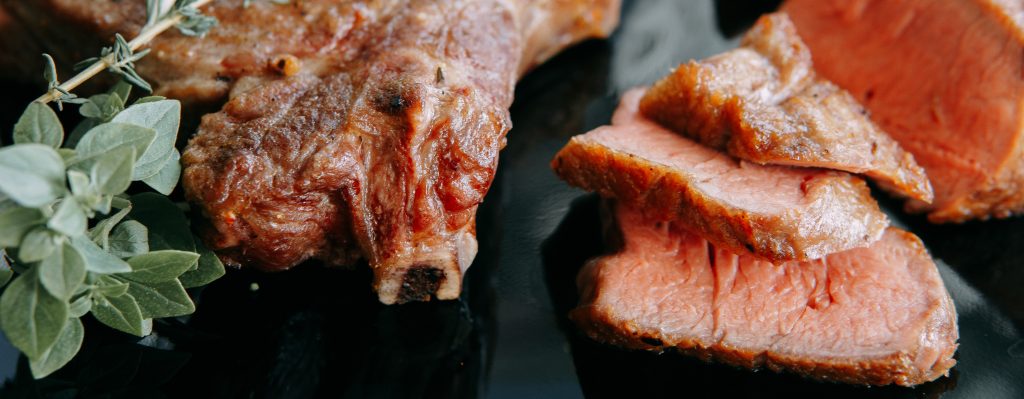
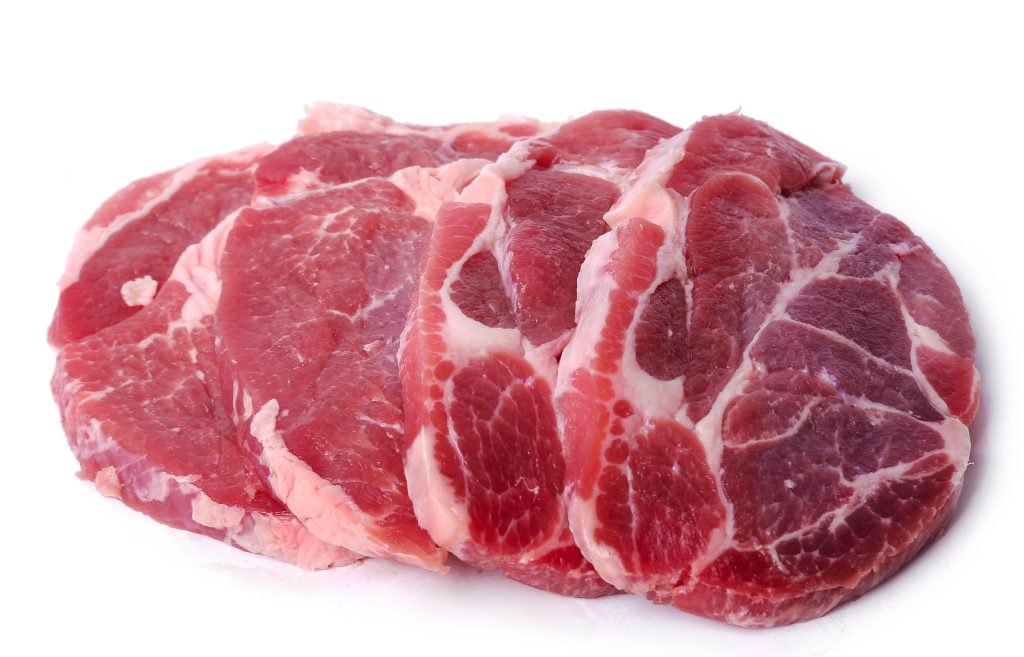
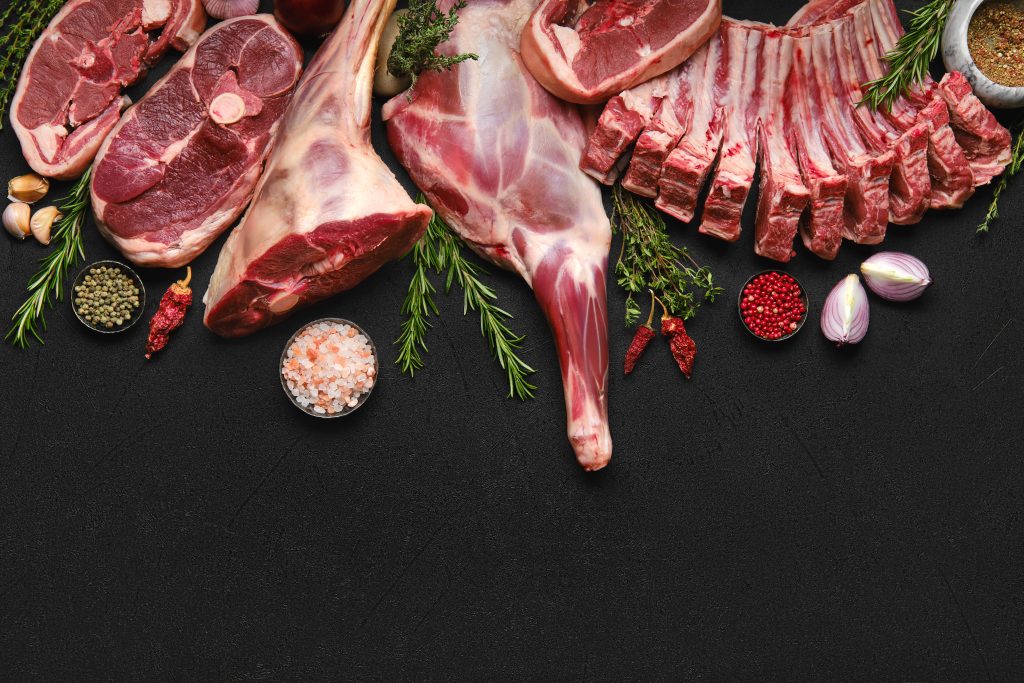
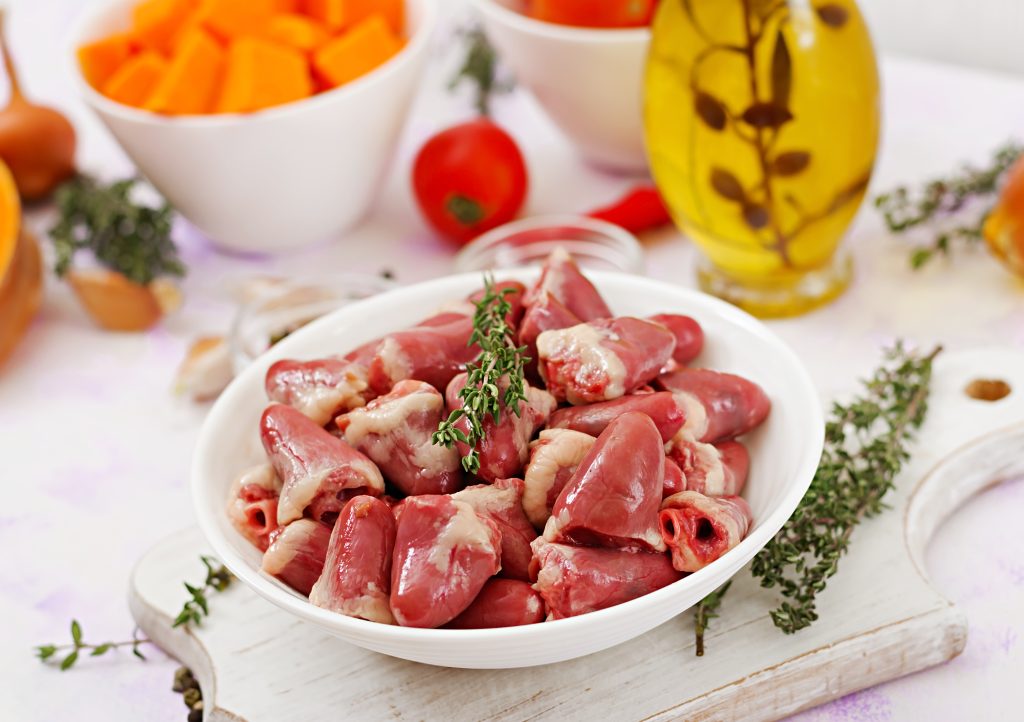
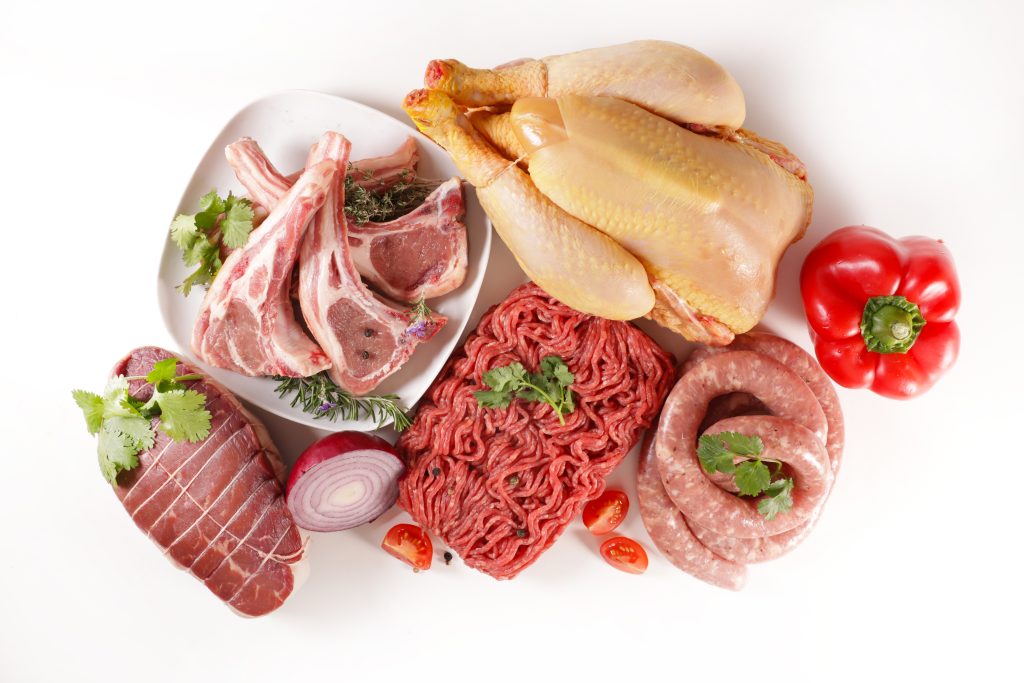
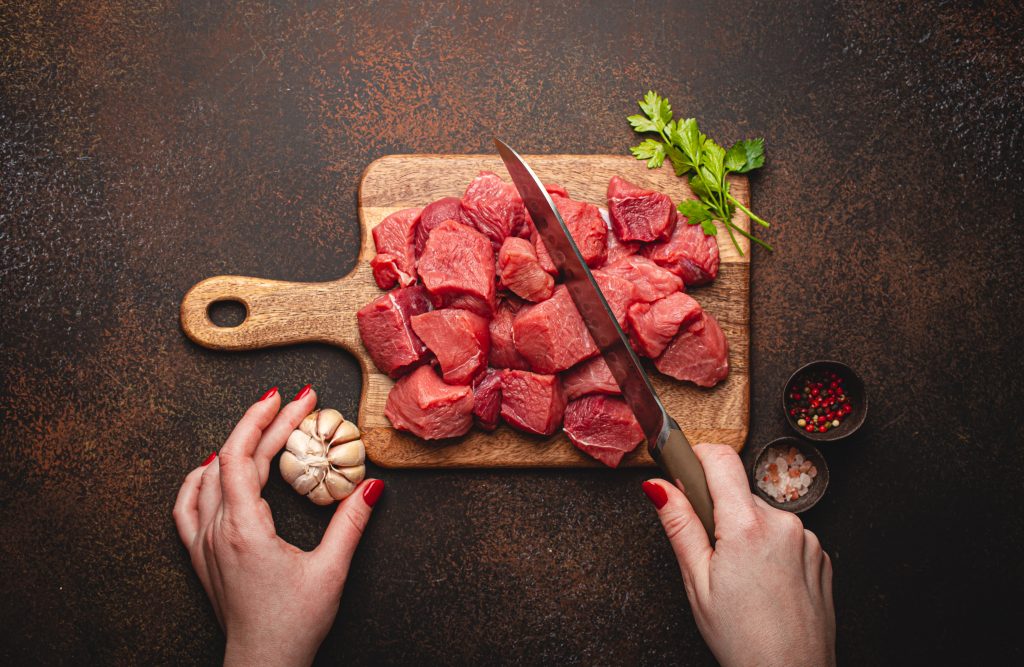
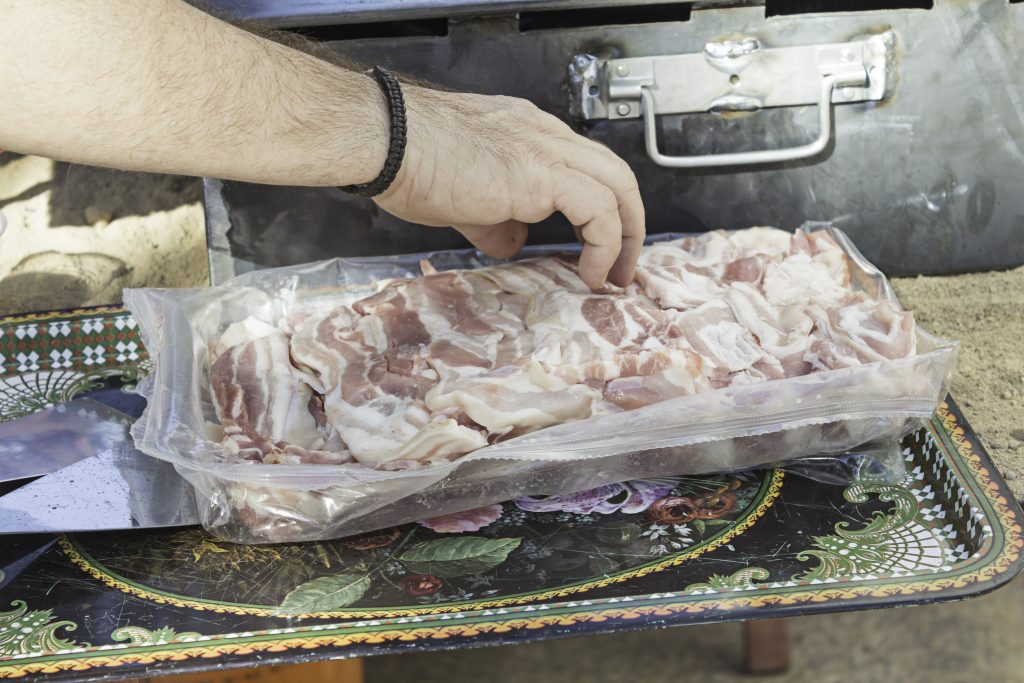
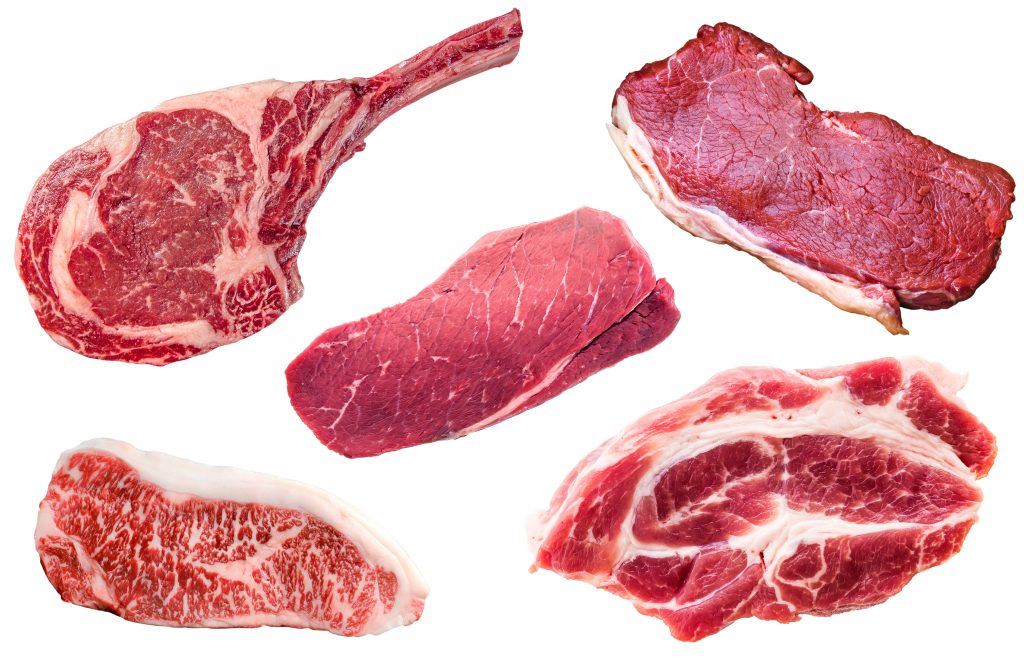
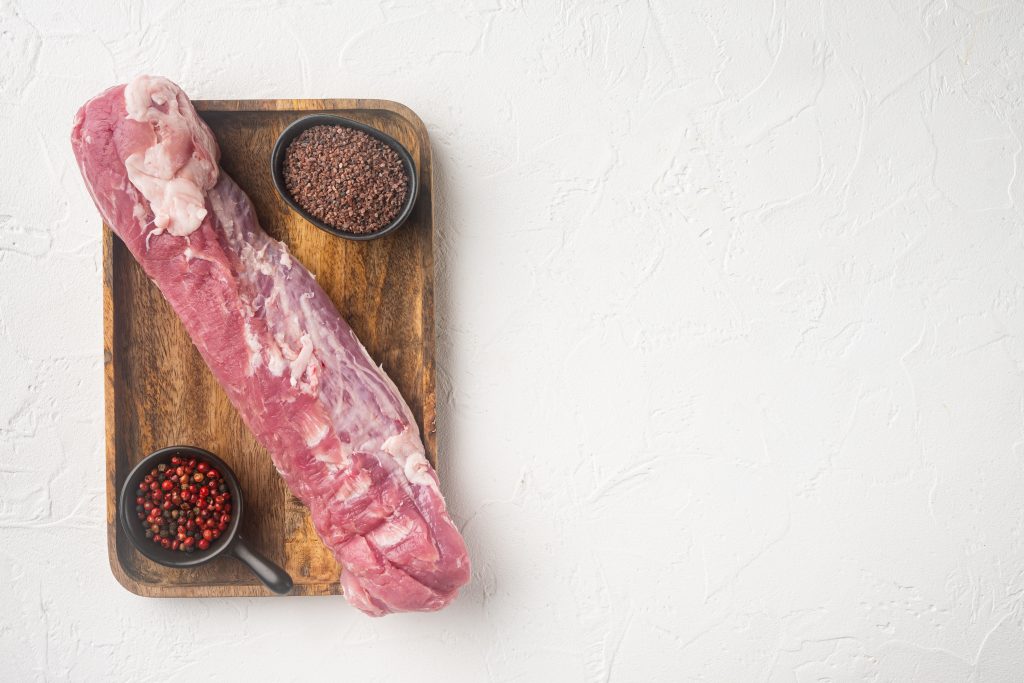
Meat (Halal): Consumed in moderation; supports strength and vitality.
Including these foods in daily meals aligns with Prophetic nutrition advice.
12. Benefits of Following Sunnah Eating Practices
-
Physical Health: Portion control, proper hygiene, and slow eating improve digestion, weight management, and overall wellness.
-
Mental Clarity: Mindful consumption reduces stress and promotes gratitude.
-
Spiritual Growth: Aligning with the Sunnah turns meals into acts of worship.
-
Ethical and Social Responsibility: Sharing food and avoiding waste supports community welfare and ethical living.
Following the Sunnah makes eating healthy, mindful, and spiritually fulfilling.
13. Practical Tips for Modern Life
-
Plan Meals Mindfully: Include halal and tayyib foods like Zabiha meat, grains, fruits, and vegetables.
-
Eat Slowly: Avoid distractions like phones or TV to enjoy meals fully.
-
Portion Control: Serve small, balanced portions to prevent overeating.
-
Share with Family or Community: Encourage communal eating whenever possible.
-
Express Gratitude: Begin and end meals with the appropriate duas.
-
Maintain Cleanliness: Wash hands, utensils, and cooking spaces properly.
Even in today’s busy lifestyle, Sunnah practices can be easily integrated to make meals healthier and spiritually rewarding.
14. Conclusion
Sunnah practices for eating provide a comprehensive guide to healthy, ethical, and spiritually mindful meals. Key principles include:
-
Eating in moderation
-
Saying Bismillah before meals and gratitude afterward
-
Using the right hand and eating mindfully
-
Sharing food and avoiding waste
-
Prioritizing halal and tayyib foods
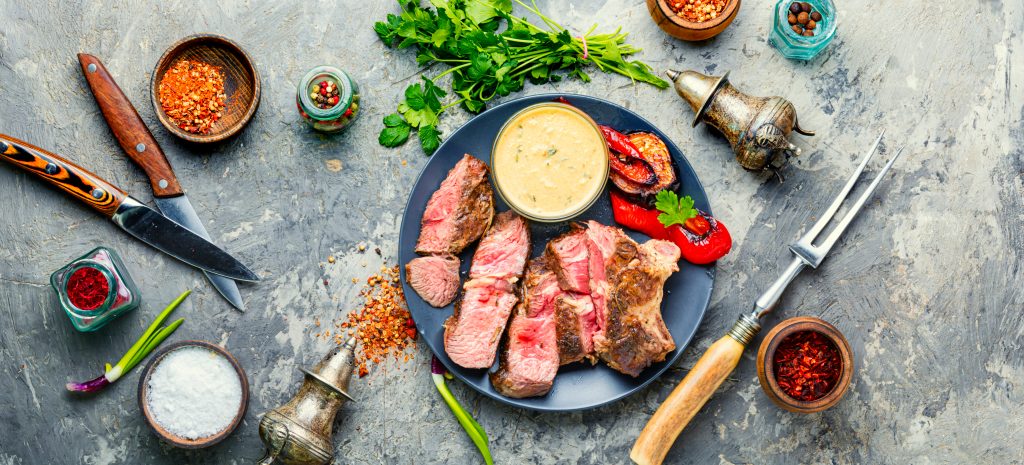
Incorporating these practices into daily life ensures that meals are physically nourishing, ethically sound, and spiritually rewarding. With halal sources like Zabiha meat, Muslims can enjoy delicious, wholesome meals while following the Prophetic example in every bite.