










































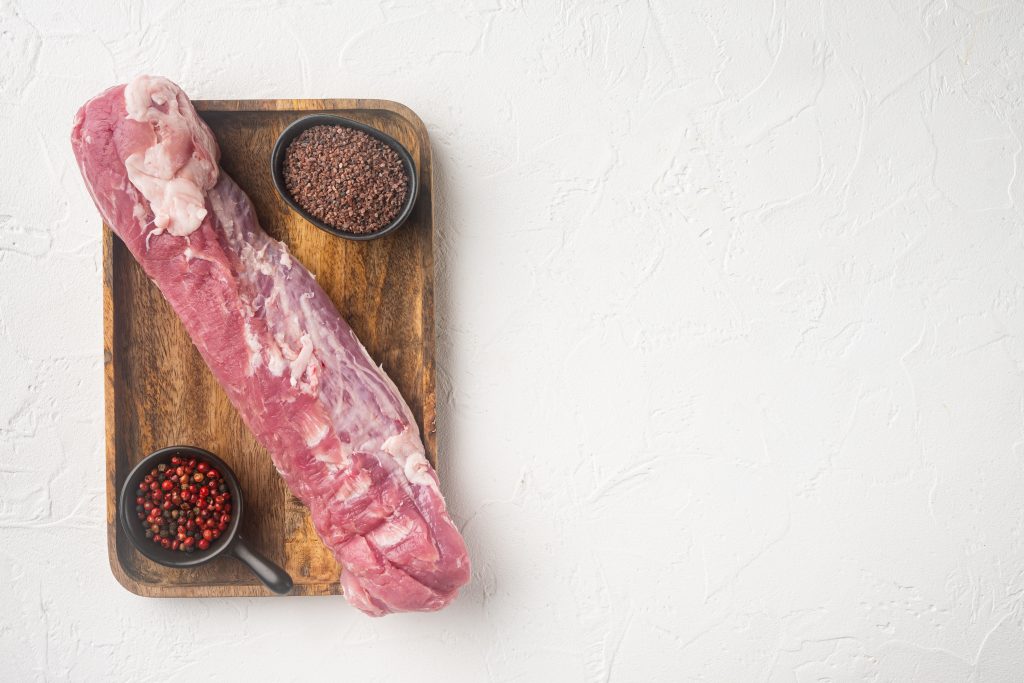


Understanding Halal Guidelines in Islam: A Comprehensive Guide


Halal, meaning “permissible” in Islam, extends far beyond dietary rules. It encompasses ethical, spiritual, and lifestyle principles that govern what is lawful and good for Muslims. Understanding halal guidelines ensures that every aspect of consumption and daily life aligns with Islamic teachings, particularly when it comes to food, business transactions, and personal conduct.
This blog explores the definition of halal, key principles, dietary rules, spiritual significance, and practical tips for daily life.
1. What Does Halal Mean?
-
Literal Meaning: Halal is an Arabic term meaning “lawful” or “permissible.”
-
Scope: Halal applies not only to food and drink but also to behavior, business, finance, and social interactions.
-
Opposite Concept: Haram refers to what is forbidden or impermissible according to Islamic law (Shariah).
-
Tayyib Connection: Beyond being halal, actions and consumption should also be tayyib—pure, wholesome, and beneficial.
2. Halal Food Guidelines
Food is one of the most commonly discussed aspects of halal. The Quran and Hadith provide clear guidance:
2.1 Lawful and Forbidden Animals
-
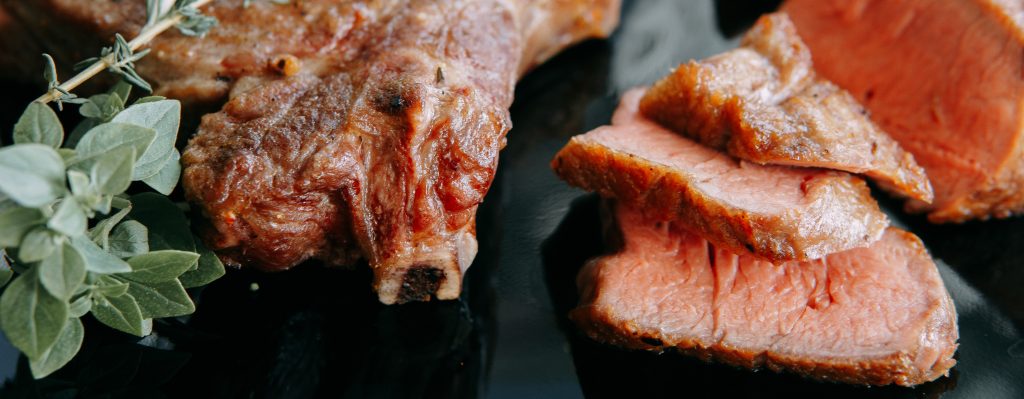
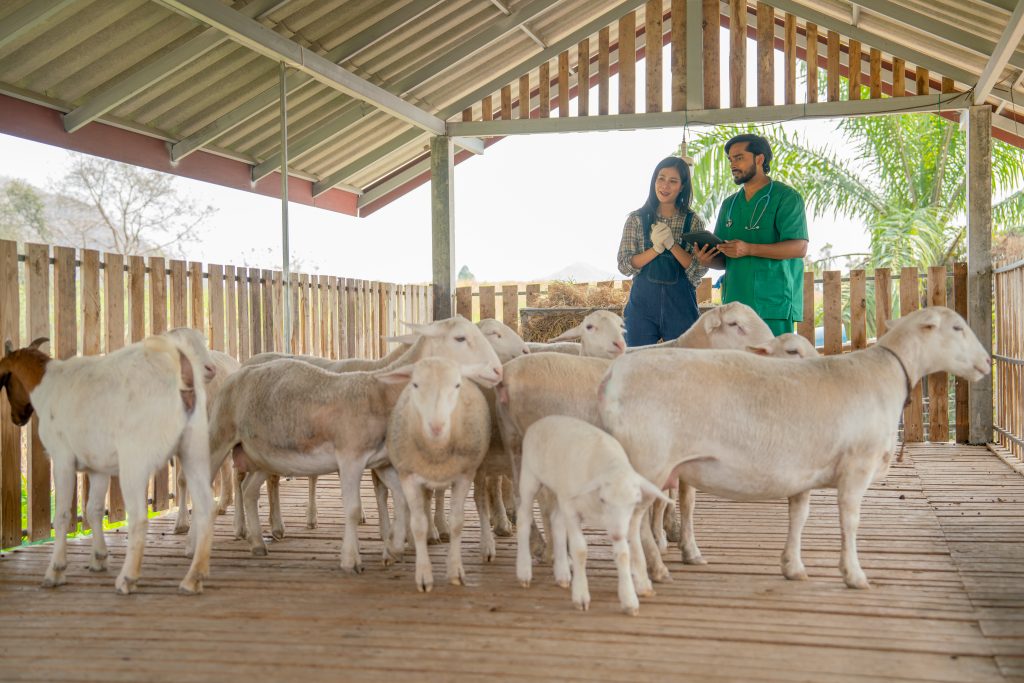
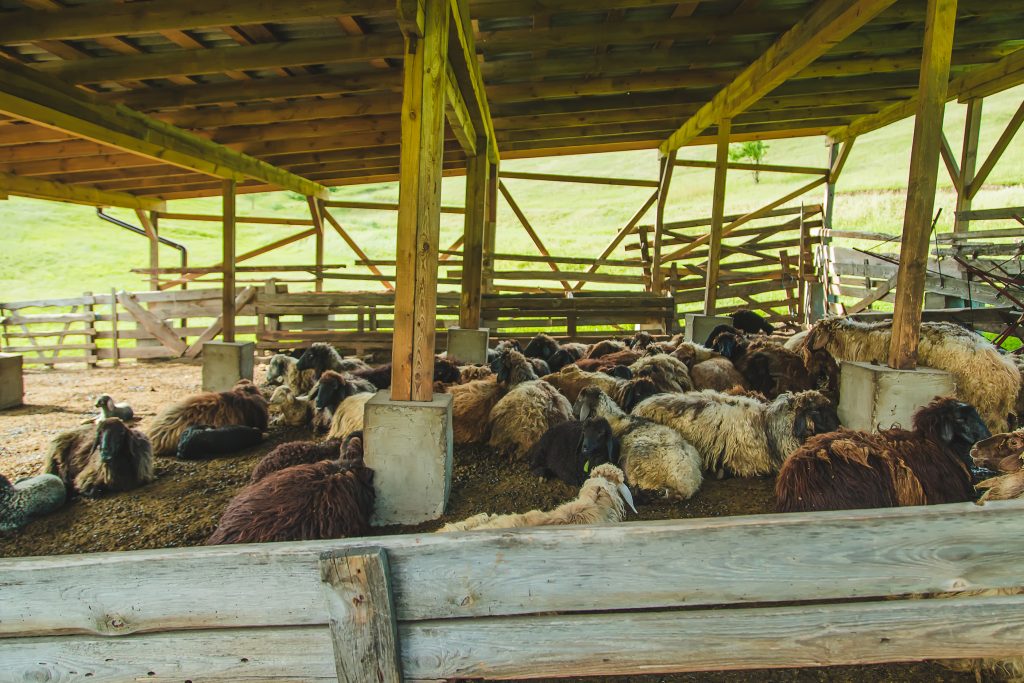
Permissible: Sheep, goats, cattle, camels, chicken, fish, and other lawful animals.
-
Forbidden: Pork, carrion, blood, predatory animals, and improperly slaughtered meat.
-
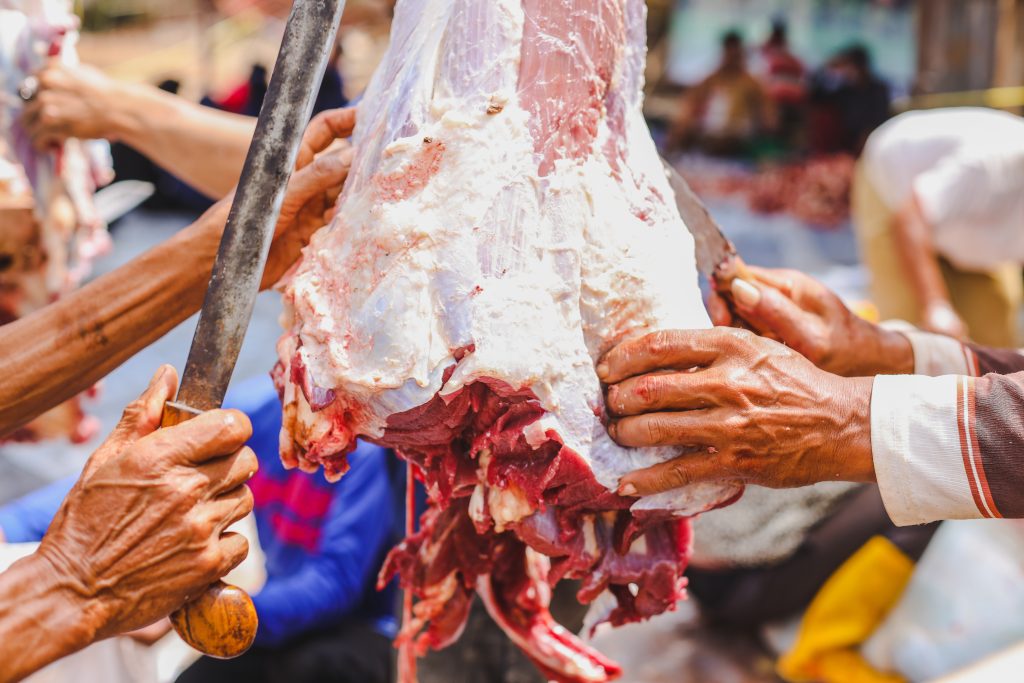
Halal Slaughter (Zabiha): Animals must be slaughtered in the name of Allah, humanely, and in a manner that ensures proper drainage of blood.
2.2 Prohibited Substances
-
Alcohol and Intoxicants: All forms of alcohol and substances that impair the mind are haram.
-
Impurities: Foods contaminated with haram substances are also prohibited.
2.3 Preparation and Handling
-
Separation: Halal foods should be stored, prepared, and cooked separately from haram foods to avoid cross-contamination.
-
Cleanliness: Emphasis on hygiene and sanitation in preparation and serving.
Following these guidelines ensures food is both halal and tayyib.
3. The Spiritual Significance of Halal
-
Obedience to Allah: Consuming halal is an act of worship and submission to Allah’s commandments.
-
Ethical Consumption: Halal promotes ethical sourcing, humane treatment of animals, and fairness in trade.
-
Mindful Eating: Eating lawful and wholesome foods encourages gratitude and reflection.
Quranic Reference:
“O you who believe! Eat of the good things which We have provided for you and be grateful to Allah.” (Surah Al-Baqarah, 2:172)
This verse highlights that halal is not just about legality but also about goodness and gratitude.
4. Halal Guidelines Beyond Food
Halal extends to other aspects of daily life, reinforcing an ethical and moral lifestyle:
4.1 Finance and Trade
-
Prohibited Transactions: Riba (interest), gambling, and deceitful practices.
-
Ethical Trade: Honest transactions, fair wages, and transparency are required.
4.2 Lifestyle and Behavior
-
Clothing: Should be modest and clean.
-
Social Conduct: Respect, honesty, and justice are mandatory.
-
Entertainment: Activities should not involve harm or forbidden practices.
Halal is a holistic approach, ensuring all actions align with Islamic ethics.
5. Key Principles of Halal Consumption
-
Permissibility: Choose foods and products that are explicitly allowed in Islam.
-
Wholesomeness (Tayyib): Ensure food is clean, safe, nutritious, and ethically sourced.
-
Mindfulness: Avoid waste, overconsumption, and indulgence.
-
Ethics and Sustainability: Support humane farming, fair trade, and environmentally responsible practices.
-
Gratitude: Acknowledge Allah’s provisions with appreciation and responsibility.
Applying these principles ensures consumption is physically healthy and spiritually rewarding.
6. Practical Tips for Following Halal Guidelines
6.1 Choosing Halal Meat
-
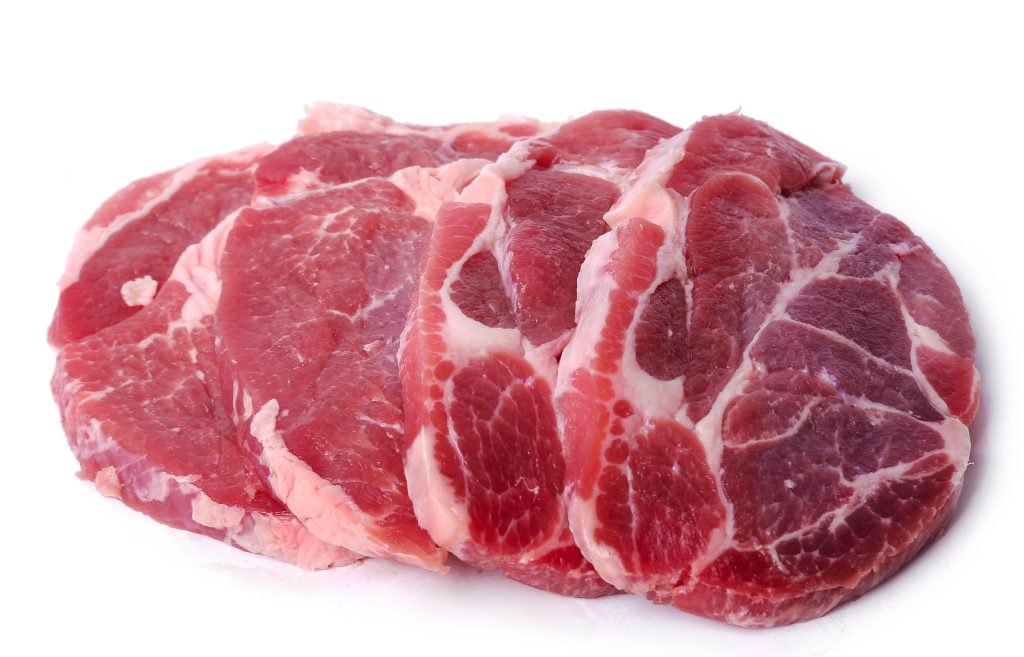
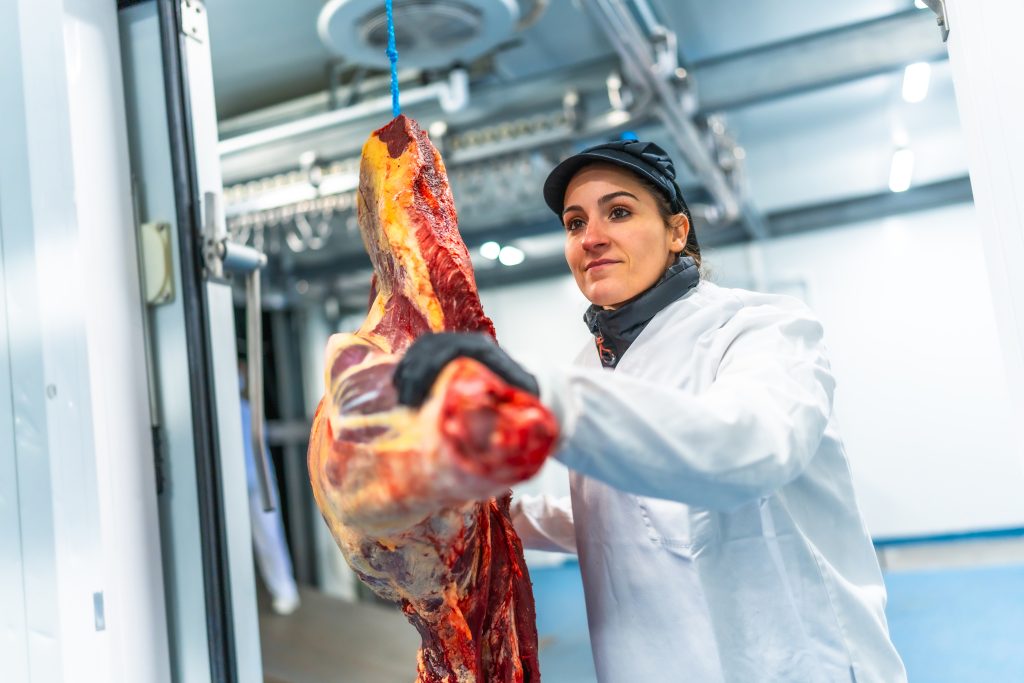
Look for Zabiha-certified or halal-certified labels.
-
Verify the source, slaughter method, and handling practices.
-
Avoid unclear or suspicious meat sources.
6.2 Reading Ingredients and Labels
-
Check for hidden haram ingredients, such as gelatin (from pork), alcohol, or non-halal enzymes.
-
Choose products with clear halal certification when available.
6.3 Cooking Practices
-
Use separate utensils and cookware for halal and non-halal foods.
-
Maintain hygiene and proper storage to prevent contamination.
-
Prefer healthy cooking methods such as grilling, steaming, or baking.
6.4 Dining Out
-
Research halal restaurants and verify their certifications and practices.
-
Ask questions about preparation and sourcing to ensure compliance with halal guidelines.
7. Benefits of Following Halal Guidelines
7.1 Physical Health
-
Emphasis on wholesome, clean, and nutrient-rich food promotes wellness.
-
Avoiding harmful substances like alcohol and impure foods protects the body.
7.2 Spiritual Growth
-
Consuming halal aligns with faith, obedience, and mindfulness.
-
Enhances the sense of gratitude and moral responsibility.
7.3 Ethical and Social Responsibility
-
Supports humane animal treatment, fair trade, and ethical sourcing.
-
Promotes sustainability and minimizes harm to society and the environment.
Following halal guidelines creates a balanced lifestyle benefiting body, mind, and soul.
8. Halal in Modern Life
In today’s globalized world:
-
Halal Certification: Provides assurance of compliance for meat, packaged foods, and beverages.
-
Ethical Farming: Choosing responsibly sourced Zabiha meat ensures adherence to halal and tayyib principles.
-
Health-Conscious Choices: Halal practices encourage consumption of clean, nutrient-rich, and safe foods.
-
Mindful Lifestyle: Incorporates halal principles into diet, finance, social interactions, and personal conduct.
Modern tools and certifications make it easier than ever to follow halal guidelines faithfully.
9. Conclusion
Understanding halal guidelines is essential for living a wholesome, ethical, and spiritually conscious life. Key takeaways include:
-
Halal is broader than food: It encompasses all lawful and ethical actions.
-
Tayyib is vital: Wholesomeness ensures that what is halal is also healthy, pure, and beneficial.
-
Ethical and spiritual considerations: Mindful consumption, humane sourcing, and gratitude align with Quranic guidance.
-
Practical steps: Choose certified halal meat like Zabiha meat, read labels, maintain hygiene, and practice moderation.
By following halal guidelines, Muslims can enjoy a balanced, ethical, and spiritually fulfilling lifestyle, ensuring that their daily actions and diet honor Islamic principles while promoting health and well-being.