








































Verses About Halal and Tayyib: Guidance for a Wholesome Life


In Islam, the concepts of halal (permissible) and tayyib (pure, wholesome, good) are central to daily living, especially when it comes to food, consumption, and ethical behavior. The Quran emphasizes that believers should consume what is not only lawful but also good for their body, mind, and soul. Understanding these principles can guide Muslims in making health-conscious, ethical, and spiritually fulfilling choices, particularly in selecting halal meat like Zabiha.
1. The Meaning of Halal and Tayyib
-
Halal: Literally means “permissible” or “lawful” according to Islamic law (Shariah). It applies to food, drink, business transactions, behavior, and more.
-
Tayyib: Refers to what is pure, wholesome, beneficial, and good. A food item can be halal but not tayyib if it is unhealthy or harmful.
-
The Quran encourages believers to seek both halal and tayyib, combining legality with wholesomeness.
2. Key Quranic Verses
Verse 1: Surah Al-Baqarah (2:168)
“O mankind, eat from whatever is on earth [that is] lawful and good (tayyib), and do not follow the footsteps of Satan.”
This verse highlights that believers should not just consume lawful items but also ensure they are beneficial, clean, and wholesome, avoiding harmful or unethical choices.
Verse 2: Surah Al-Ma’idah (5:88)
“And eat of what Allah has provided for you [which is] lawful and good (tayyib), and fear Allah in whom you believe.”
Here, the emphasis is on mindful consumption—being grateful for Allah’s provisions and ensuring that what we eat is both permissible and healthy.
Verse 3: Surah An-Nahl (16:114)
“So eat of the lawful (halal) and good (tayyib) foods that Allah has provided for you, and be grateful to Allah if it is Him you worship.”
Gratitude is intertwined with consuming halal and tayyib, reminding believers that ethical sourcing and mindful eating are acts of worship.
Verse 4: Surah Al-An’am (6:141)
“…And do not waste; indeed, He does not like the wasteful.”
While not directly mentioning halal, this verse emphasizes that consuming what is good (tayyib) also involves avoiding excess and waste, promoting sustainability and ethical practices.
3. Principles Derived from These Verses
From these Quranic teachings, several key principles emerge:
-
Choose Food That is Lawful: Only consume items explicitly permitted in Shariah.
-
Prioritize Wholesomeness: Ensure food is nutritious, clean, and safe to eat.
-
Gratitude and Mindfulness: Consumption is not just physical but a spiritual act of thankfulness.
-
Avoid Waste and Harm: Ethical and responsible consumption aligns with Islamic values.
-
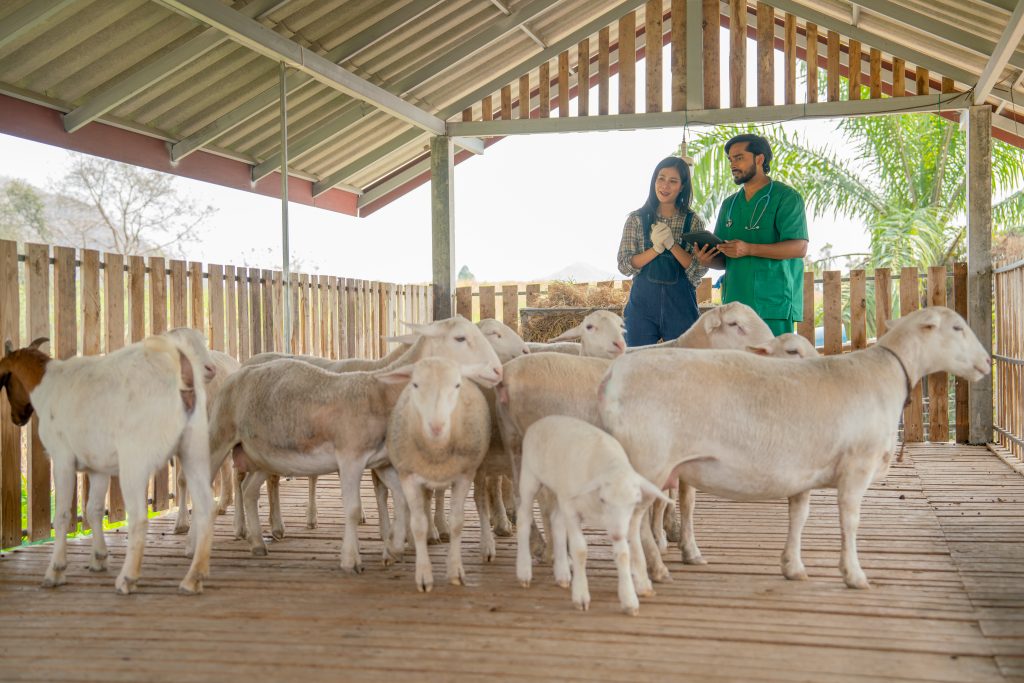
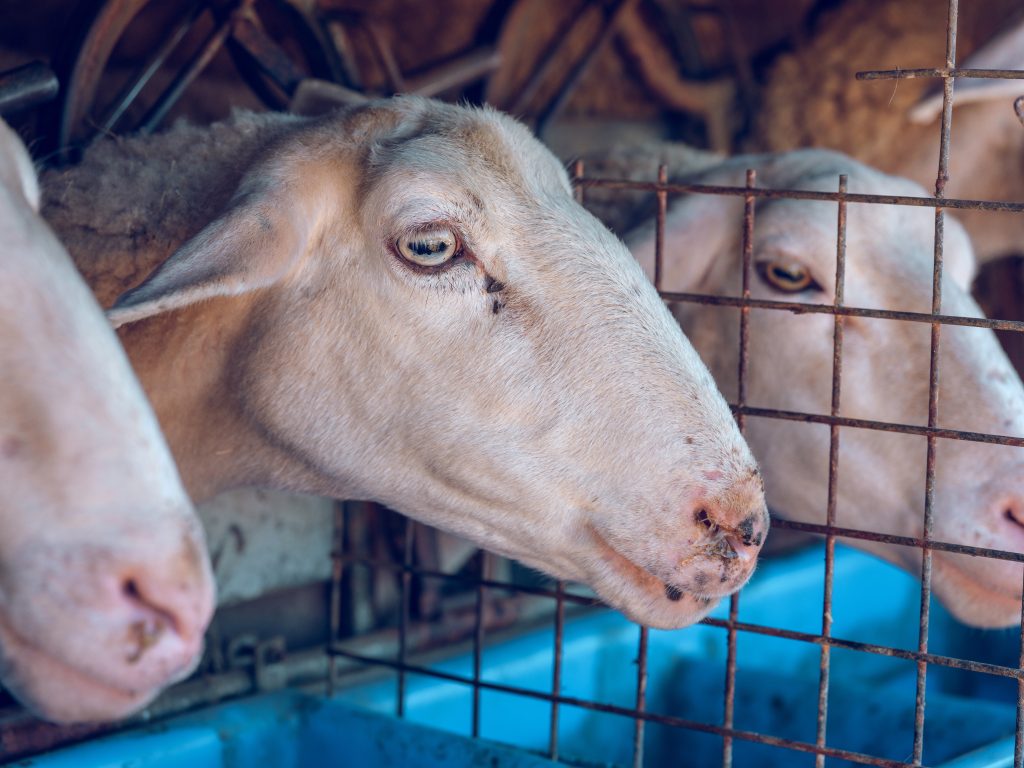
Ethical Sourcing: Ensures animals are treated humanely, and food is produced without corruption or cruelty.
4. Halal and Tayyib in Daily Life
Applying these concepts involves:
-
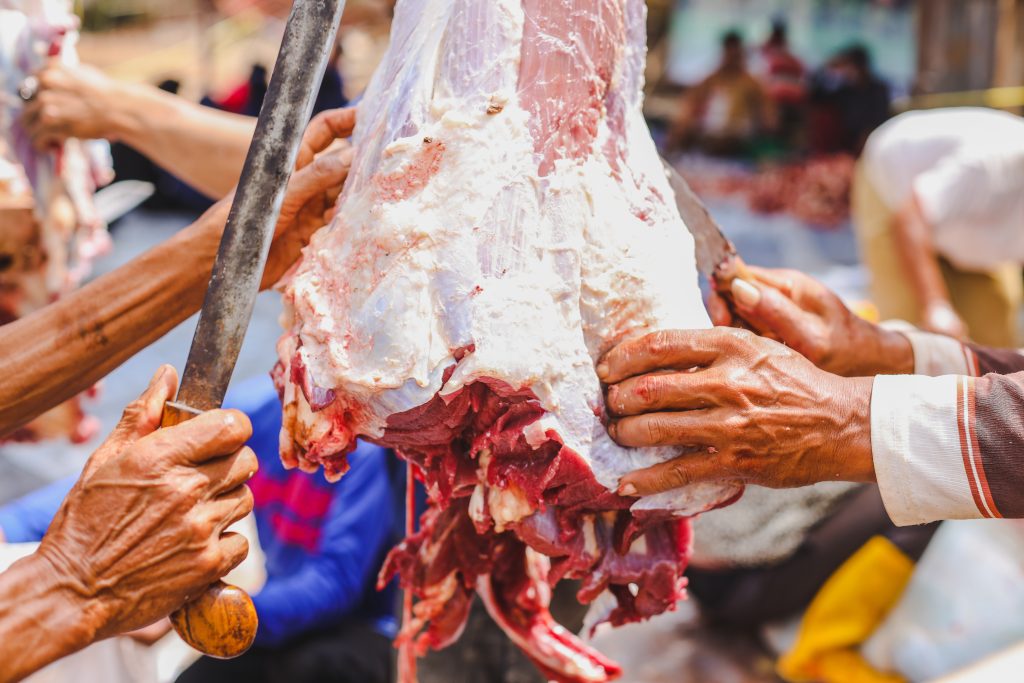
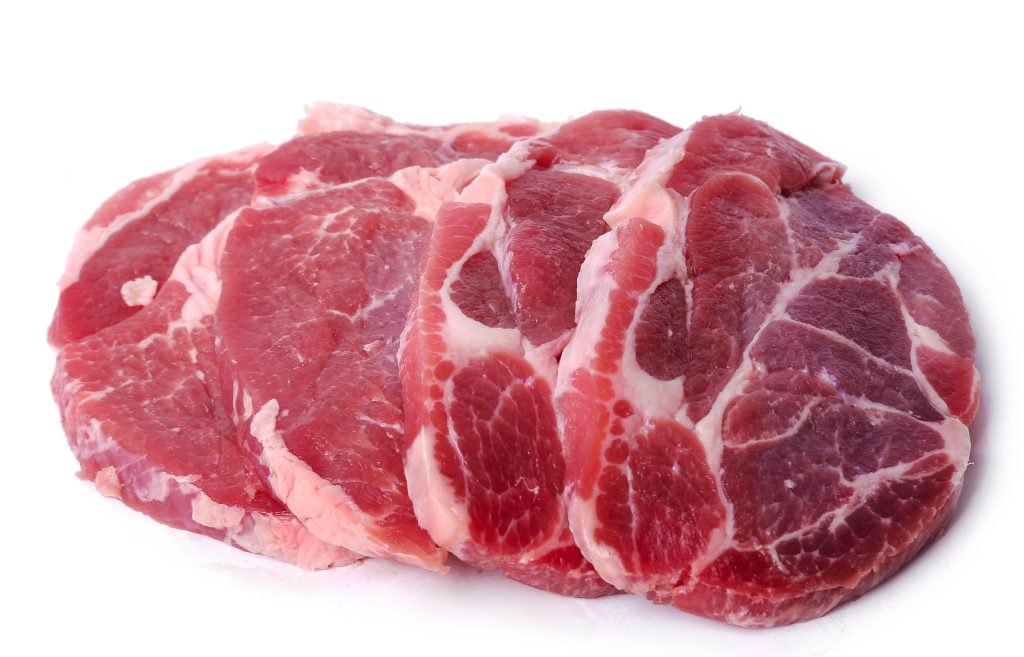
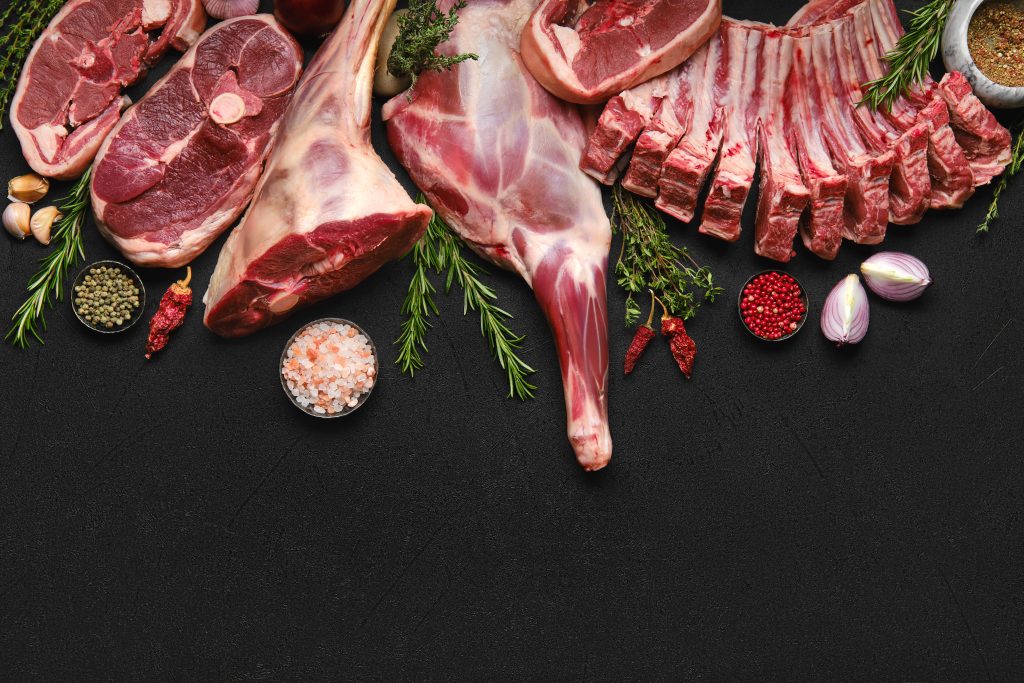
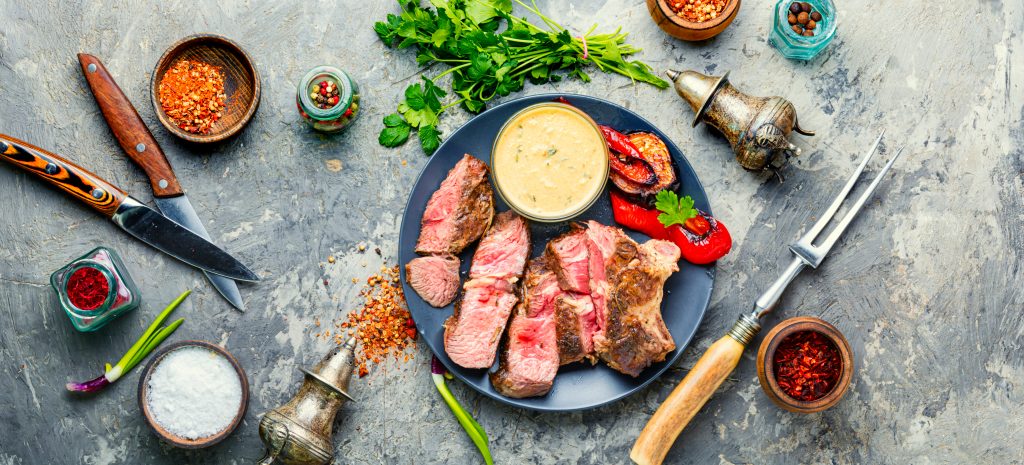
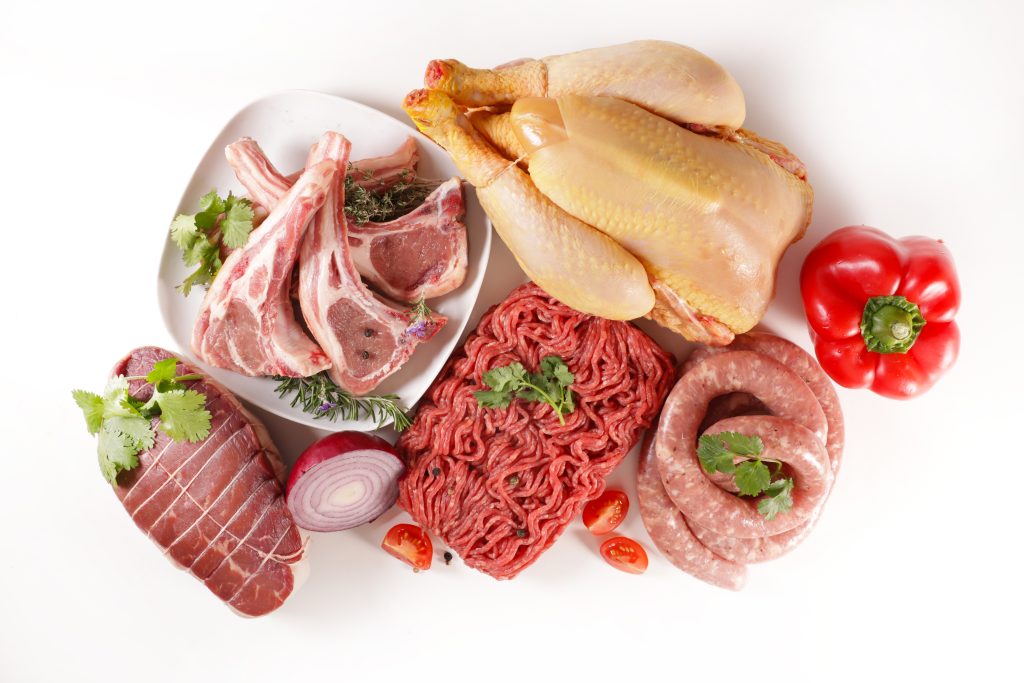
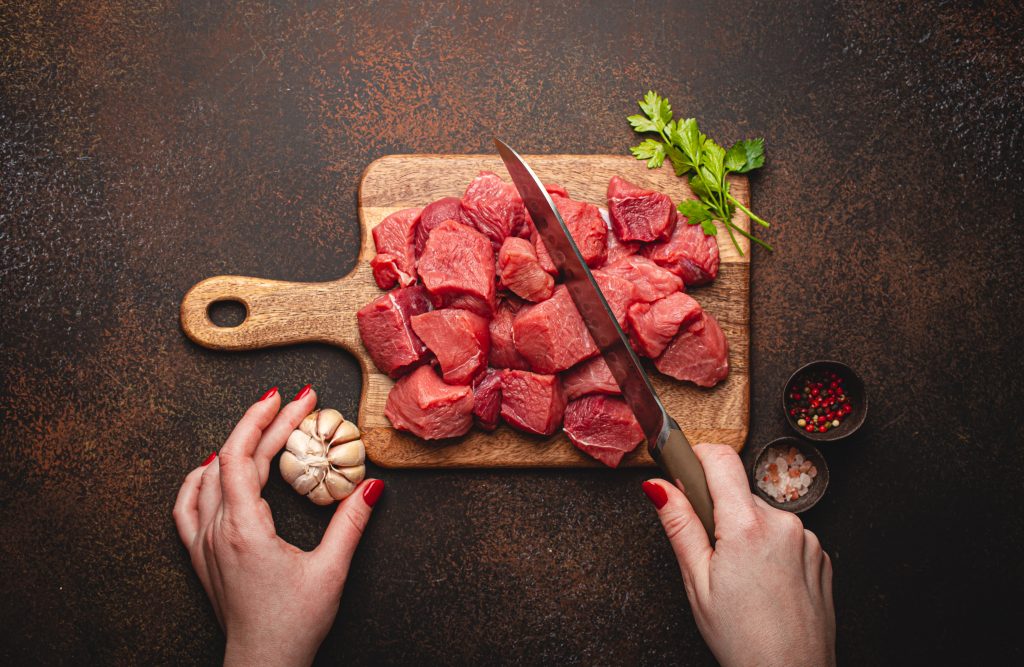
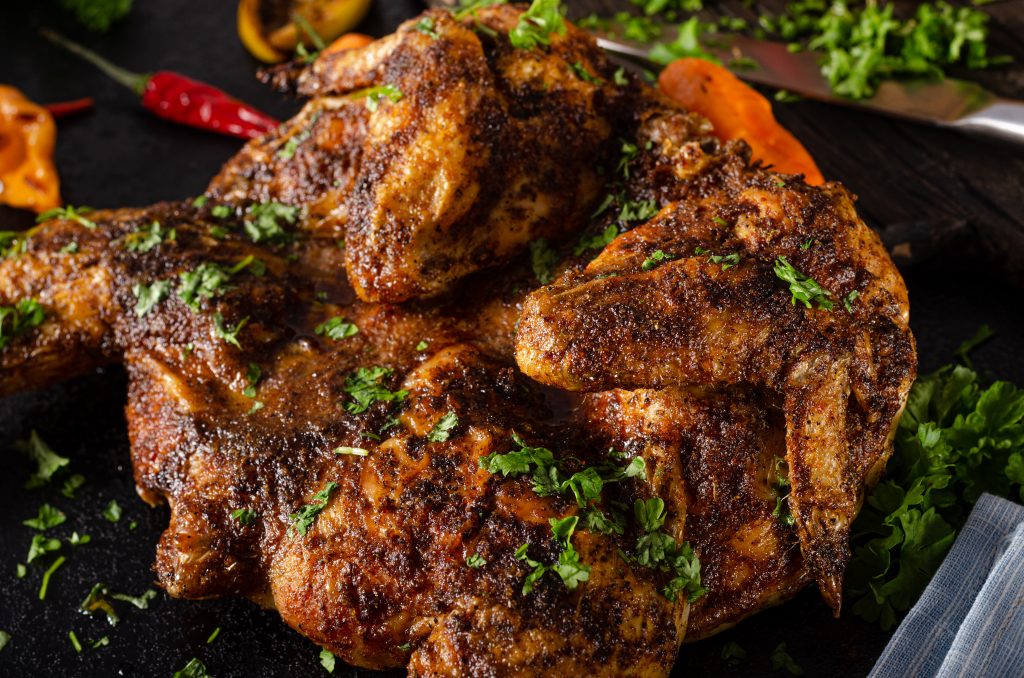
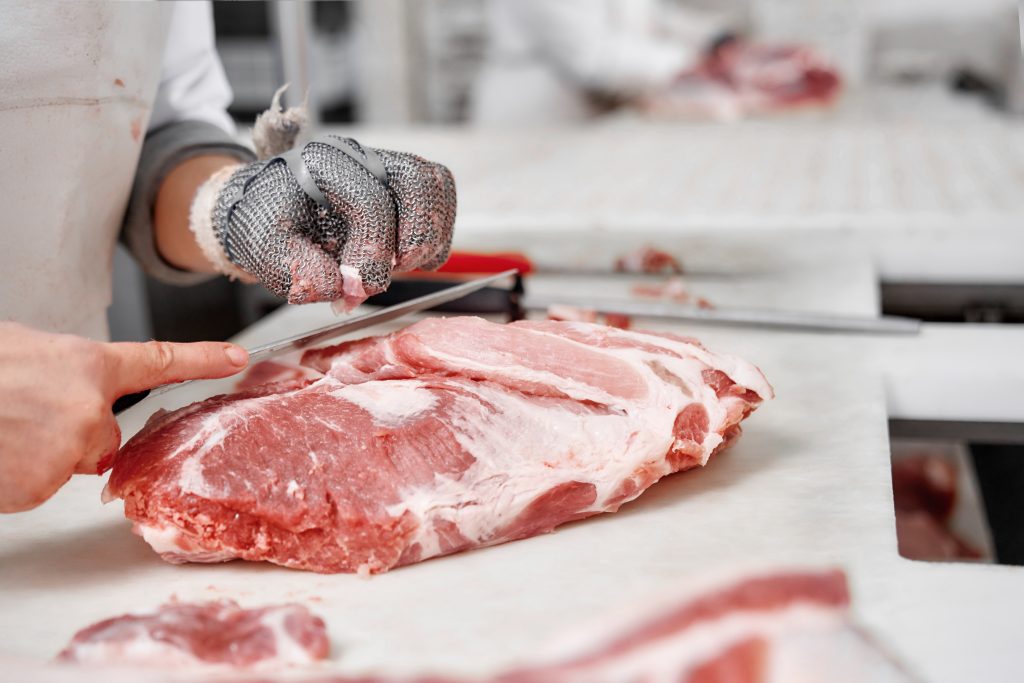
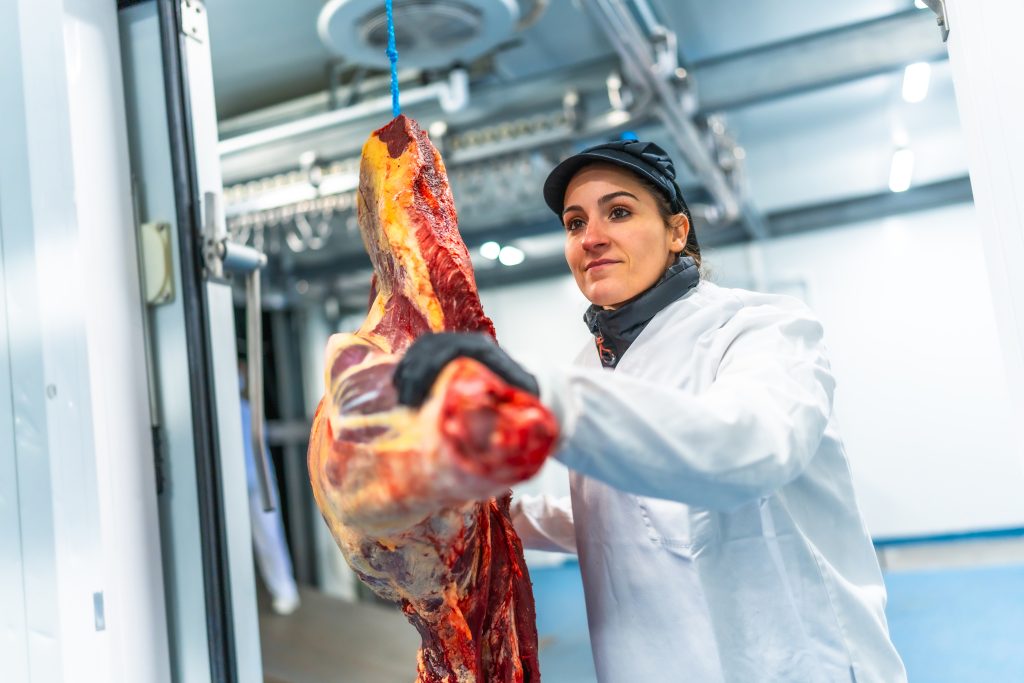
Selecting Halal Meat: Zabiha meat is an example of halal and tayyib, as it is ethically sourced, humanely slaughtered, and high-quality.
-
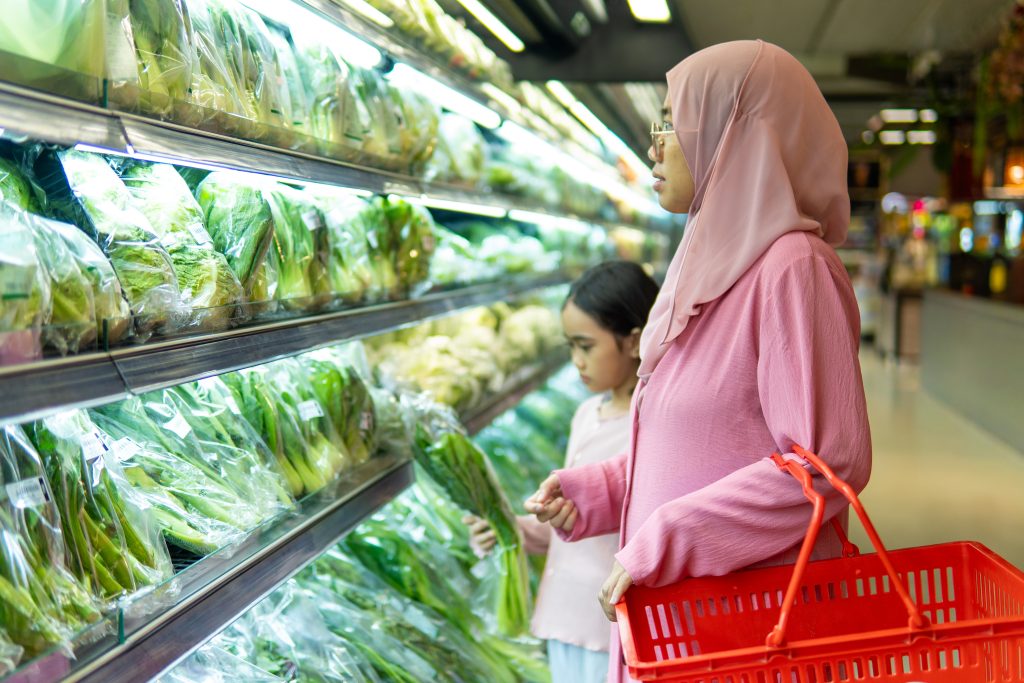
Choosing Nutrient-Rich Foods: Prioritize fruits, vegetables, whole grains, and lean proteins.
-
Avoiding Harmful Additives: Minimize processed foods with excess salt, sugar, or unhealthy fats.
-
Mindful Eating Practices: Eat in moderation, avoid wastage, and respect the provision of Allah.
5. Spiritual and Health Benefits
Eating halal and tayyib foods offers multiple benefits:
-
Physical Health: Nutrient-rich, safe, and clean food promotes wellness.
-
Mental Clarity: Mindful and ethical consumption reduces guilt and stress.
-
Spiritual Fulfillment: Observing halal and tayyib guidelines strengthens faith and mindfulness.
-
Ethical Responsibility: Supports humane farming, sustainability, and social justice.
By integrating these principles, food becomes not just sustenance but an act of worship and ethical practice.
6. Examples of Halal and Tayyib Practices
-
Zabiha Meat: Ensures halal compliance and humane handling, aligning with both legal and ethical requirements.
-
Organic Produce: Grown without harmful pesticides, clean, and nutritious.
-
Balanced Diets: Includes protein, vitamins, minerals, and fiber for physical and mental well-being.
-
Minimizing Waste: Plan meals, store food properly, and avoid excess to follow Quranic guidance.
-
Ethical Sourcing: Supports farmers and producers who uphold halal and tayyib standards.
These practical steps help implement the Quranic guidance in everyday life.
7. Key Takeaways
-
Halal alone is not enough; tayyib ensures purity, wholesomeness, and benefit.
-
Eating halal and tayyib is a spiritual, physical, and ethical practice.
-
Zabiha meat and responsibly sourced food exemplify the ideal combination of halal and tayyib.
-
Following these principles contributes to health, gratitude, and sustainable living.
By reflecting on these Quranic verses, believers are encouraged to choose what is lawful, wholesome, and beneficial, creating a balanced and mindful approach to food and life.
8. Conclusion
The Quran repeatedly emphasizes the importance of consuming food that is both halal and tayyib. This guidance goes beyond religious compliance—it encourages:
-
Mindful consumption
-
Ethical sourcing and humane practices
-
Physical, mental, and spiritual well-being
By embracing these principles, we honor divine guidance, nourish our bodies, and contribute to a wholesome and ethical lifestyle. Incorporating Zabiha meat, fresh produce, and mindful eating habits is a practical way to live in accordance with these Quranic teachings, ensuring that our meals are lawful, pure, and beneficial in every sense.