
































Reducing Fat While Cooking Halal Meat: Healthy, Delicious, and Nutritious


Cooking halal meat doesn’t just mean following ethical and religious guidelines—it’s also an opportunity to prepare healthy, balanced meals. While halal meat, like Zabiha beef, lamb, or chicken, is naturally nutritious, many people are concerned about excess fat and calorie intake.
This blog explores practical strategies, cooking techniques, and tips to reduce fat while preparing halal meat dishes without compromising on flavor, tenderness, or nutrition.
1. Understanding Fat in Halal Meat
Not all fats are bad—some are essential for energy, nutrient absorption, and flavor. However, excessive saturated fat can contribute to heart disease and weight gain.
-
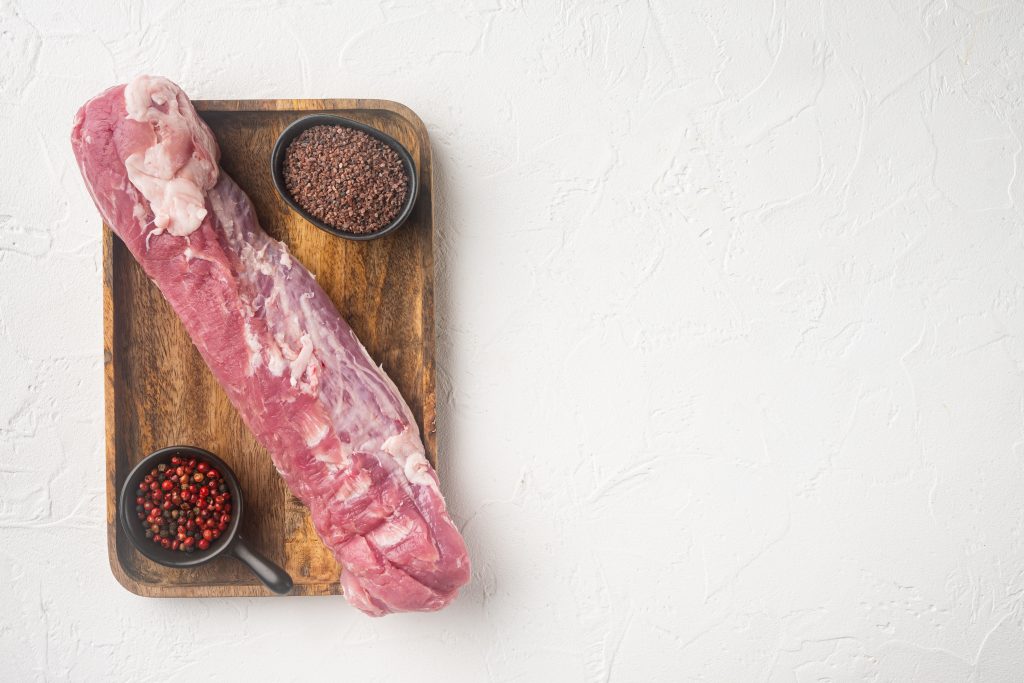
Lean Cuts: Zabiha Farms offers leaner cuts of beef and lamb that are naturally lower in fat.
-
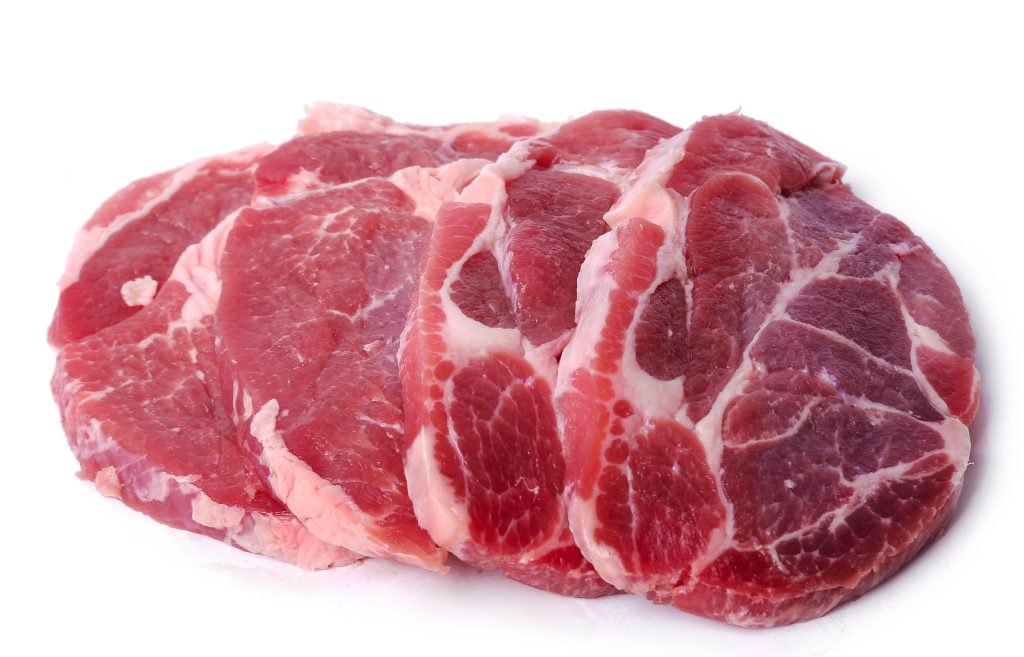
Visible vs. Hidden Fat: Trim visible fat and remove skin from poultry to reduce excess fat.
-
Nutritional Balance: Halal meat provides high-quality protein, vitamins, and minerals, making it a valuable part of a balanced diet.
Understanding your meat cut and fat content is the first step in healthy cooking.
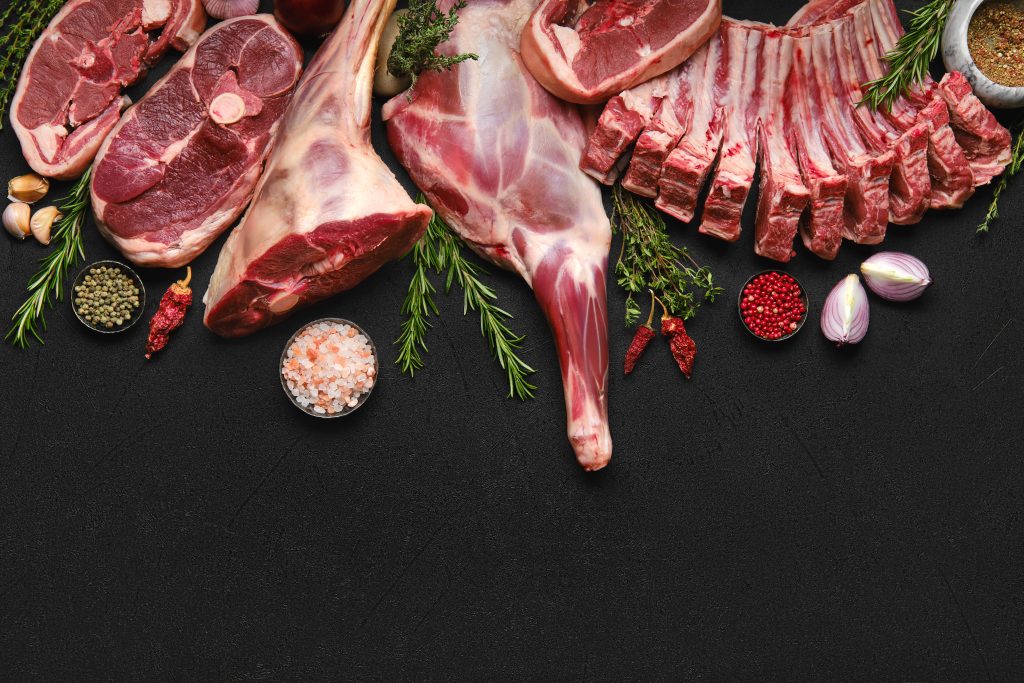
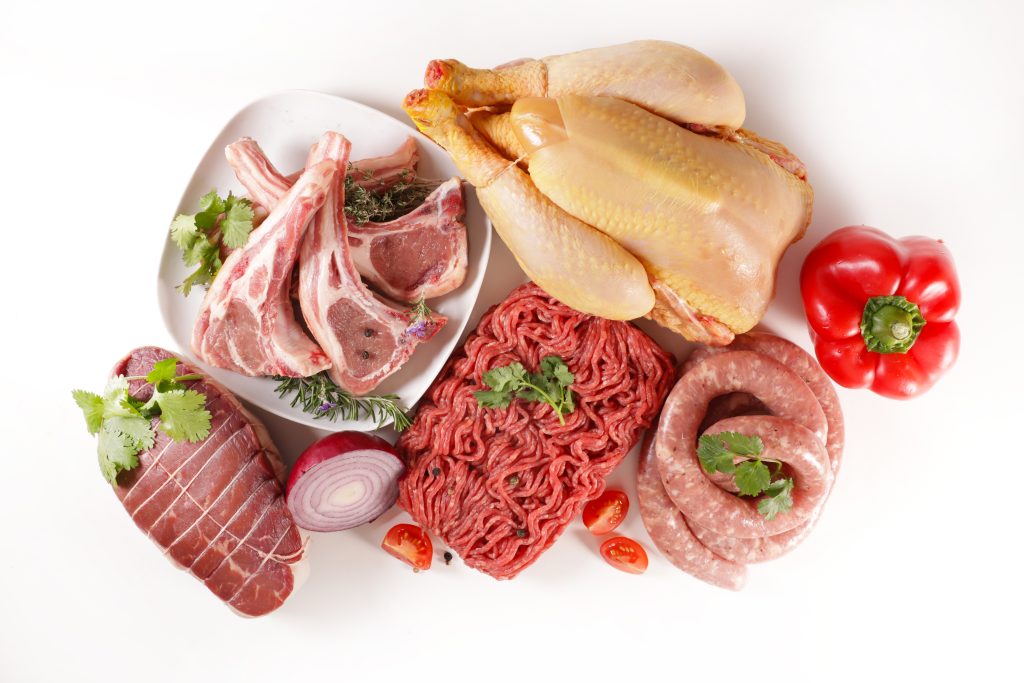
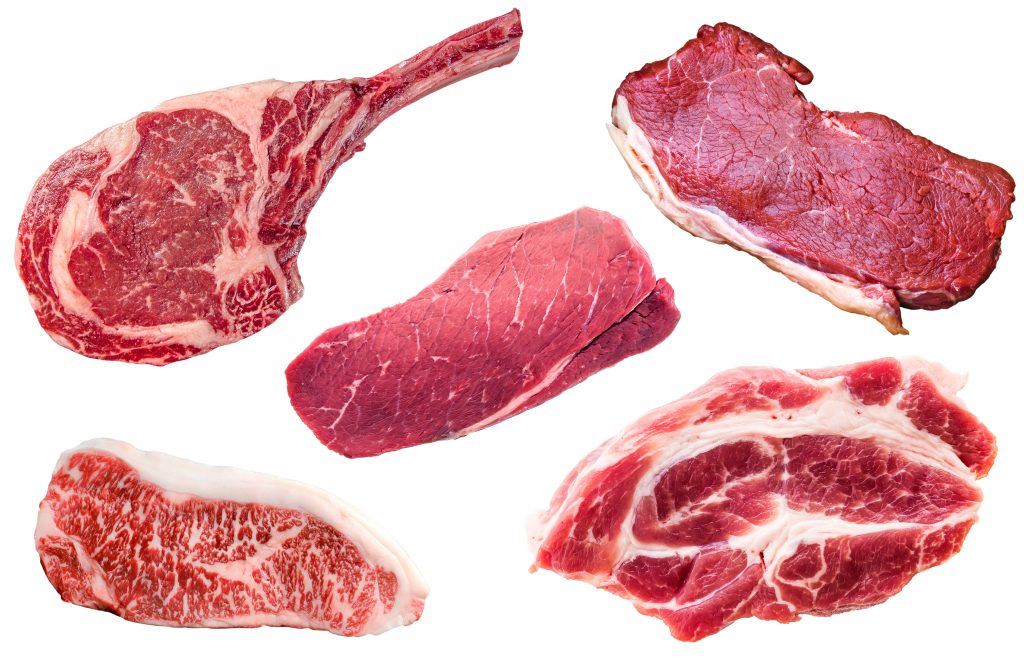
2. Choosing the Right Cuts
Selecting lean cuts helps minimize fat while preserving flavor:
-
Beef: Sirloin, tenderloin, and eye of round.
-
Lamb: Leg, loin, and shoulder (trimmed).
-
Chicken: Breast without skin, or thighs trimmed of visible fat.
-
Avoid Processed Cuts: Sausages, patties, or heavily marbled meats contain extra fat and sodium.
Choosing the right cuts ensures a low-fat, protein-rich meal without compromising taste.
3. Healthy Cooking Methods
The way you cook meat impacts fat retention and overall health:
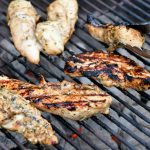
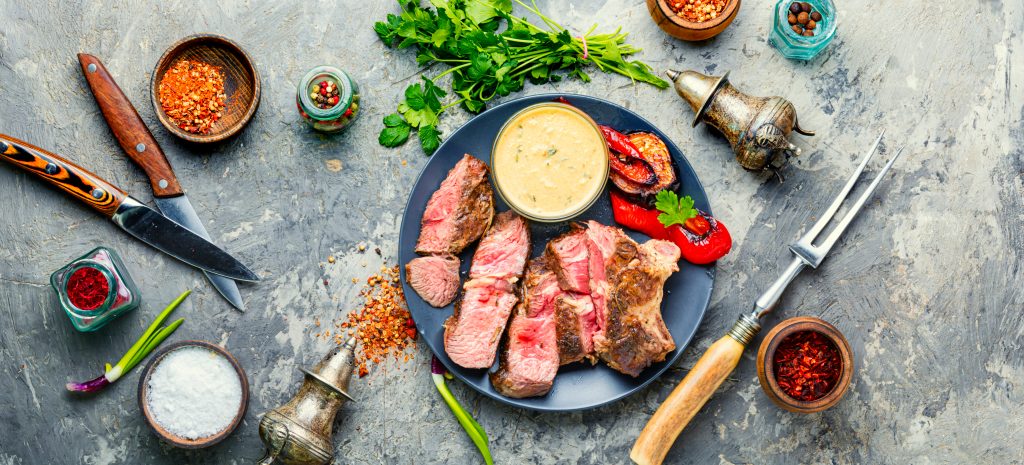
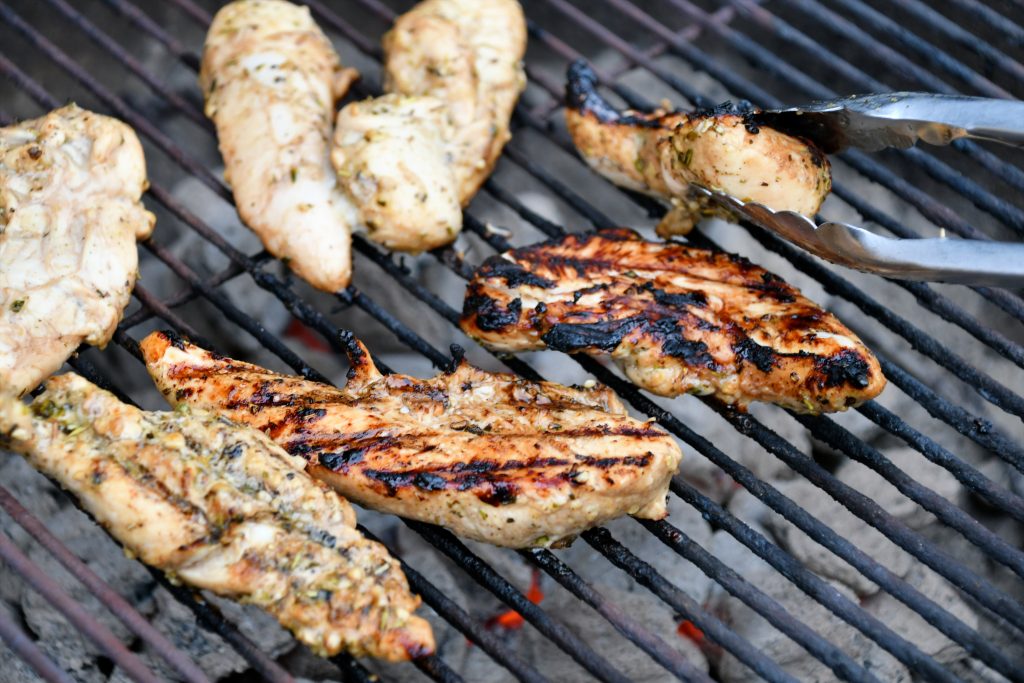
1. Grilling
-
Fat drips off the meat while cooking.
-
Produces flavorful charred edges without added oil.
2. Baking or Roasting
-
Place meat on a rack to allow fat to drip.
-
Minimal oil is needed; herbs and spices enhance flavor.
3. Steaming
-
Ideal for chicken and lean cuts of beef or lamb.
-
Retains nutrients without added fat.
4. Sautéing with Minimal Oil
-
Use non-stick pans and a teaspoon of oil or broth instead of generous amounts of butter or oil.
-
Olive oil or avocado oil adds healthy fats in moderation.
5. Slow Cooking
-
Trim fat beforehand; slow-cooked meat retains moisture without extra fat.
-
Skim fat from the top of stews and soups before serving.
These methods allow you to enjoy tender, flavorful meat without excess fat.
4. Practical Tips to Reduce Fat
-
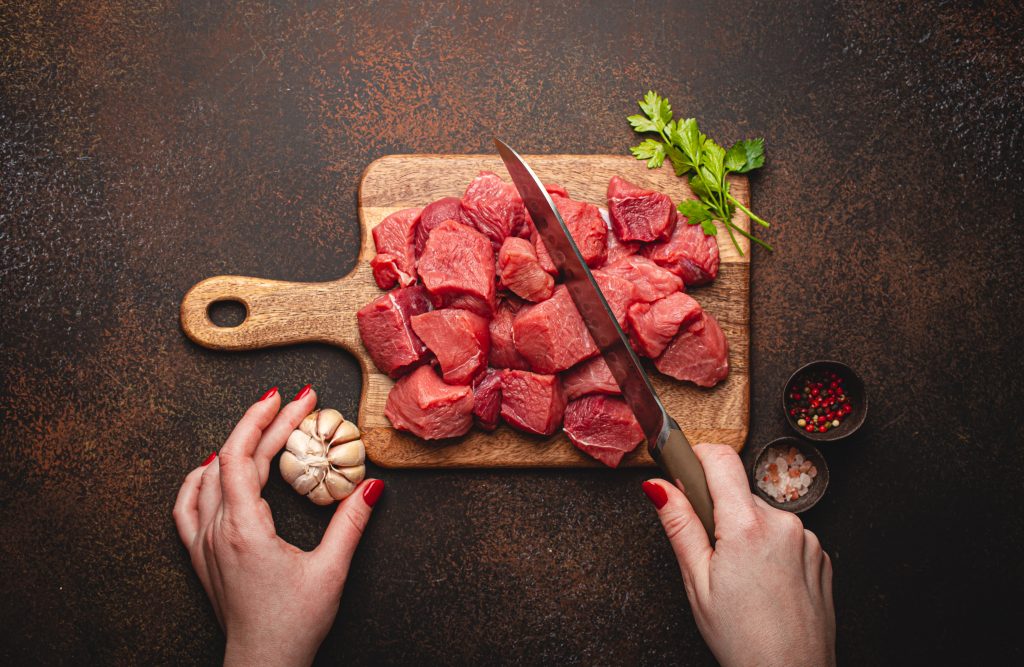
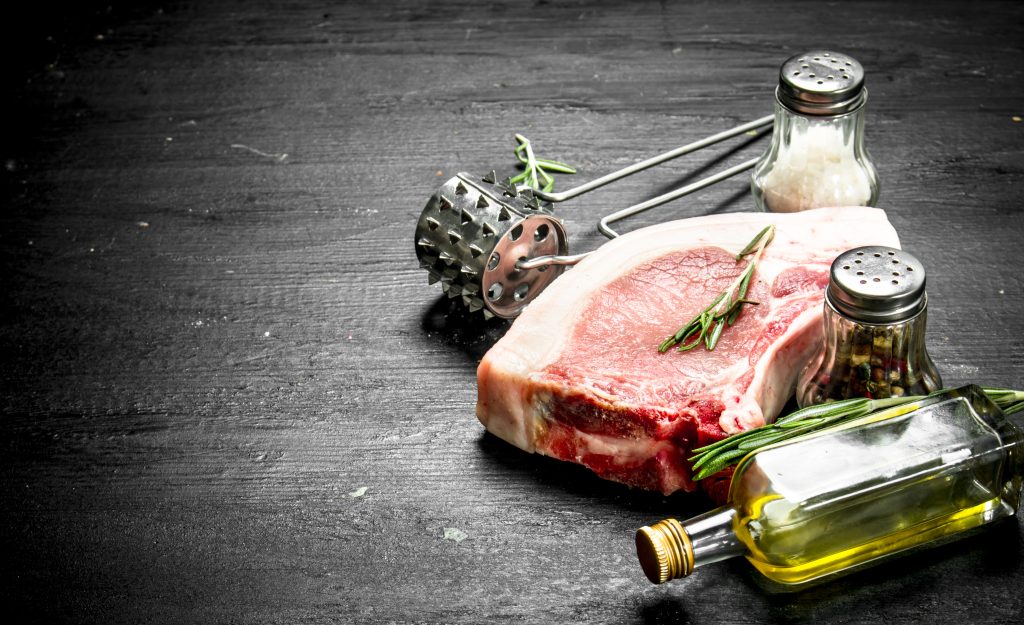
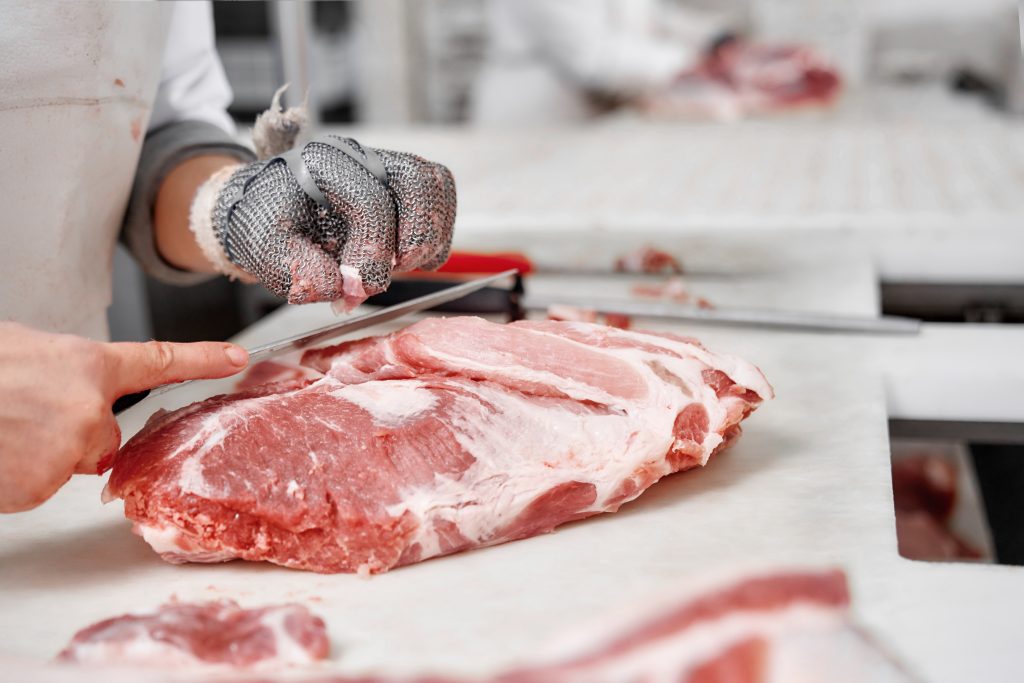
Trim Visible Fat: Before cooking, remove any fat on meat surfaces.
-
Remove Skin: Especially from poultry, which contains a high percentage of fat.
-
Use Marinades Wisely: Acidic marinades (lemon juice, vinegar, yogurt) tenderize meat without added fat.
-
Drain Fat: After cooking stews or soups, skim excess fat.
-
Choose Lean Ground Meat: Replace regular ground beef with lean or extra-lean options.
-
Cook in Foil or Parchment: Locks in moisture, reducing the need for oil.
-
Drain After Frying: If pan-frying, place meat on paper towels to remove excess oil.
Small adjustments can significantly reduce fat content while keeping dishes delicious.
5. Flavor Without Fat
Reducing fat doesn’t mean losing flavor:
-
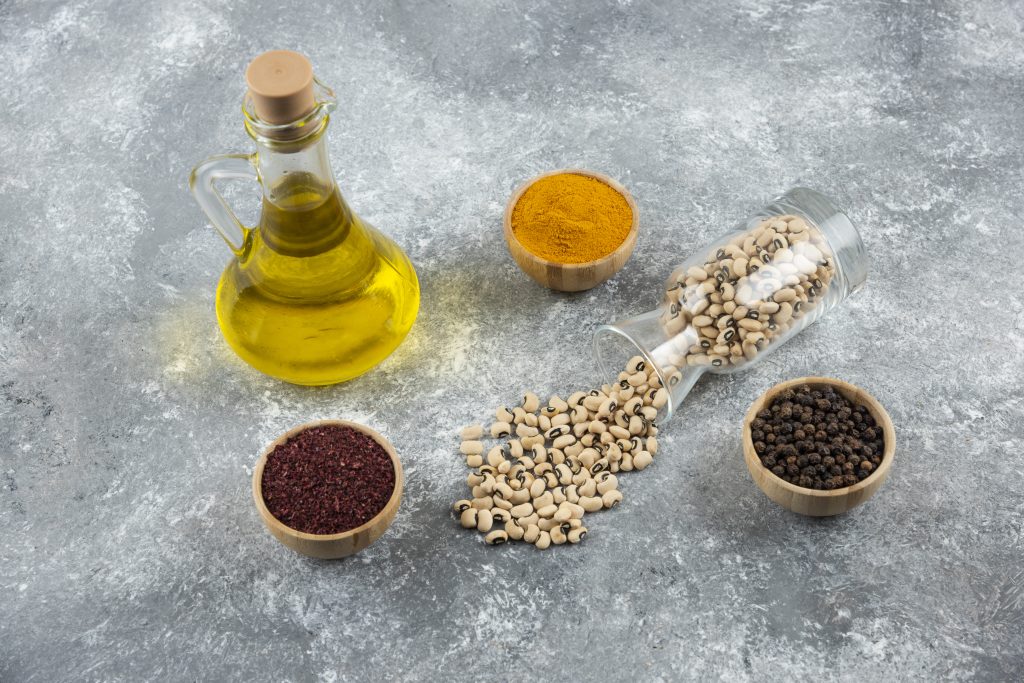
Spices and Herbs: Garlic, ginger, paprika, cumin, turmeric, coriander, and fresh herbs enhance taste naturally.
-
Acidic Ingredients: Lemon juice, yogurt, or vinegar brighten flavors and tenderize meat.
-
Aromatics: Onions, tomatoes, and bell peppers add moisture and depth without fat.
-
Low-Fat Sauces: Tomato-based sauces, stock, and light gravies provide richness without excess calories.
Healthy cooking techniques maintain rich, satisfying flavors without relying on fat.
6. Benefits of Reducing Fat
-
Heart Health: Lower saturated fat intake reduces risk of cardiovascular diseases.
-
Weight Management: Leaner meals help maintain healthy body weight.
-
Improved Digestion: Less greasy food is easier on the stomach.
-
Enhanced Nutrition: Focus on nutrient-rich ingredients instead of calorie-dense fats.
-
Sustainable Cooking: Using less fat and leaner cuts supports ethical and mindful consumption.
Fat reduction improves both health and overall meal quality.
7. Sample Low-Fat Halal Meat Recipes
1. Grilled Zabiha Chicken Breast
-
Marinate in lemon, garlic, and herbs.
-
Grill until cooked, letting fat drip off naturally.
-
Serve with grilled vegetables and a side of quinoa.
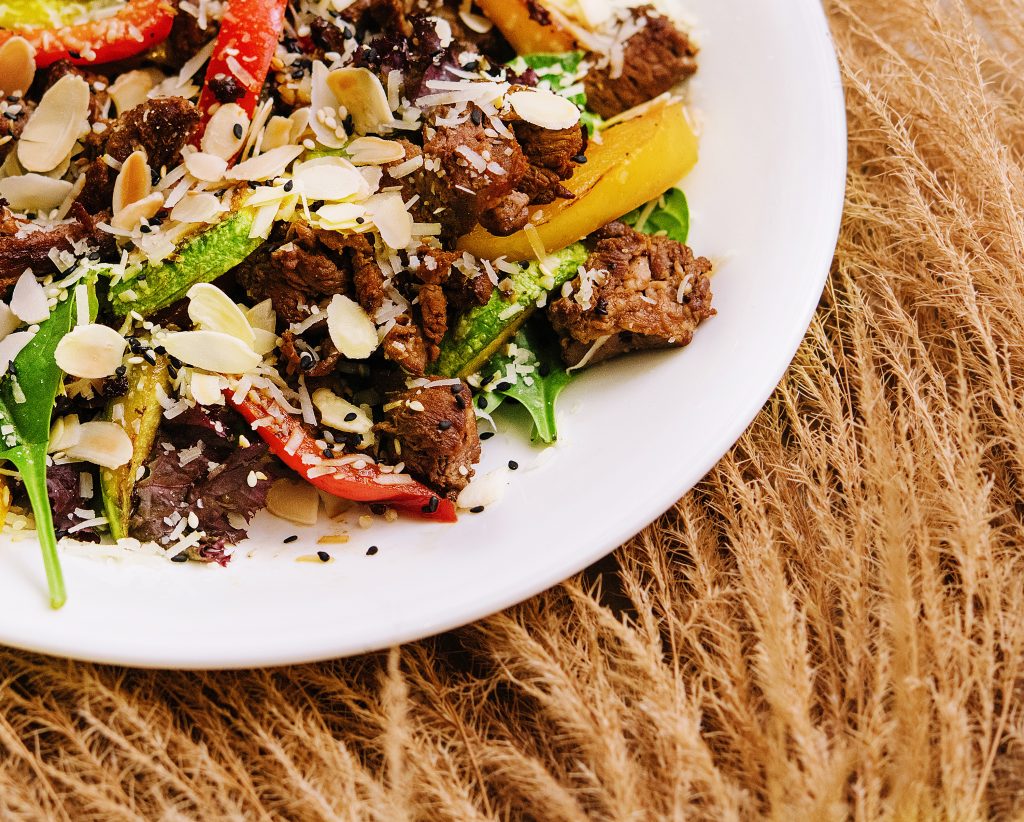
2. Lean Beef Stir-Fry
-
Use sirloin strips, stir-fried in minimal oil with garlic, ginger, and colorful vegetables.
-
Add soy sauce and spices for flavor.
-
Serve over brown rice for a balanced meal.
3. Slow-Cooked Lamb Stew
-
Trim fat from lamb pieces.
-
Slow-cook with tomatoes, carrots, onions, and spices.
-
Skim excess fat before serving.
These dishes are healthy, protein-rich, and flavorful.
8. Cooking Tools to Help Reduce Fat
-
Non-Stick Pans: Require less oil and prevent sticking.
-
Grill or Oven Rack: Allows fat to drip away from meat.
-
Slow Cooker: Maintains moisture without added fats.
-
Fat Separator: Useful for removing fat from stocks, soups, and gravies.
-
Steamer: Ideal for poultry and lean cuts.
Using the right tools ensures low-fat, healthy meals without sacrificing flavor.
9. Final Thoughts
Cooking halal meat in a healthy, low-fat way is both achievable and delicious. By choosing lean cuts, using healthy cooking methods, and employing spices and aromatics, you can prepare meals that are:
-
Nutritious and protein-rich
-
Tender and flavorful
-
Ethically sourced and halal-compliant
With Zabiha Farms meat, you get high-quality, naturally tender meat that makes it easy to reduce fat while maintaining taste. Simple techniques like trimming fat, grilling, baking, and using minimal oil allow you to enjoy hearty halal meat meals that are good for your health and your family.