








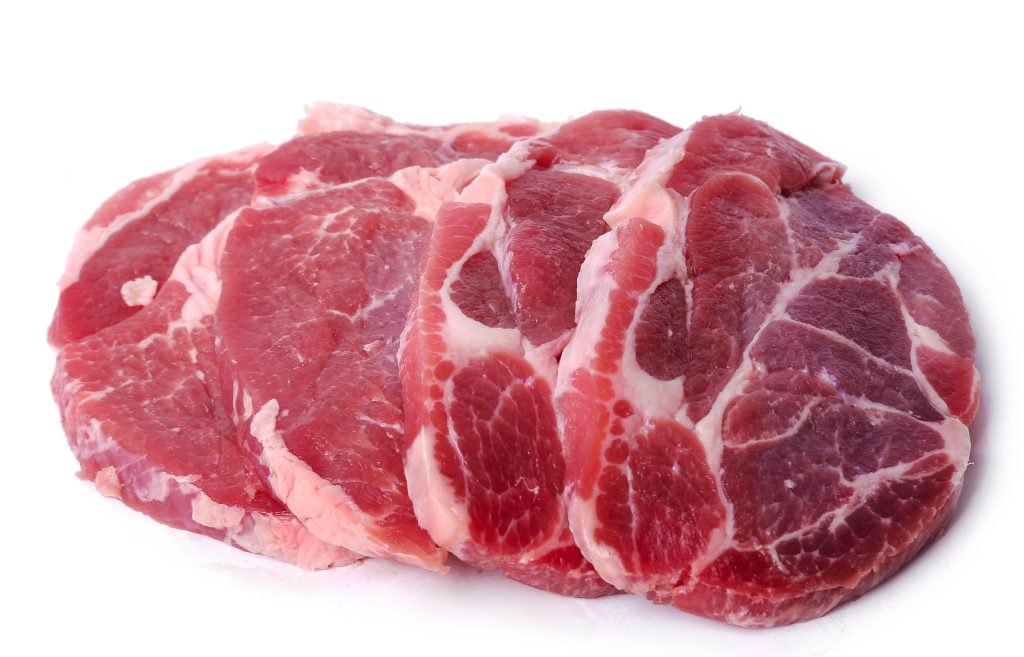
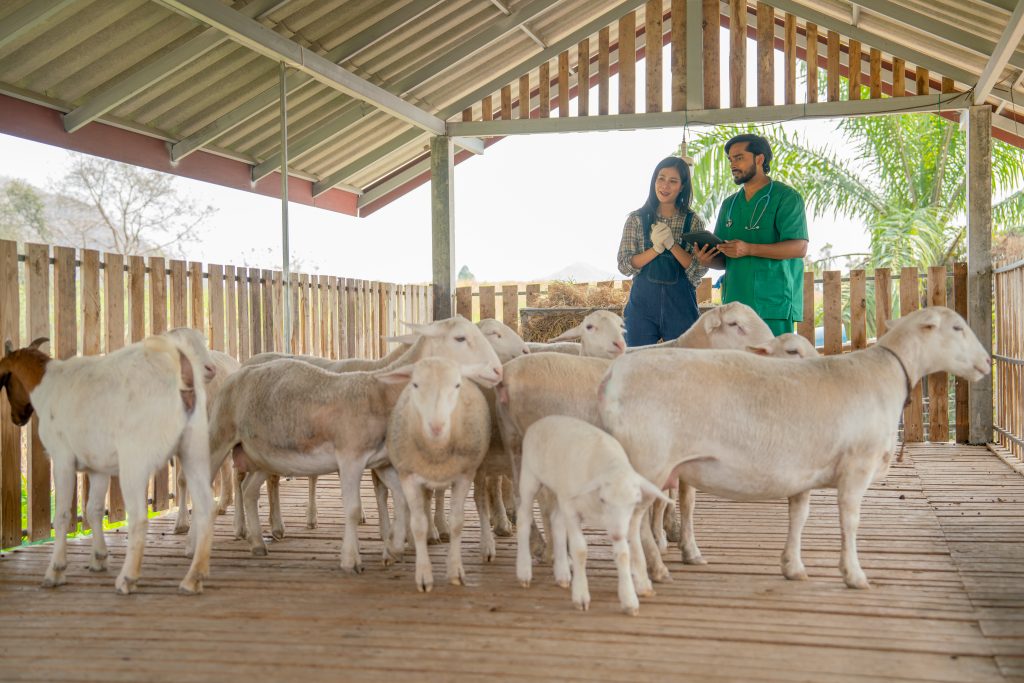
















Nutritional Differences Explained: Understanding Halal vs Non-Halal Meat

When it comes to meat, not all protein sources are created equal. For health-conscious individuals and those adhering to religious guidelines, understanding the nutritional differences between halal (Zabiha) and non-halal meat is crucial. At Zabiha Farms, we provide premium halal meat that is not only ethically sourced and spiritually compliant but also rich in vital nutrients that support overall health and wellness.
In this blog, we explain the key nutritional differences, why they matter, and how choosing halal meat can benefit your body, mind, and lifestyle.
1. Protein Quality
Protein is essential for muscle growth, tissue repair, and metabolic function.
-
Halal meat: Provides high-quality, complete proteins with all essential amino acids. Animals are slaughtered in a stress-free environment, which preserves muscle integrity and protein bioavailability.
-
Non-halal meat: Often subjected to stressful handling, which can reduce the overall quality and digestibility of proteins.
By choosing Zabiha meat, you ensure your body receives optimal protein for energy, muscle repair, and daily function.
2. Fat Content and Composition
Fat composition in meat influences heart health and calorie intake:
-
Halal meat: Ethically raised animals often have leaner fat distribution. Stress-free conditions lead to lower cortisol levels, which can reduce excess fat deposits and preserve healthy fatty acids. Halal meat contains a better balance of omega-3 and omega-6 fatty acids.
-
Non-halal meat: Animals exposed to stress or poor rearing practices may have higher levels of saturated fat and less favorable fatty acid profiles.
Choosing halal meat supports heart health, weight management, and long-term wellness.
3. Vitamins and Minerals
Meat is a key source of micronutrients:
-
Halal meat: Rich in iron, zinc, selenium, and B vitamins. Proper feeding and humane care enhance nutrient retention. Iron from halal meat is highly bioavailable (heme iron), supporting oxygen transport and energy production.
-
Non-halal meat: May have slightly reduced nutrient density due to stress, poor feed, or storage practices.
Regular consumption of Zabiha meat contributes to optimal metabolism, immunity, and cognitive function.
4. Digestive Health
Digestibility impacts how well your body absorbs nutrients:
-
Halal meat: Animals slaughtered according to Zabiha guidelines are bled properly, which helps remove impurities and reduces microbial load. This results in cleaner, easier-to-digest meat.
-
Non-halal meat: May have residues from stress or improper handling, affecting digestive efficiency.
Digestive-friendly meat ensures your body efficiently utilizes proteins, fats, and minerals.
5. Hormonal Balance
Animal stress can affect meat quality and hormone levels:
-
Halal meat: Stress-free rearing reduces cortisol and adrenaline levels, leading to more stable and wholesome meat composition.
-
Non-halal meat: Stressed animals may have higher stress hormone residues, which can subtly affect metabolism and overall nutrition.
Choosing halal meat ensures nutritional integrity and hormone-friendly food for your body.
6. Impact of Processing and Handling
Processing techniques also influence nutrient retention:
-
Halal meat: Zabiha Farms prioritizes clean, hygienic handling from farm to plate. Minimal processing preserves protein quality, vitamins, and minerals.
-
Non-halal meat: Industrial processing can lead to additives, preservatives, and nutrient loss, reducing overall nutritional value.
Proper handling enhances both safety and nutritional quality.
7. Antioxidants and Health Compounds
Halal meat often contains higher levels of naturally occurring antioxidants:
-
Compounds like glutathione and carnosine support cellular health, immune function, and muscle recovery.
-
Humane, organic feed and stress-free rearing help preserve antioxidant levels, giving Zabiha meat a nutritional edge.
These compounds improve long-term health and recovery, particularly for active individuals.
8. Taste and Satiety
Nutritional differences also influence flavor and satiety:
-
Halal meat: Lean, nutrient-rich cuts retain natural taste and aroma, making meals more satisfying. High-quality protein and healthy fats promote fullness, aiding in balanced portion control.
-
Non-halal meat: May have a different flavor profile due to processing or animal stress, which can affect meal satisfaction.
A satisfying, nutrient-rich meal helps control appetite and maintain energy levels.
9. Spiritual and Ethical Nutritional Value
Nutrition isn’t just physical—spiritual alignment and ethical considerations impact well-being:
-
Halal meat: Complies with Zabiha guidelines, ensuring ethical slaughter and spiritual purity. Consuming meat aligned with faith supports mindful eating, peace of mind, and holistic wellness.
-
Non-halal meat: May lack ethical oversight, which can impact psychological and spiritual satisfaction in conscious eaters.
Eating ethically sourced halal meat adds a holistic dimension to nutrition, beyond just calories and macronutrients.
10. Summary of Nutritional Differences
| Feature | Halal (Zabiha) Meat | Non-Halal Meat |
|---|---|---|
| Protein | Complete, high bioavailability | May be slightly less digestible |
| Fat | Lean, balanced omega-3/6 | Higher saturated fat in stressed animals |
| Vitamins & Minerals | Rich in B12, iron, zinc, selenium | Potential reduction due to stress/handling |
| Digestibility | Cleaner, easier to digest | Variable depending on processing |
| Hormones | Low stress hormone residues | Higher cortisol/adrenaline possible |
| Antioxidants | Preserved due to humane care | May be reduced due to industrial handling |
| Ethical & Spiritual | Compliant with Zabiha, humane | Variable, may lack ethical oversight |
11. Incorporating Nutritionally Superior Halal Meat
To maximize health benefits:
-
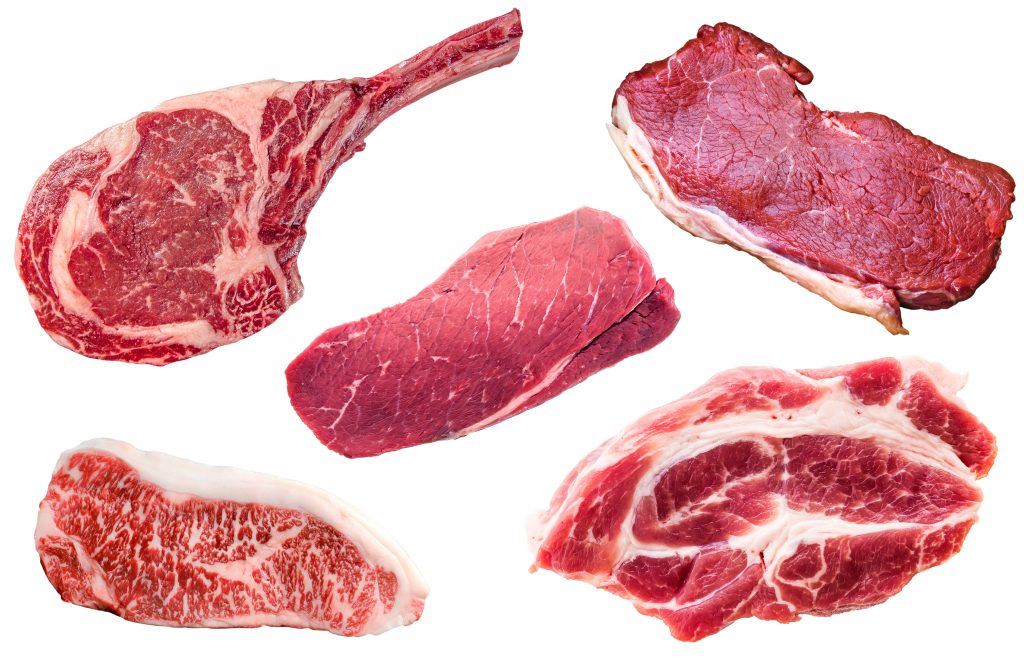
Choose lean cuts like chicken breast, sirloin, or goat loin for protein.
-
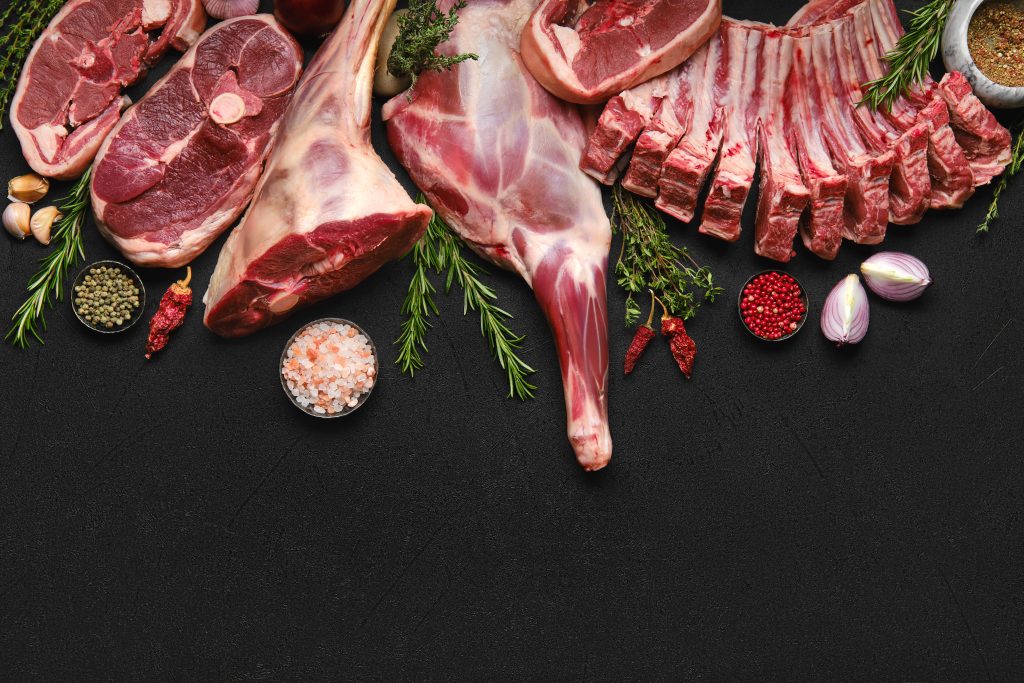
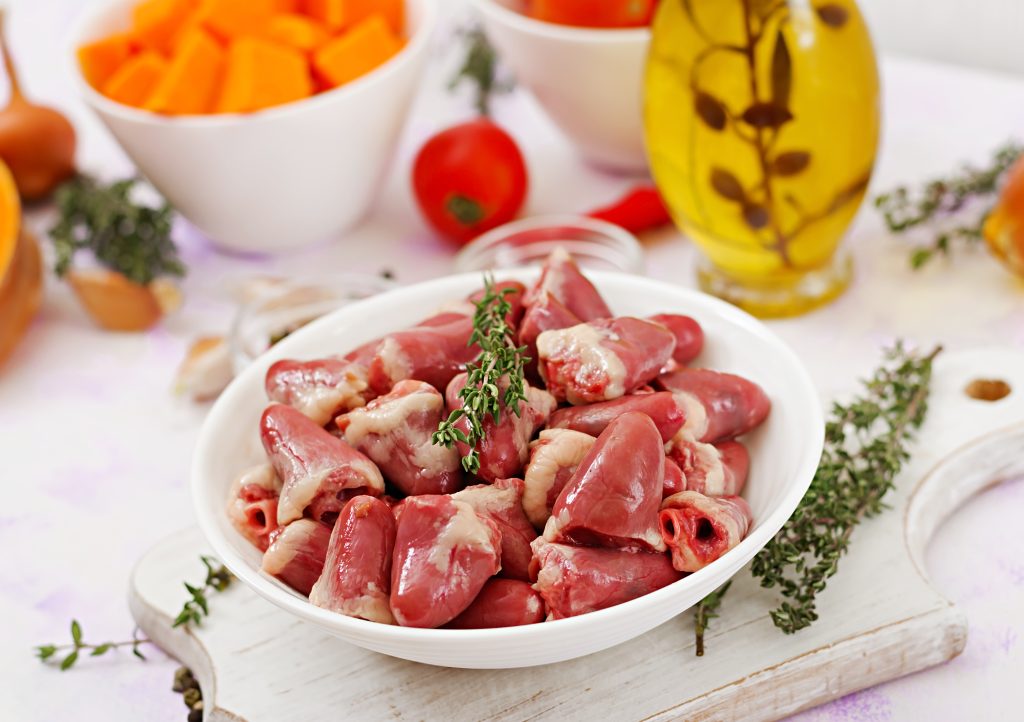
Include variety: beef, lamb, goat, and organ meats for a nutrient-rich diet.
-
Pair meat with vegetables, whole grains, and healthy fats to create balanced meals.
-
Practice portion control to maintain calorie balance while meeting protein needs.
Ethically sourced halal meat ensures optimal nutrition, taste, and well-being.
Conclusion
The nutritional differences between halal and non-halal meat are more than just minor details—they impact protein quality, fat composition, vitamin and mineral content, digestibility, and overall wellness.
Choosing Zabiha meat from Zabiha Farms guarantees:
-
High-quality, complete protein for muscle and metabolism
-
Balanced fats and essential nutrients for energy and immunity
-
Low stress hormone residues for wholesome nutrition
-
Ethical and spiritual compliance for mindful consumption
-
Clean, hygienic, and fresh meat from farm to plate
By understanding these differences, you can make informed choices that benefit your body, mind, and lifestyle while honoring faith and ethical values.
Premium halal meat is not just food—it’s a foundation for nutrition, health, and ethical living.