



















Testing for Safety and Purity at Zabiha Farms

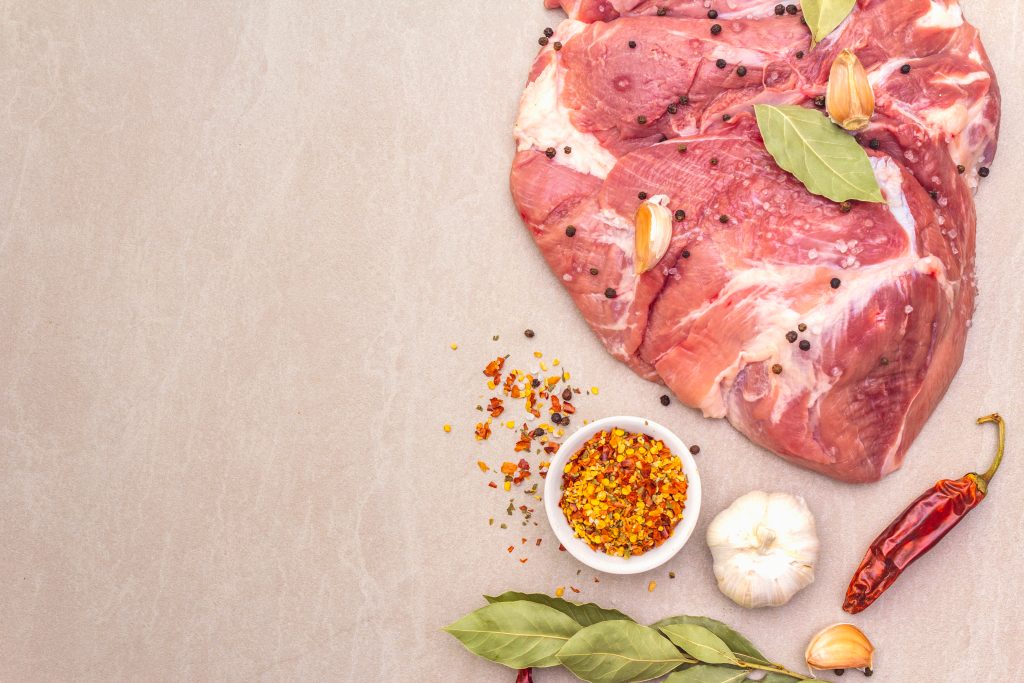
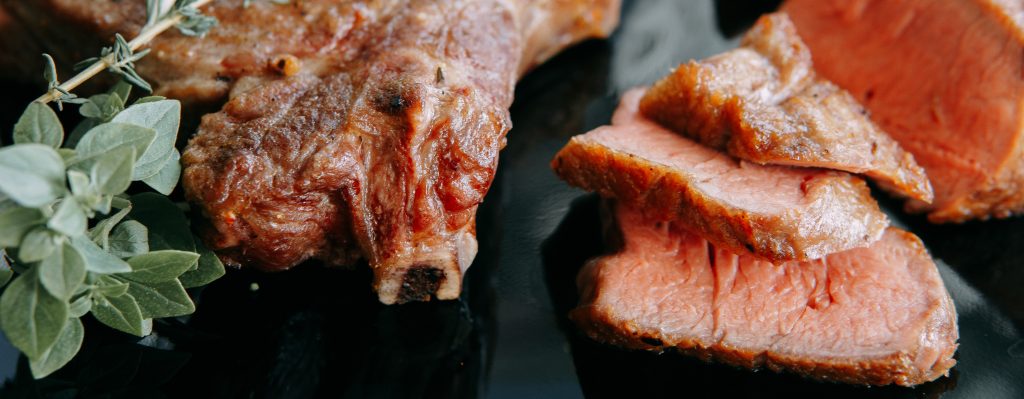
At Zabiha Farms, providing halal meat is only part of our commitment to consumers. Equally important is ensuring that every cut of meat meets the highest standards of safety and purity. Testing for safety and purity is a rigorous process that guarantees that meat is free from harmful contaminants, disease, and impurities, while remaining fully halal.
From the moment livestock are raised to the moment meat reaches your plate, Zabiha Farms employs strict safety protocols, modern testing methods, and ethical practices to uphold both quality and trust. In this blog, we explore how testing ensures the safety, purity, and overall integrity of our products.
1. The Foundation: Healthy Livestock
Safety begins with the health of the animals:
-
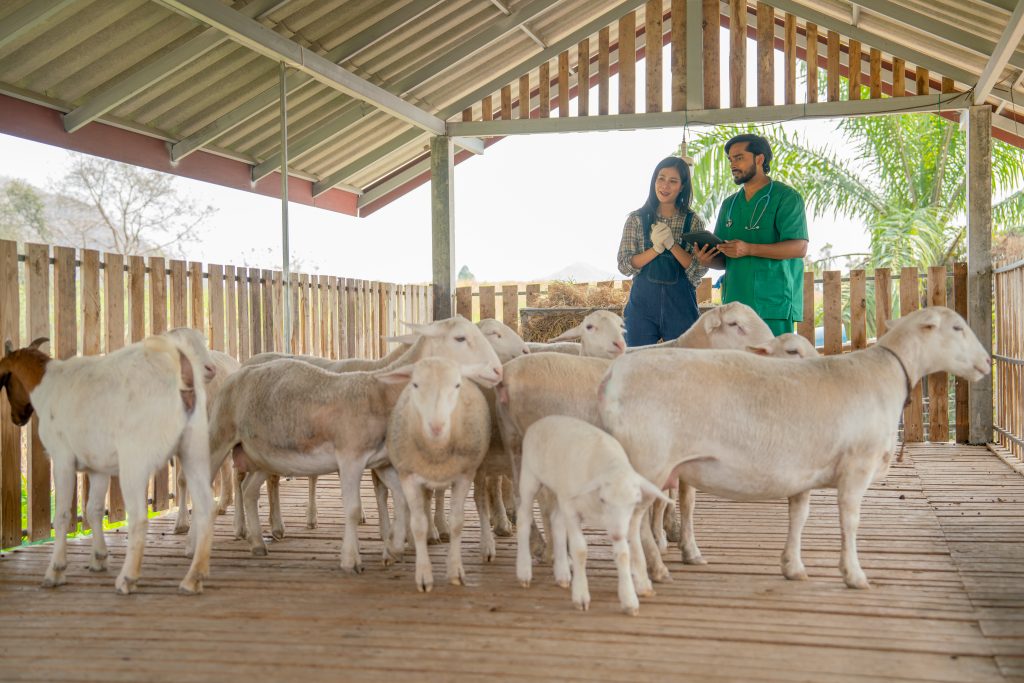
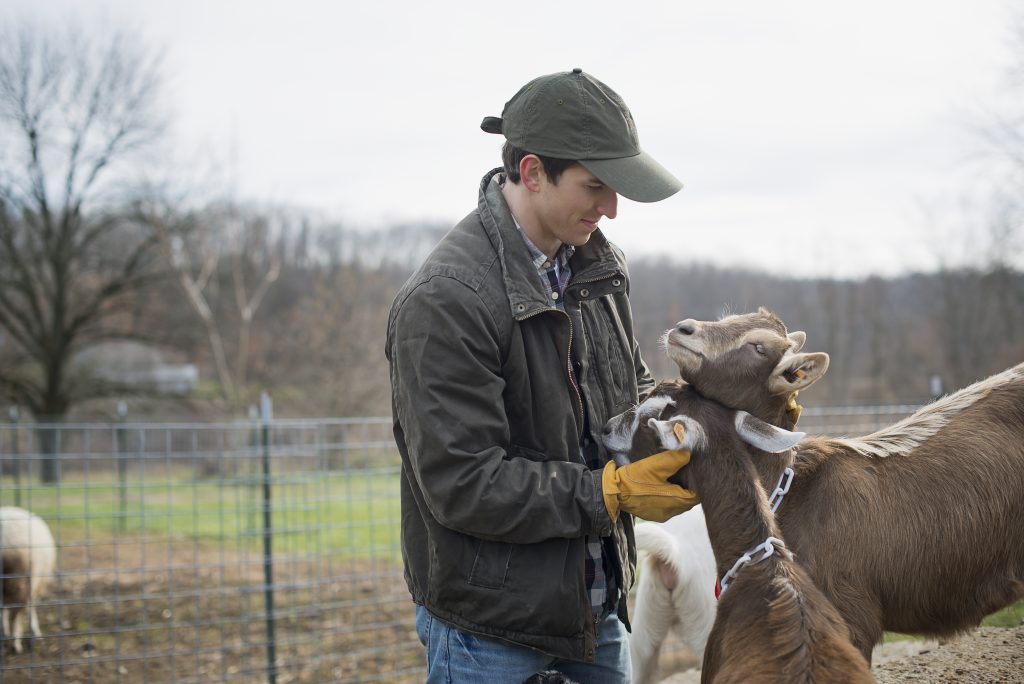
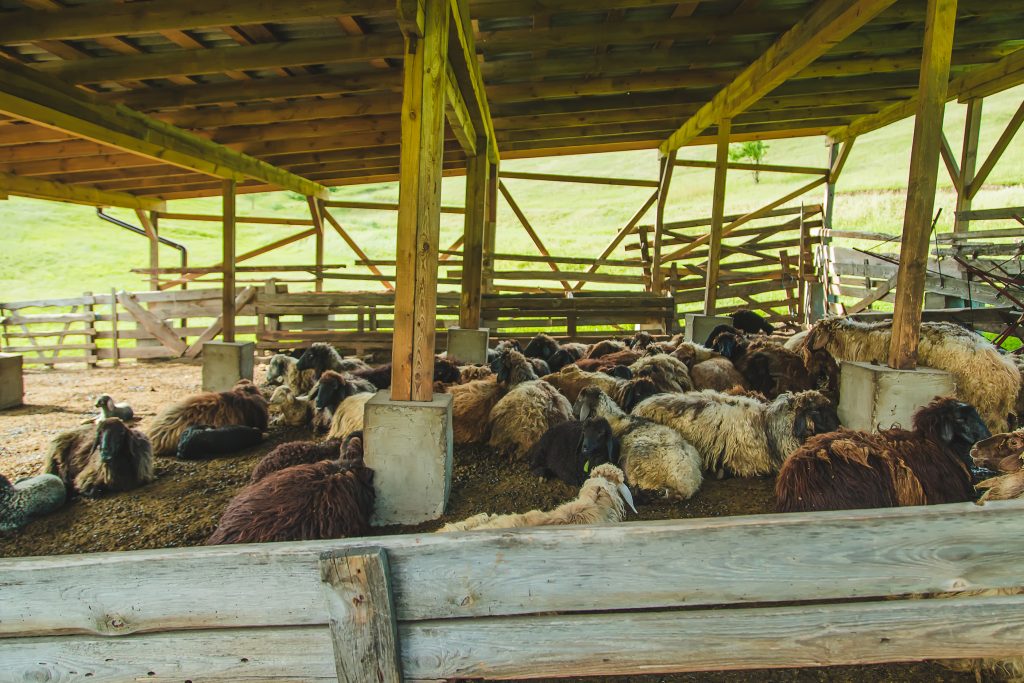
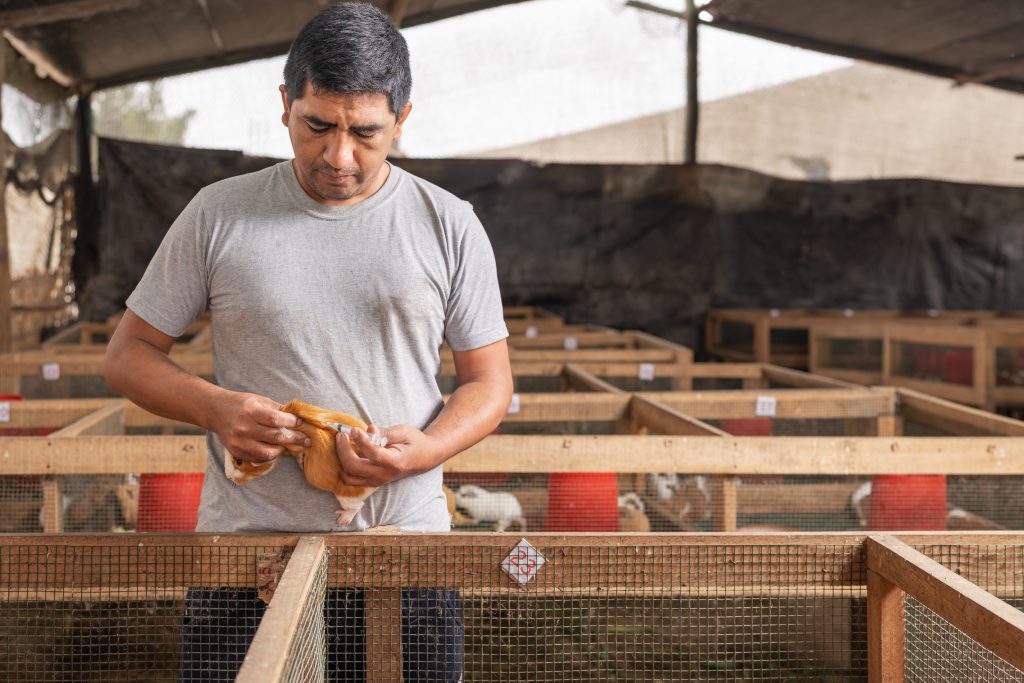
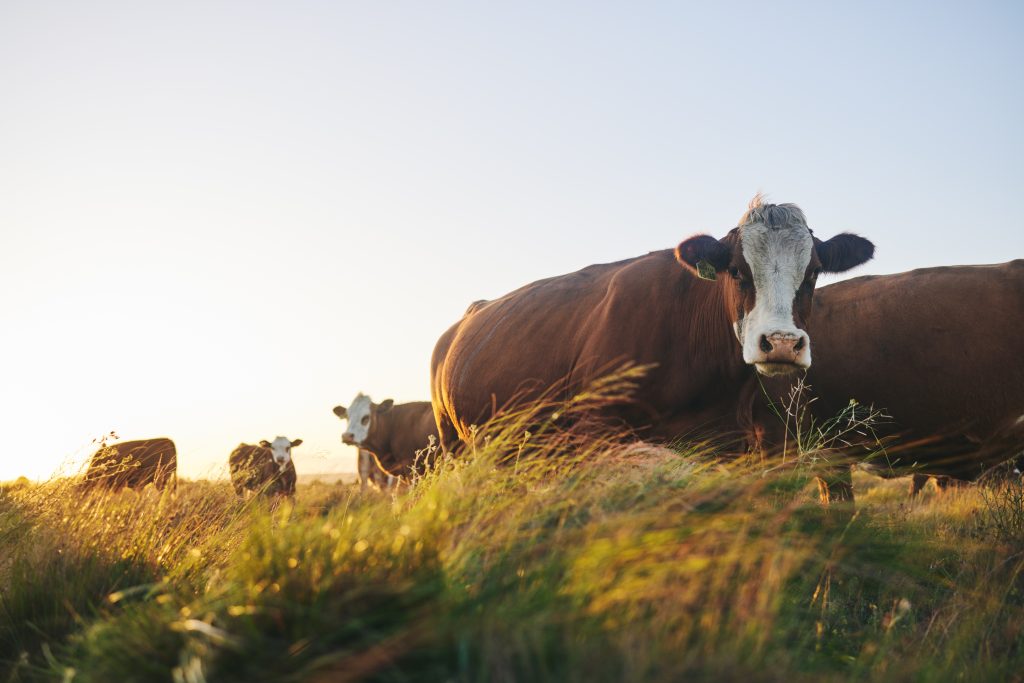
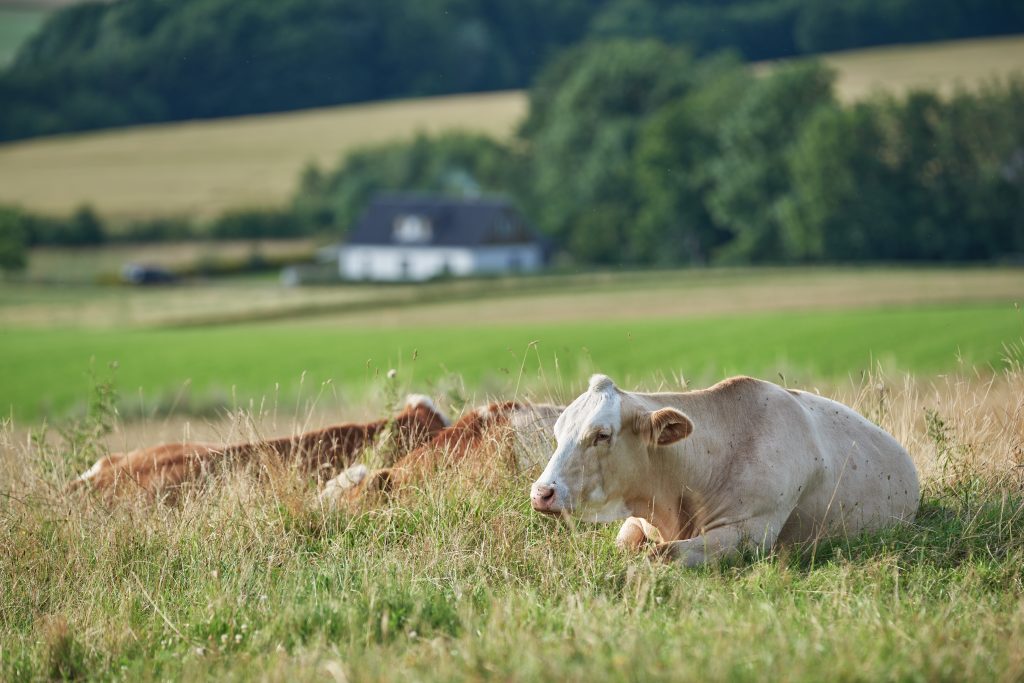
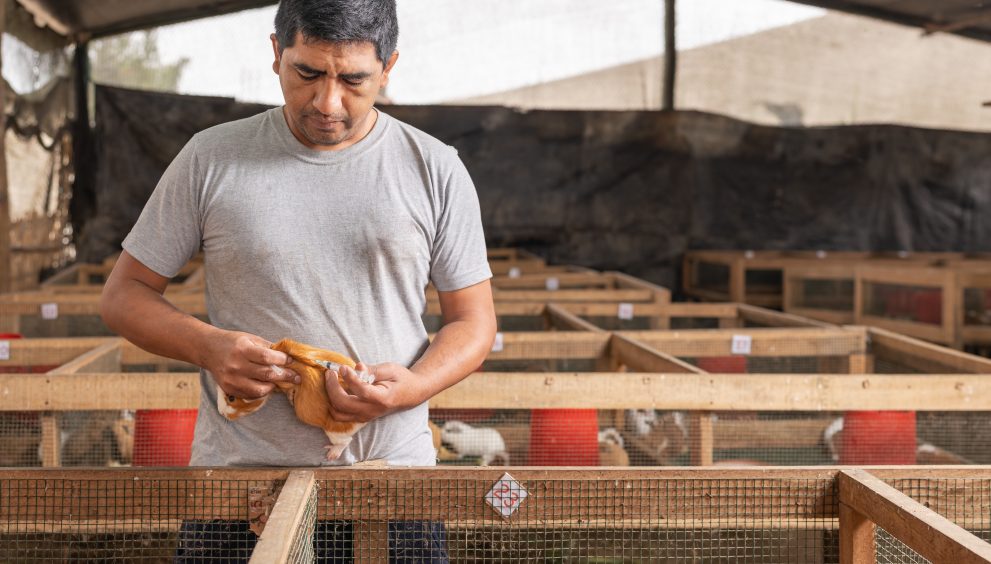
Livestock are raised in clean, spacious, and stress-free environments, minimizing the risk of disease.
-
Proper nutrition and regular veterinary care prevent illness and infection, ensuring animals remain healthy from birth to slaughter.
-
Only healthy, disease-free animals are selected for processing, laying the groundwork for safe and pure meat.
Healthy animals are the first line of defense in maintaining purity and safety.
2. Halal Slaughter as a Safety Measure
Zabiha slaughter practices are designed to protect both spiritual integrity and physical safety:
-
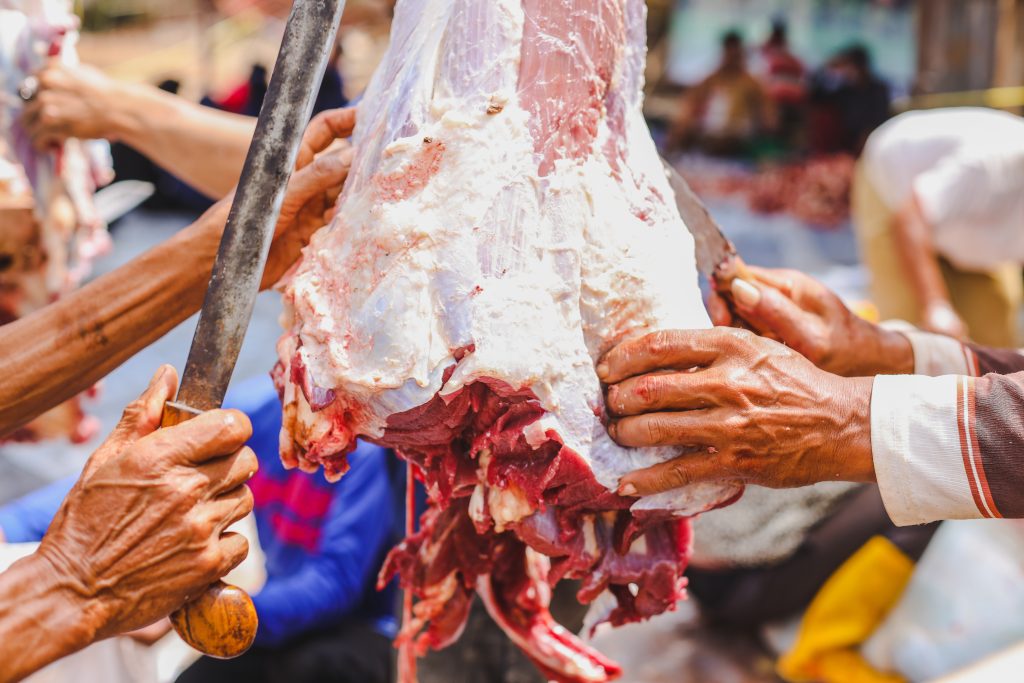
Slaughter is performed quickly and humanely, reducing stress and potential contamination.
-
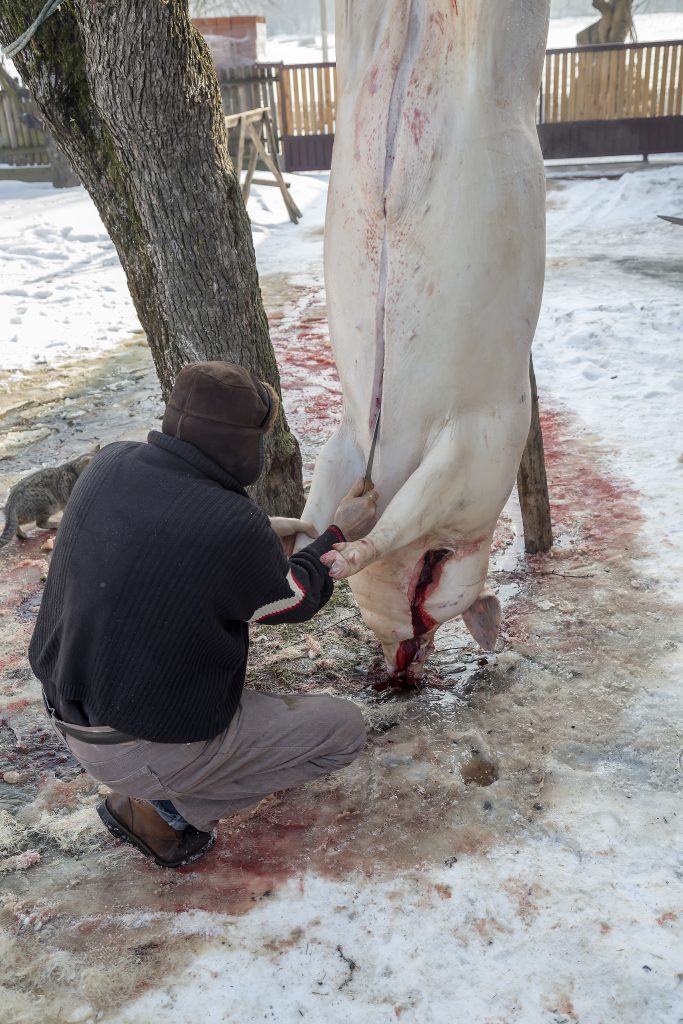
Complete blood drainage is a key step in removing impurities and preserving hygiene.
-
All procedures adhere strictly to halal guidelines, ensuring spiritual compliance alongside safety.
Proper slaughtering techniques reduce the risk of bacterial growth and ensure clean, high-quality meat.
3. Hygienic Handling and Processing
Once the animal is slaughtered, careful handling maintains safety and purity:
-
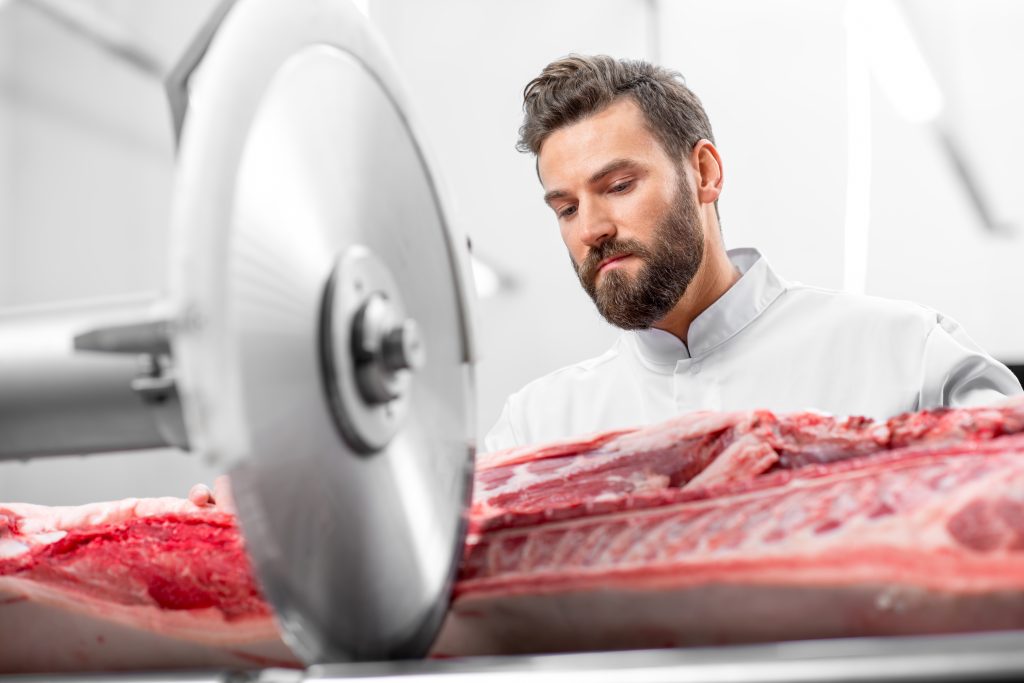
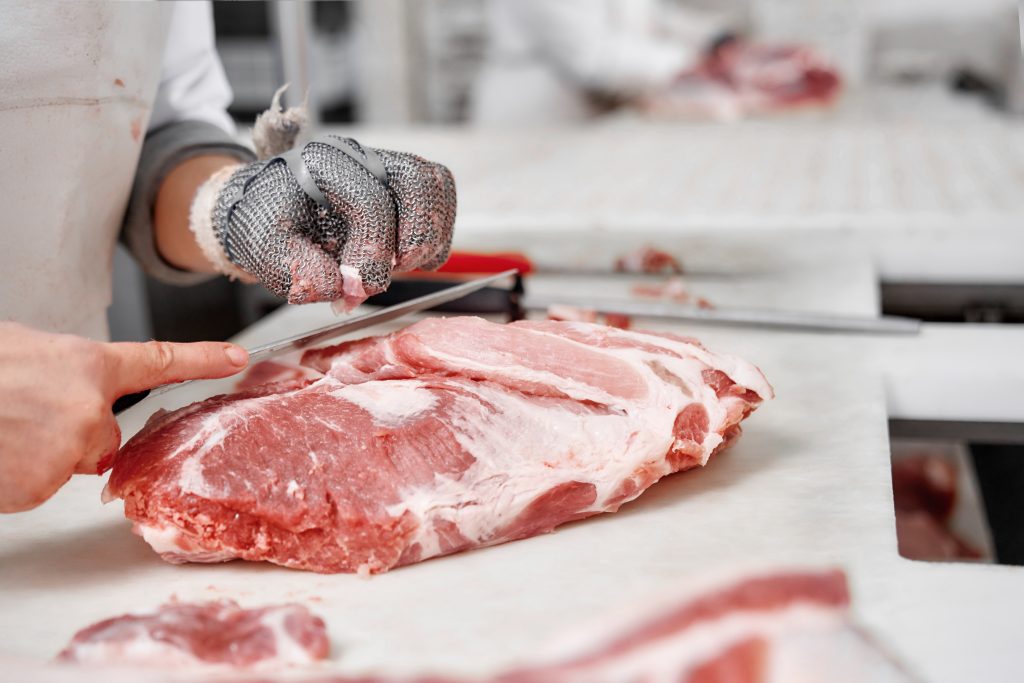
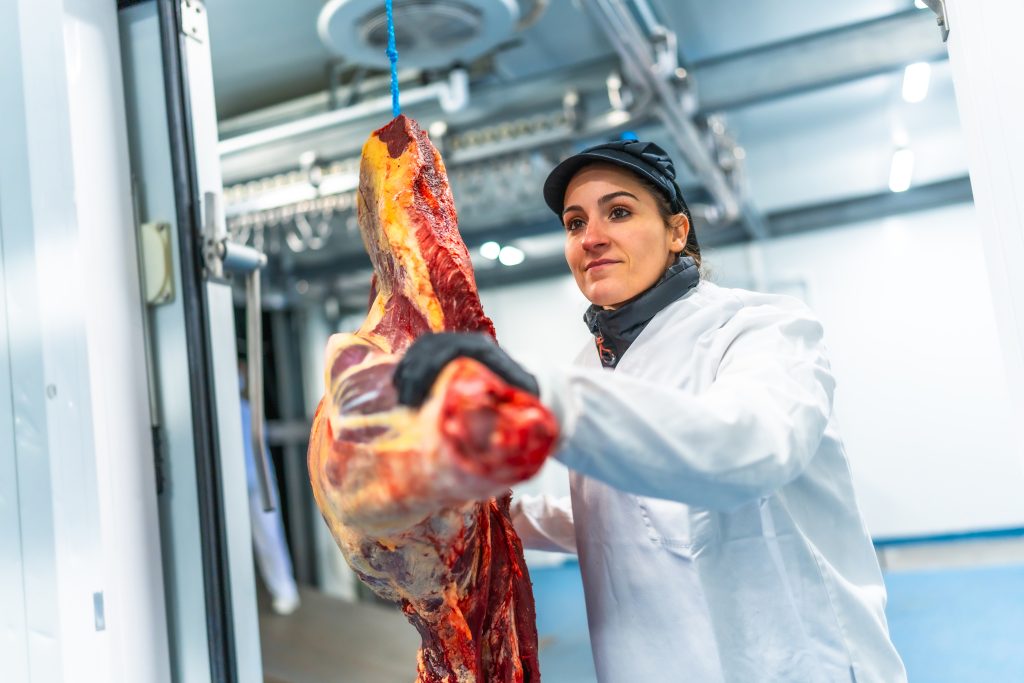
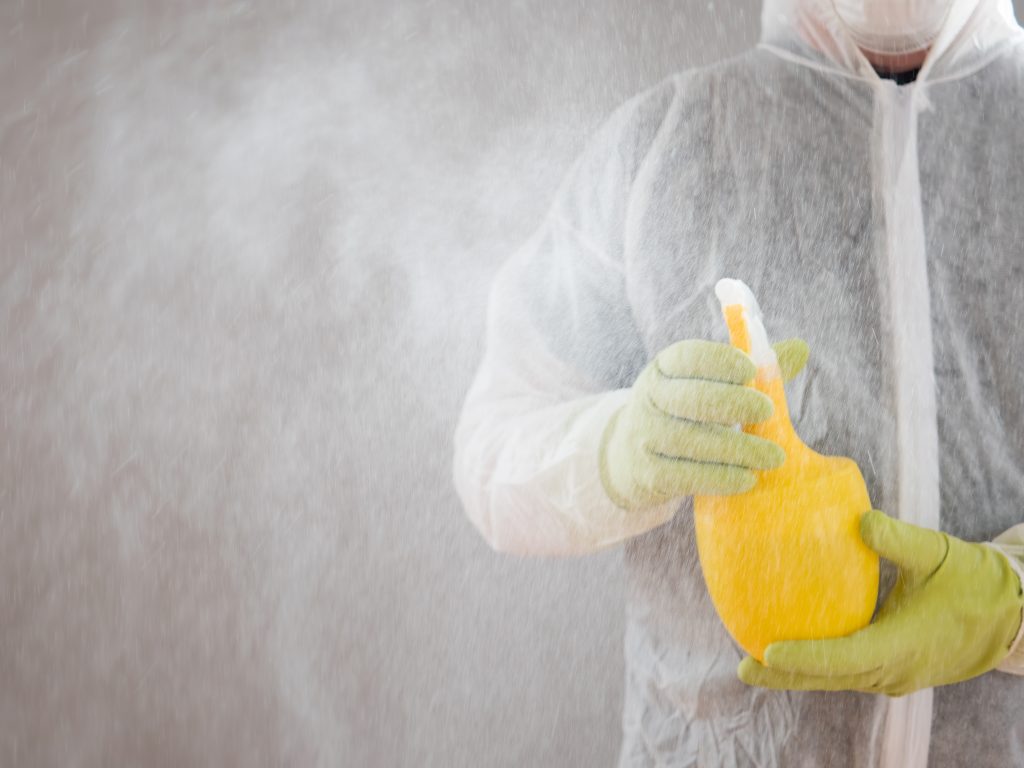
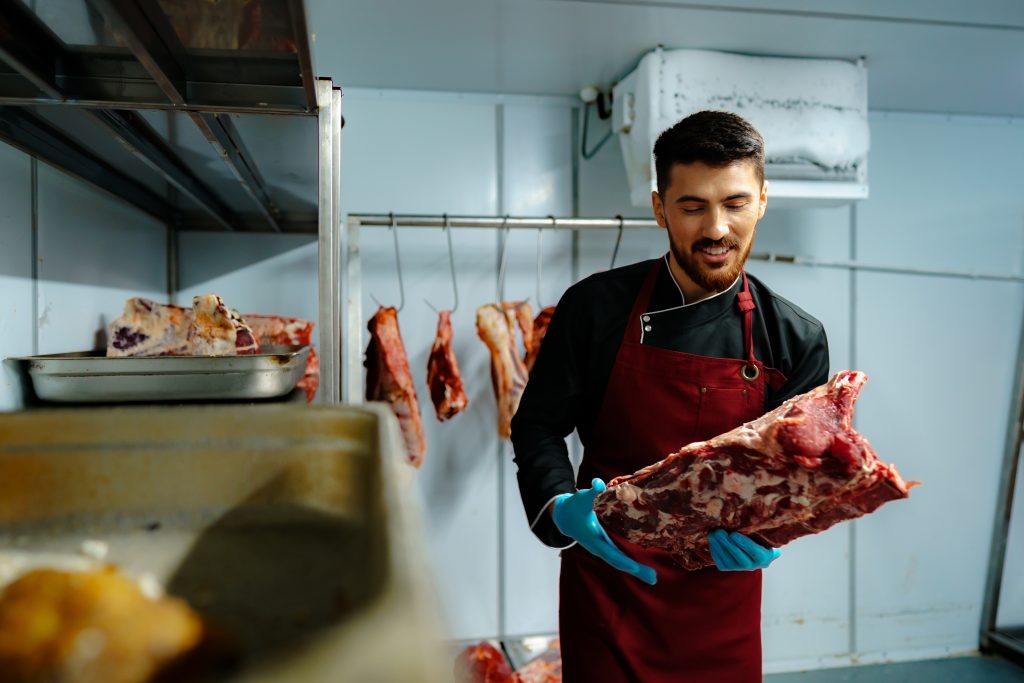
Meat is processed in sanitized, temperature-controlled facilities to prevent contamination.
-
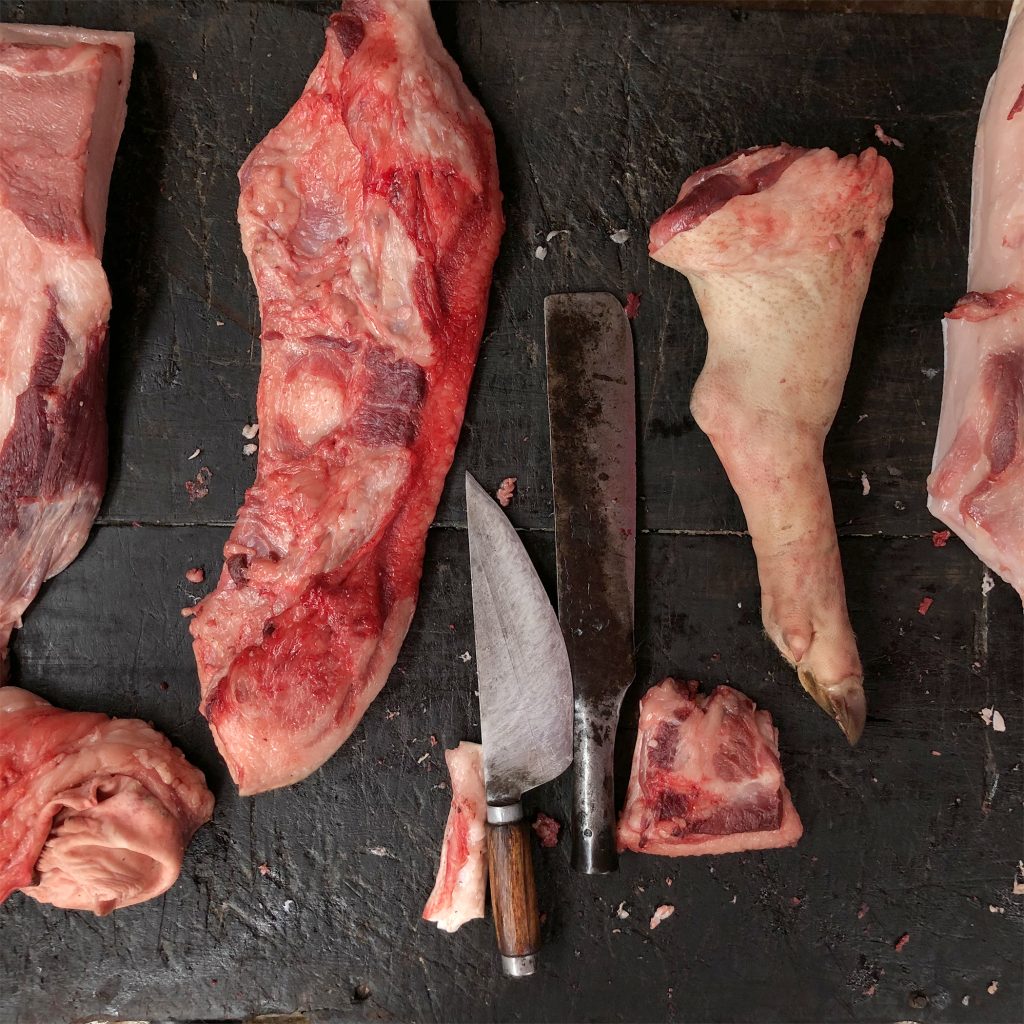
Cutting, deboning, and packaging are performed using sterile equipment and trained staff.
-
Meat is constantly monitored for any signs of spoilage or impurity, ensuring only safe products move forward.
Hygienic processing ensures that every cut maintains the purity and quality that consumers expect.
4. Laboratory Testing and Quality Assurance
Modern halal farms like Zabiha employ scientific testing to verify safety:
-
Meat is routinely tested for pathogens such as Salmonella, E. coli, and Listeria.
-
Tests check for chemical residues, heavy metals, and antibiotics, ensuring compliance with health standards.
-
Regular microbial and biochemical analysis ensures meat is safe, uncontaminated, and wholesome.
Laboratory testing provides objective verification that every product meets stringent safety standards.
5. Traceability and Documentation
Safety and purity are strengthened through traceability:
-
Every animal is tracked from farm to processing, documenting health records, feed sources, and handling practices.
-
Detailed records allow for quick identification and resolution if any safety concern arises.
-
Traceability provides transparency for consumers, who can trust that the meat is verified and pure.
Documentation reinforces both safety standards and consumer confidence.
6. Temperature Control and Cold Chain
Maintaining proper temperature is essential for preventing spoilage and preserving purity:
-
Meat is rapidly chilled and stored in temperature-controlled environments.
-
Cold-chain logistics ensure meat remains fresh and uncontaminated from processing to delivery.
-
Continuous monitoring prevents microbial growth, maintaining high safety standards.
Temperature control is crucial to keeping meat fresh, safe, and pure throughout the supply chain.
7. Compliance with Regulatory Standards
Zabiha Farms adheres to strict local and international safety regulations:
-
Compliance with halal certification ensures spiritual and physical integrity.
-
Health authorities’ standards for meat hygiene are rigorously followed, including handling, storage, and testing protocols.
-
Periodic inspections and audits verify that all processes maintain purity, cleanliness, and compliance.
Following regulations ensures meat meets both religious and legal safety requirements.
8. Educated and Trained Staff
Human oversight is as important as technology:
-
All staff undergo training in food safety, halal compliance, and hygiene practices.
-
Staff are trained to identify potential hazards, handle animals gently, and prevent contamination.
-
Continuous education updates staff on new testing protocols and safety standards.
Knowledgeable staff are essential to maintaining purity at every step.
9. Packaging for Safety and Purity
Proper packaging protects meat from contamination and spoilage:
-
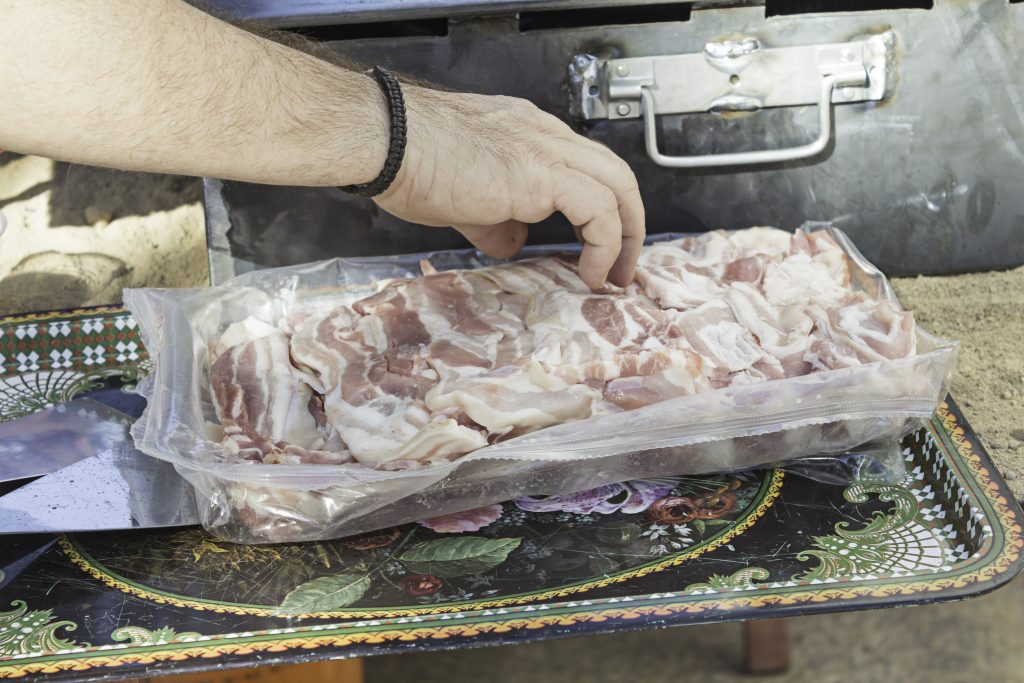
Vacuum-sealed or hygienic packaging prevents exposure to air, bacteria, and environmental impurities.
-
Packages are labeled with traceable information, allowing consumers to verify safety.
-
Packaging preserves freshness, flavor, and nutritional quality, ensuring meat remains wholesome until consumption.
Careful packaging is the final safeguard in maintaining purity.
10. Consumer Benefits
Testing for safety and purity brings direct advantages to consumers:
-
Confidence that the meat is free from harmful pathogens and chemical residues.
-
Assurance that every cut is fresh, wholesome, and halal.
-
Better taste, texture, and nutritional value due to stress-free, healthy animals and proper handling.
-
Peace of mind in serving safe and ethically sourced meat to family and community.
Safety and purity testing ensures that Zabiha Farms meat delivers on quality, integrity, and trust.
11. Ethical Responsibility
Ensuring safety and purity is not only a technical requirement—it is an ethical responsibility:
-
Ethical animal care and hygiene prevent unnecessary suffering and contamination.
-
Compliance with halal principles ensures spiritual as well as physical purity.
-
Responsible practices protect both consumers and the environment, reflecting our commitment to integrity.
Safety, purity, and ethics are interconnected, forming the foundation of Zabiha Farms’ mission.
Conclusion
At Zabiha Farms, testing for safety and purity is a comprehensive process that starts with healthy livestock and extends to ethical slaughter, hygienic processing, laboratory testing, traceability, and careful packaging. Every cut of meat undergoes rigorous monitoring to ensure it is safe, pure, and fully halal.
By combining modern technology, strict protocols, and ethical practices, Zabiha Farms guarantees that the meat you serve to your family is nutritious, clean, and trustworthy.
Testing for safety and purity is more than a standard—it is our promise to uphold quality, health, and integrity in every meal. Choosing Zabiha Farms means choosing meat that reflects faith, ethics, and uncompromising standards, providing peace of mind alongside exceptional taste and nutrition.