



































Benefits of Ethical Animal Care

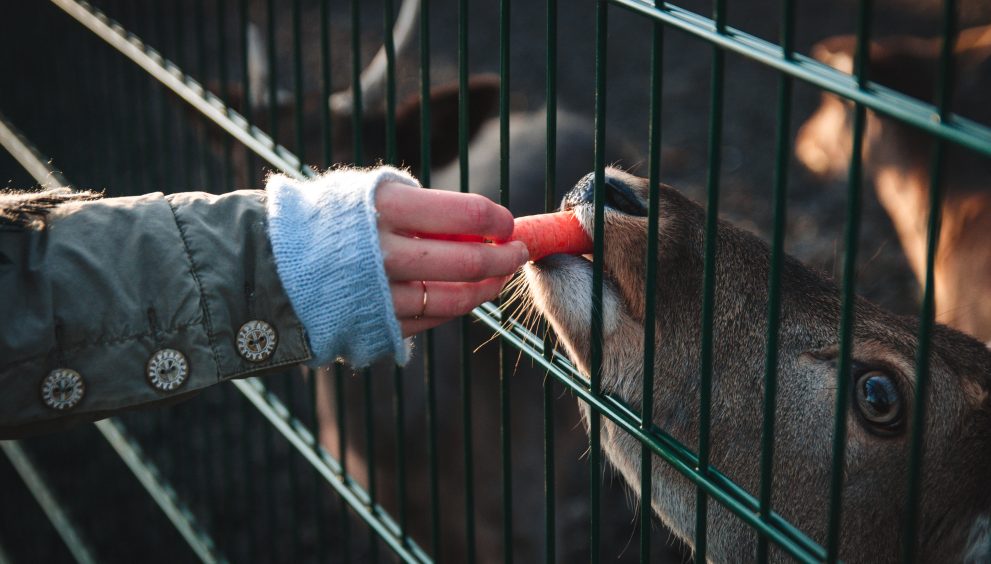
At Zabiha Farms, ethical animal care is more than a guiding principle—it is a core part of our mission to provide halal meat that is nutritious, safe, and responsibly sourced. Treating animals with compassion, respect, and integrity not only fulfills Islamic principles but also contributes to better meat quality, healthier livestock, and a sustainable environment.
This blog explores the benefits of ethical animal care, highlighting its impact on animal welfare, meat quality, human health, and community well-being.
1. Ensures Animal Welfare
Ethical animal care starts with the well-being of the livestock:
-
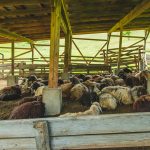
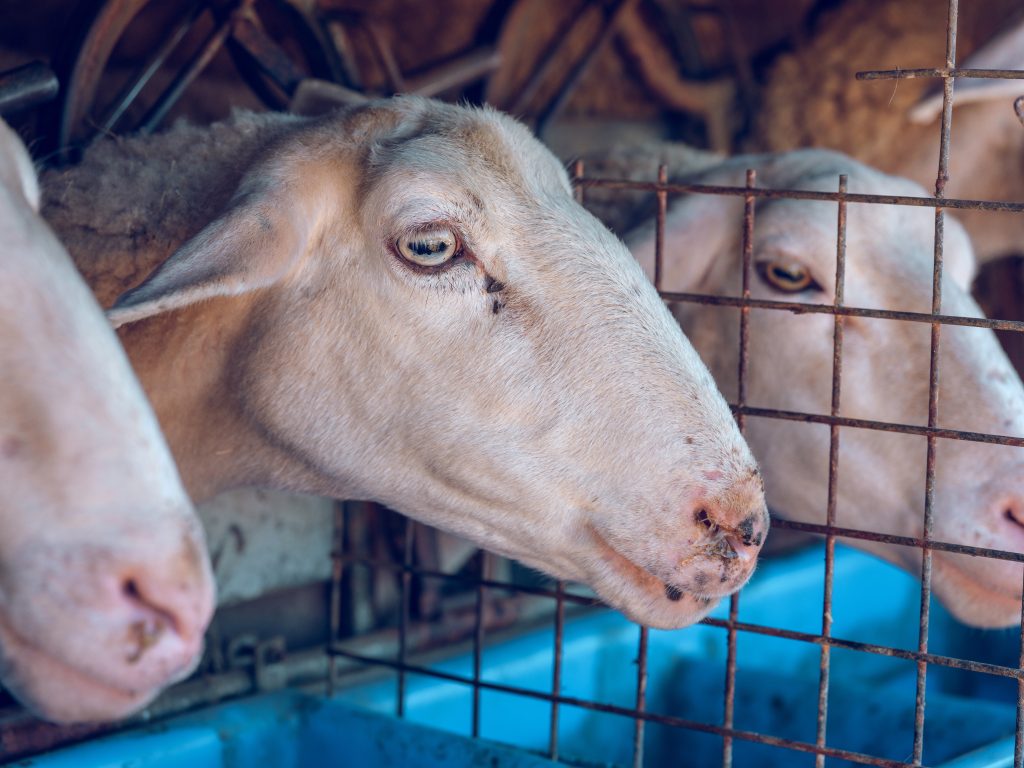
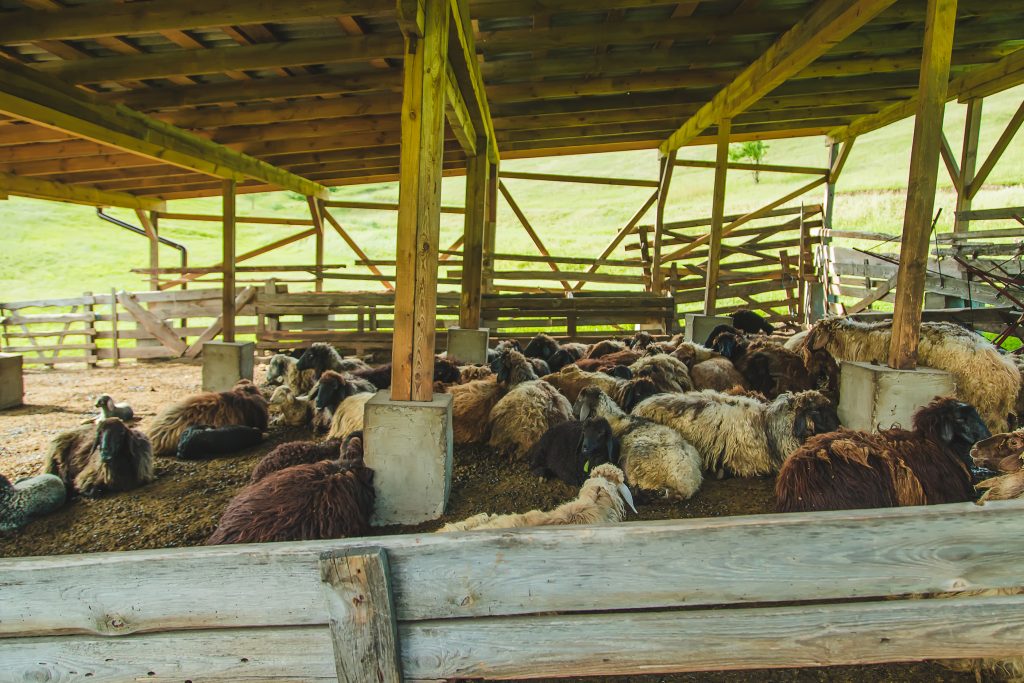
Animals are provided with spacious, clean, and comfortable living conditions, reducing stress and disease risk.
-
Proper nutrition and hydration promote healthy growth and development.
-
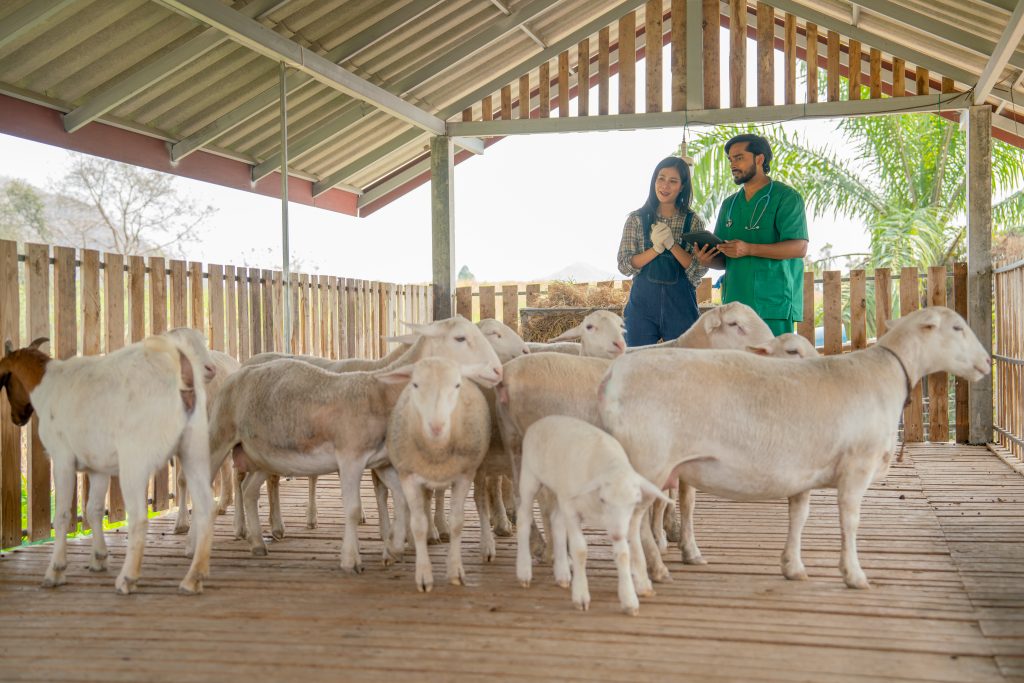
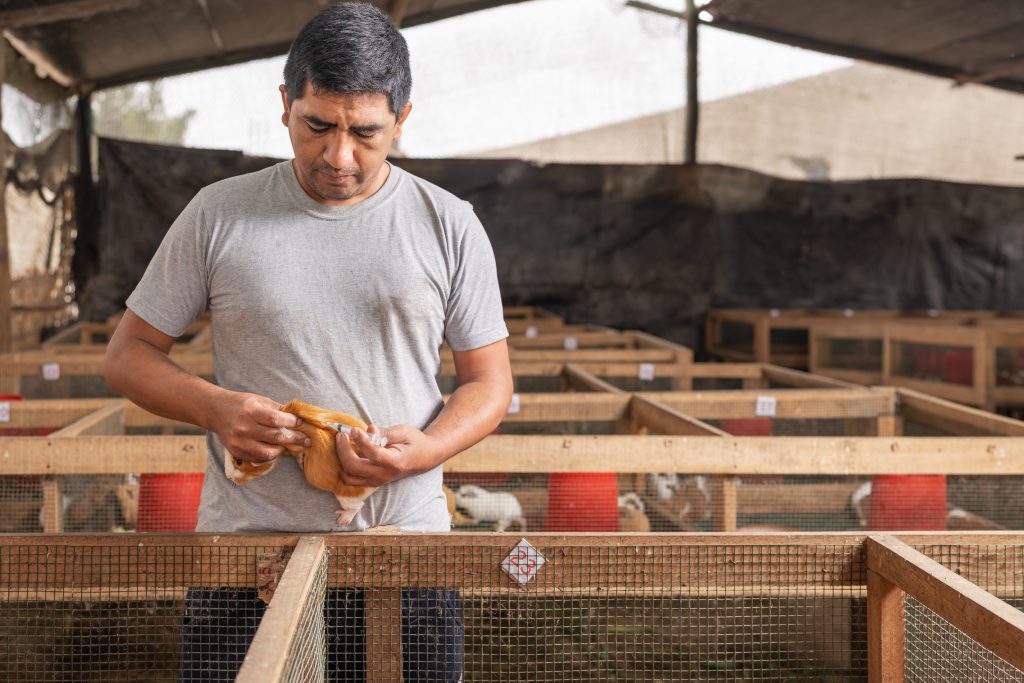
Regular veterinary care ensures that animals remain disease-free and strong.
Focusing on welfare respects the intrinsic value of animals and aligns with the Prophetic teachings of compassion toward all creatures.
2. Reduces Stress and Enhances Health
Animals raised ethically experience lower stress levels, which has direct health benefits:
-
Stress-free animals have stronger immune systems, making them less susceptible to illness.
-
Reduced stress minimizes hormonal imbalances that can affect growth and meat quality.
-
Healthy, calm animals grow more efficiently, producing higher-quality meat.
By prioritizing mental and physical health, ethical care ensures livestock thrive in a safe and nurturing environment.
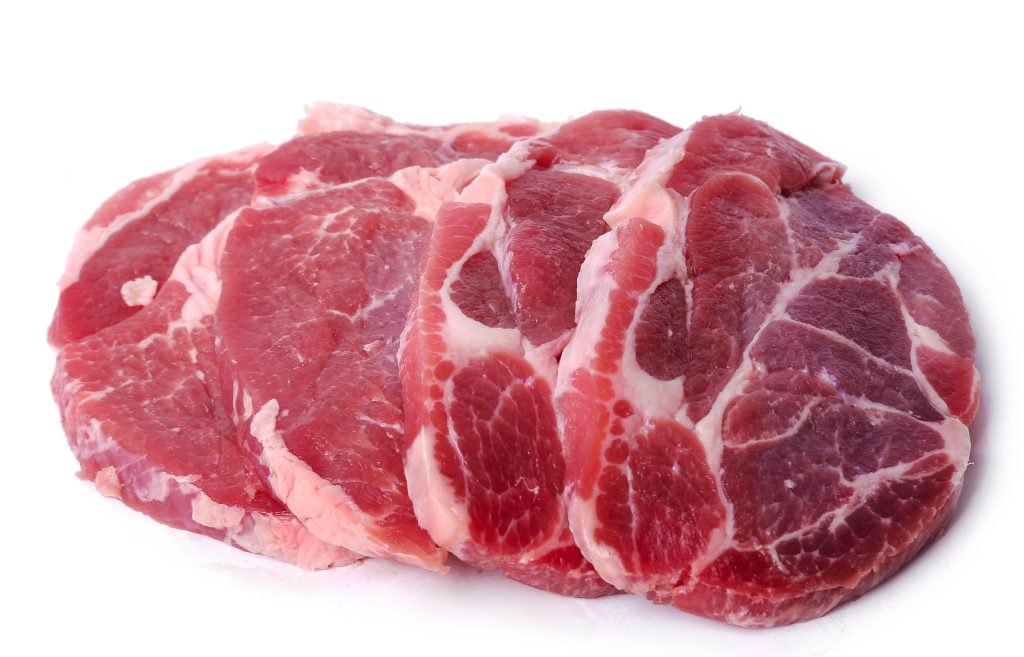
3. Improves Meat Quality
Ethical animal care has a direct impact on the taste, texture, and nutritional value of meat:
-
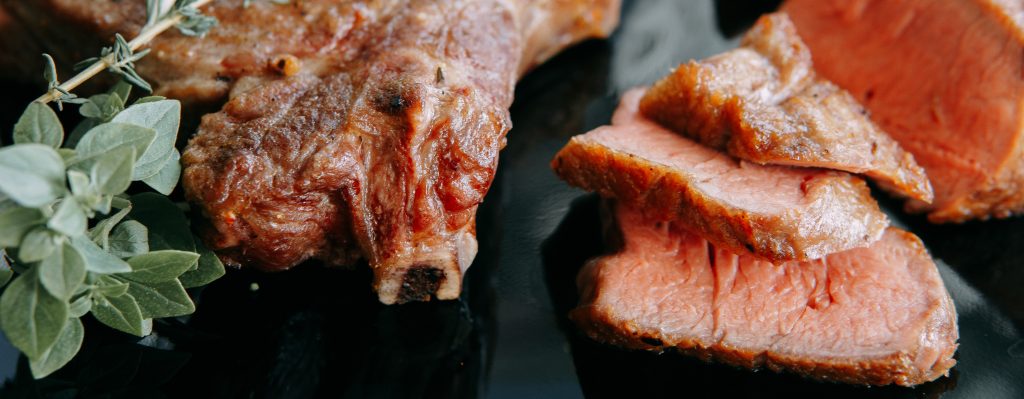
Stress-free, well-fed animals produce tender, juicy, and flavorful meat.
-
Balanced nutrition and humane treatment ensure lean muscle development and healthy fat composition.
-
Proper handling reduces bruising, contamination, and tissue damage, resulting in cleaner, safer meat.
Ethical practices create a superior culinary experience for consumers while maintaining halal integrity.
4. Supports Digestive and Nutritional Health
Animals raised under ethical conditions contribute to better nutrient content in their meat:
-
Proper feed and stress-free living produce meat rich in essential proteins, vitamins, and minerals.
-
Reduced exposure to antibiotics or hormones supports natural growth and nutrient density.
-
Clean, hygienic handling ensures meat is safe, digestible, and wholesome for consumers.
Ethical care promotes nutritionally superior meat, benefiting human health.
5. Minimizes Risk of Disease
Ethical animal care reduces the risk of zoonotic diseases and contamination:
-
Regular veterinary monitoring ensures early detection and treatment of illness.
-
Hygienic living conditions prevent the spread of pathogens.
-
Stress reduction and balanced diets strengthen immune systems, lowering the risk of infection.
Safe, healthy animals translate to safer, high-quality meat for consumers.
6. Enhances Humane Slaughter Practices
Animals raised ethically experience calm and minimal stress, which directly improves slaughter outcomes:
-
Zabiha slaughter is performed more effectively when animals are healthy and calm, ensuring swift, humane cuts.
-
Reduced stress prevents adverse chemical and hormonal changes in the meat.
-
Humane slaughter reinforces halal compliance and spiritual integrity.
Ethical care ensures that the entire process, from farm to plate, respects both animals and religious principles.
7. Promotes Sustainable Farming
Ethical animal care often goes hand in hand with environmentally responsible practices:
-
Proper grazing and animal management reduce overgrazing, soil depletion, and water pollution.
-
Healthy animals require fewer medical interventions, reducing chemical use and environmental impact.
-
Sustainable farming ensures that future generations can continue to access high-quality halal meat.
Ethical practices create a balance between animal welfare, productivity, and environmental stewardship.
8. Builds Consumer Trust
Consumers increasingly value transparency and integrity in food sourcing:
-
Ethical animal care demonstrates a commitment to quality, safety, and halal compliance.
-
Traceability systems allow consumers to verify the origin, health, and treatment of animals.
-
Trust in ethical practices fosters long-term loyalty and confidence in Zabiha Farms products.
By upholding ethical standards, farms provide peace of mind alongside premium meat.
9. Encourages Community and Social Responsibility
Ethical animal care has broader social benefits:
-
Supporting local, ethical farms strengthens rural communities and economies.
-
Promoting humane treatment educates the public about responsible consumption and animal welfare.
-
Ethical practices during religious occasions, such as Qurbani, ensure fair and respectful treatment of animals, supporting communal values.
Ethical care aligns halal farming with community well-being and societal responsibility.
10. Integration with Faith and Tradition
Ethical animal care is deeply connected to Islamic teachings:
-
Animals must be treated with kindness and compassion throughout their lives.
-
Zabiha principles emphasize minimizing suffering and maintaining cleanliness, reflecting spiritual integrity.
-
Ethical practices honor both religious obligations and modern welfare standards.
By integrating faith into animal care, Zabiha Farms ensures that meat is both halal and ethically sourced.
11. Long-Term Benefits
The benefits of ethical animal care extend beyond immediate meat quality:
-
Animals live healthier, less stressful lives, contributing to more sustainable farming practices.
-
Consumers enjoy safer, nutritious, and ethically sourced meat consistently.
-
Ethical practices help preserve natural resources, maintain biodiversity, and reduce environmental impact.
Investing in humane care ensures a holistic, long-term approach to halal meat production.
Conclusion
Ethical animal care at Zabiha Farms is more than a moral commitment—it is a comprehensive approach that benefits animals, consumers, and the environment. By prioritizing welfare, stress reduction, nutrition, and hygiene, we produce meat that is:
-
Healthy, tender, and flavorful
-
Nutritious and safe for families
-
Spiritually compliant and fully halal
-
Environmentally sustainable and ethically sourced
Choosing Zabiha Farms means supporting compassionate, responsible, and modern halal farming. Every meal becomes a reflection of ethics, faith, and quality, demonstrating that humane treatment of animals is essential for healthy, trustworthy, and premium halal meat.
Ethical animal care is not only the right thing to do—it is the foundation of excellence in halal meat