




























Humane Practices at Zabiha Farms

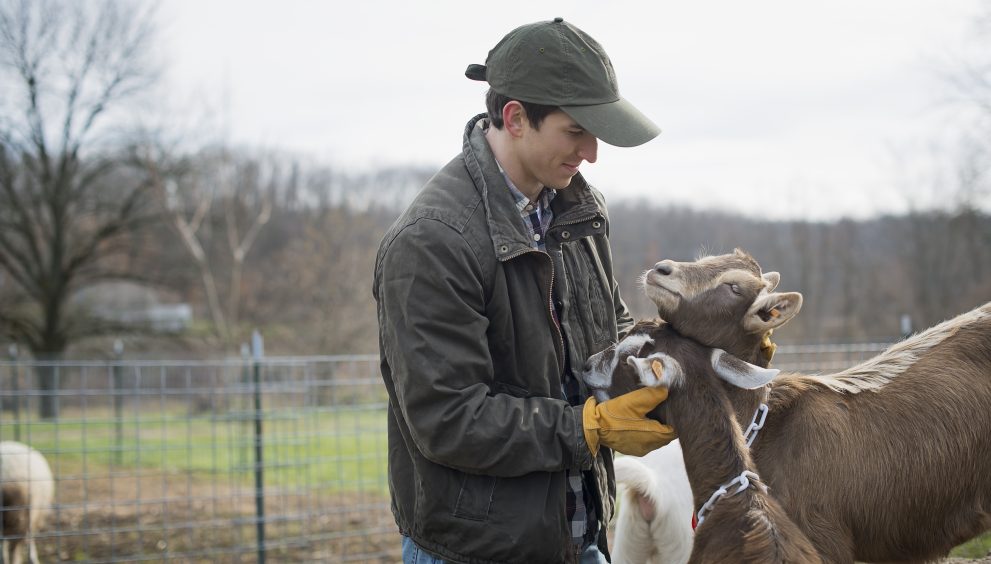
At Zabiha Farms, our commitment to halal meat goes beyond religious compliance—it is rooted in ethics, compassion, and respect for all living beings. Humane practices are central to everything we do, from raising animals to slaughtering and processing meat. By prioritizing the well-being of animals, we not only adhere to Islamic principles of Zabiha but also ensure healthier, safer, and more nutritious meat for our consumers.
This blog explores how humane practices at Zabiha Farms set us apart and why they matter for your family, the animals, and the environment.
1. The Foundation: Respect and Compassion
Humane practices at Zabiha Farms begin with deep respect for animals:
-
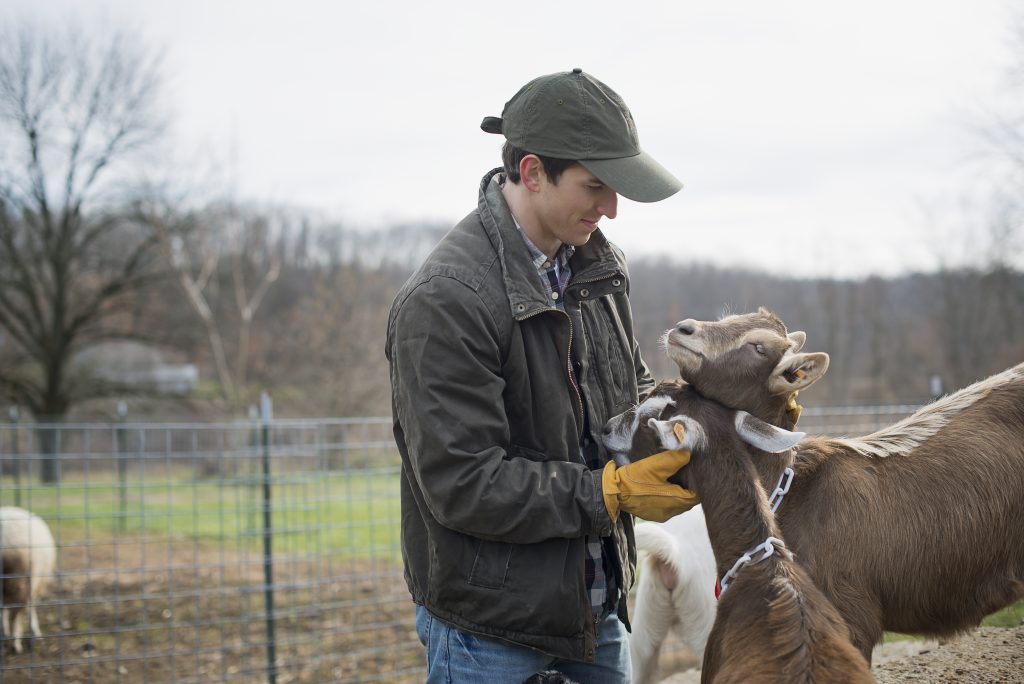
Animals are treated as living beings with rights, not merely production units.
-
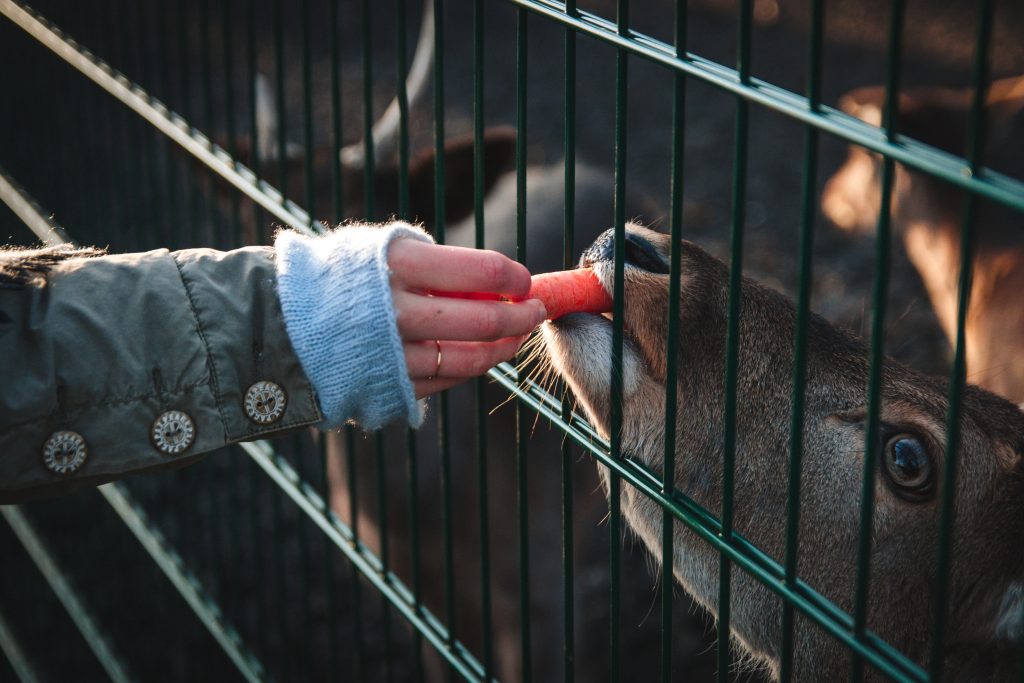
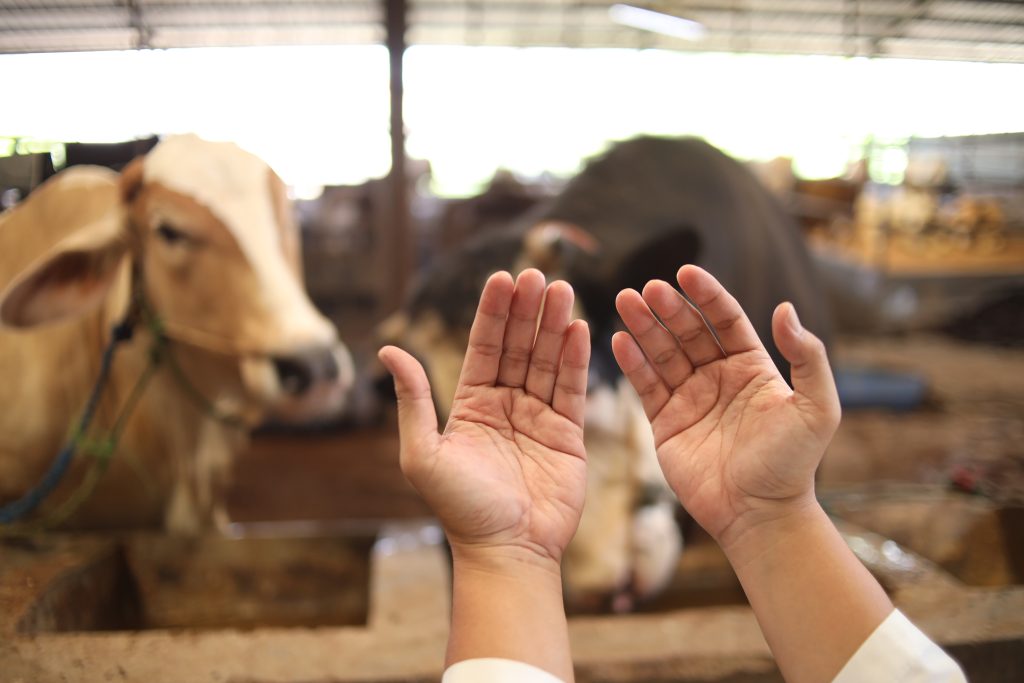
We adhere to the Prophetic teachings on kindness to animals, ensuring they are fed, sheltered, and cared for with compassion.
-
Every aspect of their life, from birth to slaughter, is guided by principles of gentleness and dignity.
Respecting animals is not only ethical—it also enhances meat quality and nutrient value.
2. Stress-Free Environments
Stress has a significant impact on animal health and meat quality:
-
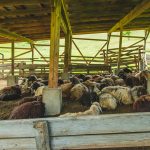
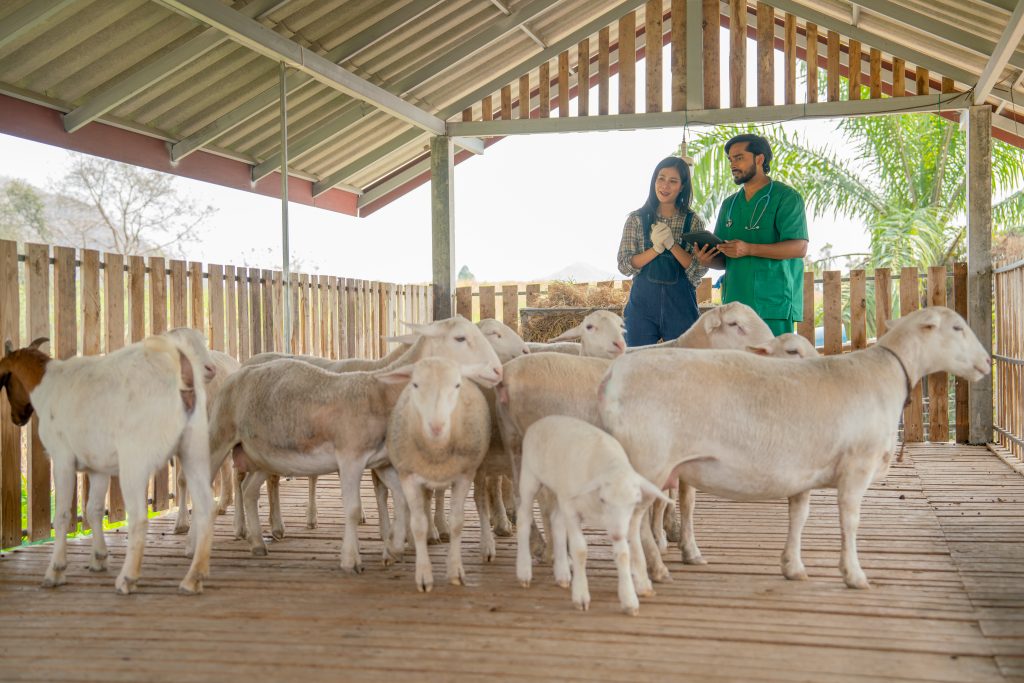
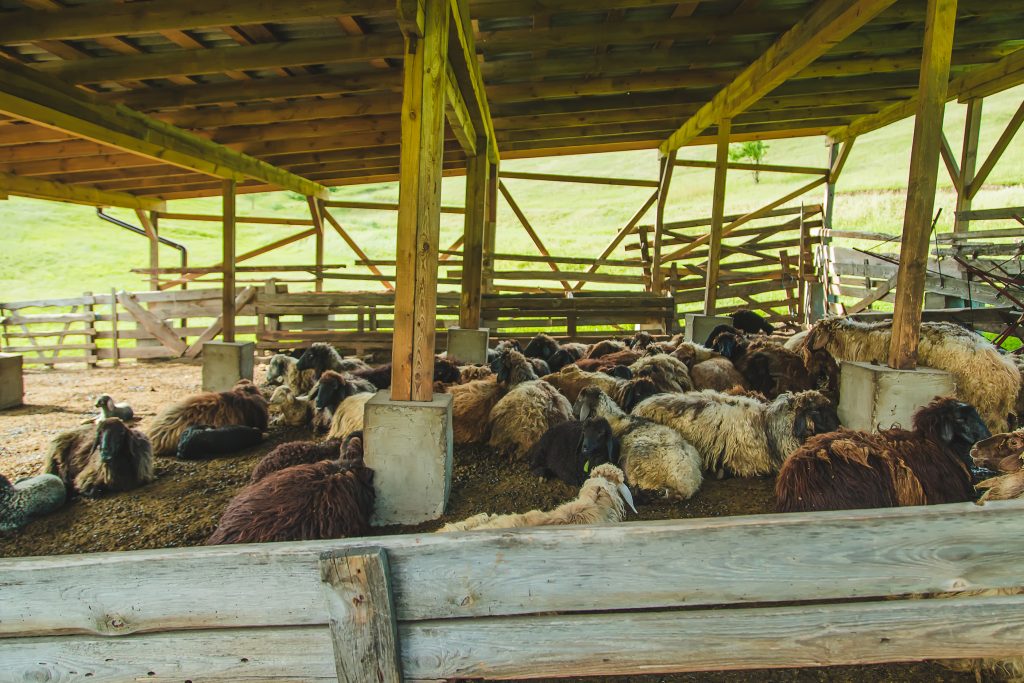
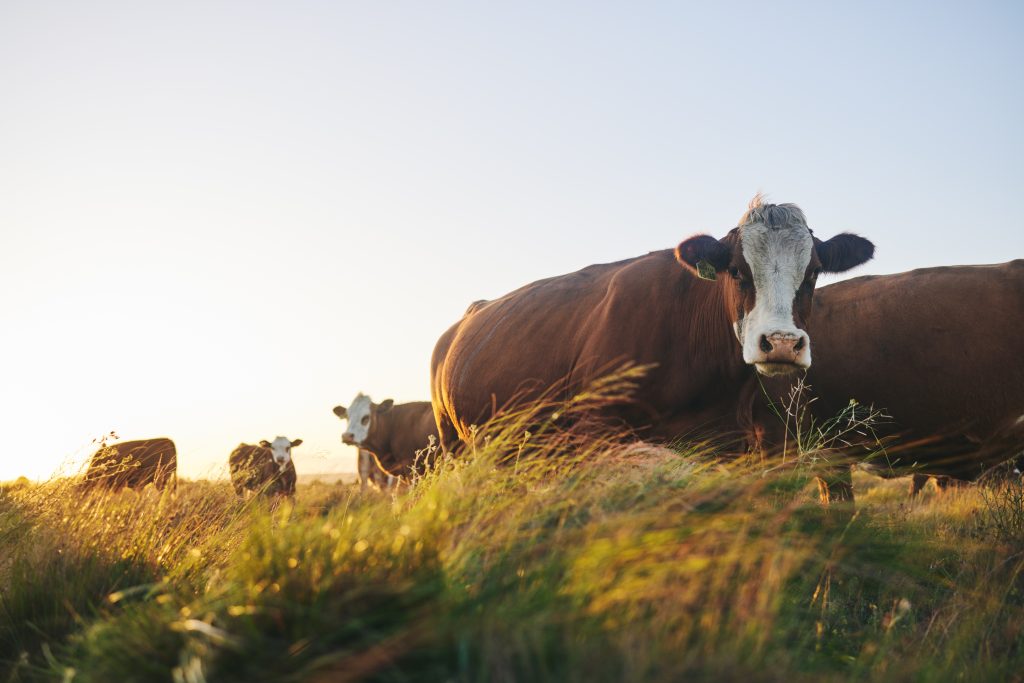
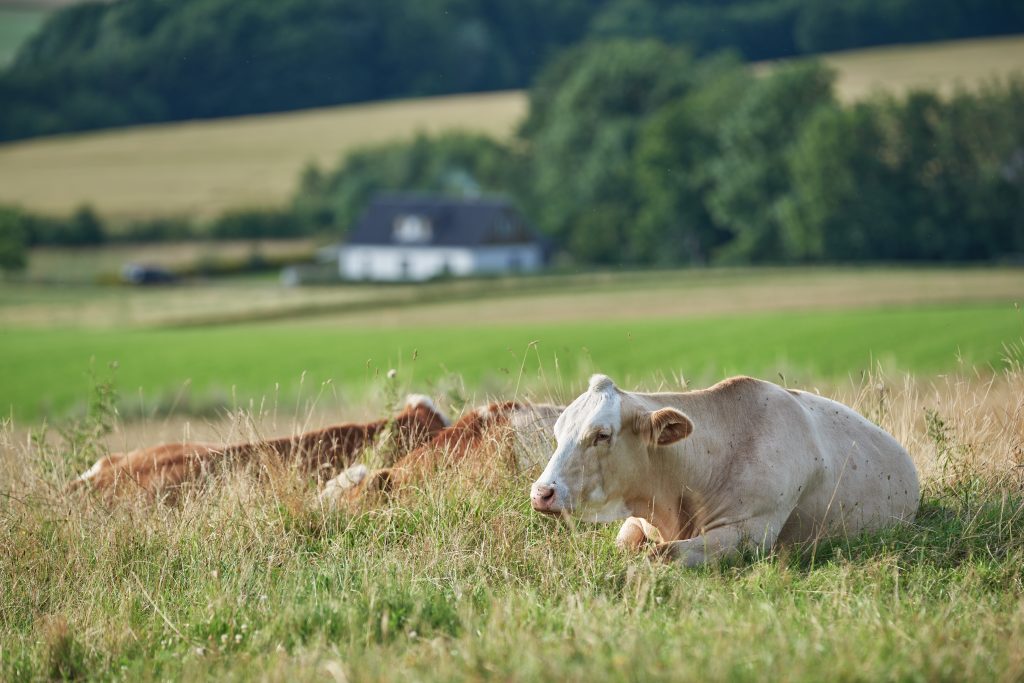
Animals are raised in spacious, clean, and calm environments.
-
Noise, overcrowding, and harsh handling are strictly minimized to prevent stress-induced hormone buildup, which can affect taste and texture.
-
Calm, stress-free animals produce tender, wholesome meat with better flavor and nutritional quality.
By ensuring low-stress conditions, Zabiha Farms combines ethics with health benefits.
3. Proper Nutrition and Care
Humane practices extend to feeding and daily care:
-
Animals receive balanced, natural diets to promote growth and overall well-being.
-
Clean water and appropriate supplements ensure they remain healthy and strong.
-
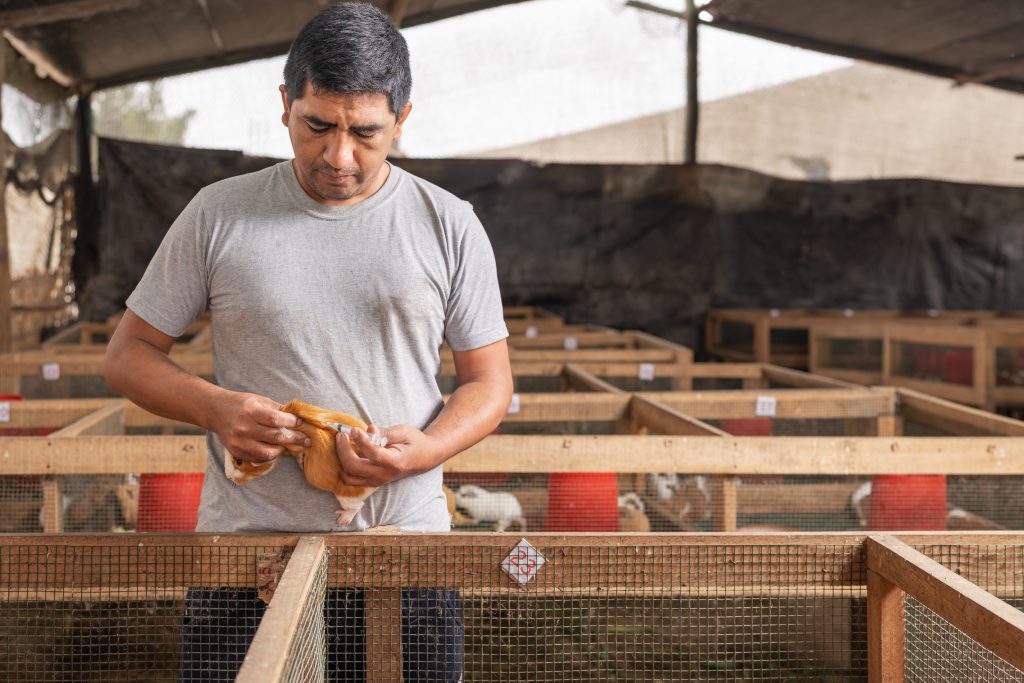
Veterinary care is proactive, with regular health checks to prevent illness and suffering.
Healthy, well-fed animals produce better quality, nutrient-rich meat, benefiting the consumer and supporting ethical farming.
4. Safe Handling Practices
Handling is a critical component of humane animal care:
-
Trained staff handle animals gently during transport, feeding, and pen maintenance.
-
Equipment and enclosures are designed to minimize injury and stress.
-
Procedures follow both Islamic guidance and modern animal welfare standards, ensuring animals are treated ethically at all times.
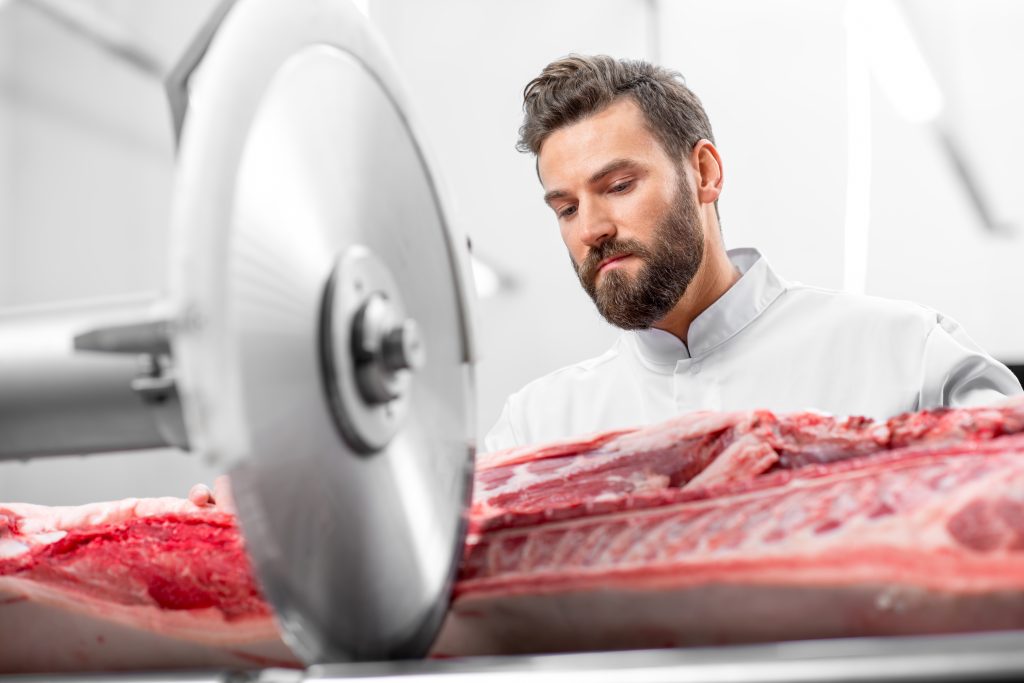
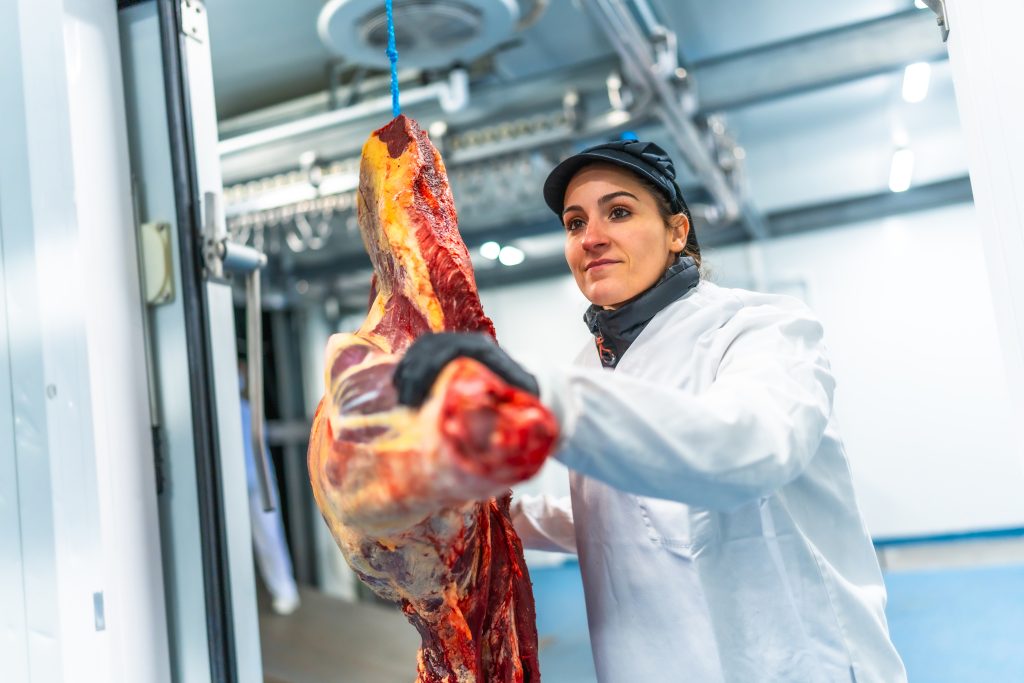
Proper handling reduces suffering and ensures meat is clean, safe, and of high quality.
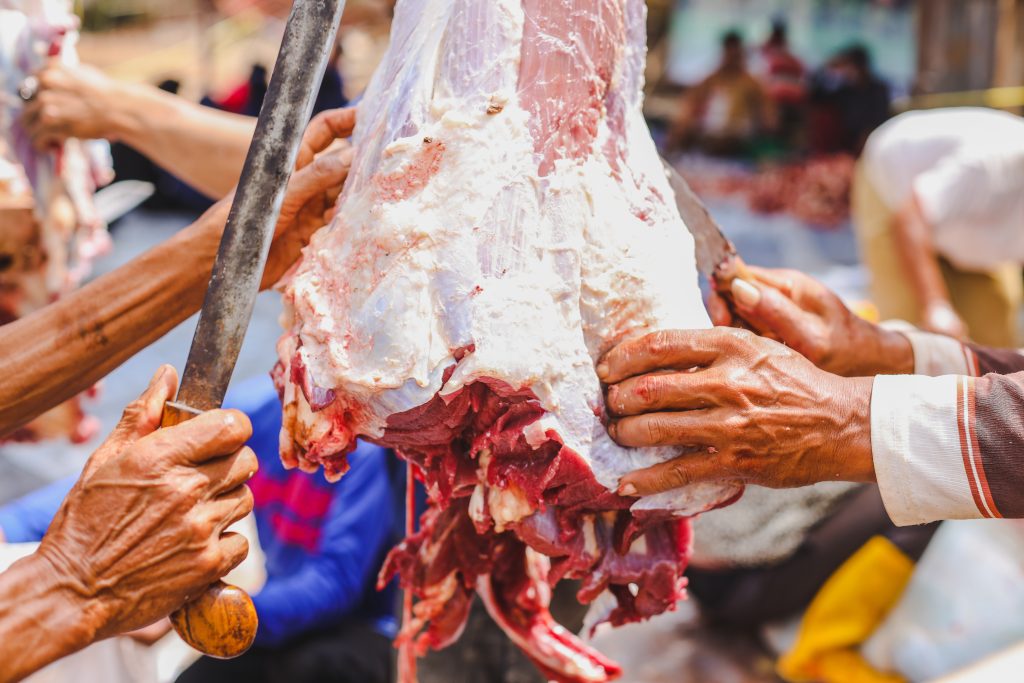
5. Humane Slaughter Practices
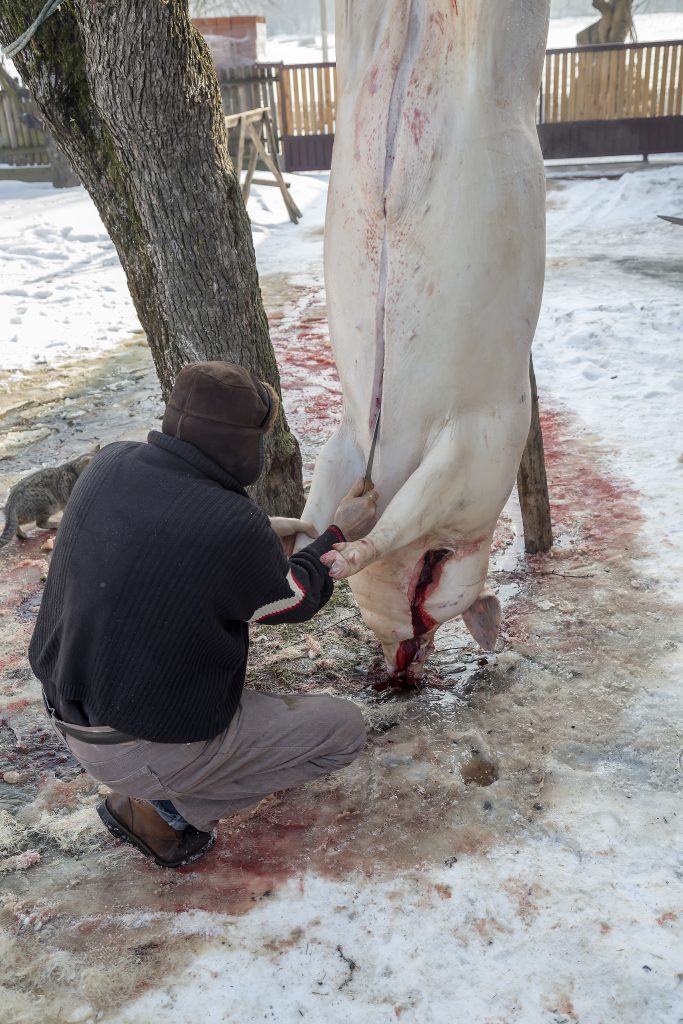
Zabiha slaughter is performed ethically, swiftly, and cleanly, honoring both religious and humane standards:
-
Animals are treated with calmness and respect before slaughter.
-
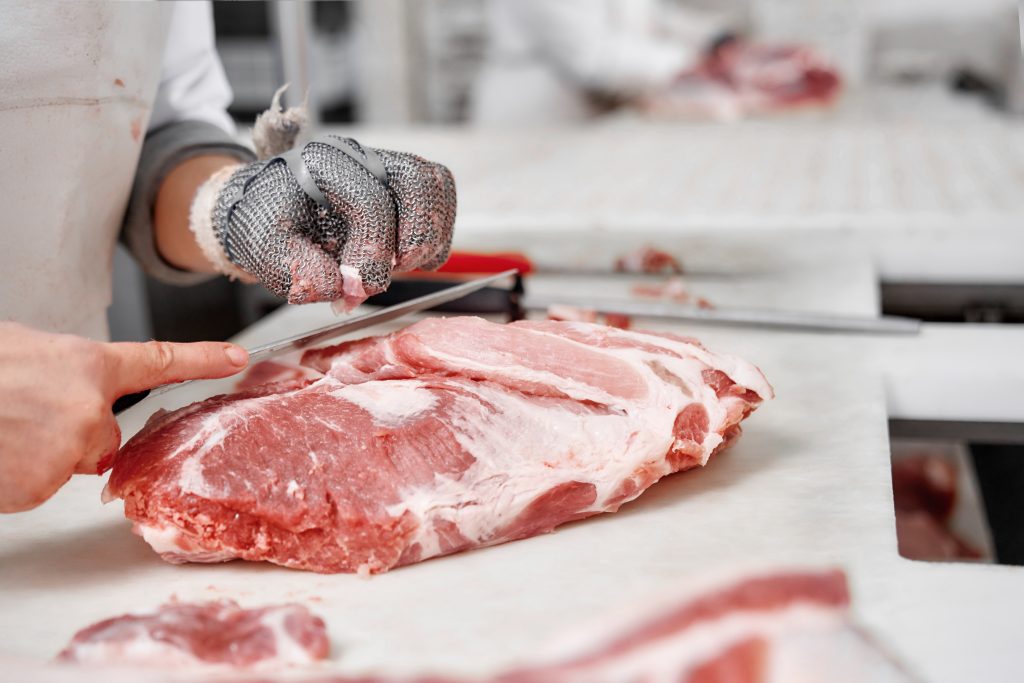
A sharp, precise cut ensures the process is quick, minimizing pain and distress.
-
Complete blood drainage ensures hygienic meat and aligns with Zabiha principles.
Humane slaughter preserves meat integrity, hygiene, and nutritional quality while fulfilling spiritual requirements.
6. Environmental Enrichment
Providing animals with enriched living spaces is a key humane practice:
-
Animals have room to move, graze, and interact socially, reflecting natural behaviors.
-
Enrichment reduces boredom and stress, which improves health, immune function, and meat quality.
-
Healthy, active animals are more robust and produce lean, tender, and flavorful meat.
By supporting natural behavior, Zabiha Farms ensures ethical care and superior meat quality.
7. Training and Education
Humane practices rely on knowledgeable staff:
-
All farm staff undergo training in animal welfare, halal compliance, and ethical handling.
-
Continuous education ensures staff understand stress reduction, safe handling, and compassion.
-
Skilled, empathetic handlers maintain high standards of care, directly impacting meat quality.
Education is crucial to ensuring that humane practices are consistently applied.
8. Traceability and Accountability
Transparency is part of humane practices at Zabiha Farms:
-
Every animal’s journey from farm to slaughter is documented and monitored.
-
Health records, feeding patterns, and living conditions are traceable, ensuring accountability.
-
Consumers can trust that the meat they purchase comes from animals raised ethically and treated humanely.
Traceability ensures confidence in both the ethical and halal integrity of the meat.
9. Integration with Sustainability
Humane practices are closely linked to environmental sustainability:
-
Ethical farming promotes balanced grazing, waste management, and reduced chemical use.
-
Humane care reduces animal stress, leading to more efficient growth and less resource waste.
-
Sustainable practices protect the environment while supporting healthy, ethical meat production.
By combining humane practices with sustainability, Zabiha Farms promotes responsible food production.
10. Benefits to Consumers
Humane practices at Zabiha Farms translate to direct benefits for the consumer:
-
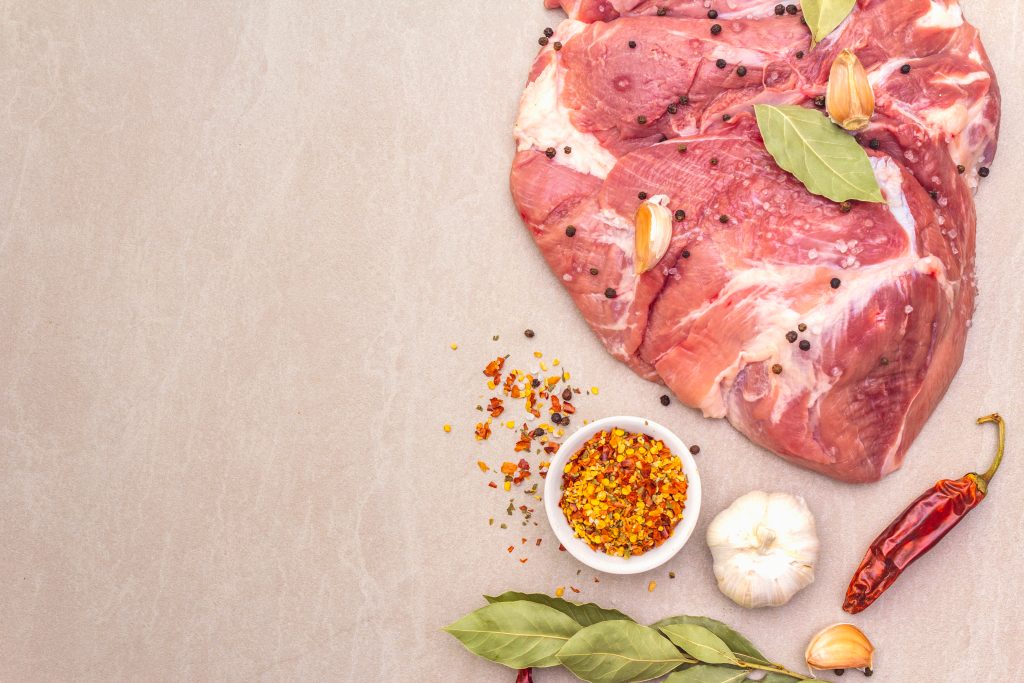
Meat from stress-free, healthy animals is tender, flavorful, and nutritious.
-
Hygienic and ethical handling reduces the risk of foodborne illness.
-
Nutrient-rich meat supports digestion, muscle health, and overall wellness.
Choosing humane, ethically raised Zabiha meat ensures that every meal is both wholesome and responsible.
11. Upholding Faith and Tradition
At the heart of humane practices is faith-based guidance:
-
Zabiha principles require that animals are treated with kindness, respect, and minimal suffering.
-
Humane treatment aligns Islamic dietary laws with modern animal welfare standards.
-
By respecting these traditions, Zabiha Farms ensures that meat is spiritually compliant and ethically sourced.
Humane practices bridge religion, ethics, and health, reflecting the full integrity of halal farming.
Conclusion
Humane practices at Zabiha Farms are the foundation of our mission to provide high-quality, halal, and ethical meat. From ethical rearing and stress-free environments to proper nutrition, careful handling, and humane slaughter, every step reflects our commitment to compassion, integrity, and excellence.
By prioritizing humane treatment, Zabiha Farms ensures:
-
Healthier, nutritious, and safe meat for your family.
-
Ethical and spiritual compliance, honoring Islamic principles.
-
Sustainable farming practices that benefit the environment and communities.
Choosing Zabiha Farms means choosing meat that is ethically sourced, responsibly raised, and spiritually aligned, offering peace of mind along with superior flavor and nutrition. Humane practices are not just an operational choice—they are a moral and spiritual commitment that defines the quality and integrity of every meal.