




















How Zabiha Slaughter Ensures Hygiene


Zabiha, the Islamic method of slaughter, is a practice that goes beyond religious obligation—it also ensures the safety, cleanliness, and quality of meat. Muslims worldwide choose Zabiha meat not only because it is halal but also because of its emphasis on hygienic, ethical, and wholesome practices. Understanding how Zabiha slaughter promotes hygiene clarifies why this tradition has remained relevant for centuries and continues to be a preferred method of meat preparation today.
This guide explores the hygienic principles, methods, and benefits of Zabiha slaughter, emphasizing both spiritual and practical significance.
1. The Spiritual Basis for Hygiene in Zabiha
Islamic dietary laws emphasize consuming halal (permissible) and tayyib (pure and wholesome) food. The Qur’an encourages Muslims to eat what is not only lawful but also clean and nourishing:
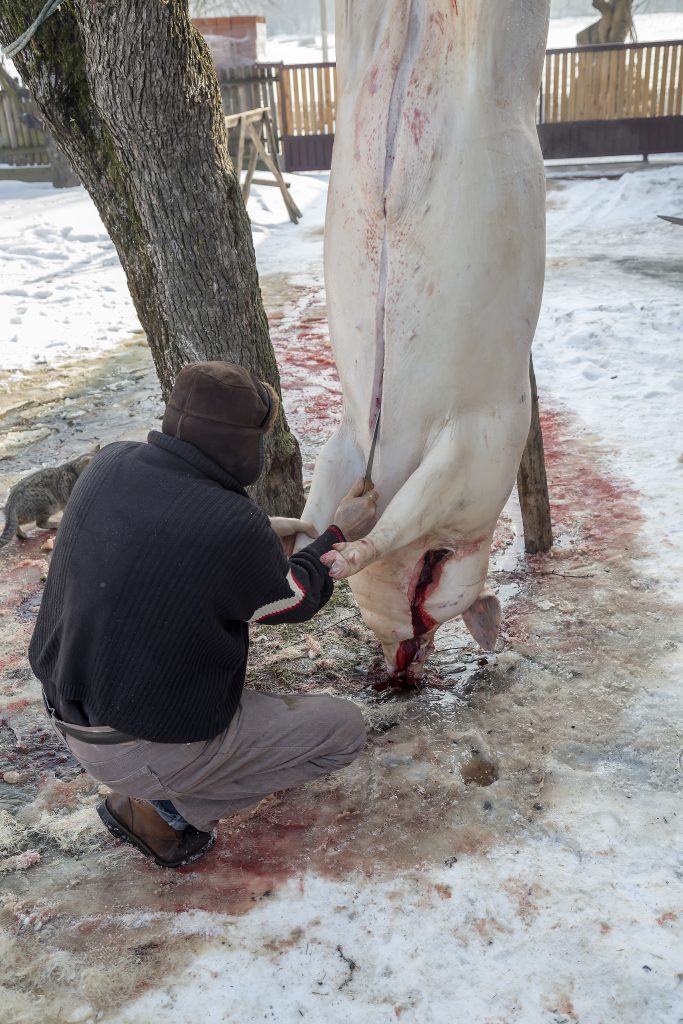
-
“O you who believe! Eat of the good things which We have provided for you, and give thanks to Allah, if it is Him you worship.” (Qur’an 2:172)
-
“Forbidden to you are carrion, blood, pork, and animals sacrificed to other than Allah…” (Qur’an 5:3)
Zabiha is a physical manifestation of these principles. The process ensures that meat is free from harmful substances, prepared ethically, and safe for consumption. Hygiene in Zabiha is both spiritual and practical, reflecting obedience to divine guidance and attention to physical well-being.
2. Selection of Healthy Animals
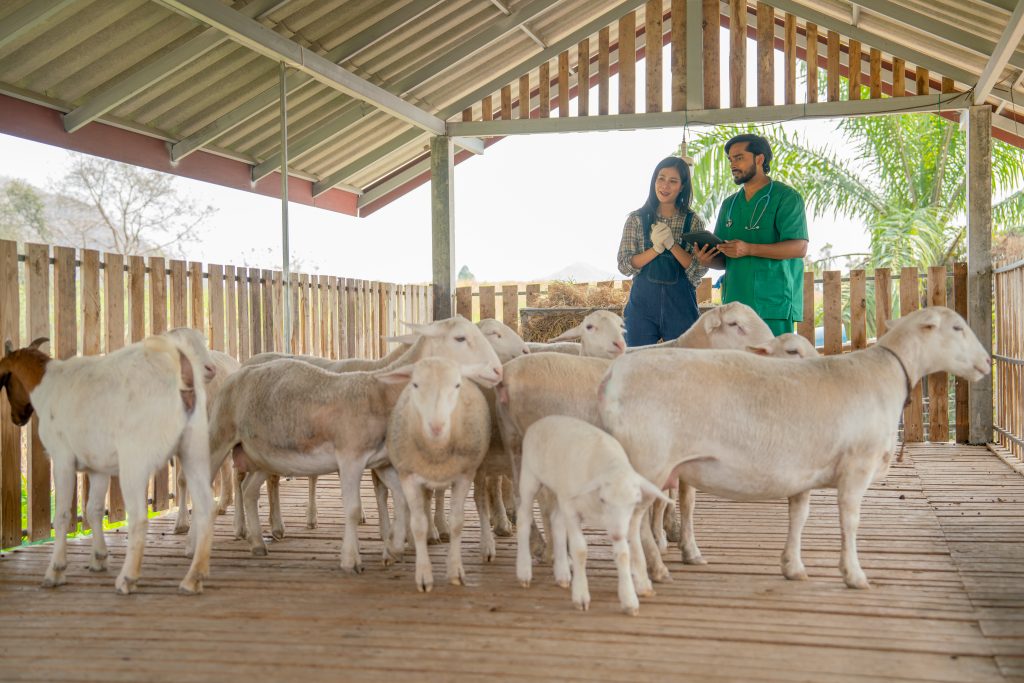
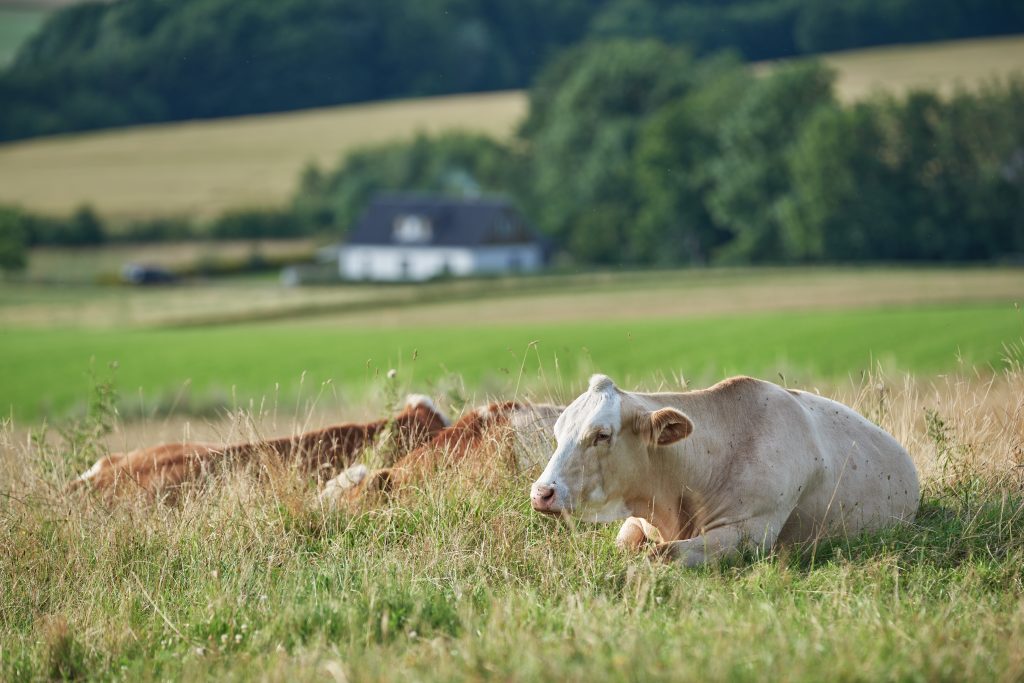
Hygiene begins before the slaughter with the careful selection of animals:
-
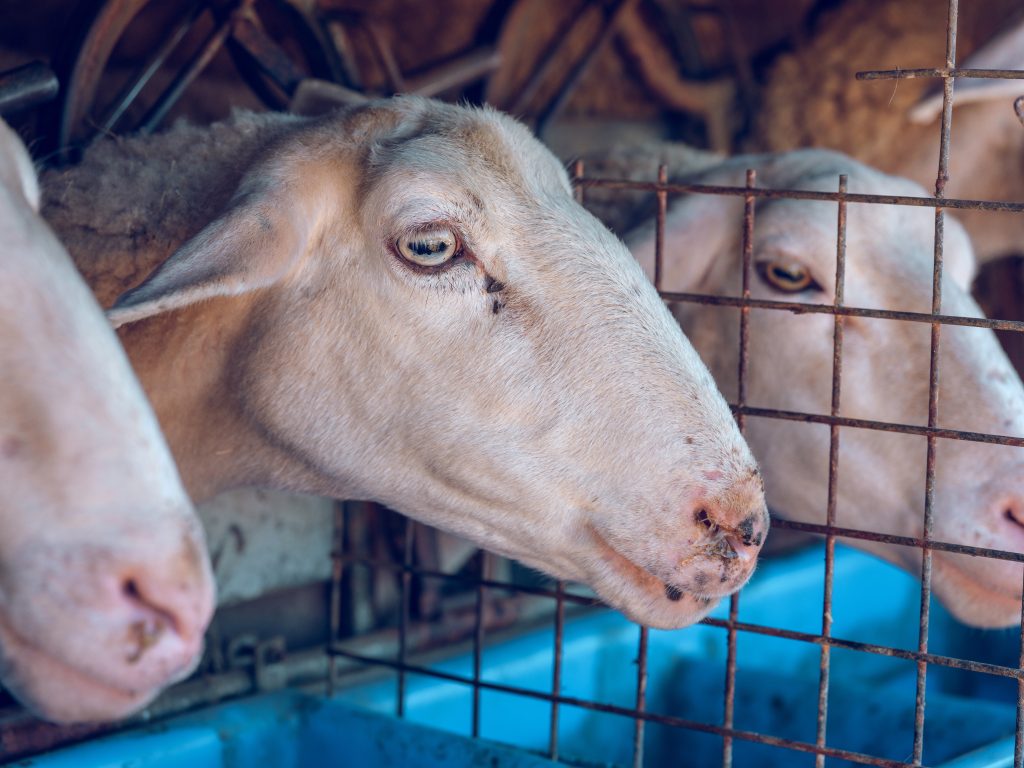
Only healthy, disease-free animals are eligible for Zabiha.
-
Sick, injured, or weak animals are avoided to prevent contamination of meat.
-
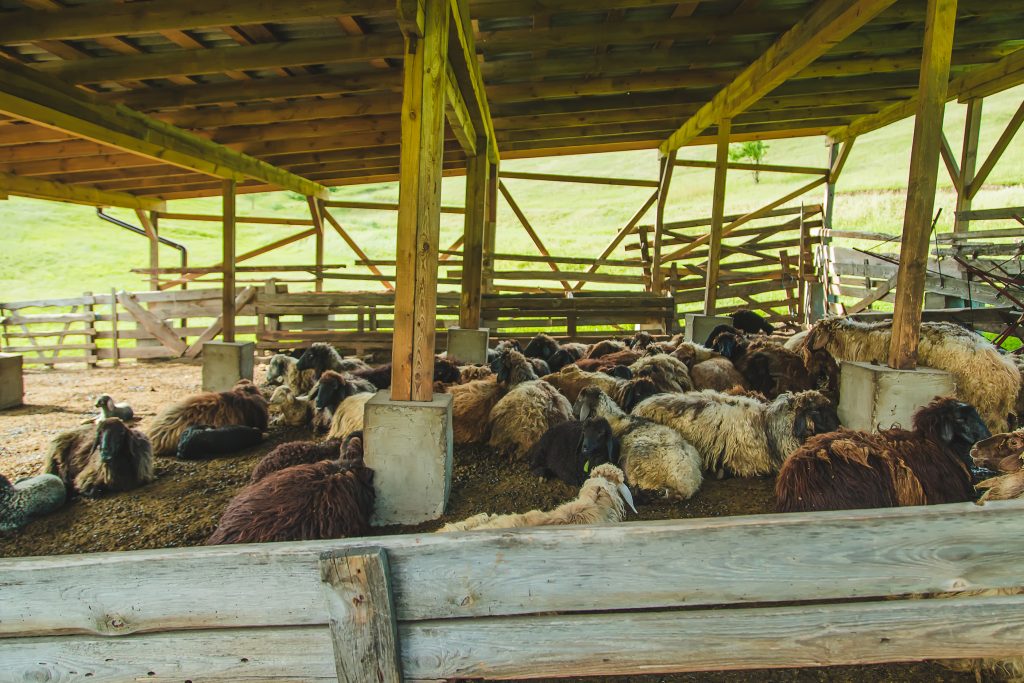
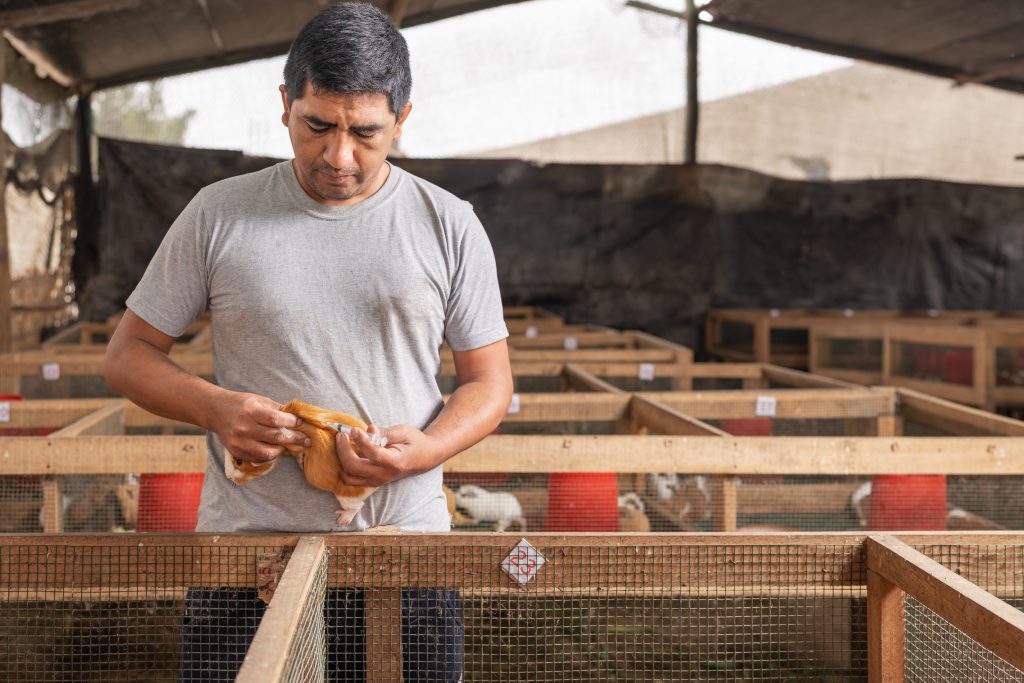
Ethical treatment and clean living conditions reduce the risk of bacterial or parasitic infections.
Selecting the right animals ensures that the meat entering the slaughter process is already safe, fresh, and wholesome.
3. Clean Slaughtering Environment
Zabiha requires a clean and sanitized slaughtering area:
-
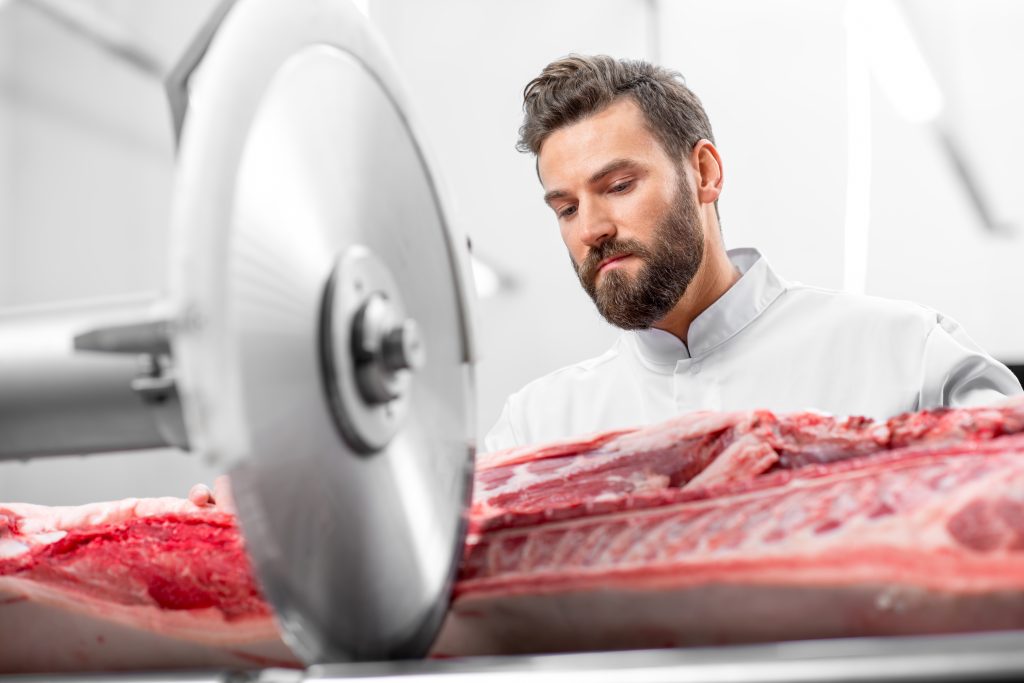
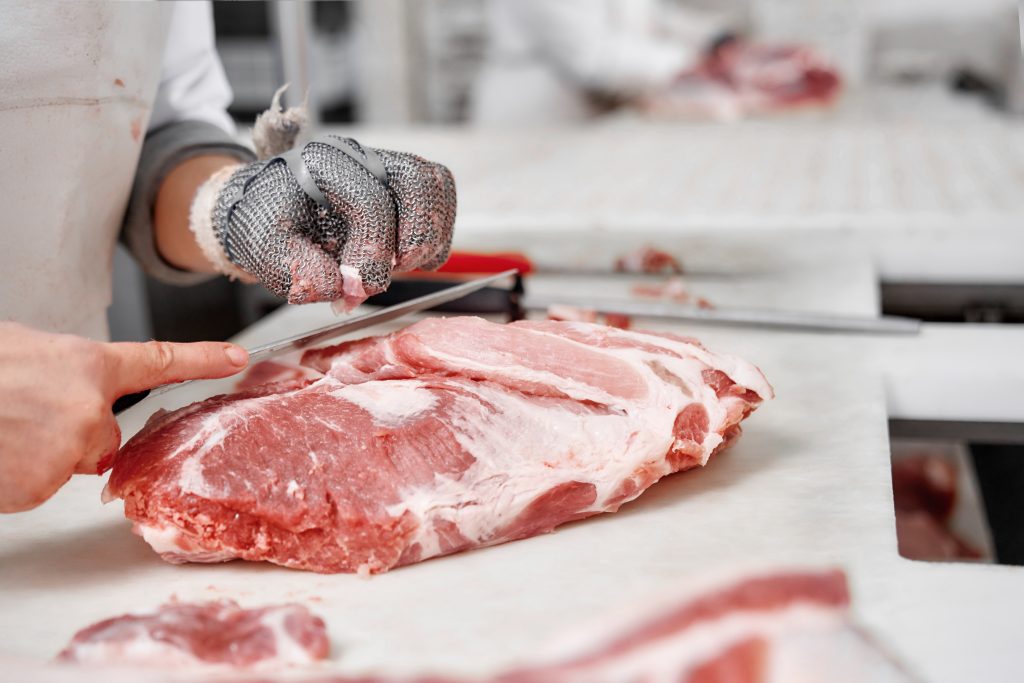
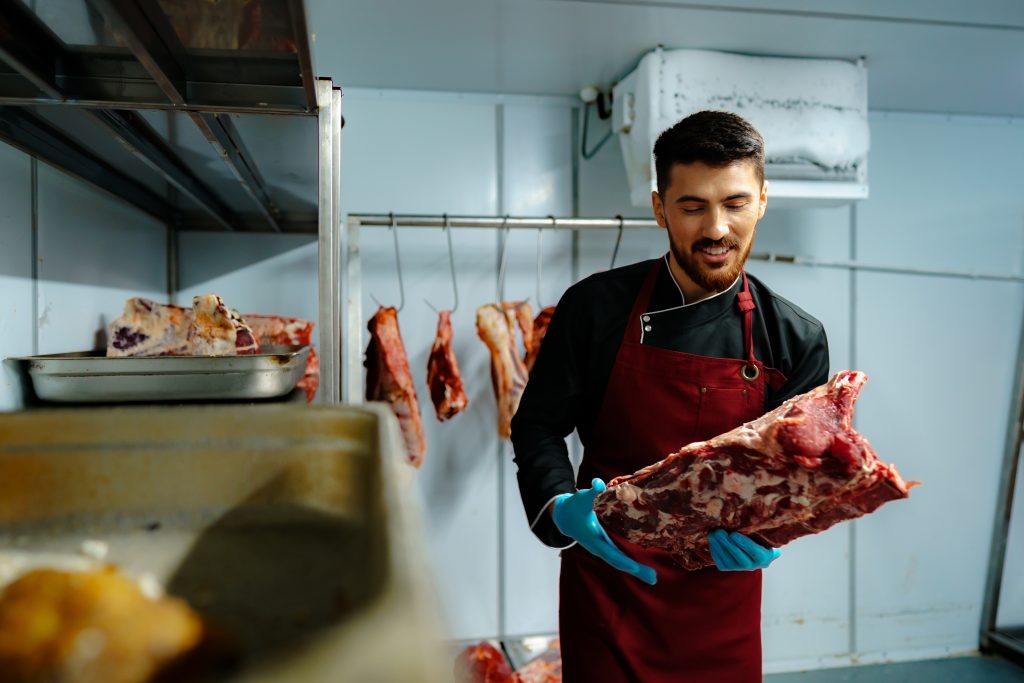
Surfaces, tools, and knives are kept clean to prevent contamination.
-
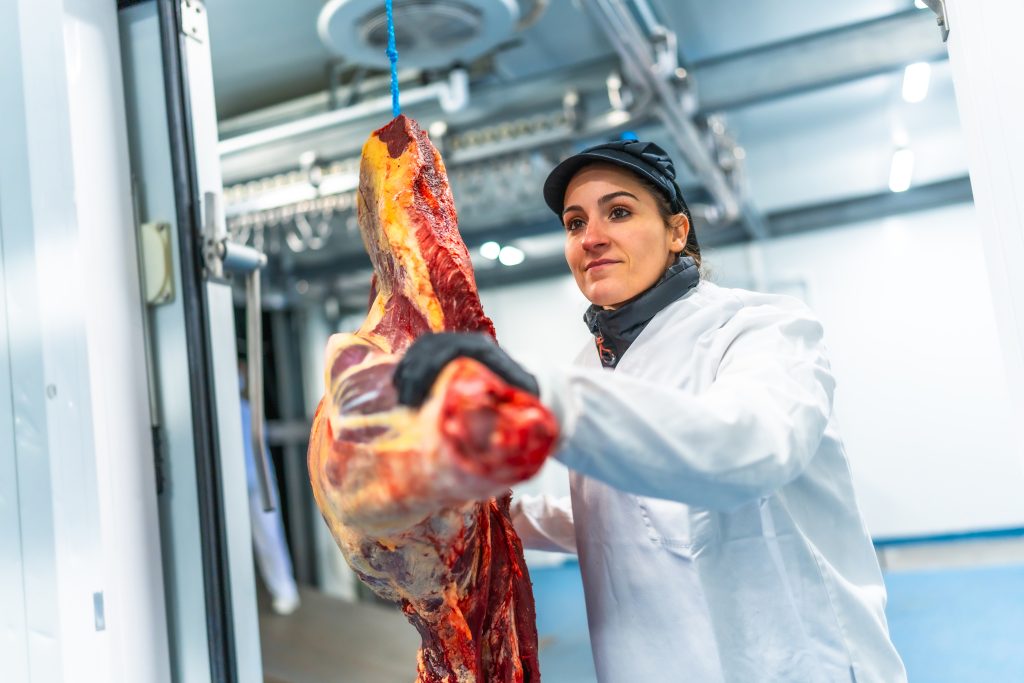
Floors, water, and storage equipment are regularly sanitized.
-
Animals are handled carefully to minimize stress, which can affect meat quality.
A clean environment is critical in maintaining food safety and preventing the spread of disease.
4. Use of Sharp, Clean Knives
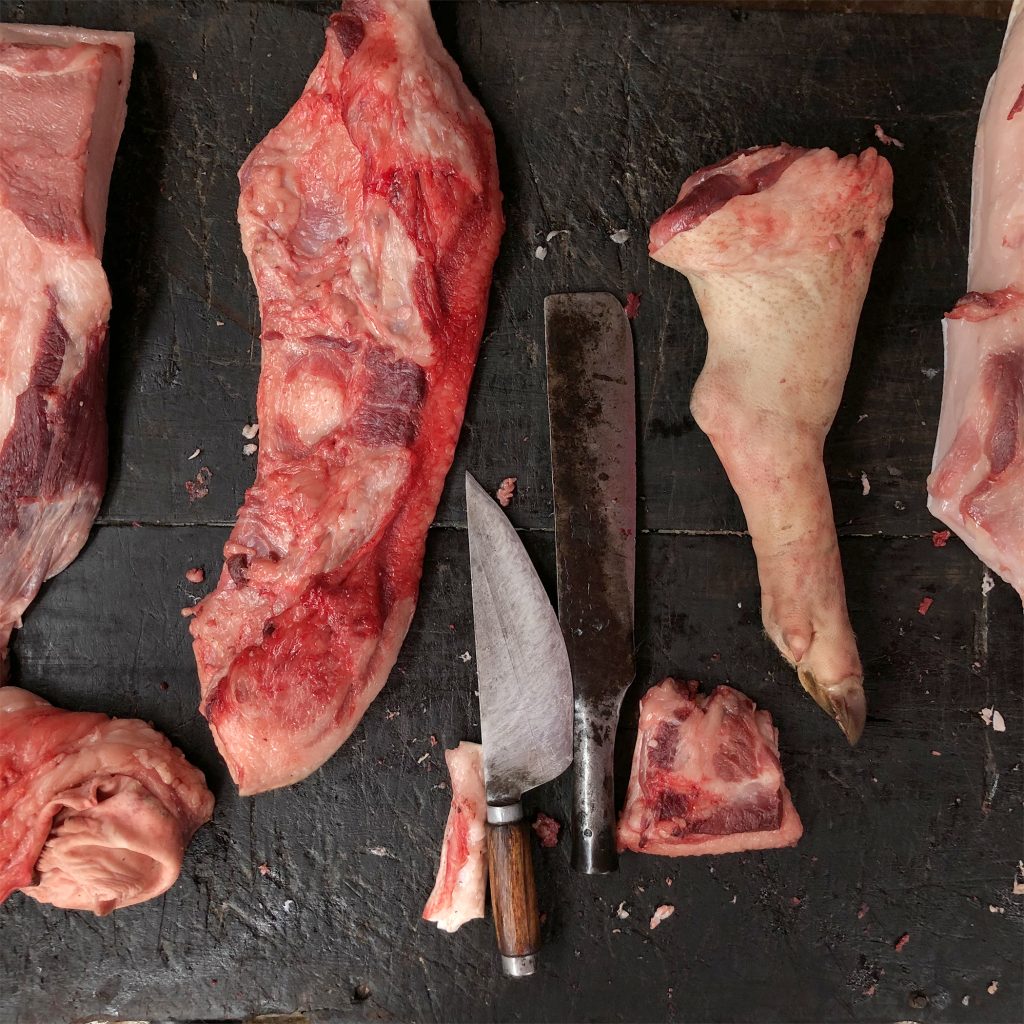
One of the key hygienic aspects of Zabiha is the use of a razor-sharp knife:
-
A sharp knife ensures a swift, precise cut, minimizing pain and stress for the animal.
-
A clean knife prevents the transfer of pathogens from one animal to another.
-
Sharp cuts also reduce bruising and contamination in the meat, improving both hygiene and taste.
This focus on proper tools demonstrates the Islamic emphasis on ethical, clean, and efficient practices.
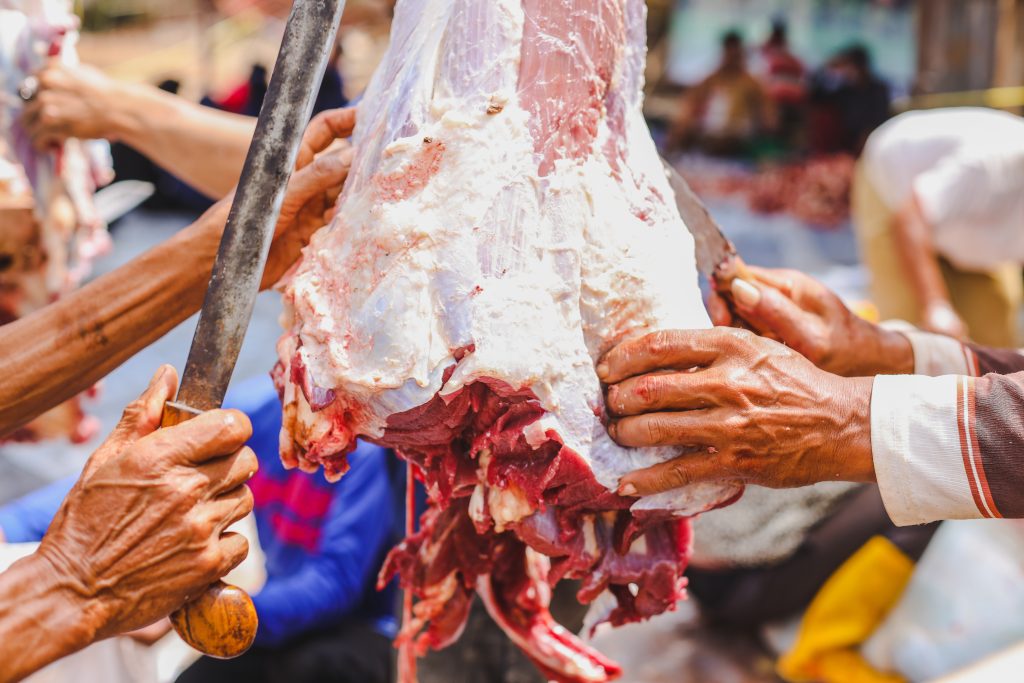
5. Complete Blood Drainage
One of the defining features of Zabiha is draining blood from the animal immediately after the cut:
-
Blood is considered impure in Islam and a potential medium for bacterial growth.
-
Proper blood drainage reduces the risk of foodborne illness and contamination.
-
Meat that has been thoroughly bled has better texture, color, and shelf life.
This step is critical in maintaining both spiritual and physical cleanliness.
6. Ethical Handling of Animals
Hygiene in Zabiha also encompasses the humane treatment of animals:
-
Stress, fear, or rough handling can release hormones that affect meat quality and safety.
-
Calm, gentle handling minimizes the risk of physical damage and contamination.
-
Ethical practices ensure the animal is healthy, relaxed, and suitable for clean slaughter.
Zabiha demonstrates that hygiene is not limited to physical cleanliness—it also includes minimizing factors that compromise meat quality.
7. Avoidance of Contaminants
Zabiha emphasizes preventing contact with non-halal or impure substances:
-
Slaughter areas are kept separate from prohibited foods such as pork or carrion.
-
Utensils and surfaces used for Zabiha meat are dedicated and sanitized.
-
Cross-contamination is minimized through careful handling and storage.
This attention to detail ensures that Zabiha meat is pure, clean, and compliant with Islamic dietary laws.
8. Proper Storage and Transportation
Hygiene extends beyond the slaughter itself:
-
Meat is stored at appropriate temperatures to prevent bacterial growth.
-
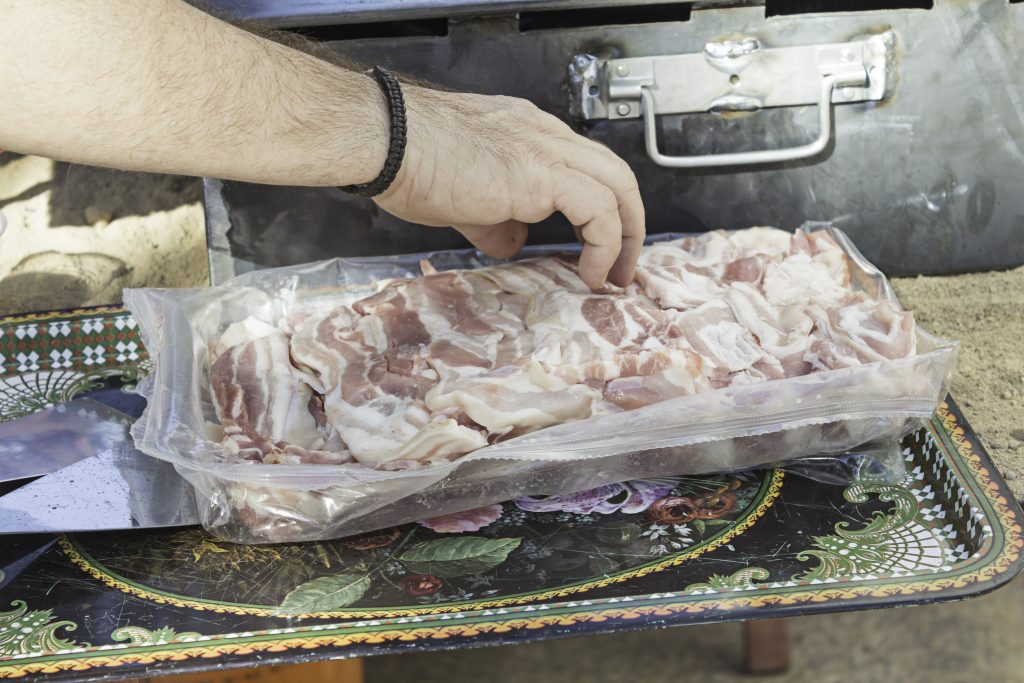
Clean packaging protects meat from environmental contaminants.
-
Transportation follows strict hygiene protocols, ensuring meat remains safe and fresh until it reaches consumers.
Modern halal certification ensures that Zabiha meat maintains high hygiene standards throughout the supply chain.
9. Halal Certification and Oversight
Halal certification bodies play a key role in ensuring hygiene in Zabiha meat:
-
Inspectors verify proper slaughtering practices, sanitation, and meat handling.
-
Certification provides consumers with confidence in both halal compliance and hygiene standards.
-
Traceability allows for accountability, ensuring that all steps—from farm to table—meet religious and health requirements.
This system strengthens trust in Zabiha meat and underscores the importance of clean and ethical practices.
10. Health Benefits of Hygienic Zabiha Practices
Following proper Zabiha hygiene provides multiple health benefits:
-
Reduces the risk of foodborne illnesses such as salmonella or E. coli.
-
Ensures nutritious, uncontaminated meat for consumers.
-
Enhances flavor, shelf life, and digestibility.
-
Supports overall wellness by aligning ethical, religious, and health-conscious eating.
Hygienic Zabiha practices integrate faith, ethics, and science, creating a holistic approach to food consumption.
11. Modern Applications
Today, Zabiha principles are applied in industrial and commercial settings while maintaining hygiene:
-
Certified slaughterhouses follow strict sanitation protocols.
-
Advanced techniques such as controlled temperature storage and automated cleaning systems enhance meat safety.
-
Technology ensures traceability, compliance, and ethical treatment of animals.
Even in large-scale operations, Zabiha ensures that hygiene is a fundamental priority.
Conclusion
Zabiha slaughter is much more than a religious requirement—it is a comprehensive system that ensures hygiene, safety, and quality in meat consumption. From selecting healthy animals and maintaining clean facilities to ethical handling, proper blood drainage, and certified storage, every step prioritizes physical and spiritual cleanliness.
By adhering to Zabiha, Muslims honor both divine guidance and practical health standards, making their diet safe, ethical, and wholesome. Choosing trusted Zabiha meat sources like Zabiha Farms ensures that every step—from farm to table—follows strict hygiene and ethical practices.
Zabiha demonstrates that faith and health are deeply interconnected. When performed correctly, it guarantees that the meat consumed is not only halal and ethically sourced but also clean, safe, and nourishing—reflecting the wisdom and foresight of Islamic dietary laws.