






























Step-by-Step Guide to Zabiha Slaughter

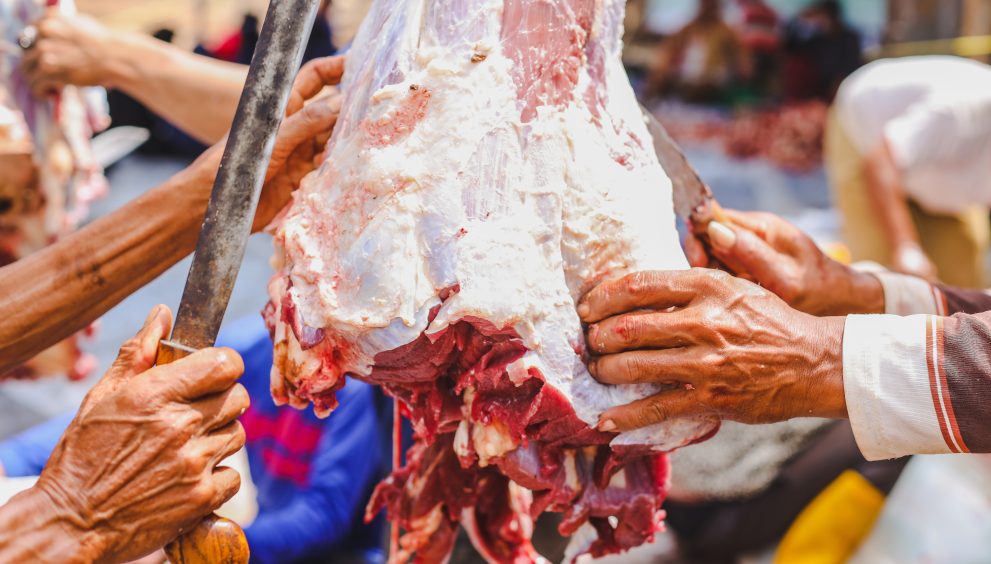
Zabiha is the Islamic method of slaughtering animals, ensuring that meat is halal, ethical, and wholesome. Beyond simply following a ritual, Zabiha reflects obedience to Allah, compassion for animals, and attention to hygiene and health. Whether you are a consumer seeking understanding or a student of Islamic practices, knowing the steps of Zabiha helps clarify its importance and ensures adherence to its principles.
This guide provides a step-by-step explanation of Zabiha slaughter, from preparation to consumption, while highlighting the spiritual, ethical, and practical considerations involved.
1. Understanding Zabiha
Before performing Zabiha, it is important to understand its meaning and purpose:
-
Definition: Zabiha (Arabic: ذَبِيحَة) refers to the ritual slaughter of permissible animals according to Islamic law.
-
Purpose: To ensure the meat is halal (permissible), tayyib (pure and wholesome), and ethically obtained.
-
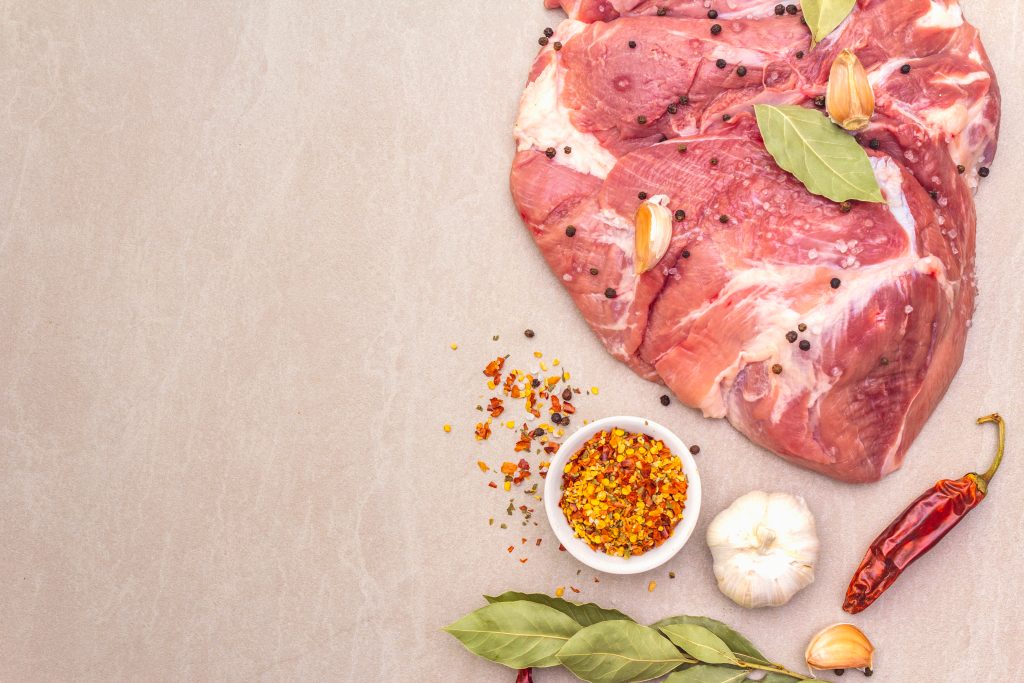
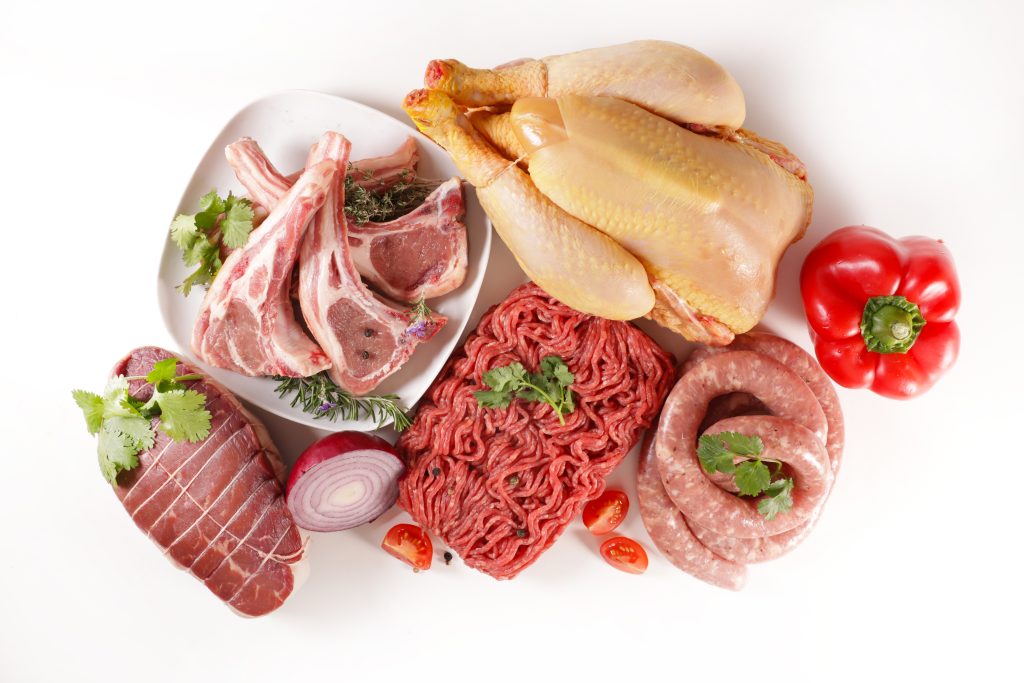
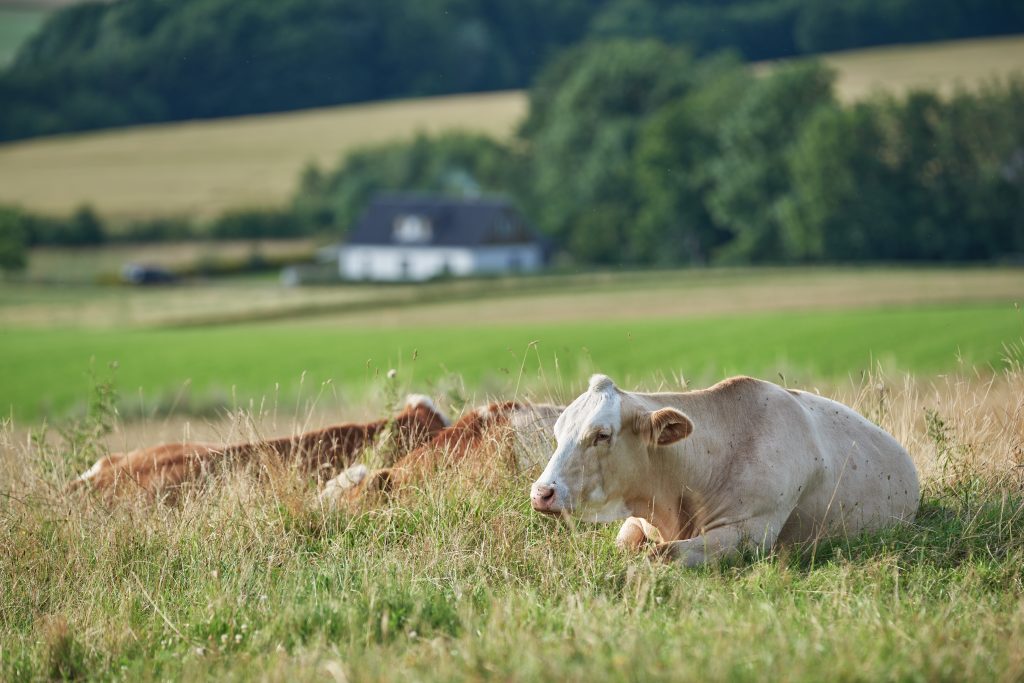
Animals Allowed: Common animals include cows, goats, sheep, camels, and poultry, as long as they are healthy and permitted in Islam.
Zabiha is not just a method—it is an act of obedience, mindfulness, and ethical responsibility.
2. Pre-Slaughter Preparation
Preparation is essential for ethical and proper Zabiha:
a) Selecting the Animal
-
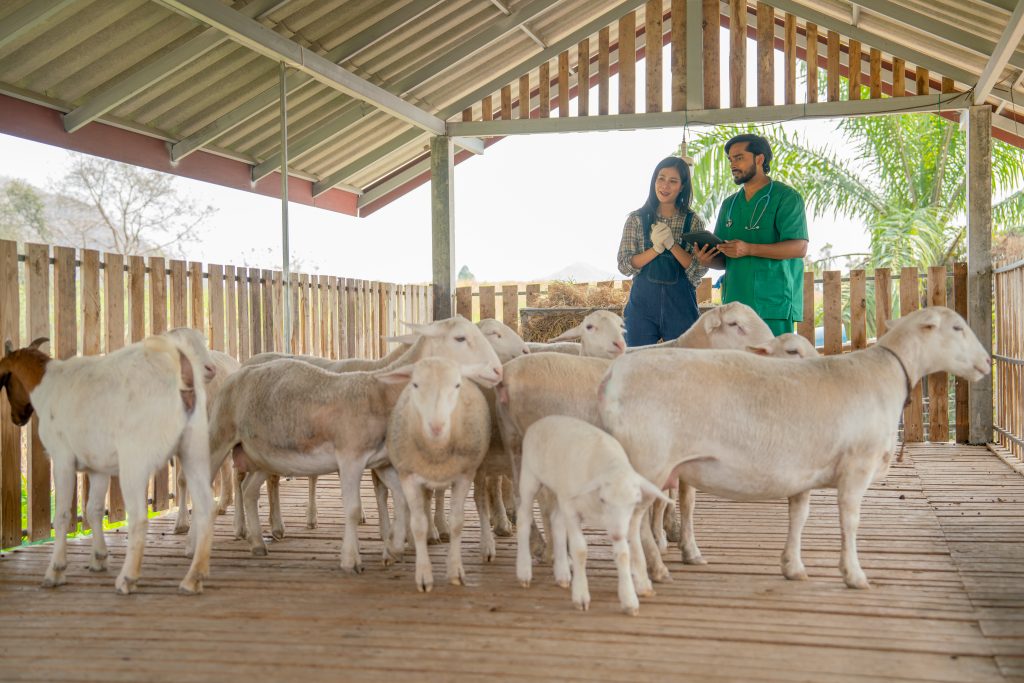
The animal must be healthy, free from disease, and suitable for slaughter.
-
Avoid animals that are sick, injured, or under unnecessary stress.
-
Choosing a strong, healthy animal ensures the meat is nutritious and complies with halal principles.
b) Preparing the Slaughterer
-
The person performing Zabiha must be a sane adult Muslim.
-
They should be trained in proper slaughter techniques and aware of Islamic guidelines.
-
Spiritual readiness is also important—intention (niyyah) should be made before the act.
c) Ensuring Cleanliness
-
Slaughtering should be performed in a clean area, free from contamination.
-
Utensils, knives, and surfaces must be sanitized.
-
Cleanliness protects the meat from bacteria and reflects the Islamic emphasis on purity.
3. Positioning the Animal
Correct positioning reduces stress and facilitates a swift and humane cut:
-
The animal should be calm and restrained to prevent injury.
-
Lying on its left side, facing the Qibla (direction of Mecca), is preferred, though this is not mandatory.
-
Restraint must avoid pain or excessive pressure on the animal.
Proper handling ensures compliance with Islamic ethics and minimizes suffering.
4. The Slaughtering Process
The slaughter itself follows strict guidelines:
a) Invocation
-
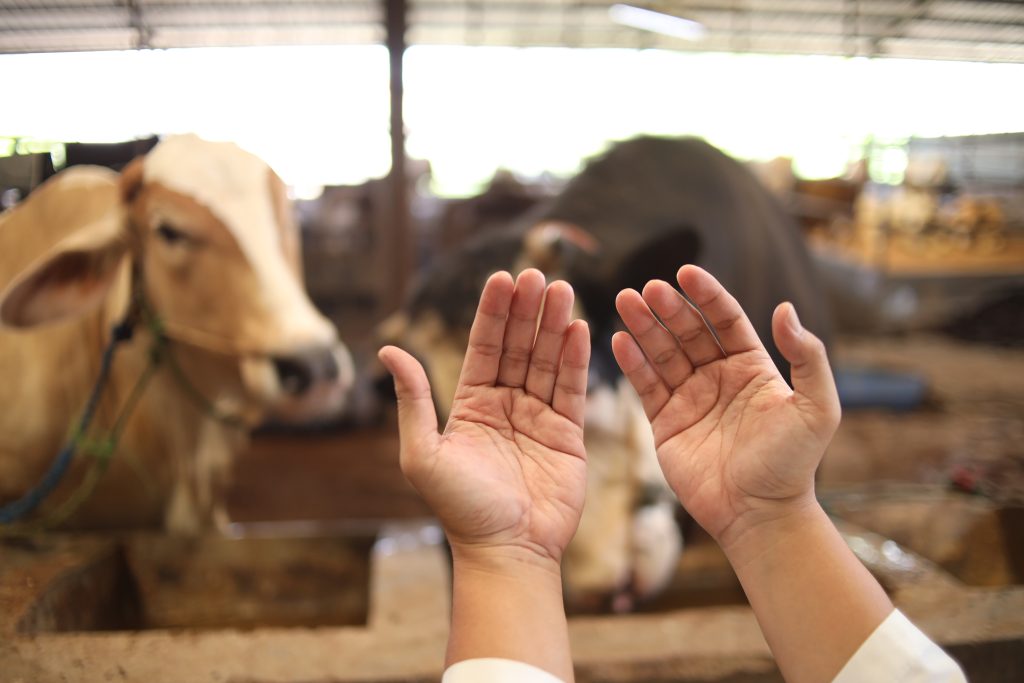
Recite Bismillah, Allahu Akbar (In the name of Allah, Allah is the Greatest) before making the cut.
-
This acknowledges that the animal’s life belongs to Allah and transforms the act into spiritual obedience.
b) The Cut
-
Use a sharp, clean knife to sever the throat, windpipe, and major blood vessels in one swift motion.
-
Avoid cutting the spinal cord; the animal must remain alive until blood drains.
-
A sharp knife ensures minimal pain and quick unconsciousness.
c) Blood Drainage
-
Complete drainage of blood is essential in Zabiha.
-
Blood is considered impure in Islam, and proper drainage enhances hygiene, taste, and quality.
5. Post-Slaughter Handling
After the cut, proper handling ensures safety and compliance:
-
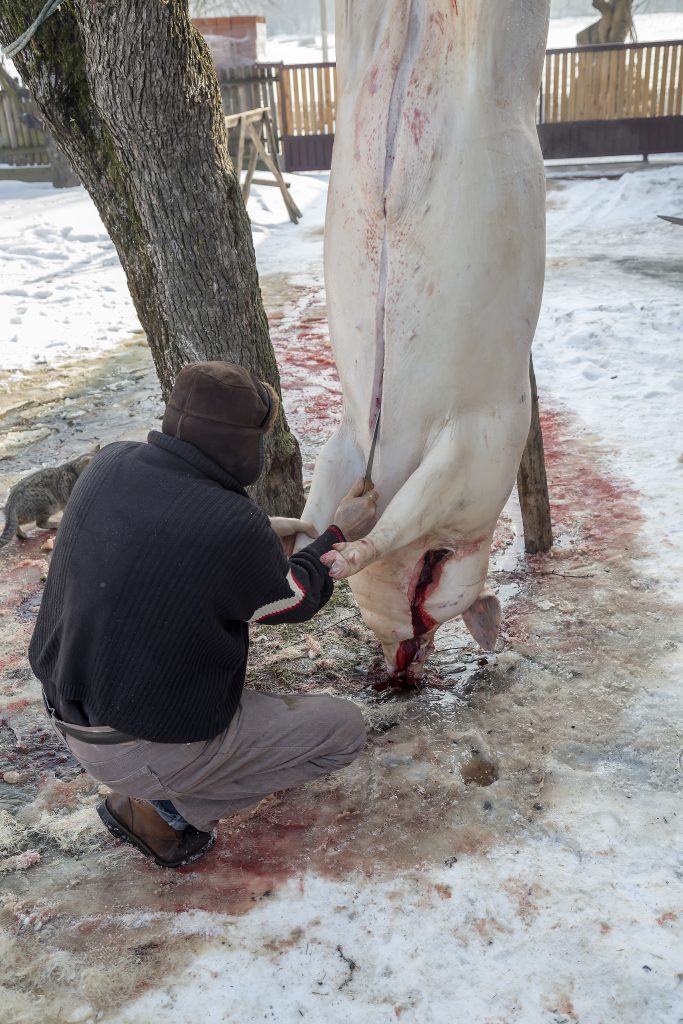
Allow the animal to bleed out completely before further processing.
-
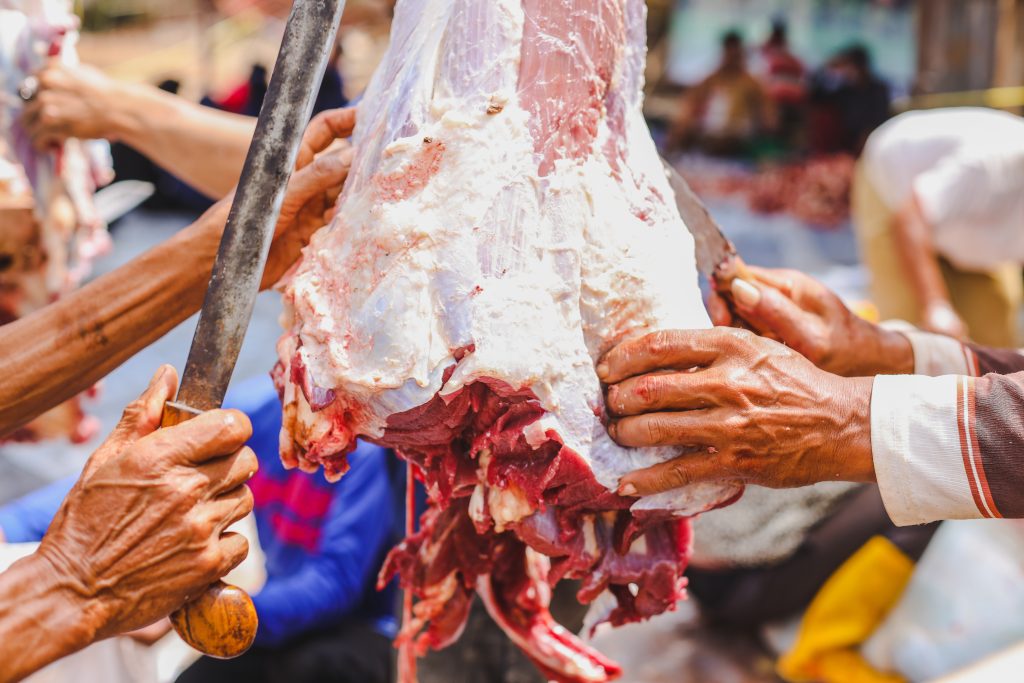
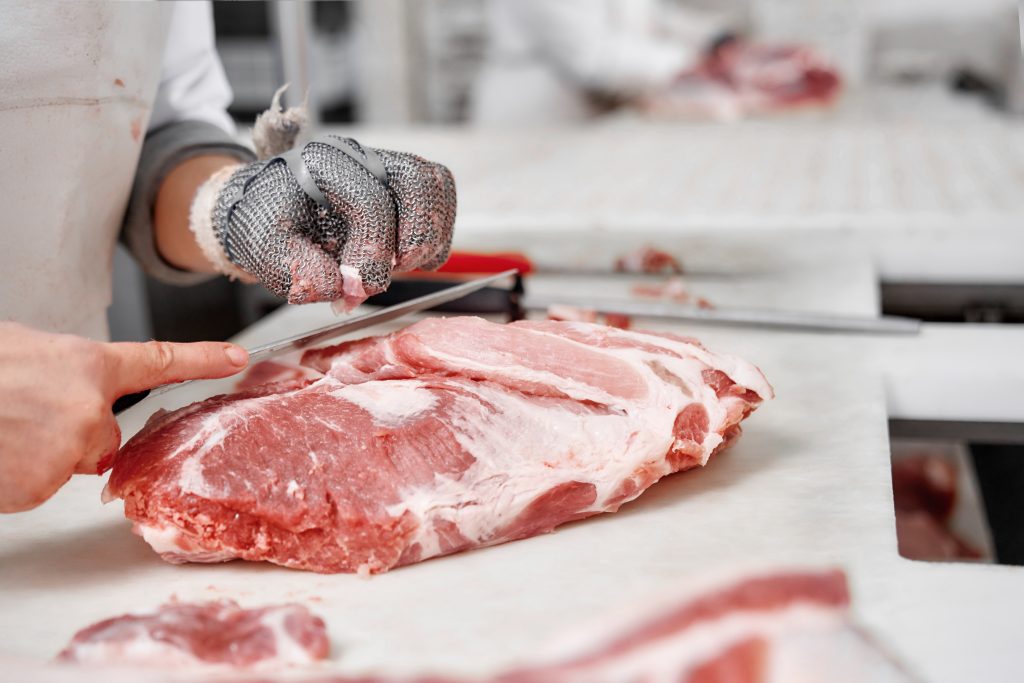
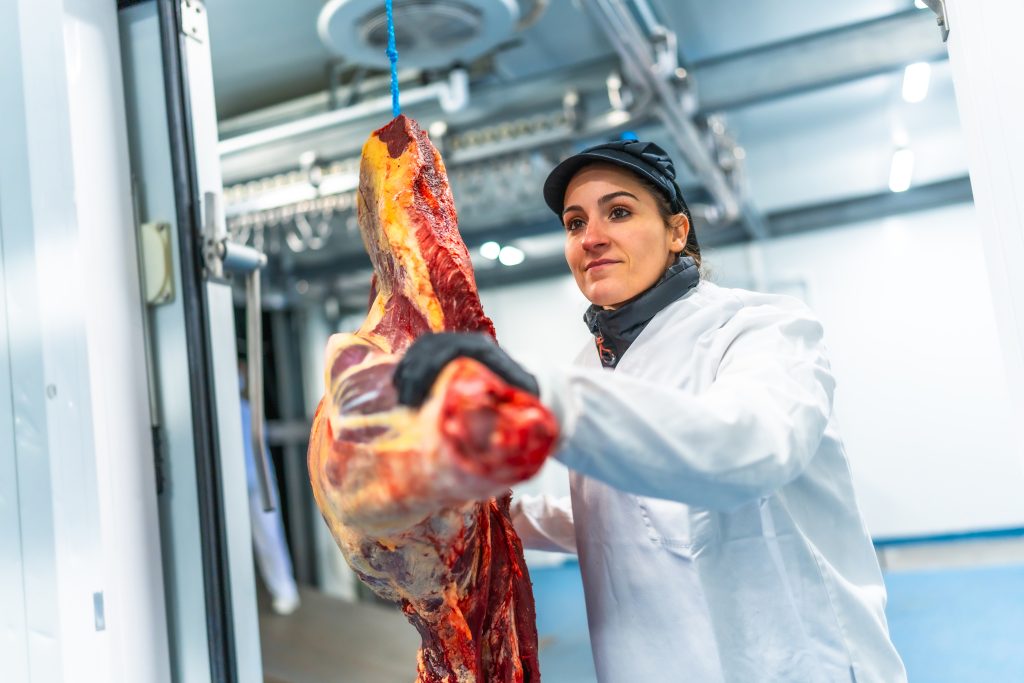
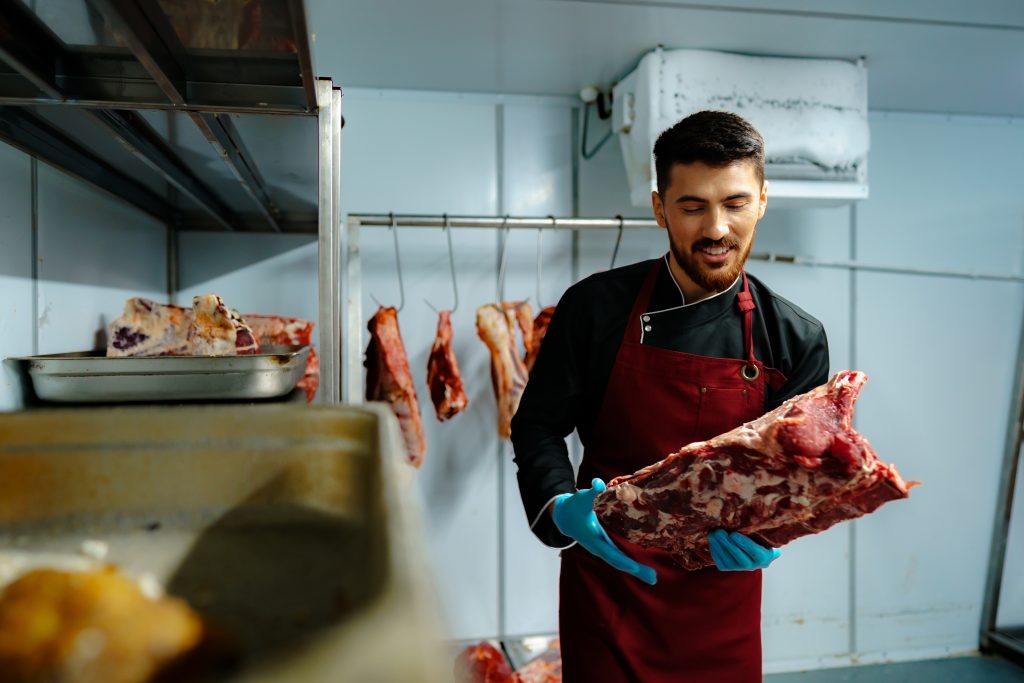
Skinning, cleaning, and butchering should be done in a sanitary environment.
-
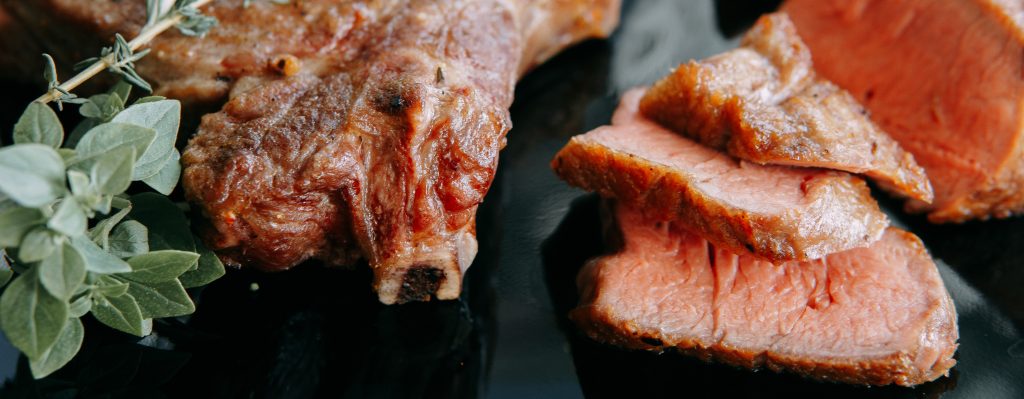
Ensure meat is stored at appropriate temperatures to prevent spoilage.
These steps maintain food safety and nutritional value while respecting halal standards.
6. Spiritual and Ethical Considerations
Zabiha is as much about ethics and spirituality as it is about technique:
-
Mindfulness: Reciting Allah’s name and performing the act with care reinforces spiritual awareness.
-
Compassion: Avoid unnecessary stress, pain, or fear in the animal.
-
Gratitude: Treat the meat as a blessing, using it responsibly and avoiding waste.
Ethical slaughter reflects Islamic values of mercy, responsibility, and consciousness in all actions.
7. Common Mistakes to Avoid
To ensure proper Zabiha, be aware of frequent errors:
-
Using a dull knife, causing unnecessary suffering
-
Failing to drain blood completely
-
Allowing untrained or non-Muslim individuals to perform the slaughter
-
Slaughtering sick or unhealthy animals
-
Neglecting cleanliness in the slaughter area
Avoiding these mistakes ensures both compliance and ethical responsibility.
8. Modern Applications of Zabiha
Today, Zabiha practices have adapted to modern food production while maintaining core principles:
-
Halal-certified slaughterhouses follow strict guidelines to ensure every step meets religious and health standards.
-
Ethical farming and traceability allow consumers to verify that meat is Zabiha.
-
Integration with food industry technology ensures large-scale production without compromising halal integrity.
Zabiha remains relevant in contemporary halal meat supply chains worldwide.
9. Benefits of Following Zabiha
The practice of Zabiha offers multiple benefits:
-
Spiritual: Acts of obedience and mindfulness strengthen faith.
-
Ethical: Ensures humane treatment of animals.
-
Health: Proper blood drainage and hygienic handling improve safety and nutrition.
-
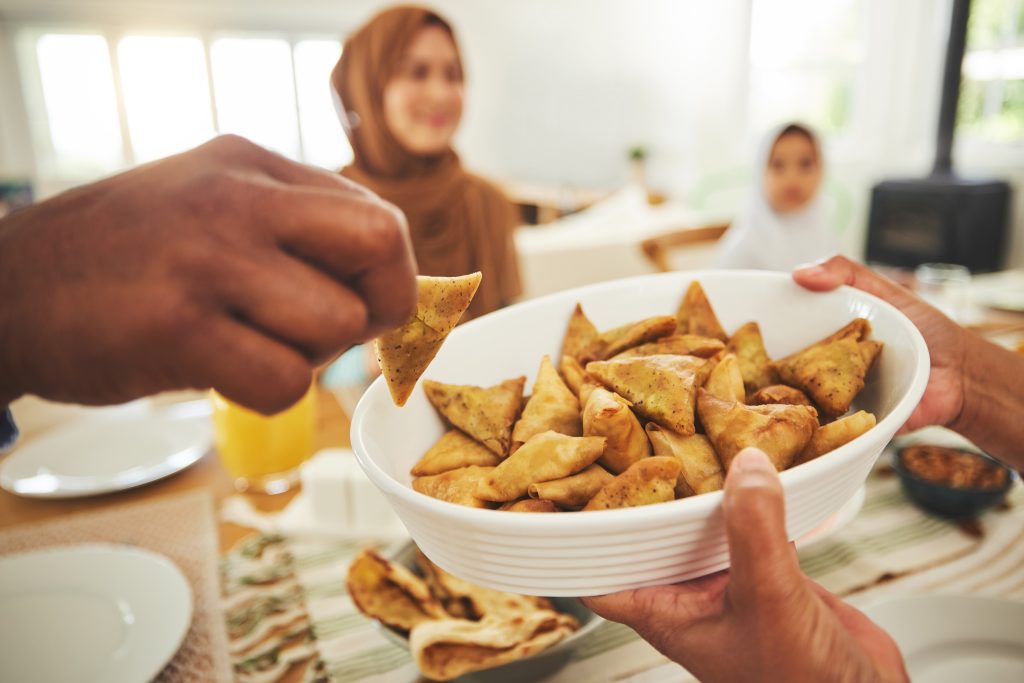
Community: Supports halal food availability for Muslim communities and charitable sharing during festivals.
Zabiha embodies holistic benefits that combine religious, ethical, and practical considerations.
10. Conclusion
Zabiha is a cornerstone of halal eating, blending spiritual devotion, ethical responsibility, and health consciousness. By following a **step-by-step process—from preparation to invocation, cutting, and proper handling—**Muslims can ensure that meat consumption aligns with Islamic principles.
Choosing Zabiha meat from trusted providers, like Zabiha Farms, ensures that every step—from the farm to the table—respects these principles.
Ultimately, Zabiha is more than a method of slaughter; it is a faith-driven approach to mindful eating, demonstrating obedience to Allah, compassion toward animals, and appreciation for the blessings of food. Following proper Zabiha guidelines allows Muslims to nourish their bodies and souls simultaneously, maintaining the integrity of their faith in everyday life.