
















History and Meaning of Zabiha

Zabiha is more than a method of slaughter—it is a cornerstone of Islamic dietary law, ethics, and spirituality. For centuries, Muslims around the world have adhered to Zabiha as part of their faith, ensuring that the food they consume is not only permissible but also wholesome, ethical, and pure. Understanding the history and meaning of Zabiha provides insight into its importance in daily life, religious observance, and contemporary halal practices.
This blog explores the origins of Zabiha, its religious significance, and its continued relevance in modern halal consumption.
1. The Meaning of Zabiha
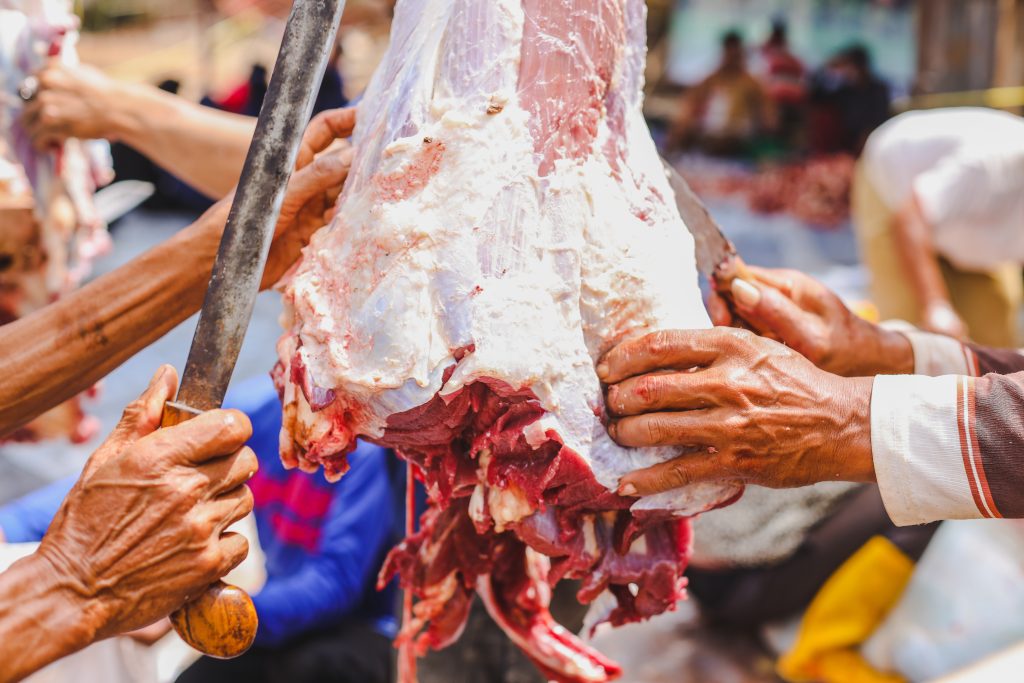
The term Zabiha comes from the Arabic word “ذَبِيحَة” (dhabīḥah), which literally means “slaughtered” or “sacrificed.” In Islamic context, it refers specifically to the slaughter of permissible animals according to Islamic law (Shariah).
For meat to be considered Zabiha, it must meet strict requirements:
-
The animal must be healthy at the time of slaughter
-
The slaughterer must be a sane adult Muslim
-
The name of Allah (Bismillah) must be recited before the cut
-
The throat, windpipe, and major blood vessels must be severed swiftly with a sharp instrument
-
Blood must be fully drained from the body
Zabiha is not merely a technical procedure; it embodies spiritual mindfulness, ethical responsibility, and purity in food consumption.
2. Historical Origins of Zabiha
The practice of Zabiha dates back to the time of the Prophet Muhammad ﷺ (7th century CE) and earlier Islamic traditions. While ritual animal slaughter existed in pre-Islamic societies, the Qur’an and Hadith provided clear guidelines for ethical, humane, and spiritually mindful slaughter.
Key historical aspects include:
-
Qur’anic Guidance: The Qur’an emphasizes consuming what is halal (permissible) and tayyib (pure and wholesome). It outlines clear prohibitions on pork, blood, and improperly slaughtered animals, establishing the foundation of Zabiha.
-
Prophetic Traditions (Hadith): The Prophet ﷺ instructed Muslims to treat animals with compassion, use sharp knives, and recite Allah’s name at the time of slaughter. These instructions formalized the Zabiha method.
-
Cultural Integration: Over time, Zabiha became integrated into daily life, festivals, and religious ceremonies such as Eid al-Adha, where animal sacrifice is an act of devotion and community sharing.
3. Religious Significance of Zabiha
Zabiha is deeply tied to spiritual and ethical principles in Islam. Its significance can be understood on multiple levels:
1. Obedience to Divine Law
Consuming Zabiha meat is an act of obedience to Allah’s commands. The meticulous process reflects respect for divine guidance and commitment to faith.
2. Mindful Consumption
By reciting Bismillah and slaughtering the animal ethically, Zabiha encourages mindfulness. Eating is transformed from a simple act of hunger satisfaction into a spiritual practice.
3. Ethical Treatment of Animals
Islam mandates mercy and respect toward all living creatures. Zabiha emphasizes minimizing pain and distress during slaughter, promoting compassion and responsibility.
4. Wholesomeness and Purity
Zabiha meat is free from forbidden elements like blood or non-permissible additives. This ensures physical purity, hygiene, and health alongside spiritual integrity.
4. Zabiha in Islamic History
Throughout Islamic history, Zabiha has been consistently practiced and preserved, reflecting both tradition and adaptation:
-
Early Islamic Societies: Communities adhered strictly to Zabiha principles for daily meals and sacrificial practices. Local markets often included specially trained halal butchers.
-
Medieval Period: Islamic scholars documented rules for Zabiha, including ethical treatment, permissible animals, and proper slaughtering techniques, ensuring knowledge was preserved for future generations.
-
Global Spread: As Islam spread to Africa, Asia, and Europe, Zabiha practices adapted to local cultures while retaining core principles. Muslim communities worldwide maintained standards for halal consumption, connecting faith and daily life.
5. Modern Practices and Halal Certification
In the contemporary era, Zabiha remains central to halal meat production, though global food systems have introduced new challenges:
-
Industrialization: Modern processing facilities require strict adherence to Zabiha principles while scaling production. Ethical slaughter, hygiene, and certification remain priorities.
-
Halal Certification: Trusted certification bodies verify that meat meets Zabiha standards, including proper slaughter, traceability, and handling. This builds confidence for consumers worldwide.
-
Consumer Awareness: Increased demand for Zabiha meat reflects a desire for authenticity, ethics, and health-conscious choices. Consumers now prioritize not only permissibility but also quality, purity, and humane practices.
6. Common Misconceptions About Zabiha
Understanding history and meaning also helps dispel myths:
-
Myth: Zabiha is cruel. Fact: When done properly, it is one of the most humane methods of slaughter.
-
Myth: All halal meat is Zabiha. Fact: Only meat slaughtered according to Islamic rules qualifies as Zabiha.
-
Myth: Zabiha is outdated. Fact: Modern halal industries maintain Zabiha practices while incorporating hygiene, technology, and quality assurance.
Awareness of these facts ensures informed choices for consumers and reinforces the importance of traditional principles in a modern context.
7. The Ethical Dimension of Zabiha
Zabiha is not merely about compliance; it represents a moral approach to food consumption:
-
Animals are treated with dignity and respect
-
Slaughter is performed swiftly to minimize suffering
-
Food is consumed with gratitude, avoiding waste
-
Communities share meat during celebrations, reflecting charity and solidarity
These ethical dimensions highlight Zabiha as an integral part of Islamic values beyond the plate.
8. Zabiha and Health
Historically, Zabiha also reflects an understanding of cleanliness, hygiene, and health:
-
Complete blood drainage reduces bacterial growth and contamination
-
Proper handling and ethical slaughter improve meat quality and taste
-
Choosing healthy, permissible foods aligns with long-term physical well-being
Modern studies affirm that ethical slaughter, like Zabiha, contributes to safer and more nutritious meat.
9. Global Relevance of Zabiha
Today, Zabiha meat is sought after worldwide, serving both Muslims and non-Muslims who value ethical and wholesome food. Its principles guide:
-
Halal restaurants and food industries
-
Ethical farming and meat production
-
Community practices and religious festivals
Zabiha represents a global standard of mindful, ethical, and faith-aligned consumption.
Conclusion
The history and meaning of Zabiha reflect a rich legacy of faith, ethics, and health-conscious living. From its roots in Qur’anic guidance and Prophetic traditions to its contemporary application in halal certification and modern food systems, Zabiha has remained a symbol of:
-
Spiritual mindfulness
-
Ethical treatment of animals
-
Hygiene and purity
-
Health-conscious eating
Choosing Zabiha meat today, from trusted sources like Zabiha Farms, is more than following dietary rules—it is honoring a centuries-old tradition that connects faith, ethics, and well-being. By understanding its history and meaning, consumers can appreciate Zabiha not only as a religious requirement but also as a holistic approach to responsible and conscious eating.
Eating Zabiha meat is a timeless practice that combines devotion, morality, and nourishment—an enduring legacy that continues to guide millions of Muslims around the world every day.