

















































Eating Out the Halal Way: A Practical Guide


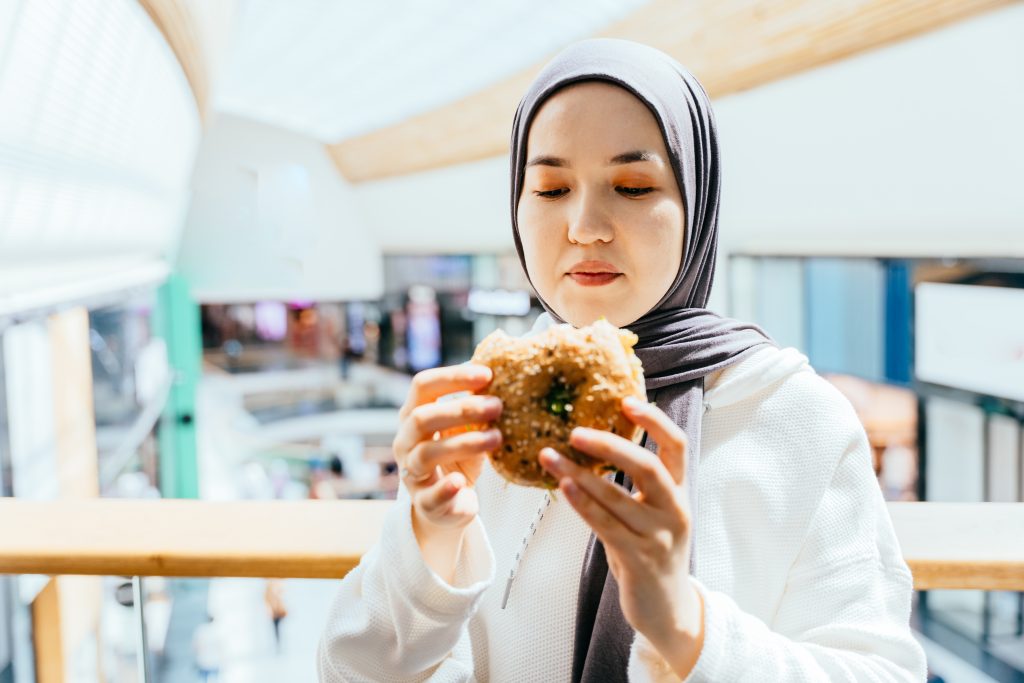
Eating out can be challenging for Muslims who wish to maintain halal dietary standards. While restaurants and fast-food chains offer convenience, not all meat or ingredients comply with halal guidelines. However, with the right knowledge and preparation, it is entirely possible to eat out the halal way without compromising faith, ethics, or health.
This guide explores strategies, tips, and best practices to enjoy dining out while staying aligned with halal principles.
1. Understand What “Halal” Means When Eating Out
Halal, in the context of food, means that the food is permissible according to Islamic law. When dining out, halal compliance depends on multiple factors:
-
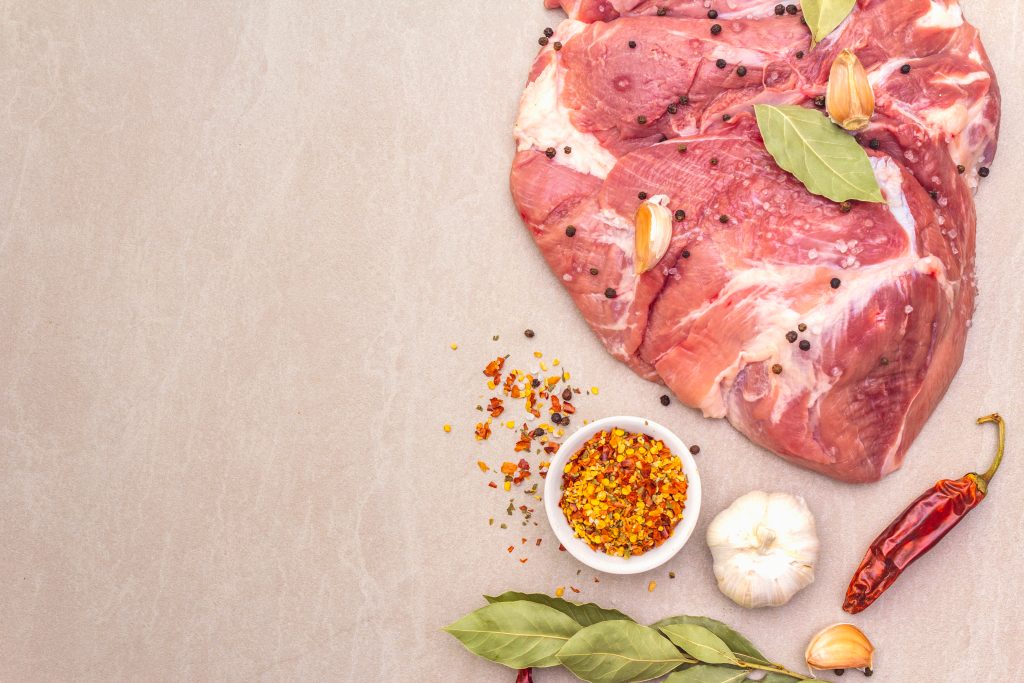
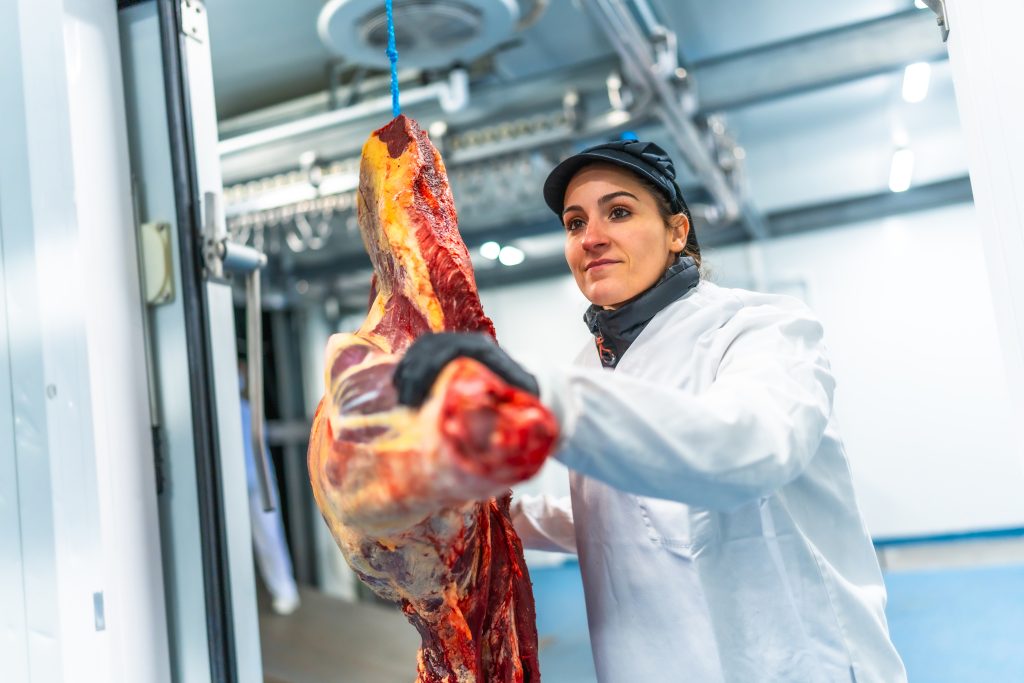
Meat must be Zabiha-slaughtered
-
No alcohol or intoxicants should be included
-
Food should be free from cross-contamination with non-halal items
Understanding these basics is crucial before entering a restaurant or ordering food. Eating halal is not only about avoiding pork or alcohol; it also ensures ethical treatment of animals, hygiene, and quality of food.
2. Research Halal Restaurants Before Visiting
One of the most effective ways to eat out the halal way is through prior research. Use apps, websites, and local halal guides to identify trustworthy restaurants:
-
Halal-certified restaurants: Look for official halal certification displayed at the restaurant or online
-
Online reviews: Check reviews for halal compliance, quality, and customer experiences
-
Social media and community recommendations: Muslim communities often share trusted eateries and tips
Planning ahead ensures you avoid last-minute compromises and enjoy a stress-free dining experience.
3. Ask Questions and Clarify
When in doubt, never hesitate to ask questions. Most reputable restaurants are willing to clarify halal standards. Important questions include:
-
Is your meat Zabiha-slaughtered?
-
Do you use alcohol in sauces or marinades?
-
How do you prevent cross-contamination with non-halal items?
-
Are your kitchen utensils and surfaces cleaned between halal and non-halal dishes?
Clear communication allows you to make informed decisions and helps restaurants improve their halal offerings.
4. Look for Trusted Chains and Local Halal Eateries
Many fast-food and casual dining chains now offer halal options in certain locations. Examples include:
-
Chicken-based chains with halal-certified meat
-
Specialty Middle Eastern or South Asian restaurants
-
Local halal diners, cafes, and food trucks
Choosing trusted establishments reduces the risk of accidentally consuming non-halal items while providing convenience and variety.
5. Avoid Common Pitfalls
Even halal-labeled items may not always be fully compliant due to:
-
Cross-contamination in shared fryers or grills
-
Hidden non-halal ingredients like gelatin, enzymes, or alcohol
-
Pre-marinated meats of uncertain origin
Being vigilant, asking questions, and reading menus carefully can help avoid these pitfalls.
6. Make Smart Choices on the Menu
Eating out halal doesn’t mean sacrificing variety or taste. Focus on:
-
Protein sources: Halal Zabiha meat, poultry, fish, or plant-based proteins
-
Whole grains and sides: Brown rice, whole-wheat bread, quinoa, or salad options
-
Vegetables and fruits: Freshly prepared, steamed, or roasted for maximum nutrition
-
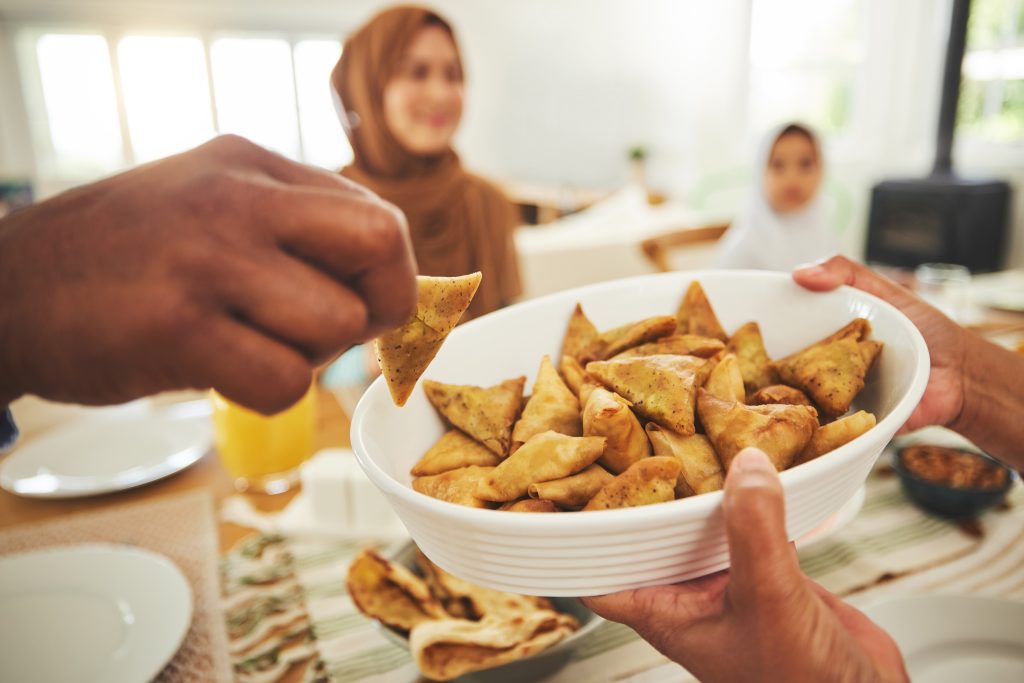
Healthy snacks and appetizers: Hummus, falafel, nuts, and yogurt-based dips
Selecting well-balanced meals ensures you maintain both halal compliance and nutritional value.
7. Be Mindful About Beverages
Many beverages, especially alcoholic cocktails or wines, are strictly non-halal. Consider:
-
Asking if drinks contain alcohol
-
Choosing halal-certified soft drinks, juices, or smoothies
-
Opting for tea, coffee, or water
Being mindful of beverages is as important as the food itself in maintaining halal compliance.
8. Dining Etiquette for Halal Eating
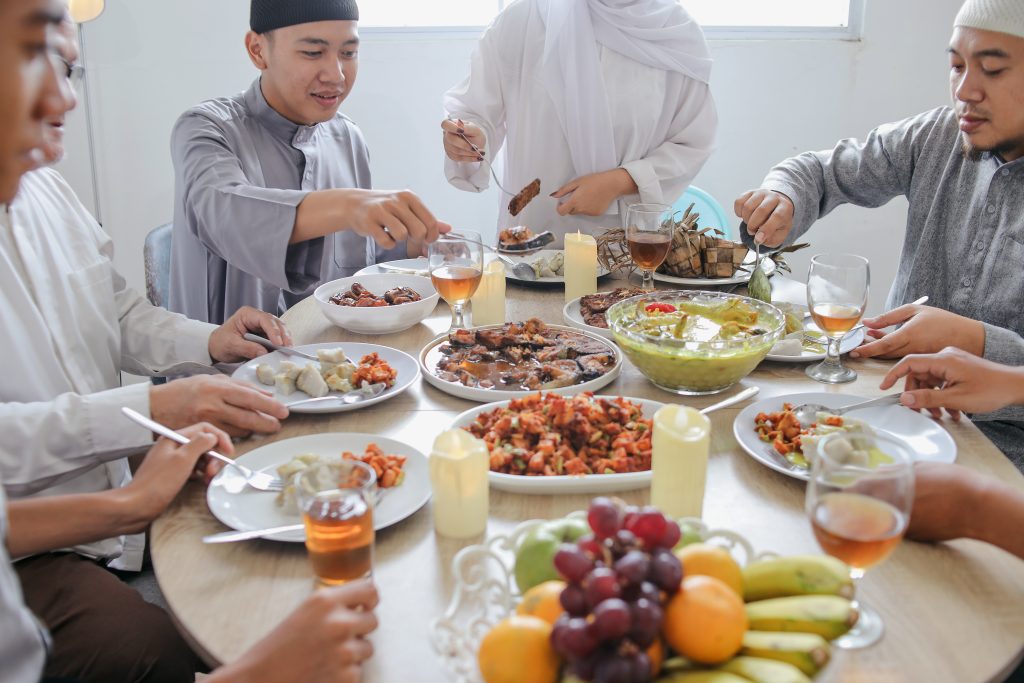
Eating out the halal way also involves mindful dining habits:
-
Begin meals with Bismillah and end with Alhamdulillah
-
Avoid waste by ordering reasonable portions
-
Share dishes when appropriate to reduce excess consumption
-
Be polite and respectful when requesting modifications for halal compliance
Mindful eating enhances both spiritual awareness and social harmony.
9. Consider Meal Planning Around Dining Out
To maintain halal eating habits, consider planning your meals around restaurant visits:
-
Eat light and wholesome meals before or after dining out
-
Prepare snacks in advance to avoid temptation from non-halal fast foods
-
Balance indulgent meals with home-cooked halal dishes
-
Use dining out as an opportunity to explore new halal cuisines without overindulging
This approach ensures consistency in your halal diet and overall health.
10. Embrace Diverse Halal Cuisines
Eating out halal can also be a culinary adventure. Popular global halal cuisines include:
-
Middle Eastern: Shawarma, kebabs, hummus, falafel
-
South Asian: Biryani, tandoori chicken, lentil dishes
-
Southeast Asian: Satay, rendang, halal seafood
-
Western fusion: Halal burgers, grilled chicken, vegan-friendly options
Exploring diverse cuisines keeps meals interesting while maintaining faith-aligned dietary habits.
11. Support Halal Businesses
Whenever possible, support restaurants and food businesses that follow halal standards. This helps:
-
Promote transparency and accountability in the food industry
-
Encourage more eateries to adopt halal practices
-
Strengthen the local halal food ecosystem
-
Increase availability of Zabiha meat and halal-certified products
Choosing halal-friendly restaurants contributes to the growth of a responsible and ethical food market.
Conclusion
Eating out the halal way requires awareness, preparation, and mindfulness, but it is entirely achievable. By researching restaurants, asking questions, choosing balanced meals, and being mindful of ingredients, Muslims can enjoy dining out without compromising religious principles or health.
Halal dining is not only about avoiding forbidden foods—it is about embracing ethical, wholesome, and intentional eating. With proper planning and trusted sources like Zabiha Farms, enjoying halal meals outside the home can be a safe, enjoyable, and enriching experience.
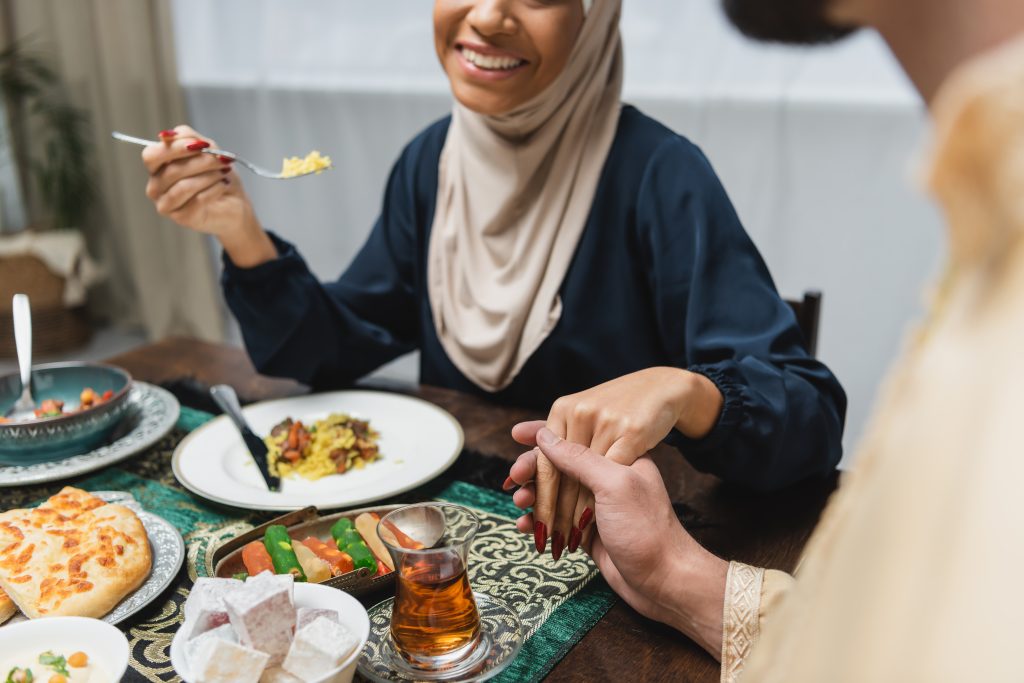
Dining out halal also opens the door to discovering new cuisines, supporting ethical businesses, and sharing quality meals with friends and family—all while adhering to the principles of faith and wellness.
Eating out doesn’t have to be stressful—with knowledge, mindfulness, and preparation, halal eating can be seamless, delicious, and rewarding.