



























































Daily Halal Eating Habits


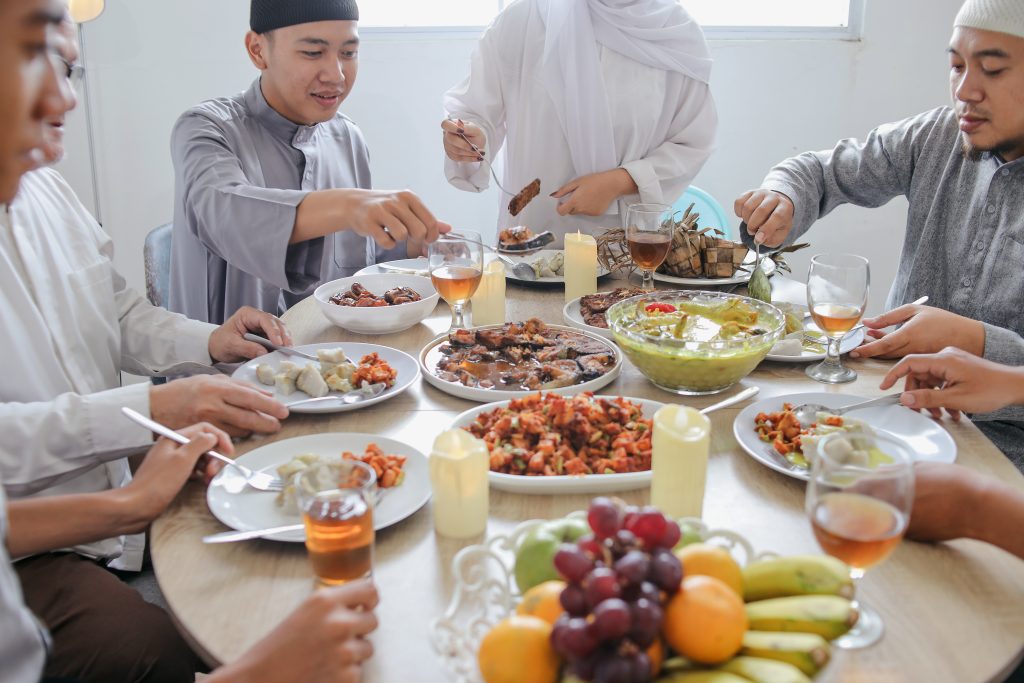
Halal eating is not limited to choosing permissible food—it is a daily lifestyle practice rooted in mindfulness, moderation, cleanliness, and gratitude. In Islam, what we eat and how we eat plays a vital role in shaping our physical health, spiritual well-being, and moral character. Developing daily halal eating habits helps individuals align their diet with Islamic principles while also supporting a healthier and more conscious way of living.
This blog explores practical daily halal eating habits that can be easily incorporated into everyday life, benefiting both body and soul.
1. Begin Every Meal with Intention
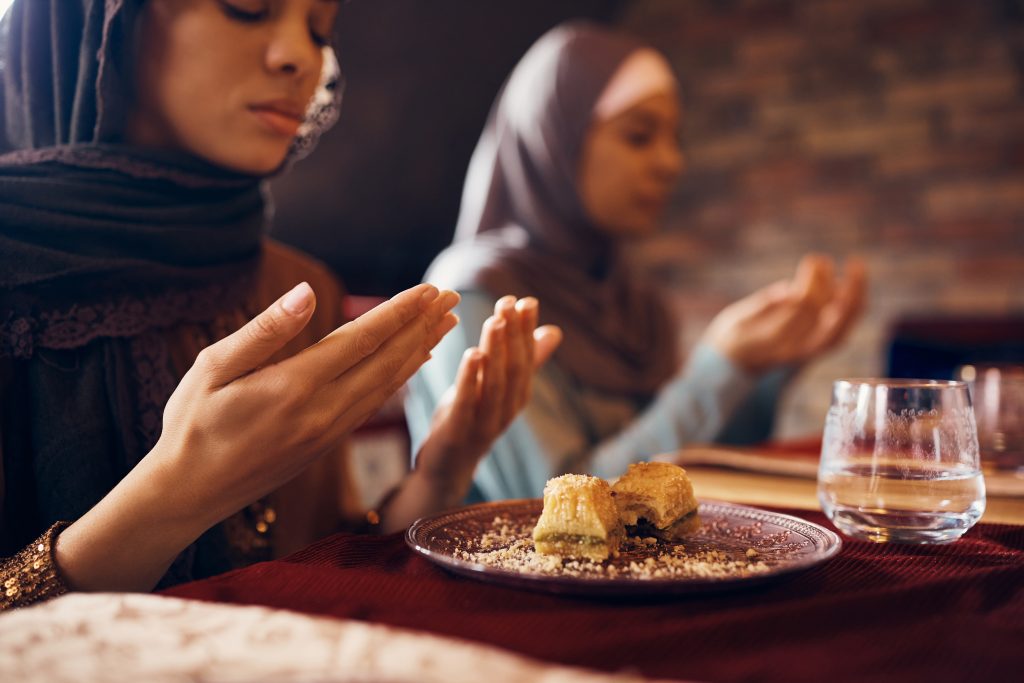
One of the most important halal eating habits starts before the food is even consumed—with intention. Saying Bismillah (In the name of Allah) before eating reminds us that food is a blessing and that nourishment comes from God.
This simple habit:
-
Encourages mindfulness
-
Builds gratitude
-
Creates spiritual awareness
-
Prevents careless or excessive eating
Eating with intention transforms a routine act into a meaningful one and sets the tone for disciplined, halal living throughout the day.
2. Choose Halal and Tayyib Foods
Islam emphasizes not only halal (permissible) food but also tayyib (pure and wholesome). Daily halal eating habits involve being conscious about food quality, not just its permissibility.
Tayyib food includes:
-
Fresh, clean, and nutritious ingredients
-
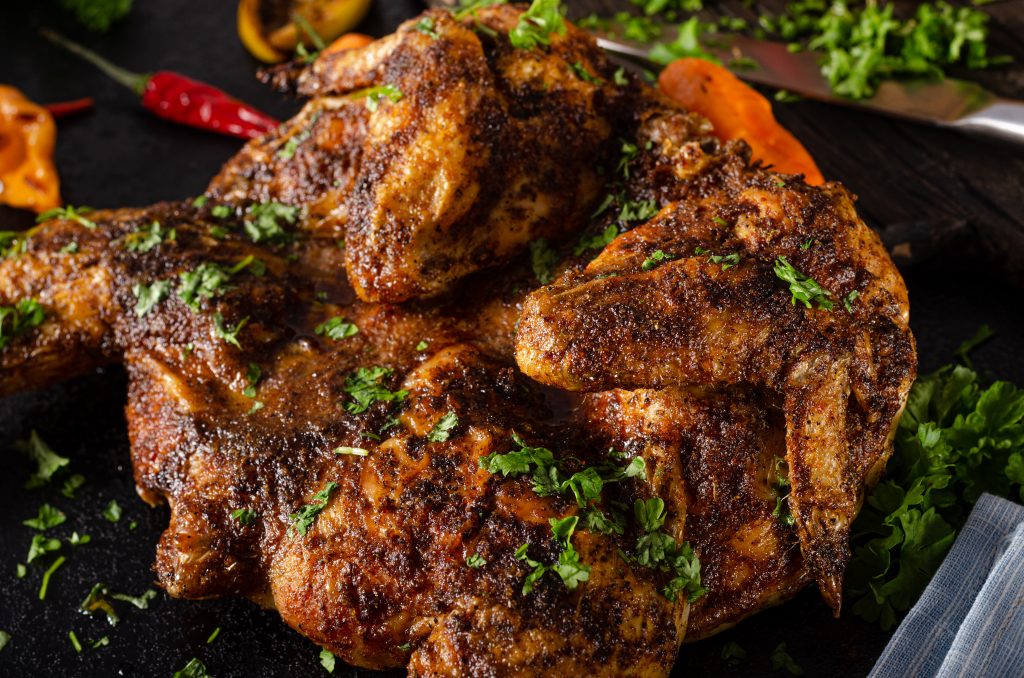
Properly slaughtered Zabiha meat
-
Foods free from harmful additives
-
Ethically sourced products
Making tayyib choices daily supports long-term health, boosts energy levels, and promotes overall well-being.
3. Eat in Moderation
One of the core principles of halal eating is moderation. The Prophet Muhammad ﷺ advised against overeating, emphasizing balance and self-control.
Daily moderation habits include:
-
Avoiding oversized portions
-
Eating only until satisfied, not full
-
Limiting excessive snacking
-
Reducing consumption of processed foods
Overeating not only harms physical health but can also dull spiritual awareness. Moderation helps maintain focus, energy, and gratitude throughout the day.
4. Maintain Cleanliness and Hygiene
Cleanliness is a fundamental part of Islam and directly relates to halal eating habits. This includes both personal hygiene and food hygiene.
Daily practices include:
-
Washing hands before and after meals
-
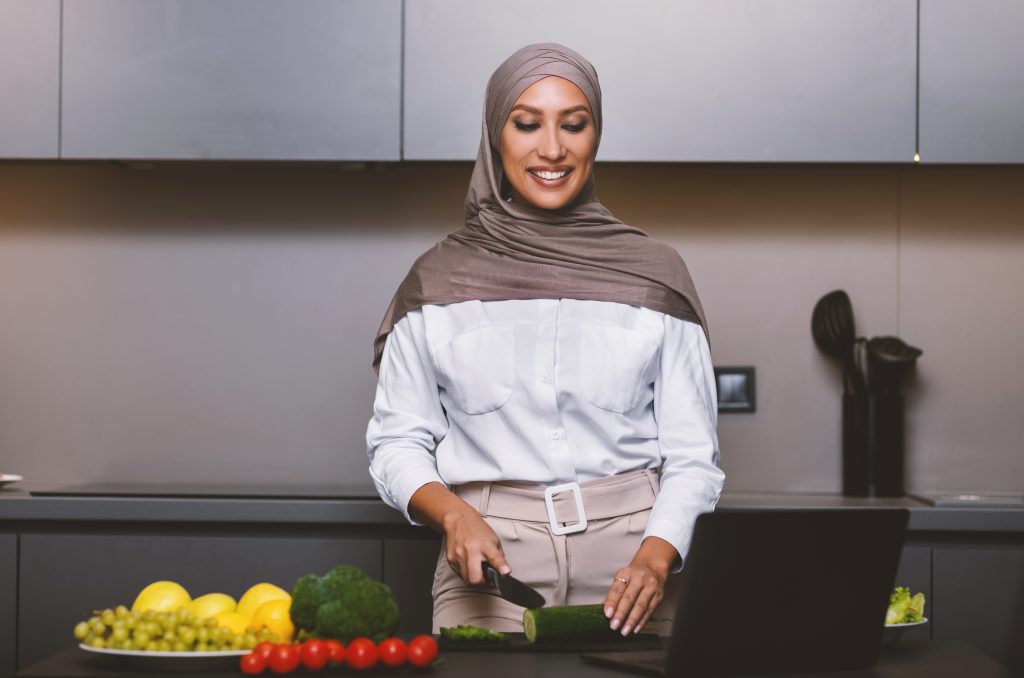
Keeping cooking surfaces clean
-
Proper food storage
-
Ensuring meat and ingredients are handled hygienically
Clean habits prevent illness, improve digestion, and reflect the Islamic emphasis on purity in all aspects of life.
5. Be Mindful of What You Consume
Halal eating encourages awareness of ingredients. Many modern food products contain hidden non-halal components such as alcohol-based flavorings, gelatin, or animal-derived additives.
Daily awareness habits include:
-
Reading ingredient labels
-
Asking questions when eating out
-
Choosing halal-certified products
-
Avoiding doubtful items
Being mindful protects both religious integrity and physical health, fostering confidence and peace of mind in daily food choices.
6. Eat at Regular, Balanced Times
Establishing consistent meal times is an often-overlooked halal eating habit. Eating at irregular hours or skipping meals can lead to unhealthy patterns and overindulgence later.
Healthy daily habits include:
-
Eating breakfast to start the day with energy
-
Spacing meals evenly
-
Avoiding late-night overeating
-
Aligning eating habits with prayer routines
Balanced meal timing supports digestion, metabolism, and mental clarity.
7. Show Gratitude After Eating
Ending meals with gratitude is just as important as beginning them with intention. Saying Alhamdulillah after eating reinforces thankfulness and humility.
Gratitude habits:
-
Strengthen spiritual connection
-
Reduce stress and dissatisfaction
-
Encourage appreciation of blessings
-
Promote emotional well-being
Recognizing food as a blessing prevents wastefulness and nurtures contentment in daily life.
8. Avoid Waste and Excess
Islam strongly discourages waste, including food waste. A key halal eating habit is respecting food by using it wisely.
Daily practices include:
-
Cooking appropriate quantities
-
Storing leftovers properly
-
Sharing food with others
-
Donating excess food when possible
Reducing waste reflects responsibility, environmental consciousness, and gratitude.
9. Practice Ethical and Conscious Consumption
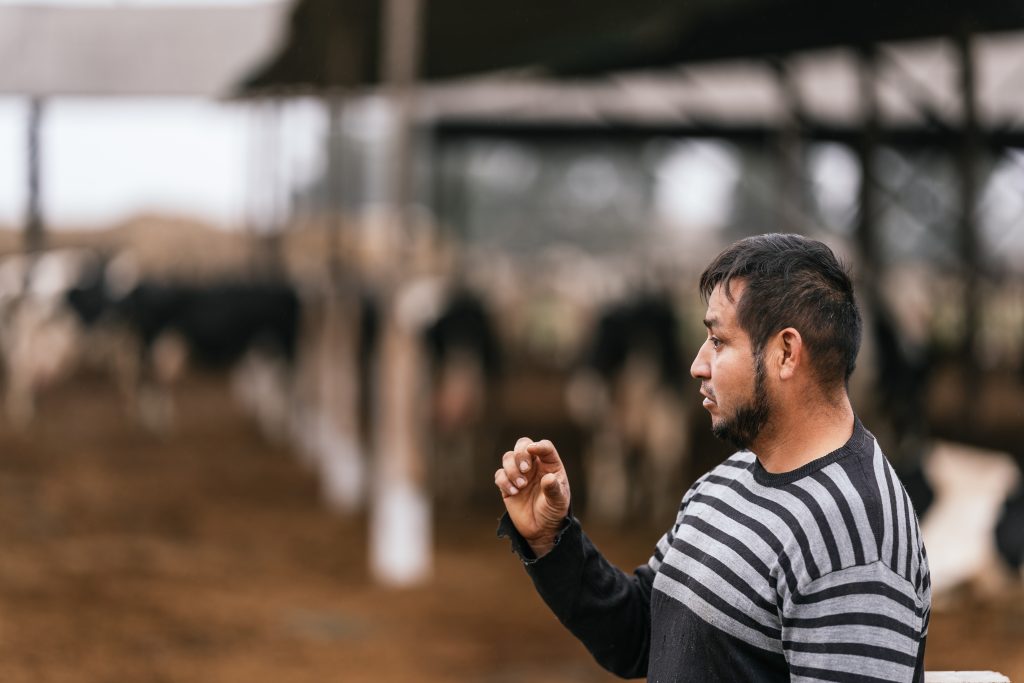
Daily halal eating habits also involve ethical decision-making. Supporting halal farms, ethical producers, and transparent supply chains reinforces values of compassion and responsibility.
Conscious choices include:
-
Buying from trusted halal sources
-
Supporting local halal businesses
-
Choosing ethically raised meat
-
Avoiding exploitative food practices
Ethical consumption strengthens community ties and aligns everyday eating with Islamic morals.
10. Balance Physical and Spiritual Nourishment
Halal eating is about nourishing both the body and the soul. A healthy body supports worship, focus, and daily responsibilities, while spiritual mindfulness keeps physical habits disciplined.
Balanced nourishment includes:
-
Eating foods that support energy and health
-
Avoiding excess sugar and junk food
-
Staying hydrated
-
Aligning eating habits with fasting practices
This balance creates a sustainable lifestyle that promotes long-term wellness.
Conclusion
Daily halal eating habits go far beyond checking labels or avoiding prohibited foods. They represent a holistic approach to living, rooted in intention, moderation, cleanliness, gratitude, and ethical responsibility.
By adopting simple daily practices—such as mindful eating, choosing halal and tayyib foods, avoiding waste, and showing gratitude—individuals can transform everyday meals into sources of health, spiritual growth, and inner peace.
Choosing properly sourced Zabiha meat and halal products from trusted providers like Zabiha Farms ensures that your daily eating habits align with Islamic values while supporting quality, ethics, and well-being.
Halal eating is not a restriction—it is a pathway to a more mindful, balanced, and fulfilling life.