






















Common Myths About Zabiha


As halal food becomes more widely available across the world, discussions around Zabiha meat have also increased. Unfortunately, along with awareness, many misconceptions and myths have spread—some due to lack of knowledge, others due to misinformation. These myths often create confusion not only among non-Muslims but also within Muslim communities trying to make informed halal choices.
Zabiha is a well-defined Islamic method of slaughter rooted in ethics, hygiene, and spiritual responsibility. In this blog, we address and clarify some of the most common myths about Zabiha, separating fact from fiction to help consumers understand what Zabiha truly represents.
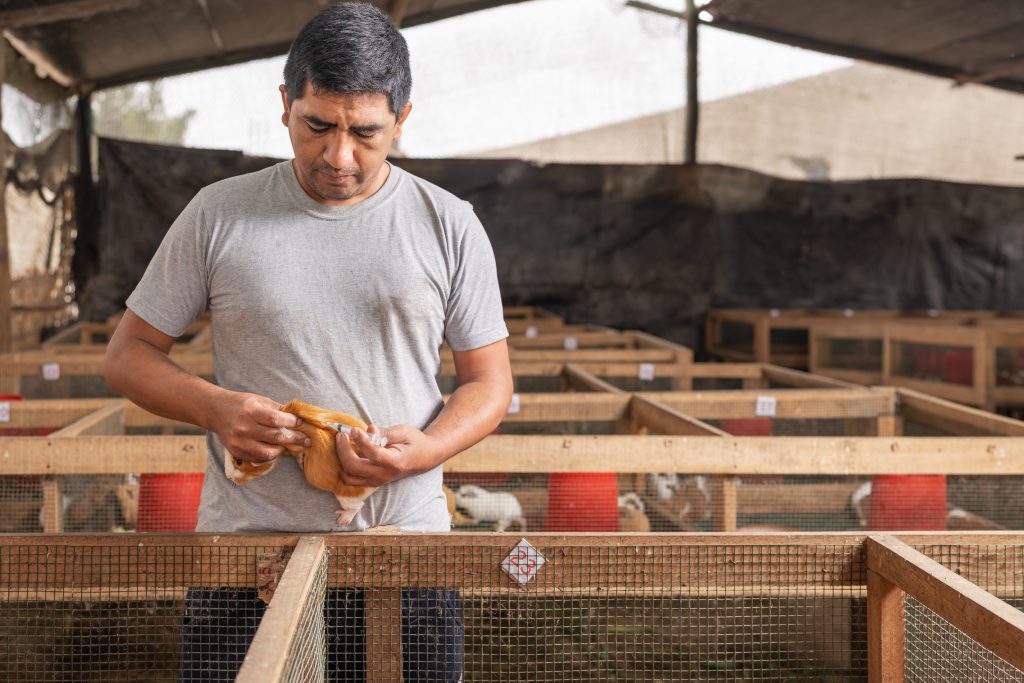
Myth 1: Zabiha Is Cruel to Animals
One of the most widespread myths is that Zabiha slaughter is cruel or painful for animals. In reality, Zabiha prioritizes animal welfare and compassion.
The Islamic method requires:
-
A razor-sharp blade
-
A swift, single cut
-
Severing the throat, windpipe, and major blood vessels
-
Minimizing stress before slaughter
This process causes rapid loss of consciousness due to immediate blood flow interruption to the brain. Numerous veterinary experts agree that when performed correctly, Zabiha results in minimal pain and suffering.
Islam strictly forbids harming animals unnecessarily, and cruelty directly contradicts Islamic teachings. Zabiha, when done properly, is one of the most humane slaughter methods.
Myth 2: Zabiha Meat Is Unhygienic
Another common misconception is that Zabiha meat is less hygienic than conventionally processed meat. In fact, the opposite is true.
Zabiha requires complete blood drainage from the animal’s body. Blood is a breeding ground for bacteria, toxins, and pathogens. By removing it fully, Zabiha meat:
-
Stays fresher longer
-
Has lower bacterial growth
-
Produces less odor
-
Is safer for consumption
Modern halal facilities follow strict hygiene, sanitation, and quality control standards, often exceeding industry norms.
Myth 3: All Halal Meat Is Zabiha
Many people assume that if meat is labeled “halal,” it must automatically be Zabiha. This is not always correct.
-
Halal is a broad term meaning permissible
-
Zabiha refers specifically to the Islamic slaughter method
Some halal-certified meats are machine-slaughtered or processed in ways that do not meet traditional Zabiha requirements. This myth highlights the importance of verifying hand-slaughtered Zabiha certification, especially for consumers who follow stricter interpretations.
Myth 4: Zabiha Is Outdated and Not Suitable for Modern Times
Some critics believe Zabiha is an outdated practice that cannot align with modern food production. In reality, Zabiha has evolved alongside technology while maintaining its core principles.
Today, many halal producers:
-
Use modern processing facilities
-
Follow international food safety standards
-
Implement traceability systems
-
Combine ethical slaughter with advanced hygiene
Zabiha is not opposed to progress—it simply ensures that innovation does not compromise ethics, compassion, or faith.
Myth 5: Zabiha Meat Tastes Different in a Bad Way
Another misconception is that Zabiha meat has a strange or unpleasant taste. Taste differences usually come from quality, freshness, and processing, not the slaughter method itself.
In fact, many consumers report that Zabiha meat:
-
Tastes cleaner
-
Has no metallic smell
-
Absorbs spices better
-
Feels lighter after consumption
Complete blood removal improves flavor and texture, making Zabiha meat preferred by many chefs and home cooks.
Myth 6: Zabiha Is Only About Saying a Prayer
Some people reduce Zabiha to “just saying Bismillah,” ignoring the full process involved. In truth, Zabiha is a comprehensive system, not a single phrase.
Zabiha includes:
-
Ethical animal treatment
-
Proper handling and restraint
-
Humane slaughter technique
-
Hygiene and cleanliness
-
Spiritual intention
Without fulfilling all conditions, meat cannot be considered proper Zabiha—even if a prayer is recited.
Myth 7: Zabiha Is Only for Muslims
While Zabiha is rooted in Islamic law, its benefits extend beyond religious boundaries. Many non-Muslims choose halal and Zabiha meat due to its:
-
Ethical animal welfare standards
-
Clean processing
-
Transparency
-
Health and quality benefits
Today, halal food is widely consumed by people of diverse backgrounds who value conscious and ethical eating.
Myth 8: Stunning Automatically Makes Meat Haram
There is confusion around stunning and Zabiha compliance. The reality is nuanced.
Many Islamic scholars allow reversible stunning, provided:
-
The animal is alive at the time of slaughter
-
Stunning does not cause death
-
Blood drainage is complete
The myth that all stunning is forbidden oversimplifies a complex scholarly discussion. Transparency in slaughter practices is key.
Myth 9: Zabiha Is Only About Religion, Not Health
Some believe Zabiha has no health relevance. However, Islamic dietary laws emphasize “Halal and Tayyib”—permissible and wholesome.
Health-related benefits of Zabiha meat include:
-
Lower toxin retention
-
Better digestion
-
Reduced bacterial contamination
-
Cleaner nutritional profile
Modern science increasingly supports practices that align closely with Zabiha principles.
Myth 10: It’s Impossible to Verify Real Zabiha Meat
Many consumers feel identifying authentic Zabiha meat is impossible. While it requires effort, it is certainly achievable.
Consumers can:
-
Choose trusted halal brands
-
Verify certification bodies
-
Ask informed questions
-
Research sourcing and slaughter methods
Transparency is becoming a standard expectation in the halal industry.
Conclusion
Misunderstandings about Zabiha often stem from lack of awareness rather than facts. Zabiha is not cruel, unhygienic, outdated, or unscientific. It is a holistic system that combines faith, ethics, hygiene, compassion, and health.
By debunking these common myths, consumers can make informed decisions and appreciate the true value of Zabiha meat. Choosing properly slaughtered Zabiha meat from trusted sources like Zabiha Farms ensures that what you eat aligns with ethical standards, spiritual values, and modern quality expectations.
Understanding the truth about Zabiha empowers individuals to eat with confidence, clarity, and conscience.